Place
Challenging

This is the hard way into Kings Canyon’s high country—and that’s the point. The Sawmill Pass Trail climbs from hot, exposed desert near Big Pine to a broad, wind-swept pass around 11,347 feet, then drops into the quiet, lake-dotted Woods Lake Basin. Expect a very strenuous outing with major vertical. The commonly mapped route is about 24.8 miles total as an out-and-back; plan on 15–16 hours moving time if done in one push. If you’re aiming just for the pass, it’s roughly 9.7 miles one way; continuing to Woods Lake is about 11.4 miles one way.
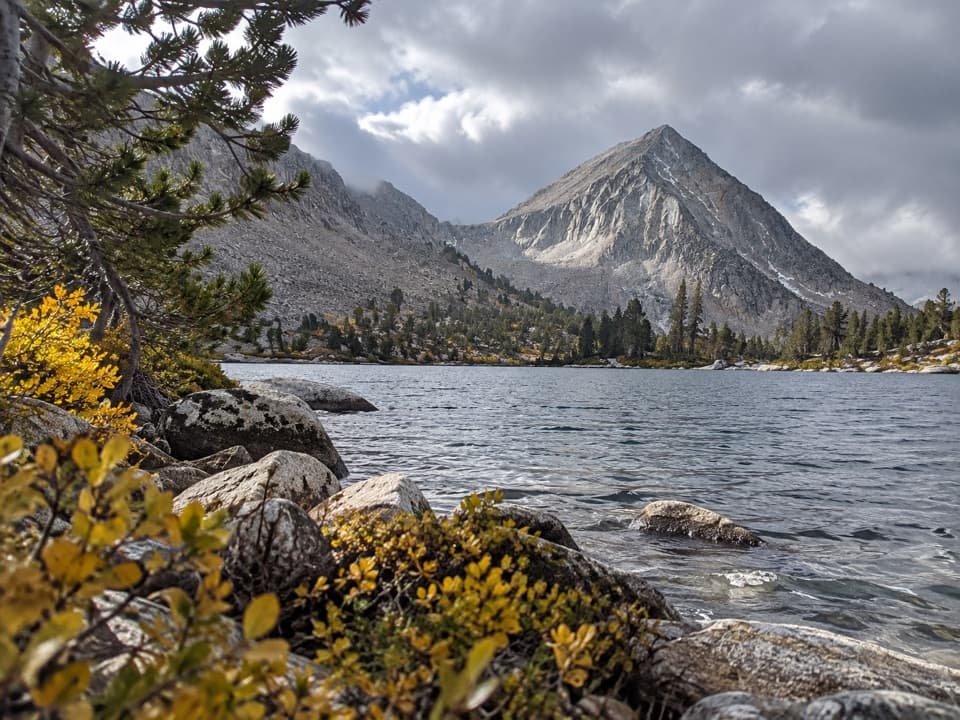
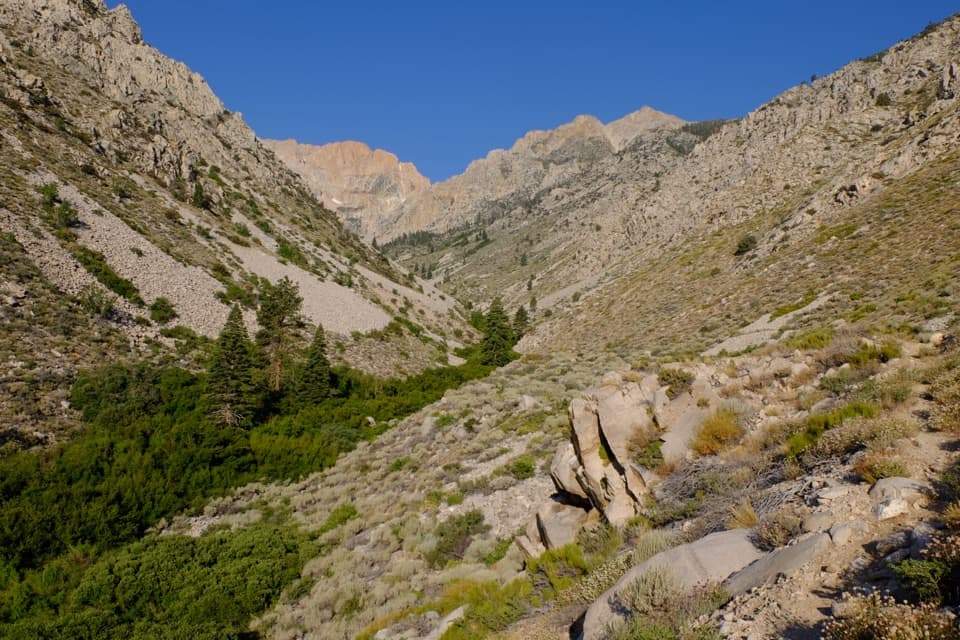
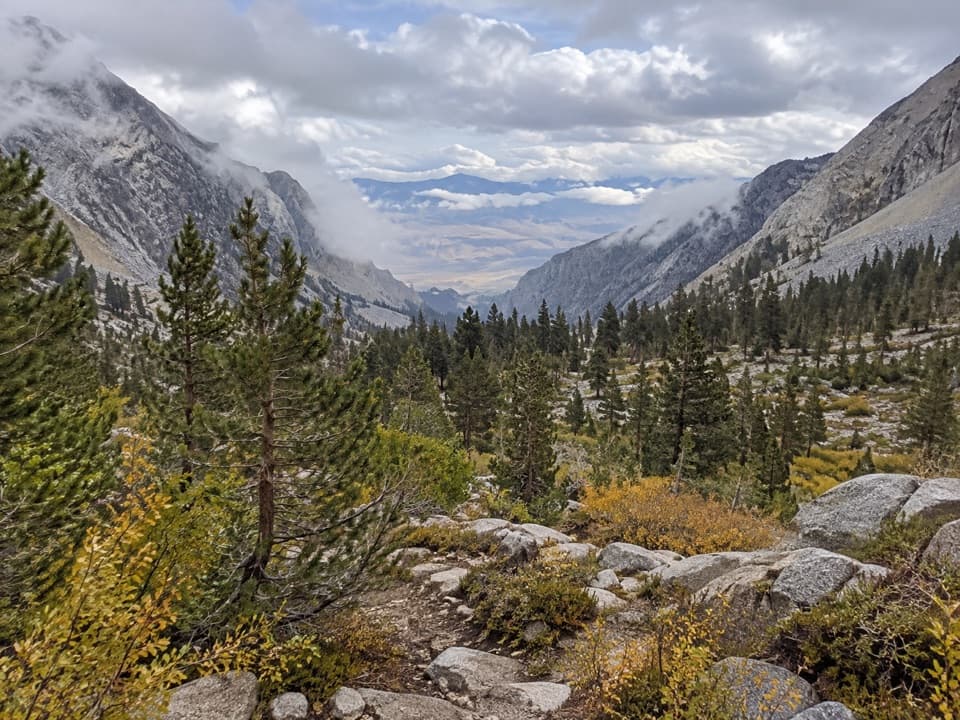
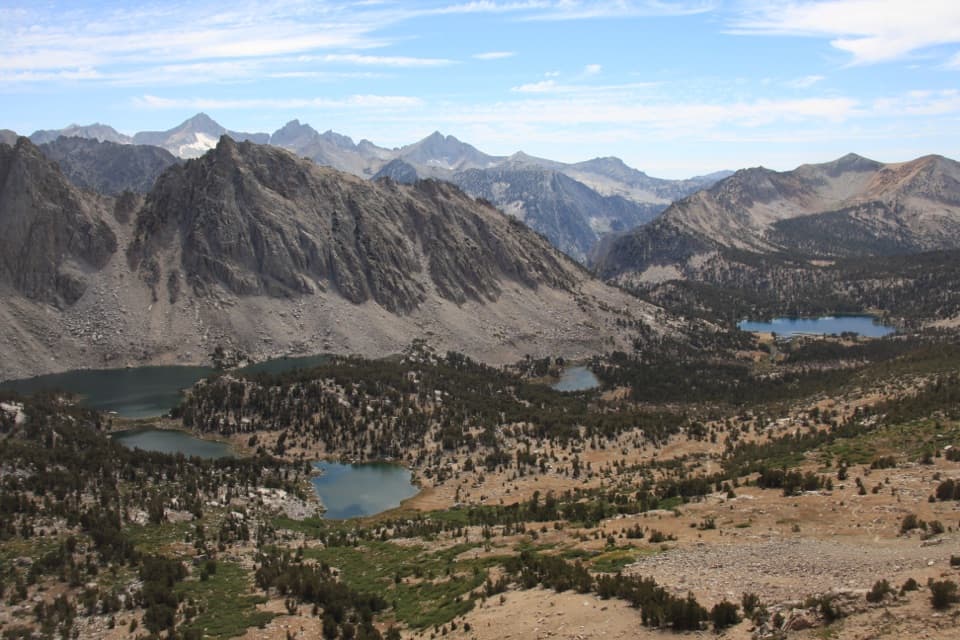
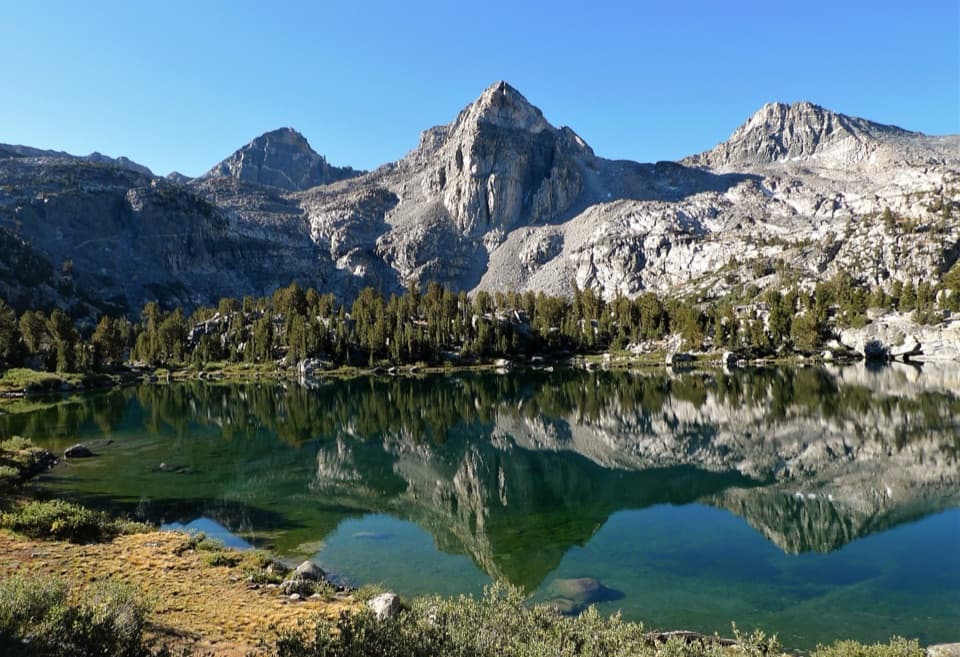
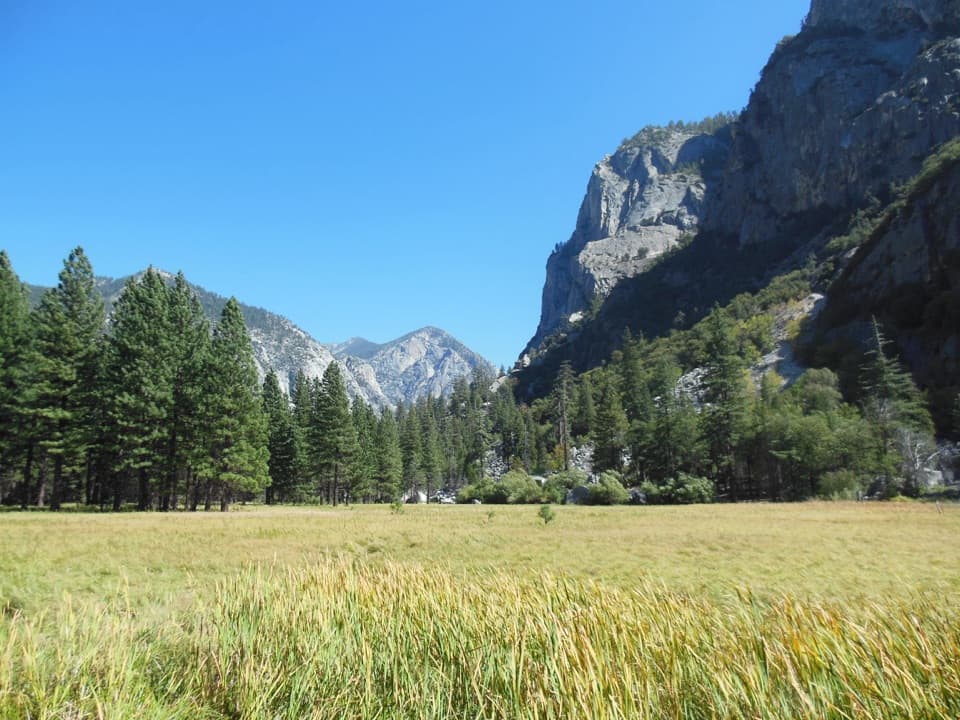
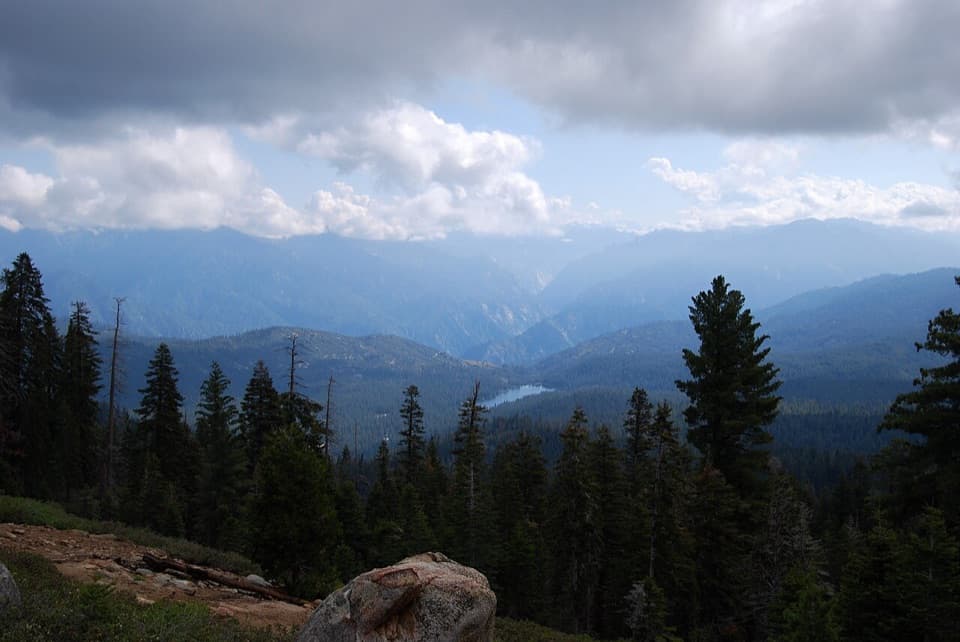
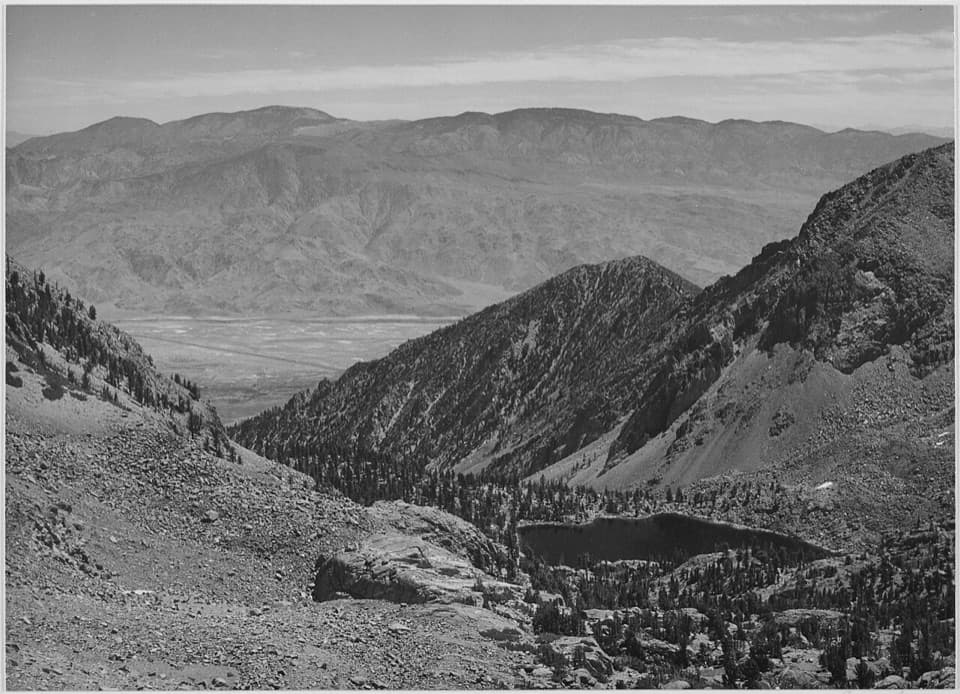
The first miles are a stark desert scene: sandy tread, sagebrush, big sun, and no water. After a long, steep grind, the trail enters Sawmill Canyon and finally offers shade and the first reliable water around mile 4.2 (about 7,250 feet). Higher up, Sawmill Meadow (∼5.7 miles, ~8,330 feet) is lush and often soggy, with benches above holding shallow lakes (including Mule Lake). Around 7.8 miles (∼9,970 feet), you’ll skirt the north side of clear, cold Sawmill Lake—note the striking patches of red soil and rock amid classic Sierra granite. The pass itself is broad, flat, and beautiful, with sparse meadows and boulders. On the west side, Woods Lake Basin spreads out with multiple lakes and very few people.
Make no mistake—this is a sufferfest: a huge elevation gain in relatively few miles. The lower section is hot and exposed with no shade or water, then the grade stays steep as you climb into forest, meadows, and alpine terrain. Above Sawmill Meadow, expect some overgrown spots, minor rockslides, and short stretches of boulder-hopping where cairns help with route finding. Snow can linger near and above Sawmill Lake and just before the pass, sometimes forming a large snowfield. Wind on ridges is common. Traffic is light throughout—solitude is part of the reward.
Count on no water for the first ~4 miles; the first reliable source is a tributary of Sawmill Creek around mile 4.2. Sawmill Meadow is often the first practical camping area, and there are numerous unofficial camps tucked around Sawmill Lake. West of the pass, Woods Lake Basin offers excellent, quiet camping. Treat all water. If you’re heading for the pass, top off at Sawmill Lake (or the small lakes just above it)—the final climb is exposed and typically dry. Anglers take note: Sawmill Lake has been stocked with trout.
For the high country, the typical window runs summer into early fall. Many hikers target mid/late summer for minimal snow at the pass. In warm months, start pre-dawn to beat the heat and exposure on the lower miles. Early season can bring snowfields near the pass; late fall can bring ice and cold winds. Shoulder-season days with cooler temps can make the lower desert climb more tolerable.
A free parking permit is required at the small trailhead lot. Overnight travel in this corridor typically requires wilderness permits from the managing agencies; confirm current rules before you go. Dogs are reported as allowed on this route, but regulations change across land boundaries—follow posted rules, especially as you enter the national park.
Small trailhead lot at the Sawmill Pass parking area; free permit required to park.
Extreme heat and no water for the first ~4 miles; very steep sustained climb; wind on ridges; occasional overgrown or rockslide sections requiring cairn-based navigation; seasonal snowfield near the pass may require a boulder workaround or traction. Pet regulations change at the park boundary—follow posted rules.