Place · 1.9 mi away

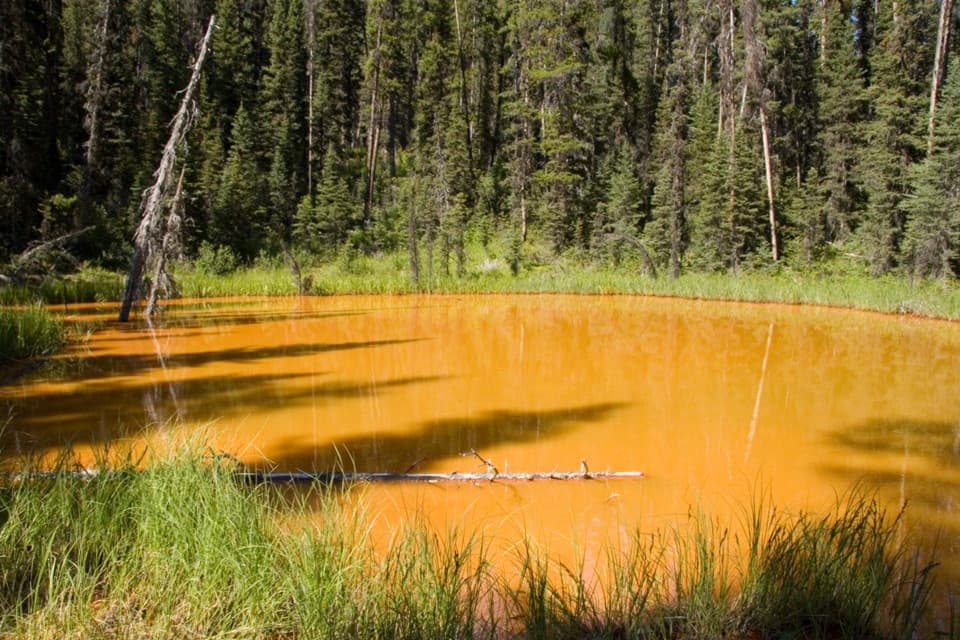
A quick, rewarding stop where cold, iron-rich springs bubble up and paint the earth in yellows, oranges and reds. The ochre beds and rust-hued pools are unlike anything else along the parkway—and this place carries cultural weight too, as the Ktunaxa people traditionally collected ochre here.
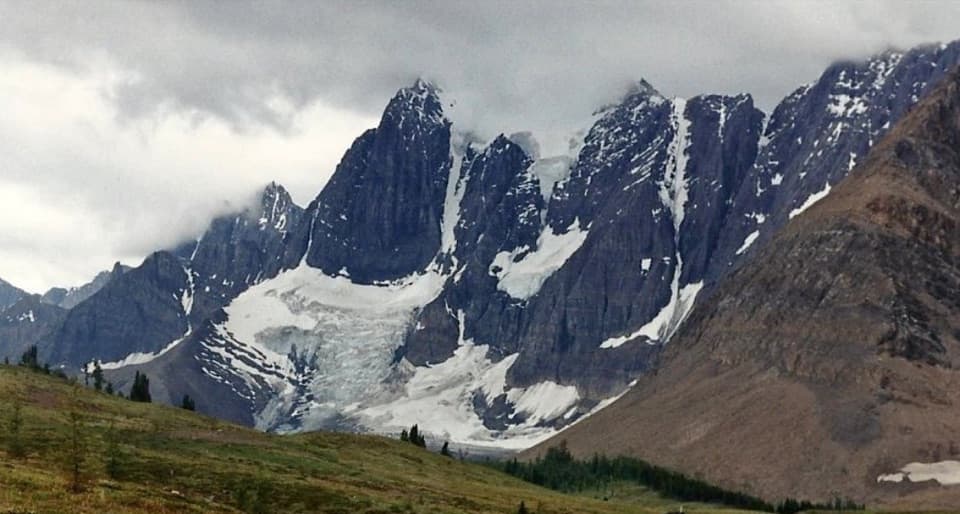
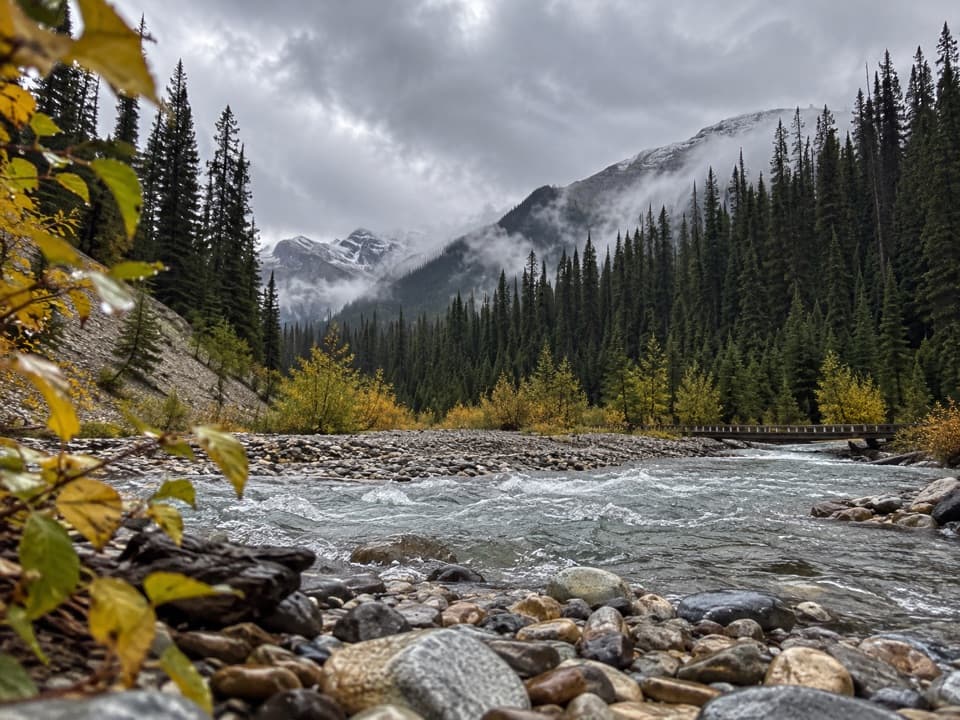
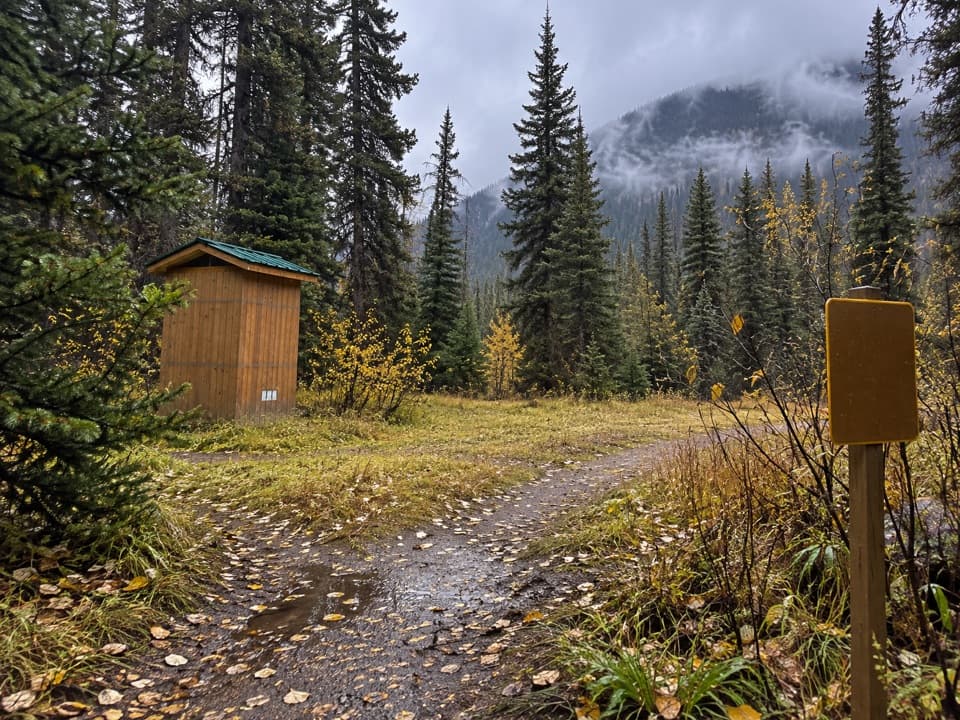
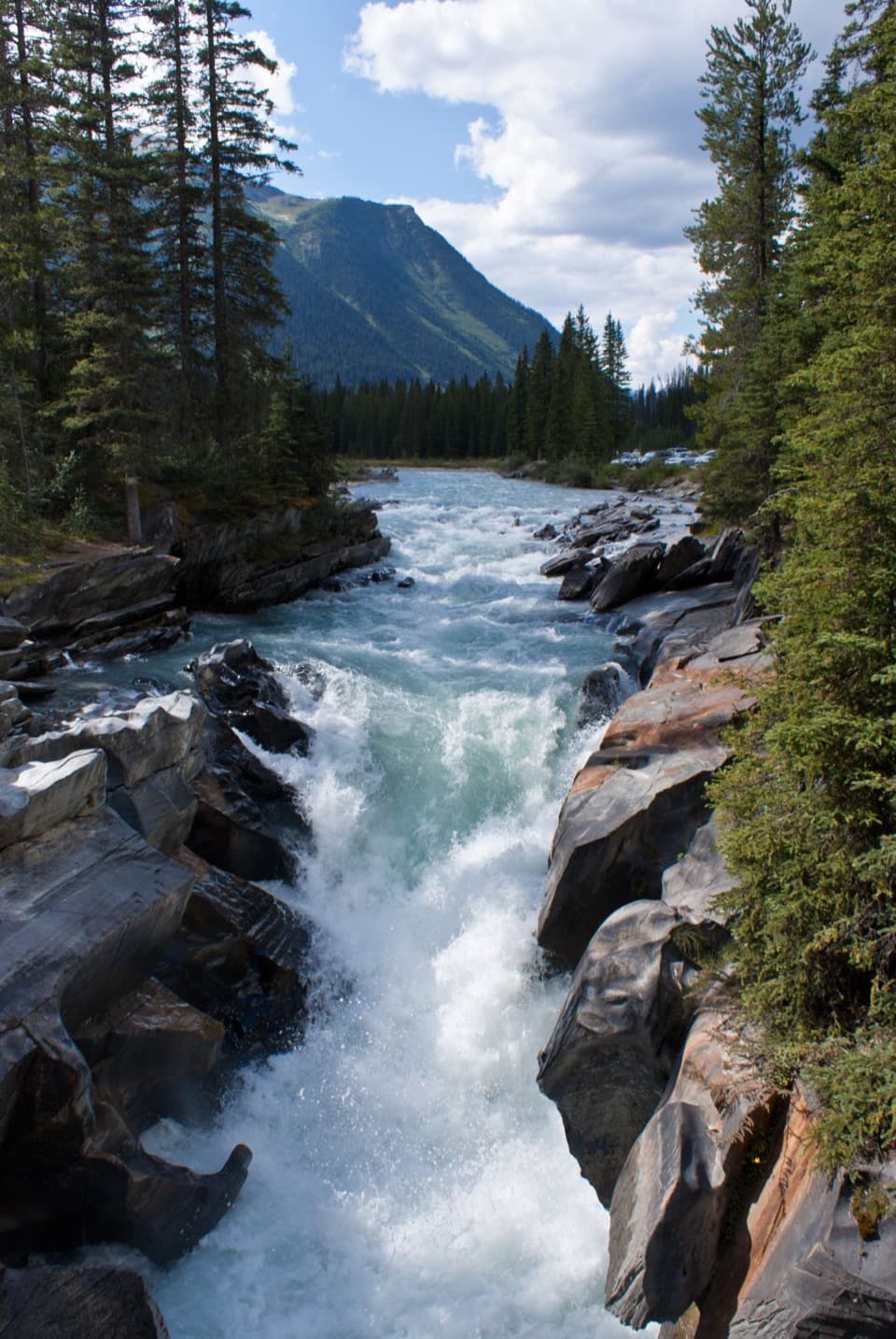
From the day‑use parking, cross the footbridge over the Vermilion River and follow the signed path left through the ochre beds. Short interpretive stops explain the pigments and history. A gentle rise leads to the three main “paint pot” pools where iron oxide bubbles up, flowing downslope in bright orange rivulets. Return the same way or make a small, quieter loop by the river. If you’re up for more, a signed connector continues to Marble Canyon (~4 km one way) with minimal elevation change and post‑wildfire wildflowers and views in season. This trailhead also accesses the multi‑day Rockwall route for backpackers.
Indigenous people used these ochre deposits for pigments long before the area was protected. Small‑scale settler extraction happened later, but today the site is part of the park and managed for its natural and cultural significance. Stay on the boardwalks and leave the ochre where it lies.
The day‑use area is open 24 hours. For softer light and fewer people, aim for early morning or late afternoon. Colors often look extra punchy after rain—but that’s also when the beds are messiest. Spring and fall can bring mud or even minor flooding; in winter the bridge and boardwalks can be icy, so traction helps.
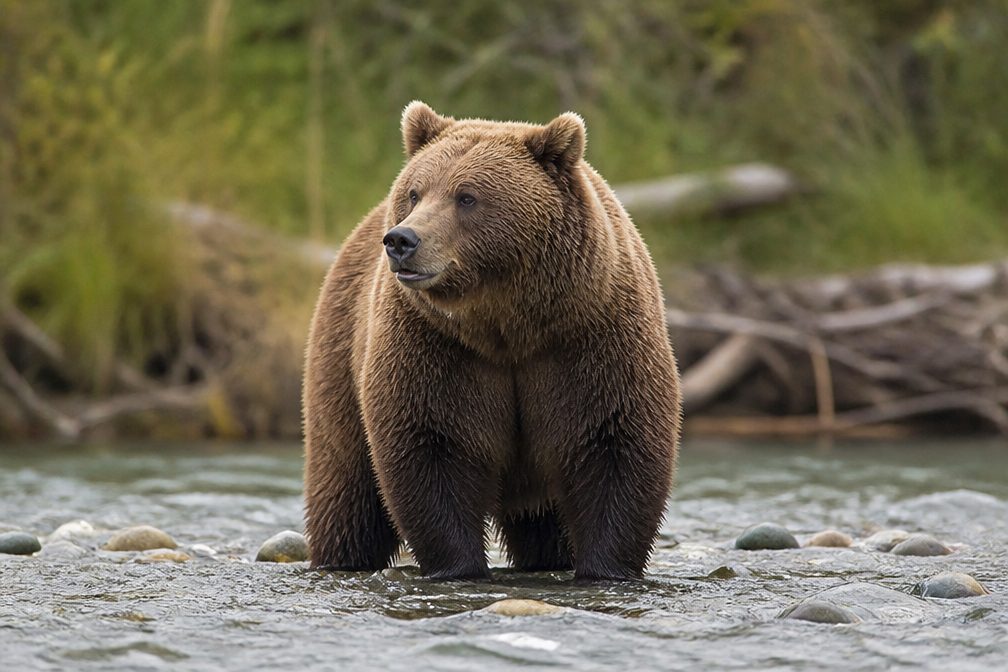
This is active bear country—make noise on the approach and carry bear spray. The trail is short, but the ochre can permanently tint light footwear, and wet sections get slick. Check current conditions before setting out.
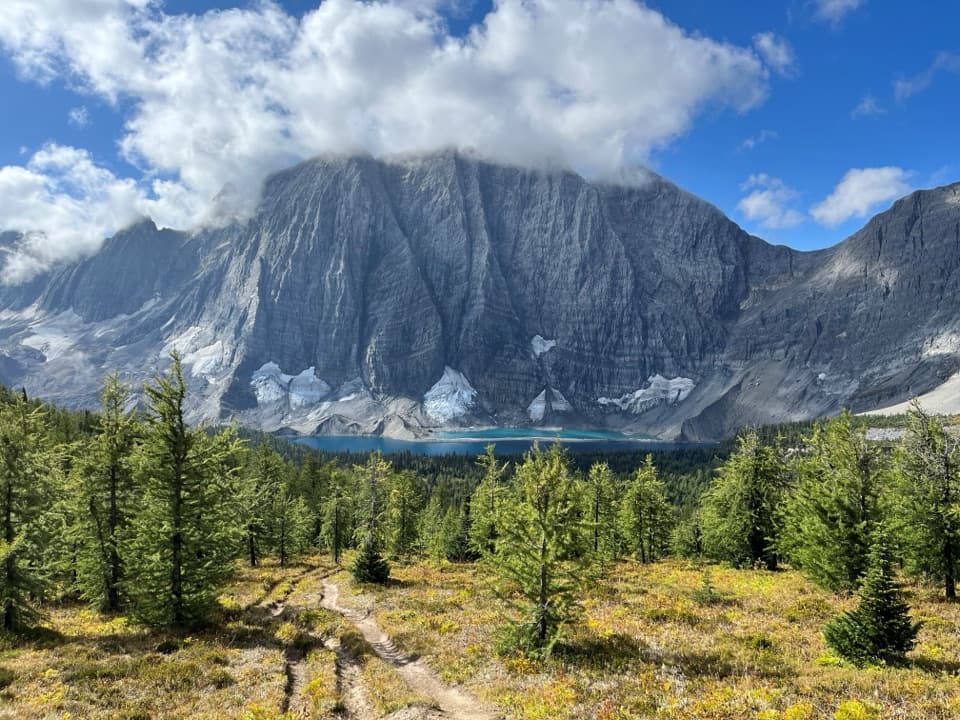
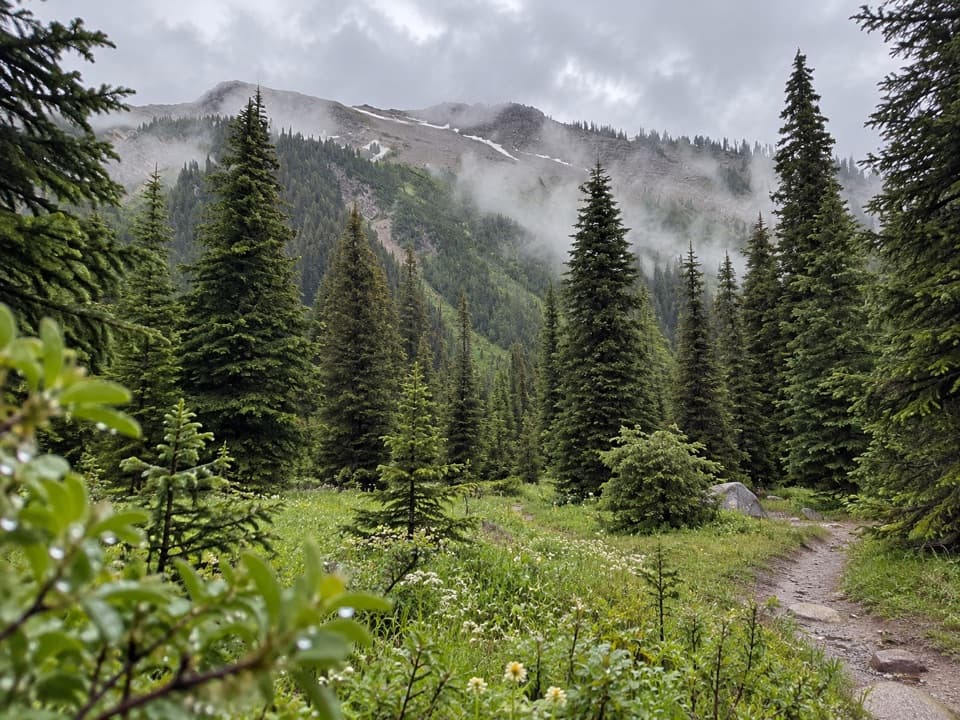
If you have an extra hour, continue from the Paint Pots toward Marble Canyon for a mellow riverside extension with mountain views and abundant wildflowers in the burn zone when in season.