Place · 0.8 mi away

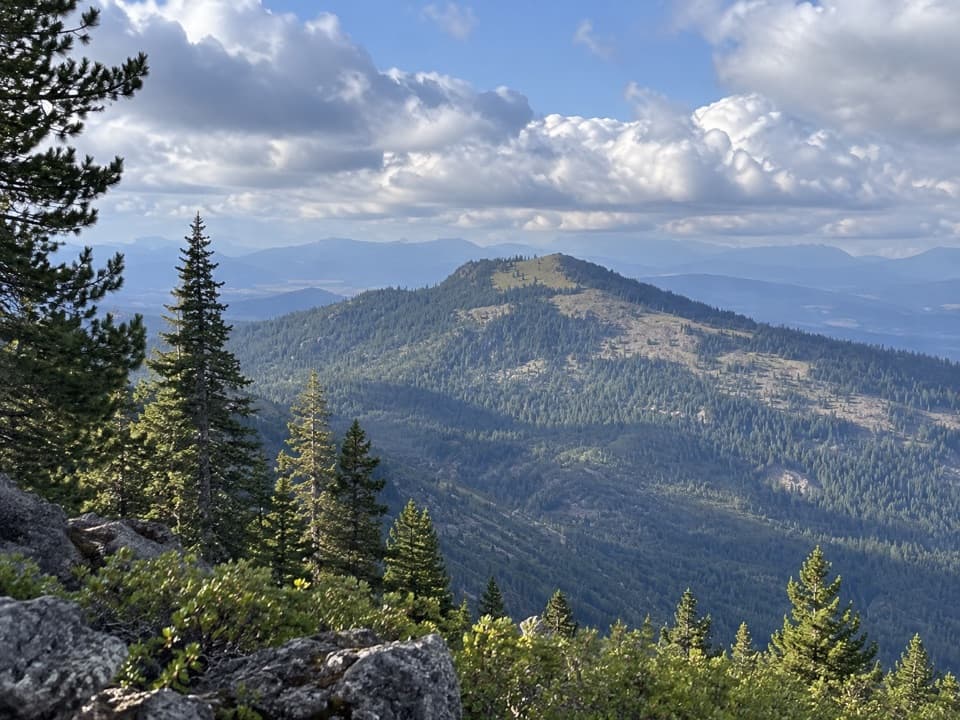
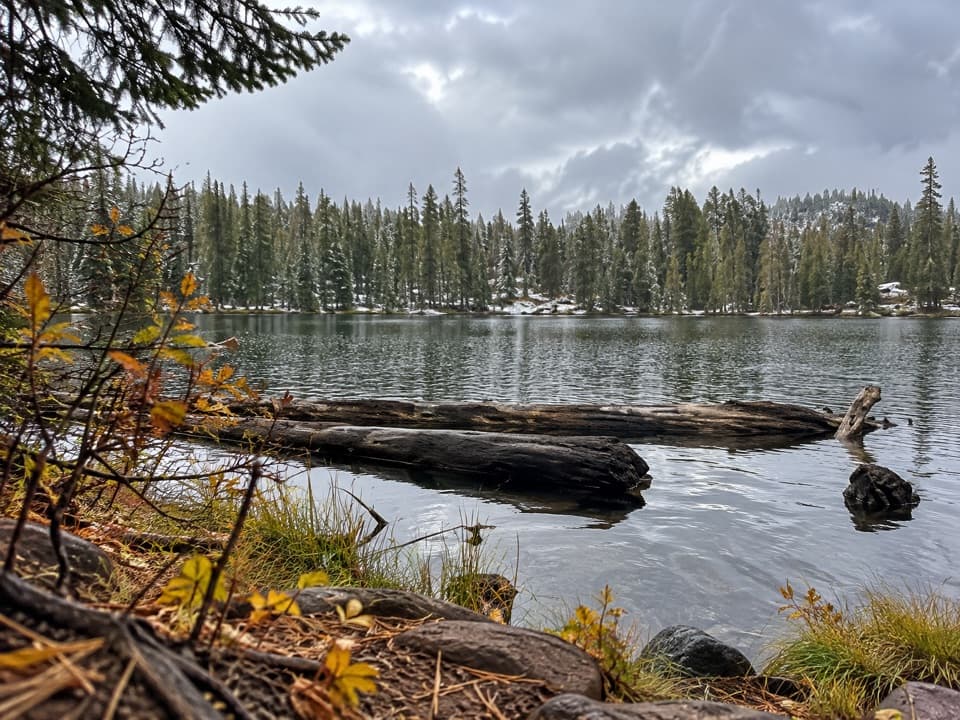
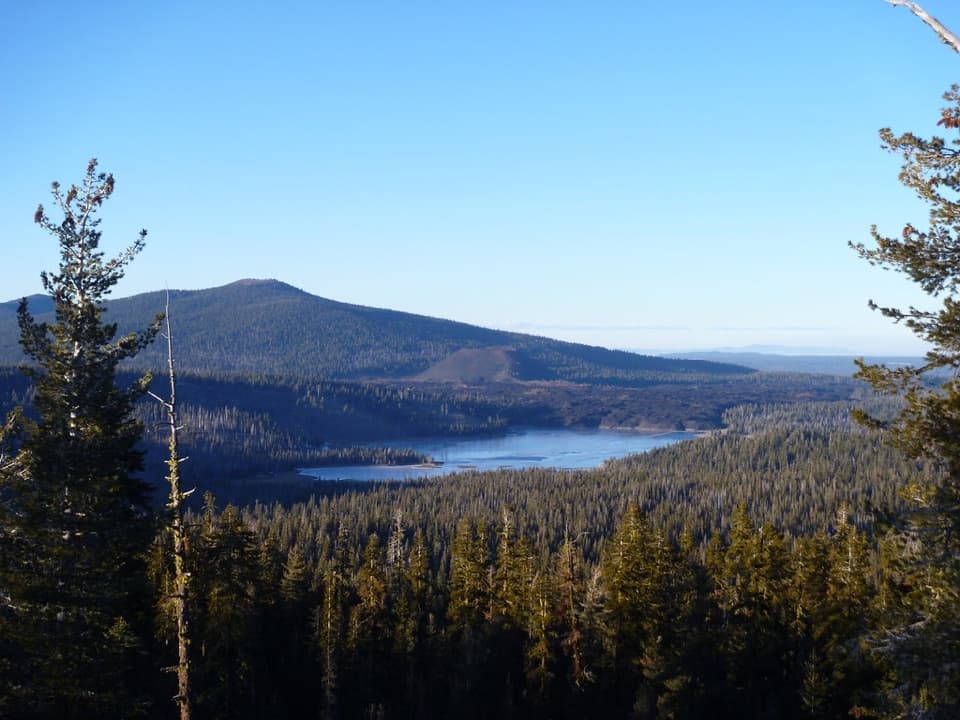
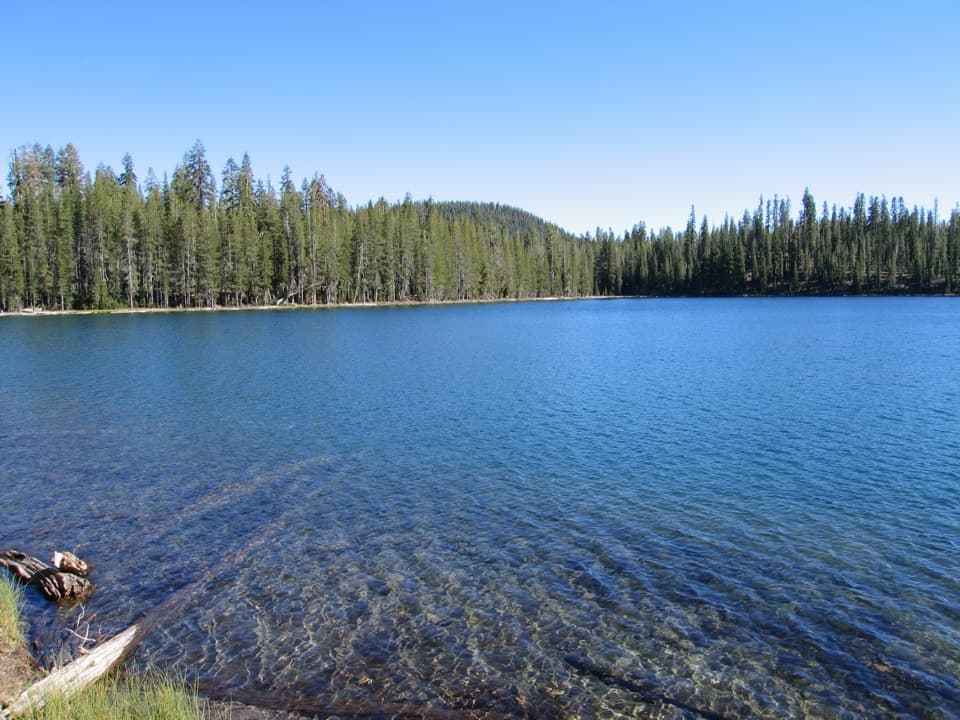
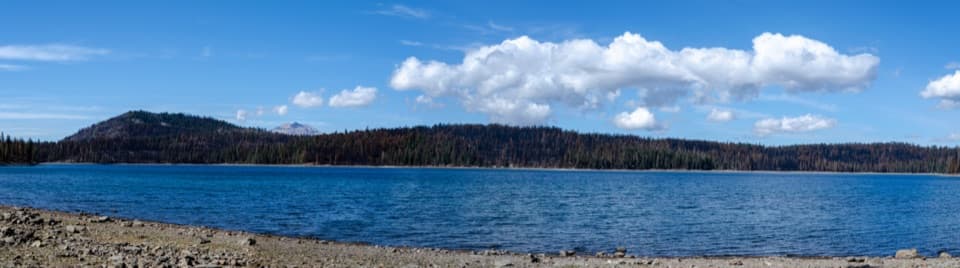
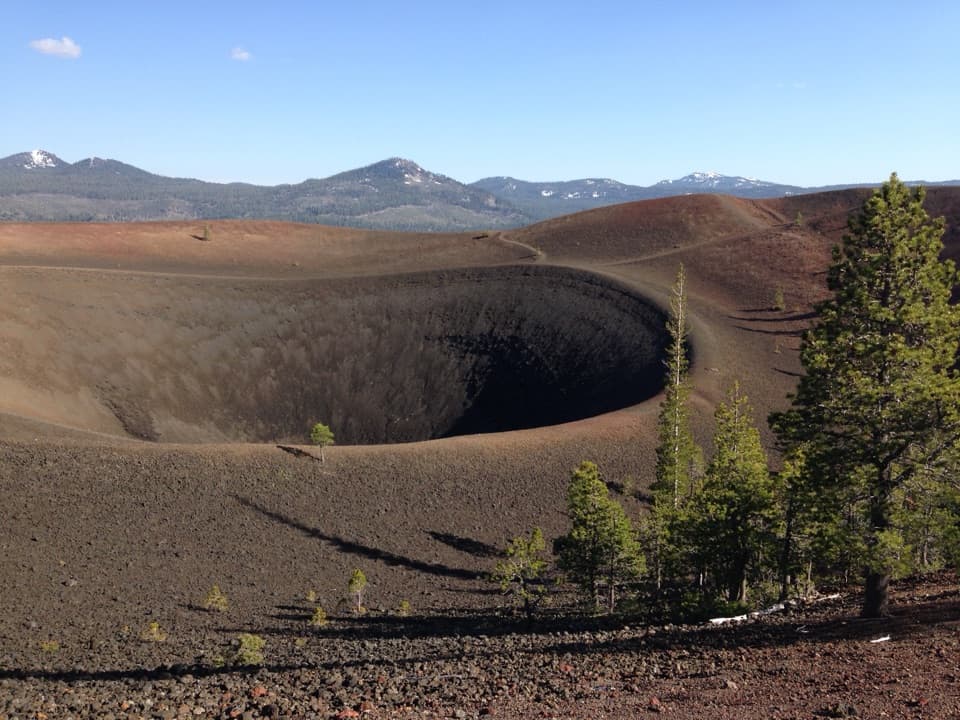
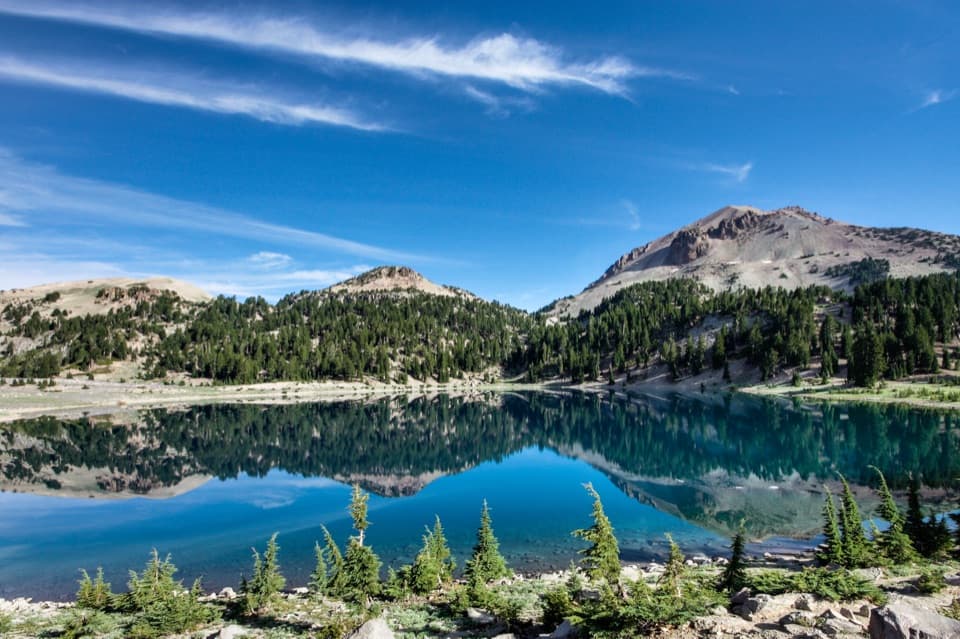
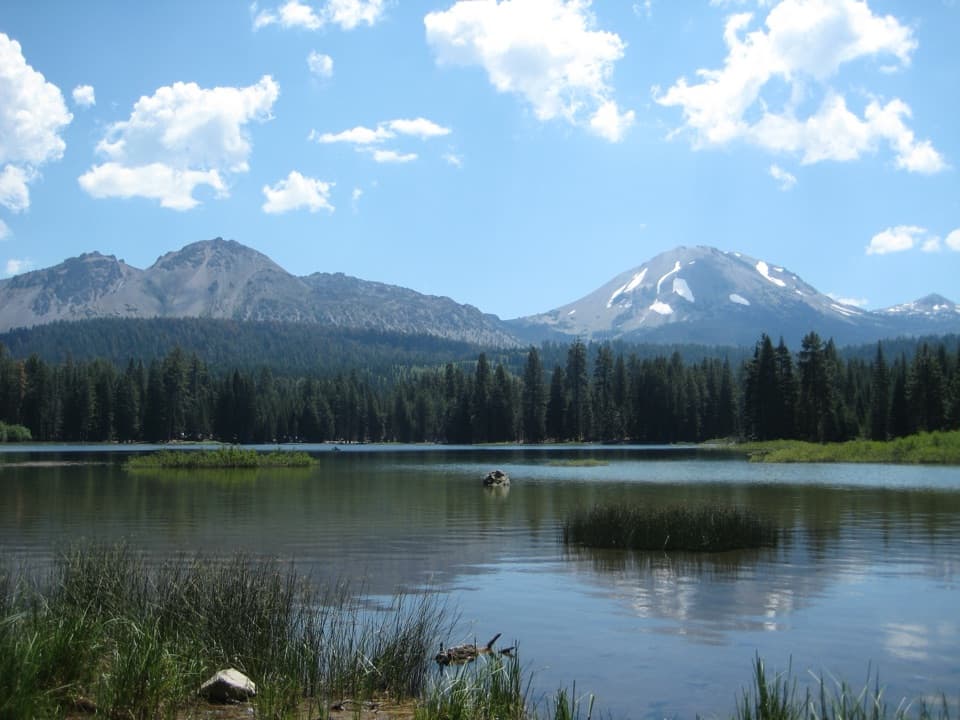
If you’re chasing solitude and starry skies, this is your corner of the park. Juniper Lake Campground is a limited‑development, lakeside spot on the park’s quieter southeast side—think glassy, motor‑free water, mountain views, and trailheads right from camp. It’s rustic by design and that’s the charm.
Access is via a 13‑mile road from Chester, with the final 6–7 miles on rough, narrow dirt that’s steep and washboarded in places. High‑clearance vehicles are recommended; RVs, motorhomes, and trailers are not advised. The road closes in winter and spring, so this is a summer–fall destination.
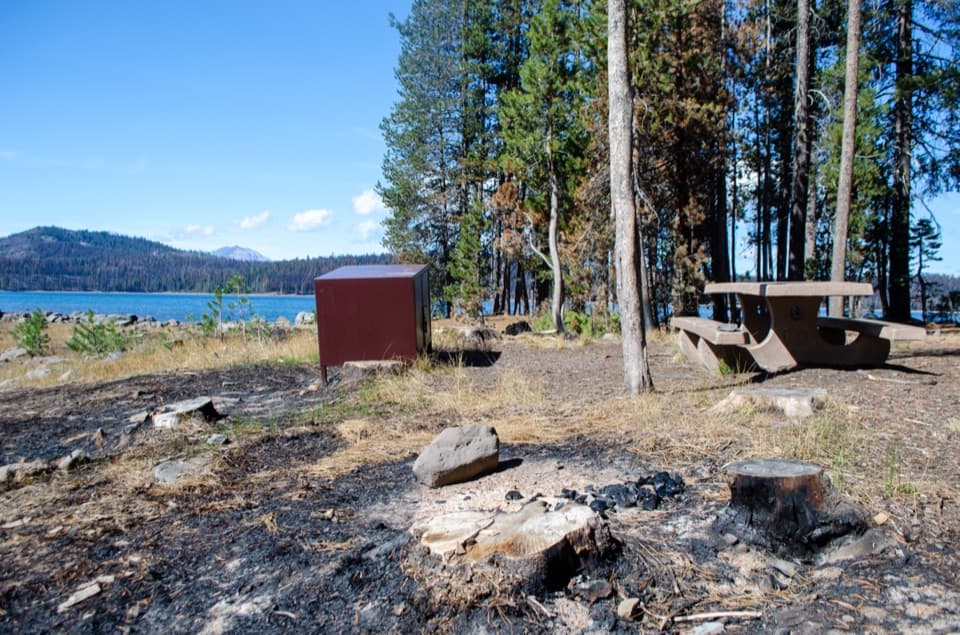
Campsites are first‑come, first‑served, each with a picnic table, fire ring, and bear box. Vault toilets serve the area. There’s no potable water—bring all your drinking water or a solid treatment method. Two tent‑only group sites (A & B) sit adjacent to the main campground; they were closed for the 2024 season due to Dixie Fire impacts, so check status before counting on them. An entrance fee or park pass is required.
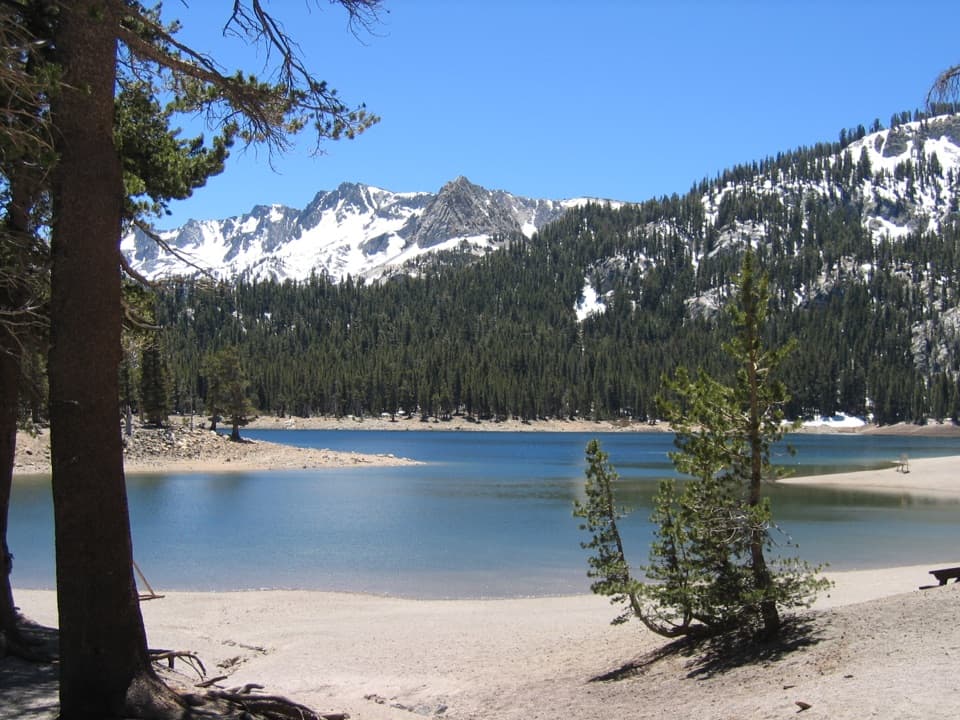
Juniper Lake is all about quiet paddling and swims on warm afternoons. Motorized boats aren’t permitted, which keeps things peaceful for kayaks, canoes, and SUPs. The water stays cool year‑round and there are no sport fish, so plan your activities accordingly. The day‑use beach doubles as an easy hand‑launch spot and a prime place for sunset color.
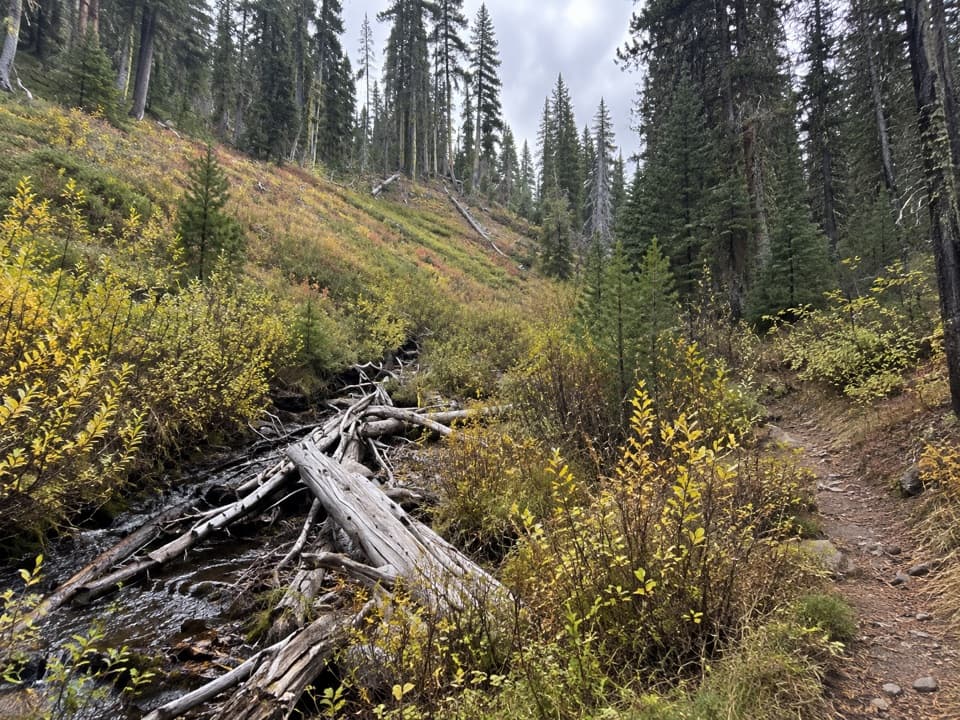
You’re spoiled for options right out of camp: the Mount Harkness trail climbs to a historic fire lookout with panoramic views; shorter routes head to Crystal Lake and loops around Juniper, with connections toward Horseshoe and Snag Lakes. Backpacking is popular from this side of the park—free permits are required.
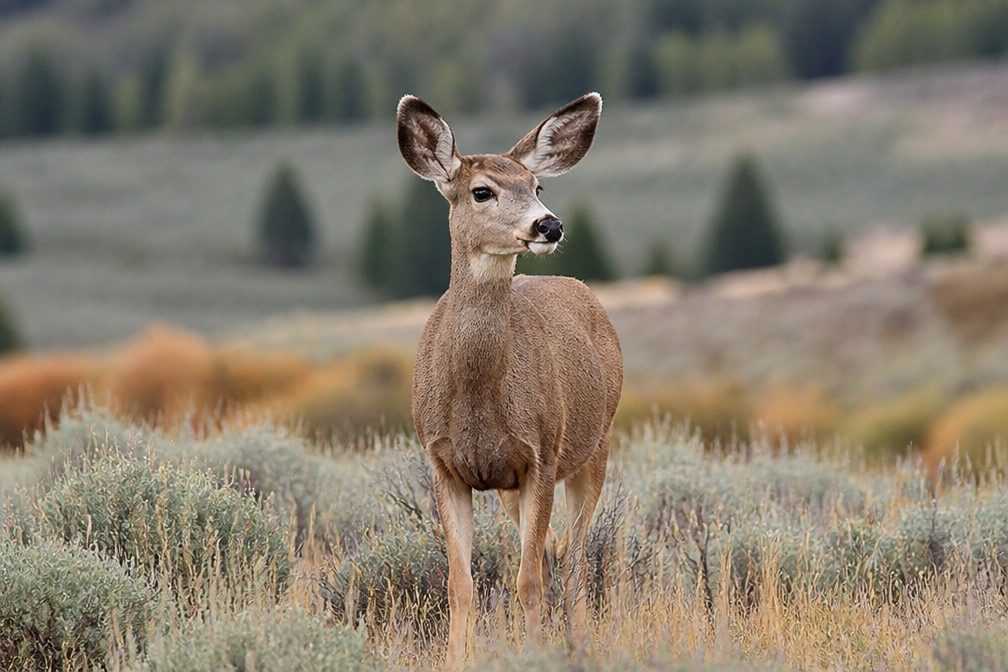
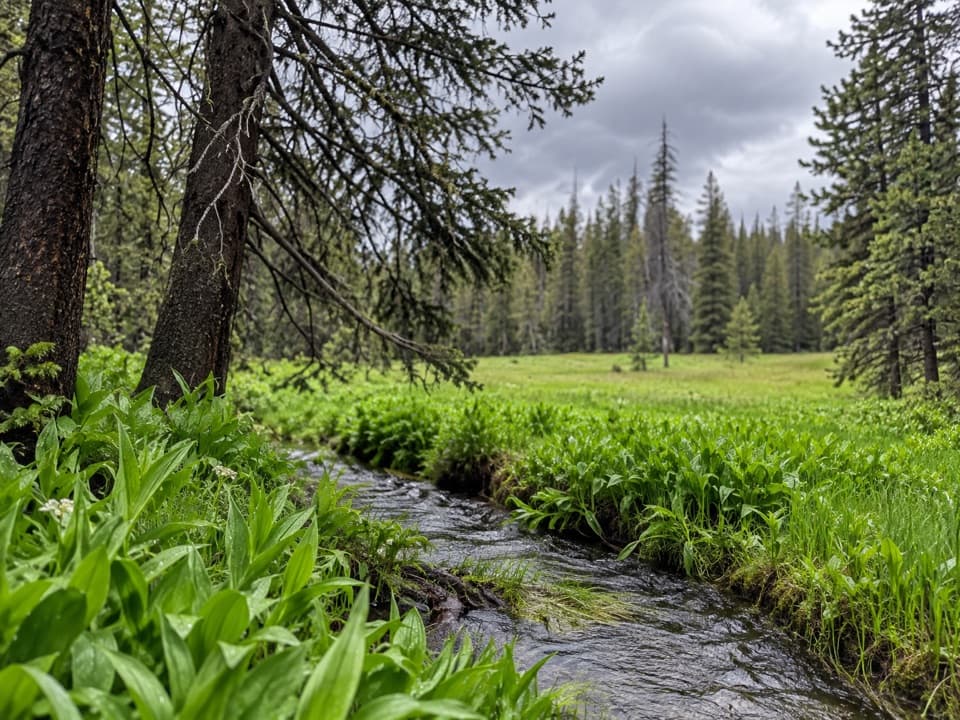
Expect a mellow, “hidden‑gem” feel—deer commonly wander through camp, and the lack of motors makes evenings especially serene. With minimal development and no services, the night skies can be excellent.
Late June through October is typical, depending on snow and road status. For campsites, midweek arrivals are easiest; weekends can fill. Mornings often bring calmer water for paddling, while the beach area delivers the best light at sunset. Mountain weather shifts quickly—even August can bring hail or cold rain—so pack layers.