Place · 0.7 mi away

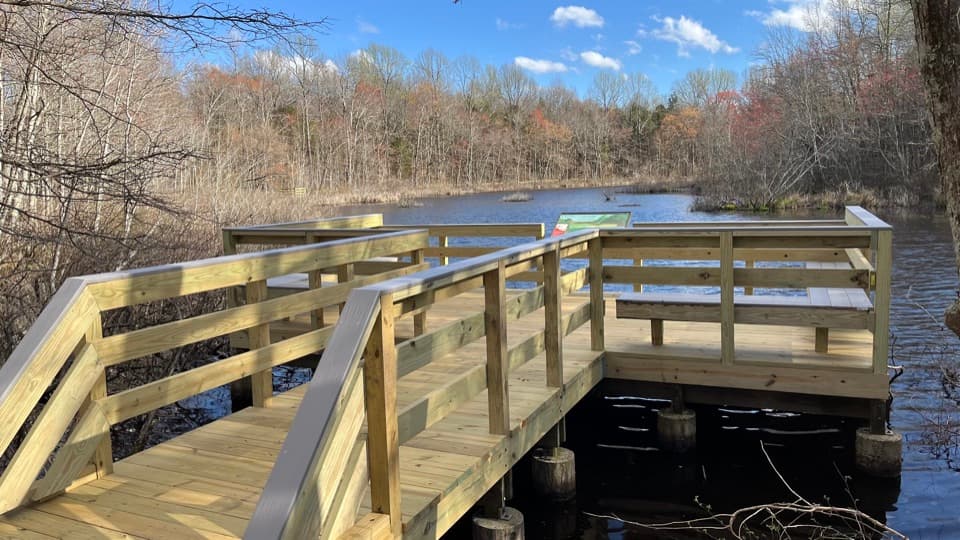
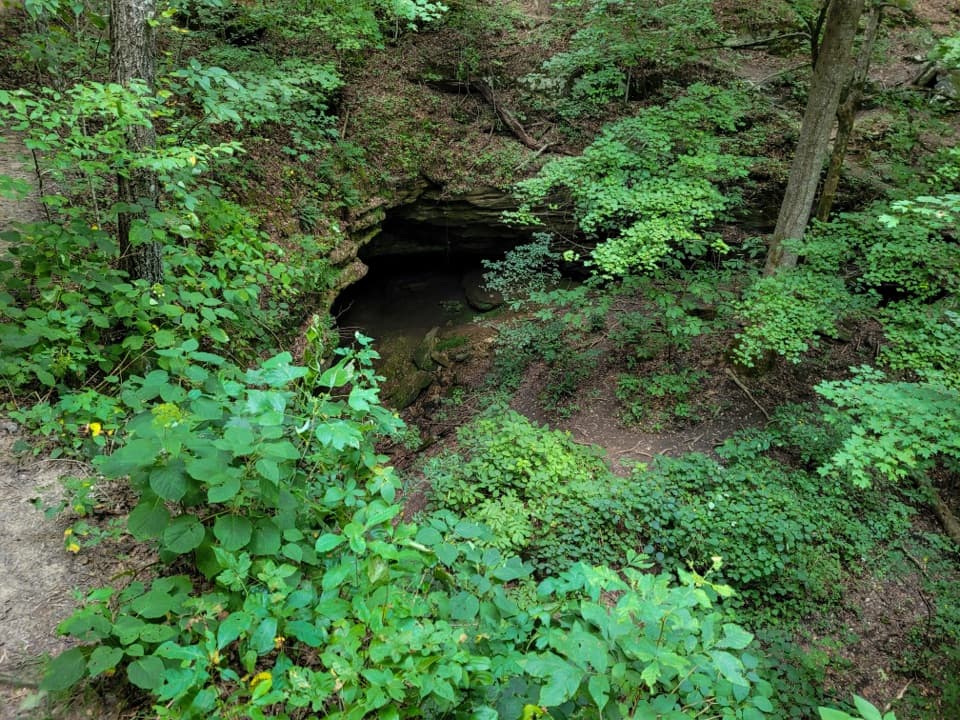
Sand Cave is a quick, meaningful stop near the park’s main entrance sign on KY-255/Cave City Road. A short, quiet boardwalk leads to an overlook above the cave entrance. You don’t go underground here—the cave is closed for safety—so think of this as a history stop and viewpoint rather than a cave tour.
Expect a brief forested stroll on a well-maintained boardwalk ending at a level platform that looks toward the cave mouth. You’ll peer through trees to see the entrance; signs ask you to remain on the walkway. Plan on just 10–20 minutes total.
This is the site of the 1925 Floyd Collins tragedy, one of the most storied episodes in American caving history. Trail signage tells the story and sets a reflective tone—many visitors come more for the history than the view.
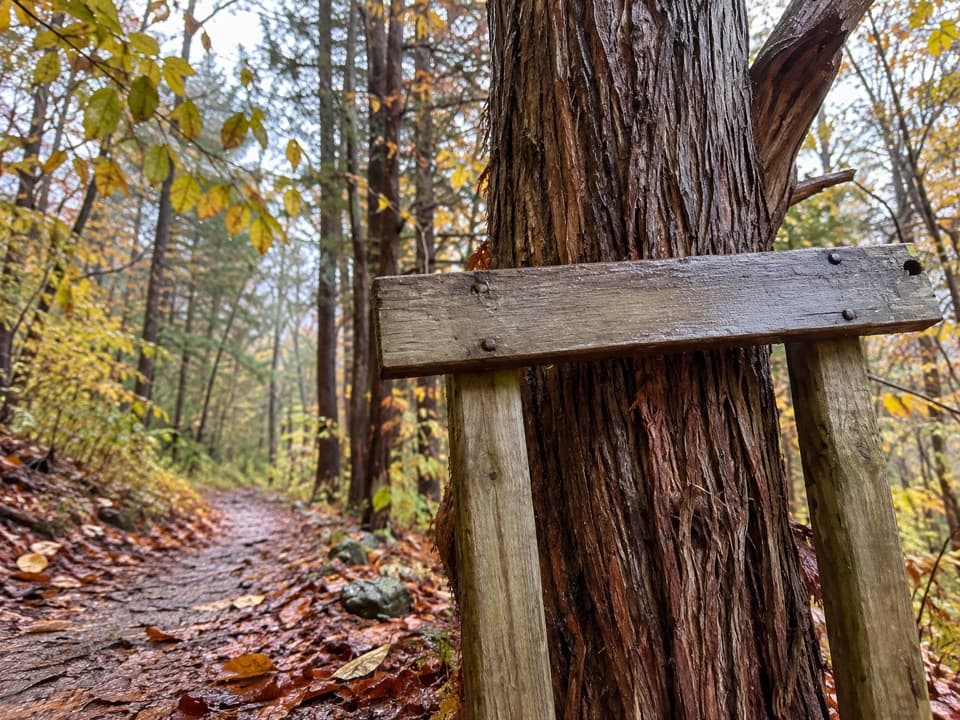
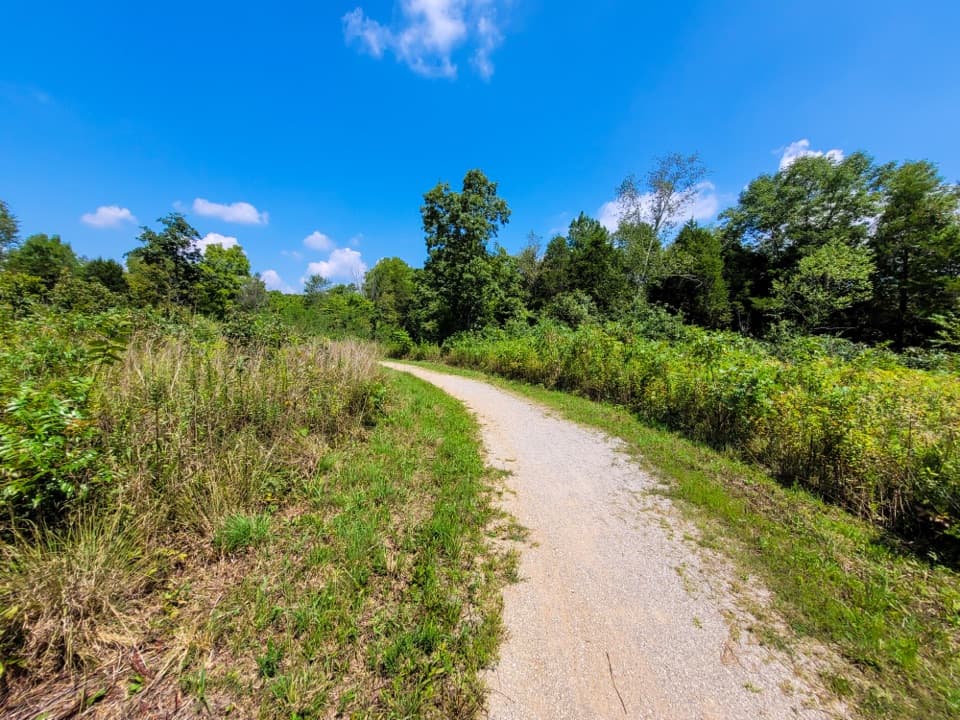
The out-and-back walk is about 0.3 miles with minimal elevation. It’s shaded, quiet, and easy. Surfaces can be damp and a bit slick after rain, so wear shoes with some grip and stick to the boardwalk.
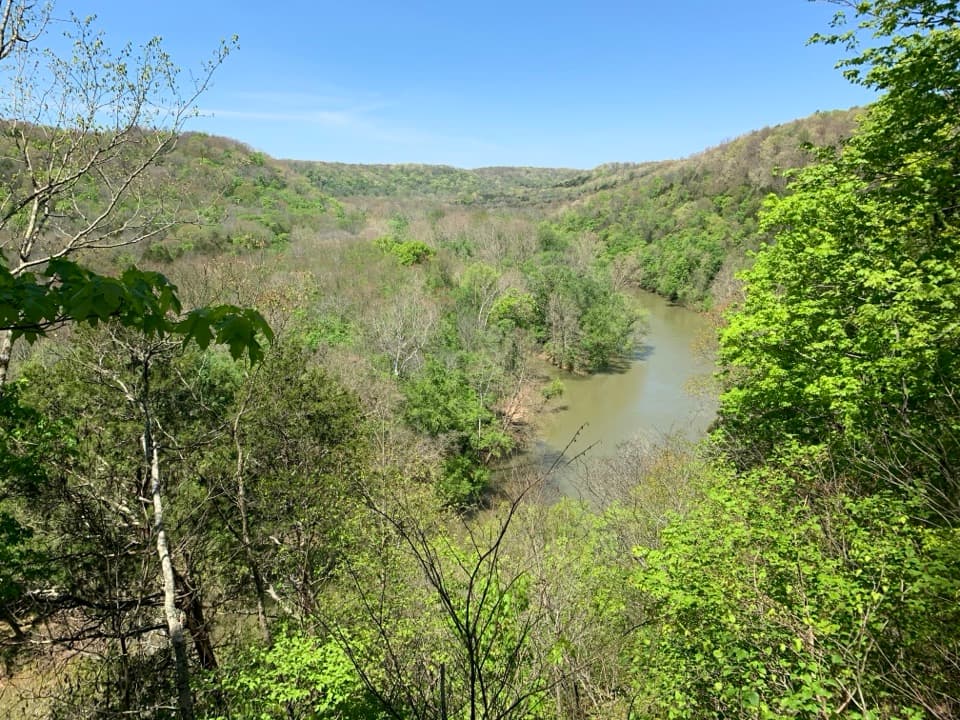
Sand Cave is part of the Mammoth Cave karst landscape, carved primarily in Mississippian-age limestones (St. Louis, Ste. Genevieve, and Girkin formations) with the tougher Big Clifty sandstone acting as a caprock above many passages. Cave development here began roughly 10–15 million years ago as slightly acidic groundwater enlarged fractures in the limestone, creating the extensive cave system we know today.
At the pull-off you’ll find parking and the boardwalk, but not much else. Use restrooms and water at the Visitor Center before or after your stop.
Anytime you’re passing the park entrance—this is an easy add-on before or after the Visitor Center. The shaded boardwalk makes it comfortable throughout the day. After rain, expect slick boards and darker views into the entrance.
If you’re after a fast, low-effort stop with real historical weight, yes. If you’re looking to go underground, book a formal cave tour instead—this spot is strictly a viewpoint.