Mammoth Dome

A towering 200-foot vertical shaft showcased on guided cave tours
Mammoth Dome, Mammoth Cave National Park
InsideMammoth Cave National Park

Overview

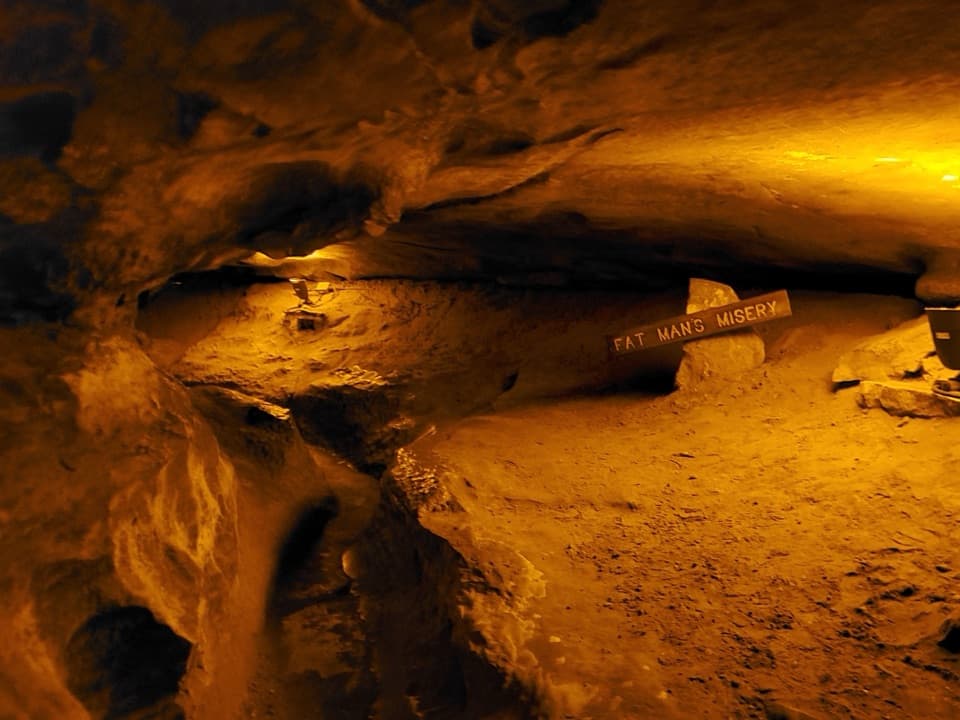
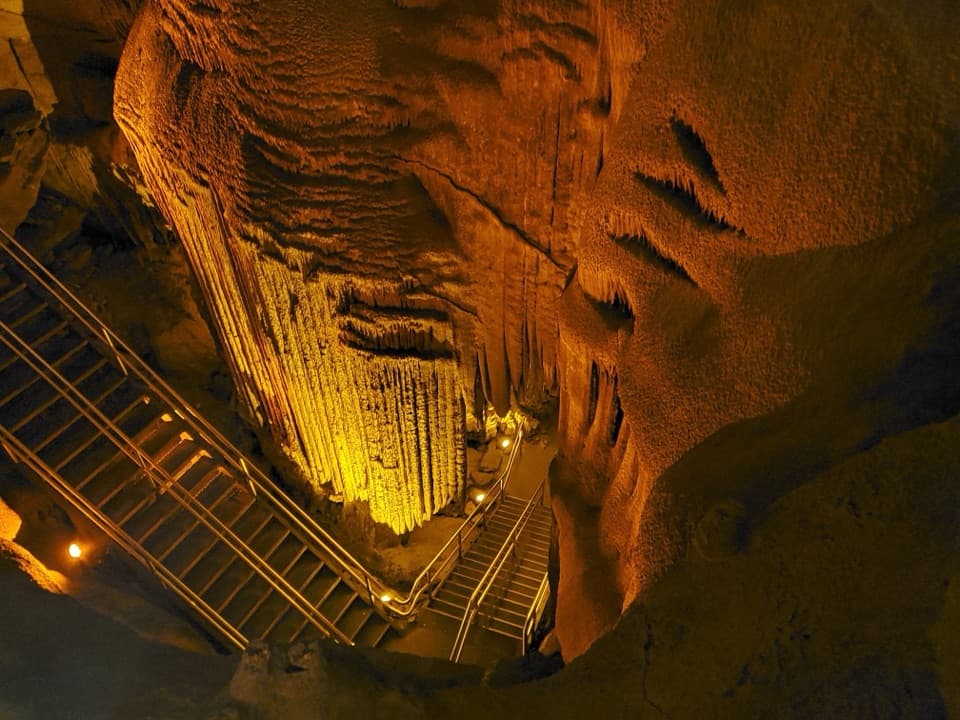
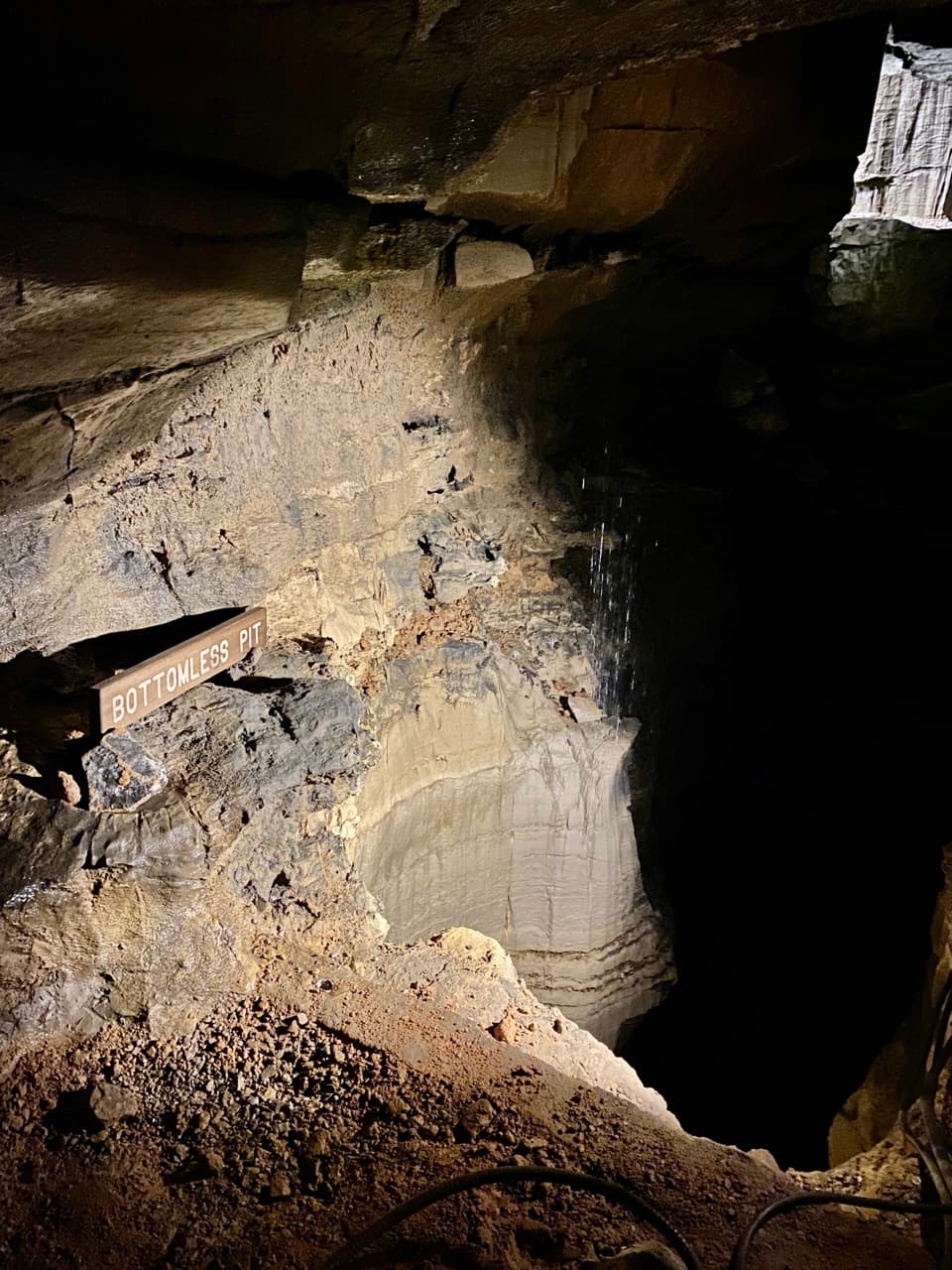
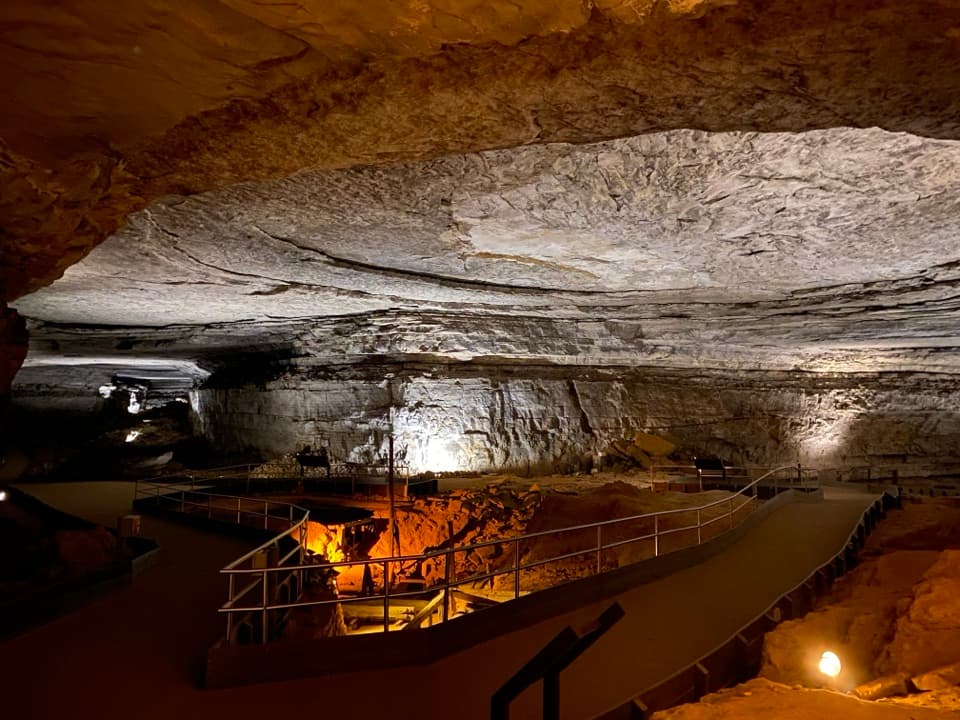
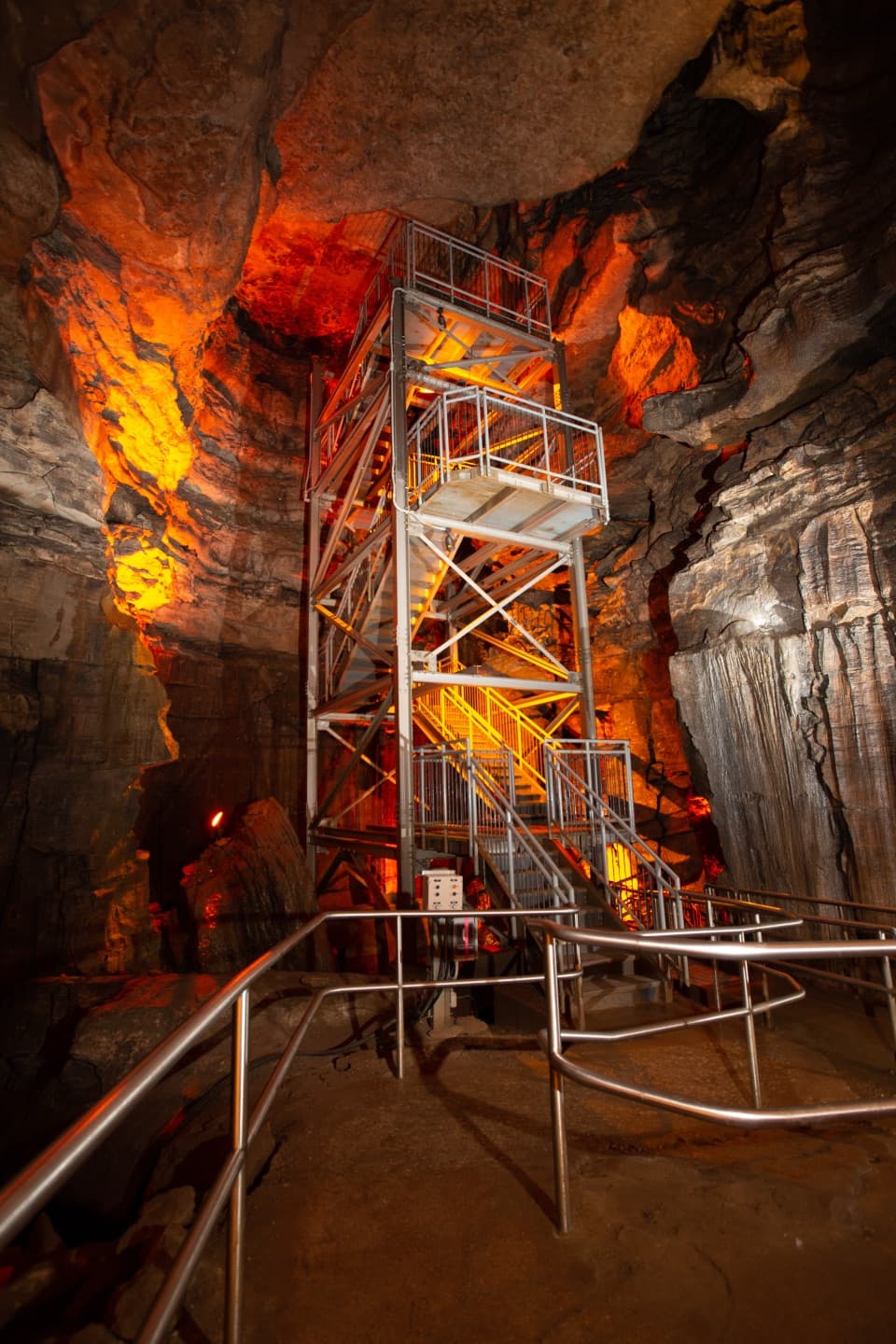
Mammoth Dome is exactly what it sounds like: a huge vertical chamber deep inside the cave system, where water once plunged straight down and carved a towering shaft through the limestone. It’s one of the spots that makes people say "oh, wow" out loud—sheer scale, echoing darkness, and a real sense of the cave’s power.

What You’ll See

Expect a tall stairway section with railings and staged viewpoints that let you look up (and down) into the dome. On many routes, it’s the memorable stretch with lots of steps and dramatic walls. The chamber is cool and damp year-round, with that steady cave temperature around the mid‑50s Fahrenheit.

How It Formed (quick and nerdy)

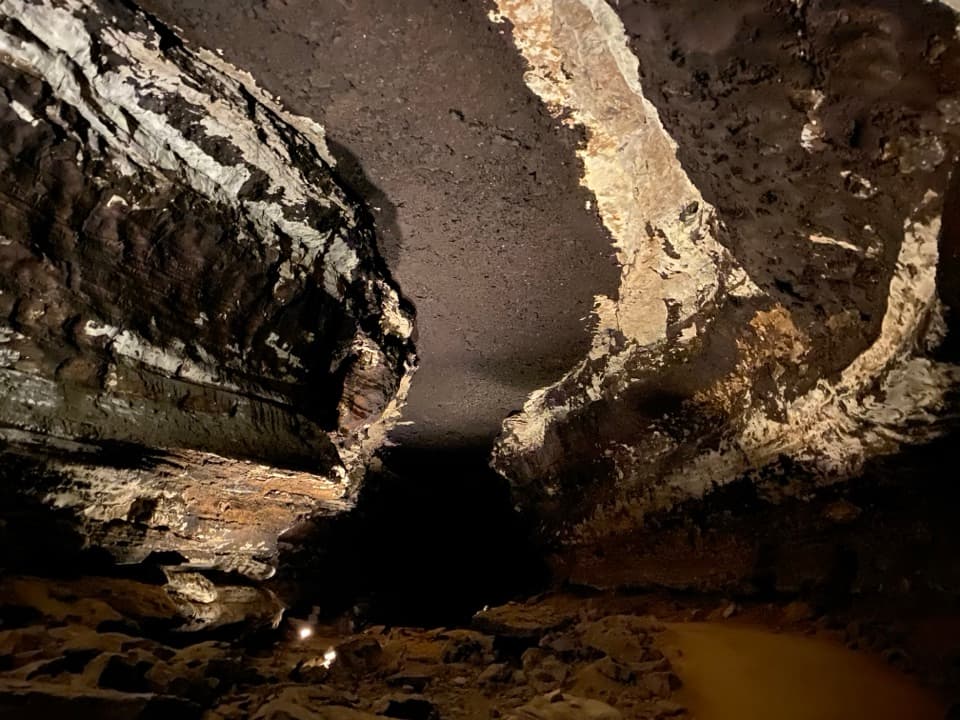
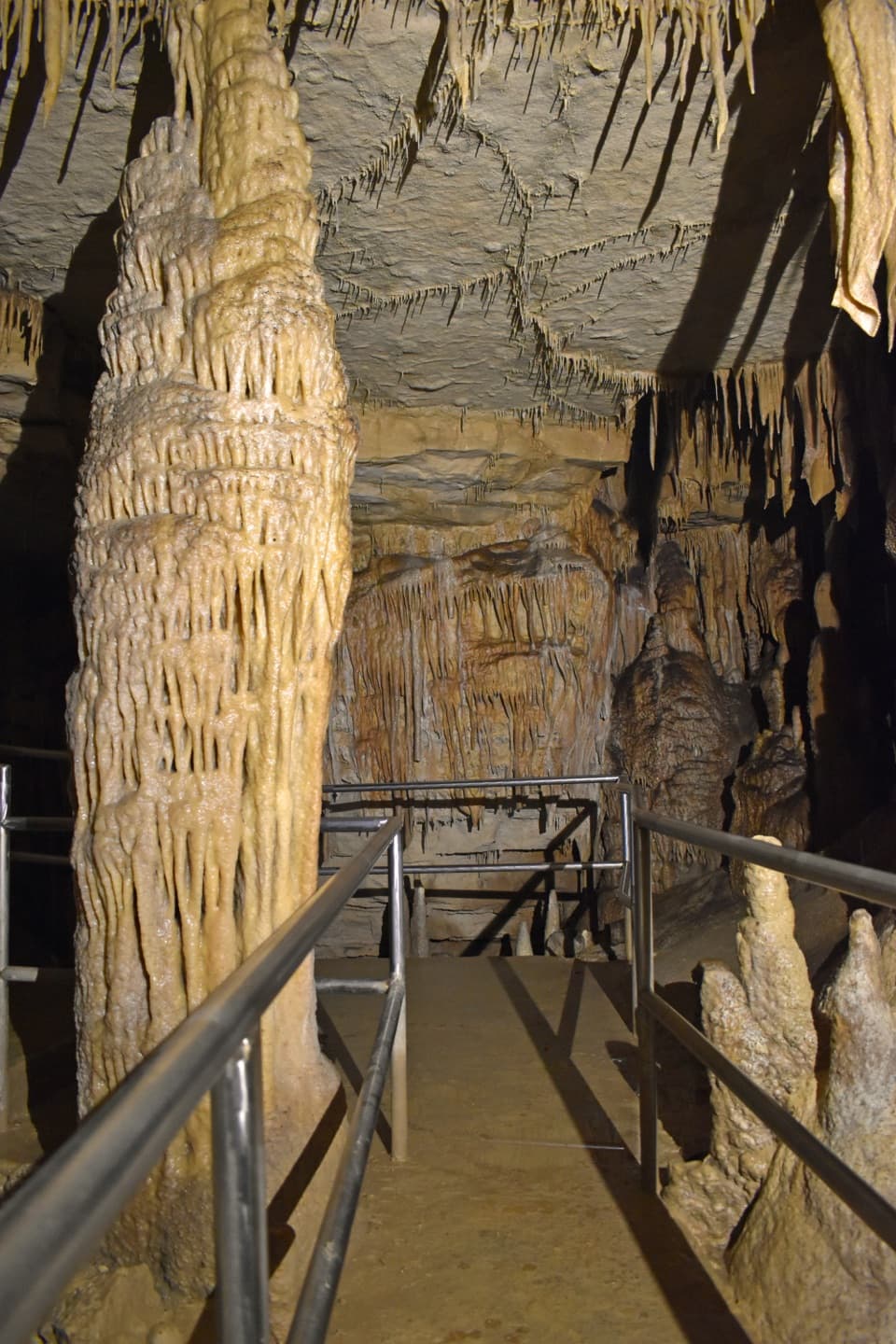
Rainwater picks up carbon dioxide to become a weak carbonic acid. Over time, that water exploited fractures and bedding planes, dissolving the limestone and enlarging a vertical shaft—classic karst at work. As the Green River cut down and groundwater levels dropped, vertical flow intensified, helping big domes like this one develop within the Mississippian limestone layers.

Getting There (access and logistics)

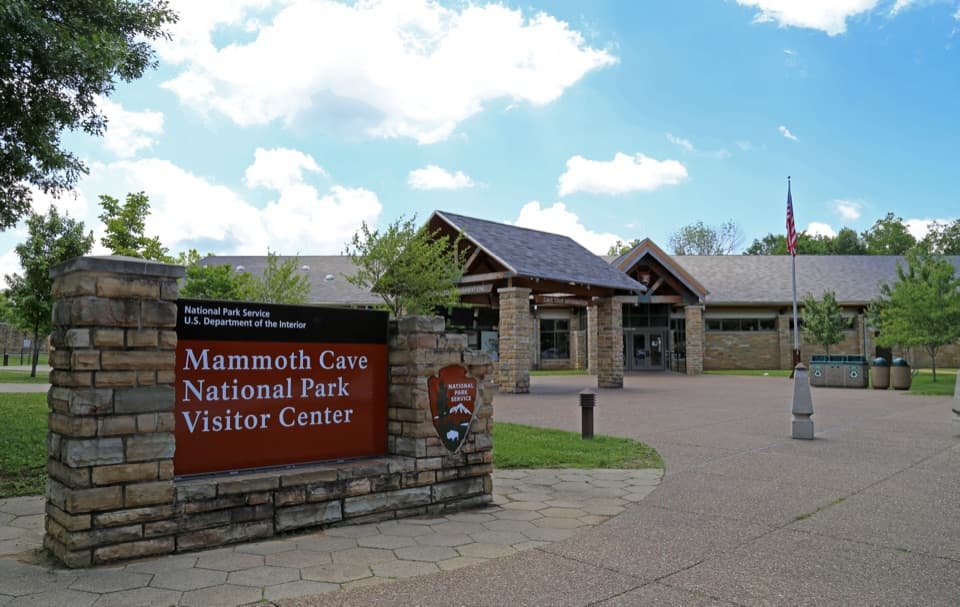
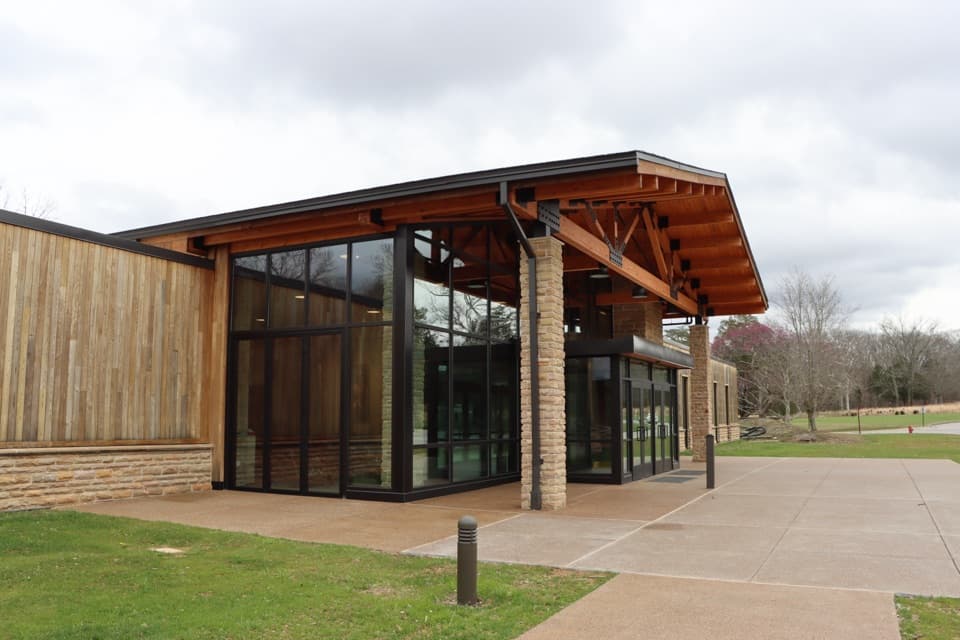
You don’t hike to Mammoth Dome on your own—it’s seen on ranger‑led tours, most reliably the Domes & Dripstones tour and sometimes Historic/Historic‑style routes. Tours can sell out, so reserve ahead. Some tours start with a short bus ride to the entrance; all tours stage at the main Visitor Center area on Central Time. There are no restrooms underground, so use the facilities near the Visitor Center/Lodge before you go.

Difficulty and Pace

Plan on lots of stairs with handrails, occasional tight or steep portions, and group sizes that can be fairly large. Rangers build in rest stops on the stair sections. If you’re not into long stair climbs, choose a different tour—there’s an accessible option, but it does not visit Mammoth Dome.

Photography

Low light favors fast lenses and higher ISO. Keep your shots quick and be courteous with flash if allowed. The scale is tough to capture—include people or the stairway for a sense of size.

Wildlife and Care

Caves host specialized, light‑sensitive life. Keep voices down, stick to the trail and railings, and follow ranger guidance to protect fragile formations and fauna.

Best Time to Visit

Book the earliest available tour of the day if you want a little more breathing room. Arrive 45–60 minutes ahead to park, use restrooms, and get oriented. Peak seasons fill up quickly—secure tickets in advance and build buffer time into your schedule.

Pros

  • Dramatic ~200-foot vertical shaft
  • Seen on popular guided tours like Domes & Dripstones

Cons

  • Requires a paid, ranger-led tour; no independent access
  • Many stairs and steep sections; tours can feel crowded

Tips

  • Reserve your tour well in advance—popular time slots sell out.
  • Arrive 45–60 minutes early to park, use restrooms, and stage with your group.
  • Choose Domes & Dripstones if Mammoth Dome is a must‑see for you.
  • Wear grippy, closed‑toe shoes and bring a light layer for the 50s temps.
  • Stay near the ranger if you want to catch the geology narration on the move.
The Parkwolf tour guide sitting on a phone mounted in a car

Parkwolf Tour Guide

Like a tour guide in your car.

Save the places you found around Mammoth Cave, then let Parkwolf guide the drive between them.Download Parkwolf on the App Store