Frozen Niagara

Photogenic flowstone waterfall on an easy, ranger-led tour
Frozen Niagara, Mammoth Cave National Park
InsideMammoth Cave National Park

Overview

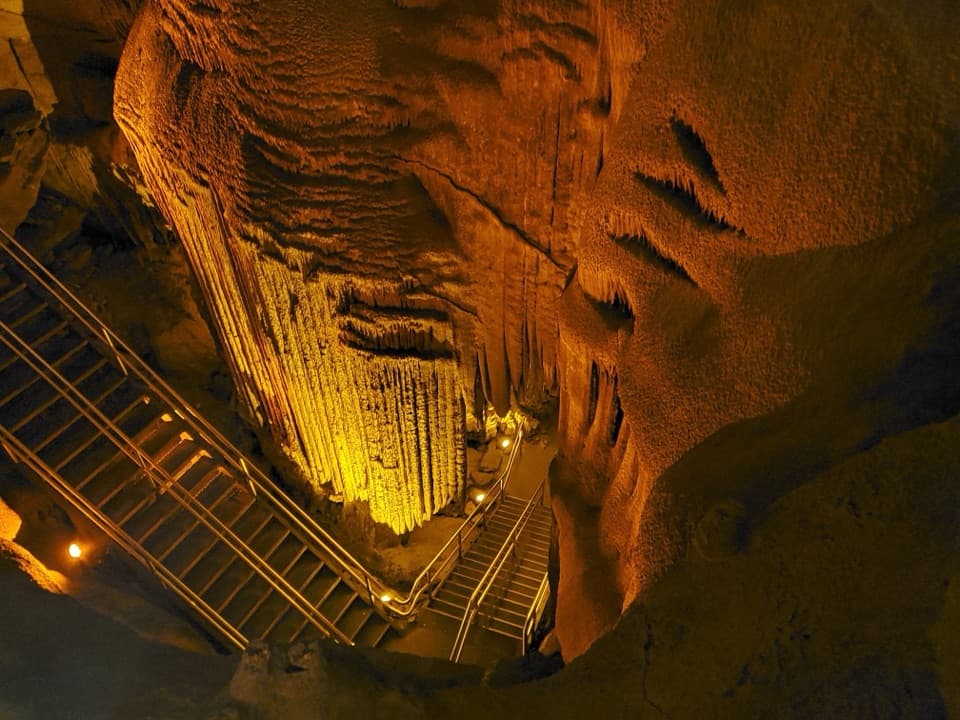
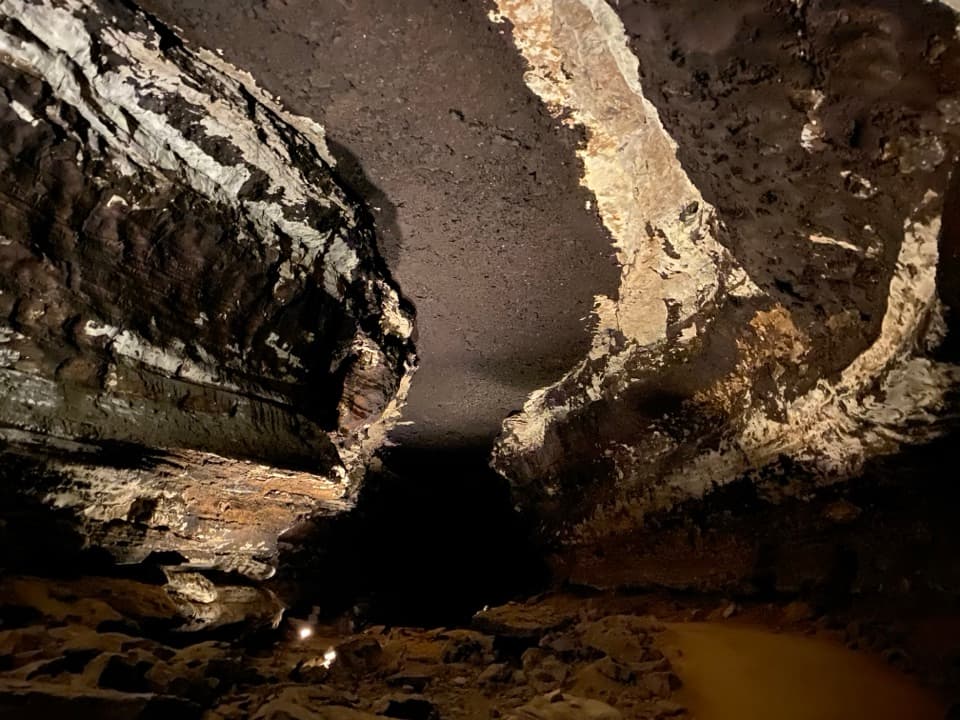
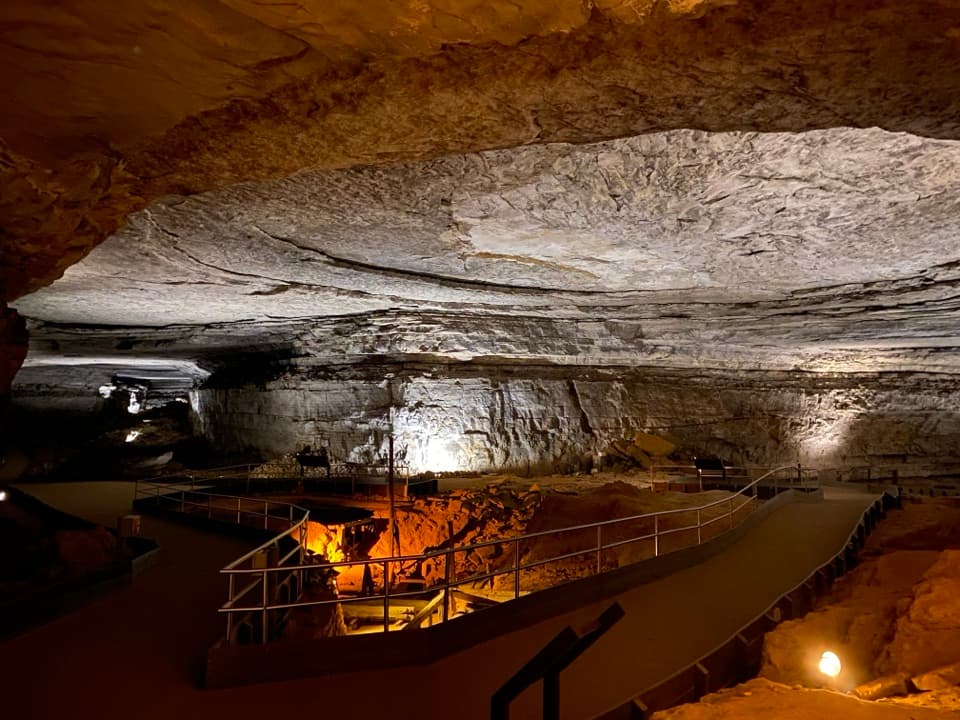
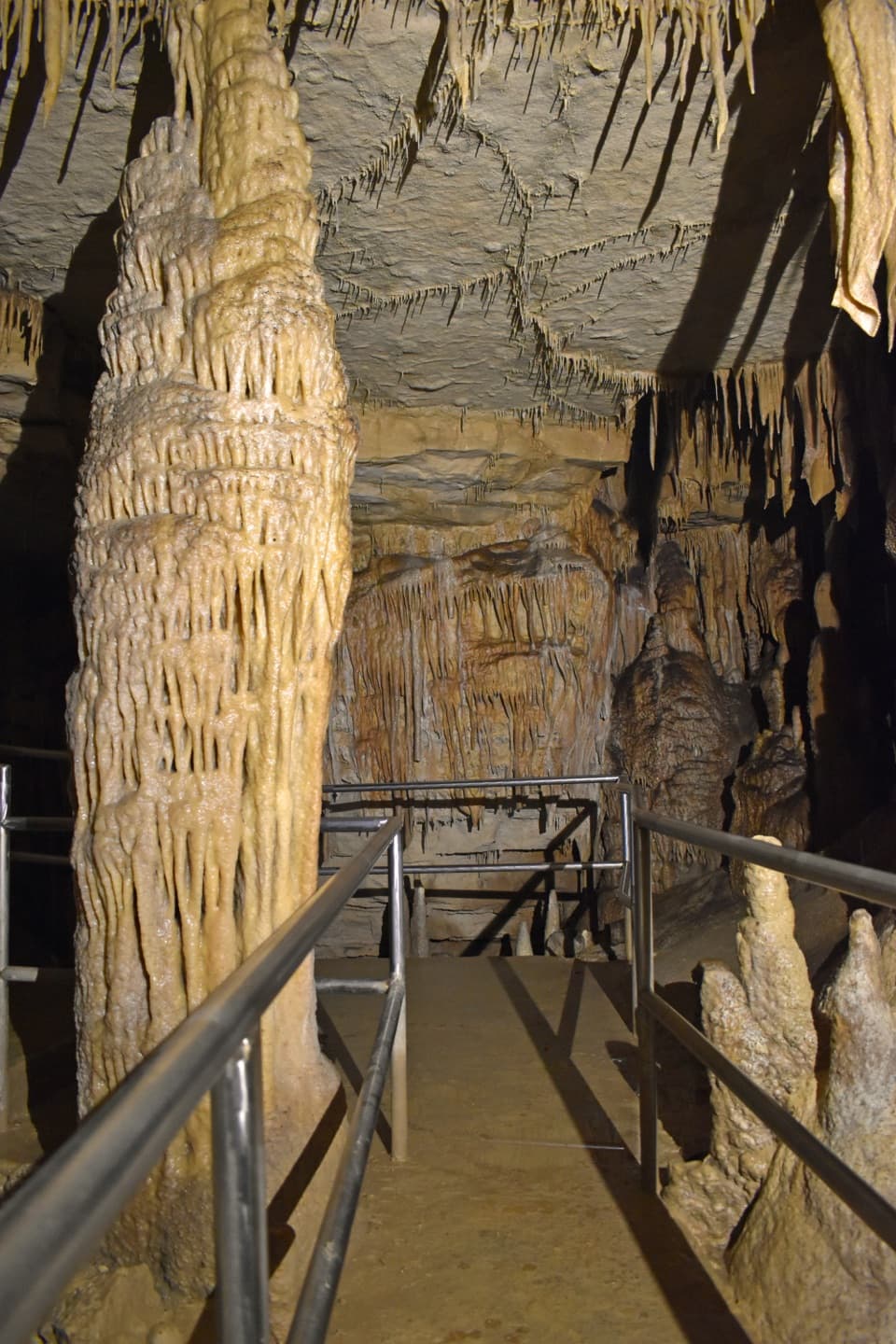
Frozen Niagara is the park’s showpiece for classic “wet cave” scenery—think a stone waterfall of flowstone framed by stalactites, stalagmites, and rippled draperies. It’s a shorter, ranger-led tour that delivers big on formations without the marathon stair counts of other routes. Expect about 1 hour 15 minutes total.

What You’ll See

  • The namesake flowstone “waterfall,” among the most photogenic chambers in the cave system.
  • The Drapery Room—thin sheets of calcite that look like curtains. It’s accessed by an optional stair section and is frequently called out by visitors as a highlight.
  • A brief “lights out” moment on some tours to experience total darkness—memorable, if a bit spooky.

Logistics & Difficulty

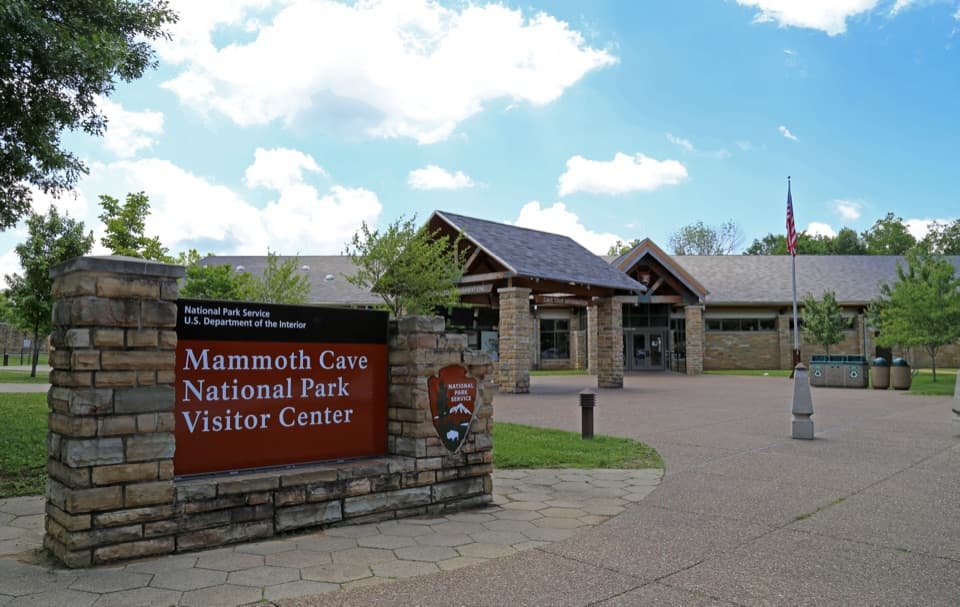
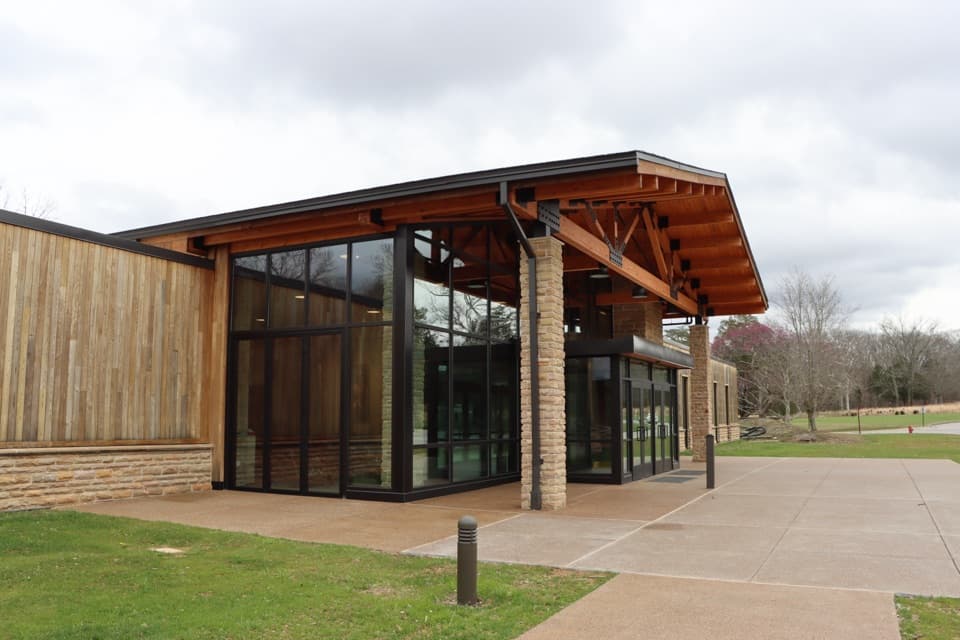
  • You’ll check in at the Visitor Center, then ride a park shuttle bus to a separate entrance for this tour. Arrive 30–45 minutes early for parking, check-in, and boarding.
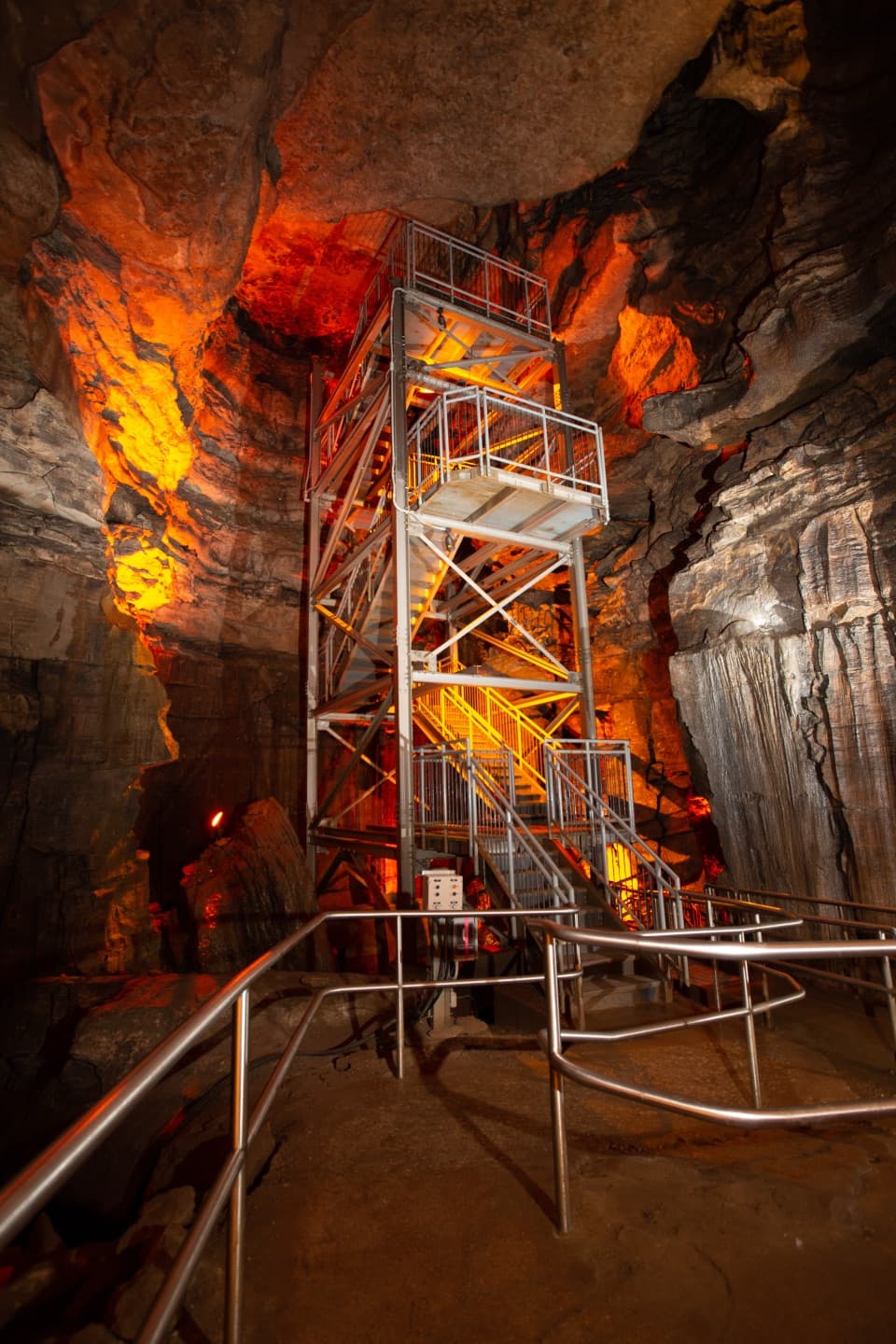
  • Plan for 64 required steps, plus an optional ~90–98 shallow stairs down to the Drapery Room (you can skip the optional section and wait at the top).
  • Surfaces can be damp and uneven—wear sturdy, grippy shoes and bring a light layer; cave temps are cool year-round.
  • Restrooms are at the Visitor Center; none are available on the Frozen Niagara tour itself.

How This Fits with Other Tours

Frozen Niagara is included on longer routes like Domes & Dripstones and the Grand Avenue Tour. There’s also a Focus on Frozen Niagara Photo Tour with extra time for photography and minimal required stairs (with an optional 98-step section). If you’re booked on one of the longer tours, you’ll likely see Frozen Niagara without needing the standalone tour.

Rules & What to Bring

  • Only water is allowed in the cave—no food or other drinks.
  • Commonly prohibited items include weapons, tobacco and e‑cigarettes, selfie sticks, tripods, and child backpack carriers.
  • After some tours you’ll walk across biosecurity mats to help protect bats from white-nose syndrome—follow ranger instructions and stay on the route.

Wildlife & Conservation

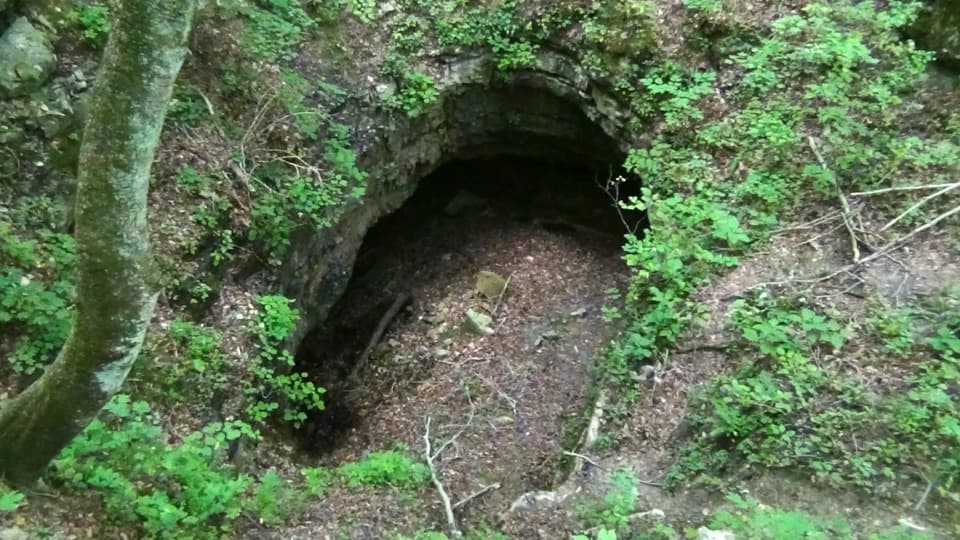
Near cave entrances you might spot cave crickets; most other cave life stays hidden. Don’t touch formations or wildlife—skin oils can halt calcite growth and disturb sensitive species.

Best Time to Visit

This tour is popular and can sell out weeks ahead in peak seasons and on weekends. Reserve early, and book morning departures if your schedule is tight. Because lighting is artificial, photography isn’t tied to time of day—focus instead on timing your reservation and arriving early.

Quick Tips

  • If you’re up for it, take the optional stairs to the Drapery Room for the best angles.
  • Wear closed-toe shoes with good traction and bring a light jacket.
  • Use Visitor Center restrooms before boarding the bus.
  • Keep your pack light—only water is permitted inside.
  • Rangers are excellent—ask questions about geology and the cave’s “wet vs. dry” story.

Pros

  • Showcase of wet-cave formations—flowstone, stalactites, and draperies
  • Short, ranger-led tour with shuttle bus to a separate cave entrance
  • Optional stairs to the Drapery Room for the best views

Cons

  • No restrooms on the tour
  • Tickets often sell out; reservations strongly recommended

Tips

  • Reserve ahead—peak seasons and weekends often sell out.
  • Arrive 30–45 minutes early to park, check in, and board the shuttle.
  • Wear grippy, closed-toe shoes and bring a light layer for the cool cave.
  • Bring only water; leave tripods, selfie sticks, and food in the car.
  • Take the optional stairs to the Drapery Room for the best views.
The Parkwolf tour guide sitting on a phone mounted in a car

Parkwolf Tour Guide

Like a tour guide in your car.

Save the places you found around Mammoth Cave, then let Parkwolf guide the drive between them.Download Parkwolf on the App Store