Rotunda

Historic hub chamber where passages meet and saltpeter history lingers
Rotunda, Mammoth Cave National Park
InsideMammoth Cave National Park

Overview

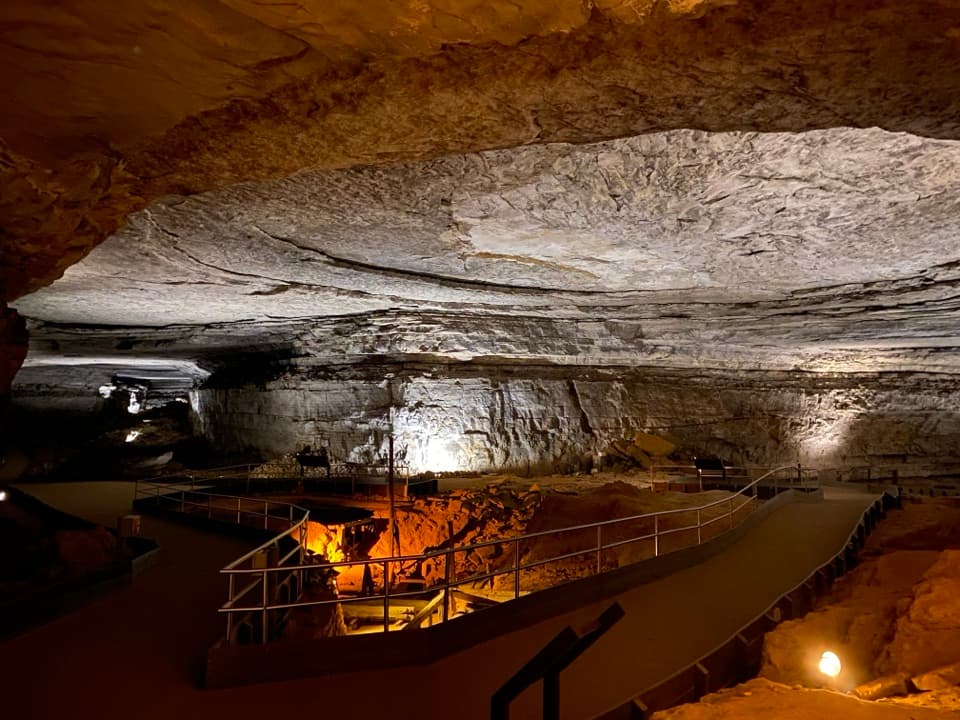
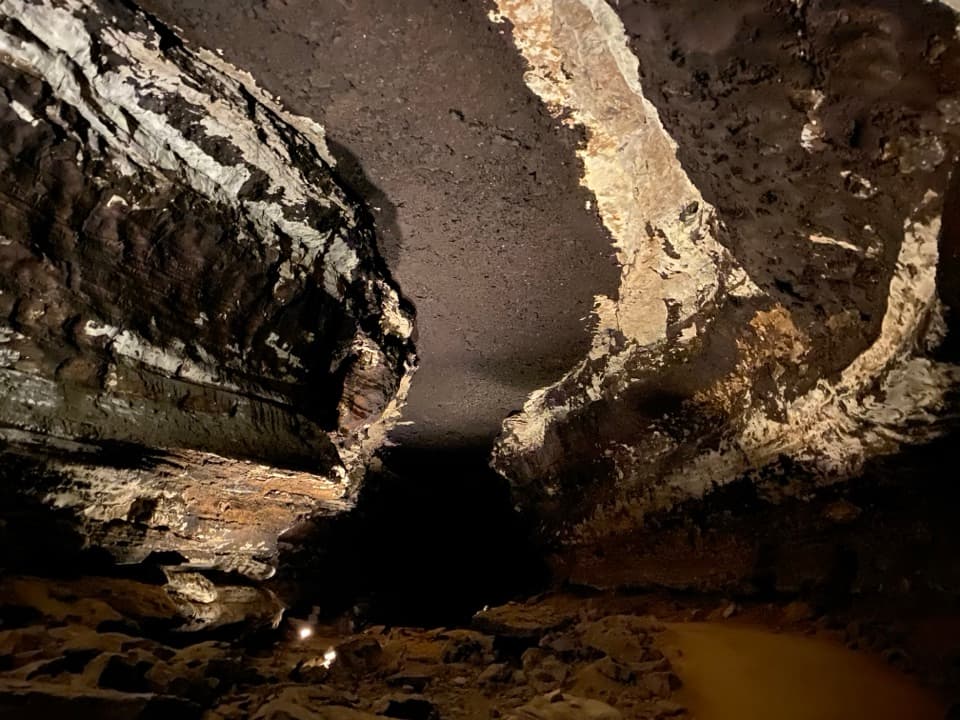
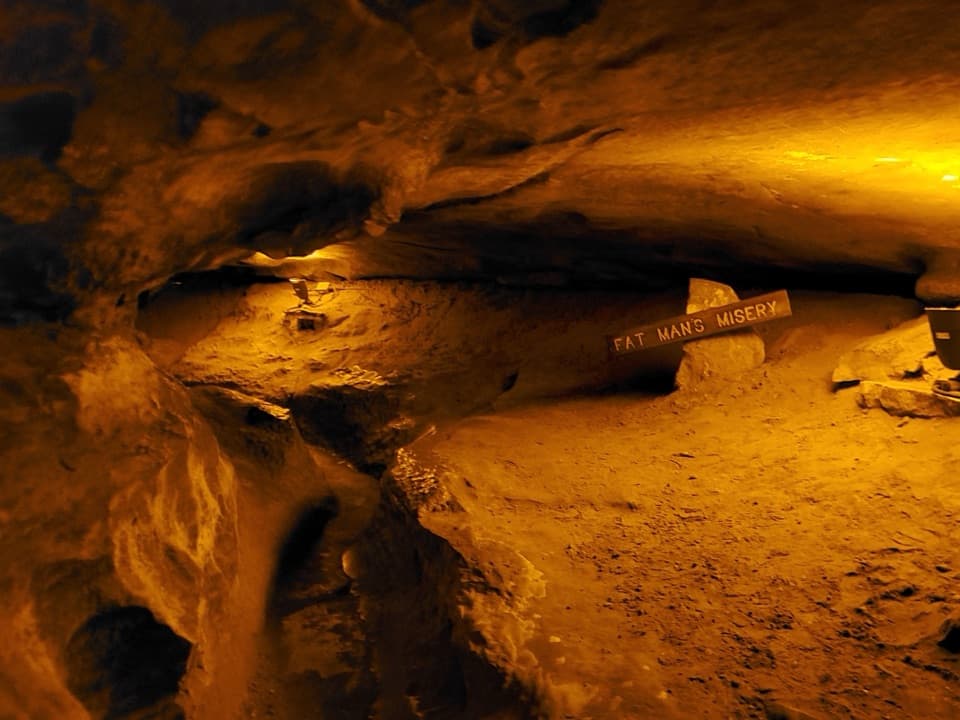
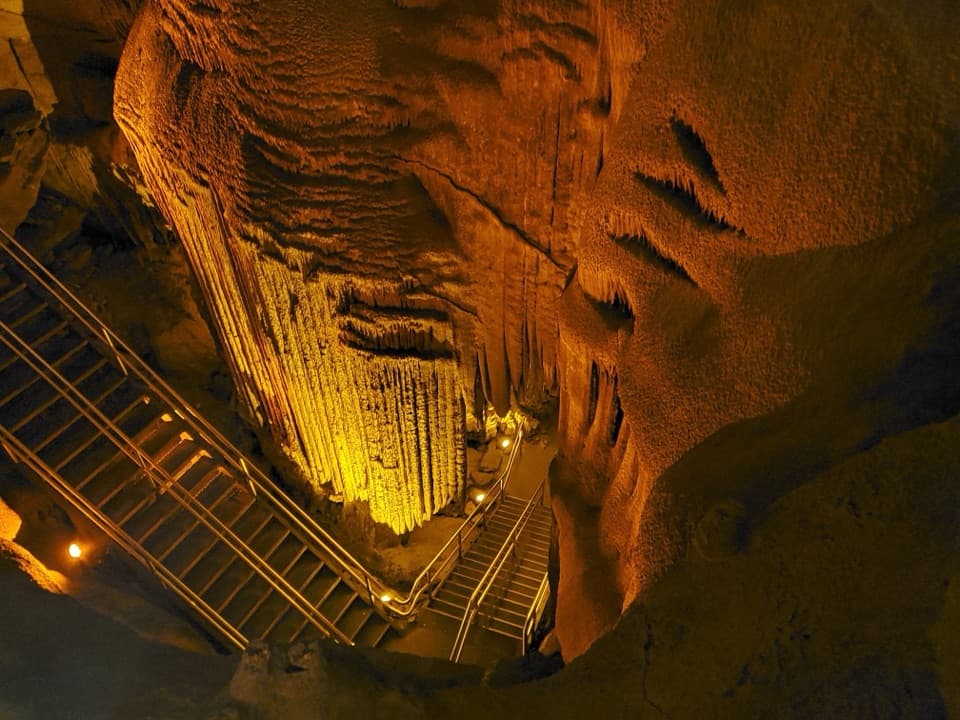
The Rotunda is the first grand room you enter from the Historic Entrance—an enormous, dry chamber that instantly delivers that Mammoth Cave scale. It’s a natural crossroads where big passages branch in multiple directions, and many visitors consider it the most striking section of their tour.

What You’ll See

  • A massive, oval room with an impressive ceiling and a clear sense of the cave’s size.
  • Remnants of early-1800s saltpeter works, including historic equipment preserved by the cave’s cool, dry air.
  • Ranger interpretation and exhibits that unpack the room’s geology and human history; some tours point out memorials from the early 20th century.

Geology & History

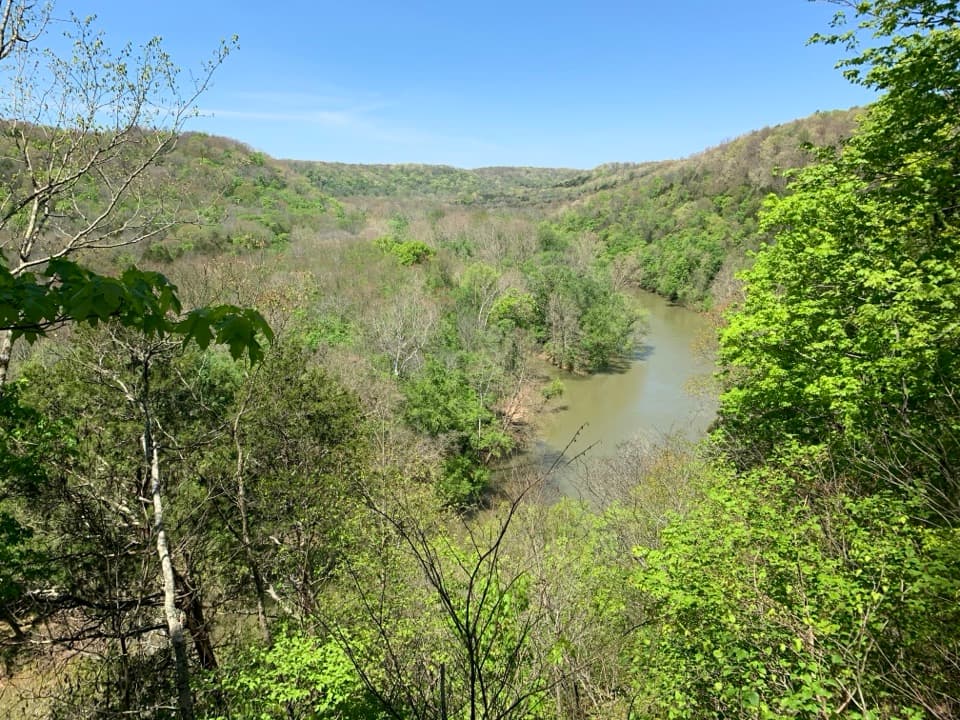
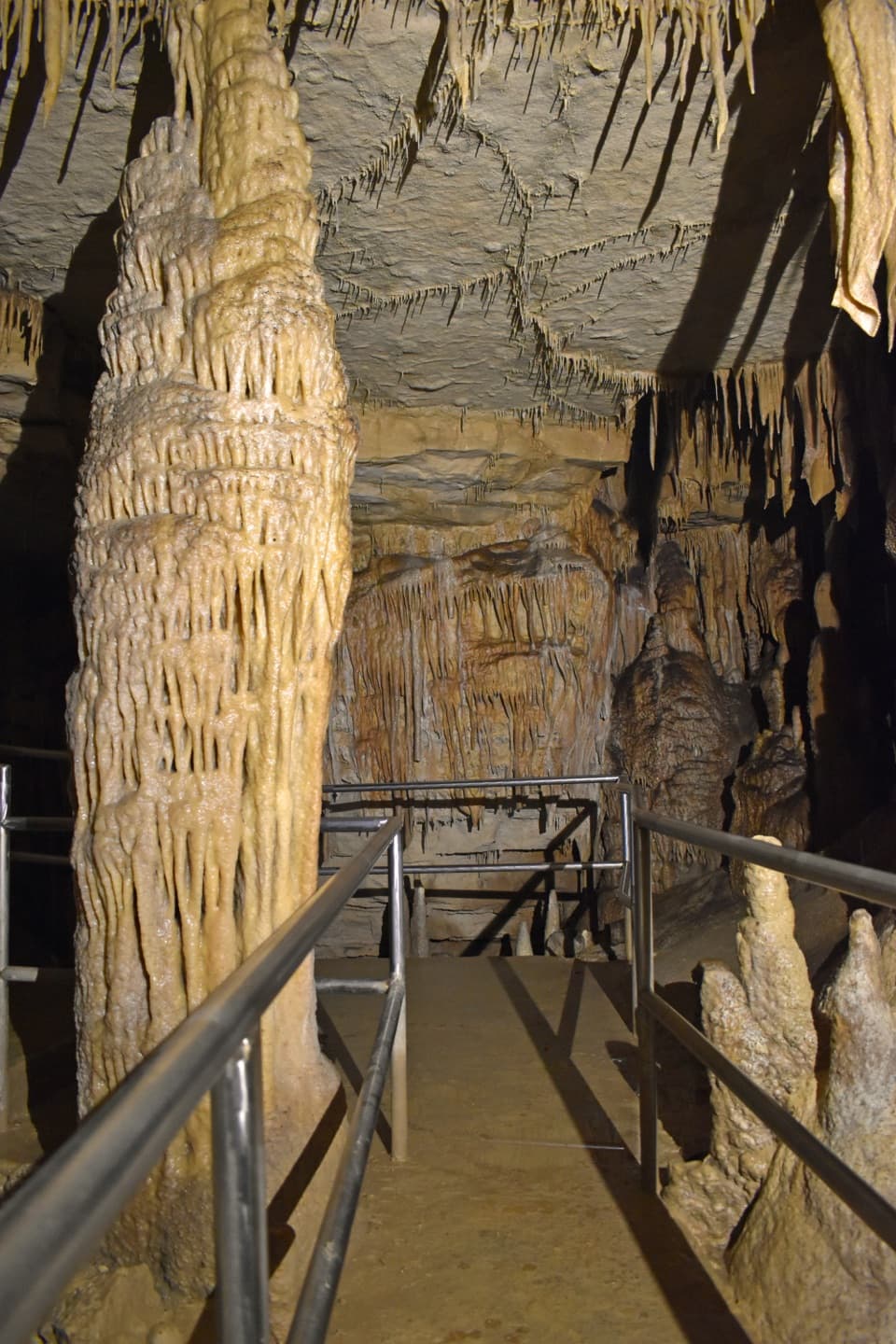
The Rotunda sits on an upper, dry level formed when ancient underground rivers flowed higher than they do today, then drained as the Green River cut down. Mammoth Cave’s Mississippian limestone (protected by a sandstone caprock) dissolved over time to create large, airy passages; later ceiling breakdown helped widen rooms like this.

Humans have used this entrance area for thousands of years. In the early 1800s, workers mined saltpeter (niter) in these upper passages for gunpowder, and the Rotunda is often where you first see tangible traces of that era on ranger-led tours.

Wildlife

Near the entrance zone you may spot occasional bats or cave crickets. Follow the park’s biosecurity steps after your tour to help protect bat populations from white-nose syndrome.

How to Visit

  • Tours: The Rotunda features on Historic Entrance routes, including the Historic Tour and often the shorter Mammoth Passage (offerings vary by season). You must be on a ticketed cave tour to enter the cave.
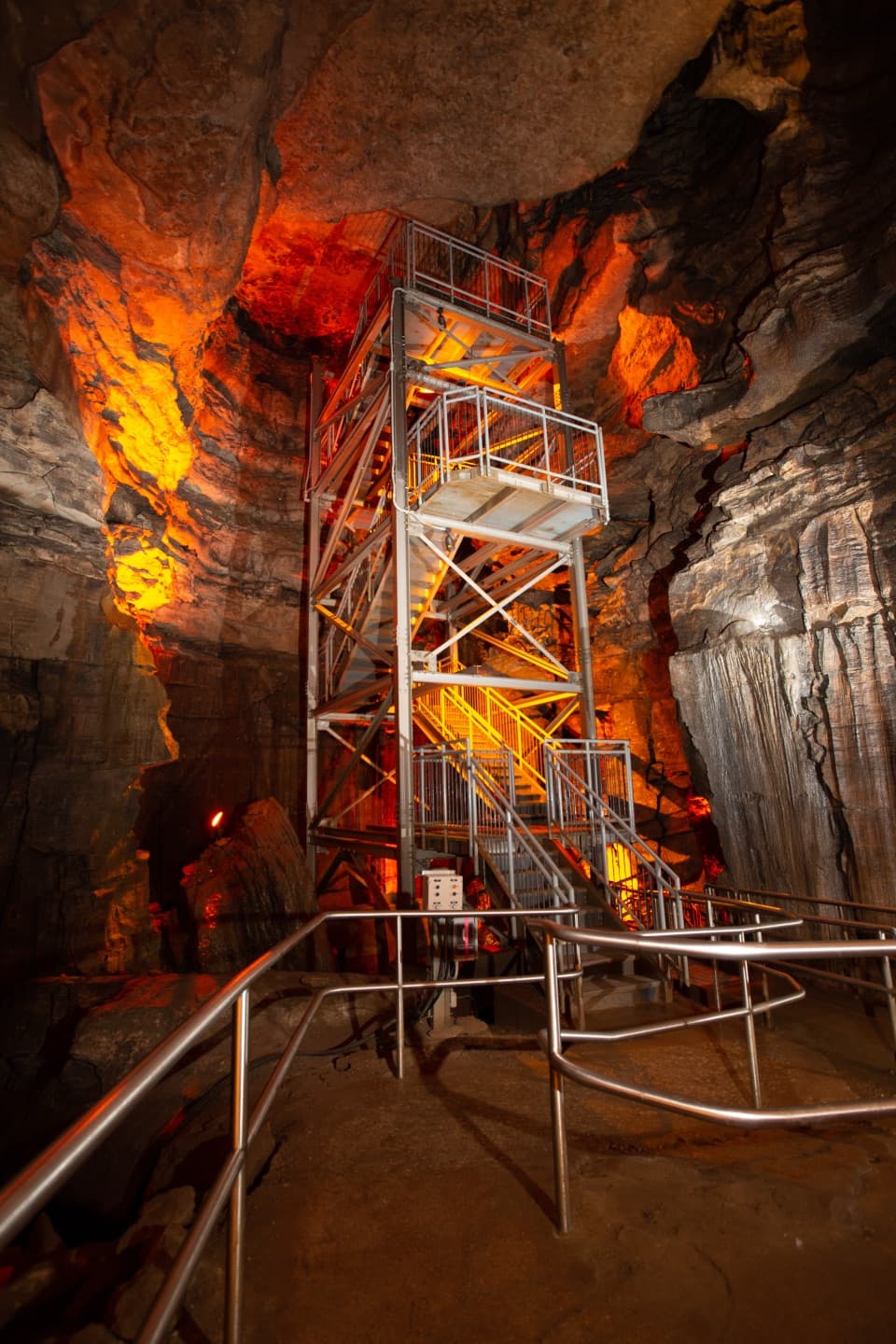
  • Conditions: Expect about 54°F/12°C year-round, damp surfaces, and stairs. Wear a light jacket and sturdy, closed-toe shoes.
  • Historic Tour specifics: About 2 hours, begins with a quarter-mile walk down the Historic Entrance Trail; roughly 230 stairs descending and 210 ascending.
  • Amenities: There are no restrooms in the cave. Use facilities near the Visitor Center before you go.

Photo Tips & Etiquette

Handheld photos are generally fine, but tripods, monopods, and flash are not allowed. Stay with your ranger, keep to the trail, don’t touch cave surfaces, and only bring water (medical exceptions aside). Strollers and child backpack carriers aren’t permitted in the cave.

Best Time to Visit

Tours run daily except December 25, with schedules that change by season. Summer, weekends, and holidays sell out—reserve early. For thinner crowds, aim for the first tours of the day on weekdays. Lighting is fixed cave lighting, so plan on higher ISO and steady hands rather than elaborate gear.

Pros

  • Vast hub chamber where multiple passages converge
  • Visible saltpeter works from early 1800s mining history
  • Included on popular Historic Entrance tours

Cons

  • No restrooms or amenities in-cave
  • Access only on scheduled cave tours that often sell out

Tips

  • Reserve a Historic Entrance tour in advance—summer and weekends sell out.
  • Use Visitor Center restrooms before your tour; there are none in the cave.
  • Dress for 54°F and damp stairs; wear closed‑toe shoes and a light jacket.
  • Handheld photos only—no tripods or flash; water is the only drink allowed.
  • Expect stairs on the Historic Tour (about 230 down, 210 up) and stay with your ranger.
The Parkwolf tour guide sitting on a phone mounted in a car

Parkwolf Tour Guide

Like a tour guide in your car.

Save the places you found around Mammoth Cave, then let Parkwolf guide the drive between them.Download Parkwolf on the App Store