Place
Moderate

A compact taste of Mammoth Cave’s karst landscape, the Sinkhole (Mammoth Dome Sink) Trail runs 1.1 miles one way between the Mammoth Cave Visitor Center area and the Echo River Spring Trail near Green River Ferry. It’s rated moderate: most of the grades are friendly, but there are brief, very steep pitches, rocky/rooty tread, and a narrow ridge section. Expect a forested walk with interpretive stops that explain what’s happening under your feet.
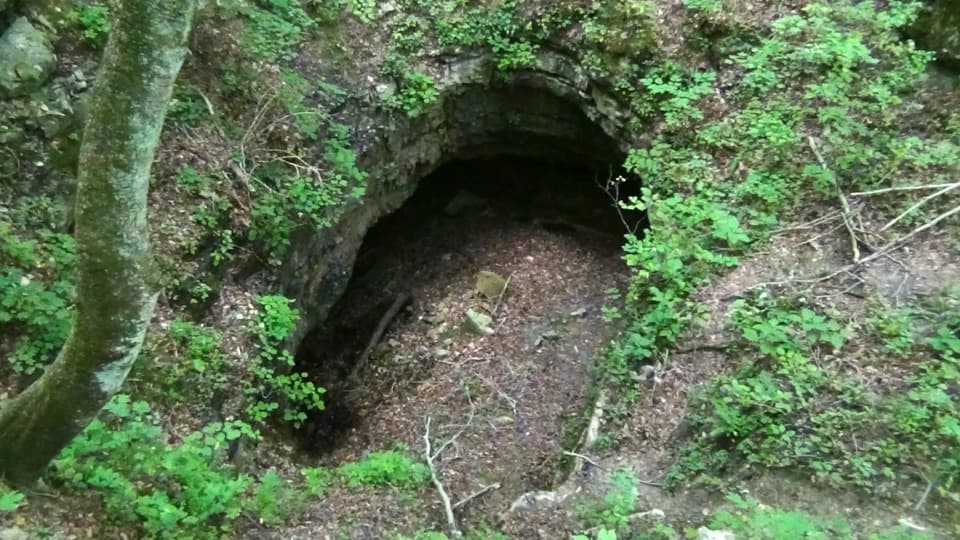
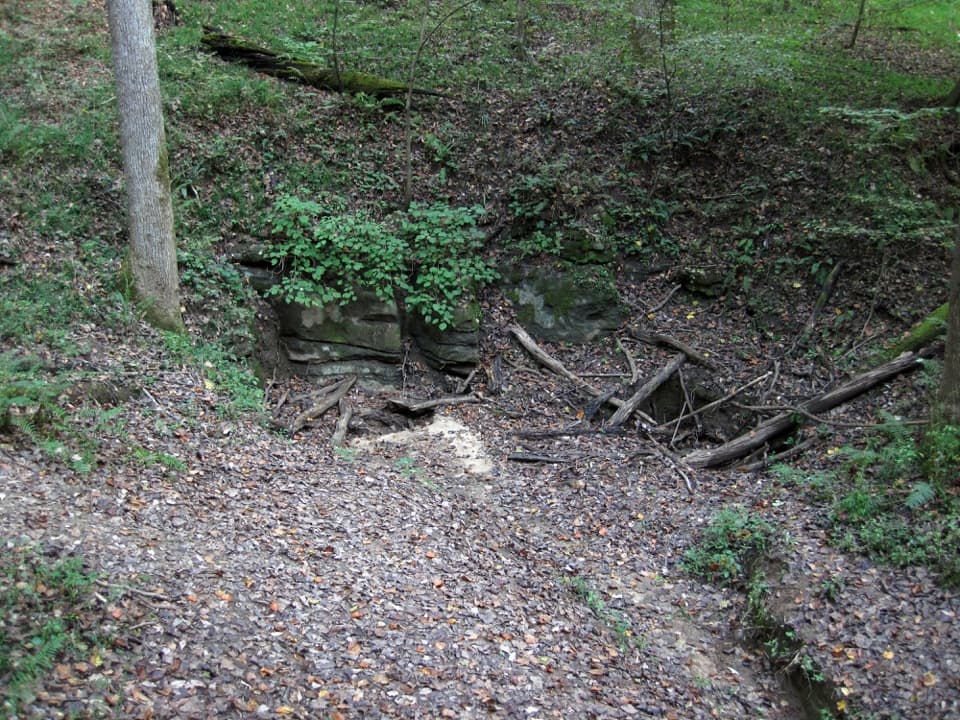
Starting from the Visitor Center side, the first ~0.15 miles are smooth and level before the trail tilts downhill toward the river. You’ll pass a wastewater pump station (moving facility effluent away from the Green River), then descend a ridge for about 0.2 miles at roughly 11–13% grade—watch for rocks and roots with a steep drop on one side. Around 0.4 miles, a very short, very steep spur (about 150 feet at ~20% grade) drops to the Mammoth Dome Sink. The exhibit here does a nice job explaining how water infiltrates sandstone and dissolves limestone to form sinkholes and the 192‑foot Mammoth Dome shaft underground—though the sink itself looks more like a large gully. Past this, the tread smooths out through a shallow valley before passing gated White’s Cave around 0.8 miles. The final ~0.3 miles trend downhill again with a few quick punches up to ~30% grade, ending at the paved, accessible Echo River Spring Trail.
Length is 1.1 miles one way (plan on about 45 minutes one way at a casual pace). Many hikers avoid an out-and-back by making a loop: start by descending from the Visitor Center on the Sinkhole Trail, add the Echo River Spring Trail loop at the bottom, then return uphill on the Whites Cave Trail. The Sinkhole Trail also intersects the River Valley Trail if you want to extend your walk. If you begin at the Visitor Center, remember the net downhill outbound means a net uphill if you return the same way.
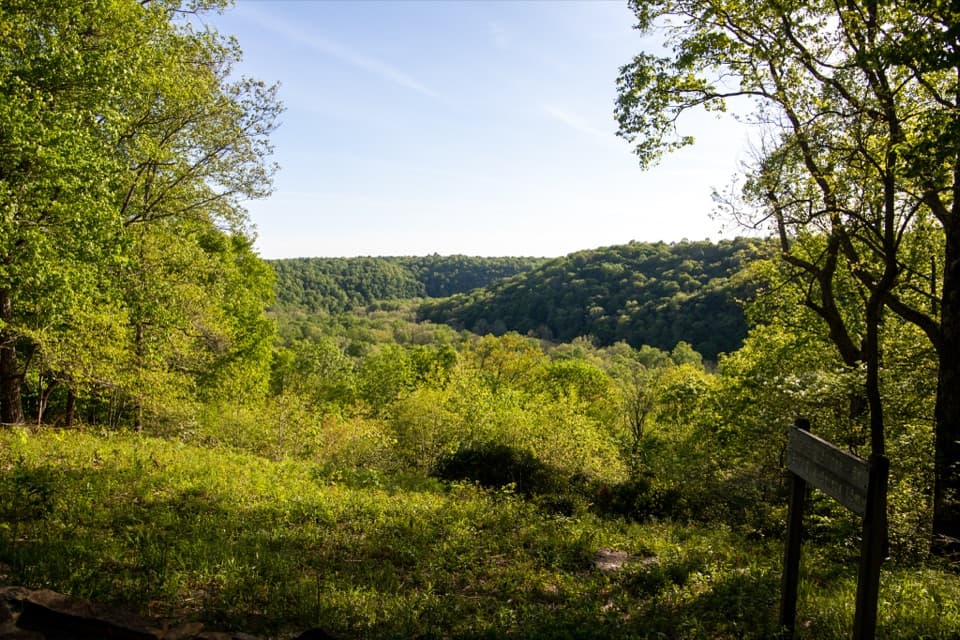
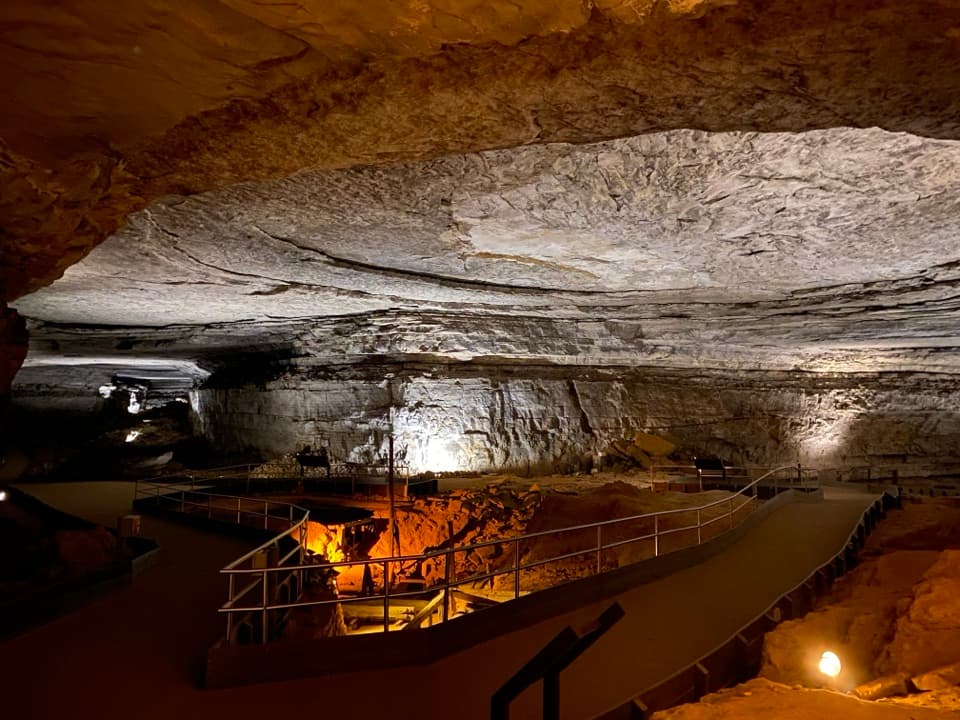
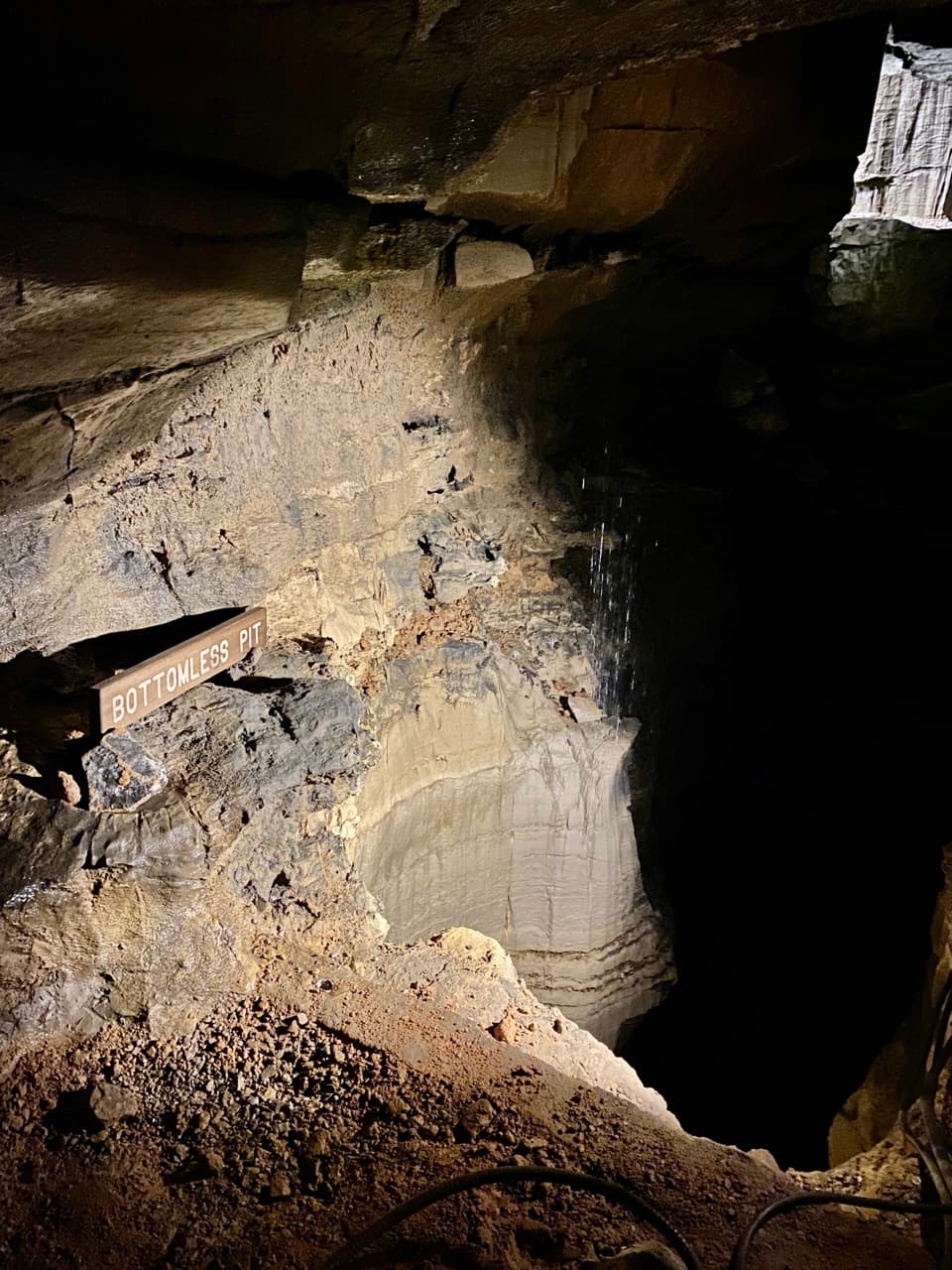
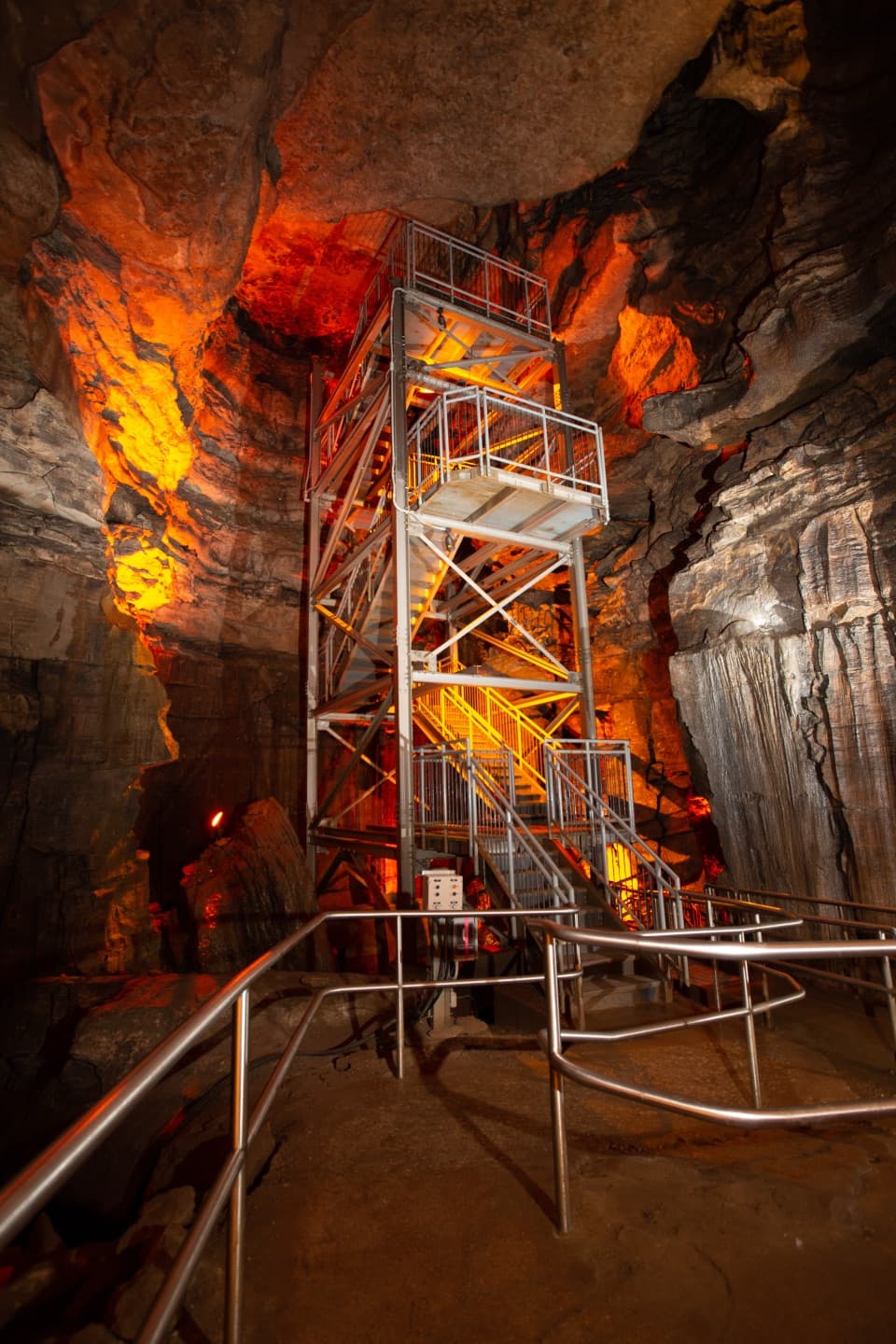
This is a shady hardwood-forest walk with scattered rock gardens and several interpretive waysides. One signposted “sinkhole overlook” near the start reportedly has no real view due to vegetation. The big draw is the karst story: water seeping through caprock creates surface sinkholes like Mammoth Dome Sink and feeds vertical shafts such as Mammoth Dome below, where a tall fire tower used on some cave tours stands inside.
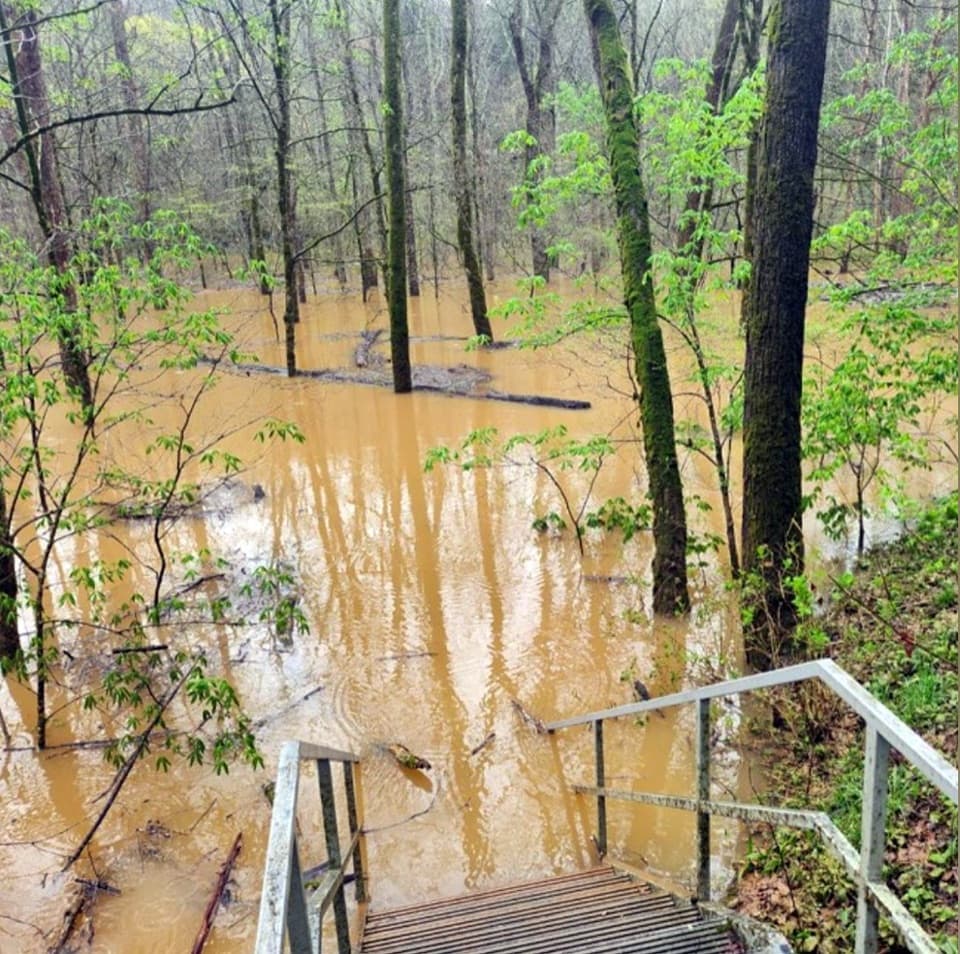
Sources don’t call out a single best season. The route is mostly shaded, making it comfortable much of the year. After rain, expect slick spots—especially on any wood-beam steps—and extra care on the steeper pitches. If closures pop up, there are plenty of nearby alternatives in the same network.
If you’re into geology and connecting trails, yes—this is a solid, moderate walk with good educational stops that pairs perfectly with the paved Echo River Spring loop. If you’re chasing big vistas, look elsewhere; this is a woods-and-karst hike with limited views. Want a more dramatic sinkhole experience? Try the separate Cedar Sink Trail elsewhere in the park, a 2.5‑mile loop that descends 300 feet into a large sinkhole with disappearing streams and spring wildflowers.
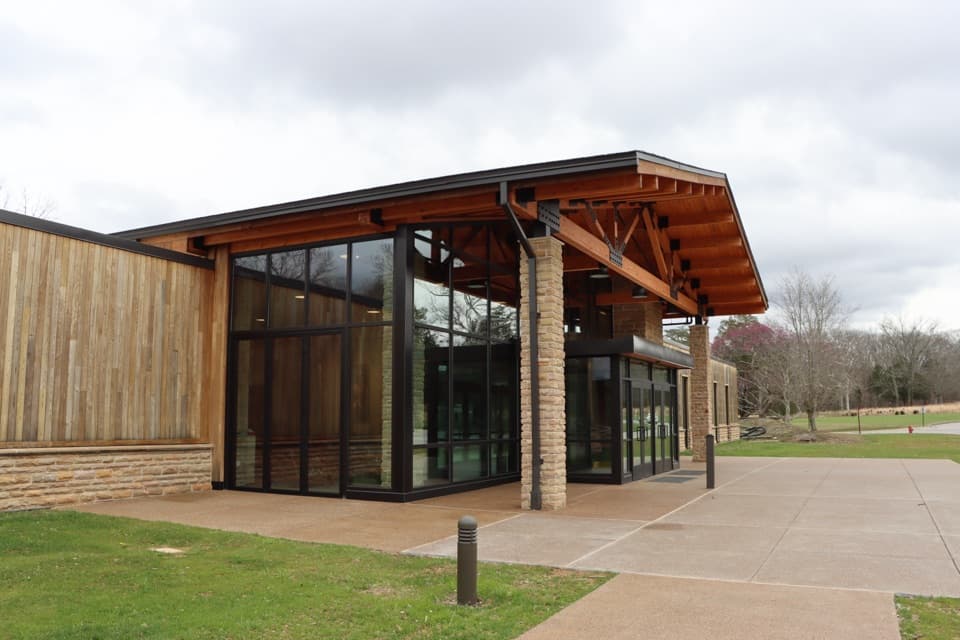
Park at Mammoth Cave Visitor Center for the north trailhead via the Heritage Trail boardwalk, or at the Echo River Springs Trailhead near Green River Ferry for the south end.
Expect short, very steep grades (up to ~30%) with rocky/rooty footing and a narrow ridge section; the Mammoth Dome Sink spur is ~20% grade. Wood-beam steps can be slick when wet. Check for occasional closures. Out-and-back from the Visitor Center means a net climb on the return.