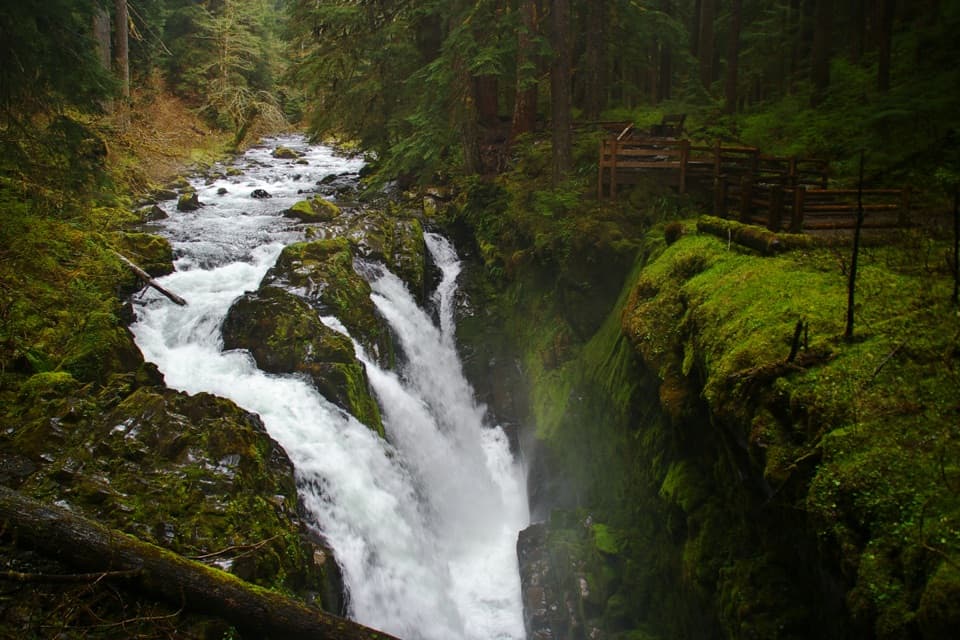
Parking
Use the small Aurora Ridge Trailhead lot on Sol Duc Hot Springs Road, on the left roughly two to two-and-a-half miles from Highway 101. It holds about five vehicles; there is no toilet.

Olympic National Park, WA
A long, quiet ridge climb with optional lake and peak detours.
Overview
Map & elevation
Plan your hike

The highest, rockiest slopes around here are a summer buffet for grizzly bears.
Olympic Tour Guide
Parkwolf is a GPS audio tour guide for Olympic National Park. As you drive, it chimes in with what’s ahead: hidden gems, upcoming stops, history, geology, and wildlife, right through your car’s speakers.
See the Olympic audio tourRecorded for this trailhead
Aurora Ridge: A Planned Backcountry Hike“Up ahead is the Aurora Ridge trailhead, for a steep forest climb onto a mostly wooded ridge. The full traverse is nearly seventeen miles one way to Happy Lake Ridge, about twelve hours before any return or onward travel.”
Plays as you drive up to this trailhead in the Parkwolf Olympic Tour Guide.
More stories near here in the app
“Fantastic app with many points of information… It’s great to just turn on while you’re driving and it gives you an audio tour of the national Park. We love it!!!!”


Trail guide
Aurora Ridge Trail is a 16.9-mile, one-way route from Sol Duc Road to the Happy Lake Ridge Trail junction. It climbs through old-growth forest onto a high, mostly forested ridge, then continues past the Eagle Lakes spur and Sourdough Mountain junction. Allow about 12 hours for the full traverse, and plan the continuation or return before you start; this is a serious backcountry route, not a casual day hike. Published mileage differs: current trail conditions give 16.9 miles to the junction, while another park page lists 15.1 miles without specifying the endpoint or whether it is one-way. This record follows the longer point-to-point route.
The first 2.5 miles climb steeply through old-growth forest. Once the route reaches the ridge, the grade eases and the tread becomes less consistently maintained. Small views open gradually, but expect a long stretch of trees and uneven ground rather than continuous panoramas. The change from a steep forest climb to a quieter ridge walk is the appeal; the early climb is the price of getting there.
Around mile five, a separate trail drops about half a mile to the small, tree-ringed Eagle Lakes. It is an optional spur, not part of the stored main route, and a good place to pause for birds. About three miles farther, the Sourdough Mountain junction leads to a short, steep climb to Sourdough Peak, roughly 300 feet above the ridge. From the 4,610-foot summit, the view can take in Lake Crescent, Ediz Hook, Mount Baker, Mount Olympus and Glacier Peak. The main route continues toward Happy Lake Ridge; neither spur is required to follow it.
The small trailhead is on the left along Sol Duc Hot Springs Road, roughly two to two-and-a-half miles from Highway 101; it holds about five vehicles and has no toilet. There is no food service at the trailhead or along the route, so carry what you need. Water is scarce after the first mile except at Eagle Lakes; treat any stream water before drinking. Some meadow sections are difficult to follow, so bring a map and compass and know how to use them. Snow can cover the high route in any season. Overnight trips require a wilderness permit and bear canisters; campfires are prohibited above 3,500 feet.
A shorter Aurora Ridge outing turns around at Sourdough Peak and returns the same way. That version is listed at about 16.8 miles round trip and is still a full-day hike; it is different from this record's one-way route to Happy Lake Ridge. The Eagle Lakes spur can also be visited from the same approach, but its distance is not part of the 16.9-mile main route.
Wildlife
 710 sightingsOlympic MarmotMost seen around 11 AMSighting map
 30 sightingsHumpback WhaleMost seen around 6 PMSighting map
 42 sightingsGrey WhaleMost seen around noonSighting map
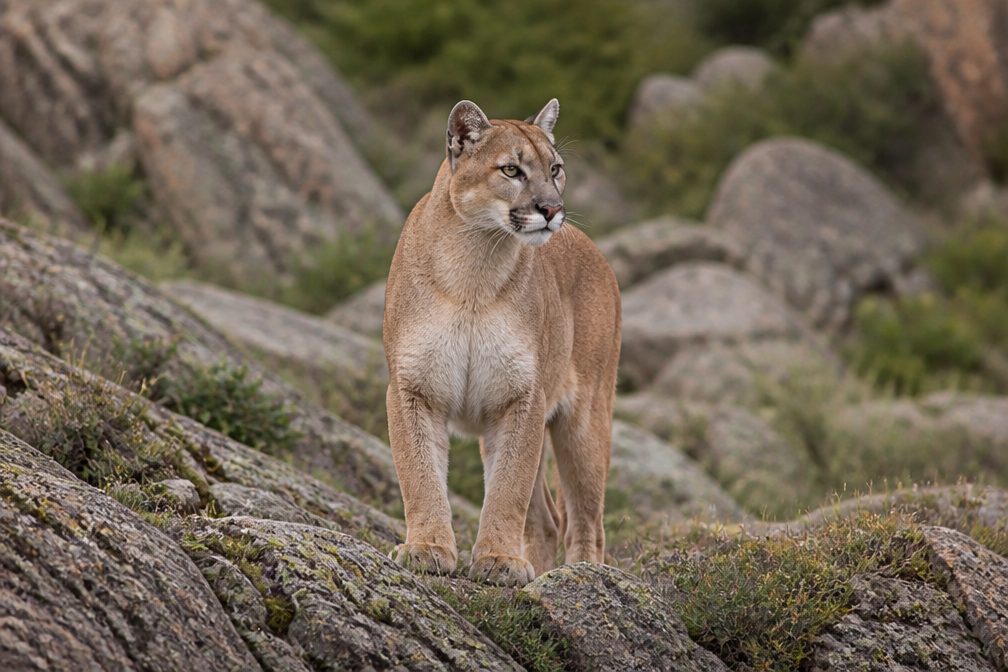 23 sightingsMountain LionMost seen around 8 PMSighting map
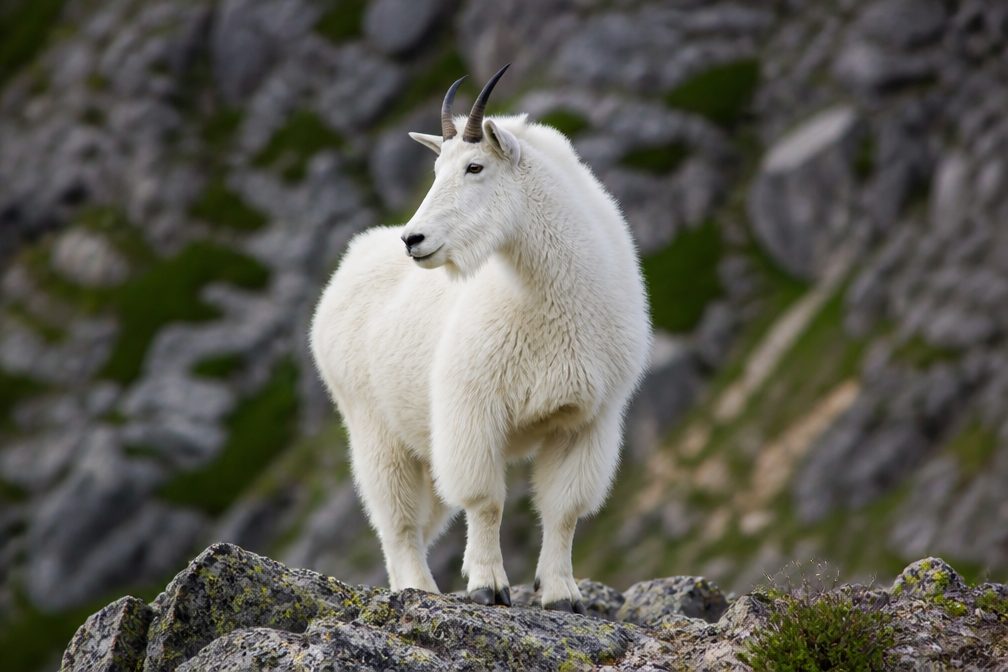 71 sightingsMountain GoatMost seen around 7 AMSighting map
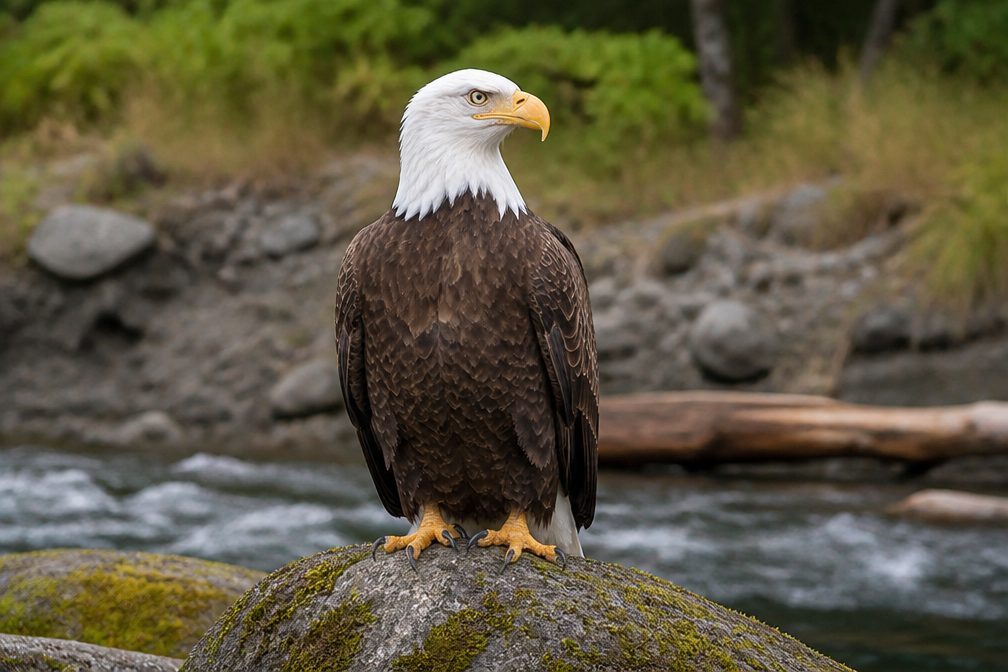 306 sightingsBald EagleMost seen around 11 AMSighting map
Sighting maps show where each species has been reported across Olympic. Wildlife moves, so no sighting is guaranteed.
Keep exploring
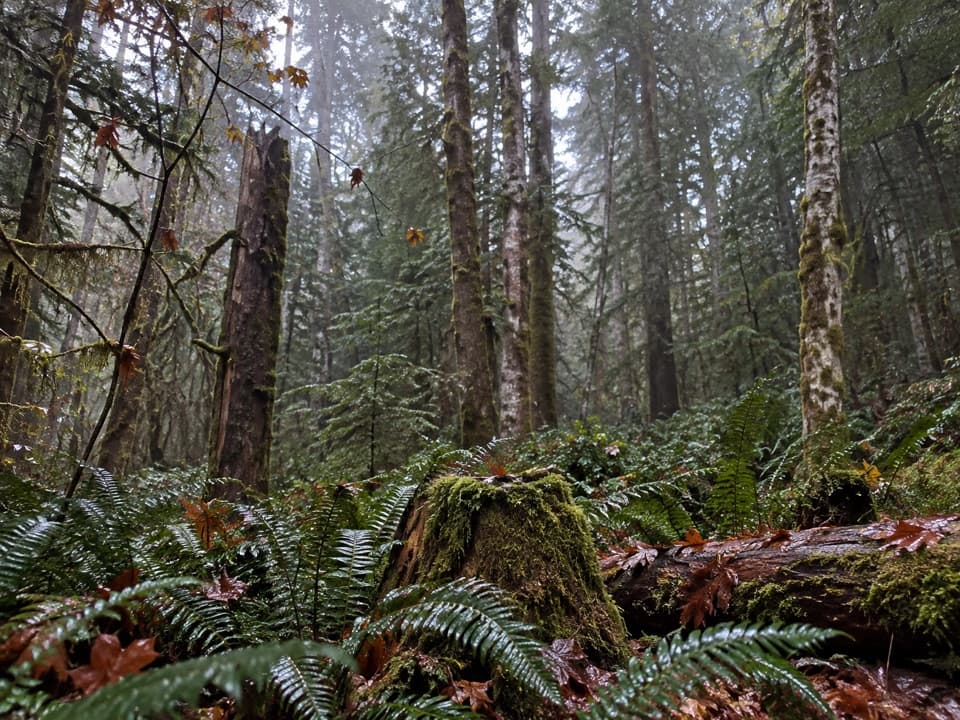 ModerateFairholme Campground Loop0.8 mi · 45 min · 3.7 mi awayOld-growth forest on a short loop that rises more than expected.
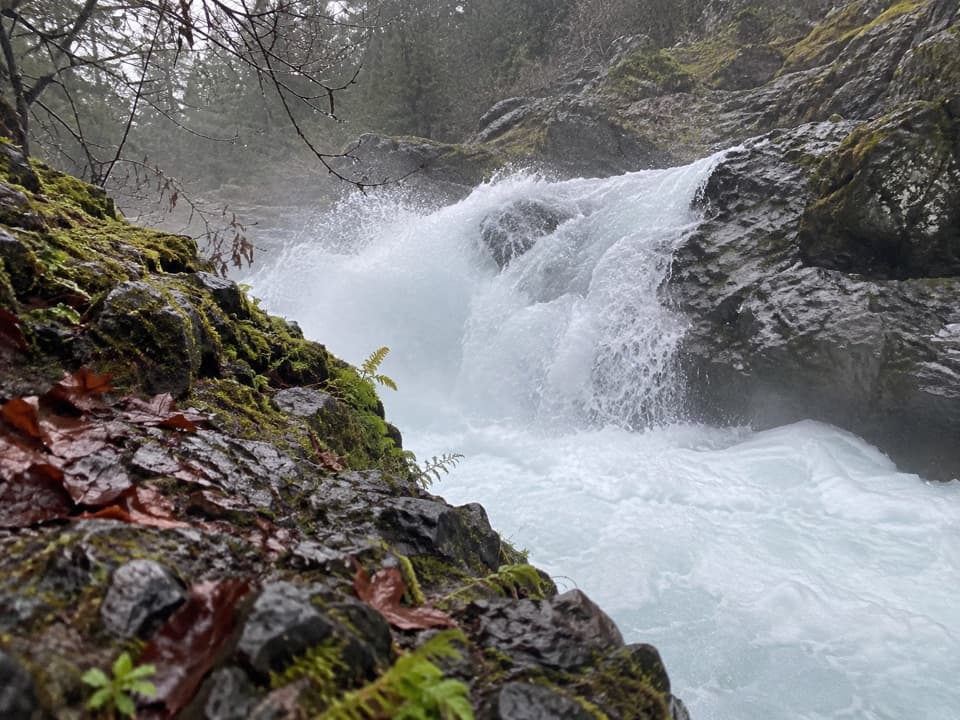 EasySalmon Cascades Trail0.1 mi · 15 min · 4.2 mi awayA tiny accessible walk to a waterfall and seasonal salmon.
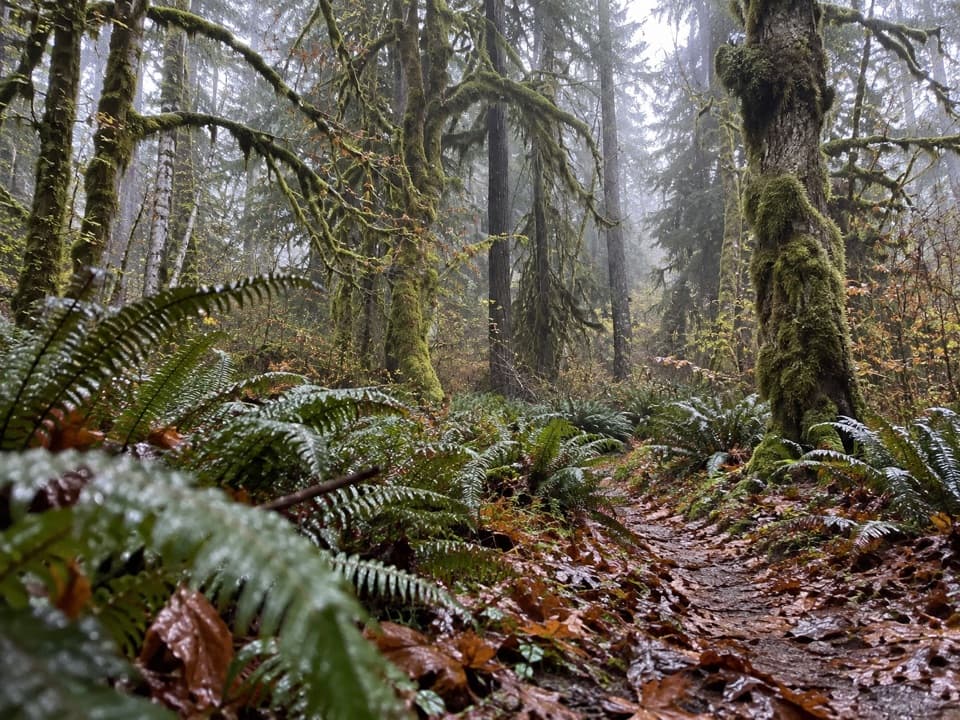 ChallengingNorth Fork Sol Duc River Trail to Second Ford12.5 mi · 7 hr · 5.2 mi awayA 12.5-mile river out-and-back to the second ford.
 EasyAncient Groves Nature Trail0.6 mi · 45 min · 5.7 mi awayA mossy forest loop with a much hillier tread than it looks.
 ChallengingPyramid Peak Trail7 mi · 4.5 hr · 6.2 mi awayA steep climb to a WWII lookout above Lake Crescent.
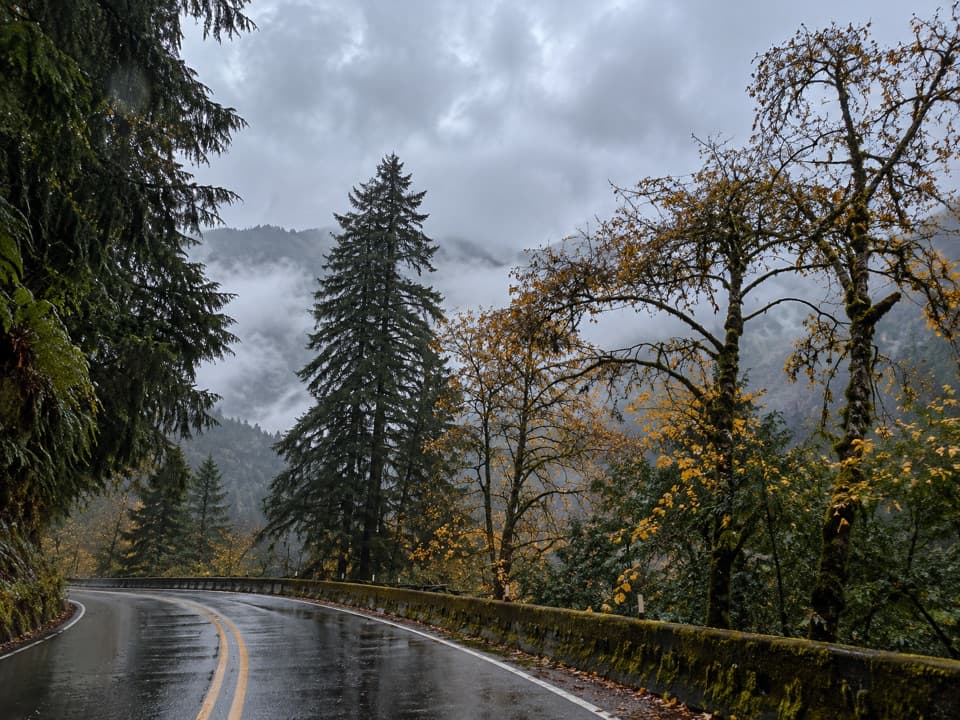 ChallengingAurora Creek Trail6.8 mi · 6 hr · 7.2 mi awayA shaded leg-burner to the Aurora Ridge junction.
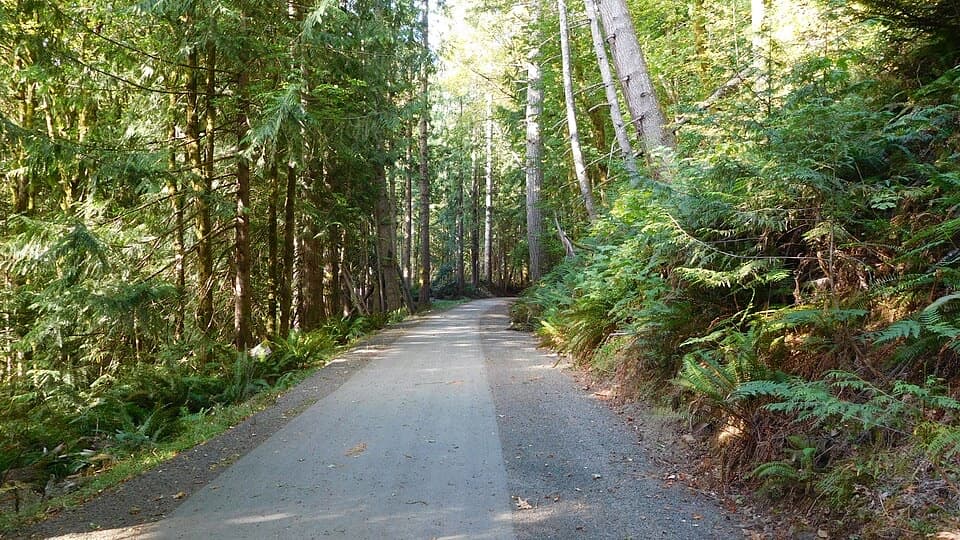 EasyOlympic Discovery Trail — Lake Crescent West6.5 mi · 3 hr · 7.2 mi awayA paved wheelchair-accessible link follows Lake Crescent’s north shore.
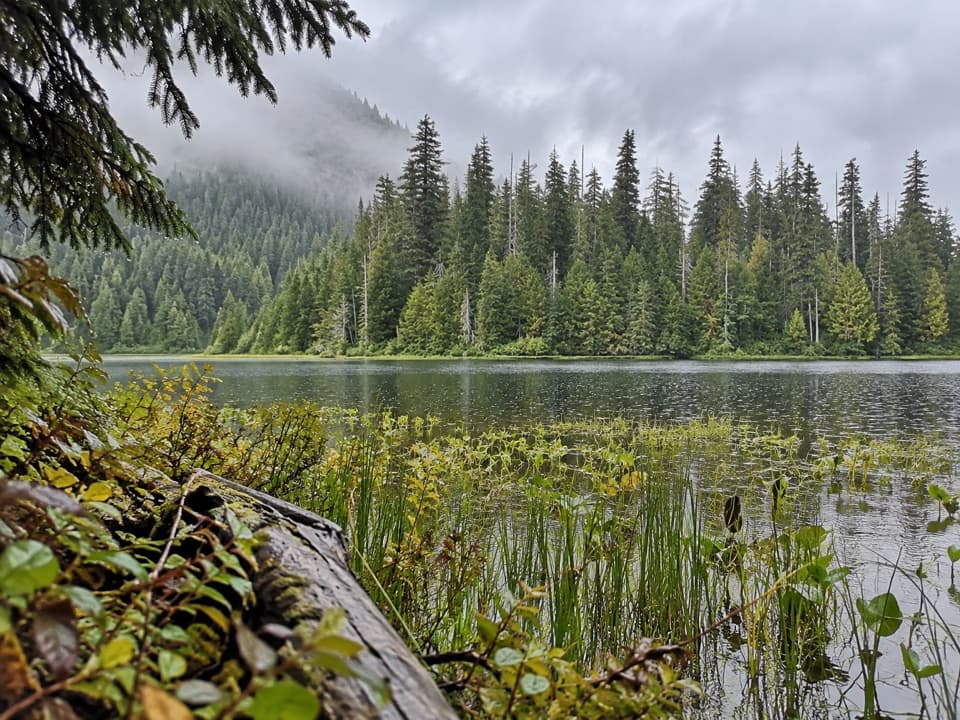 ModerateMink Lake Trail5.2 mi · 4 hr · 8.8 mi awayA steady forest climb to a small lake tucked into meadow.
 Entrance station · 1.8 mi awaySol Duc Entrance StationA staffed fee stop before the Sol Duc Valley drive.
 Sight · 1.9 mi awaySol Duc Entrance Interpretive ExhibitNine panels make a useful first stop in Sol Duc Valley.
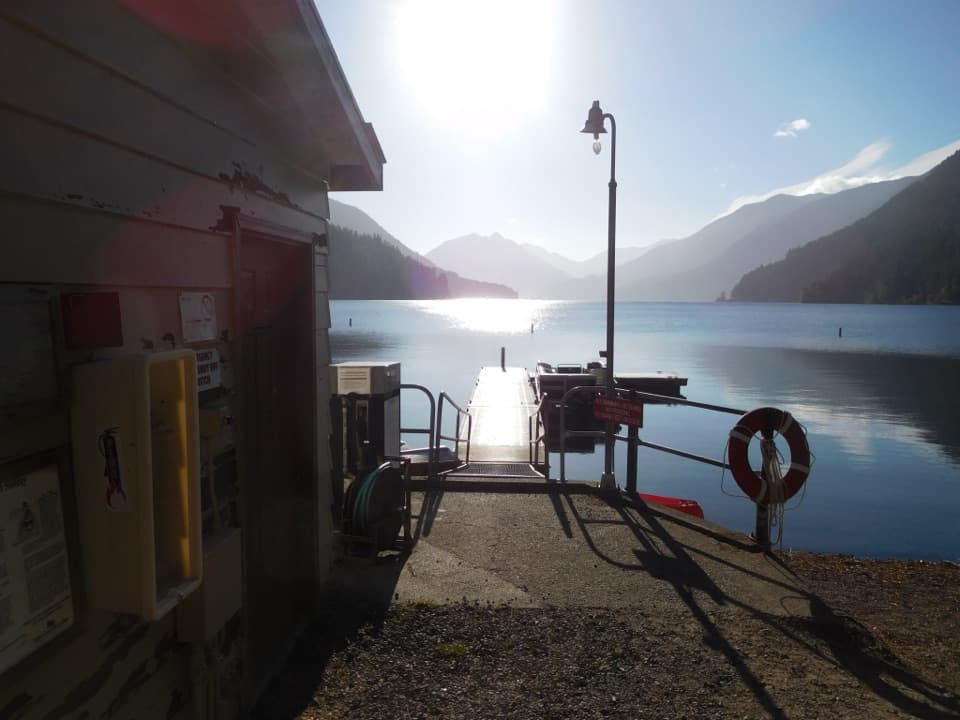 Sight · 3.6 mi awayFairholme Boat LaunchGet on the water before Lake Crescent’s afternoon wind rises
 Store · 3.6 mi awayFairholme StoreA handy seasonal stop for Lake Crescent supplies and boat rentals.
 Campground · 3.7 mi awayFairholme CampgroundLakeside sites trade a steep gear carry for Lake Crescent access.
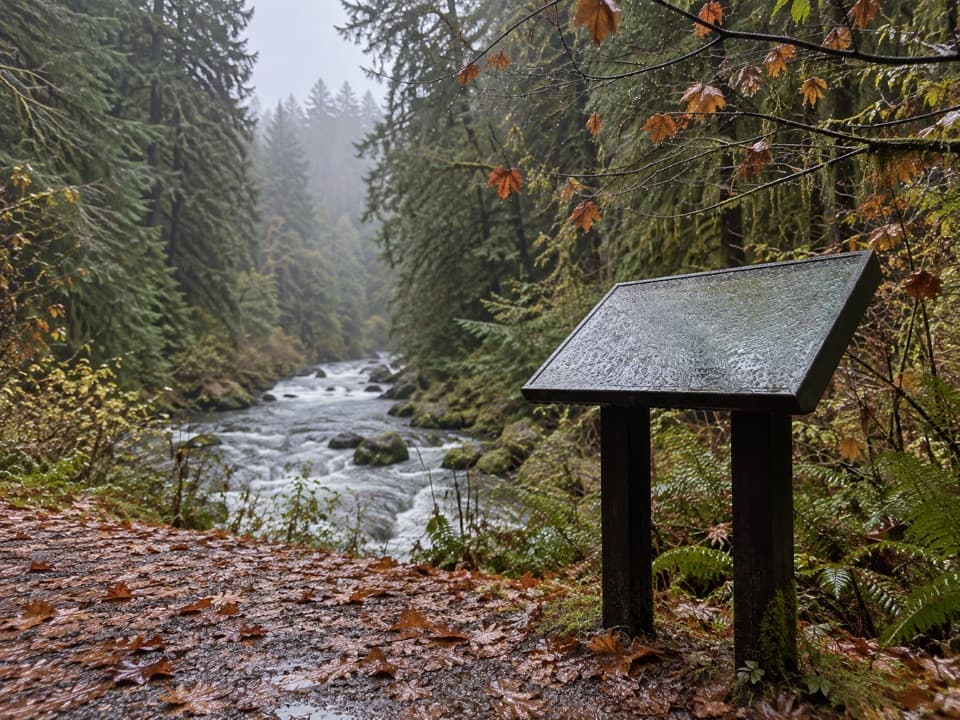 Picnic area · 3.7 mi awaySol Duc River View Picnic AreaA picnic table above the river’s fast, foamy run.
 Sight · 4.2 mi awaySalmon CascadesA short platform stop for the cascades and coho run.
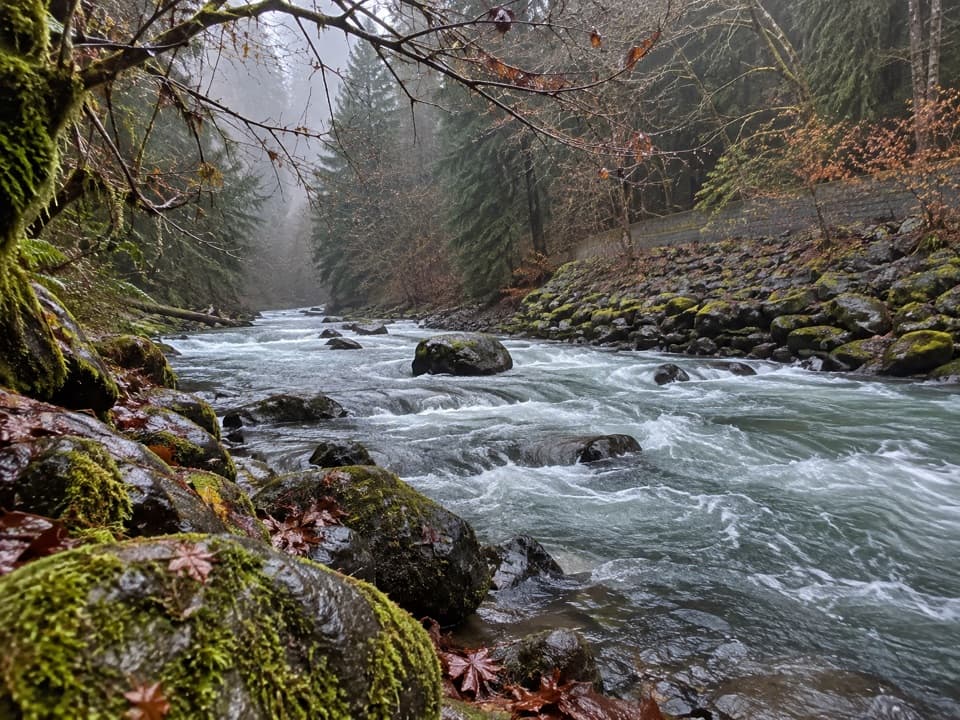 Picnic area · 4.5 mi awayPicnic Area along Sol Duc RiverA picnic break beside the Sol Duc River.
Parkwolf’s Olympic ranking

The audio tour guide for the drive, plus offline maps, trails, and wildlife heatmaps for when the signal drops.