Place · 0.3 mi away

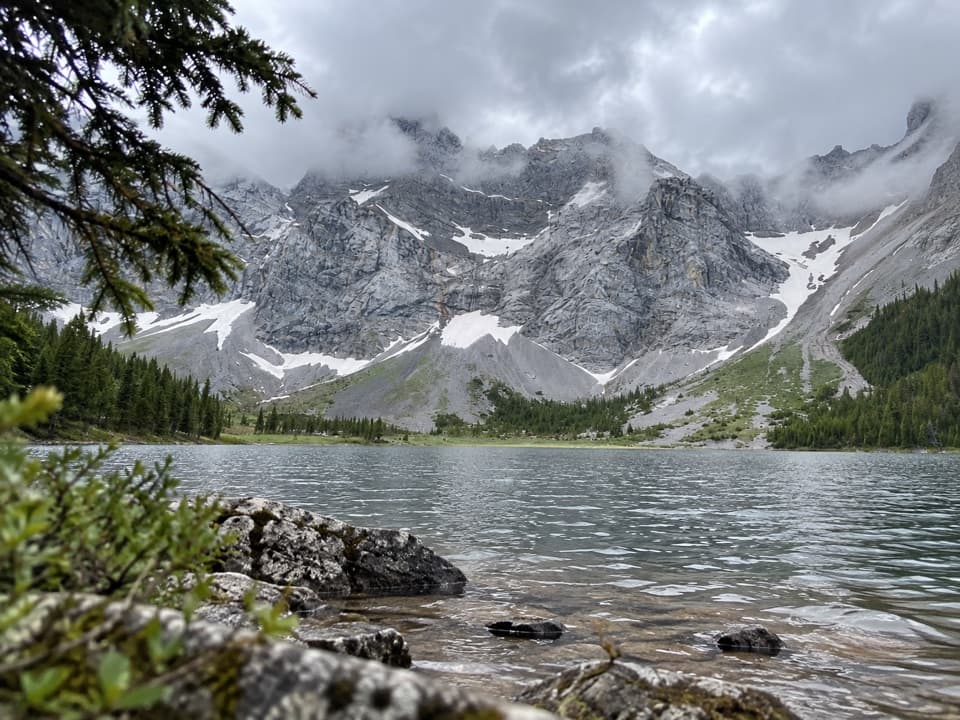
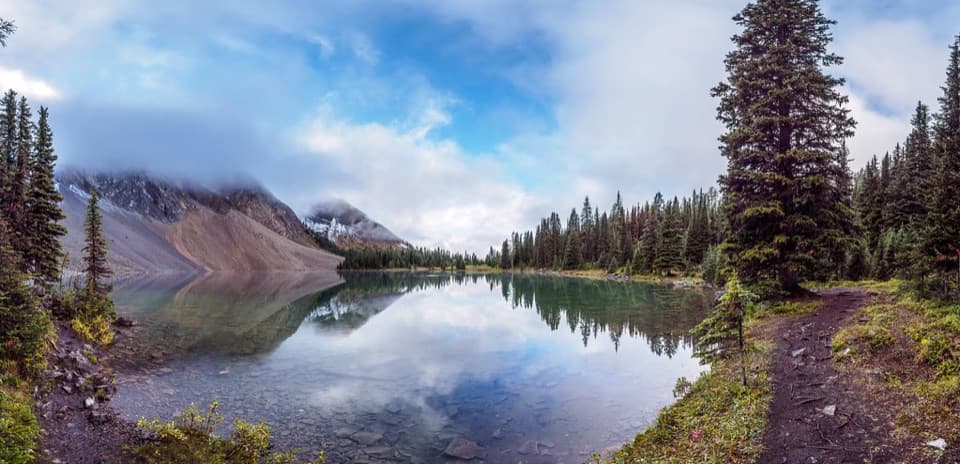
Tucked in a high alpine bowl, Elbow Lake Backcountry Campground is the classic “easy effort, big reward” overnight. The approach is short but steep, and in minutes you’re dropping packs beside a turquoise lake ringed by mountains. It’s a friendly first backcountry for families and newcomers, yet scenic enough to lure seasoned campers back.
Park at Elbow Pass Day Use on Hwy 40 and hike about 1.3–1.4 km with roughly 100–125 m of gain to the lake and campground. A Kananaskis Conservation Pass is required to park at the trailhead. Cell service is spotty to none—download maps and let someone know your plans.
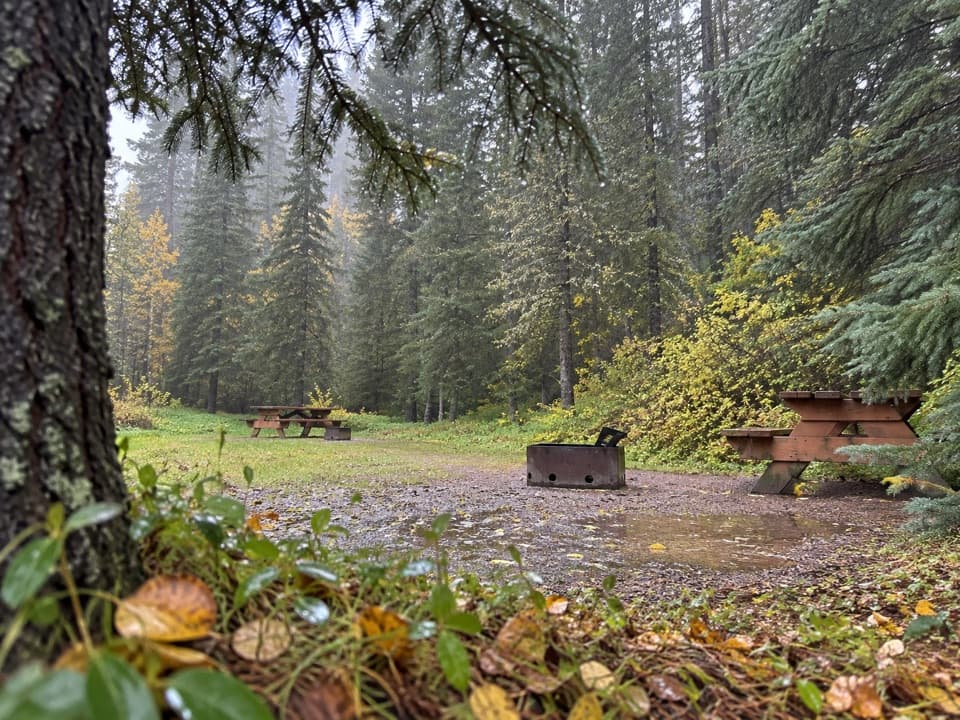
Expect a well-organized backcountry setup: around 15 tent pads (max 1 tent and 6 people per pad), pit/vault toilet, grey‑water disposal, and bear‑proof food lockers. Communal cooking areas have designated firepits, and firewood is provided when permitted—follow any active fire bans and don’t collect deadfall. Water comes from the lake; bring a filter, purifier, or plan to boil. There’s no vehicle access to sites and all garbage must be packed out.
Season and fees typically run June 15–Nov 29 at about $12 per person per night, with reservations available 90 days in advance. Policies can change; check current advisories before you go.
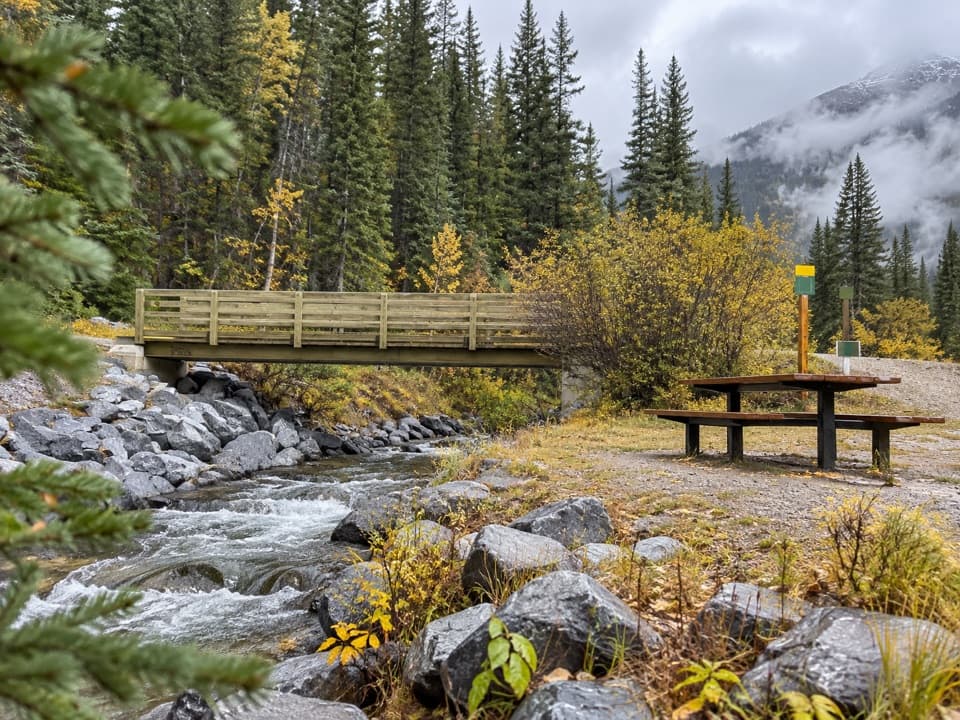
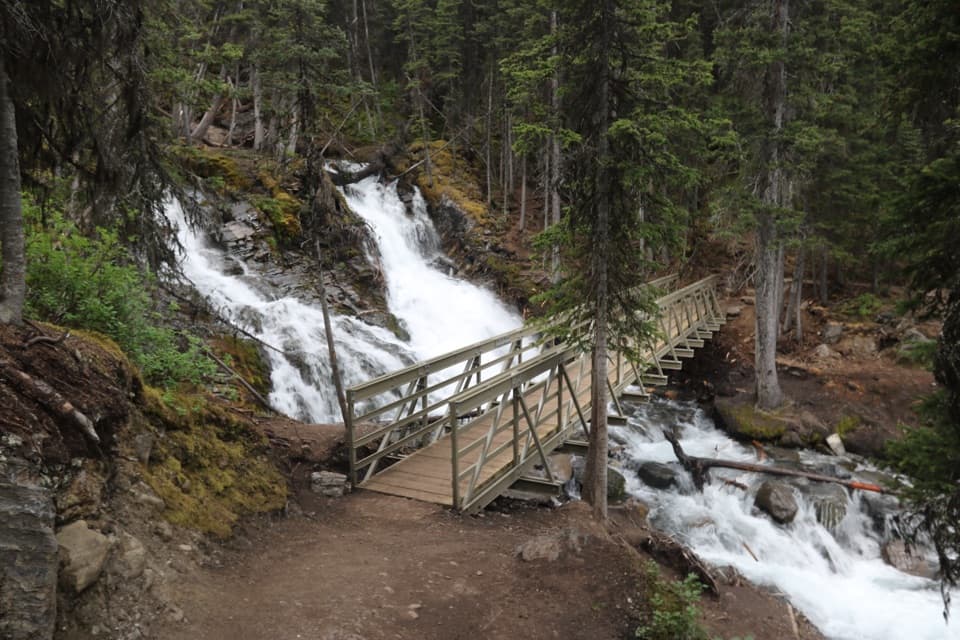
The campground sits beside clear water with big-mountain views—exactly the payoff you want after a short grunt. From camp, easy extensions include a mostly flat horse trail ~3.5 km to Edworthy Falls, and about 2 km farther to Tombstone Campground if you’re linking nights. Strong hikers also use Elbow Lake as a jumping‑off point for Rae Glacier day trips.
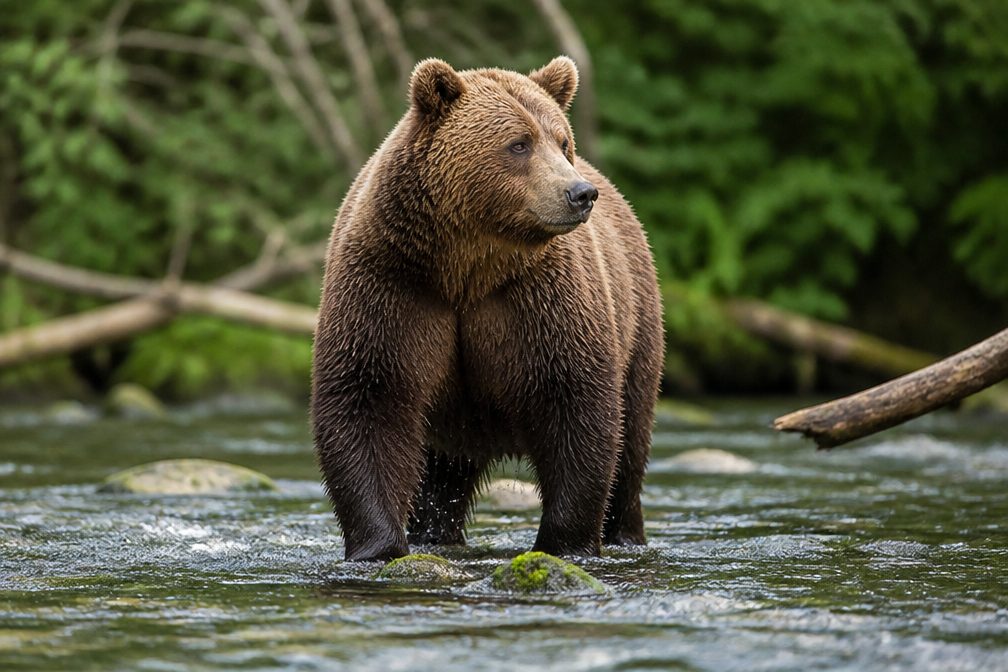
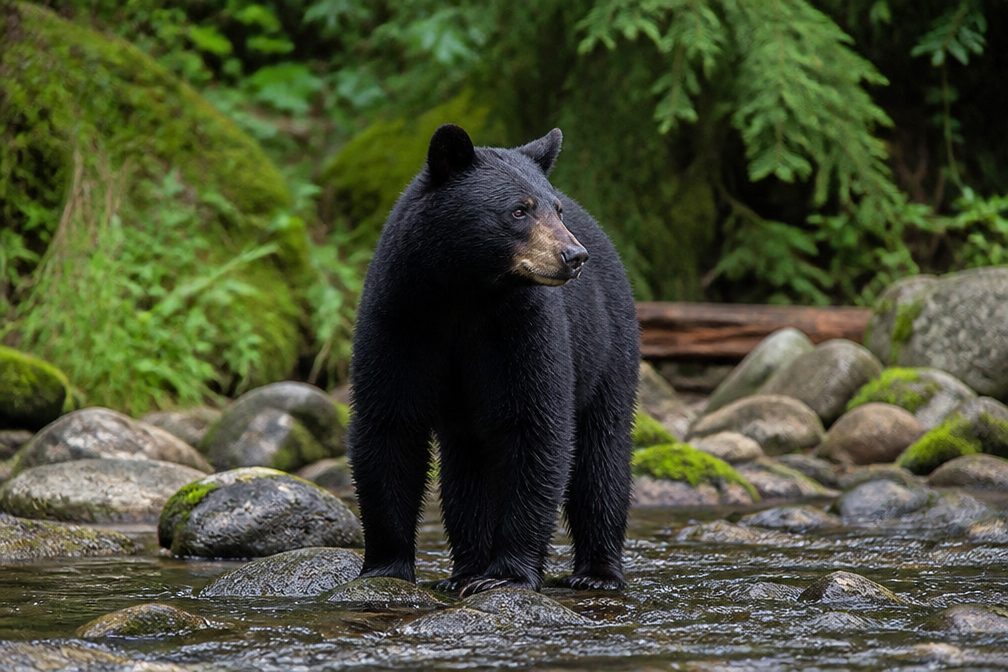
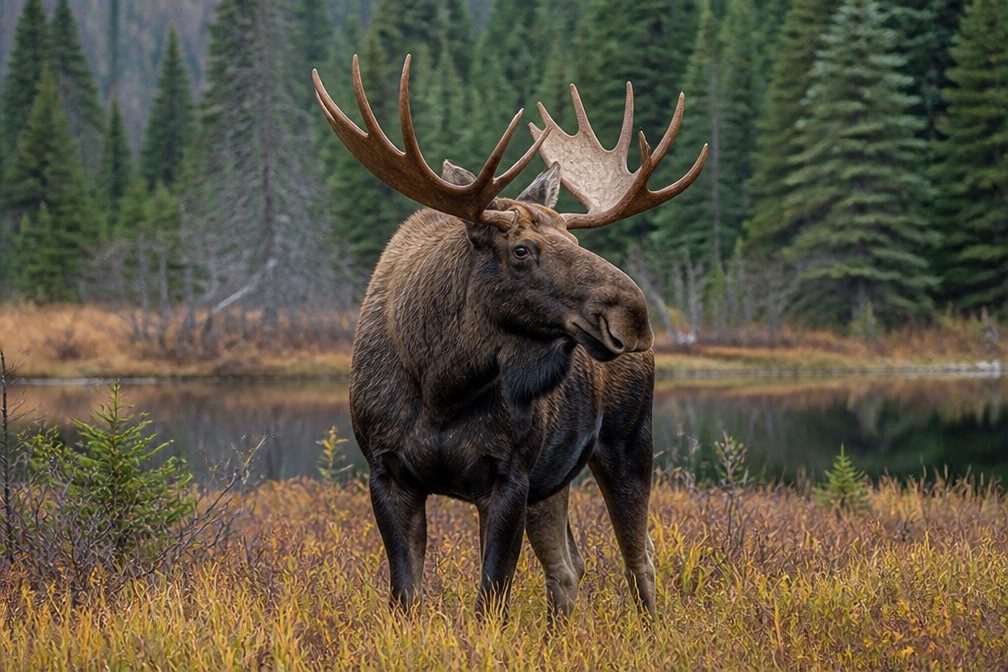
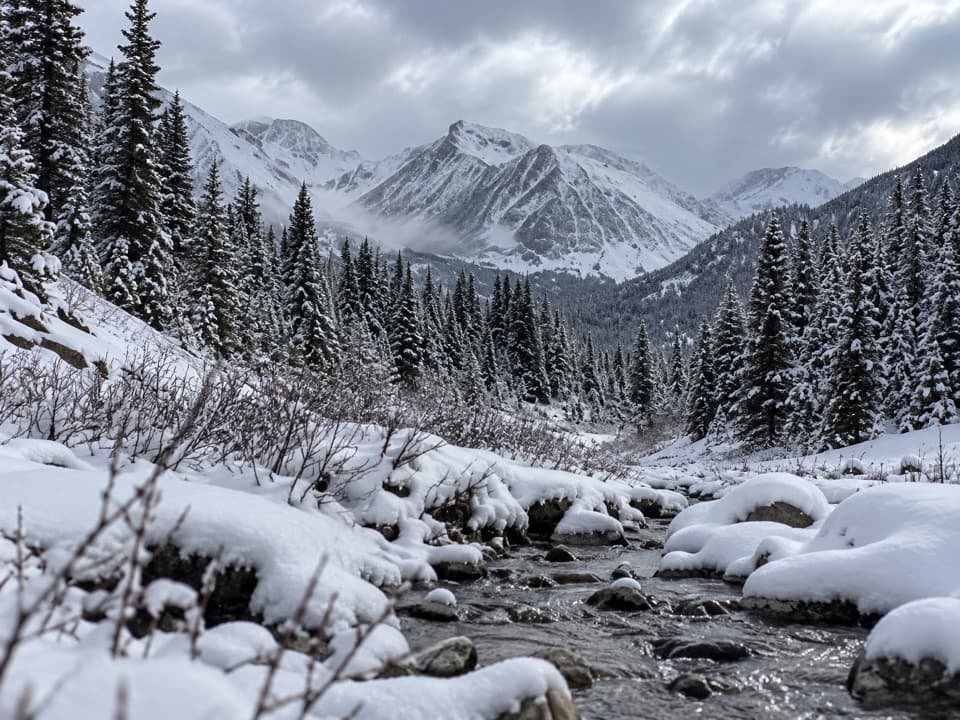
You’re in prime bear and moose country. Carry bear spray, keep a clean camp, and use the lockers. Afternoon winds can funnel across the lake, so anchor tents well. Early summer can bring bugs; a headnet helps. Shoulder seasons can deliver ice and snow—pack warm layers and traction if needed.
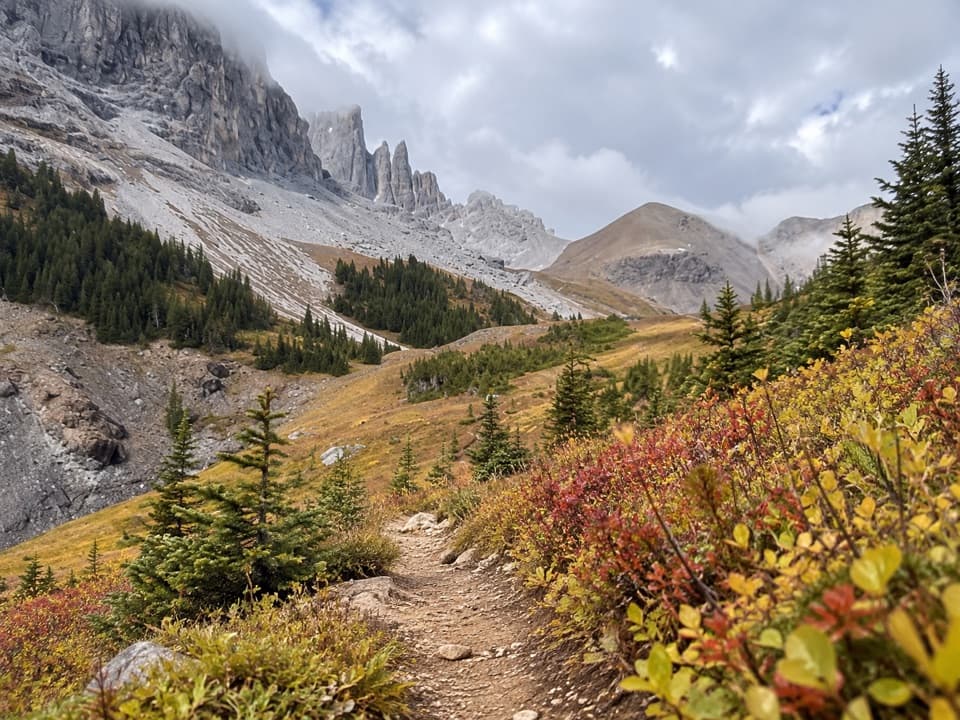
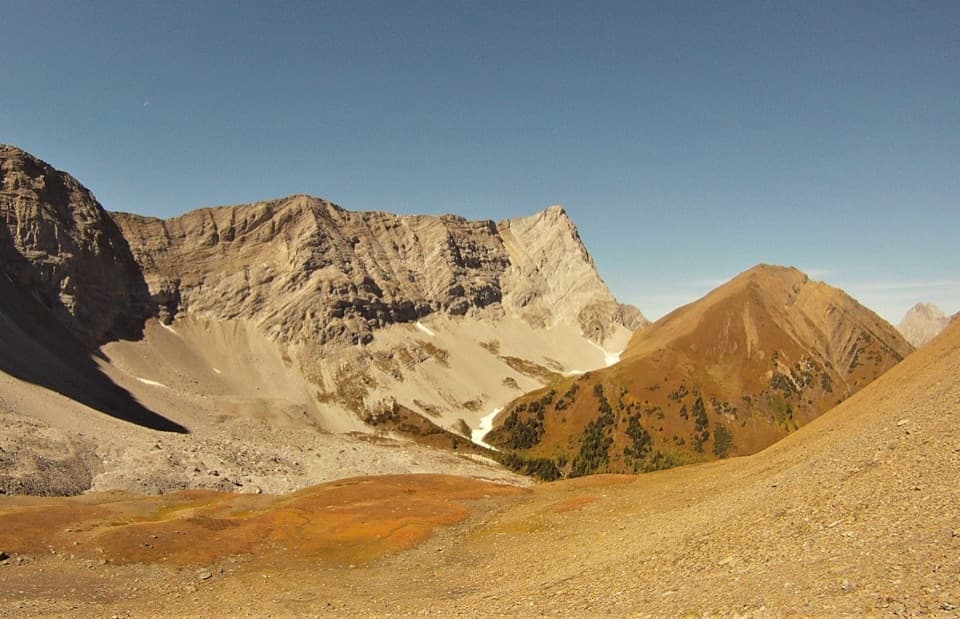
The core season is late June through late fall. Autumn often shines here with colorful hillsides and snowy peaks. To beat crowds on this popular, short approach, arrive early and aim for weekdays. Mornings are typically calmer than gusty afternoons, which helps both paddling and photos.