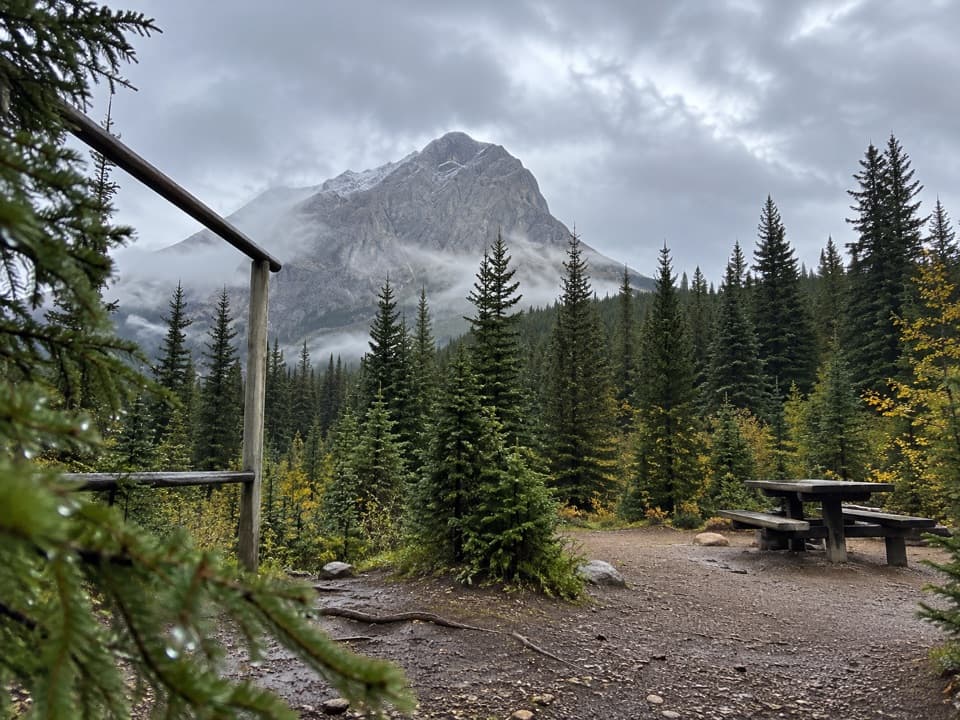
Turbine Canyon Backcountry Campground

Quiet backcountry camp near a dramatic alpine canyon
Turbine Canyon Backcountry Campground, Peter Lougheed Provincial Park
InsidePeter Lougheed Provincial Park

Overview

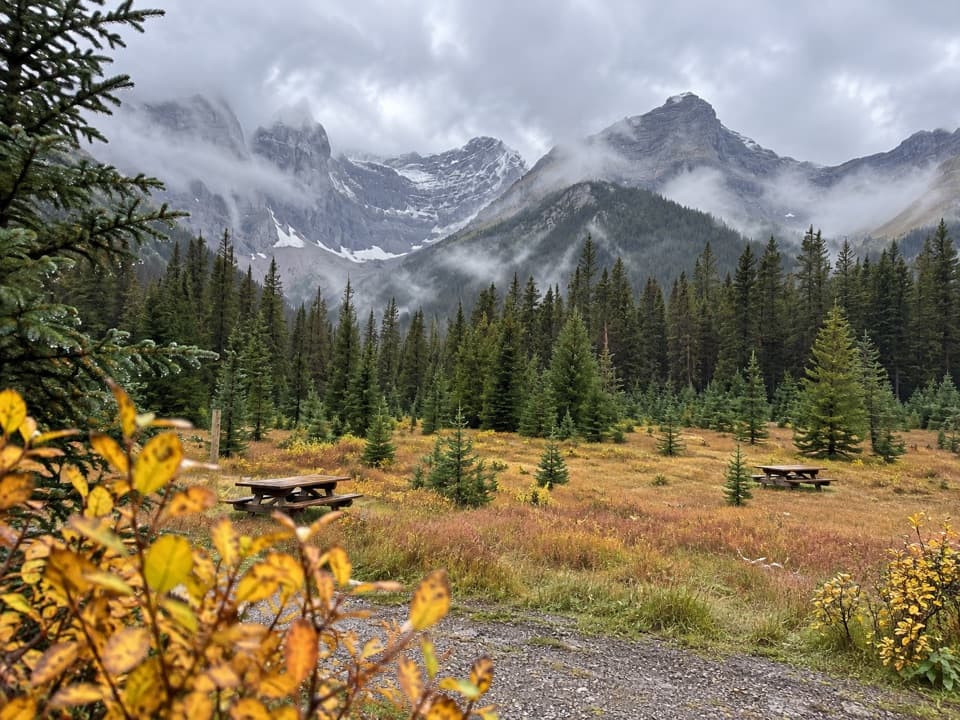
A quiet, well‑kept backcountry base tucked just minutes from a dramatic canyon, Turbine Canyon Backcountry Campground feels remote without being extreme. Pads are neatly laid out (some are wooden), water is close by, and the big win is the abundance of bear lockers—one of the more confidence‑inspiring setups in the park’s backcountry.

Getting There & Trail Character

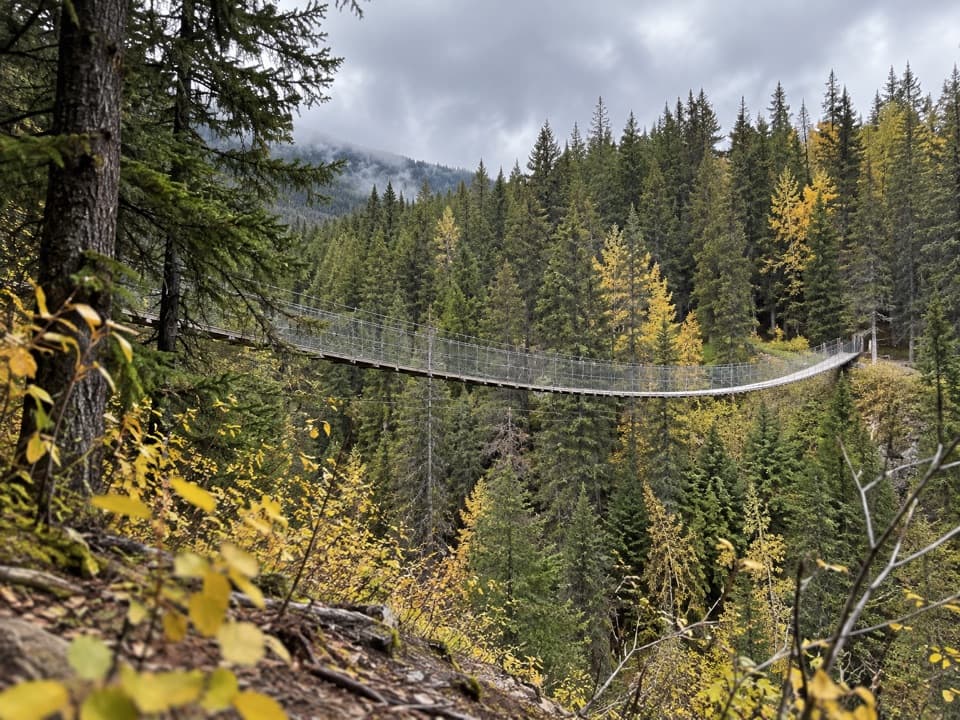
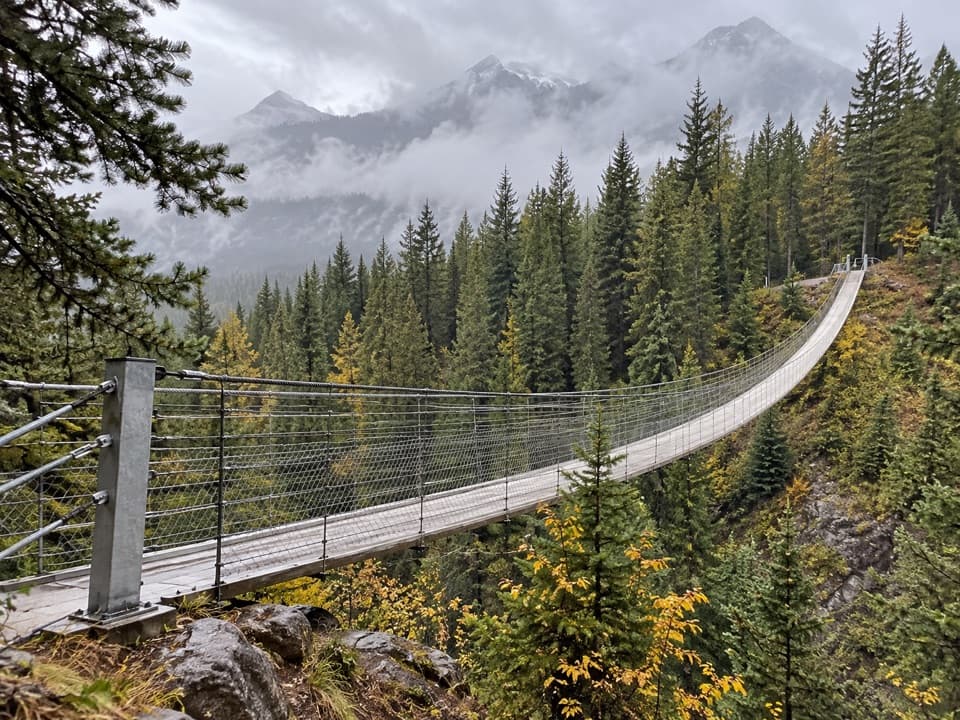
Most hikers approach via Upper Kananaskis Lake. The walk to Forks Campground is fast, flat and bridged; beyond Forks the grade kicks up, footing gets rockier and rootier, and the traffic thins out. One party reported roughly 16.5 km each way from the trailhead due to a detour near Forks, and noted that everything on this approach had a bridge—no scrambles or fords. Expect a much more remote feel after Forks.

Camp Layout & Amenities

Pads are rectangular and help with clean pitches, but staking can be tough on the rocky ground—think big‑rock, little‑rock anchors. Large bear lockers are close to the pads and work well. There are pit/vault toilets. There’s no potable water (treat the nearby natural source), no garbage service (pack out everything), and campfires aren’t permitted—bring a stove. Don’t plan on cell coverage.

Why Camp Here

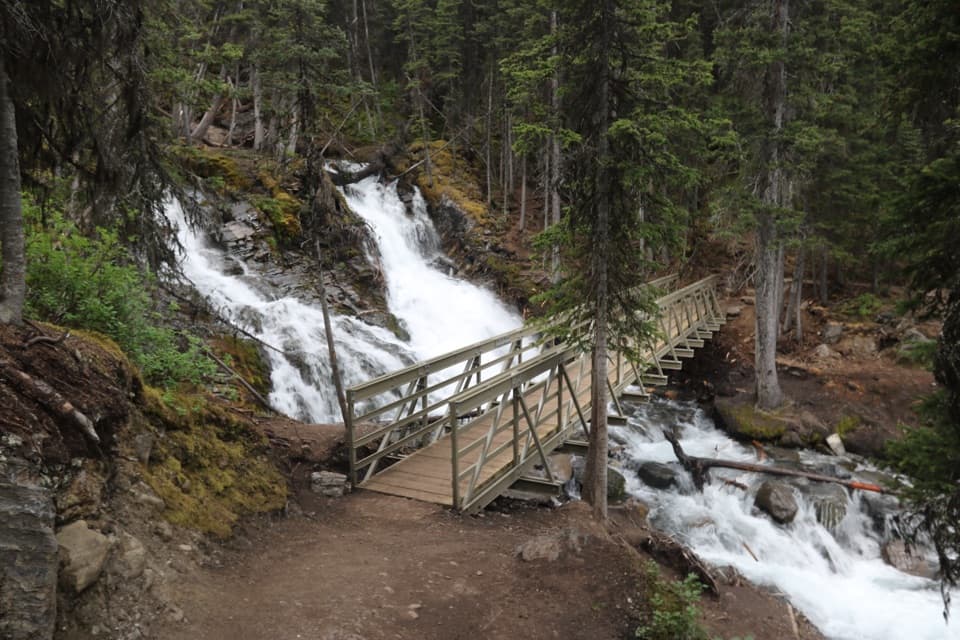
Besides the tidy setup and light traffic, the short stroll to view Turbine Canyon is the payoff—make time to wander a few minutes down the trail for roaring water in a tight chasm. Some sites feel sheltered; one camper praised morning views from Site 7.

Wildlife & Safety

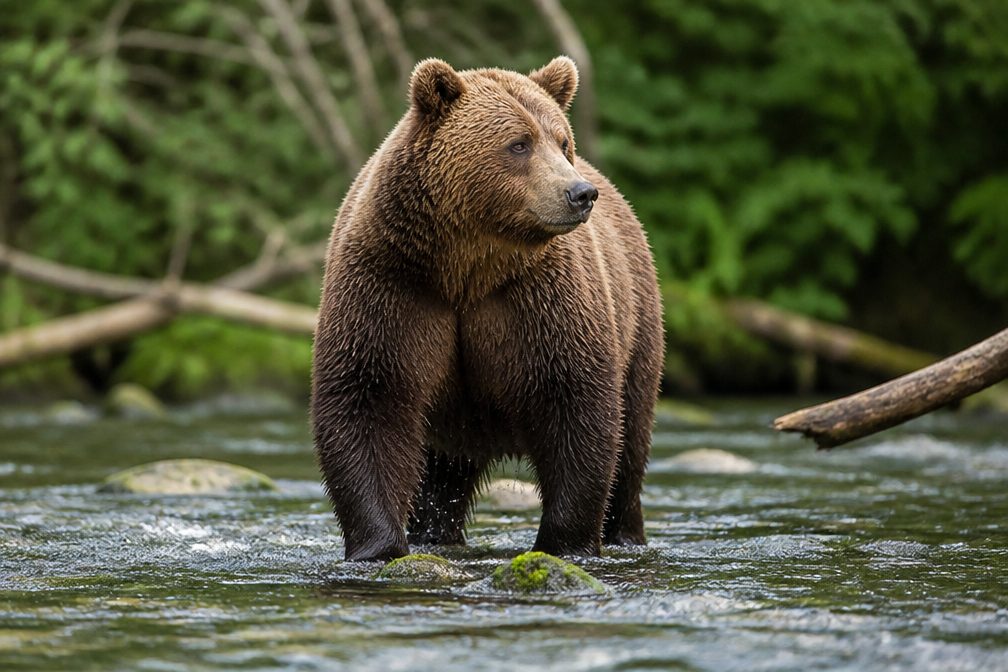
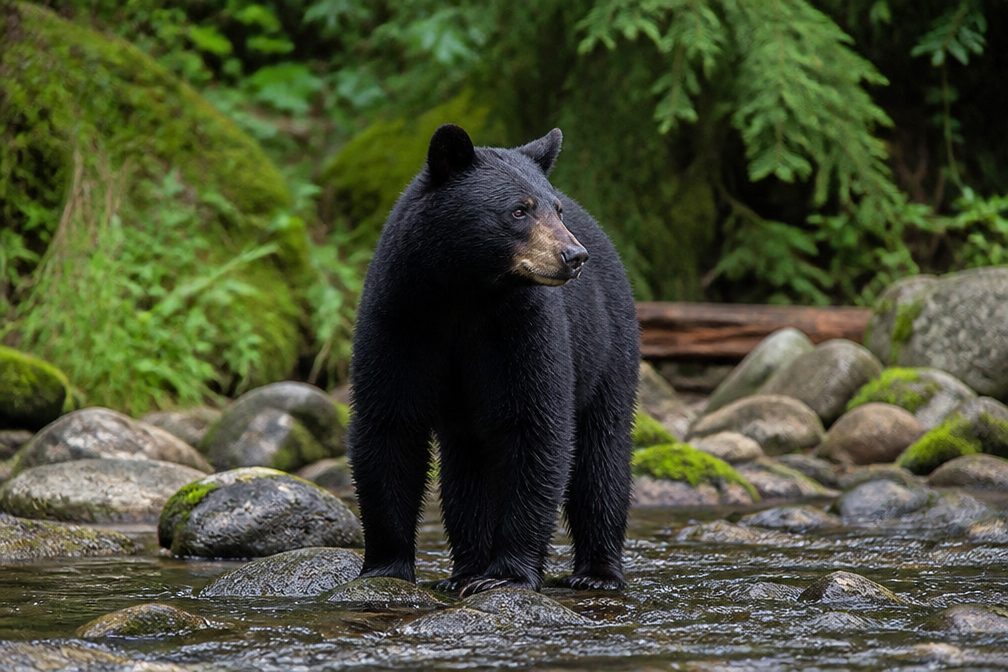
Bear sign is common in the upper basin and a snowshoe hare has been spotted right in camp. Brushy, berried sections nearby mean low visibility—make noise, keep bear spray handy, and keep a spotless camp. With lockers provided, food storage is straightforward.

Beyond Camp: Route Options

Stronger parties sometimes continue over Kananaskis Pass onto the GDT into BC. Expect a steep, loose ~2,000‑ft descent and at least one shallow but wet river crossing, with brushy stretches though navigation is generally clear.

Logistics & Rules

You’ll need a Kananaskis Conservation Pass (license‑plate registration). Tent‑pad use is enforced; one hiker perceived a “one tent per pad (or up to six people per pad)” rule—verify current rules before you go. Alberta Parks advisories are worth a check for closures and wildlife notices. Post‑trip showers are available at Boulton Creek Campground via token purchase when open.

Best Time to Visit

Weekdays see very light traffic beyond Forks. Mid‑August brought minimal mosquitoes for one party and mellow vibes at camp. Aim to reach camp early enough to explore the canyon in soft evening light and enjoy a slow morning before the hike out.

Pros

  • Large bear lockers near each tent site
  • Designated tent pads, some on wood platforms

Cons

  • Rocky ground makes staking tricky—bring long stakes and extra guylines
  • Steeper, rougher trail after Forks; no campfires or potable water

Tips

  • Carry long stakes and extra guylines; the rocky pads need creative anchoring.
  • Plan for a short detour to the canyon—a few minutes from camp.
  • Treat all water and bring a stove; there are no fires or potable taps.
  • Expect an easier, bridged walk to Forks and a steeper, rougher climb after.
  • Make noise in brushy berry zones and store all attractants in the lockers.
The Parkwolf tour guide sitting on a phone mounted in a car

Parkwolf Tour Guide

Like a tour guide in your car.

Save the places you found around Peter Lougheed, then let Parkwolf guide the drive between them.Download Parkwolf on the App Store