Overview
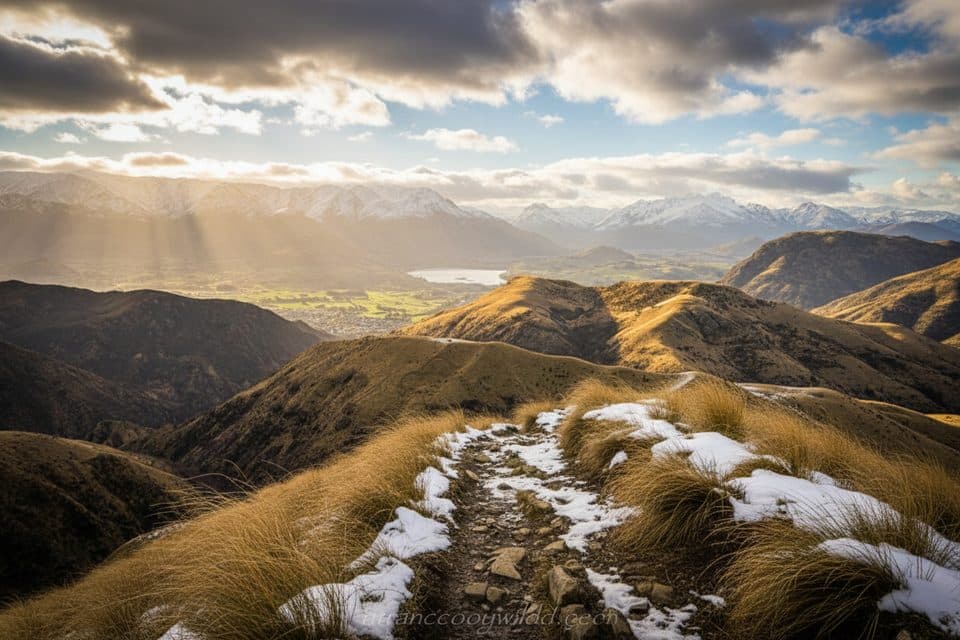
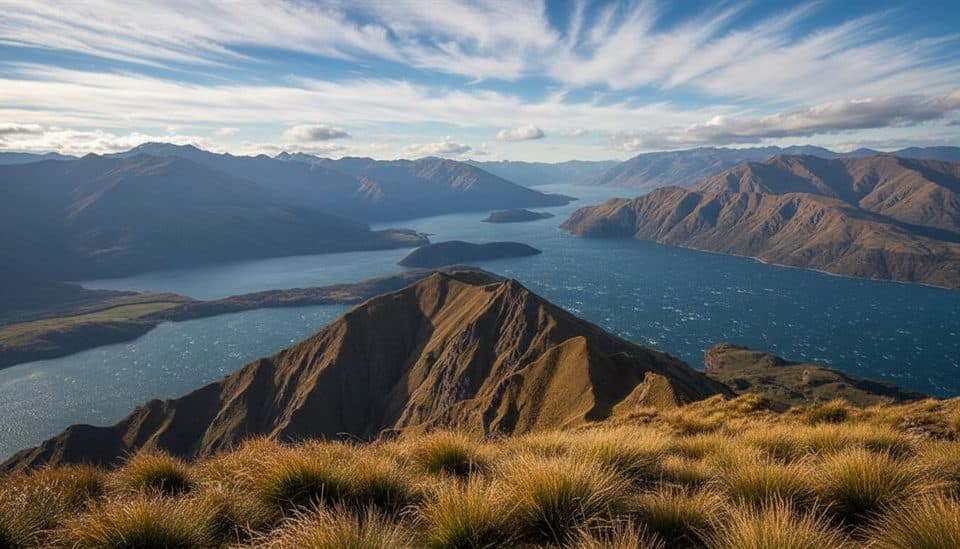
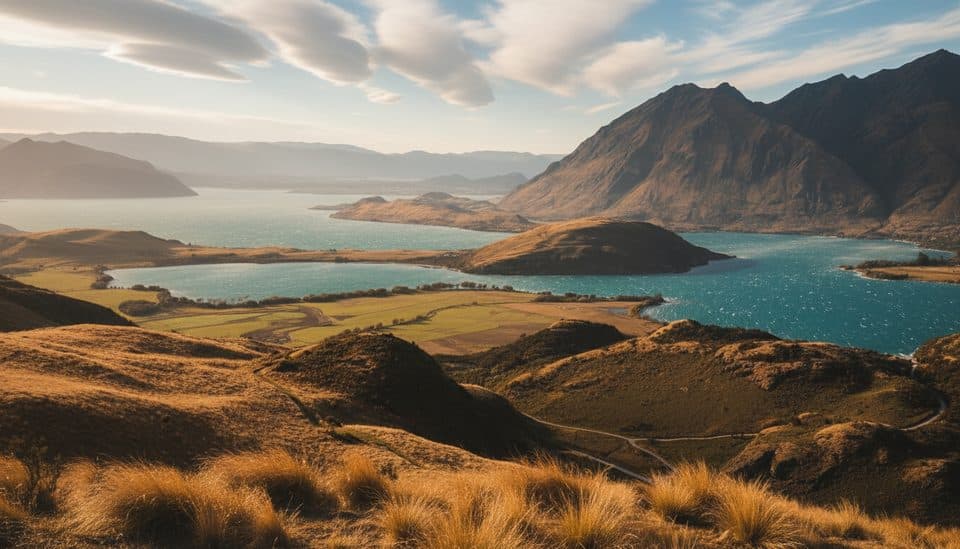
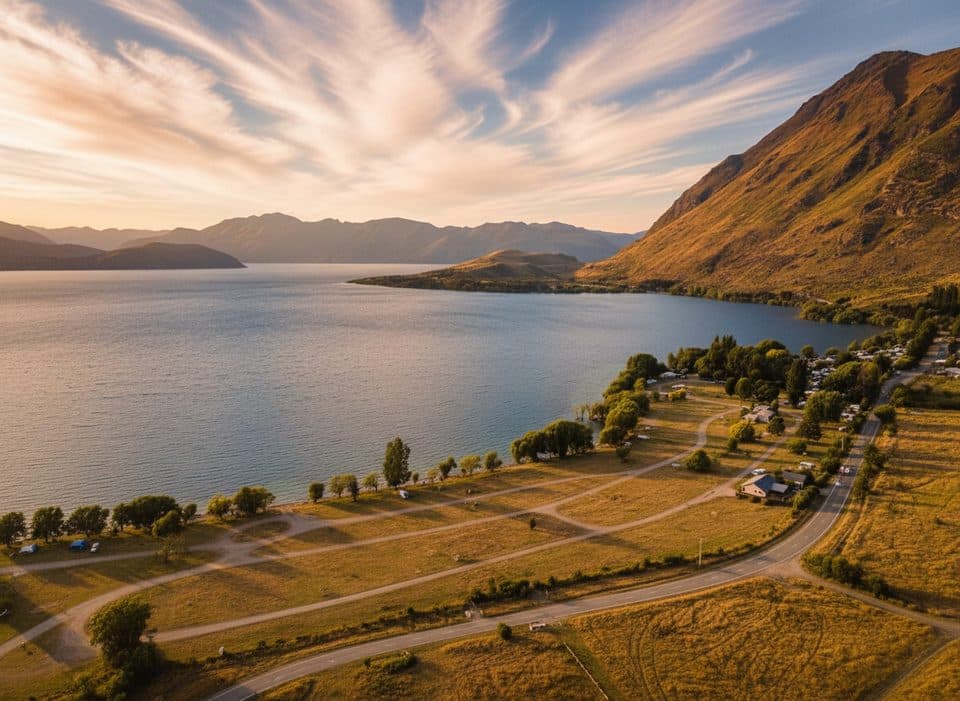
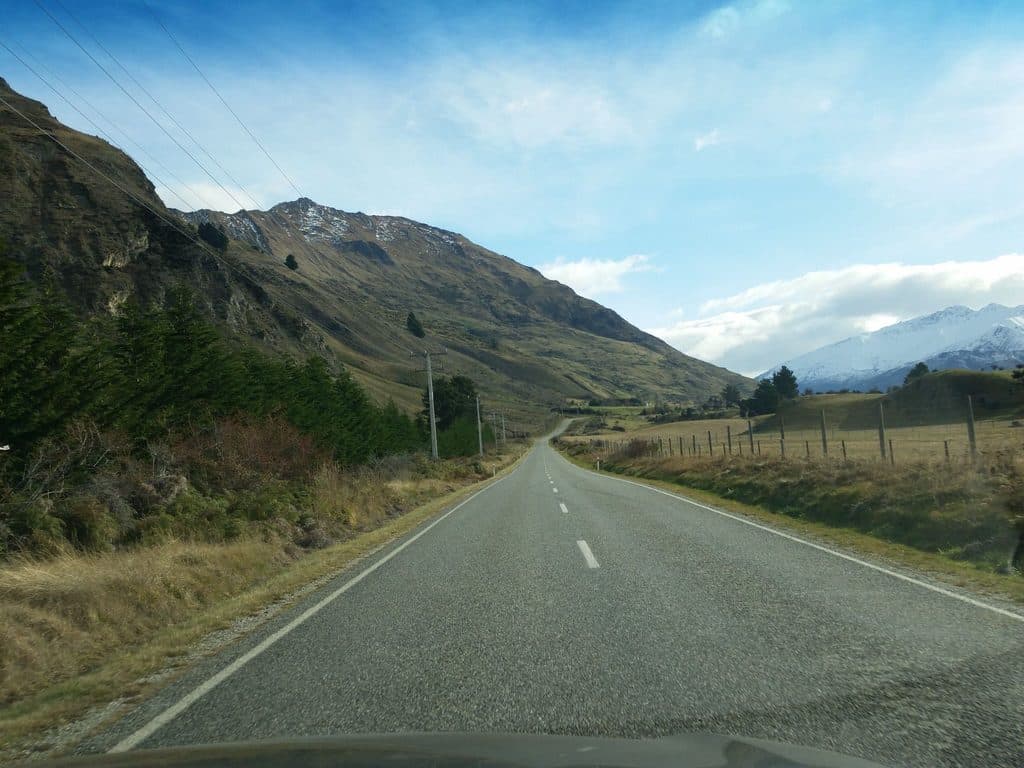
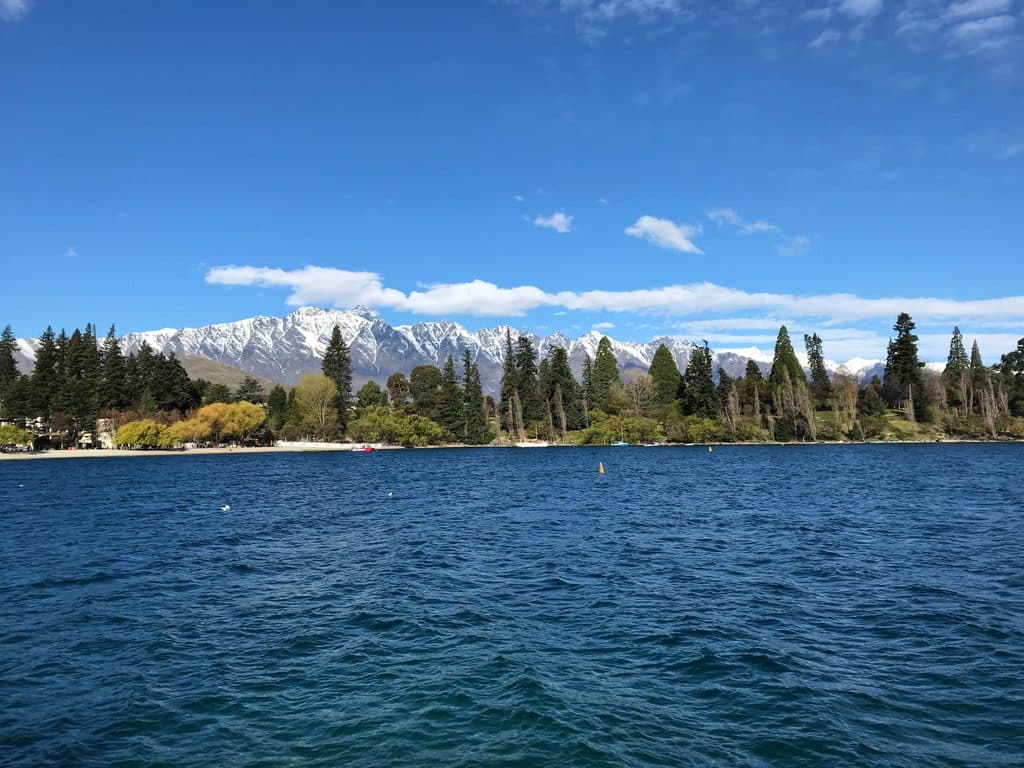
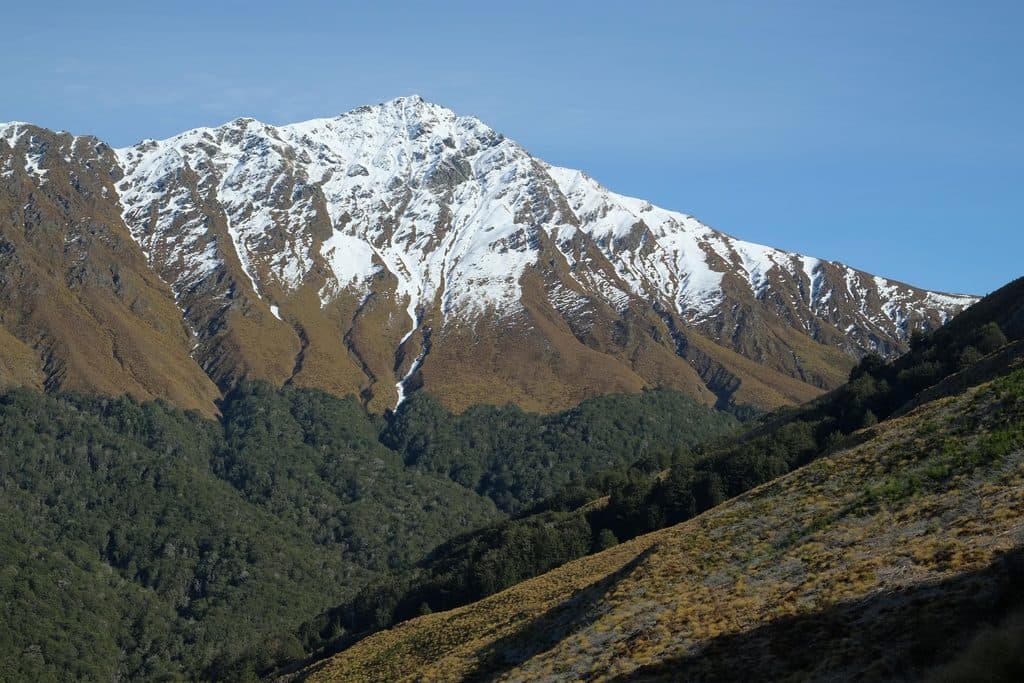
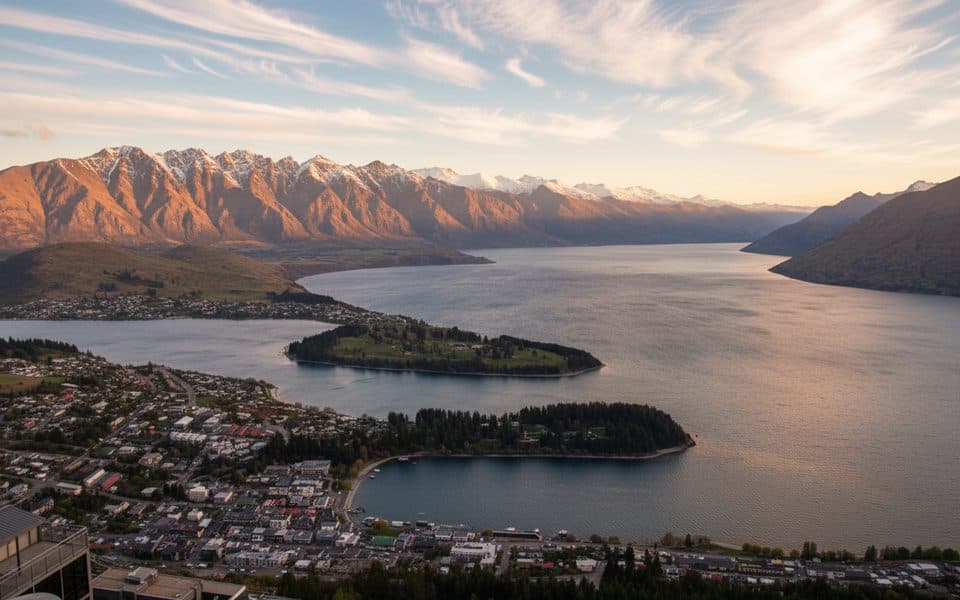
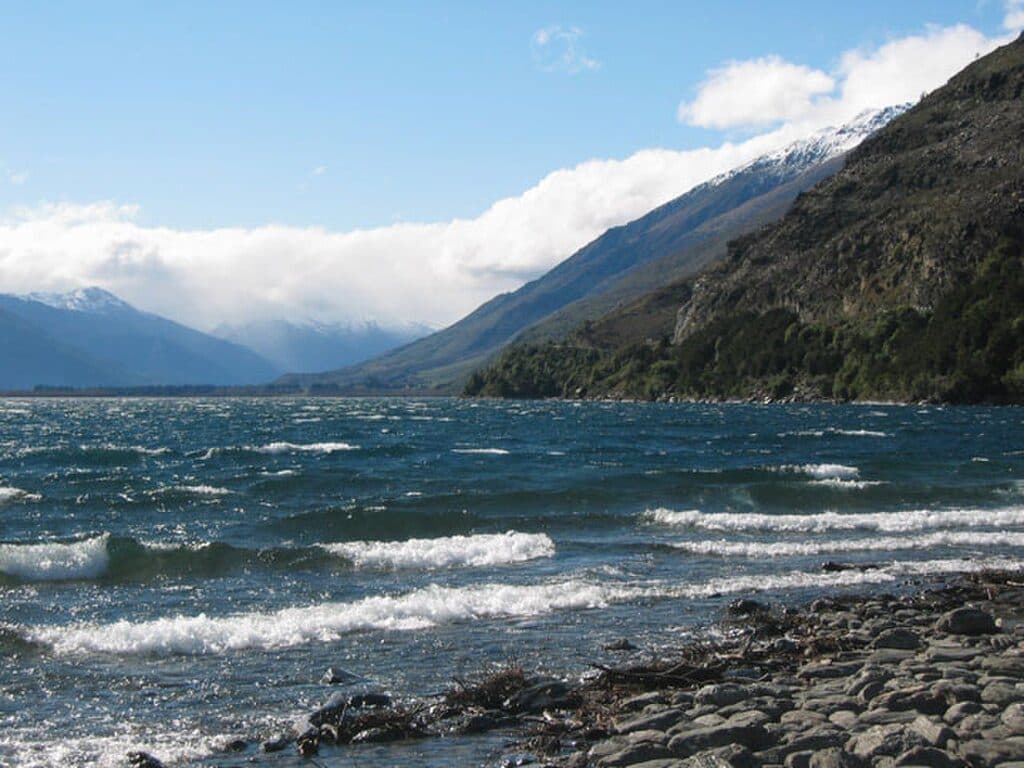
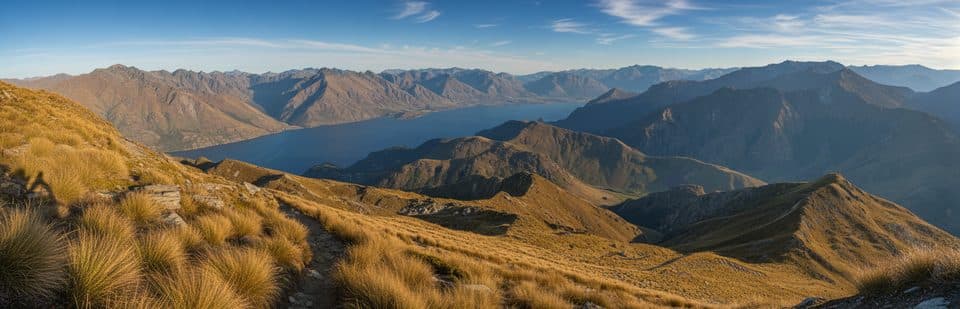
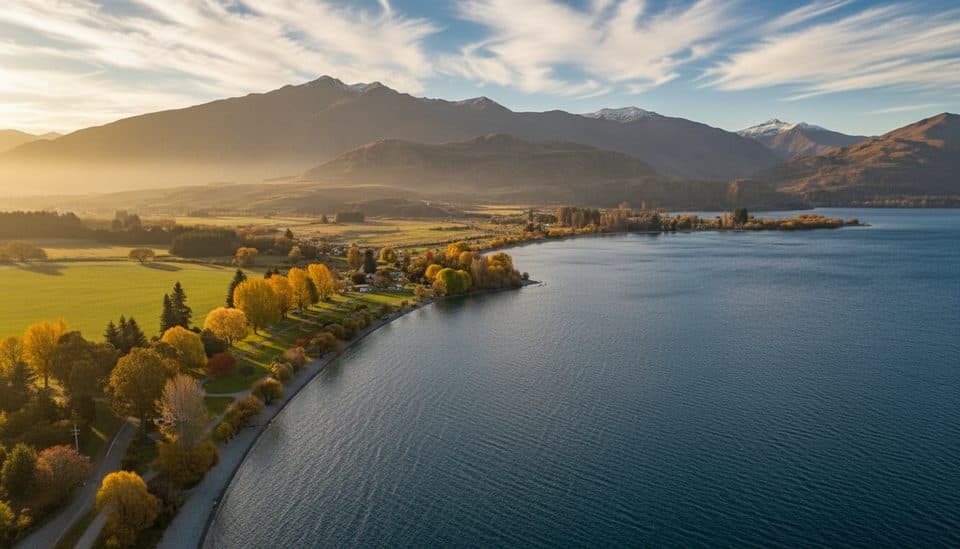
Glendhu Bay Holiday Park sits right on the shores of Lake Wānaka, a classic Kiwi camping scene with clear alpine water and wraparound views of the Harris Mountains and Buchanan Peaks. It’s 10–15 minutes from Wānaka along the Wānaka–Mt Aspiring Road, with Bike Glendhu across the road and the national‑park gateway just beyond. On calm days you can score mirror‑like reflections, and there’s even a roadside viewpoint before the campground with a peek to Mt Aspiring.
Why it’s worth your time
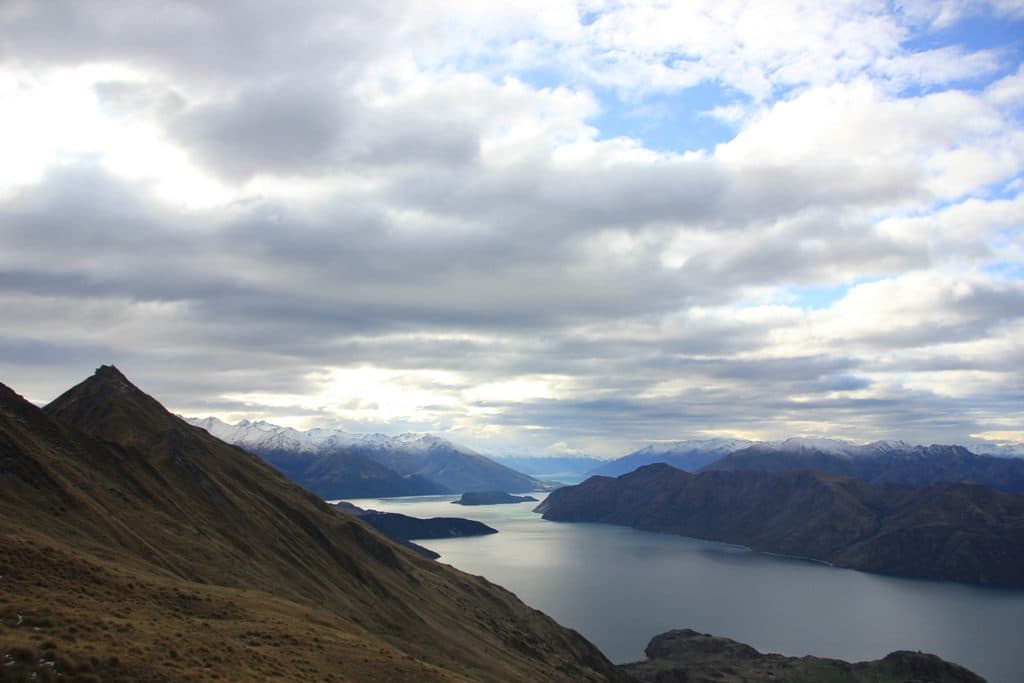
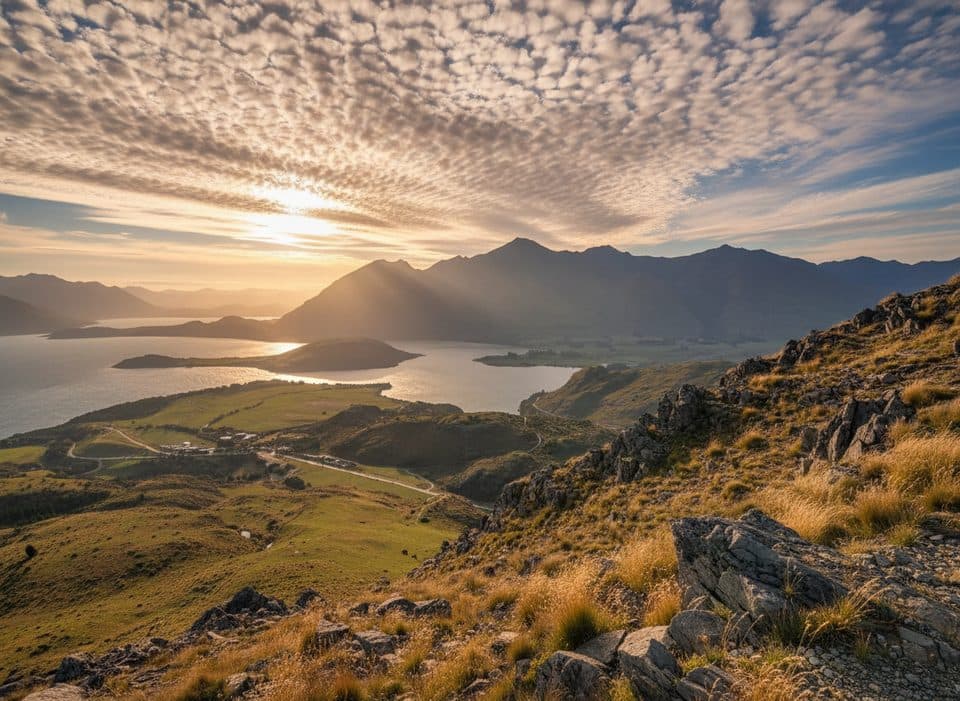
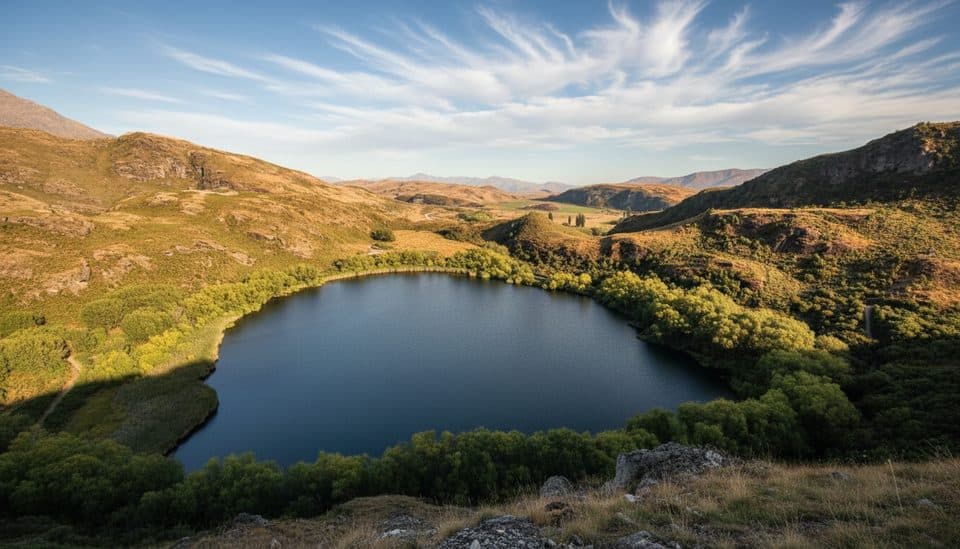
If you want lakefront living without a long drive, this is the sweet spot: pitch up a few metres from the water, swim or paddle at dawn, then hit nearby trailheads like Roy’s Peak, Diamond Lake/Rocky Mountain, or sections of the Glendhu Bay Track (which follows the lake and ties into Te Araroa). It’s also a popular base for boating and waterskiing.
Where to stay and what’s here
- Sites: powered and unpowered grassy sites, including waterfront options (typically up to 6 people per site).
- Cabins: standard and economy, generally sleeping up to 4; economy styles are older and minimalist.
- Larger stays: lodge rooms (sleep up to 6 each), a larger lodge (sleeps up to 24), and a 3‑bedroom house with full kitchen, two bathrooms, laundry, deck, and lake/mountain views (sleeps up to 13).
- Facilities: shared kitchens (ovens, hotplates, fridges/freezers, toasters, instant hot water; hire a utensil “utility box” if needed), hot showers (coin/timed, commonly $2), laundries (tap‑and‑go machines), playgrounds including a jumping pillow, and limited Wi‑Fi (250MB free per adult, more available to purchase).
- Policies & hours: generally open year‑round; reception typically 8:30am–7:00pm. Check‑in 2:00pm; check‑out 10:00am for accommodation, 11:00am for sites. Dogs are allowed from after Waitangi Weekend until the week before Christmas (on lead; not in buildings) and not permitted from December 20 through Waitangi Weekend. There’s a boat ramp with permits ($10/day, $15/week, or $60/year—pay at reception and display the permit).
The vibe
Family‑friendly, roomy, and social in summer; quieter shoulder seasons. Most guests rave about the setting and access to everything outdoors. Economy cabins are basic (expect to use the shared kitchen), heaters in some cabins auto‑shut off every two hours, and a few guests report occasional noise or cleanliness blips near facilities—ask for a quieter area if you’re sensitive.
Nature, geology, and wildlife
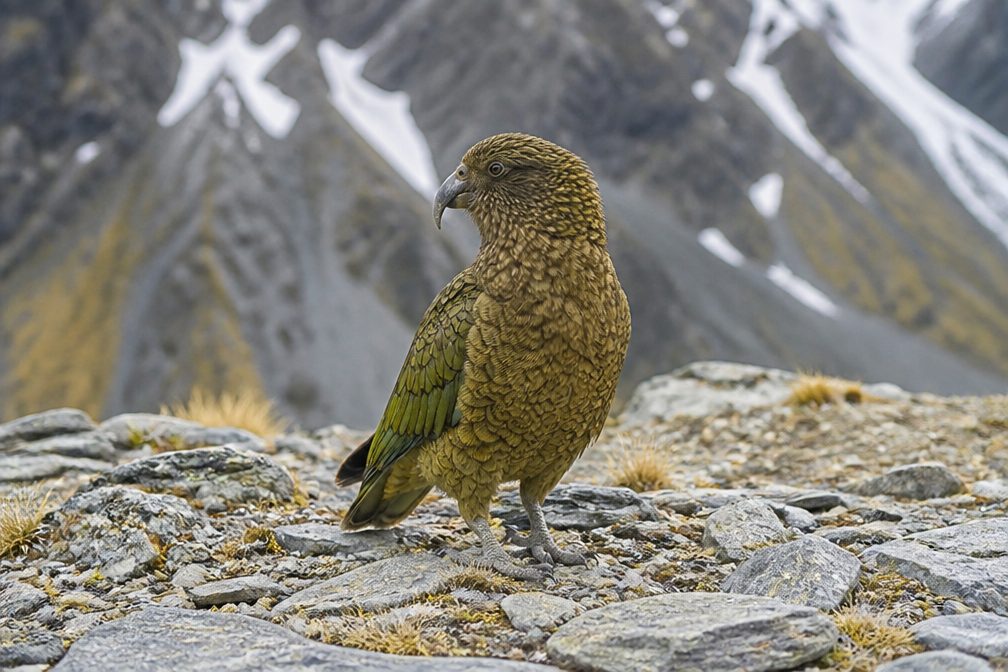
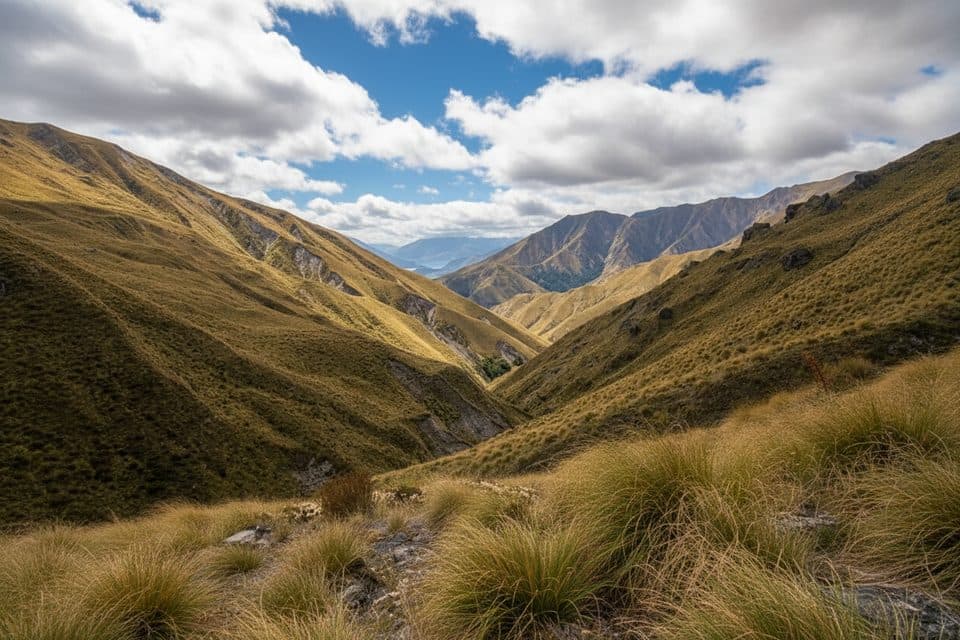
Lake Wānaka and the surrounding terraces were carved and shaped by past glaciation over schist bedrock—why the lake is so deep and the views so dramatic. Around camp and along the shoreline you’ll see typical South Island lake life: waterfowl on the water and bush birds in nearby shrubland. Watch quietly at dawn and dusk for the best chance of sightings, and pack out all rubbish. Summer sandflies can be fierce—plan for them.
Best time to visit
- Summer (Dec–Feb): warm water by alpine standards, long evenings, but it books out early and feels busy on weekends/holidays.
- Shoulder seasons (spring/autumn): the sweet spot for calmer vibes and crisp views.
- Daily rhythm: early mornings are usually the calmest for paddling and reflections; evenings are great for a shoreline stroll and photography.
- Weekdays beat weekends for space; arrive earlier in the day if you want a prime lakeside spot.

On‑the‑water and nearby
Swim, kayak, or launch the boat via the on‑site ramp (permit required). Walk or ride sections of the Glendhu Bay Track right by the lake, or head a short drive to marquee hikes like Roy’s Peak and Diamond Lake/Rocky Mountain. Climbers can nip to Hospital Flat.
Need‑to‑know
- Price guidance varies widely by site/cabin type and season: roughly NZD $21–$510 in low season and $42–$595 in high season, with extra‑person charges possible.
- Kitchens, laundries, and hot showers make longer stays easy; bring coins for showers and hire towels if you’re in a basic cabin.
- In peak periods the park sometimes opens extra facilities to handle crowds—another reason to book early.