Moke Lake

Mirror-flat alpine lake with an easy loop and big night skies
Moke Lake, Queenstown-Lakes District, New Zealand
InsideQueenstown-Lakes District, New Zealand

Overview

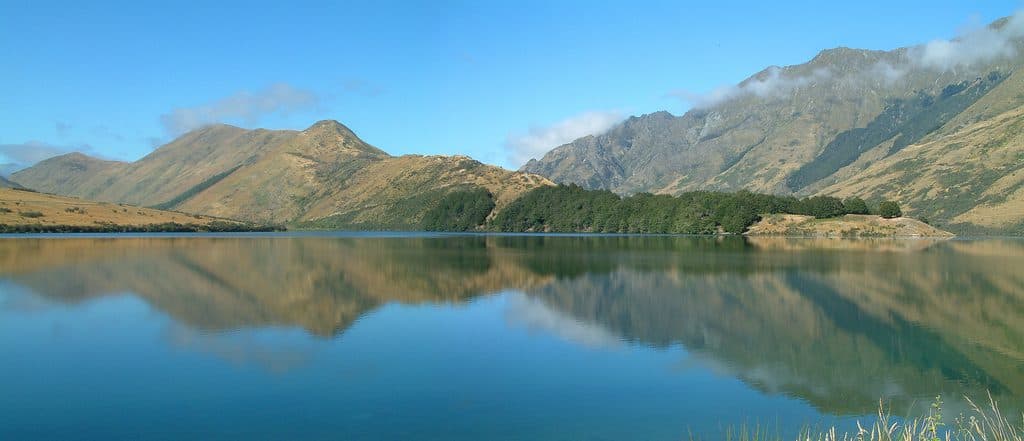
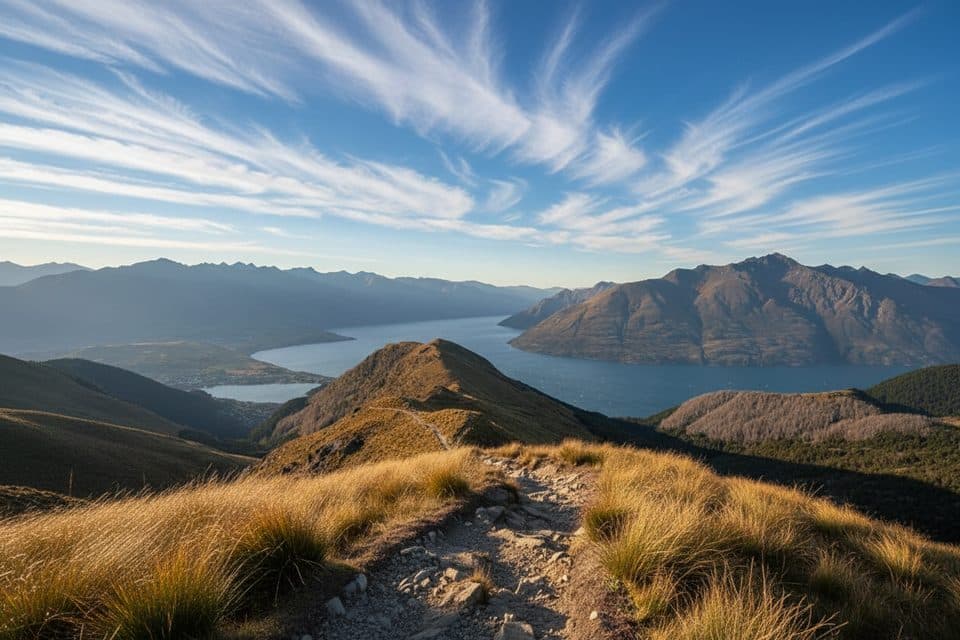
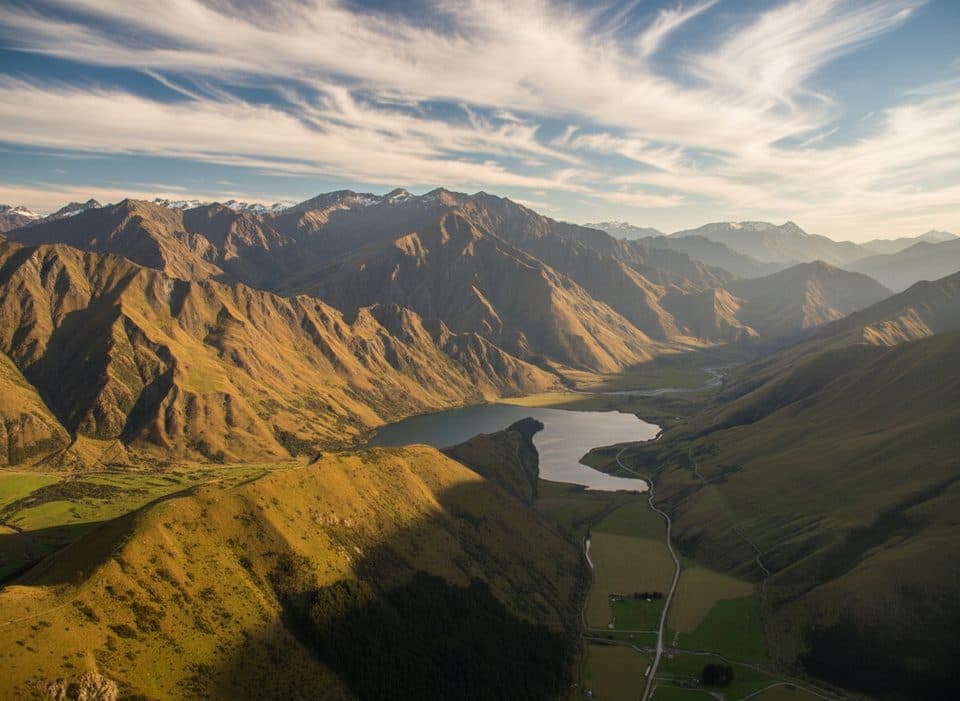
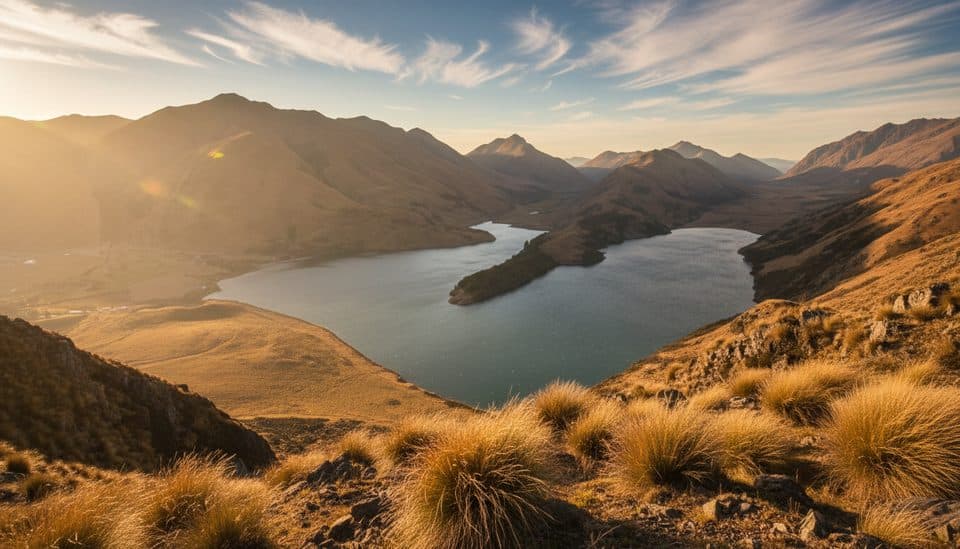
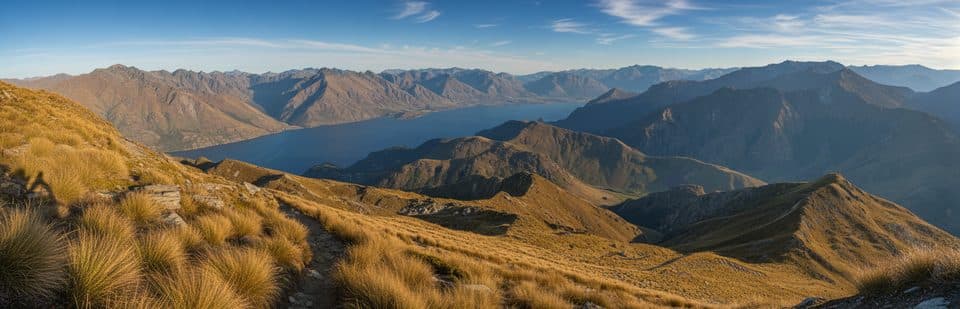
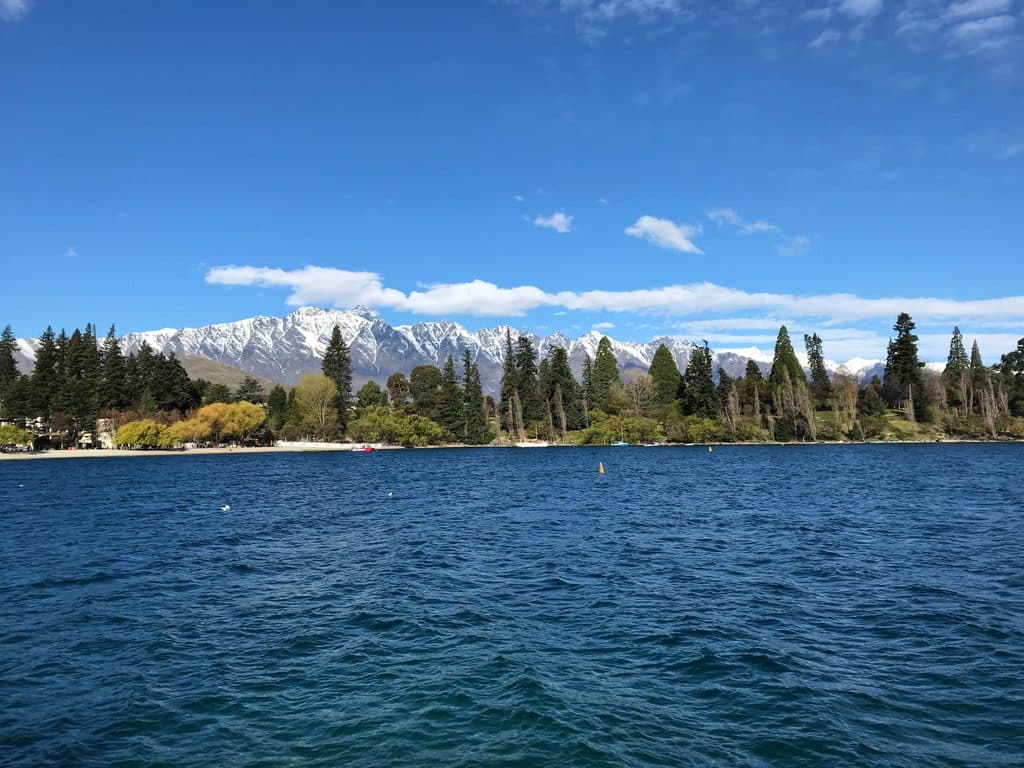
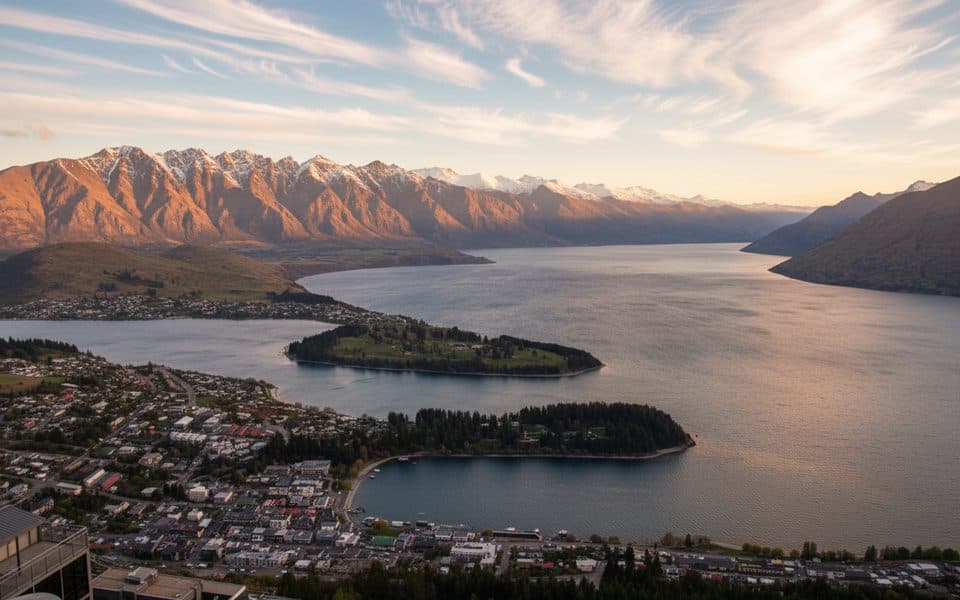
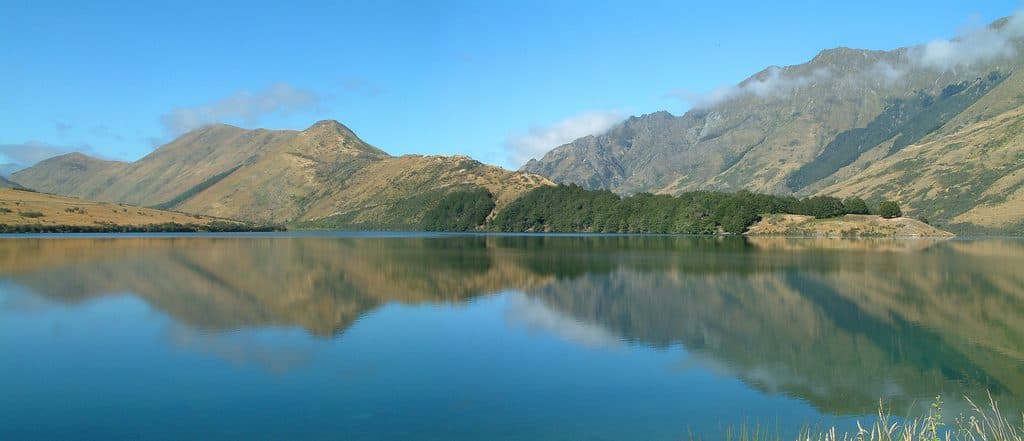
Tucked just outside Queenstown, Moke Lake is a quiet basin ringed by tussock hills and moraines. Sheltered from wind, the water often turns glassy—those perfect mirror shots are common on calm mornings and evenings. This is a place to slow down: walk the shoreline, paddle the still water, and stay after dark for serious stars. Dogs are prohibited to protect the area’s ecology.

What You’ll See

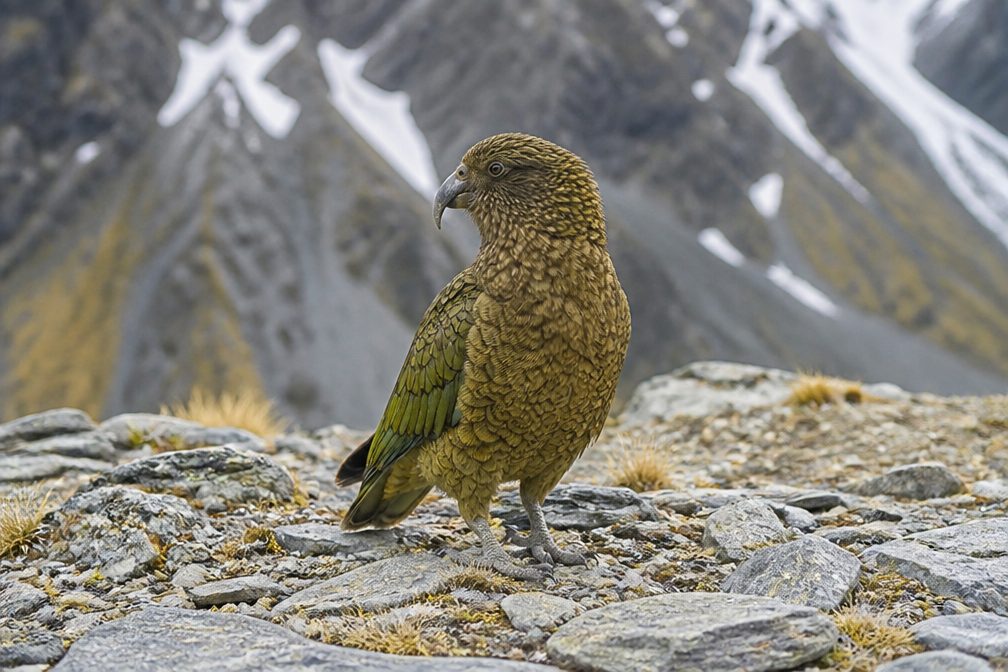
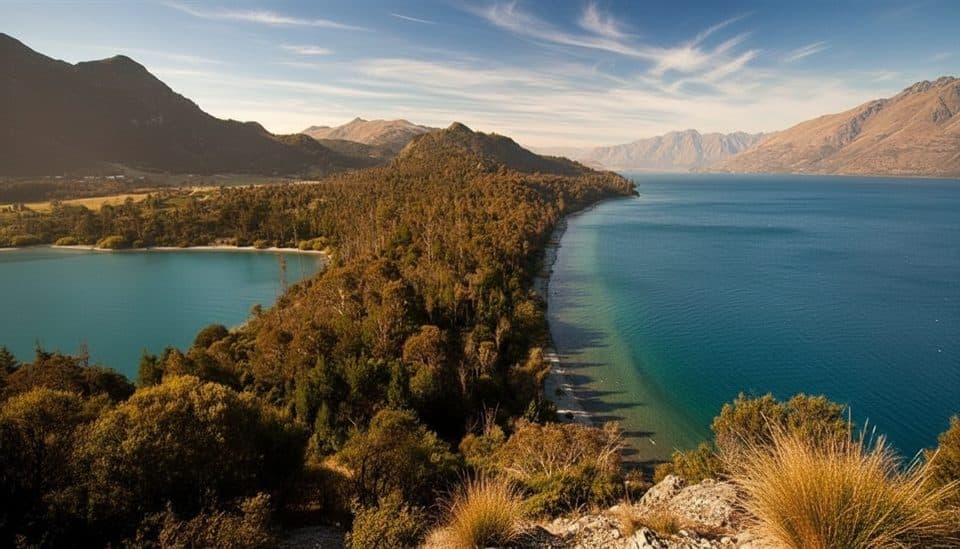
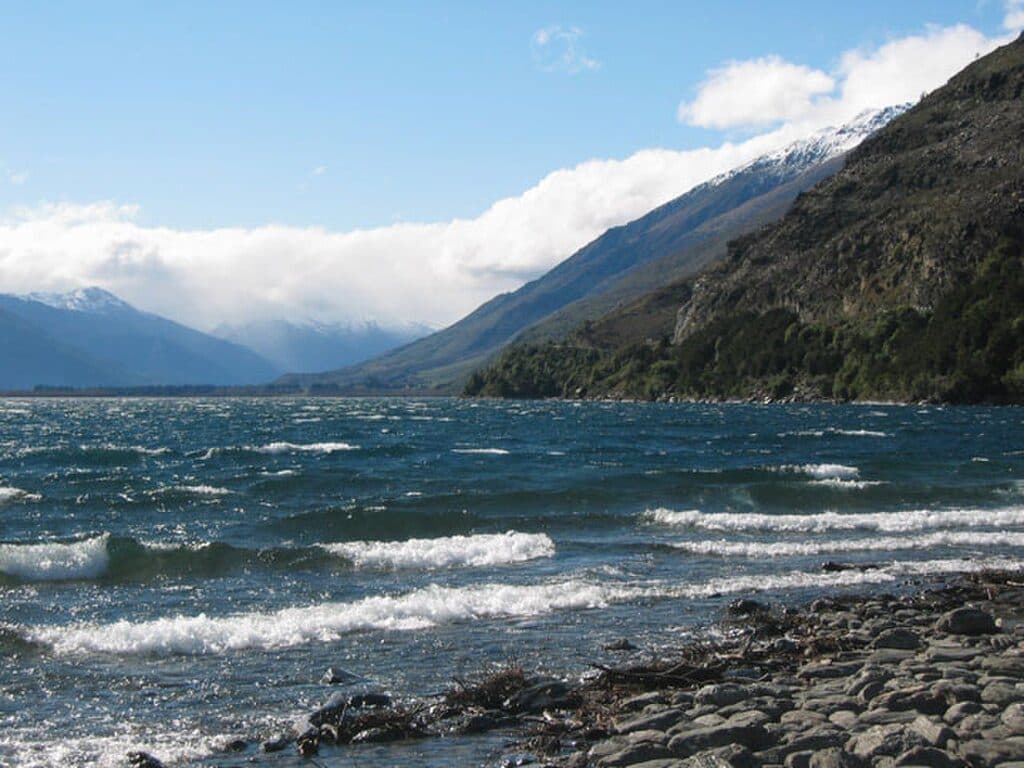
This is a classic glacial kettle lake set among old moraines. Expect open grasslands, mountain backdrops, and a short boardwalk crossing a sensitive wetland at the southern end—stay on the track here. Waterfowl are common; enjoy them without feeding.

Best Things to Do

  • Hike the Moke Lake Loop Track (about 6–6.5 km, 2–3 hours, easy) for continuous lake views.
  • Paddle or swim on calm days; canoeing/kayaking is popular on the sheltered water.
  • Fish with the required license.
  • Chase golden-hour reflections and, on clear nights, stay for stargazing; the Southern Lights can occasionally appear in winter.

Biking Notes

Cycling is possible in the area, but some sections around the lake are closed to bikes due to erosion—follow on‑site signs and keep to permitted routes.

Camping & Facilities

Right beside the lake is a DOC campsite with around 50 non‑powered sites. It’s basic and first‑come, first‑served, with toilets, picnic tables, and a large car park. Water may be seasonal/untreated; bring your own or be prepared to treat it. Fees apply, and fires are not permitted. There are no shops—pack in everything you need and pack out all rubbish.

Getting There

From Queenstown, it’s about a 20‑minute drive; the final ~7–8 km are on a gravel road that narrows near the lake. In winter, the road can be icy—drive slowly and carry chains when conditions warrant.

Best Time to Visit

  • Summer: prime for paddling and easy walking; sun exposure is high—start early or late.
  • Autumn: red‑gold hillsides and cool air make for superb photos.
  • Winter: quieter and beautiful with frost; the access road may be slick after snow.
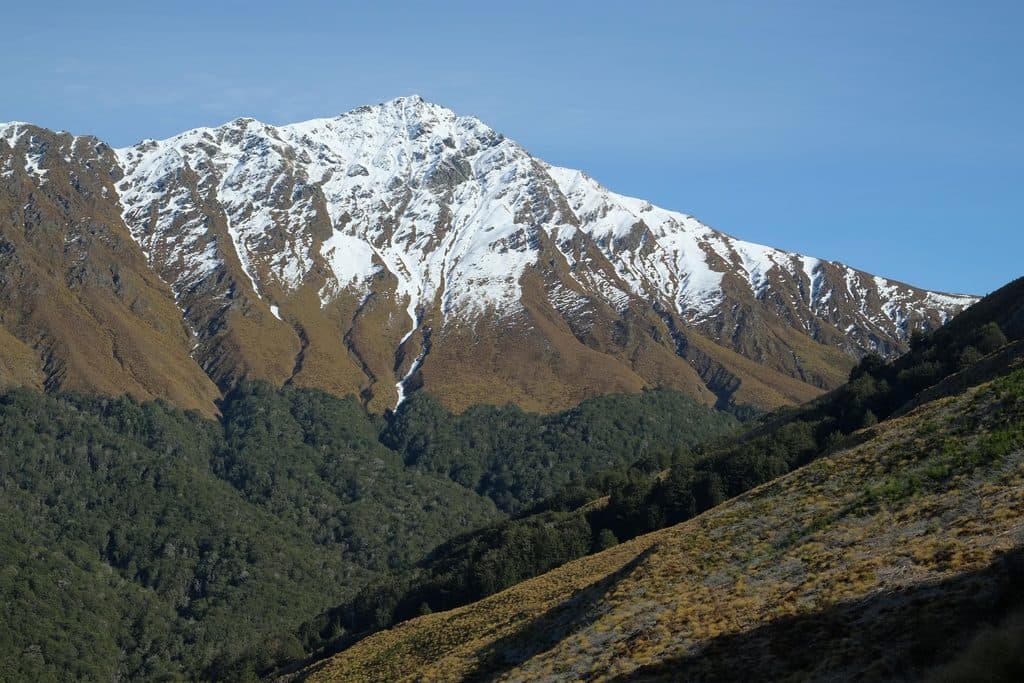
  • Spring: wildflowers pop while surrounding peaks can still hold snow.
For photography, aim for sunrise or sunset when winds drop and reflections peak. After dark, bring a torch with a red light for night shots.

Wildlife & Etiquette

Respect the wetland boardwalk area and stay on track. Don’t feed birds. Clean and dry boats or boards before launching to prevent freshwater pests. If you plan to fish, carry the proper license. Drones generally require permission on conservation land—check local rules.

Safety

Expect patchy cell reception, quick weather changes, and exposed conditions on the loop. Pack layers, a rain shell, sun protection, and enough water. Footing can be muddy after rain.

Pros

  • Mirror-like alpine reflections ideal for photography
  • Easy 6 km loop track right on the lakeshore
  • Excellent stargazing thanks to low light pollution

Cons

  • Gravel access road can be muddy or icy in winter
  • No shade or services—bring water, food, and sun protection

Tips

  • Arrive at sunrise or stay for sunset to catch the calmest reflections.
  • Drive slowly on the final gravel stretch; carry chains after snowfall.
  • Bring plenty of water and sun protection—there’s little shade and no shop.
  • If fishing, organize your license in advance.
  • For night shots, bring a red‑light torch and extra warm layers.
The Parkwolf tour guide sitting on a phone mounted in a car

Parkwolf Tour Guide

Like a tour guide in your car.

Save the places you found around Queenstown-Lakes District, then let Parkwolf guide the drive between them.Download Parkwolf on the App Store