Place · 0.3 mi away

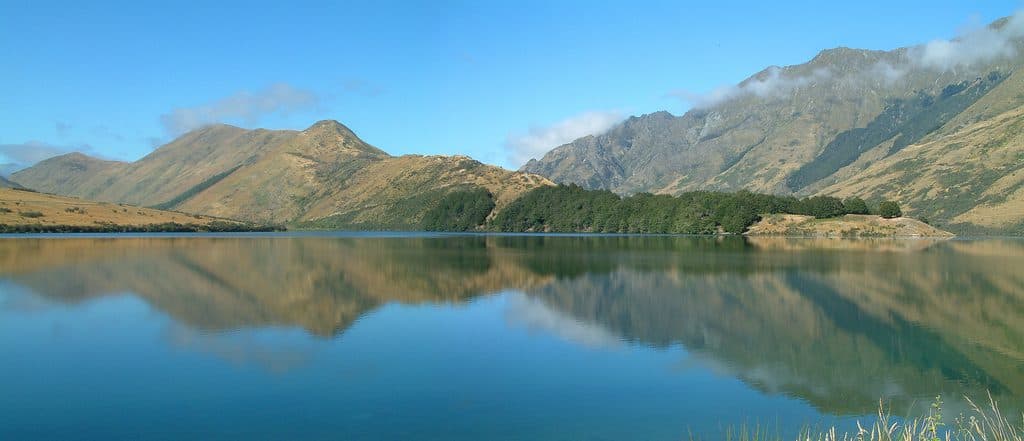
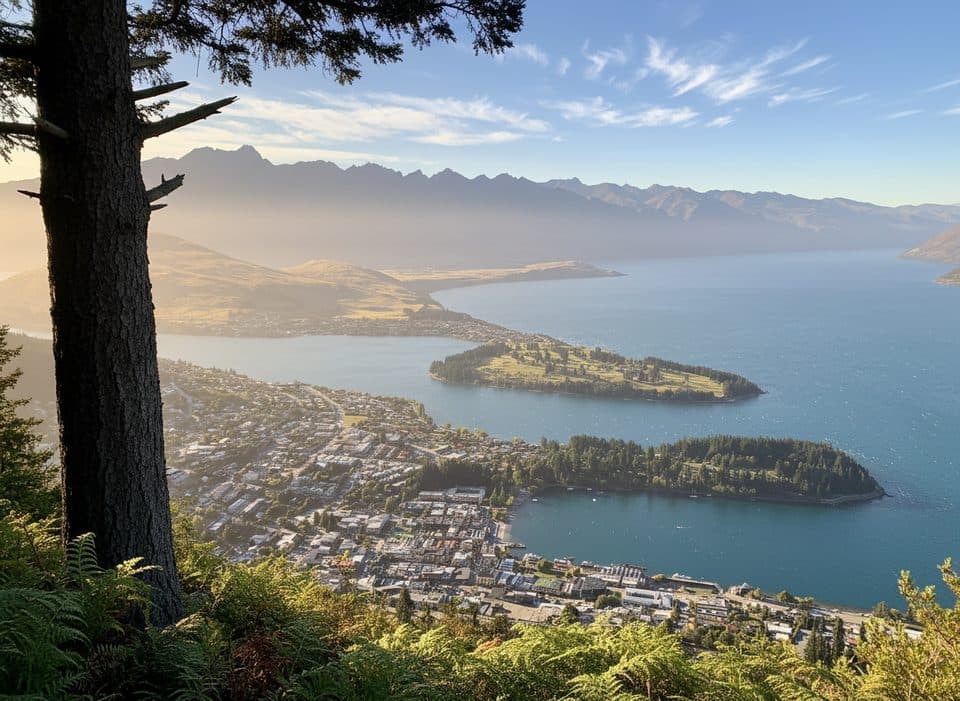
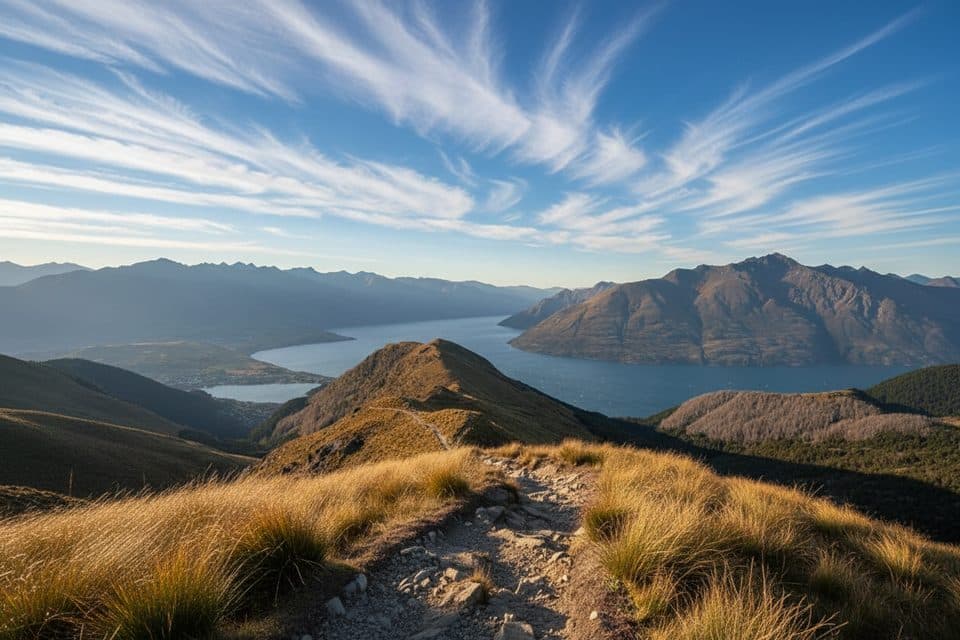
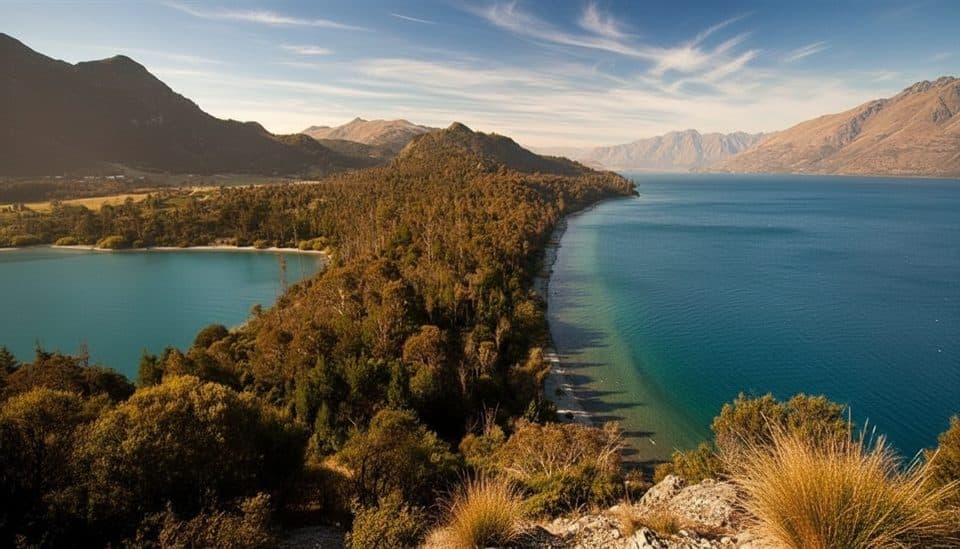
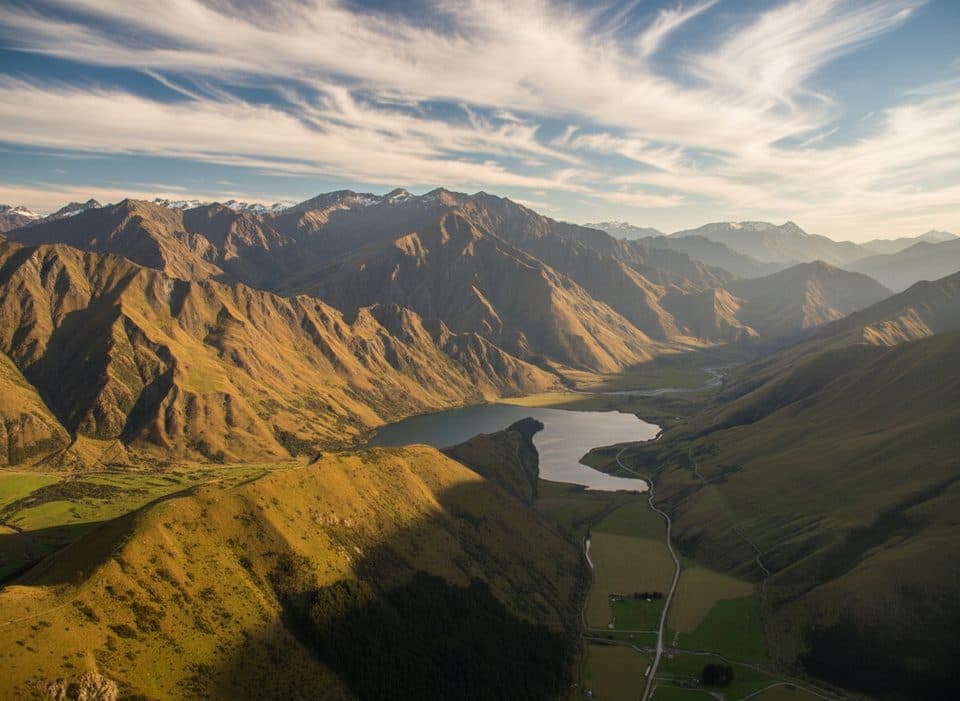
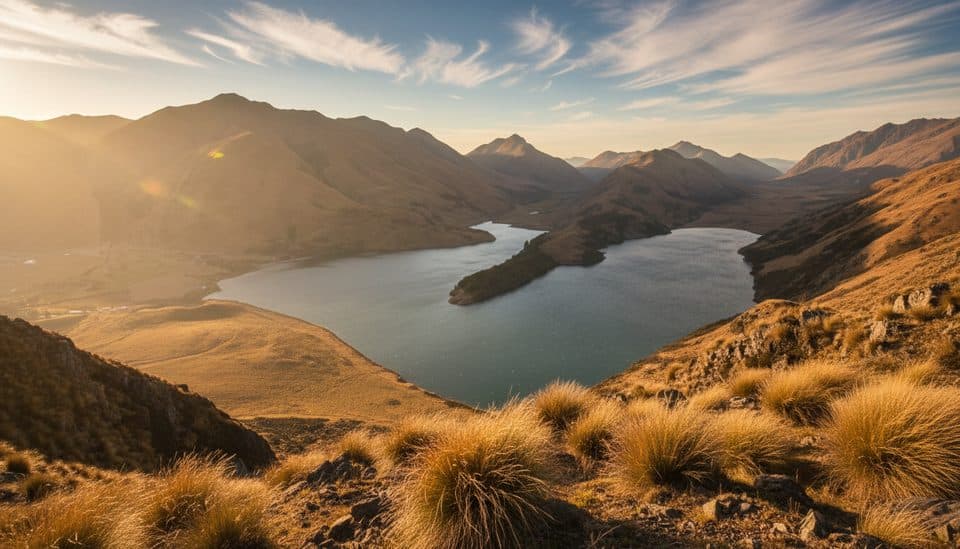
A short, punchy climb rewards you with the classic bird’s‑eye view over Moke Lake—known traditionally as Punamāhaka and Waikāmāhaka—where its quirky “twin” shape really pops. It’s quieter than Queenstown’s headline spots and feels wonderfully wild despite being close to town.
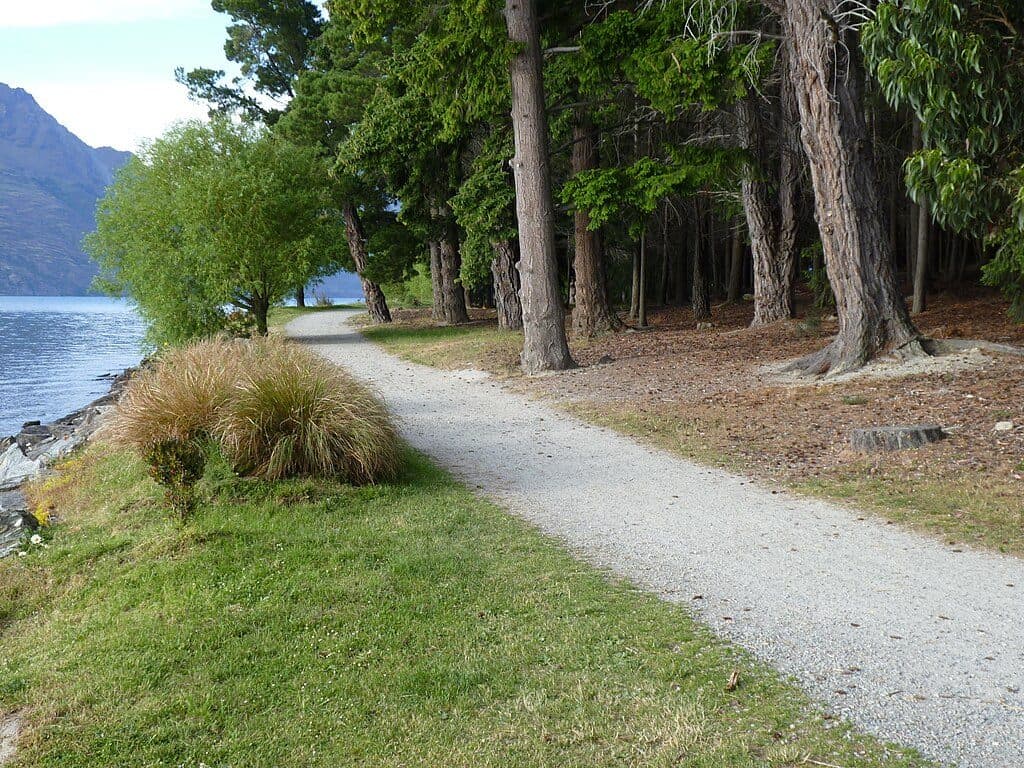
From the main Moke Lake car park, head right on the loop track and cross the small wooden bridge over the wetlands. Soon after the bridge, when the fence on your right ends and the loop veers left, turn right and follow the fence line away from the lake. After roughly 300 m you’ll pass a gate; continue a little farther to find a clearer, slightly less‑steep start to the faint spur up the hill.
Expect it to be steep from the get‑go. It’s an unofficial, unmarked route taking roughly 45–60 minutes up, about 1.8 miles out‑and‑back overall, with meaningful leg burn. Only go in good weather—this hillside gets slick when wet or icy—and wear sturdy shoes. If you’re uneasy with exposure or bringing kids, give this one a miss and stick to the easy lake loop.
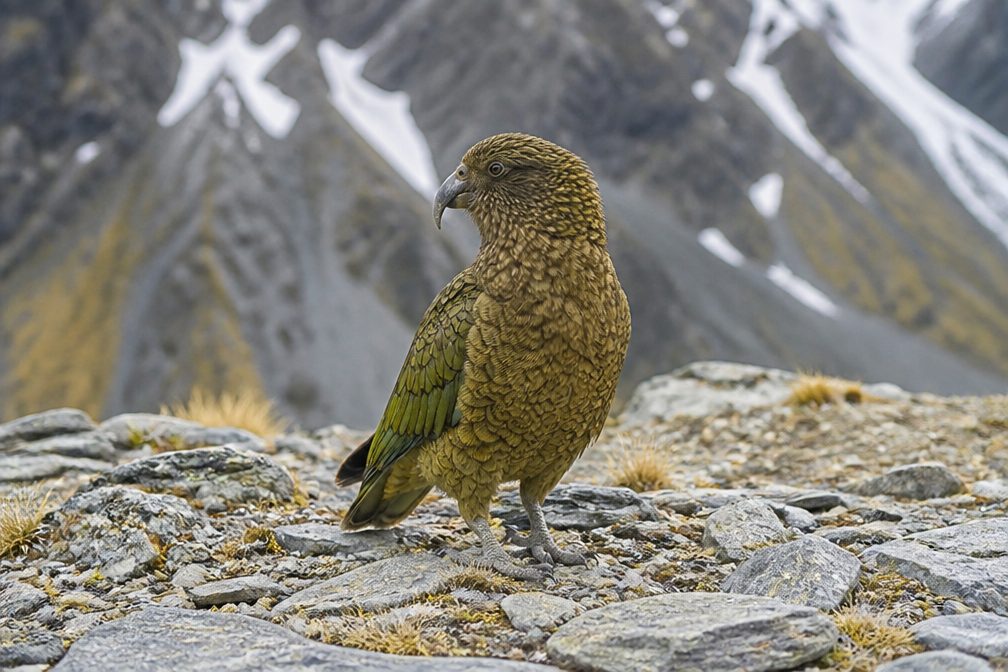
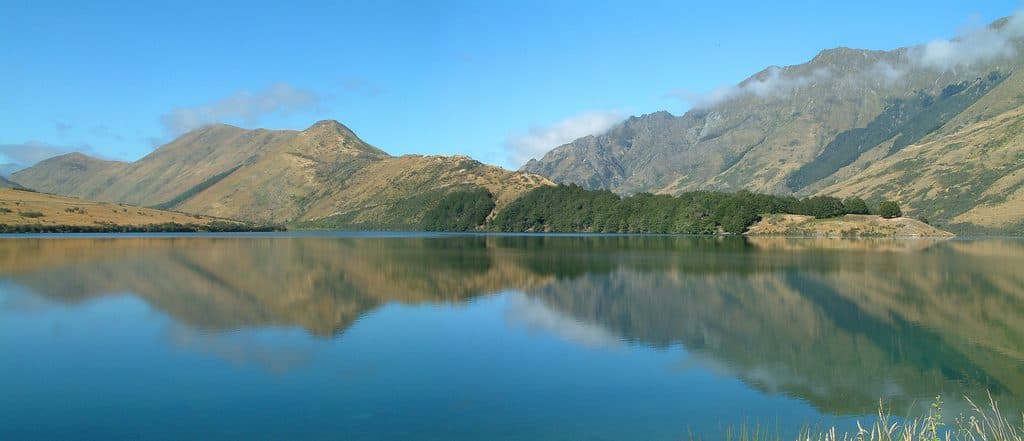
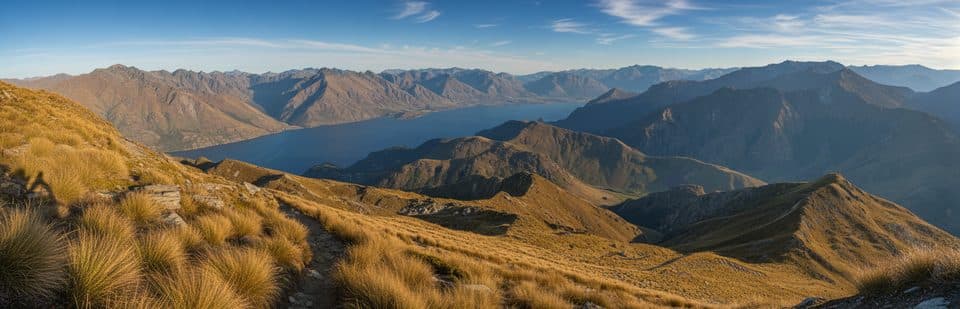
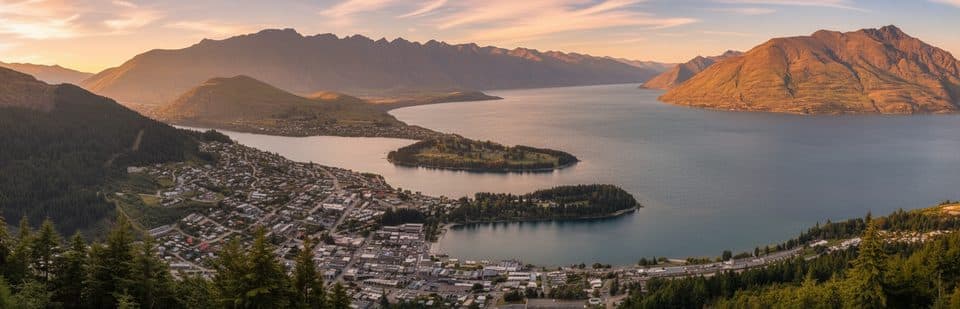
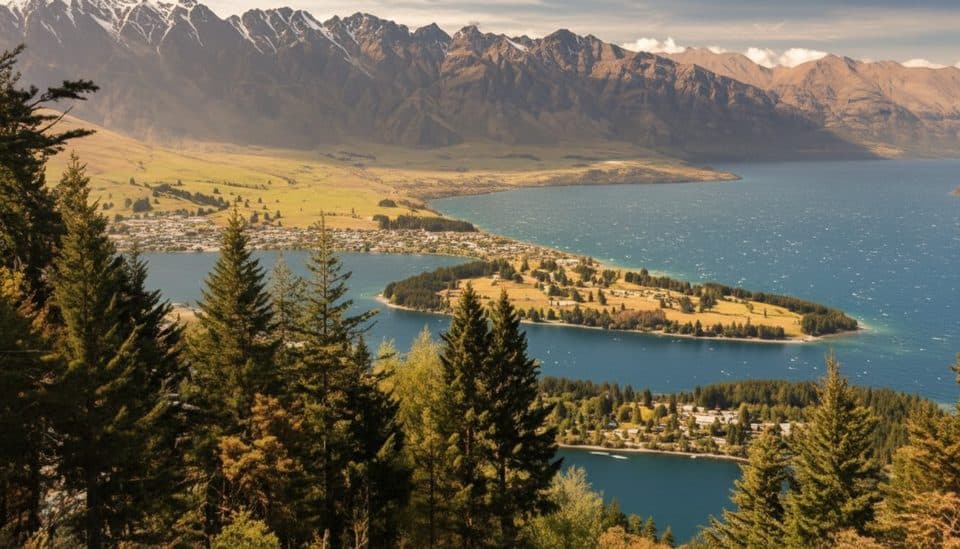
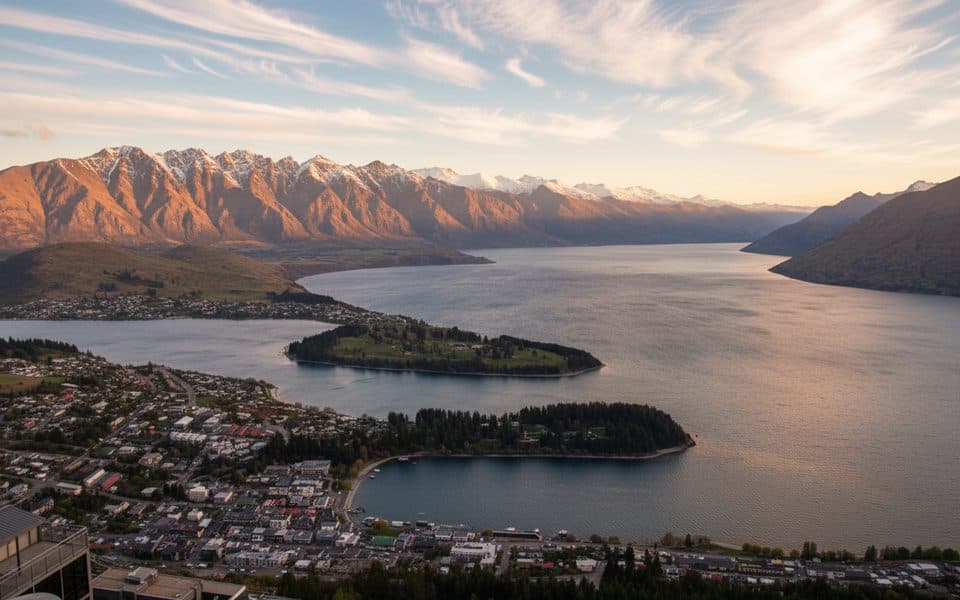
From the flat clearing up top, you get sweeping views across the entire basin: mirror‑like water on calm days, folded tussock hills, and distant peaks. Down by the wetlands and pasture you’ll often spot ducks and, in nearby paddocks, sheep—lovely to photograph, but don’t feed wildlife and keep clear of fences.
All the facilities sit at lake level: a large car park, public toilets, picnic tables, and a DOC campsite with non‑powered, first‑come sites (fees apply). There are no shops or water—bring everything you need.
Go for calm conditions to nail those reflections. Sunrise and sunset light the lake beautifully; after dark, low light pollution makes this a handy astrophotography spot. A wide‑angle lens captures the lake’s shape best; a tripod helps for blue hour and stars.
September through May offers the most reliable conditions. Summer is hot and exposed—carry water and sun protection. In winter, the final access road can be icy and may require 4WD and chains after snowfall; save the viewpoint for clear, dry days.