Overview
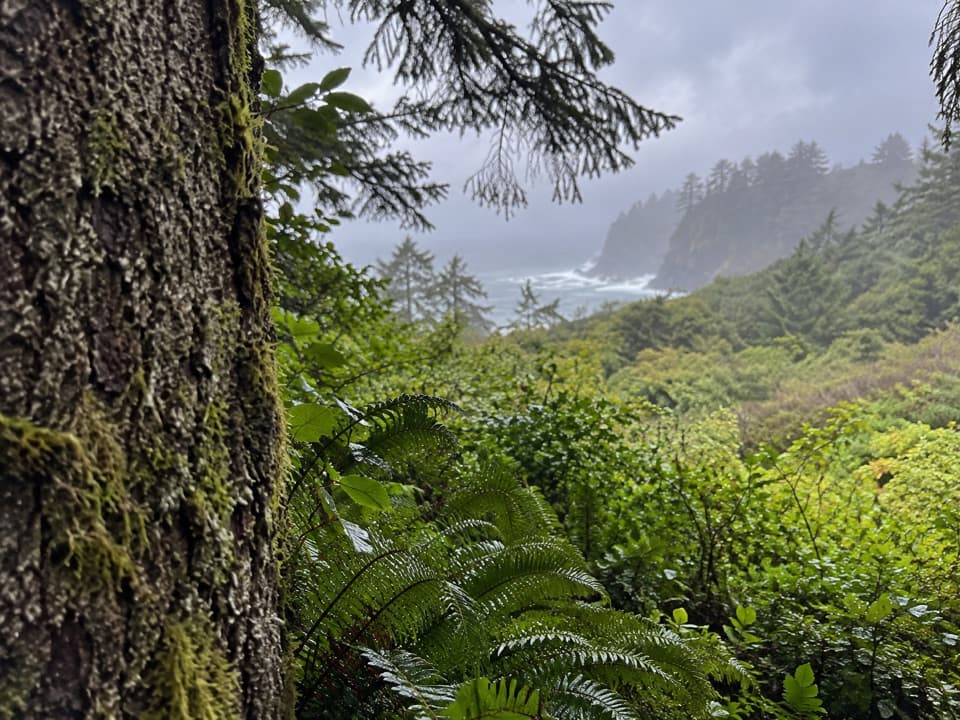
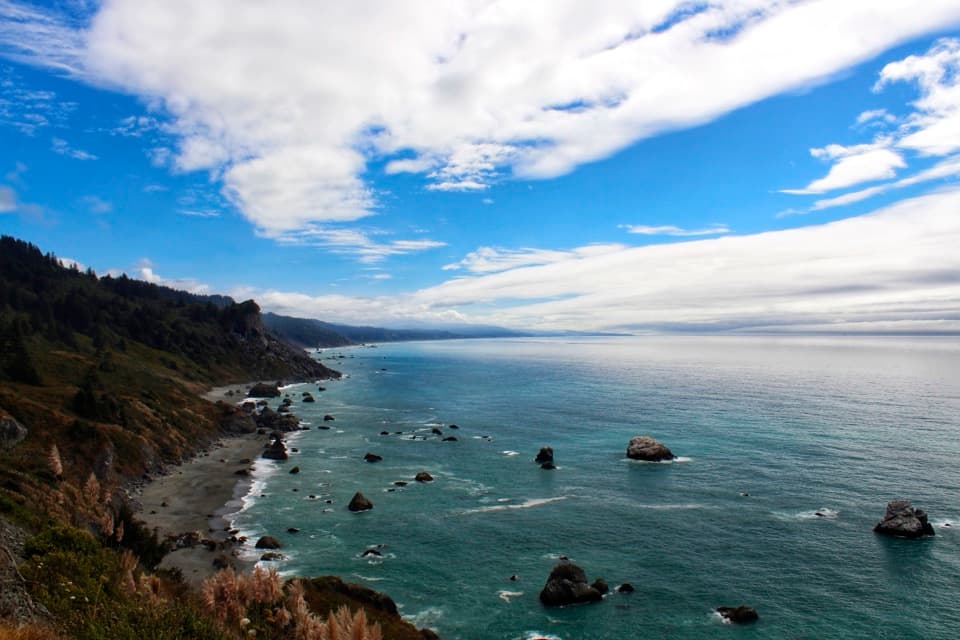
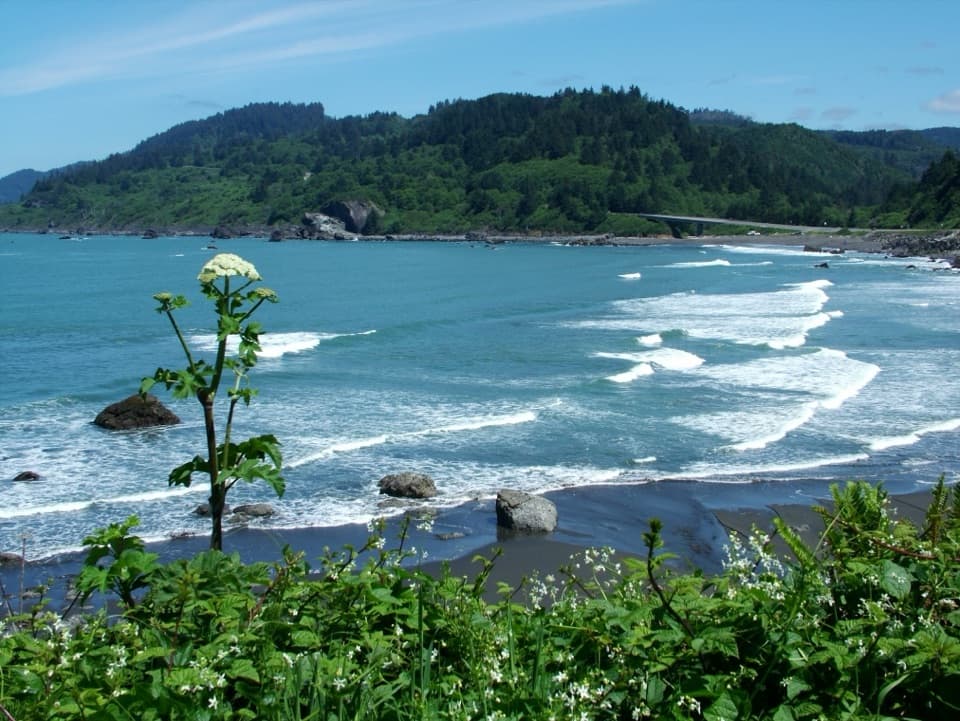
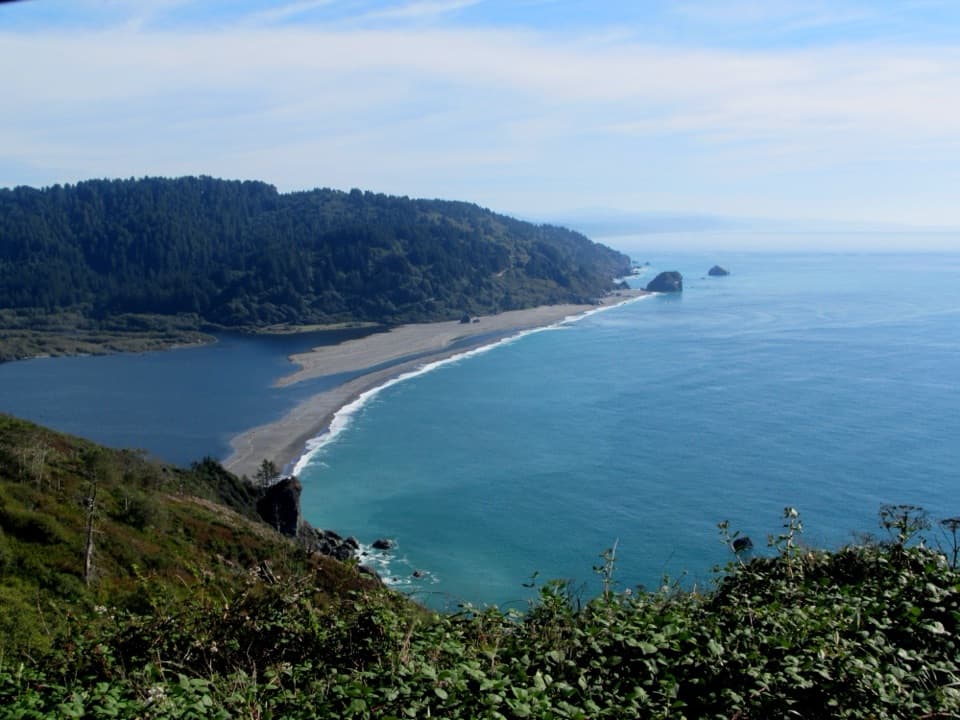
High on a coastal bluff above Requa, this overlook serves up a sweeping panorama of the Klamath River mouth and the open Pacific. On clear days it’s jaw-dropping; on foggy ones it’s moody and atmospheric. The park considers this one of the area’s standout ocean vistas, and it’s a classic stop on any Highway 101 swing through the redwoods.
This is also a place with deep cultural roots—the river mouth has long been a source of food, trade, and tradition for the Yurok people, and the overlook has interpretive signs that add context to what you’re seeing.
What You'll See
- Whales are the headline: migrating gray whales peak roughly in late fall (Nov–Dec) and spring (Mar–Apr), with chances year-round on calm, clear days.
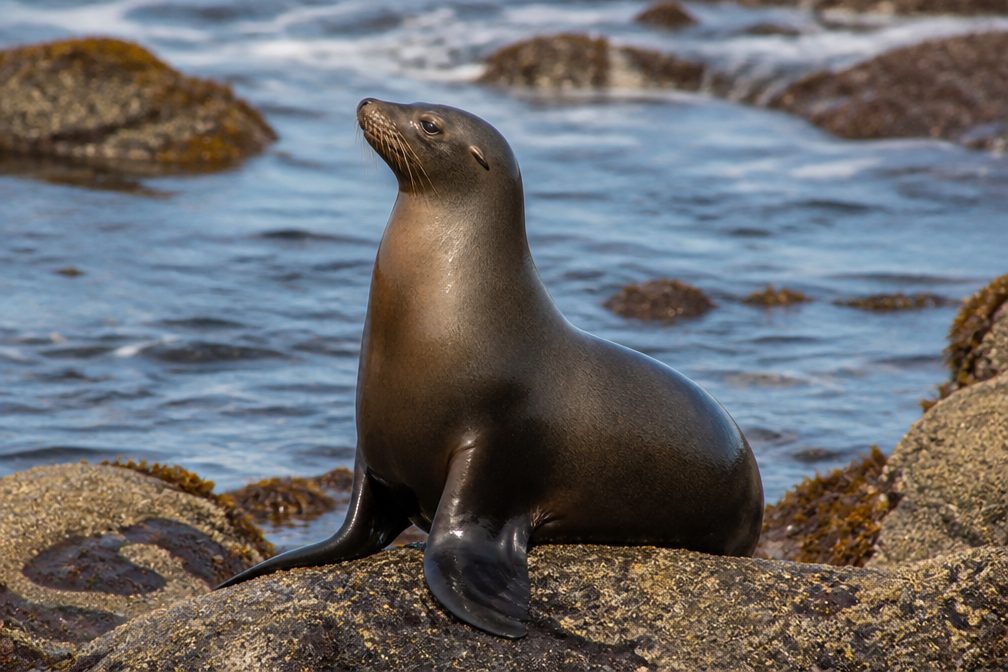
- Pinnipeds and more: look for harbor seals and sea lions, especially near the sandspit at the river mouth.
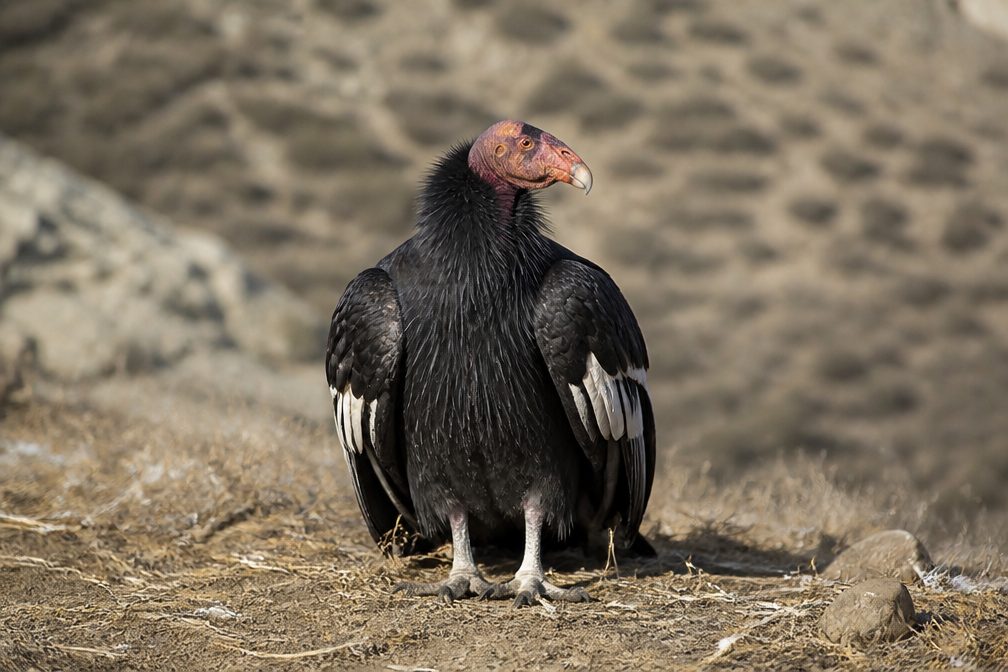
- Excellent birding: Bald Eagles and Osprey patrol overhead; offshore you might spot loons, grebes, scoters, kittiwakes, and in breeding season common murres and pigeon guillemots. Spring brings hummingbirds, wrentits, and warblers in the brushy slopes; May–June can produce swifts and swallows.
Trails and How to Explore
- Quick views: You can get a stellar vista right from the parking area—no hiking required.
- Steep spur to a lower platform: A short, steep, often narrow and overgrown descent leads to a lower ocean overlook. Many visitors find the top view just as good, and the climb back up is stout.
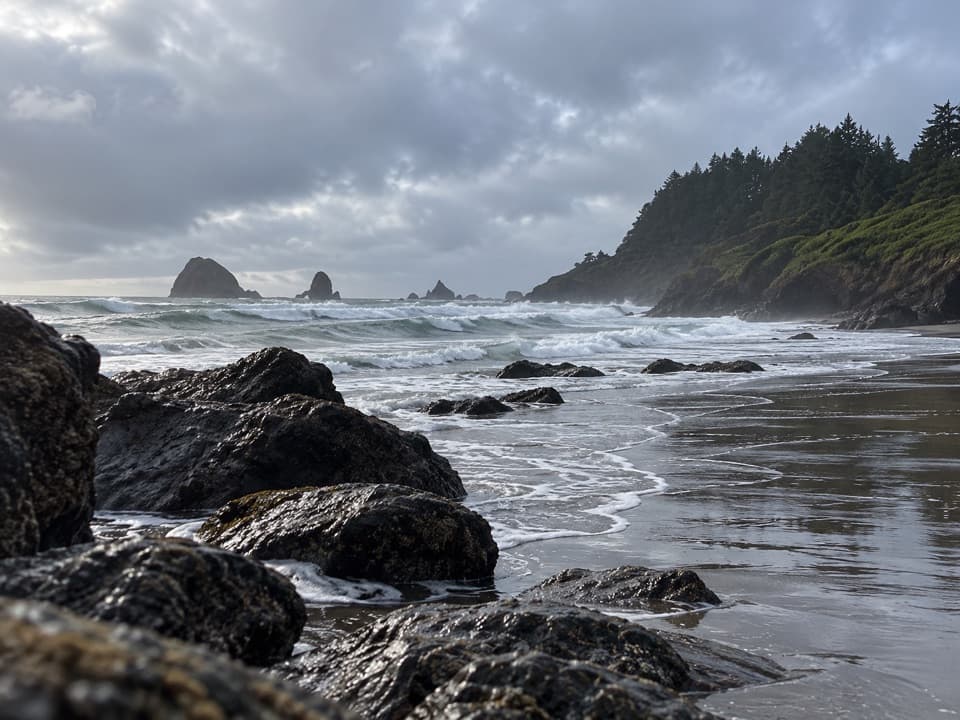
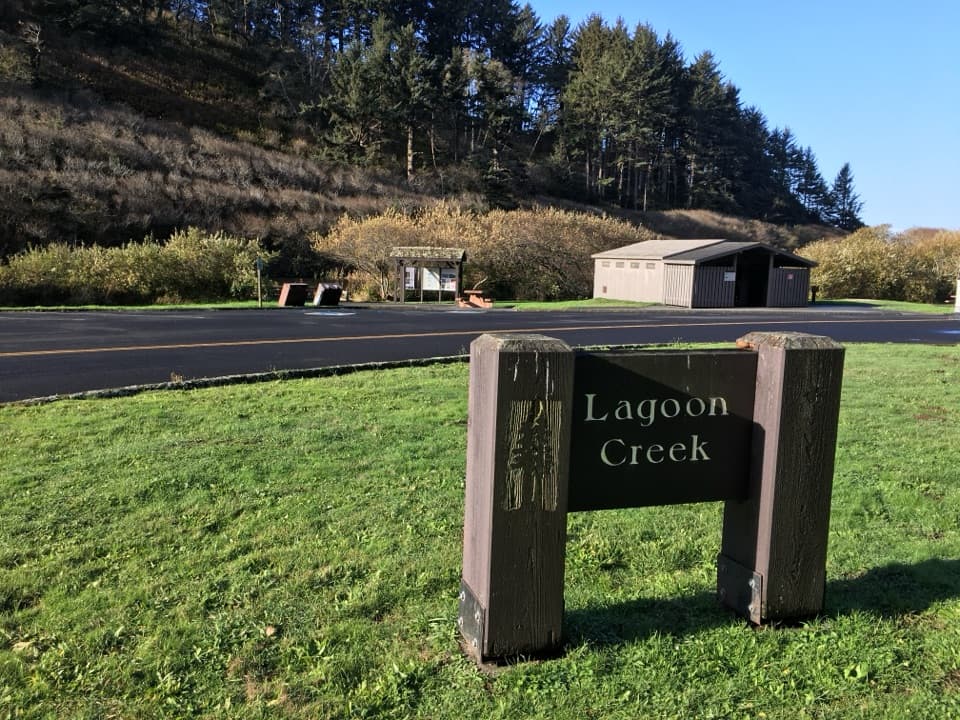
- California Coastal Trail access: This is a trailhead for the Klamath Section heading north to Lagoon Creek Day Use Area. Note there’s no beach access from the overlook.
Facilities and Logistics
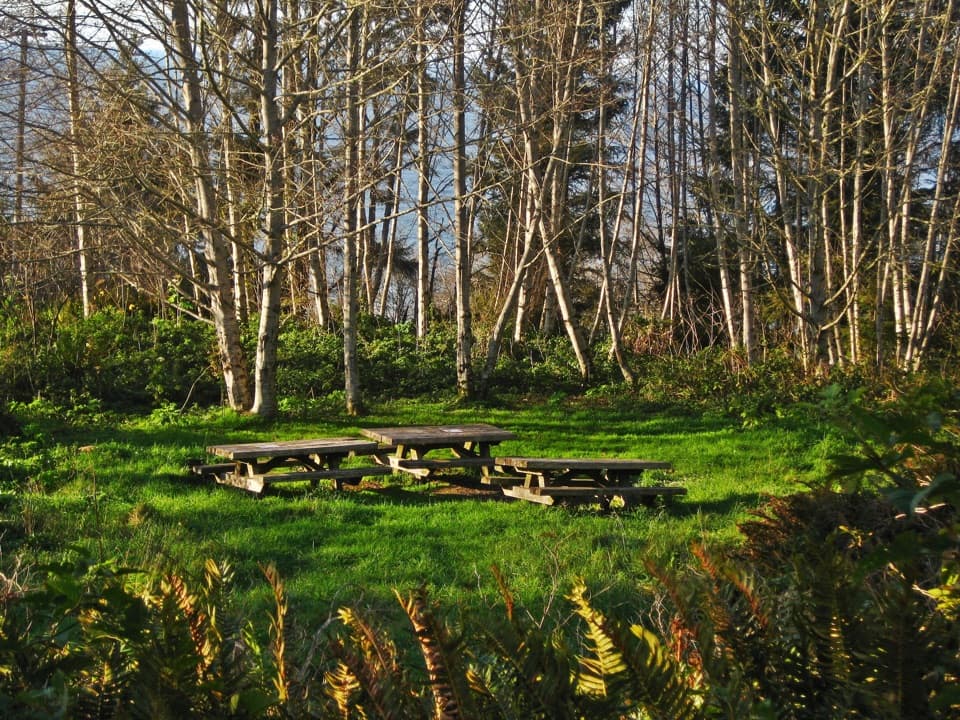
- On-site amenities include a small parking lot, picnic tables, benches, interpretive signs, and a vault toilet.
- The access road is narrow and twisty, and the lot can fill near sunset or during whale season. The road is not suitable for large RVs or trailers.
- Expect it to feel colder and windier than you think; picnics can be brisk.
- Pets: park rules restrict dogs on most trails—if you’re bringing a dog, plan to stick to the immediate viewing area and confirm current regulations.
Best Time to Visit
- Timing: Aim for clear, calm conditions. Sunrises offer soft light and easy parking; sunsets are stunning when the marine layer stays offshore.
- Wildlife windows: Gray whale migrations typically peak in Nov–Dec and Mar–Apr. Bird activity pops in spring; watch for swifts and swallows in May–June.
- Crowds: Midday to late afternoon is busiest, especially on weekends; mornings are typically quiet. People often spend up to 30 minutes here unless the wildlife show keeps them longer.
- Hours: Open around the clock, but daytime visibility and safety are best.
Safety and Etiquette
- Stay well back from cliff edges and keep kids close.
- If you hike the lower viewpoint spur, wear sturdy shoes, expect overgrown brush, and be ready for a steep return.
- Fog is common—be patient; breaks can appear quickly.
If You Want a Backup Plan
If the overlook is socked in or the lot is full, High Bluff Overlook along Coastal Drive offers another excellent whale-watching viewpoint with pit toilets and picnic facilities.