Parking
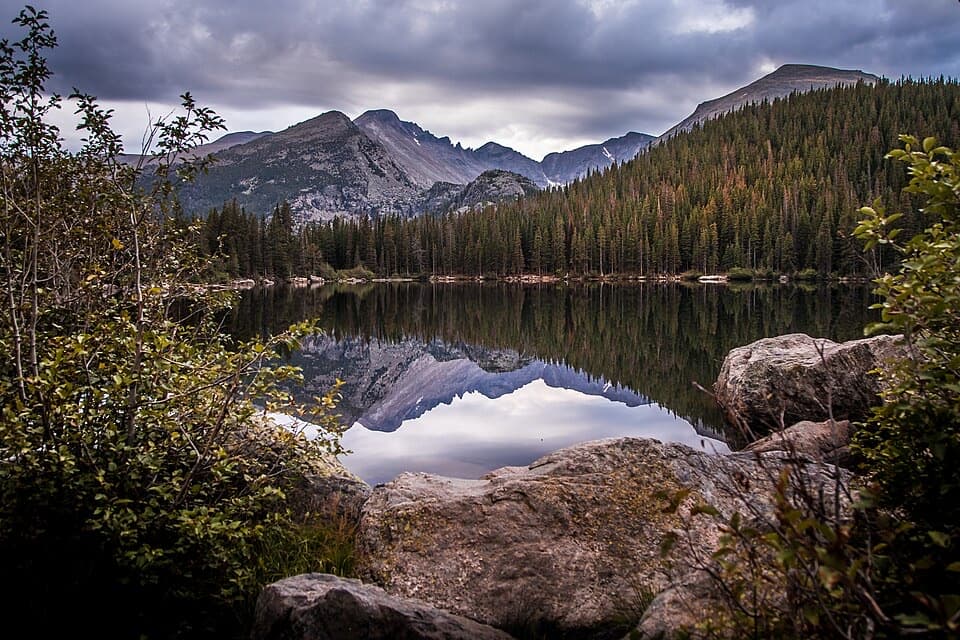
Timber Lake Trailhead is on the right side of US 34, about 10 miles north of Kawuneeche Visitor Center; use the signed trailhead access.
Rocky Mountain National Park, CO
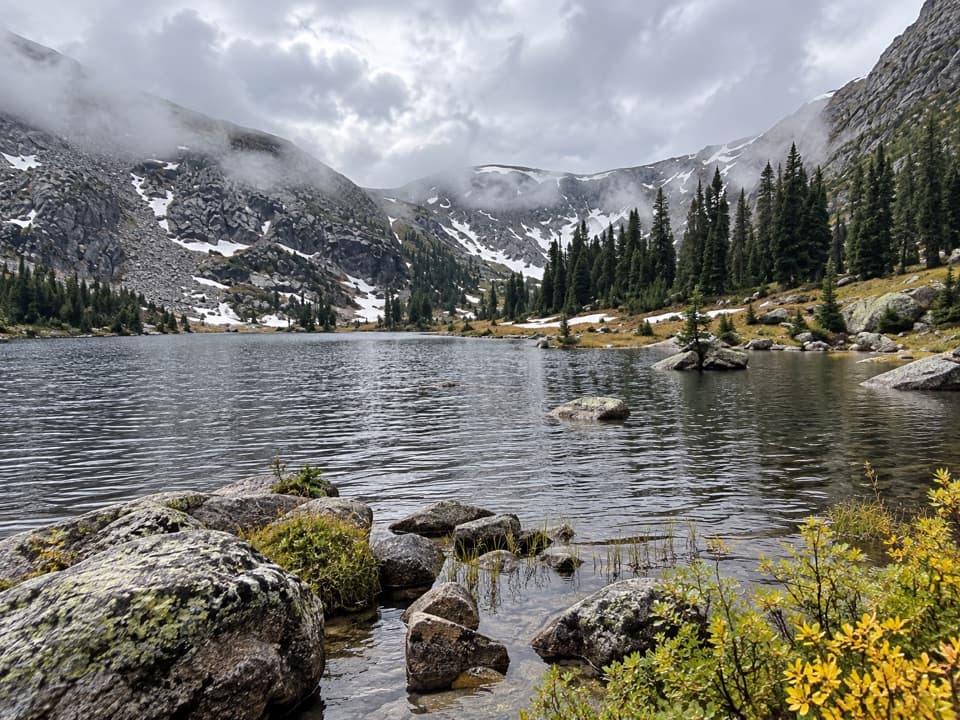
A steady forest climb opens into a high lake basin.
Overview
Map & elevation
Plan your hike
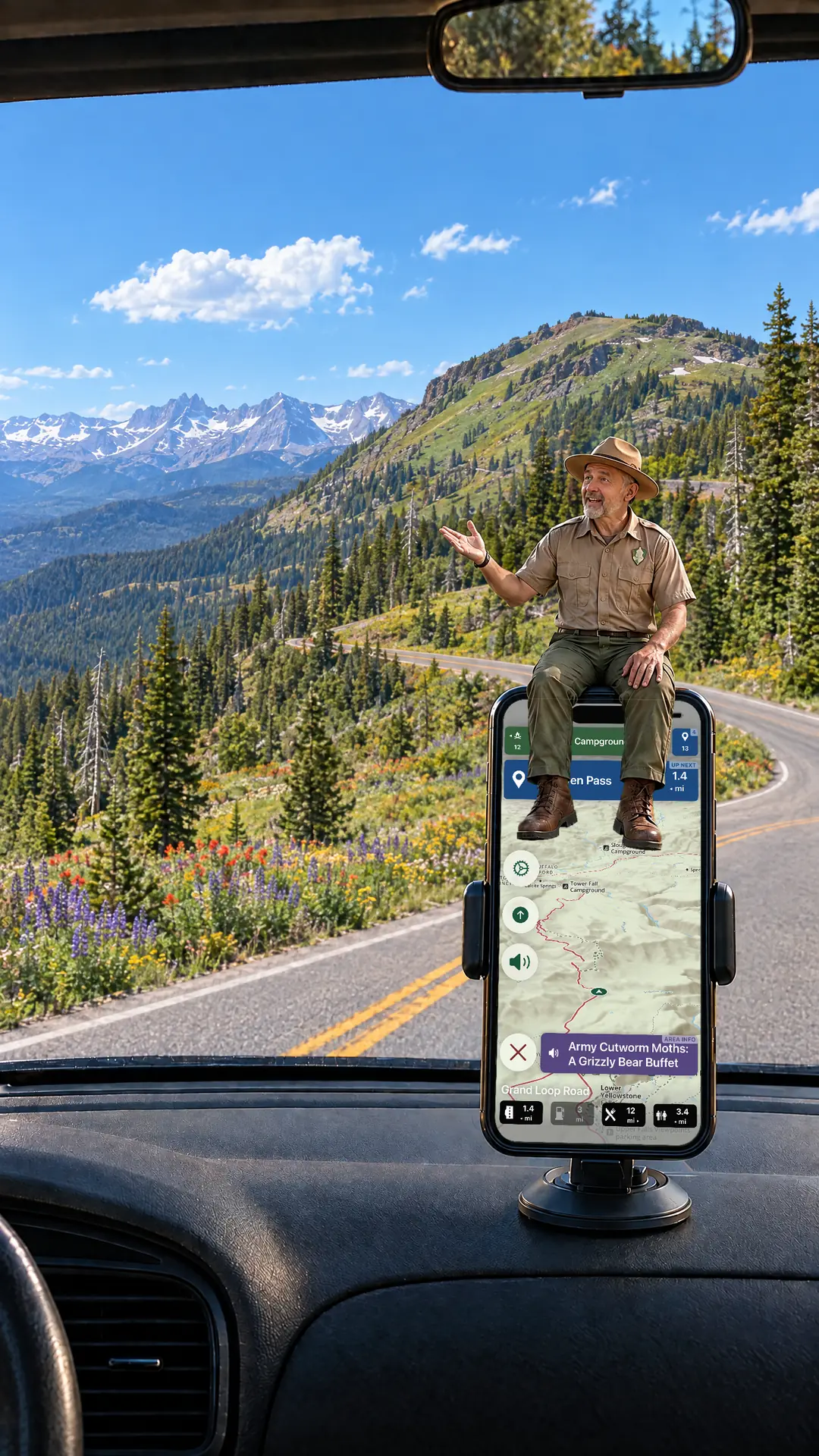
The highest, rockiest slopes around here are a summer buffet for grizzly bears.
Rocky Mountain Tour Guide
Parkwolf is a GPS audio tour guide for Rocky Mountain National Park. As you drive, it chimes in with what’s ahead: hidden gems, upcoming stops, history, geology, and wildlife, right through your car’s speakers.
See the Rocky Mountain audio tourRecorded for this trailhead
Timber Lake Trailhead: A Full Hiking Day“You're coming up on Timber Lake Trailhead, for a strenuous high-altitude climb to a lake below Mount Ida and Chief Cheley Peak.”
Plays as you drive up to this trailhead in the Parkwolf Rocky Mountain Tour Guide.
More stories near here in the app
“…No cell service for majority of the day but had continuous access to the app - the maps, the tour guide as you drive is amazing. Highly recommend purchasing the subscription.”


Trail guide
Timber Lake Trail is a roughly 10-mile out-and-back from Timber Lake Trailhead to a small lake beneath Mount Ida and Chief Cheley Peak. The posted distance is 4.8 miles each way (9.6 round trip); detailed route measurements run about 9.9 to 10.4 miles. Plan on roughly 6 to 7 hours. You start around 9,000 feet and reach a basin above 11,000 feet. The posted climb is 2,060 feet, though other route descriptions give higher totals. This is a sustained high-altitude hike, not a quick lake stroll.
The trail begins in lodgepole pine and climbs the west side of Jackstraw Mountain. Openings in the trees give occasional views toward the Never Summer Mountains and Kawuneeche Valley. Beaver Creek arrives about 0.6 mile in, with more small stream crossings farther along. Expect a steady climb between these crossings rather than a long level approach.
Around 2.4 to 2.5 miles, the route passes a short landslide section with downed logs and steep ground. Recent hikers describe it as brief, but the footing can be awkward and wet logs slippery. Take care here, especially on the return. A side route for Timber Creek Backcountry Campsite branches off around mile 3; it is a separate overnight destination.
Near the Long Meadows junction, stay on the Timber Lake route. The path skirts meadows, with a view toward Mount Ida opening from one of them, then climbs steep switchbacks. A broader meadow around mile 4.3 offers a pause before the trail returns to forest and continues uphill. Timber Lake lies roughly 4.8 to 5.2 miles from the start in a basin below Mount Ida and Chief Cheley Peak. The route turns around at the lake and returns by the same trail; informal shoreline paths are not part of this mapped out-and-back.
Timber Lake Trailhead is on the right side of US 34, about 10 miles north of Kawuneeche Visitor Center. The high starting elevation makes the climb feel more demanding, and snow can linger near the lake into early summer. Pets are prohibited on all park trails, tundra, and meadows. Check park access information before setting out.
Wildlife
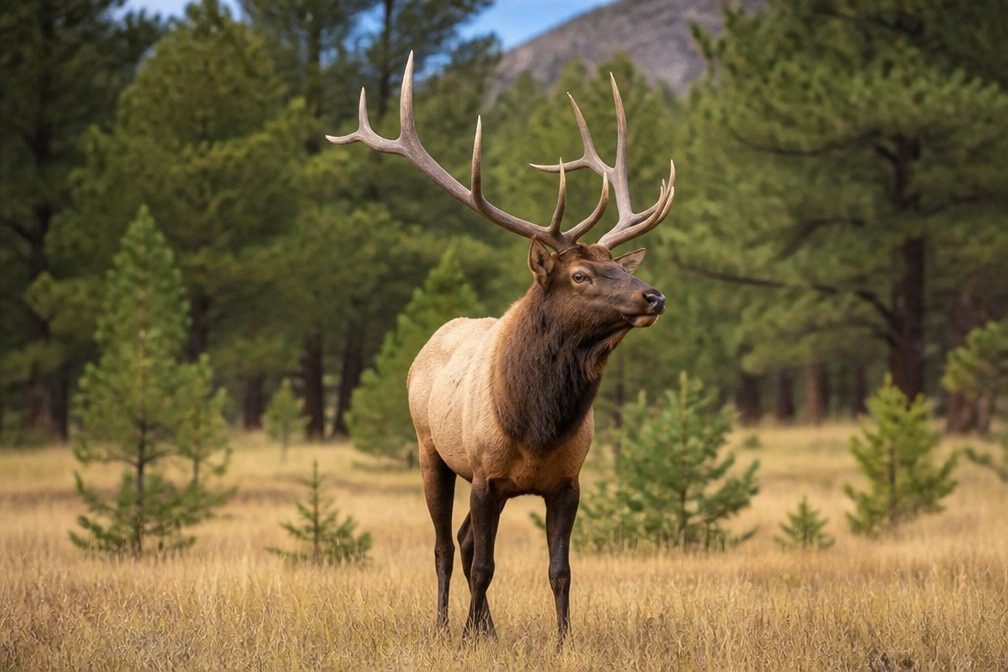 3,124 sightingsElkMost seen around 6 PMSighting map
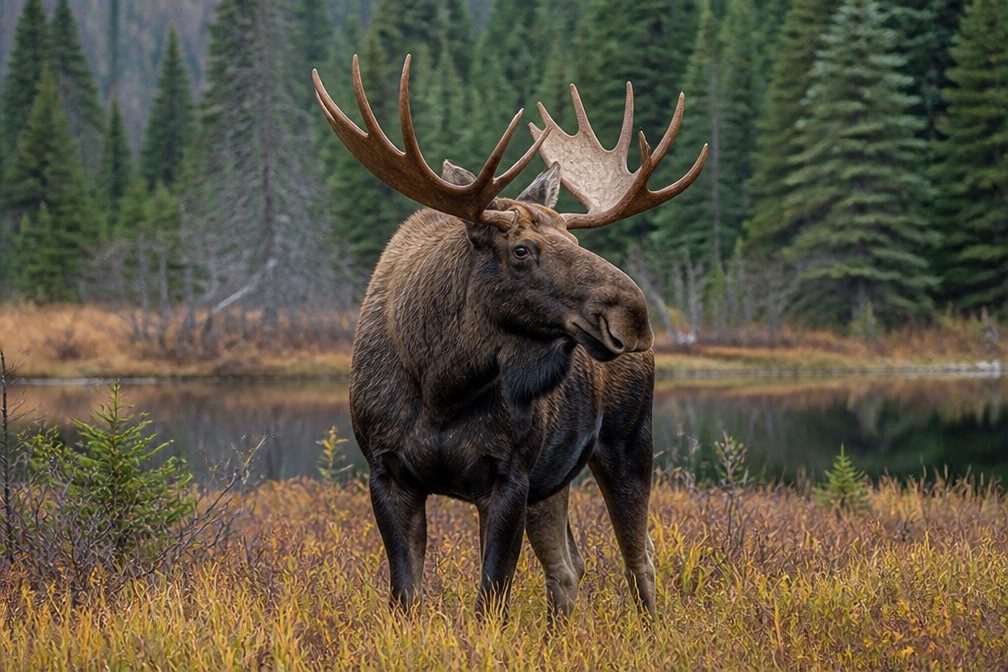 1,601 sightingsMooseMost seen around 7 PMSighting map
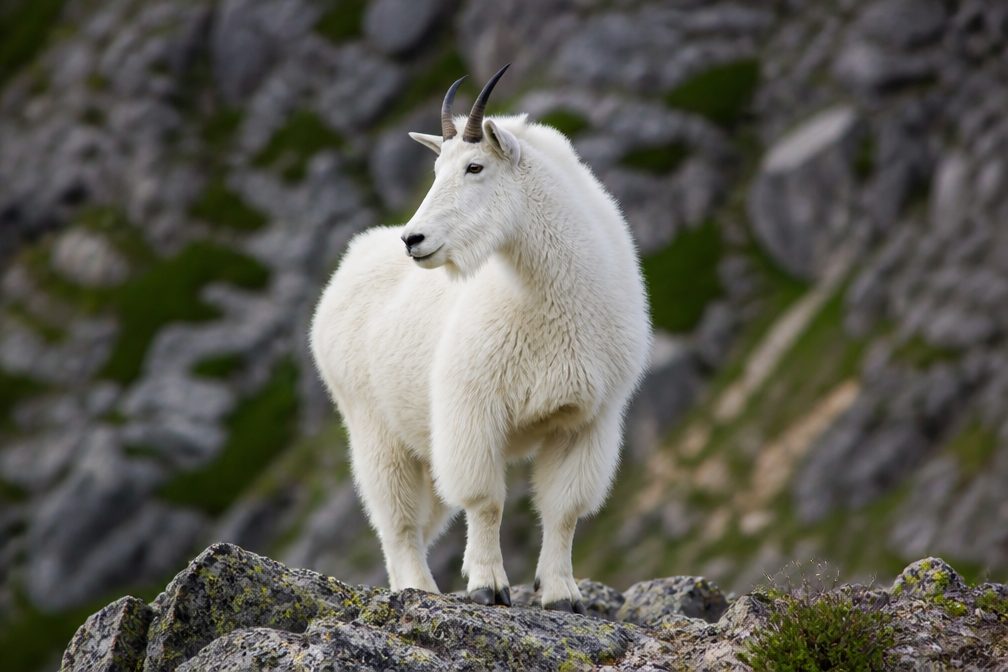 19 sightingsMountain GoatMost seen around 7 AMSighting map
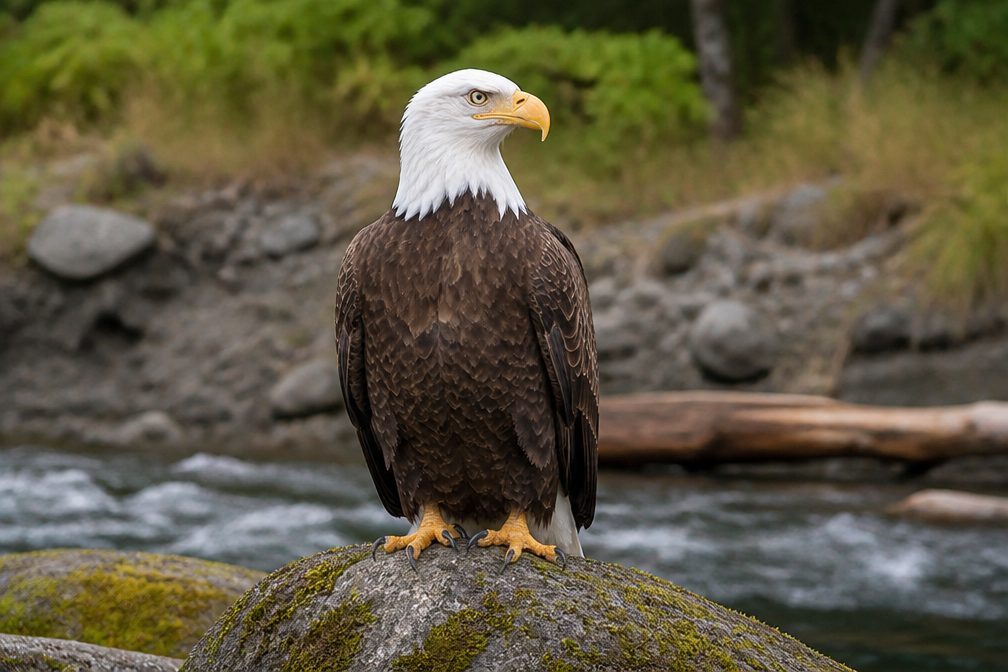 19 sightingsBald EagleMost seen around 8 AMSighting map
 30 sightingsGolden EagleMost seen around 10 AMSighting map
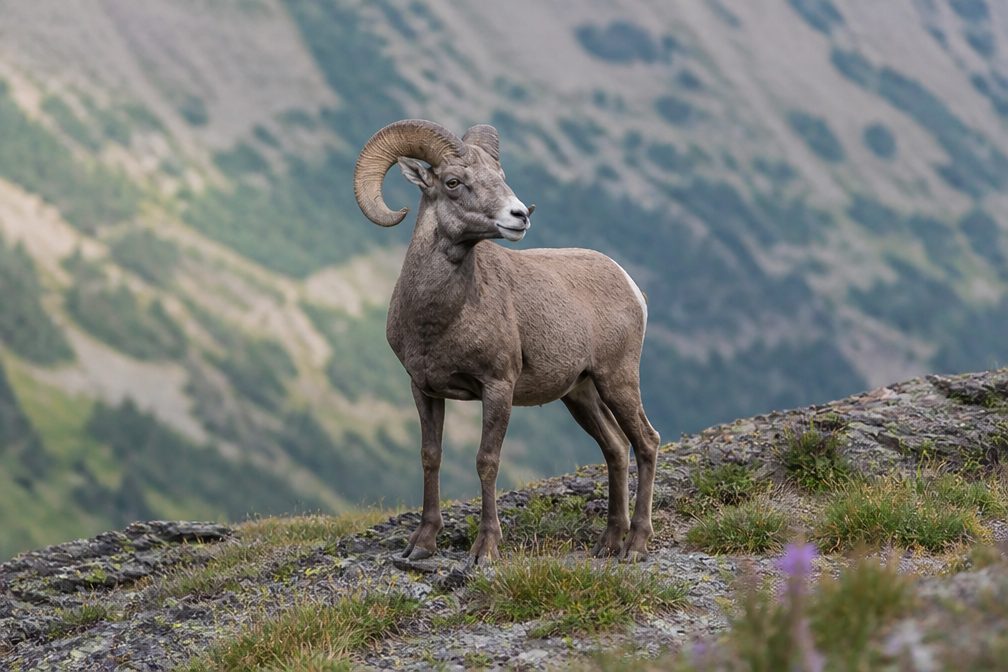 270 sightingsBighorn SheepMost seen around 11 AMSighting map
Sighting maps show where each species has been reported across Rocky Mountain. Wildlife moves, so no sighting is guaranteed.
Keep exploring
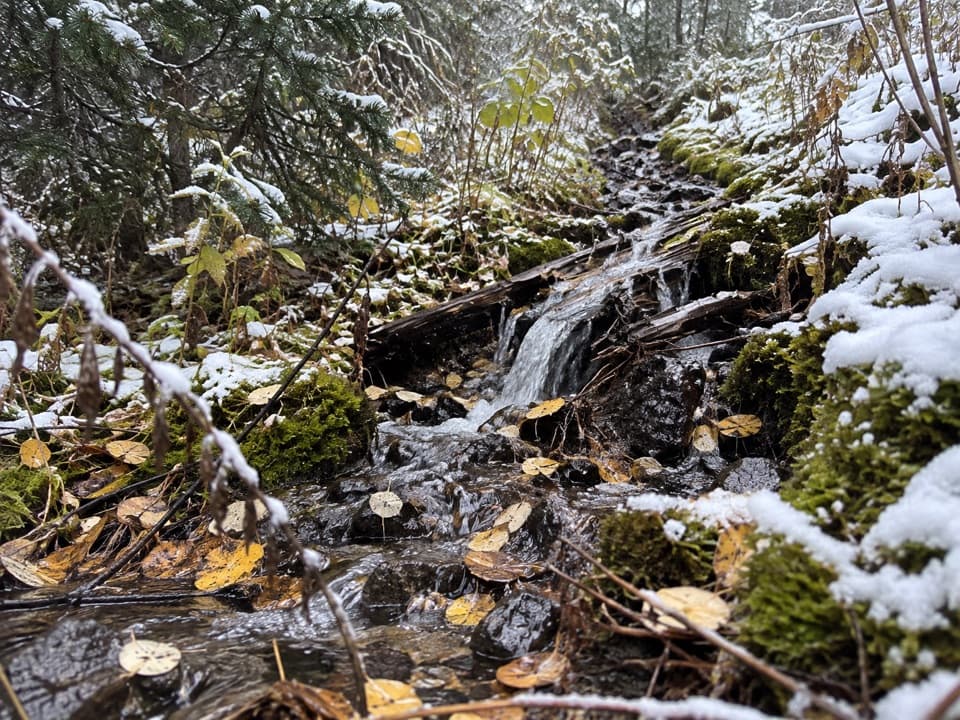 ModerateLittle Yellowstone Canyon Trail10.8 mi · 5.5 hr · 0.2 mi awayRiverside meadows give way to a colorful canyon and a steep climb.
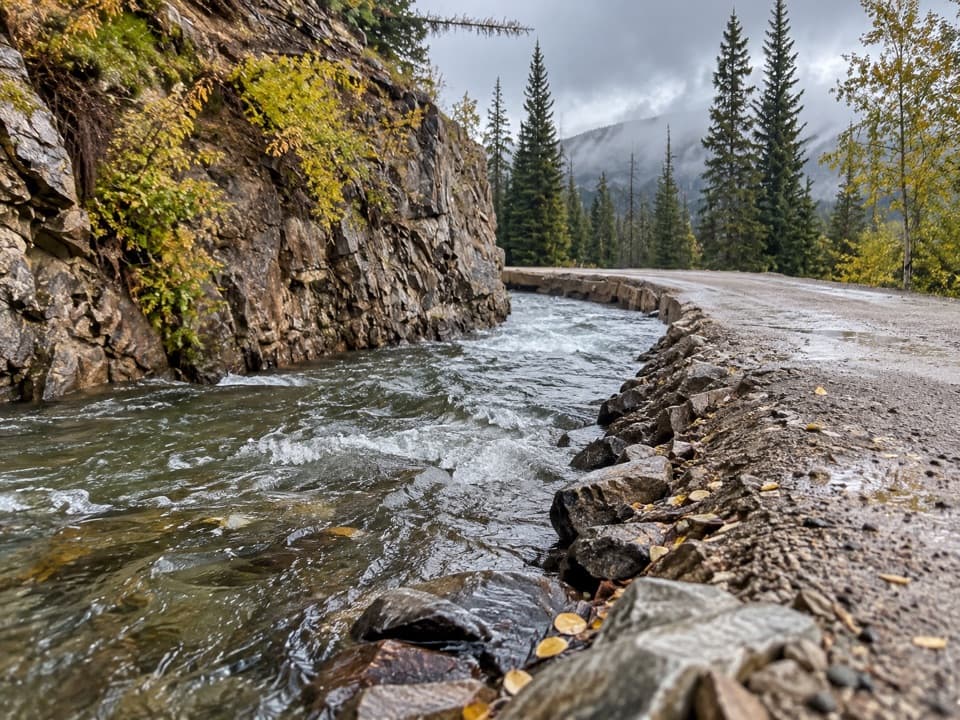 ChallengingDutch Town Trail12 mi · 10 hr · 0.2 mi awayClimb to faint mining traces below the Never Summer Range.
 ModerateRed Mountain Trail to Grand Ditch6.4 mi · 4.5 hr · 0.2 mi awayClimb to the Grand Ditch for Never Summer Range views.
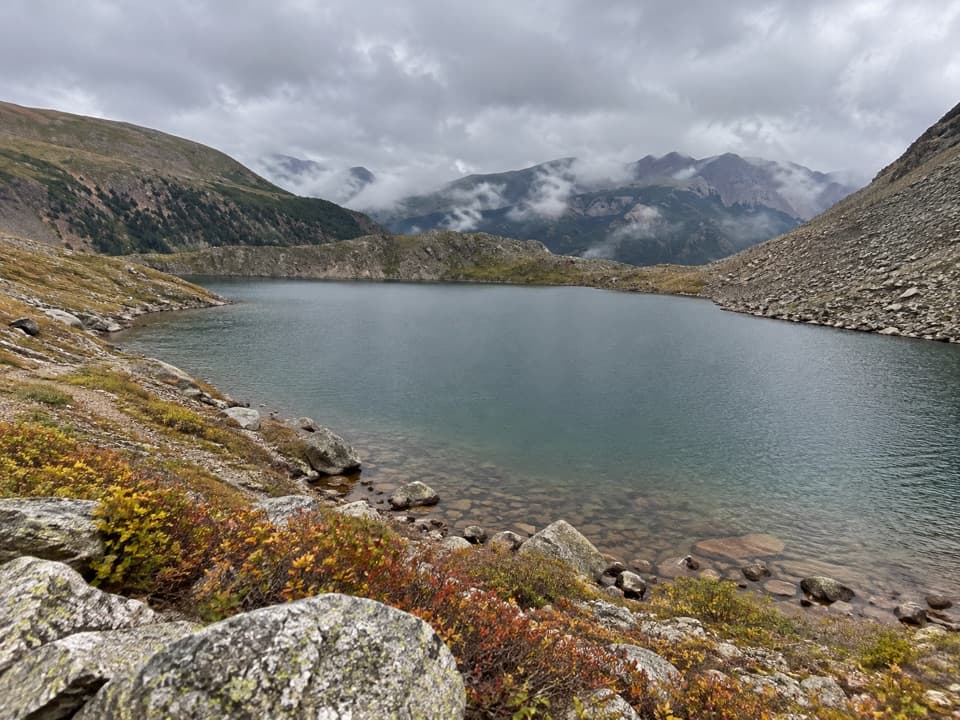 ChallengingLake of the Clouds Trail13.2 mi · 13.5 hr · 0.2 mi awayA long, rough scramble to a lake beneath the Never Summer peaks.
 ChallengingThunder Pass Trail14 mi · 9 hr · 0.2 mi awayA long climb links old mining remains with an open alpine pass.
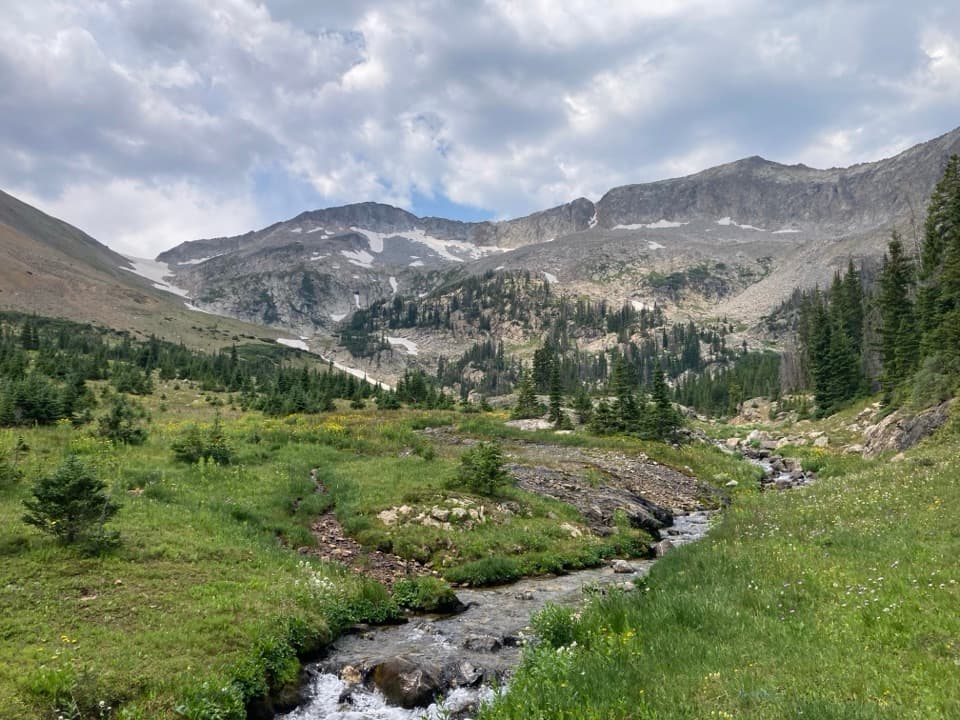 ChallengingSkeleton Gulch Trail12.4 mi · 11 hr · 0.2 mi awayA 12.4-mile out-and-back to a remote one-site camp.
 ModerateColorado River Trail to Lulu City7.4 mi · 3.5 hr · 0.2 mi awayFollow the old wagon road to a flowered mining-town site.
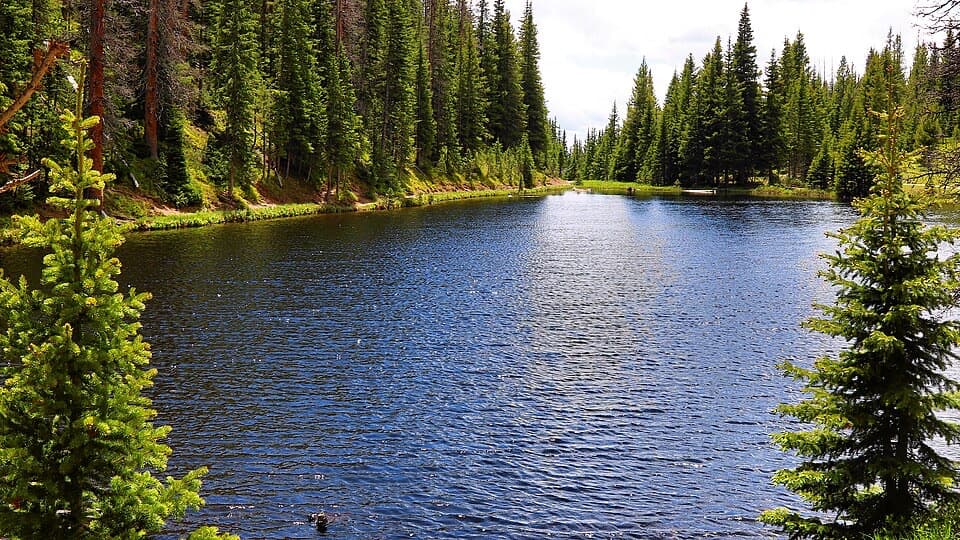 EasyLake Irene Trail0.8 mi · 45 min · 1.8 mi awayA short lake loop with an optional meadow view.
 Picnic area · 0.5 mi awayBeaver Creek Picnic AreaA quiet meadow picnic stop with autumn elk viewing.
 Sight · 0.6 mi awayFarview Curve OverlookThe Grand Ditch cuts a pencil line across the Never Summer Range.
 Picnic area · 0.9 mi awayBeaver Ponds Picnic AreaA picnic beside two ponds, with a stairway down to the water.
 Campground · 1.5 mi awayTimber Creek CampgroundWest-side camping at 8,900 feet, near Grand Lake.Sight · 1.8 mi awayLake IreneA quick lakeside loop and picnic stop on Trail Ridge Road.
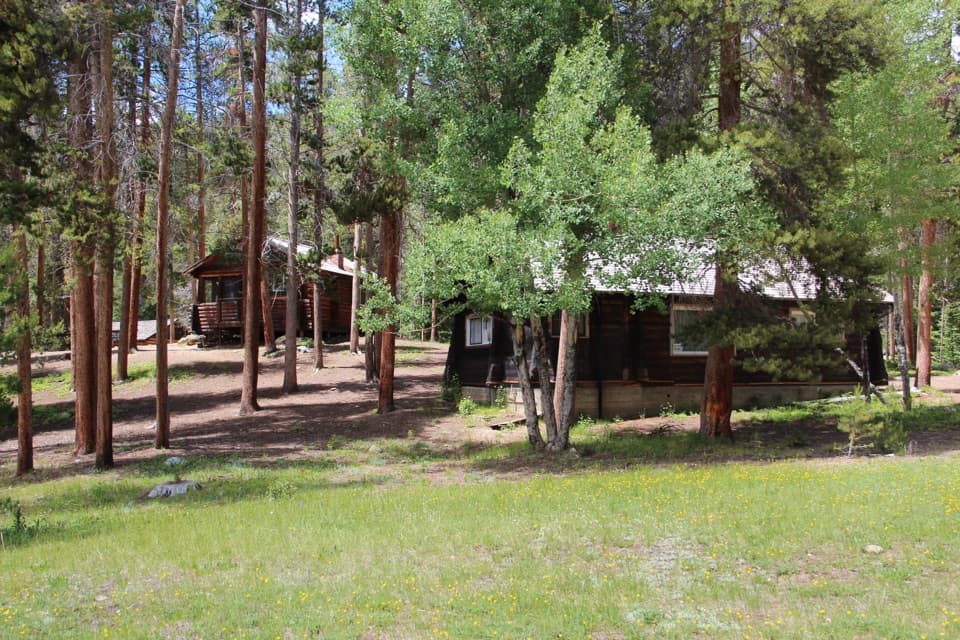 Sight · 2 mi awayHolzwarth Historic SiteA mile-long loop through a valley homestead and guest ranch.
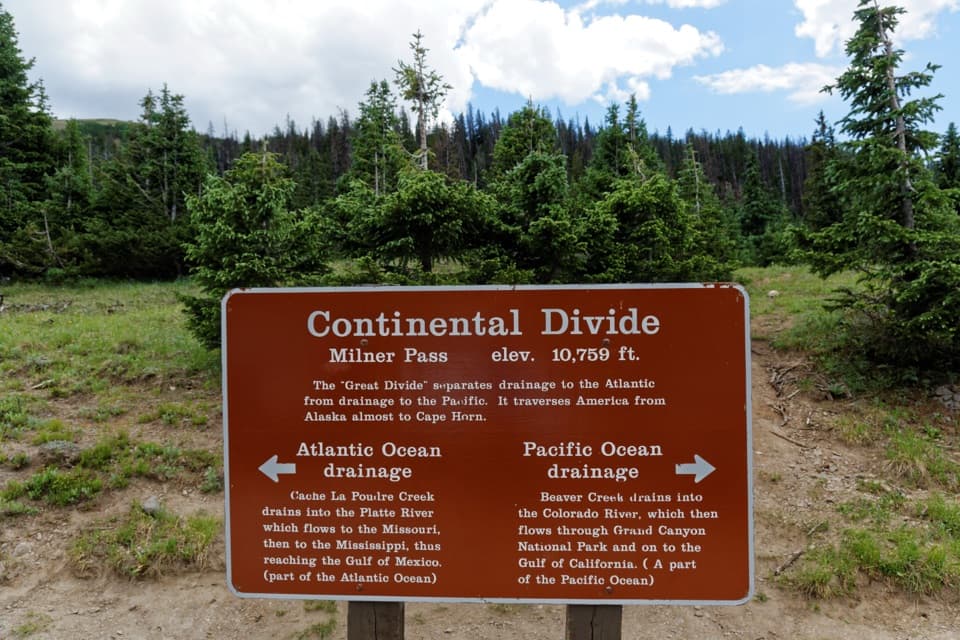 Sight · 2.4 mi awayMilner PassStand at the Continental Divide beside Poudre Lake.
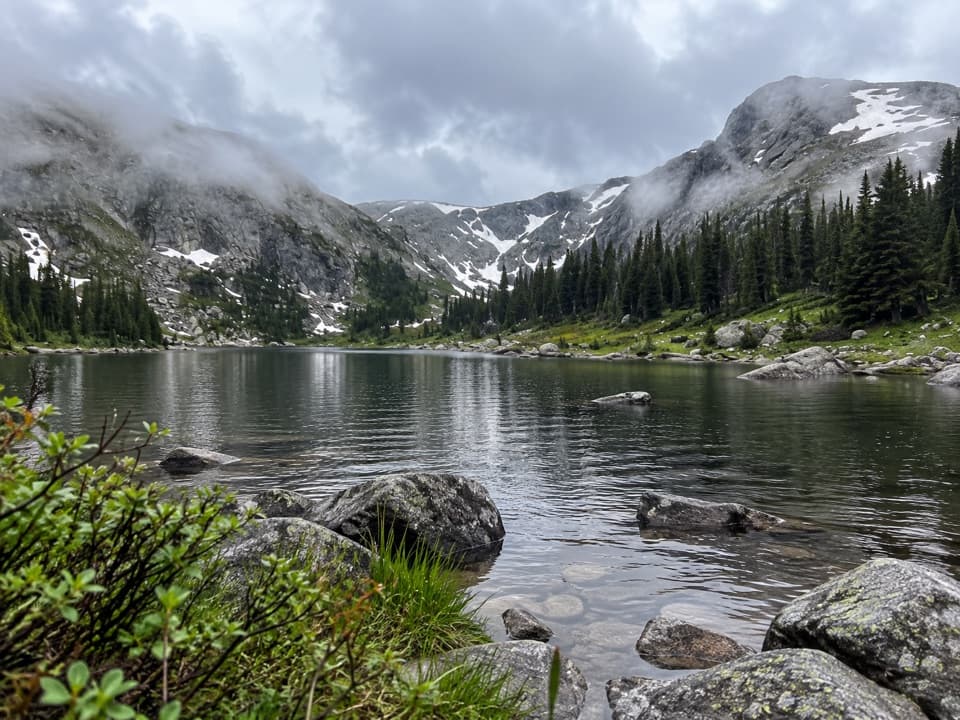 Sight · 3.2 mi awayTimber LakeA steep climb to a lake beneath two high peaks.
Parkwolf’s Rocky Mountain ranking

The audio tour guide for the drive, plus offline maps, trails, and wildlife heatmaps for when the signal drops.