Holzwarth Historic Site

Early-1900s homestead on a mellow walk beside the young Colorado River
Holzwarth Historic Site, Rocky Mountain National Park
InsideRocky Mountain National Park

Overview

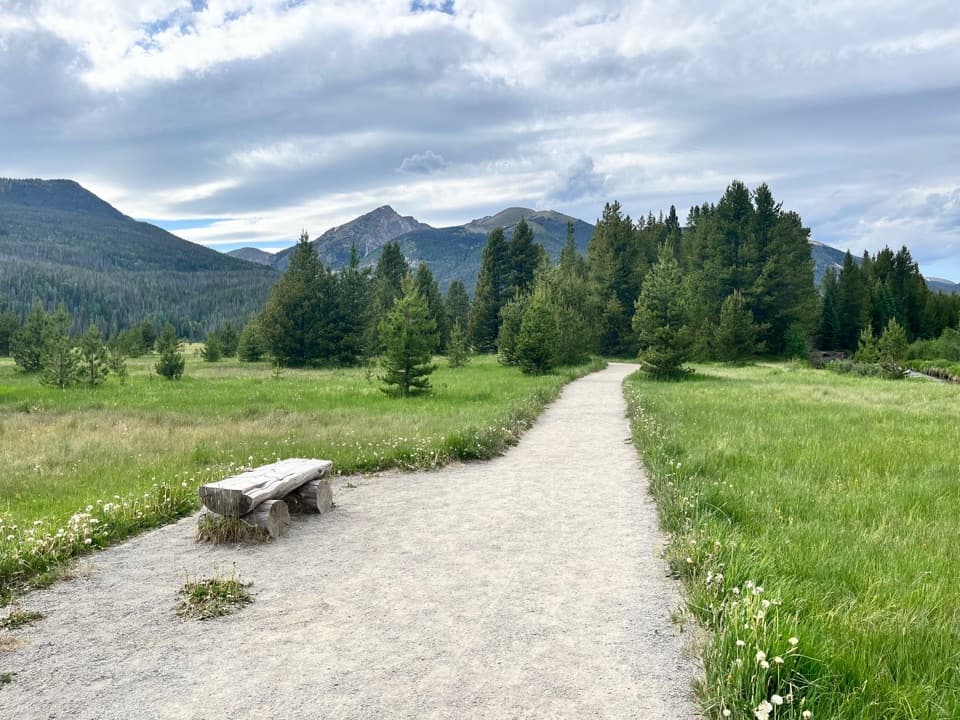
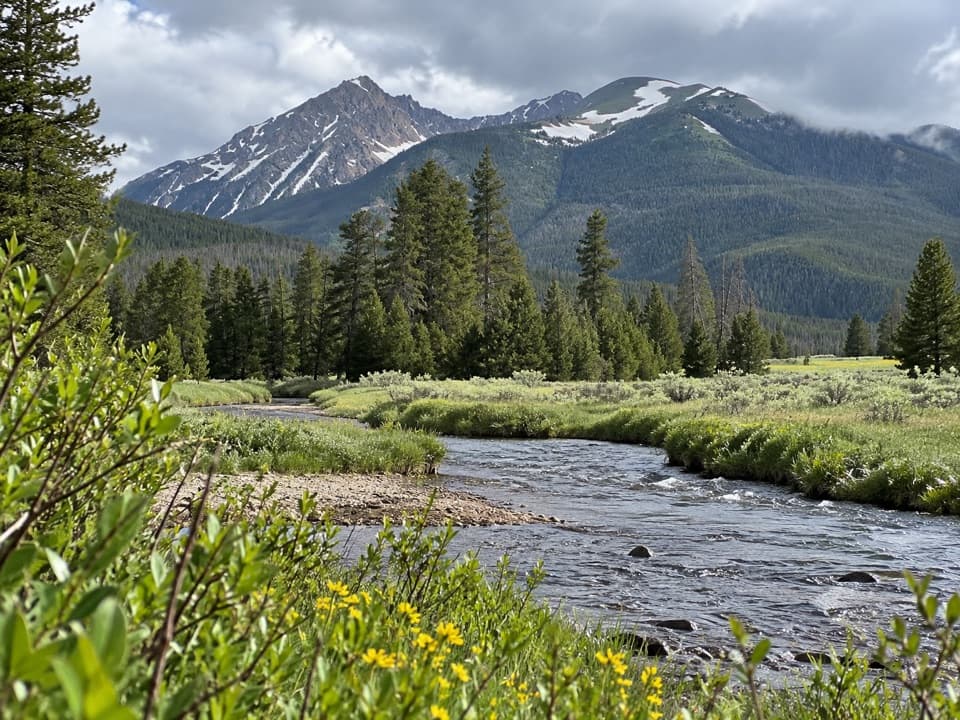
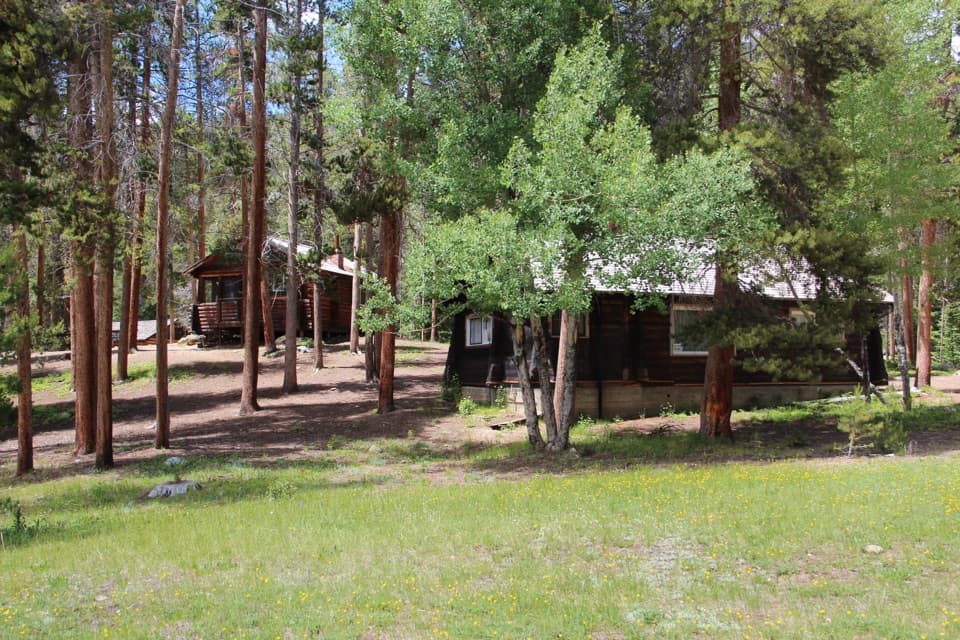
Set in the broad meadows of the Kawuneeche Valley on the park’s west side, Holzwarth Historic Site preserves a turn‑of‑the‑century homestead-turned-dude ranch along the headwaters of the Colorado River. It’s a gentle half‑mile walk from the parking area to the cluster of cabins, with big mountain views and a small bridge over the frigid, newborn Colorado.

What You’ll See

  • A compact “time capsule” of early ranch life: original cabins and outbuildings from the Never Summer Ranch/Holzwarth Trout Lodge era. In summer, select interiors open and rangers share stories that bring the place to life.
  • A mellow meadow stroll (about 1 mile round‑trip) on mostly level, hard‑packed surface, with benches and interpretive signs along the way.
  • The Colorado River as a clear, narrow stream—fun context if you’ve only known it as a desert giant.

History Snapshot

The Holzwarth family homesteaded here in 1917 and began hosting guests soon after, evolving into a well‑known dude ranch through the mid‑1900s. The property later transferred to the National Park Service for preservation, and the district is recognized on the National Register of Historic Places. It’s one of the park’s best windows into everyday mountain life a century ago.

Wildlife

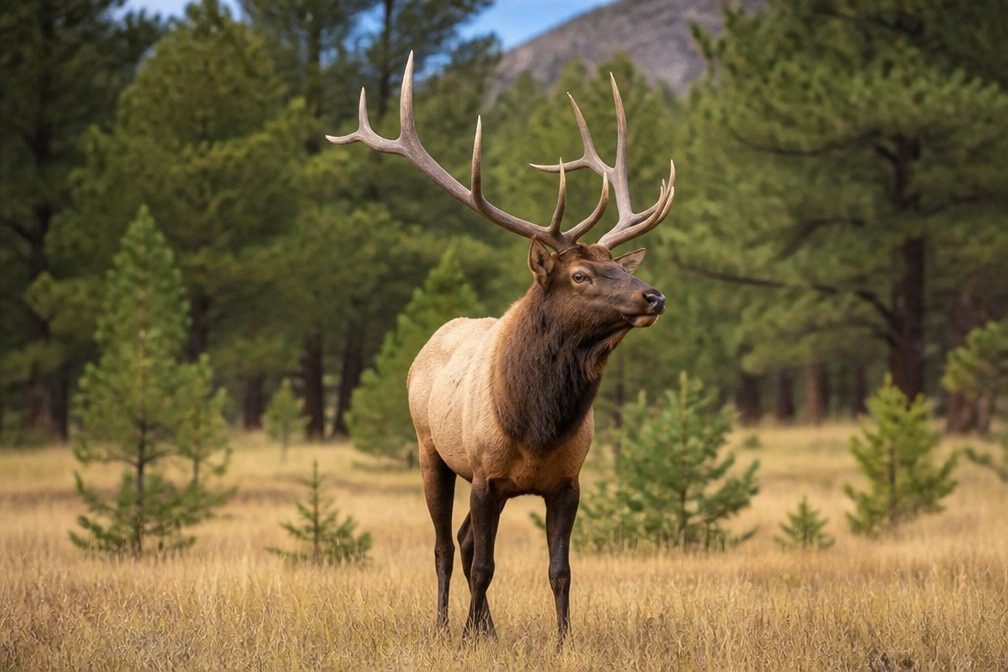
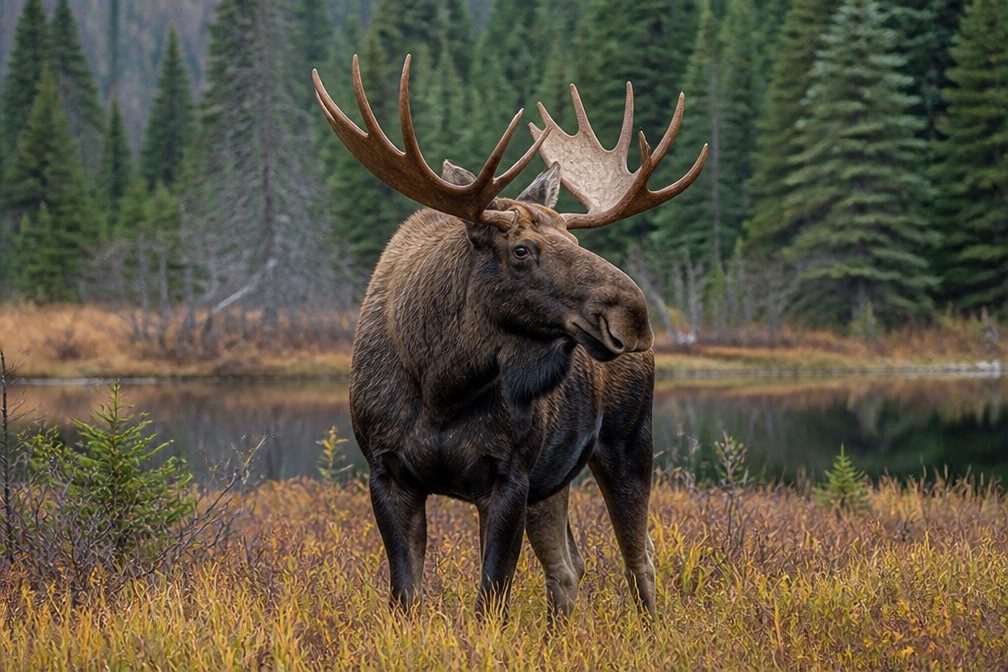
These meadows are reliable for elk, and moose sightings aren’t uncommon. Scan the willow-lined river corridor and open grasslands, especially in the cool hours of morning and evening. Give all wildlife extra space—animals sometimes use the same path you do.

Practicalities & Amenities

  • Distance: roughly 0.5 miles from the lot to the ranch, about 1 mile round‑trip; many visitors spend 45 minutes to an hour here, longer if touring buildings or chatting with rangers.
  • Facilities: Parking at the trailhead; a vault toilet is available within the historic area. Plan to bring your own drinking water—there’s no potable supply noted on site.
  • Expect sun exposure on the approach; bring hat, sunscreen, and layers for quickly changing high‑elevation weather.

Best Time to Visit

  • Summer mornings are ideal: cooler temps, softer light for photos across the meadows, better chances for wildlife activity, and staffed hours to step inside buildings.
  • Buildings are typically open and ranger‑staffed late morning through early afternoon, but close around 2:30 pm—arrive before early afternoon if interior access is a priority.
  • Weekdays see easier parking; weekends can fill. Late-day light can be lovely across the valley if you’re content with exteriors and a peaceful stroll.

Why Go

If you like history with your scenery, this is an easy, rewarding detour on the west side—underrated compared to the park’s big alpine passes, but memorable for its stories, wildlife, and that surprising, small version of the Colorado River.

Pros

  • Ranger-staffed historic cabins open in summer
  • Easy, scenic walk across the young Colorado River

Cons

  • Buildings close early (around 2:30 pm) in season
  • Little shade on the approach; can be hot midday

Tips

  • Arrive before early afternoon if you want to tour building interiors and chat with rangers.
  • Bring sun protection and water—the approach is exposed and there’s no potable water on site.
  • Watch for elk and moose in the meadows; give them plenty of space if they’re on or near the path.
  • Plan about 45–60 minutes for the 1‑mile round‑trip plus time for ranger talks.
  • Restrooms are within the historic area rather than at the parking lot.
The Parkwolf tour guide sitting on a phone mounted in a car

Parkwolf Tour Guide

Like a tour guide in your car.

Save the places you found around Rocky Mountain, then let Parkwolf guide the drive between them.Download Parkwolf on the App Store