Moderate

Bear Hill Trail

Quieter Giant Forest connector with big trees and frequent wildlife
Bear Hill Trail, Sequoia National Park
Distance1.9 mi
Typical time1.2 hr
DifficultyModerate
PetsNot allowed

Overview

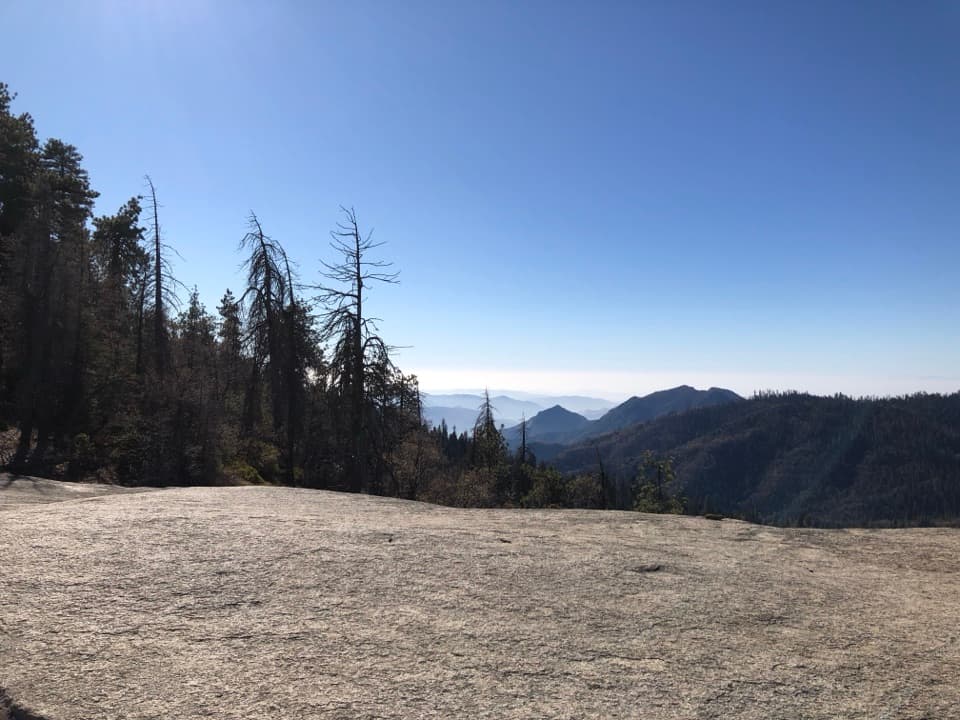
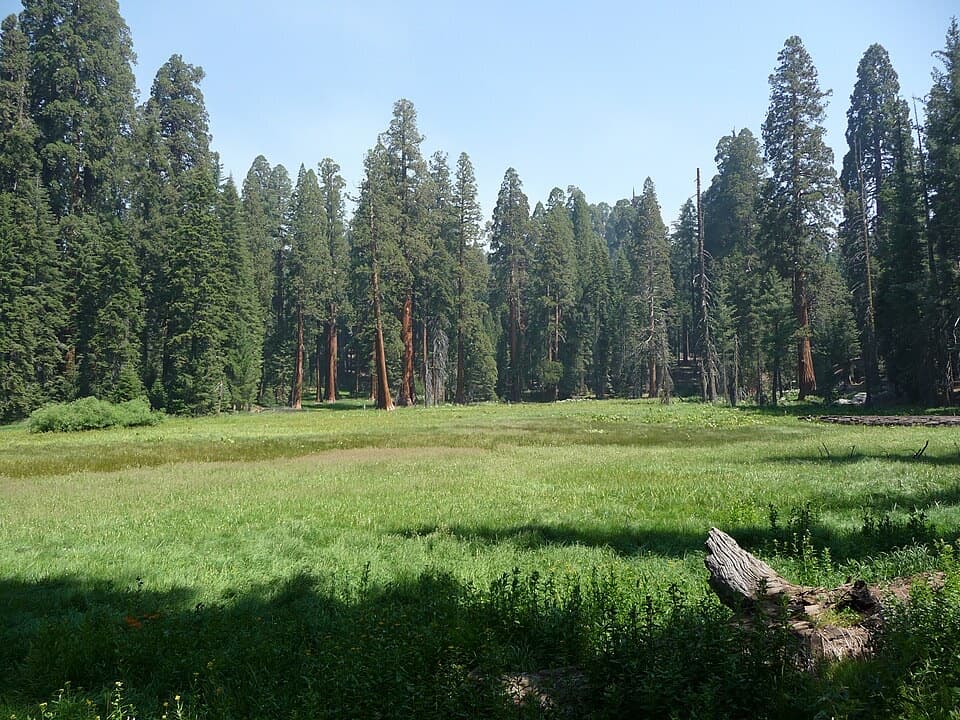
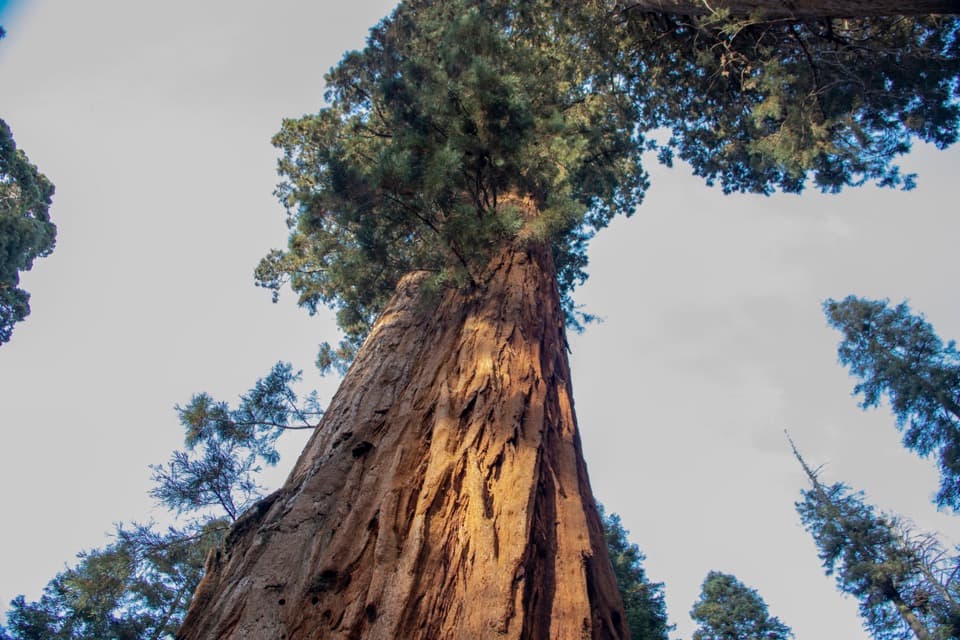
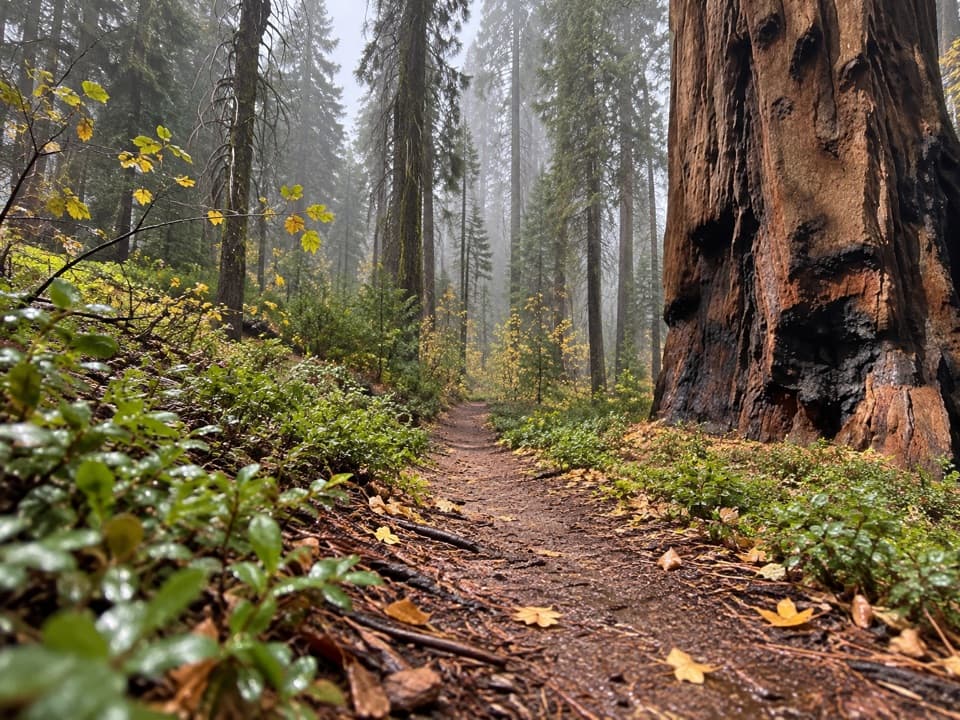
Bear Hill is a short, less-crowded forest walk in the heart of the Giant Forest. Expect a brief initial climb, then an easy, mostly downhill cruise through mixed conifers and pockets of giant sequoias. Reported distances vary: the full trail is about 1.9 miles total, while a practical point-to-point from the Giant Forest Museum to Crescent Meadow Road/Hanging Rock runs roughly 1.7 miles one way. It’s a wide, easy-to-follow path and a great alternative to shuttling straight to the busy viewpoints.

Why Hike It

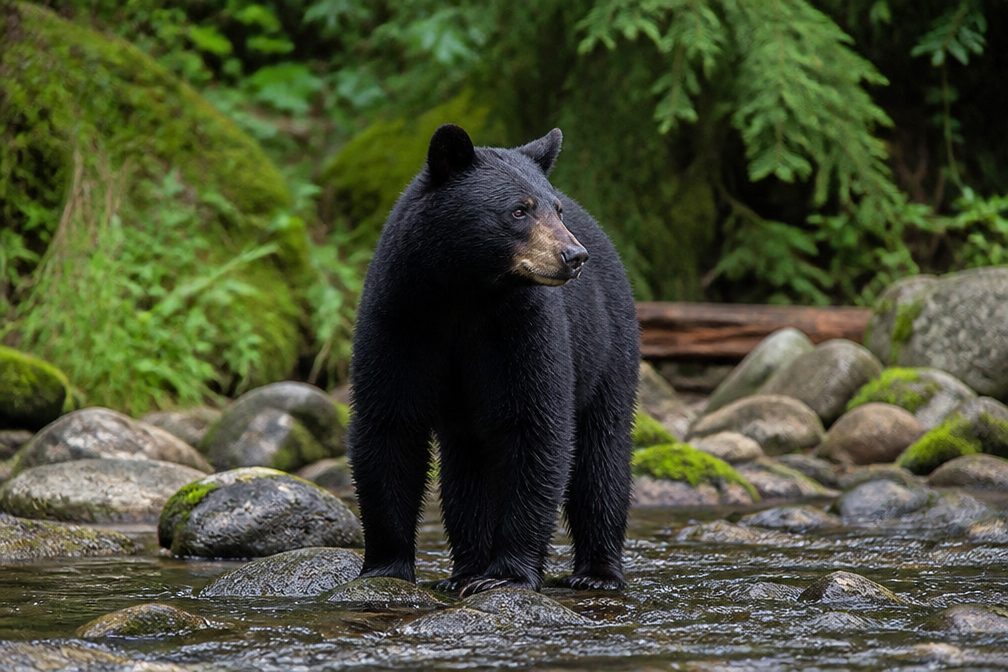
If you’ve already checked off the marquee sights and want a calmer feel of the Giant Forest, this is your move. Wildlife sightings—especially deer and sometimes black bears—are more common here than along the park’s most crowded routes. The walk itself is pleasant rather than dramatic, but that’s the charm: tall trees, soft forest light, and some welcome solitude.

Route Options and Flow

Most hikers prefer going north-to-south: start at the Giant Forest Museum, climb quickly to Bear Hill, then descend to Crescent Meadow Road near Hanging Rock and Moro Rock. From there you can hop the free shuttle back to the museum to keep the day mostly downhill. You can also stitch Bear Hill into short loops using Old Bear Hill Road, Hazelwood Nature Loop, and the Alta Trail. Do note that Giant Forest has many intersecting paths—junctions can be confusing—so keep an eye on signs and carry an offline map.

Trailheads, Parking, and Shuttle

Common starts are the Giant Forest Museum (parking, facilities, exhibits) or the south end near Hanging Rock/Crescent Meadow Road. Museum parking fills quickly in peak season; the shuttle often saves time and headaches. Starting at the south end is convenient if you want to tack on Hanging Rock or Moro Rock after your hike.

Seasons and Winter Travel

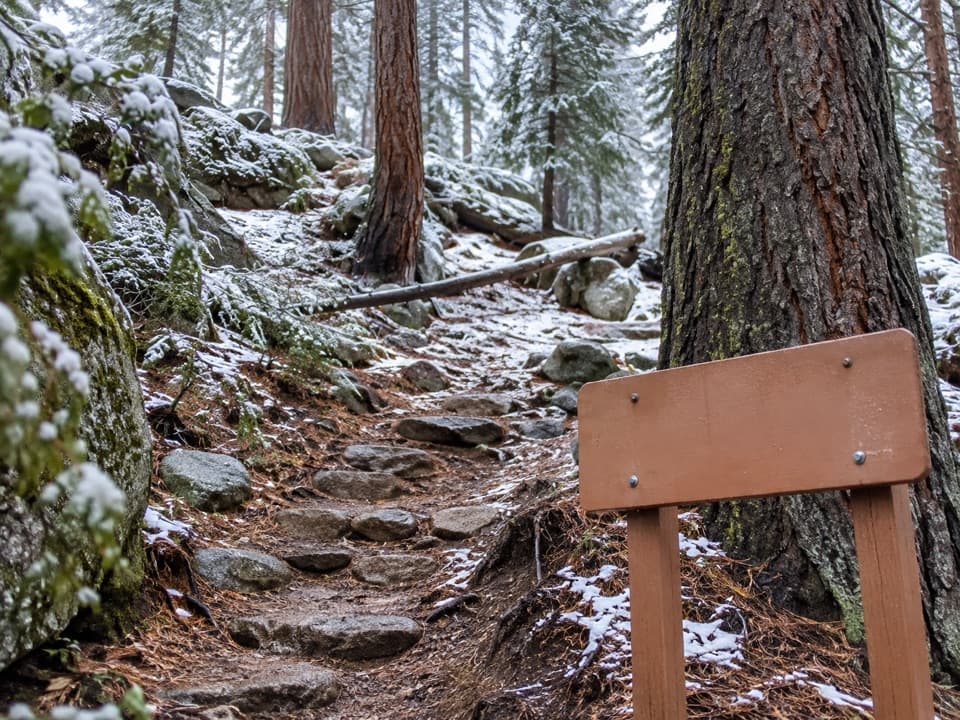
You can hike Bear Hill year-round, conditions permitting. In winter, the park marks a Bear Hill “winter trail” with triangular bear-symbol signs. The winter route is open to skiing, snowshoeing, and hiking; don’t walk in ski tracks, yield to downhill users, and fill in any divots after a fall. Park roads can close due to snow, and tire chains may be required—always check conditions before you go.

Tips and Good-to-Know

  • Pets aren’t allowed on park trails here.
  • Bear spray isn’t permitted in the park.
  • This is a great shuttle-aided point-to-point: museum to south end, then ride back.
  • Expect the steepest effort at the beginning; the rest trends downhill.
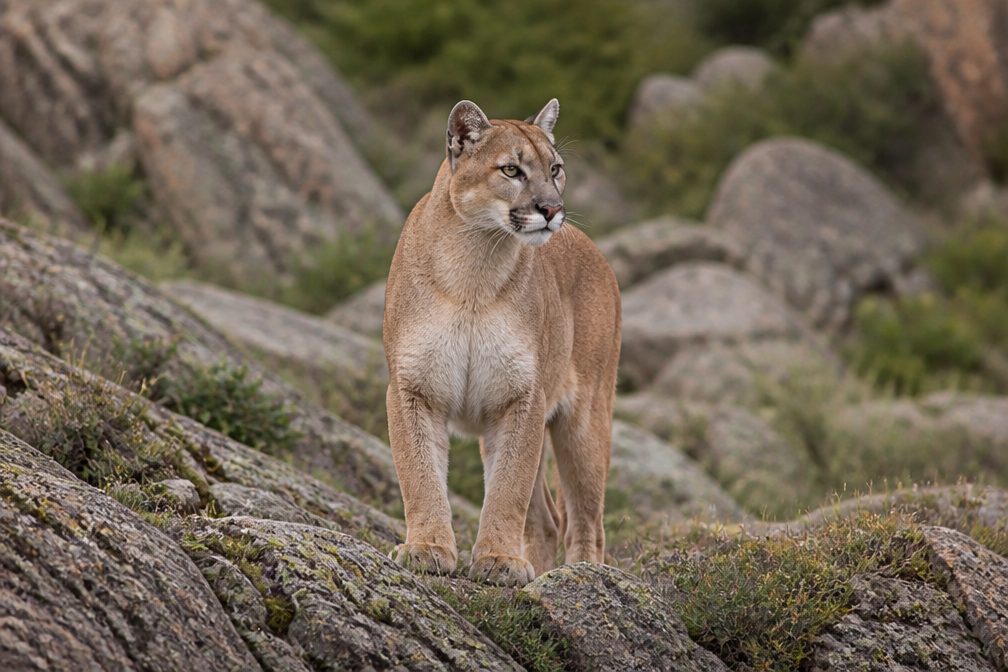
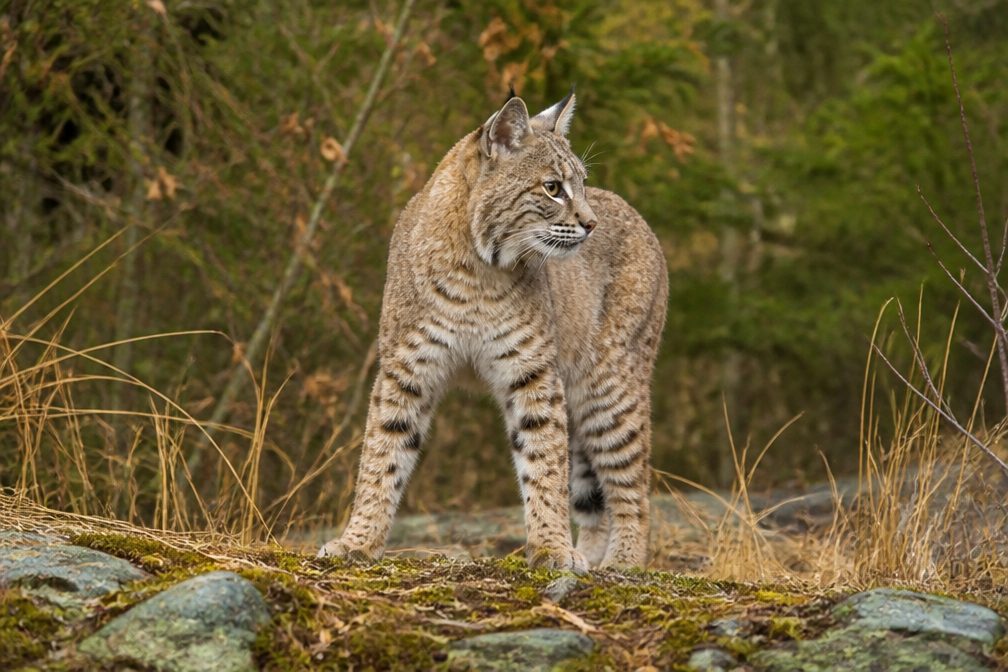
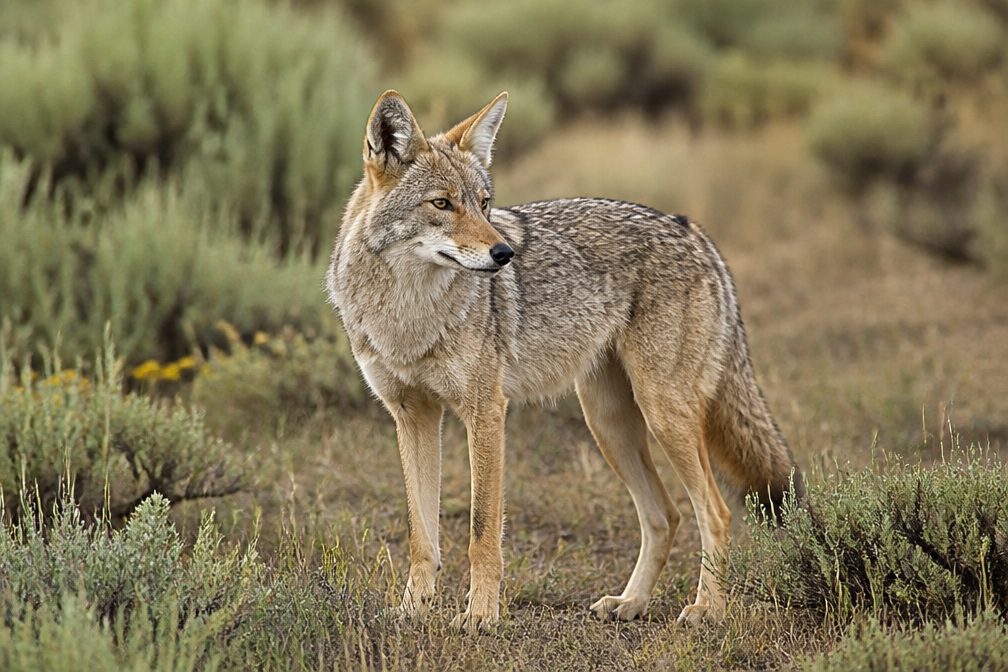
  • Watch for wildlife and give bears plenty of space.

Best Time to Hike

Late spring through fall offers the easiest logistics and dry trail conditions. In summer, go early or late for cooler temps and fewer people, then use the shuttle. Winter can be lovely and calm if you’re prepared for snow travel and road restrictions.

Pros

  • Shuttle-aided point-to-point keeps the hike mostly downhill
  • Better odds of wildlife and solitude than the marquee viewpoints nearby

Cons

  • Multiple intersecting paths make navigation confusing without a map
  • Museum parking fills fast in peak season

Parking

Park at Giant Forest Museum (fills early) or at the south end near Hanging Rock/Crescent Meadow Road; in peak season, use the free shuttle to reach the museum or return to your car.

Caution

Winter brings snow-packed routes, road closures, and possible chain requirements; follow the marked winter route, don’t walk on ski tracks, and expect confusing junctions. Bears are active—keep distance and secure food. Bear spray is not permitted.

The Parkwolf tour guide sitting on a phone mounted in a car

Parkwolf Tour Guide

Like a tour guide in your car.

Bring Sequoia trail research into the car, with offline maps and stories that play as you drive.Download Parkwolf on the App Store