Parking
From Lone Pine, take Whitney Portal Road west, turn south onto Horseshoe Meadow Road, and follow it to the Cottonwood Lakes trailhead at road's end. Its parking is shared with the walk-in campground.

Sequoia National Park, CA
A long Sierra day to alpine lakes and a high pass.
Overview
New Army Pass Trail is a strenuous out-and-back from Cottonwood Lakes Trailhead at Horseshoe Meadow to a high Sierra saddle on Sequoia’s boundary. The mapped corridor is about 8.2 miles each way, or 16.4 miles round trip, with the saddle roughly 2,260 feet above the 10,040-foot trailhead, at 12,300 feet. Budget a full day, roughly nine to ten hours with breaks. The high start makes this tougher than the mileage sounds; go only if you are acclimatized and comfortable with a long backcountry day. Distance references vary: some guides give 7.5 miles one way, so plan around the longer mapped line.
 Parkwolf’s verdictIs this the pass day for you?
Map & elevation
Plan your hike

The highest, rockiest slopes around here are a summer buffet for grizzly bears.
Sequoia Tour Guide
Parkwolf is a GPS audio tour guide for Sequoia National Park. As you drive, it chimes in with what’s ahead: hidden gems, upcoming stops, history, geology, and wildlife, right through your car’s speakers.
See the Sequoia audio tour“…The kids and my husband and I all agree that the narration really added to our experience driving through the parks. We learned so much about the history and the flora & fauna.”


Trail guide
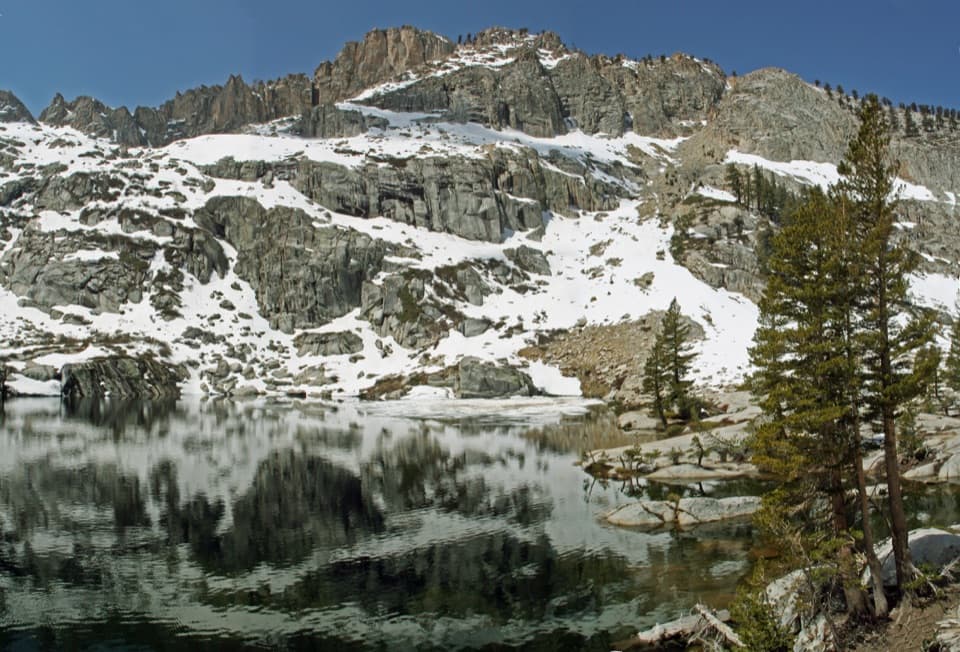
From the Cottonwood Lakes trailhead, follow the Cottonwood Lakes Trail through forest and into the open basin between Mount Langley and Cirque Peak. Long Lake and High Lake are on the way to the pass. Other paths branch toward Muir, Hidden, South Fork, and Cirque Lakes, and Old Army Pass is a separate crossing; keep to the New Army Pass route rather than treating these as one trail. If you want a shorter day, Long Lake is a 10-mile round trip from the same start, but it stops before the pass climb.
The climb continues above the lakes over a rocky upper slope. By the time the pass comes into view, you have several miles of high-altitude walking behind you and the hardest part still ahead. There is no quick way back from the saddle, so set a turnaround time that leaves enough daylight for the return. Snow can remain on the upper trail after the lower basin is clear.
New Army Pass sits at about 12,300 feet. From the rocky saddle, Mount Langley rises to the north and the Cottonwood Lakes basin spreads out to the south. A wide panorama shows the pass itself and the ridgelines around it; for a phone photo, include some of the rocky foreground so the broad, bare crossing reads as a real place rather than a strip of distant peaks. The lakes below are habitat for California’s state fish, the golden trout, though seeing one is never guaranteed.
This approach starts in Inyo National Forest and reaches the Sequoia boundary at New Army Pass. The route here turns around at the saddle and retraces the same trail; the path beyond it drops west into Sequoia and connects with the park’s backcountry trail network. That continuation is a different, longer trip. Dogs may use the Forest Service side on a leash under six feet, but cannot continue onto trails inside Sequoia.
Day use does not require a wilderness permit; overnight trips do. Keep groups to 15 or fewer. The high trail is generally most passable from about June through October, but snow can linger into early summer and conditions change, so check current road and trail access before driving up. Treat water collected from lakes and creeks. From Memorial Day weekend through October 31, put food, trash, and scented items in the bear-proof lockers at the trailhead.
The Cottonwood Lakes trailhead is at the end of Horseshoe Meadow Road, beside the walk-in campground. Parking is shared with the campground; vault toilets and seasonal potable water are there, not along the route. No food stop was found at the trailhead or on the trail, so bring what you need for the day.
Wildlife
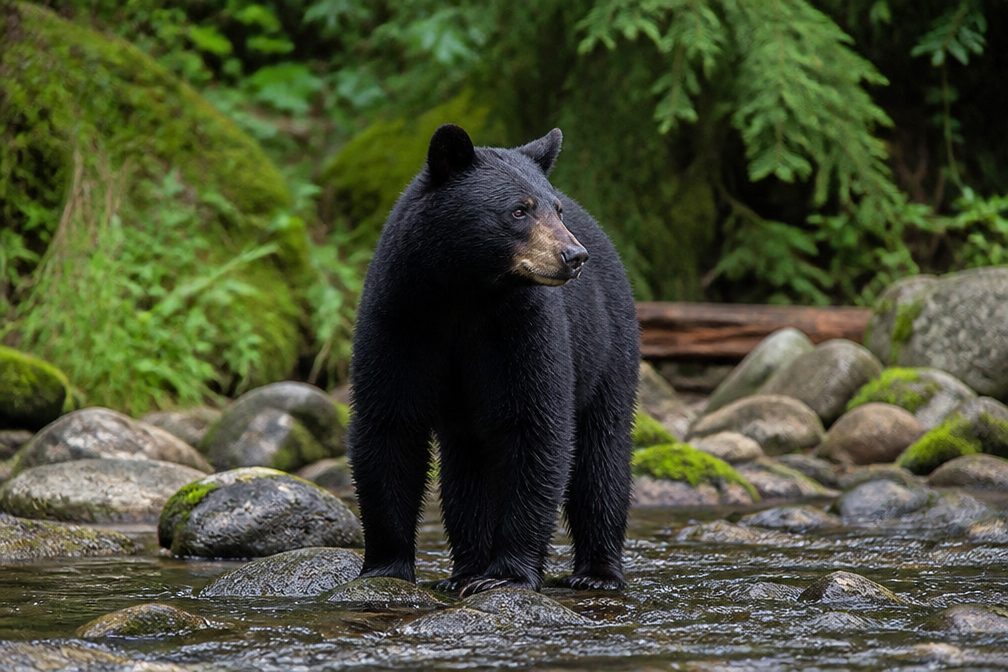 691 sightingsBlack BearMost seen around 6 PMSighting map
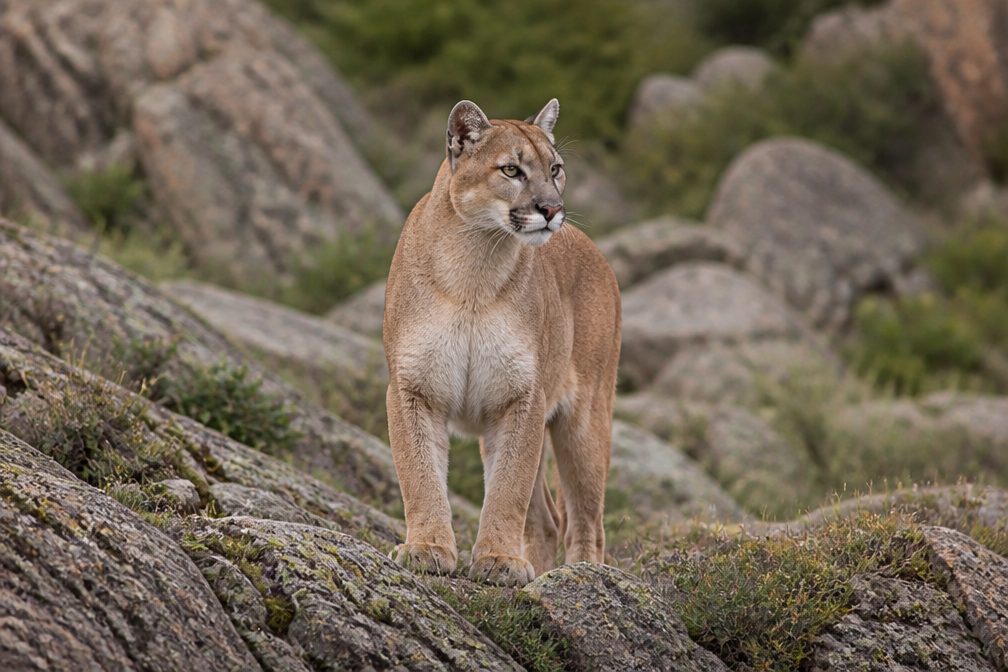 17 sightingsMountain LionMost seen around 6 AMSighting map
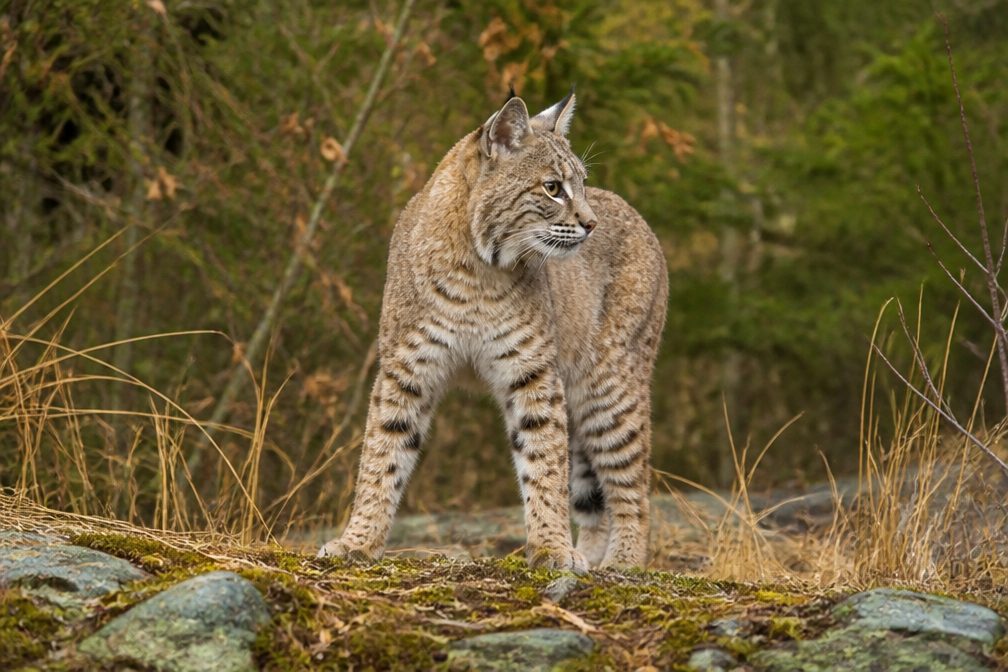 18 sightingsBobcatMost seen around 7 PMSighting map
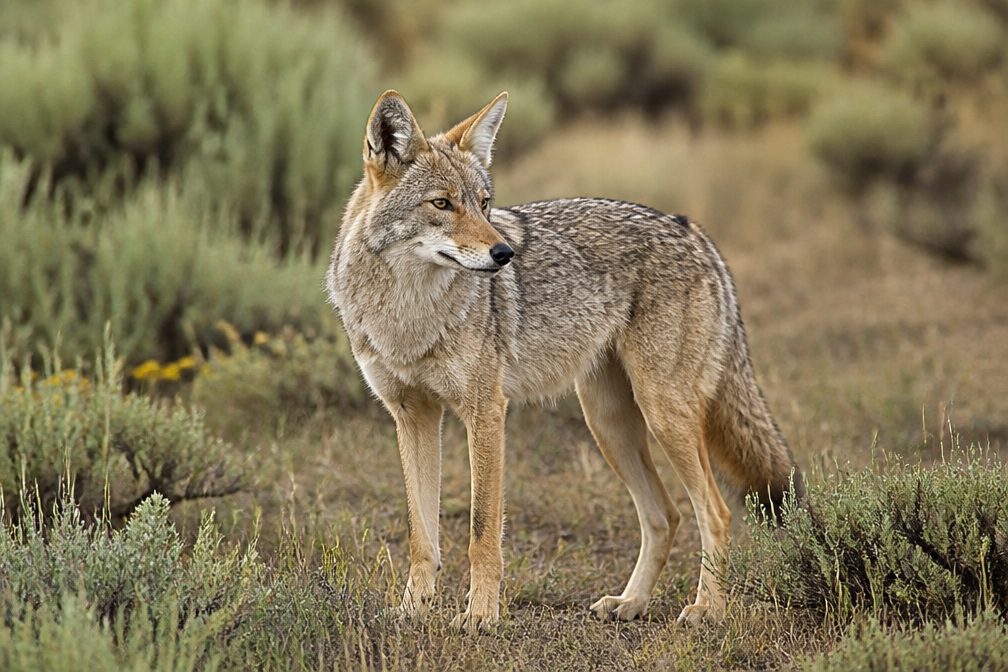 24 sightingsCoyoteMost seen around 7 PMSighting map
 15 sightingsGolden EagleMost seen around 11 AMSighting map
 20 sightingsSpotted OwlMost seen around 7 PMSighting map
Sighting maps show where each species has been reported across Sequoia. Wildlife moves, so no sighting is guaranteed.
Keep exploring
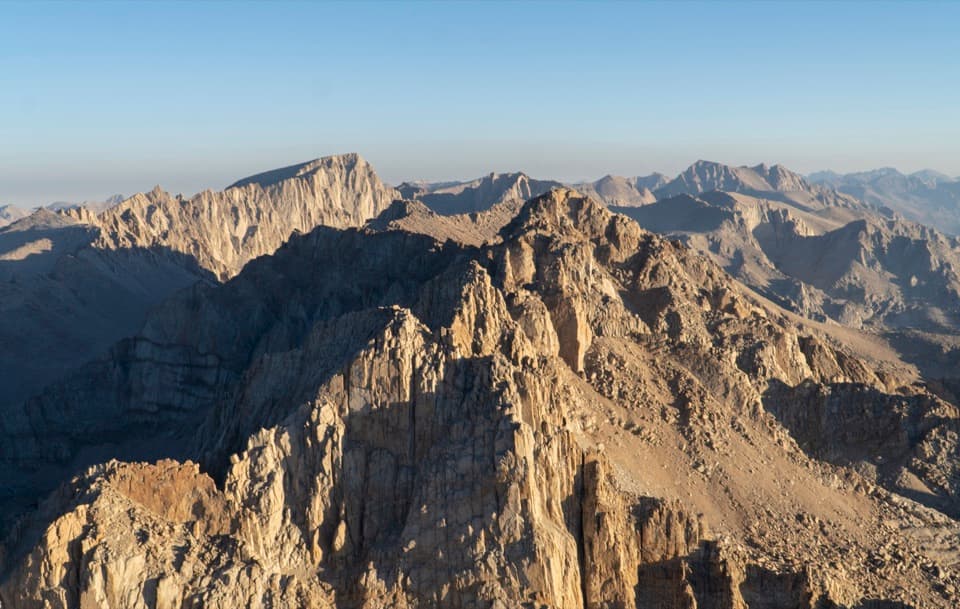 ChallengingMount Langley via New Army Pass23.3 mi · 15 hr · At the trailheadA 23 mile summit hike from Cottonwood Lakes via New Army Pass.
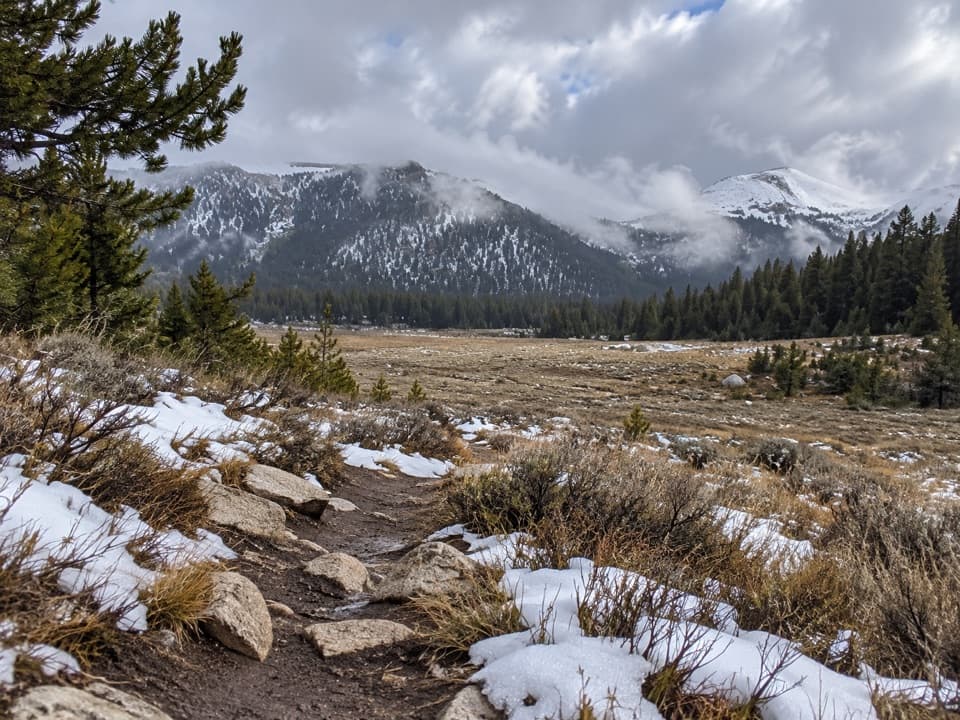 ModerateCottonwood Pass Trail7.6 mi · 4 hr · 0.3 mi awayA high-altitude climb from meadow to a Sierra pass.
 ChallengingLower Soldier Lake Trail via Cottonwood Pass20.1 mi · 11 hr · 0.3 mi awayA hard high-country out-and-back to a granite-ringed alpine lake.
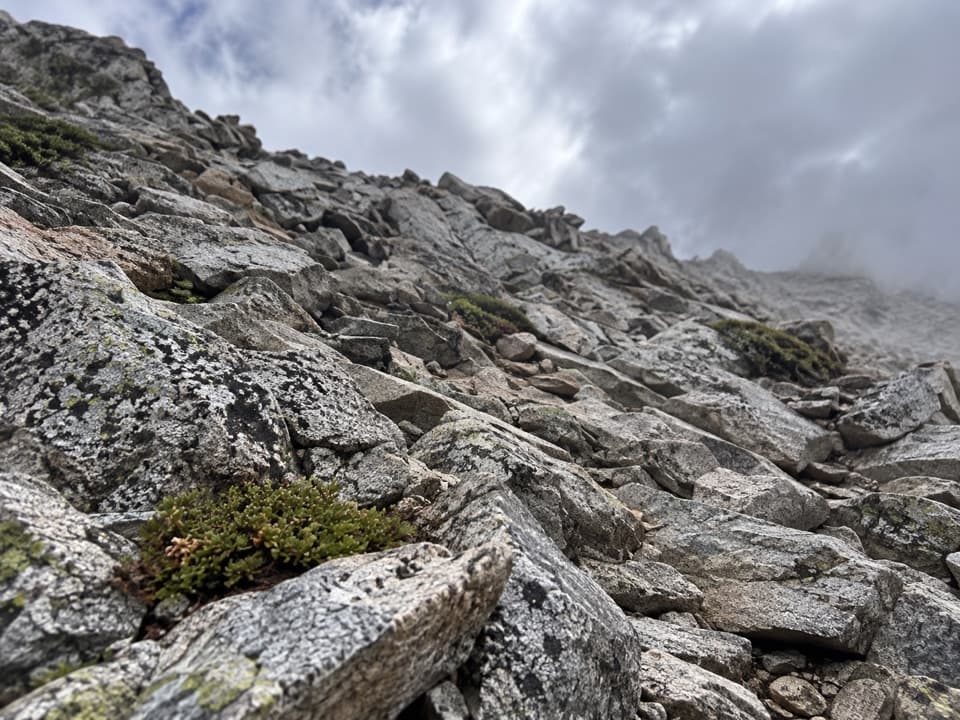 ChallengingPacific Crest Trail: Cottonwood Pass to Forester Pass29.3 mi · 1 day · 2.6 mi away29.3-mile high-country PCT route from Cottonwood Pass to Forester Pass
 ChallengingOld Army Pass Trail1.2 mi · 2 hr · 4.6 mi awayA rough, high pass climb with Cottonwood Lakes far below.
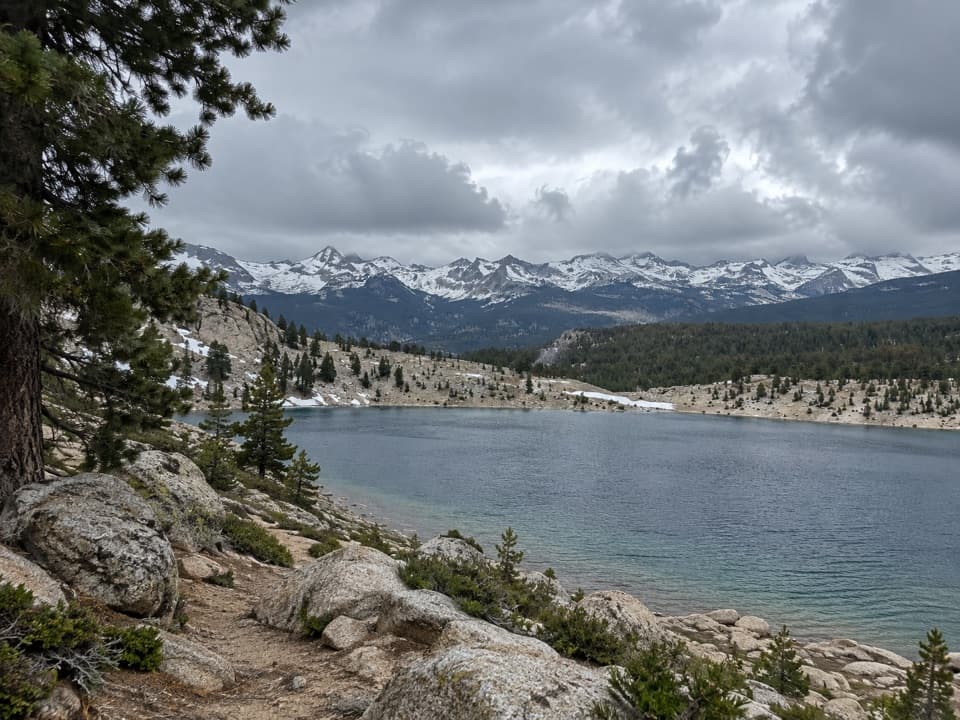 ChallengingFunston Lake Trail6.8 mi · 5.5 hr · 7.3 mi awayAn unmaintained high-country spur to Funston Lake.
 ChallengingRock Creek Trail4.7 mi · 4 hr · 8.8 mi awayFollow Rock Creek's meadows to a lake and a steep finish.
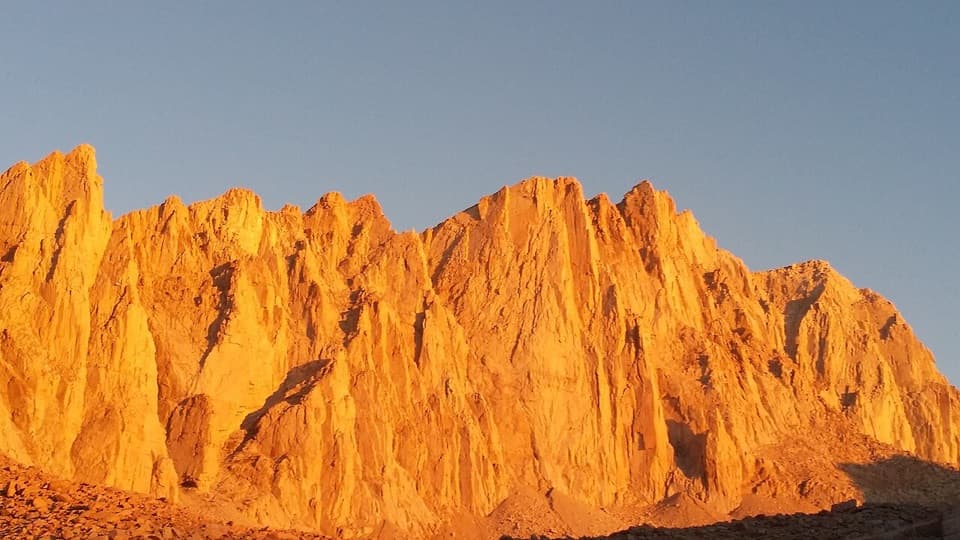 ChallengingMount Whitney Trail22 mi · 14 hr · 10 mi awayA 22-mile alpine climb to the highest summit in the lower 48.
Parkwolf’s Sequoia ranking
The audio tour guide for the drive, plus offline maps, trails, and wildlife heatmaps for when the signal drops.