Place
Easy
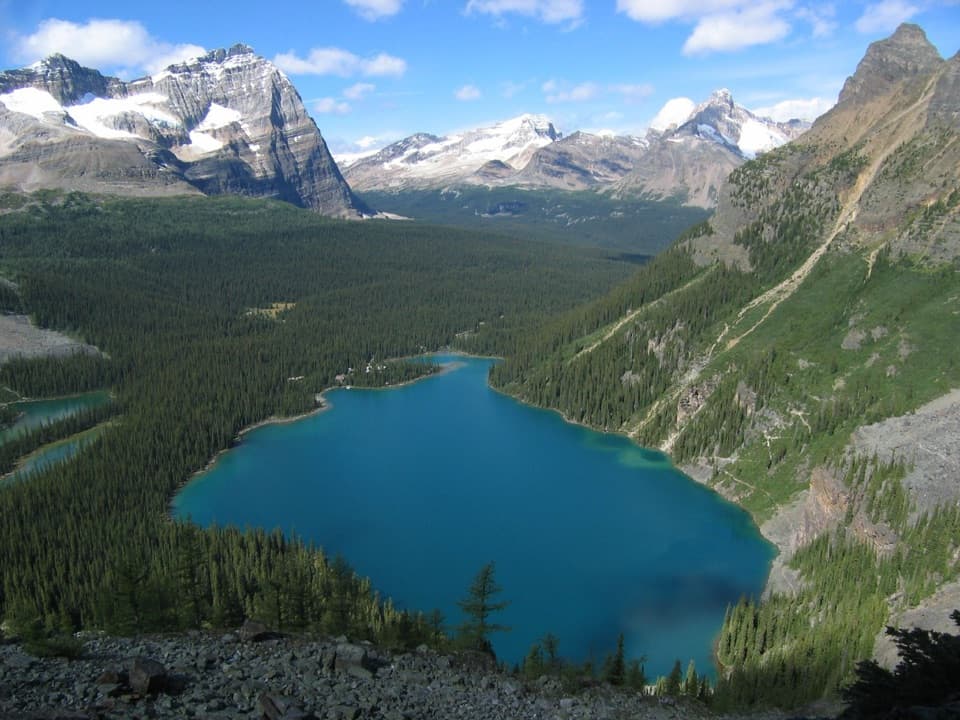
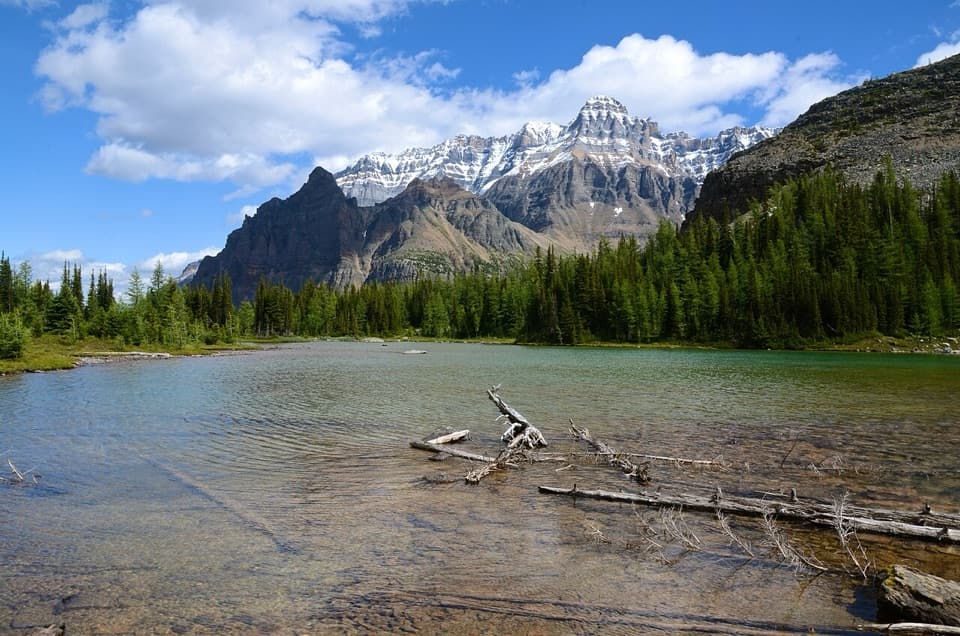
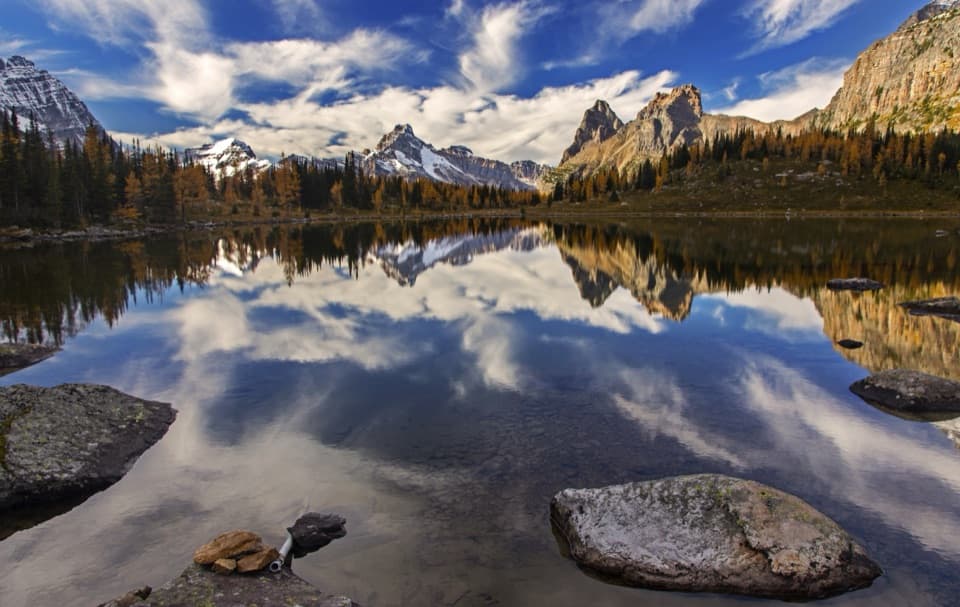
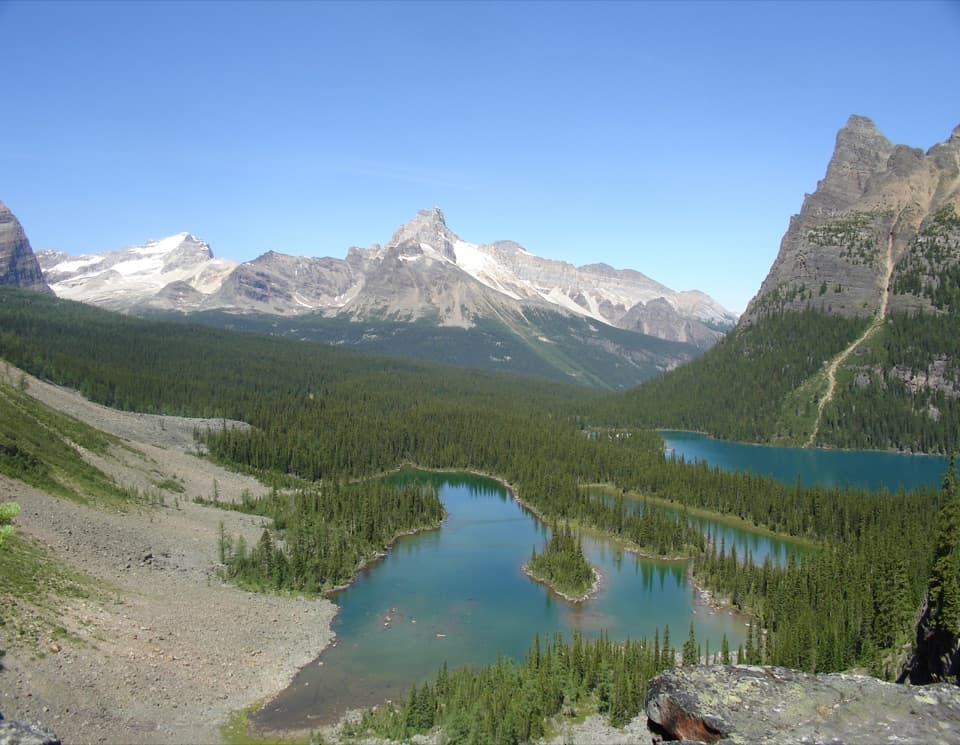
If you snag access to Lake O’Hara, Lake Oesa is the classic, low-commitment, high-reward outing. It’s an out-and-back to an emerald‑blue lake tucked under rugged cliffs and often speckled with early‑summer ice. Expect waterfalls, finely built stonework, and sweeping views without biting off a huge day.
From Lake O’Hara’s shoreline, the trail climbs switchbacks and beautifully crafted stone steps built by legendary trail maker Lawrence Grassi. You’ll pass Victoria Falls and smaller cascades, cross talus and scree beneath copper‑colored quartzite cliffs, then weave through stunted forest and delicate alpine meadows to reach Lake Oesa’s cirque. The total is about 4.1 miles (round trip) with roughly 240 m/787 ft of gain—manageable, but with rocky stretches that demand sure footing.
The path is well‑built but not flat: expect stone steps, tilted slabs, and a trough cut in bedrock near the lake. Junctions connect to the Yukness Ledges Alpine Route and the Wiwaxy Gap/Huber Ledges—tempting add‑ons for strong hikers looking to turn the day into a bigger circuit.
Late June through September is the sweet spot. Snow and ice can linger into July at higher points, and wet rock can be slick. This area is popular, so earlier starts help with crowding and give you more time to linger at the lake.
Access to Lake O’Hara (the trailhead) is strictly controlled for ecological protection. Most visitors ride a reservation‑only shuttle; otherwise, you must walk the 11 km access road before even starting the hike. Dogs aren’t permitted on the shuttle, but can accompany you if you walk in. A National Park pass is required. There’s no camping at Lake Oesa itself; overnight stays in the area require reservations.
World‑class alpine scenery for modest effort—if you can solve the access puzzle. The stonework, waterfalls, and glacial tarns make this a standout in the Lake O’Hara basin, and the optional alpine route linkups are the cherry on top.
Park at the Lake O’Hara day-use parking lot; reach the trailhead by reserved shuttle or by walking the 11 km access road to Lake O’Hara.
Uneven stone steps, talus, and tilted slabs require careful footing—especially when wet or if early-season snow/ice remains. Sensitive alpine terrain: stay on trail. Dogs are not allowed on the shuttle.