Overview
About Craven Lime Works
Why stop
- The near-intact Hoffmann kiln makes the industrial process easy to picture.
Heads up
- The entrance can be easy to miss, and current access details are limited.
Map
Where it is

The highest, rockiest slopes around here are a summer buffet for grizzly bears.
Yorkshire Dales Tour Guide
Your drive to Craven Lime Works, narrated.
Parkwolf is a GPS audio tour guide for Yorkshire Dales National Park. As you drive, it chimes in with what’s ahead: hidden gems, upcoming stops, history, geology, and wildlife, right through your car’s speakers.
See the Yorkshire Dales audio tourRecorded for this area
Craven Lime Works“You're approaching the signed access to Craven Lime Works at Langcliffe Quarry.”
Plays on the road 0.1 km from Craven Lime Works in the Parkwolf Yorkshire Dales Tour Guide.
More stories near here in the app
- The Fire That Moved Around the Kiln
- Catrigg Force from Stainforth
- The Stones Saved from Rockeries
- Settle and Attermire Scar
- 298 audio storiesacross Yorkshire Dales’s roads, triggered by GPS as you drive
- Wildlife heatmapsfor Eurasian Otter, Atlantic Salmon, Short-eared Owl, and 13 more
- Works offlinemaps, 100 trails, 68 places, and audio download before you lose signal
- CarPlay readysimple controls built for the drive
“Fantastic app with many points of information… It’s great to just turn on while you’re driving and it gives you an audio tour of the national Park. We love it!!!!”


Guide
More about Craven Lime Works
Start at the Hoffmann kilnCraven Lime Works is a large 19th-century quarry and lime-producing complex at Langcliffe,…
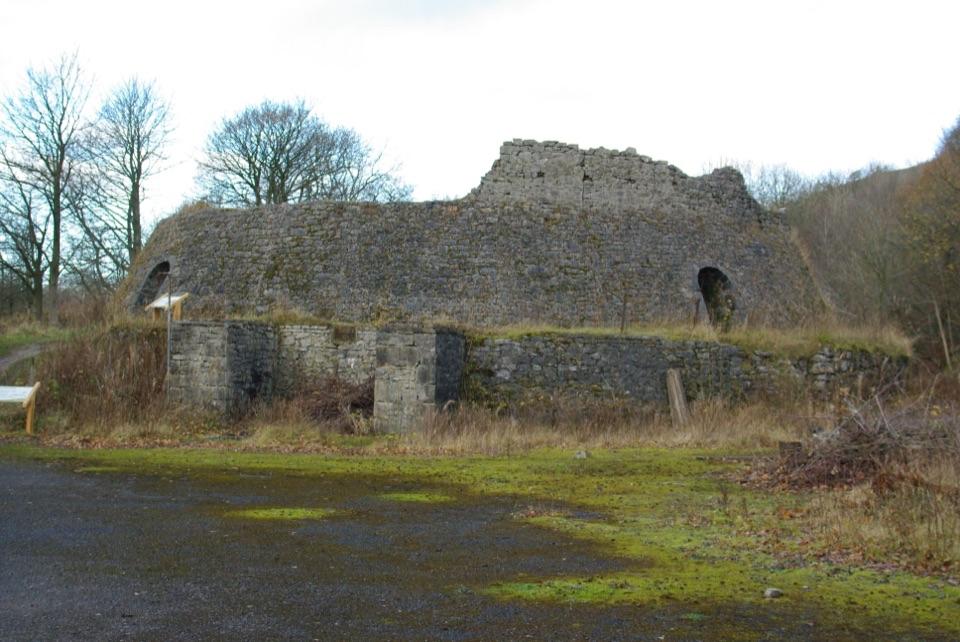
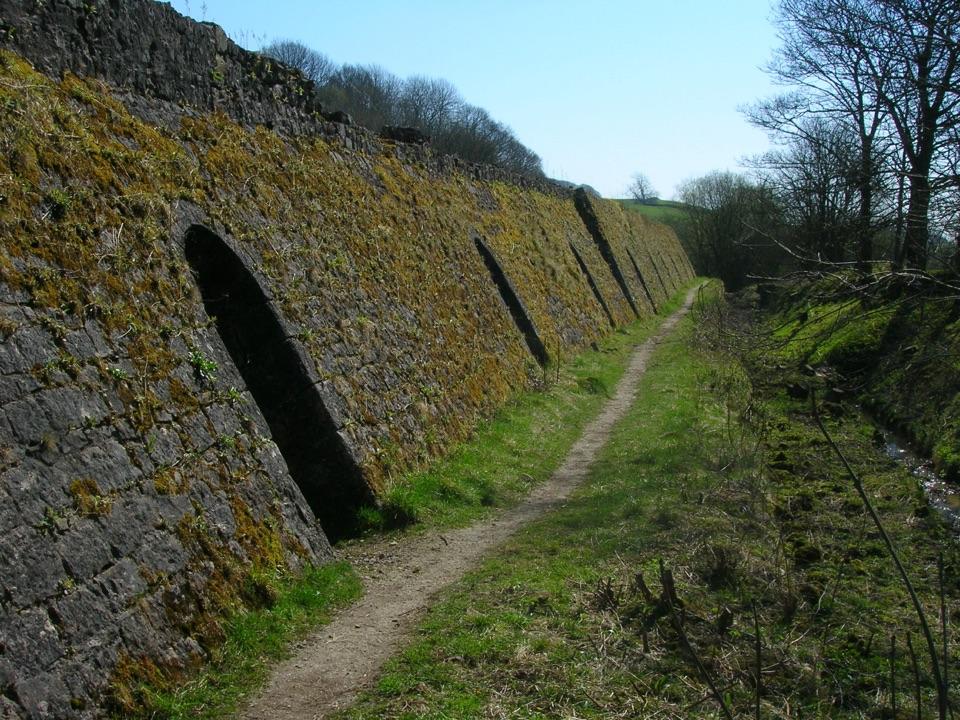
Craven Lime Works is a large 19th-century quarry and lime-producing complex at Langcliffe, about 2.5 km north of Settle, between the Settle–Carlisle railway and Stainforth Scar. Its best-known survivor is the Hoffmann kiln, a stone ring kiln 128 m long, with repeated arched openings into a vaulted tunnel. This is an exploratory industrial-heritage stop: an interpretation trail leads through the kiln and the scattered remains of the works, and the scale rewards a slow look.
Allow time to exploreThe route links the kiln with other industrial remains, with boards explaining what the…
The route links the kiln with other industrial remains, with boards explaining what the structures did. Visitors report that the entrance can be easy to miss near the railway, so look carefully for the signed access around Langcliffe. A car park serves the site. The paths can be uneven and may be slippery after rain; exact trail length, current opening arrangements, and access to every interior have not been verified.
How the ring kiln workedThe Hoffmann design made continuous lime production possible.
The Hoffmann design made continuous lime production possible. Limestone was stacked inside a ring-shaped tunnel and coal fed through holes above it; fires moved around the circuit, heating successive sections. The 22 arched entrances opened into that tunnel. Look inside to see the vaulted passage and how much of the structure survives. A tall chimney once stood above the central smoke chamber; it collapsed in 1951, leaving a large mound of brick rubble on the kiln top.
Lime on the railwayThe Craven Lime Company built the kiln after the works opened in 1872.
The Craven Lime Company built the kiln after the works opened in 1872. It was producing lime by 1873, sending it to Bradford on the new Settle–Carlisle railway. Rail sidings also brought coal and other materials into the works. The kiln stopped production in 1931, briefly ran again in 1938–39, and was later used to store chemicals associated with explosives during World War II.
Two neighboring worksThe scheduled industrial complex includes the Craven works and the immediately adjacent…
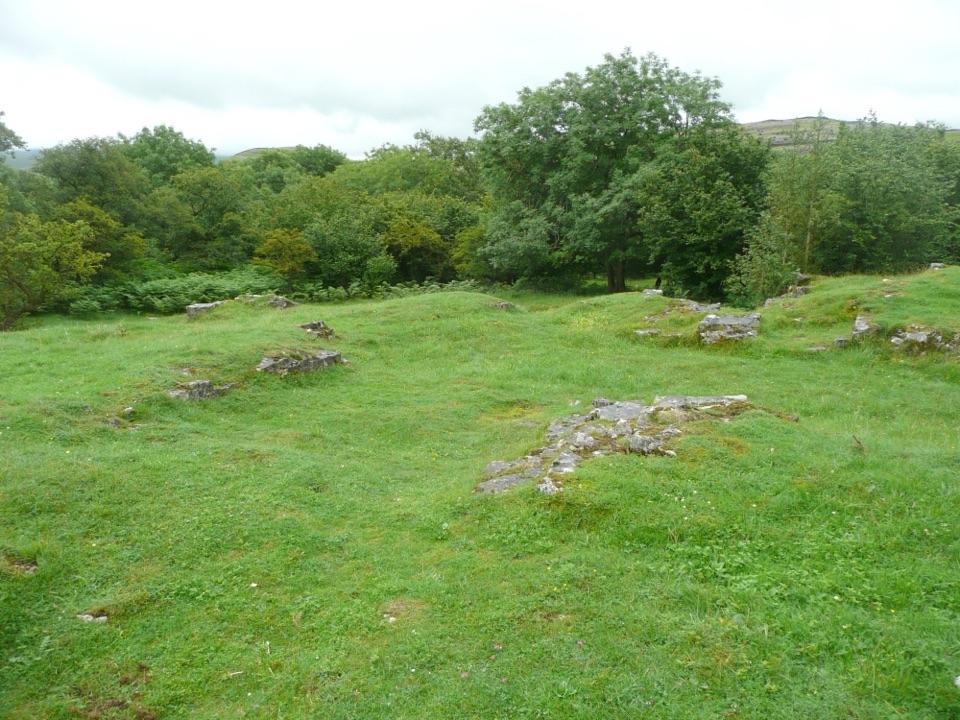
The scheduled industrial complex includes the Craven works and the immediately adjacent Murgatroyd works to the north; they were separate operations. Murgatroyd used a triple-draw kiln, while Craven added two vertical Spencer kilns between 1900 and 1907. The Spencer kilns themselves have gone, but their bases and supporting masonry remain. This wider setting helps explain why ruins and quarry remains continue beyond the famous Hoffmann kiln.
The limestone behind the industryThe quarry cut into Carboniferous limestone on Stainforth Scar.
The quarry cut into Carboniferous limestone on Stainforth Scar. Limestone from the area had long been used for soil improvement, mortar, plaster, and building stone; the Langcliffe works scaled that local resource into a large railway-linked industry. Tramways once carried stone from the quarry to kilns, crushers, and the rail depot, and a covered tramway tunnel survives among the remains.
Wildlife
Wildlife in Yorkshire Dales
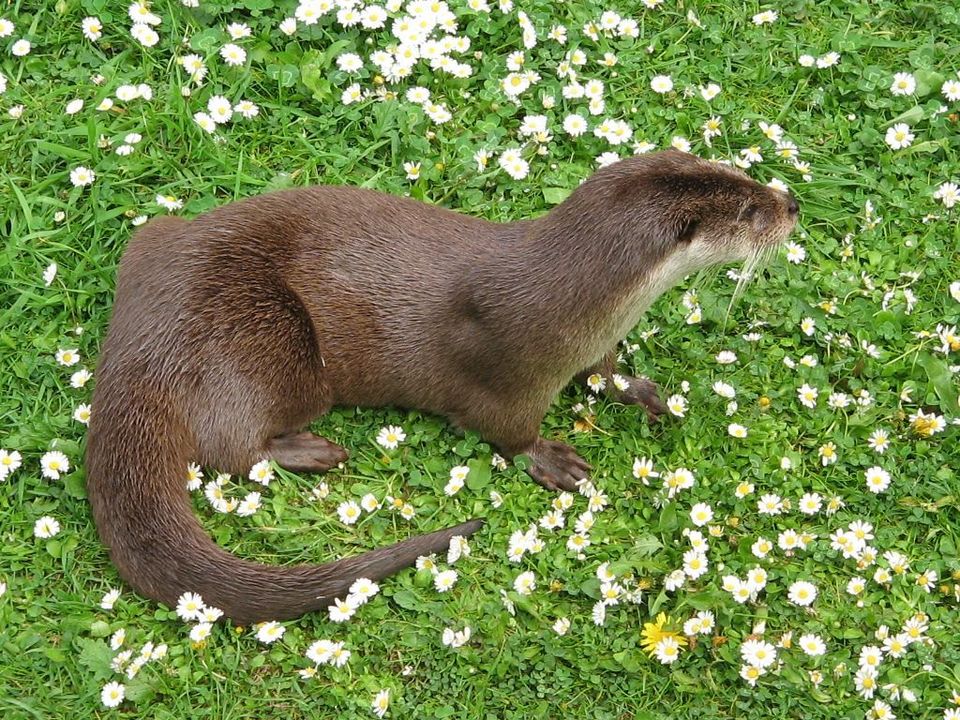 10 sightingsEurasian OtterMost seen around 7 PMSighting map
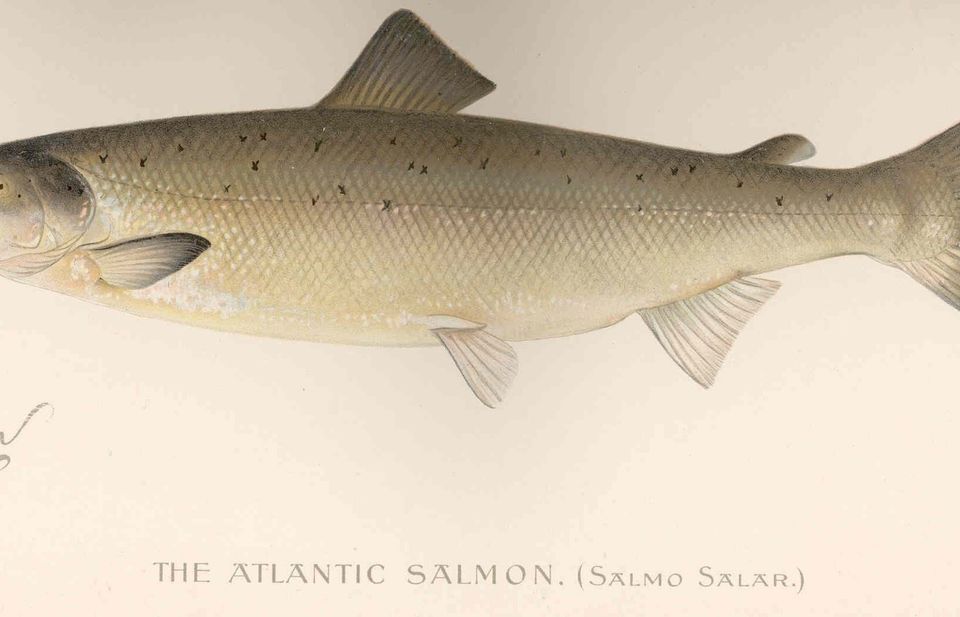 11 sightingsAtlantic SalmonMost seen around 7 AMSighting map
 13 sightingsShort-eared OwlMost seen around 7 PMSighting map
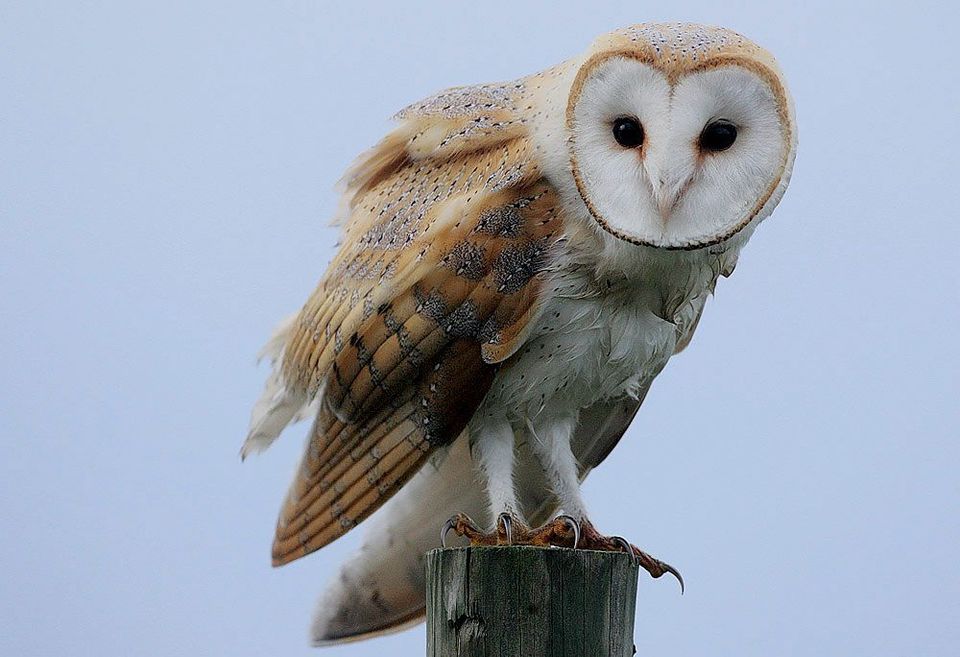 22 sightingsWestern Barn OwlMost seen around 6 AMSighting map
 27 sightingsTawny OwlMost seen around 7 PMSighting map
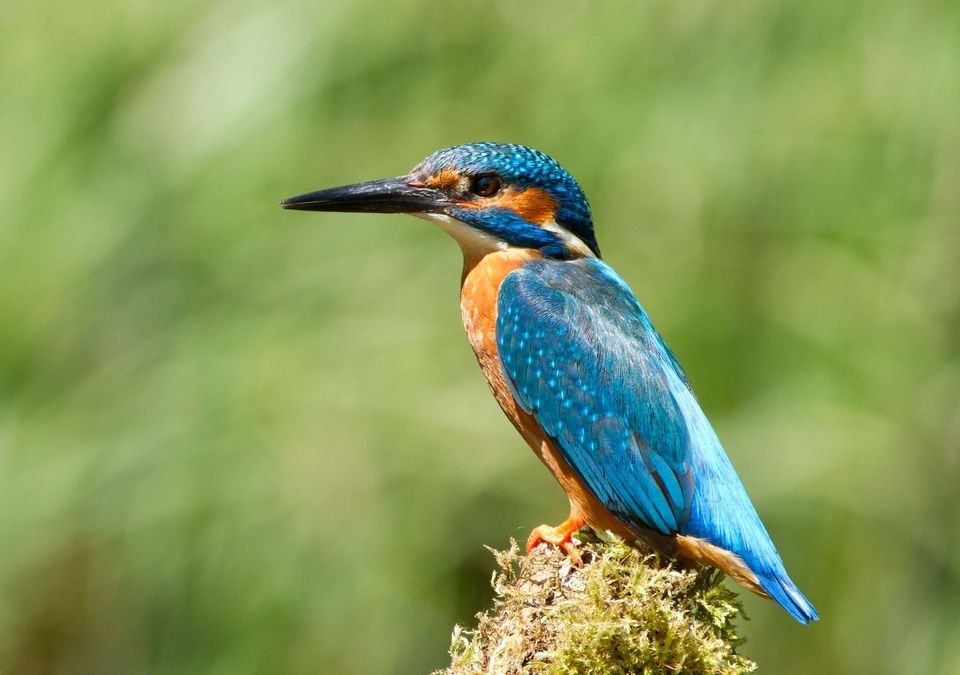 34 sightingsCommon KingfisherMost seen around 7 AMSighting map
Sighting maps show where each species has been reported across Yorkshire Dales. Wildlife moves, so no sighting is guaranteed.