Carroll Homestead

Quiet 1800s homestead with hands-on ranger programs and history
Carroll Homestead, Acadia National Park
InsideAcadia National Park

Why go

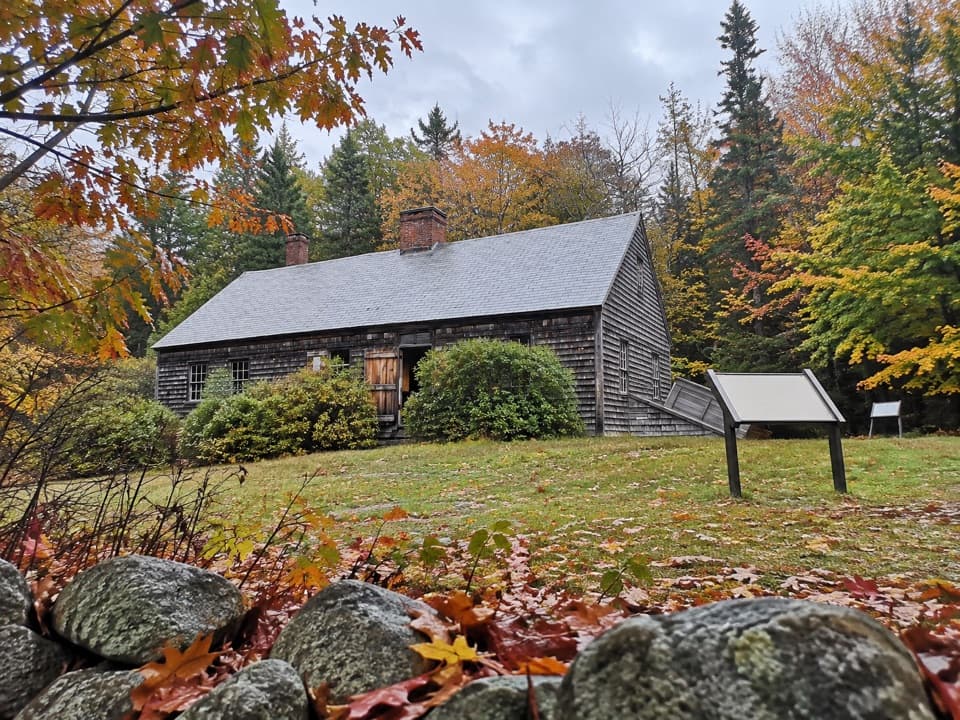
A quiet detour from Acadia’s big viewpoints, Carroll Homestead drops you into daily life on a 19th‑century Maine mountain farm. It’s low‑key, hands‑on, and refreshingly uncrowded—perfect if you like history with your hikes.

What you’ll see

  • The original Mountain House, furnished to reflect late‑1800s/early‑1900s life—no plumbing, no electricity, just the real thing.
  • Open‑house days in summer when rangers (and sometimes Carroll descendants) share stories, demonstrate period tools, and lead old‑time games.
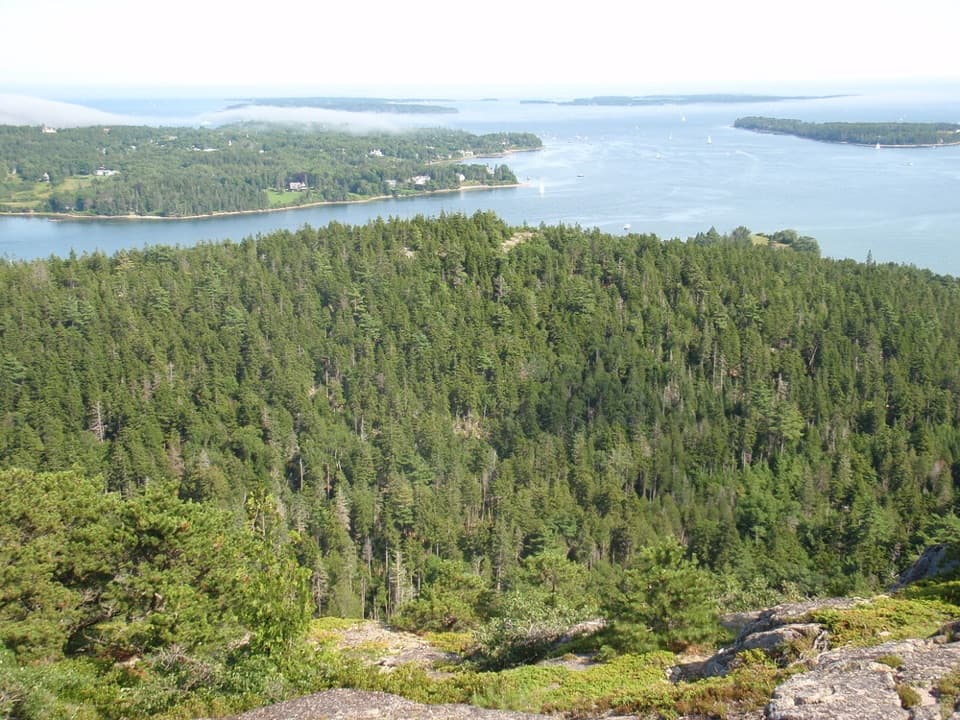
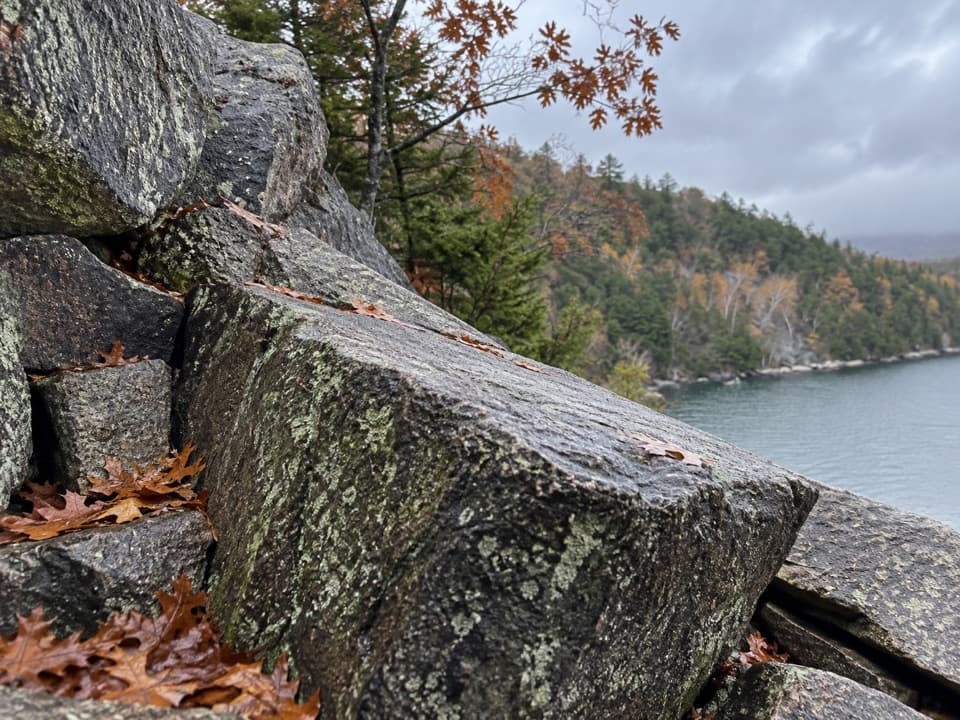
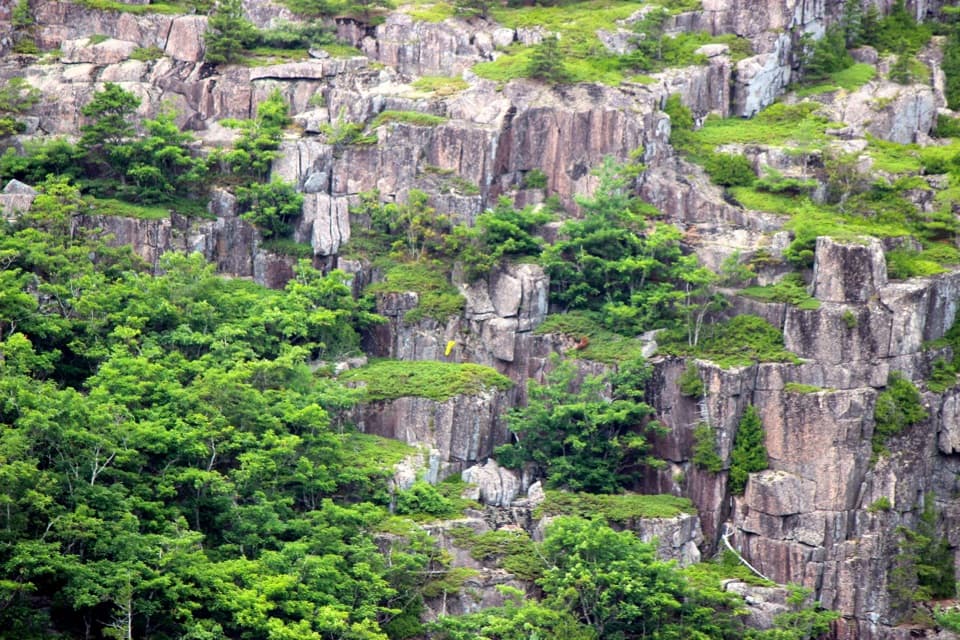
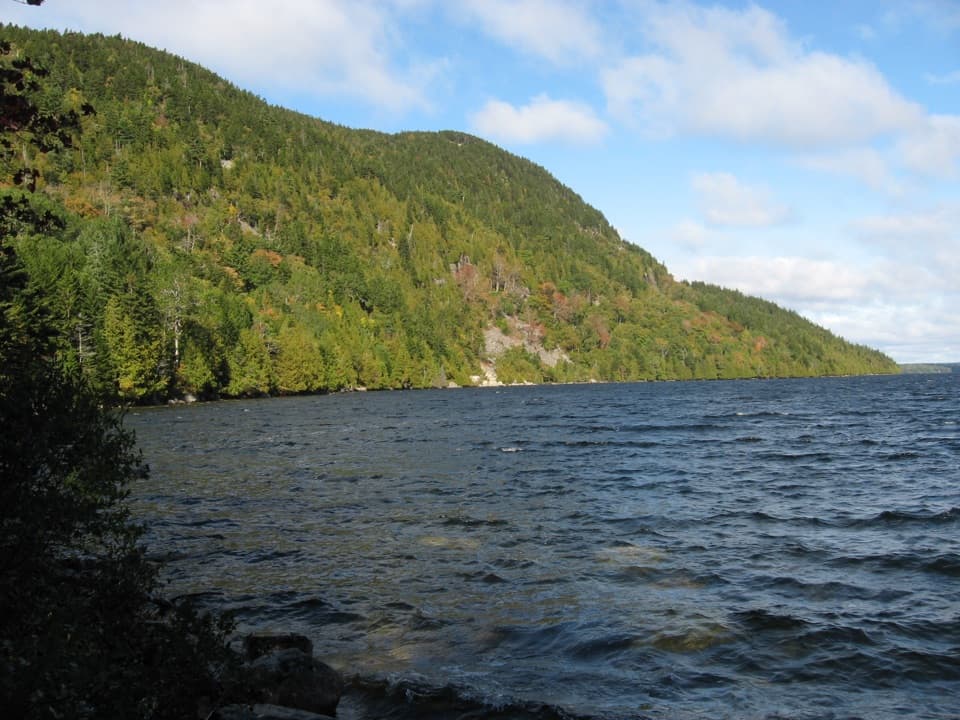
  • A small clearing ringed by woods and rocky ledges at the base of Dog Mountain—more homestead vibes than grand vistas.

Getting there

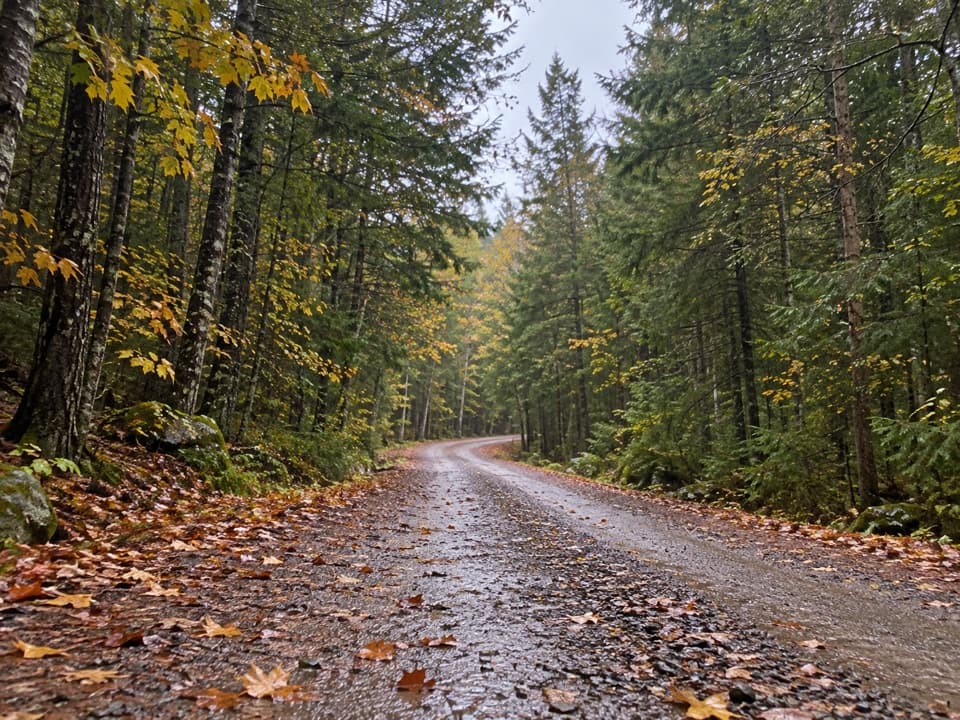
Park along ME‑102 and follow the short, mostly flat 0.25‑mile path from the gate to the house. When the Island Explorer runs, you can request drop‑off/pick‑up on Route 102 by the driveway; if a bus is full, you may need to walk to Echo Lake to board. Expect minimal services at the site.

History in brief

Homesteaded by John Carroll in 1825, this small farm sustained three generations until the family moved into town in 1919. Relatives kept using the place for gatherings and haying before donating it to the park in 1982. Today it’s preserved as a teaching site about early island farming families.

Wildlife

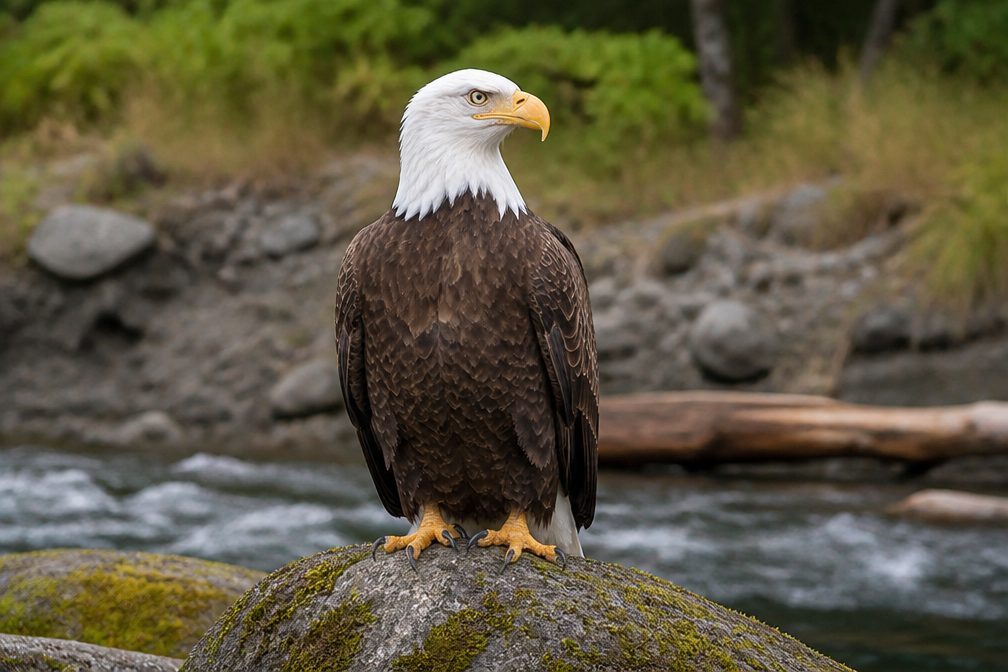
Typical mixed‑forest neighbors wander through: songbirds, chipmunks, squirrels, deer, and the occasional wild turkey. In summer, blueberry bushes and wildflowers draw pollinators around the edges of the clearing.

What to know

  • Grounds are open daylight hours year‑round; interior access is limited to scheduled open houses and programs.
  • There’s basic info on‑site (brochures) and seasonal ranger‑led activities—check the park calendar for dates.
  • Facilities are sparse: think small parking area and a portable toilet. Bring water and bug spray.

Best time to visit

  • Summer program days (often mid‑week and some September Saturdays) make the visit—arrive a little early to catch talks and activities.
  • For a quiet walk and soft light, aim for early morning or late afternoon on non‑program days.
  • After rain, expect wet, rooty sections on the short approach.

Pros

  • Interactive ranger programs with 1800s games and tool demos
  • Authentic 19th‑century farmhouse occasionally open to walk through
  • Short, flat 0.25‑mile approach from the parking area

Cons

  • House interior is open only on select summer days
  • Unpaved path can be muddy and uneven after rain

Tips

  • Check the park calendar for open-house days; that’s when the interior is open and programs run.
  • If using the Island Explorer, request a drop-off at the driveway; full buses may require walking to Echo Lake to board.
  • Bring water, bug spray, and sturdy shoes—the approach is short but rooty and can be muddy.
  • Plan a quick stop (30–60 minutes) unless you’re staying for a ranger program.
  • Dogs are allowed on a 6‑foot leash.
The Parkwolf tour guide sitting on a phone mounted in a car

Parkwolf Tour Guide

Like a tour guide in your car.

Save the places you found around Acadia, then let Parkwolf guide the drive between them.Download Parkwolf on the App Store