Blue Gum Forest

Cathedral of blue gums deep in the Grose Valley
Blue Gum Forest, Blue Mountains National Park
InsideBlue Mountains National Park

Overview

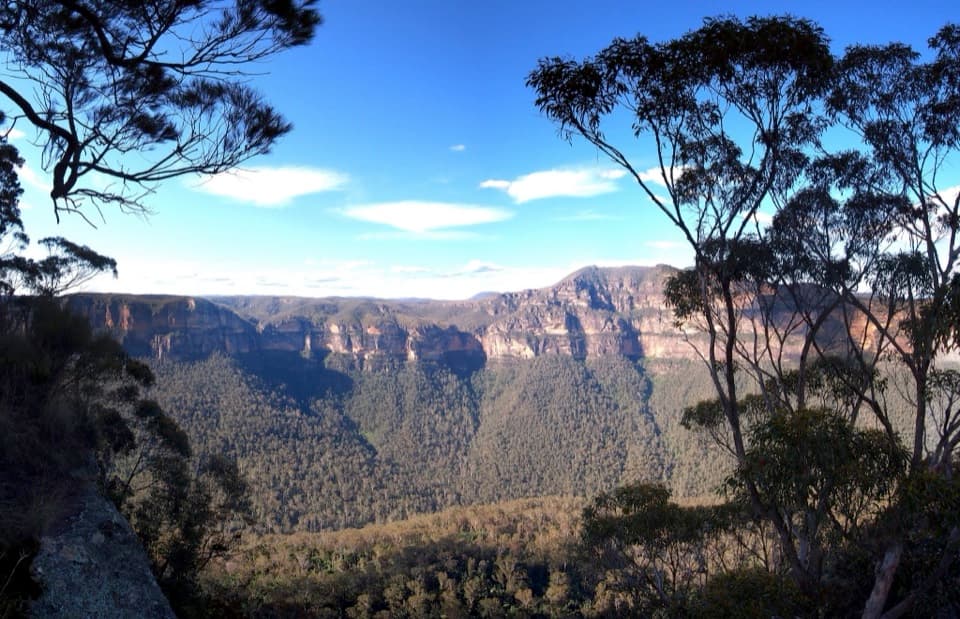
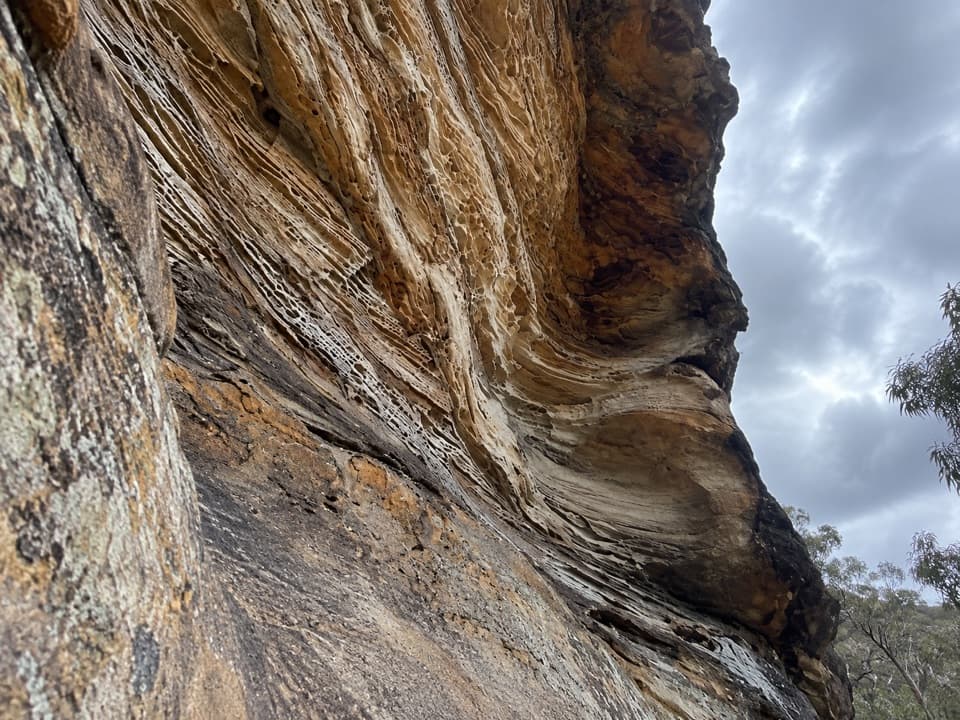
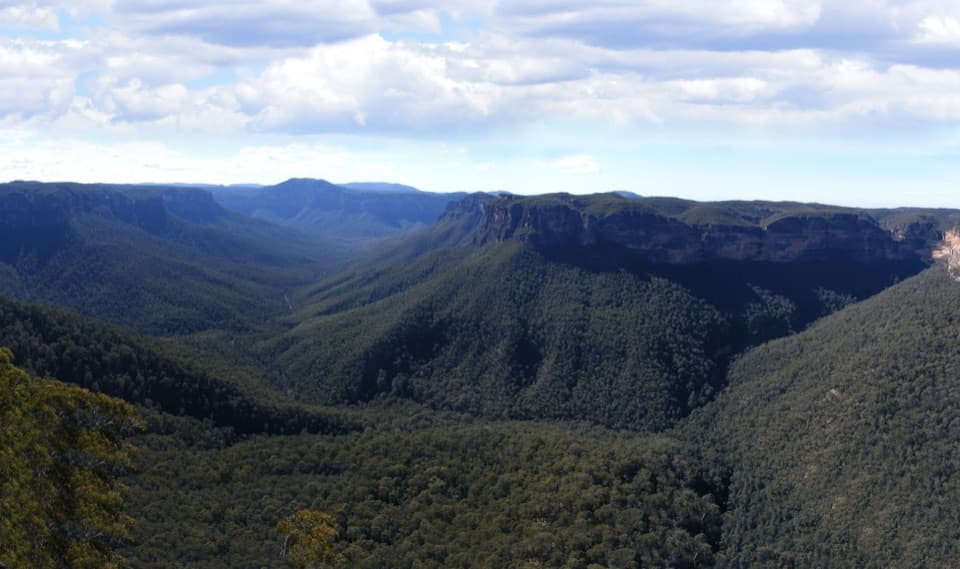
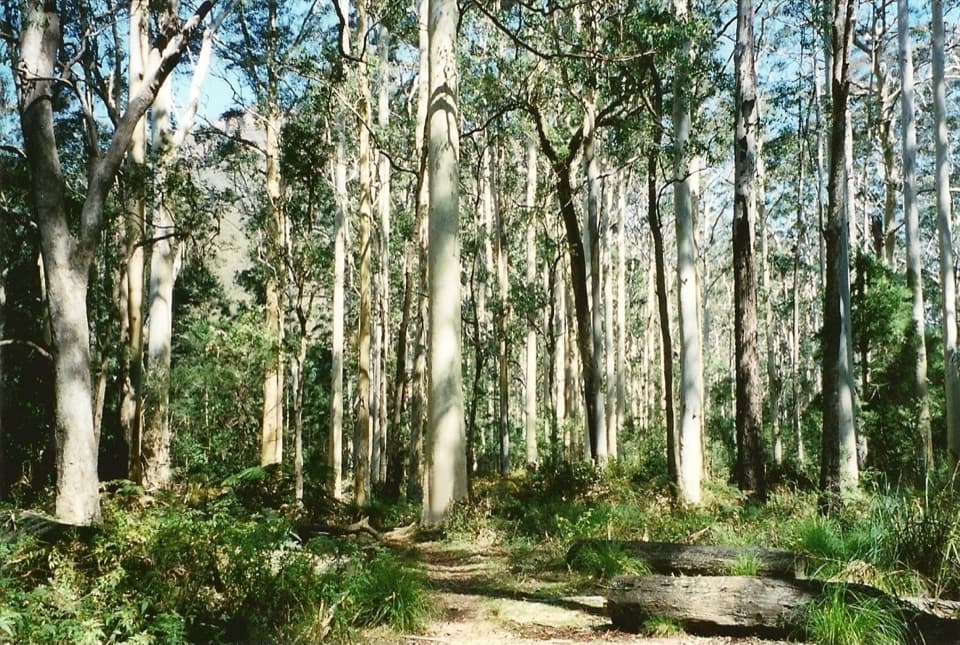
Deep in the Grose Valley, Blue Gum Forest is the park’s cathedral: soaring Eucalyptus deanei columns, soft leaf litter underfoot, and cliffs rising in sandstone walls around you. It’s remote, quiet, and feels worlds away—exactly why bushwalkers revere it.

What You’ll See

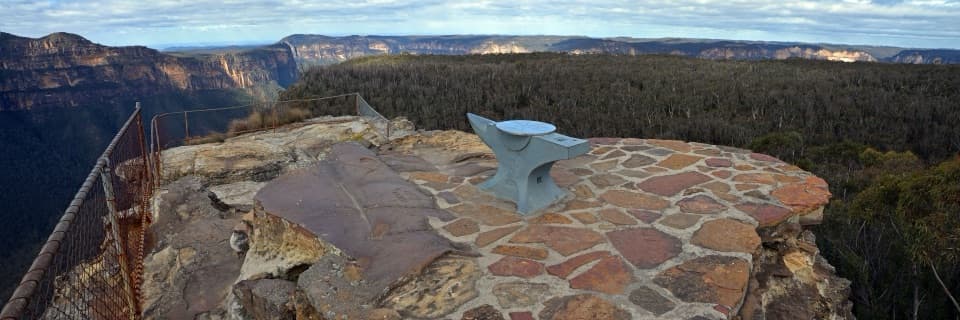
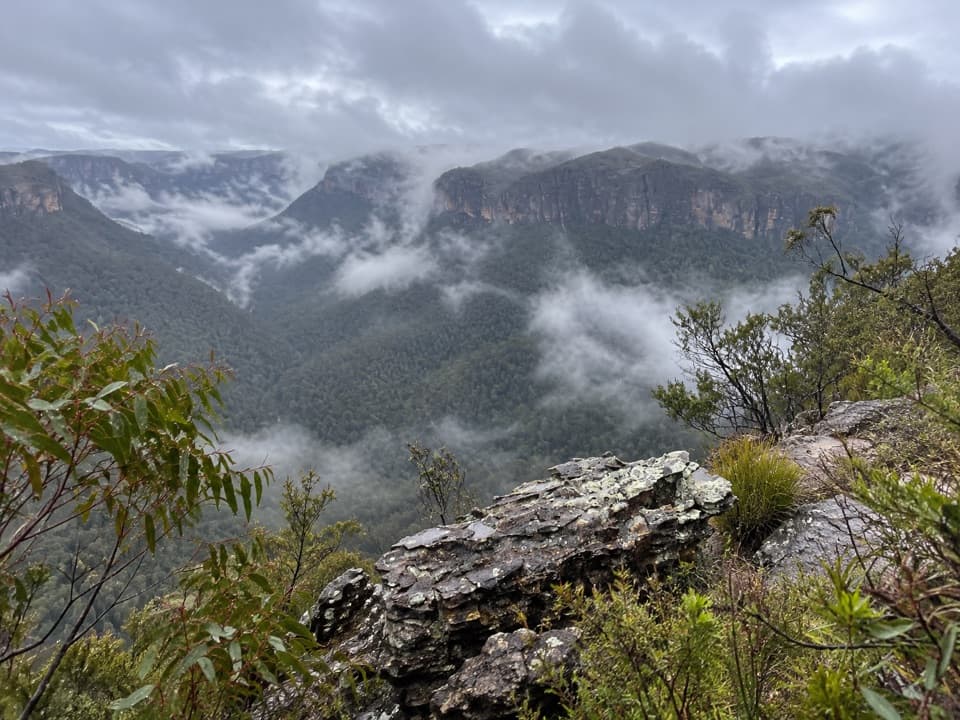
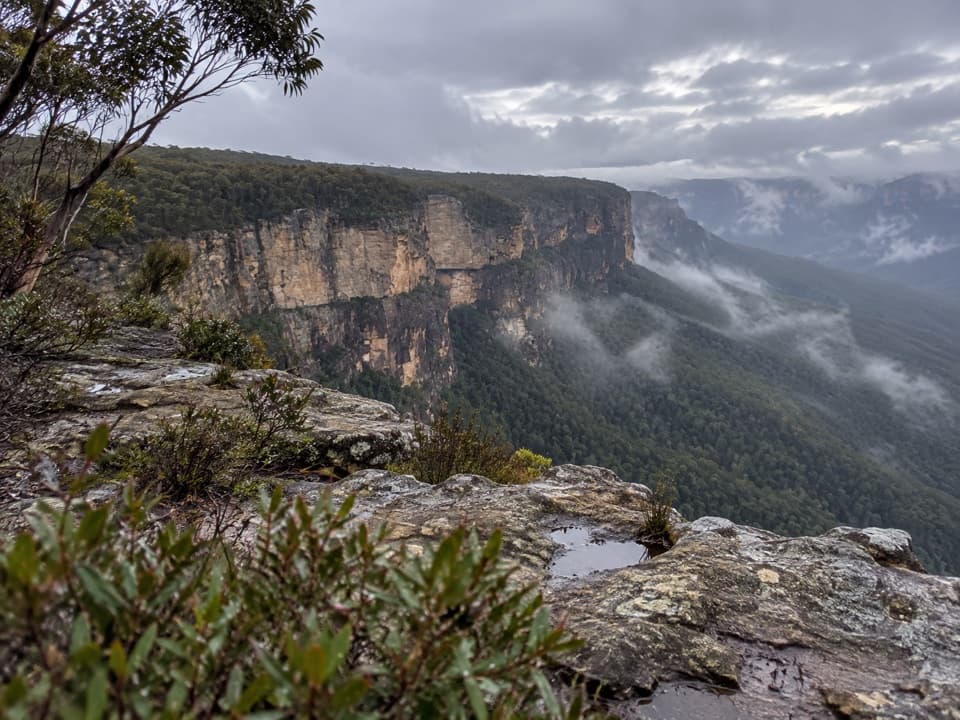
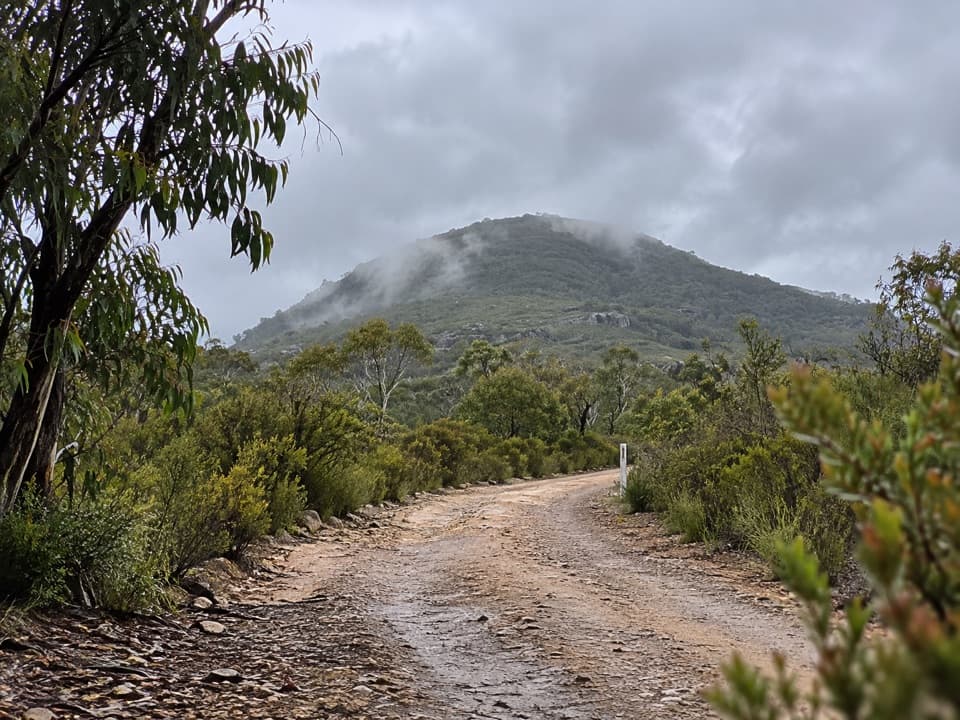
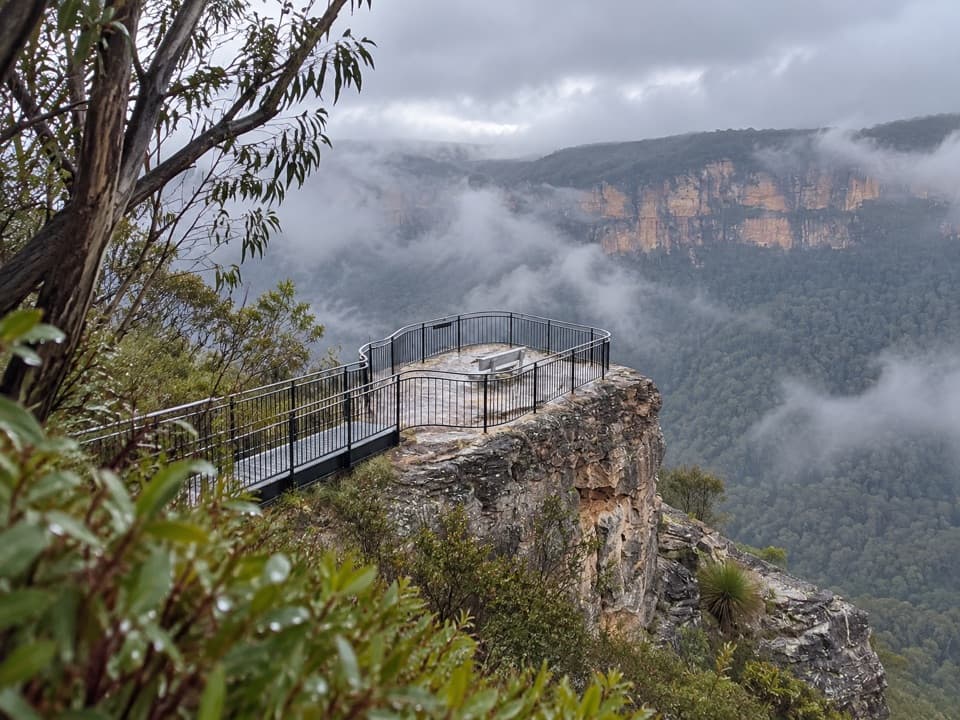
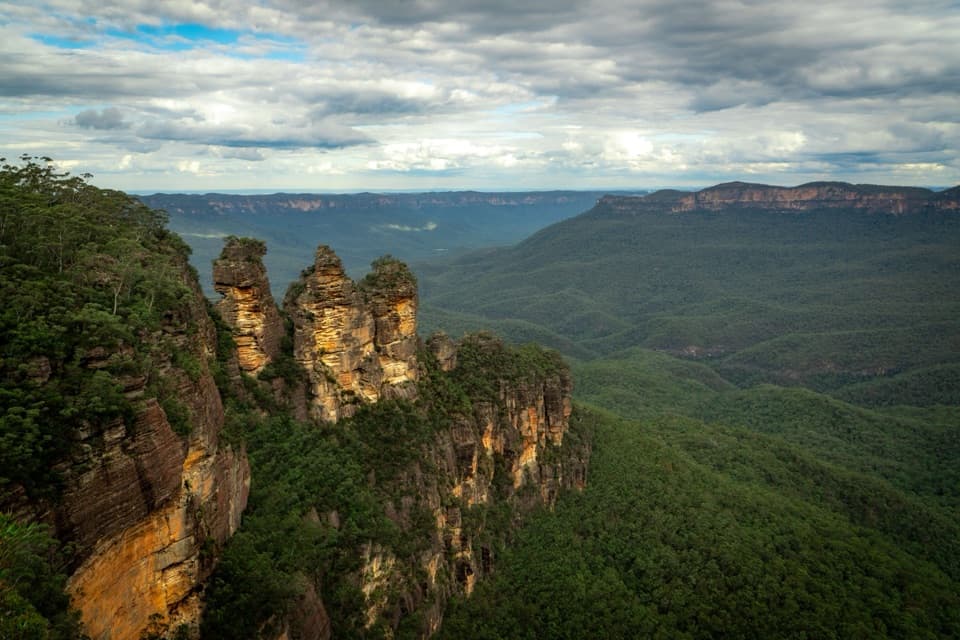
Expect a broad, shaded river flat framed by dramatic cliffs, with Govetts Creek and the Grose River nearby. Light filters through tall blue gums, with ferny understory and mossy ground—great for photography and lingering breaks.

Getting There

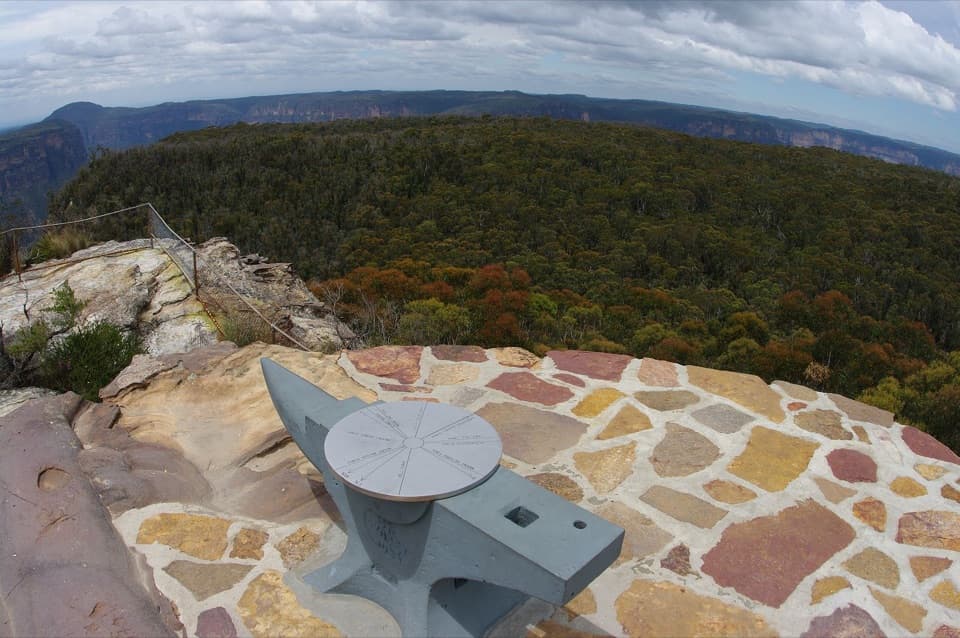
There’s no road access—only hiking tracks. The most-used approach descends steeply from Perrys Lookdown (around 600 m down to the valley floor). Another hard option comes via Pierces Pass, which includes a Grose River crossing. Every route means a big climb out, so plan your time and energy accordingly.

Wildlife

Birdlife thrives here—listen for lyrebirds, parrots, and honeyeaters moving through the canopy and creeklines. With patience and quiet steps you may also spot wallabies and other small mammals in this healthy valley ecosystem.

Why It Matters

This forest is an Australian conservation touchstone. In the 1930s, bushwalkers banded together to save it from logging—one of the country’s earliest grassroots preservation efforts. That legacy is part of the magic you feel when you step beneath the gums.

Practicalities

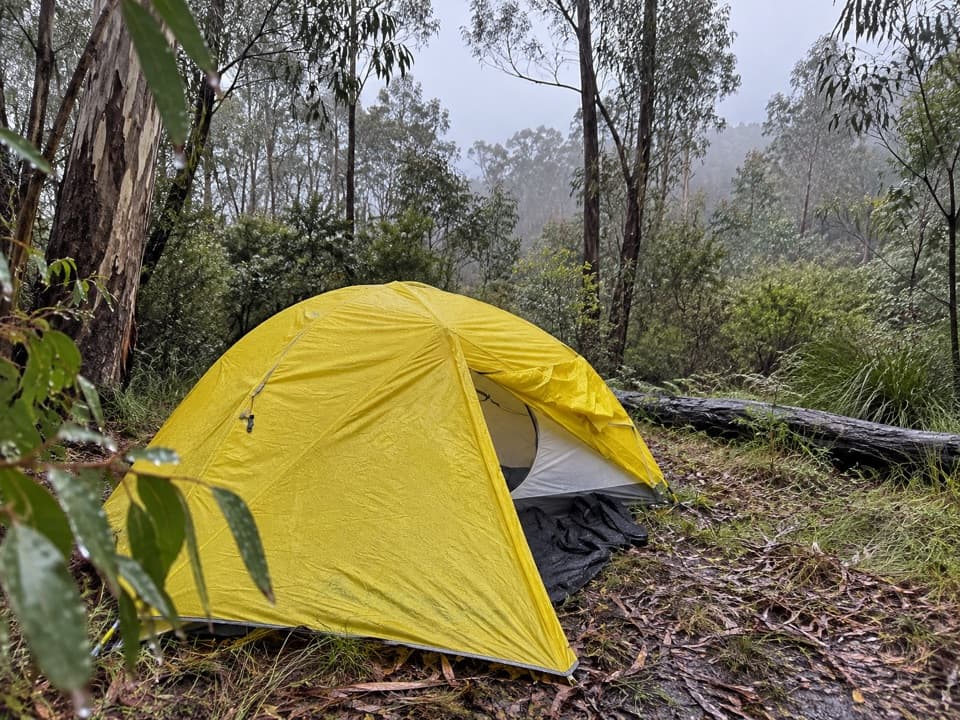
There are no facilities at Blue Gum Forest—no toilets, water, or tables. Use nearby Acacia Flat campground if you’re staying overnight (camping in the forest itself is discouraged to protect it). Tracks can be rough, slippery after rain, and slow-going.

Best Time to Visit

Year-round works, but spring brings wildflowers and lively creeks, while winter often adds moody mist and quieter trails. Weekdays are typically calmer than weekends. Start early for cooler temperatures and softer light filtering through the canopy; avoid hot mid-afternoons and reconsider river-crossing routes after heavy rain.

Pros

  • Towering cathedral of blue gums on a serene valley floor
  • Rich conservation history and a classic bushwalking destination

Cons

  • Steep, strenuous access with big elevation loss and gain
  • No facilities at the site; fully self-sufficient visit

Tips

  • Start early—every route in and out involves a long, steep climb.
  • Carry ample water, food, warm layers, and navigation; there’s no water or services.
  • If coming via Pierces Pass, check river levels and avoid after heavy rain.
  • Use Acacia Flat campground for overnights; don’t camp in the forest itself.
  • Plan generous time for the exit climb; pace yourself and take breaks.
The Parkwolf tour guide sitting on a phone mounted in a car

Parkwolf Tour Guide

Like a tour guide in your car.

Save the places you found around Blue Mountains, then let Parkwolf guide the drive between them.Download Parkwolf on the App Store