Best time to go
To protect pelican fledglings, the cove is generally closed January through October. Plan visits for the short open window outside that period, and be ready to adjust for swell and surge that can wash the reef even at lower tides.

Beach · Channel Islands National Park
Remote boat-in tidepools on West Anacapa's cobble beach
Overview
Frenchy's Cove is a small cobblestone beach and anchorage on the north side of West Anacapa. It’s the rare spot where you can go ashore on this islet, but it’s only reachable by boat. Expect a wild, undeveloped landing framed by volcanic cliffs and reef platforms.
Map
Local know-how
Boat access only—confirm current closures and conditions before you commit.
Use your boat’s restroom; there are no facilities on the beach.
Wear sturdy footwear for slick cobbles and reef platforms.
Expect a wet landing; keep essentials in dry bags.
Pack out all trash and give seabirds a wide berth.
Plan your stop

The highest, rockiest slopes around here are a summer buffet for grizzly bears.
Channel Islands Tour Guide
Parkwolf is a GPS audio tour guide for Channel Islands National Park. As you drive, it chimes in with what’s ahead: hidden gems, upcoming stops, history, geology, and wildlife, right through your car’s speakers.
See the Channel Islands audio tourRecorded for this place
Frenchy's Cove: Anacapa's Remote Tidepools“For those of you making the trip to Frenchy's Cove, you're heading to a pretty special place. This is one of the only spots where you're allowed to land on West Anacapa.”
Plays as you drive up to Frenchy’s Cove in the Parkwolf Channel Islands Tour Guide.
More stories near here in the app
“Fantastic app with many points of information… It’s great to just turn on while you’re driving and it gives you an audio tour of the national Park. We love it!!!!”


Guide
The draw here is at your feet: tidepools teeming with limpets, anemones, mussels, and other intertidal life. Level volcanic rock platforms and a rocky reef border the cove, with dramatic coastal scenery and frequent seabird activity overhead.
This is sensitive seabird habitat—especially for brown pelicans—and a protected marine area rich in intertidal species. You may also spot seals or sea lions offshore. Respect closures and keep a conservative distance from wildlife.
The cove is named for Raymond “Frenchy” LeDreau, a legendary fisherman-hermit who lived on Anacapa for decades. The site has seen its share of island lore and shipwreck stories, adding a layer of intrigue to an already rugged setting.
There are no restrooms, water, shade, or services—use facilities on your boat before landing and pack out everything. Wear sturdy footwear for slippery cobbles, bring sun protection, and expect a wet landing. Conditions can change quickly; land only when it’s safe.
Aim for the open months outside the nesting closure—typically November and December. Pick calm-weather windows for safer landings and clearer tidepooling, and time your visit around favorable tides to see more intertidal life.
Wildlife
 2,232 sightingsIsland FoxMost seen around 6 PMSighting map
 282 sightingsHumpback WhaleMost seen around 9 AMSighting map
 79 sightingsBlue WhaleMost seen around 7 AMSighting map
 101 sightingsGrey WhaleMost seen around 8 AMSighting map
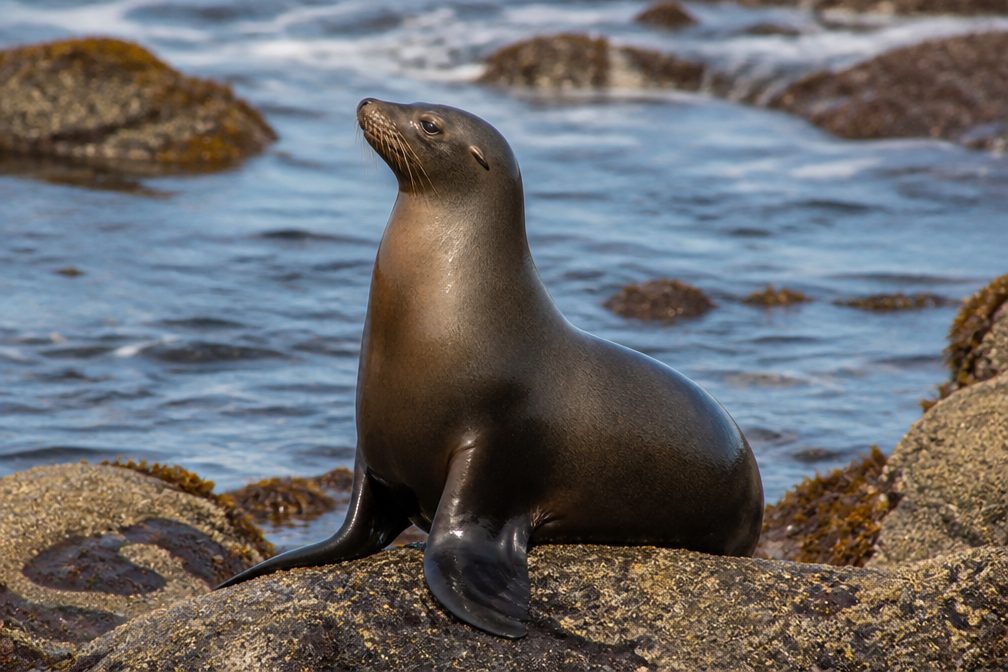 364 sightingsCalifornia Sea LionMost seen around noonSighting map
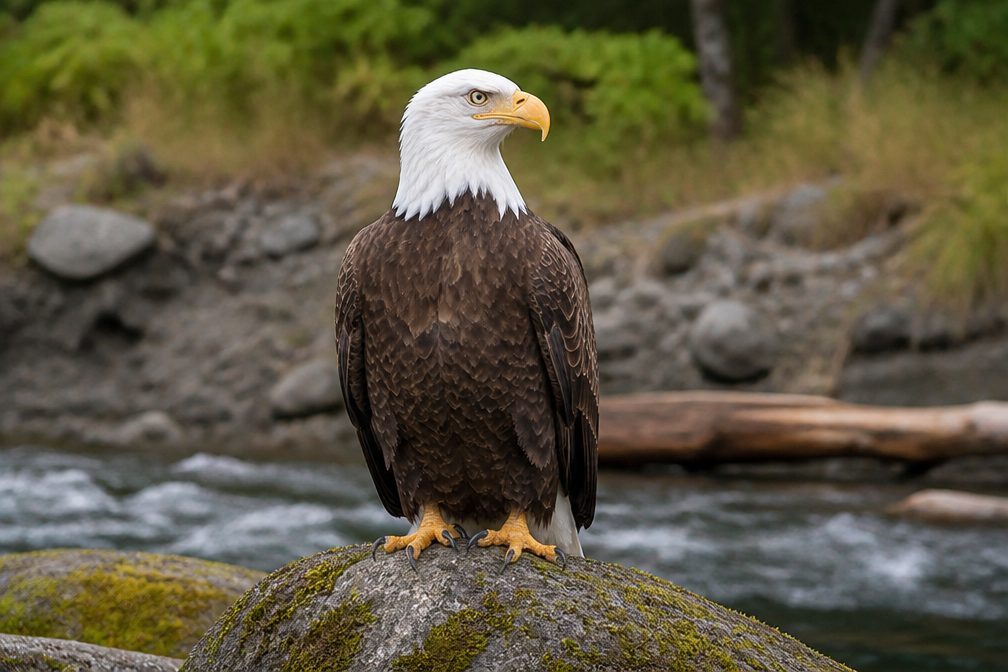 105 sightingsBald EagleMost seen around 5 PMSighting map
Sighting maps show where each species has been reported across Channel Islands. Wildlife moves, so no sighting is guaranteed.
Keep exploring
 EasyAnacapa Island Loop Trail2.3 mi · 1.5 hr · 2.8 mi awayFull figure-eight walk across East Anacapa to Inspiration Point, Cathedral Cove, Pinniped Point, and the historic lighthouse
 EasyLighthouse Overlook Trail0.5 mi · 30 min · 2.8 mi awayShort, easy walk to classic lighthouse views over sea cliffs
 EasyInspiration Point Trail1.5 mi · 1.3 hr · 2.8 mi awayEasy 1.5-mile loop from the Anacapa visitor center to the park's signature ocean overlook.
 Sight · 0.7 mi awayAnacapa IslandCliff-top island of arches, gulls, and sweeping ocean views
 Sight · 1.4 mi awaySS Winfield Scott (shipwreck)Shallow Gold Rush wreck amid Anacapa’s kelp forests
 Sight · 2.1 mi awayInspiration PointAnacapa’s classic cliff-edge panorama of islands and Pacific
 Sight · 2.5 mi awayCathedral CoveClifftop window onto kelp forests, sea caves, and marine life
 Campground · 2.5 mi awayAnacapa Island CampgroundRemote bluff‑top camping with big ocean views and nesting seabirds
 Sight · 2.5 mi awayEast Anacapa IslandClifftop lighthouse views, seabirds, and spring wildflowers above the Pacific
 Ranger station · 2.8 mi awayAnacapa Island Ranger StationCliff‑top ranger hub with exhibits, views, and gull drama
 Sight · 2.9 mi awayLanding CoveCliffside dock and ladder to Anacapa’s kelp-filled playground
Parkwolf’s Channel Islands ranking

The audio tour guide for the drive, plus offline maps, trails, and wildlife heatmaps for when the signal drops.


