Best time to visit
There are no set hours—trips hinge on marine conditions. Aim for calm weather and decent visibility; local operators will target the best windows. Weekday vs. weekend crowds don’t really apply out here, but popular boats do fill.

Sight · Channel Islands National Park
Shallow Gold Rush wreck amid Anacapa’s kelp forests
Overview
The SS Winfield Scott Shipwreck rests just off Middle Anacapa Island, a shallow-water site where history and kelp forest ecology collide. This 1850s sidewheel steamer wrecked here in fog, and today its scattered remains sit beneath the surface within protected waters. It’s not a showpiece hull; think atmospheric fragments in a living reef.
This was a major Gold Rush–era passenger steamer; all aboard survived the 1853 grounding, and the site is listed on the National Register of Historic Places. It’s a protected archaeological resource inside both the national park and the surrounding marine sanctuary, so look, photograph, and leave everything exactly as found.
 Parkwolf’s verdictWhy It Matters
Map
Local know-how
Access is by boat only—there are no facilities on-site.
Dive with an operator familiar with the site and fly a dive flag.
Wear proper cold-water exposure protection; conditions change quickly.
Do not remove or disturb artifacts; the wreck is federally protected.
Expect kelp; carry a small cutting tool for entanglement safety.
Plan your stop

The highest, rockiest slopes around here are a summer buffet for grizzly bears.
Channel Islands Tour Guide
Parkwolf is a GPS audio tour guide for Channel Islands National Park. As you drive, it chimes in with what’s ahead: hidden gems, upcoming stops, history, geology, and wildlife, right through your car’s speakers.
See the Channel Islands audio tourRecorded for this place
SS Winfield Scott Shipwreck Site“The waters near Middle Anacapa Island hold a really interesting piece of history: the wreck of the SS Winfield Scott. It was a Gold Rush-era steamship that hit the rocks here in the fog back in 1853.”
Plays as you drive up to SS Winfield Scott (shipwreck) in the Parkwolf Channel Islands Tour Guide.
More stories near here in the app
“Fantastic app with many points of information… It’s great to just turn on while you’re driving and it gives you an audio tour of the national Park. We love it!!!!”


Guide
Expect bits of iron machinery, copper fastenings, and timbers spread across a sand-and-rock bottom, often draped in kelp. On a good day, the interplay of sunbeams, kelp canopy, and relics is gorgeous. On a murky one, you might swim right past it—so go for the history-meets-habitat vibe, not a pristine wreck silhouette.
The wreck sits in classic Channel Islands kelp forest. You’re here for garibaldi-orange pops, bass and rockfish cruising the fronds, and the occasional curious harbor seal or sea lion. Even if the wreckage underwhelms, the kelp forest diving is often the main event.
If you’re a diver who loves layered stories—maritime history stitched into a living reef—yes. If you’re chasing intact ship profiles, temper expectations: this is the “wreck of a wreck,” more mood and marine life than marquee structure.
Wildlife
 2,232 sightingsIsland FoxMost seen around 6 PMSighting map
 282 sightingsHumpback WhaleMost seen around 9 AMSighting map
 79 sightingsBlue WhaleMost seen around 7 AMSighting map
 101 sightingsGrey WhaleMost seen around 8 AMSighting map
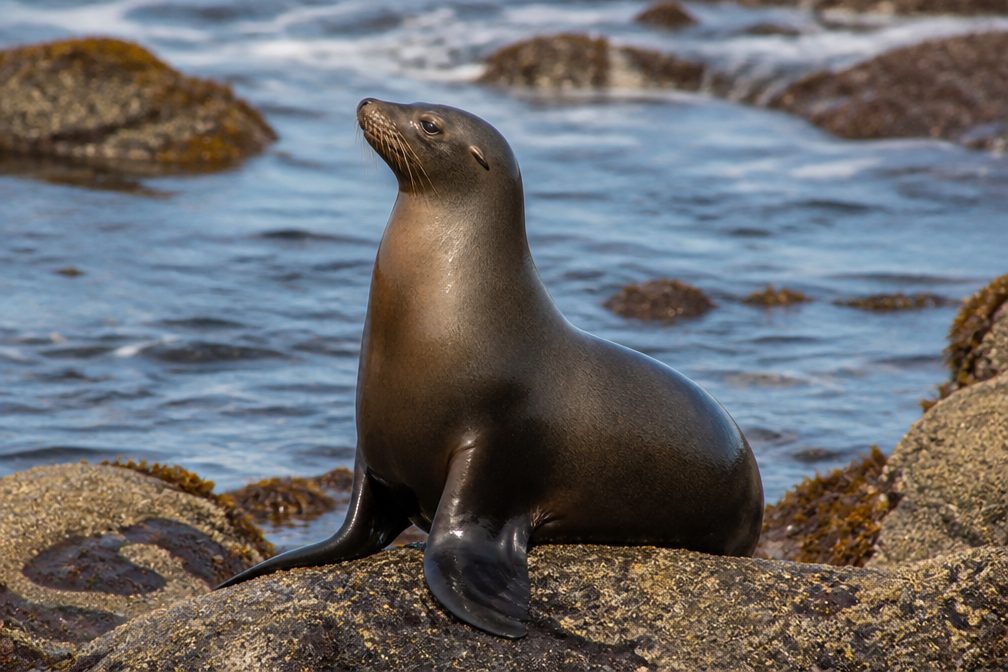 364 sightingsCalifornia Sea LionMost seen around noonSighting map
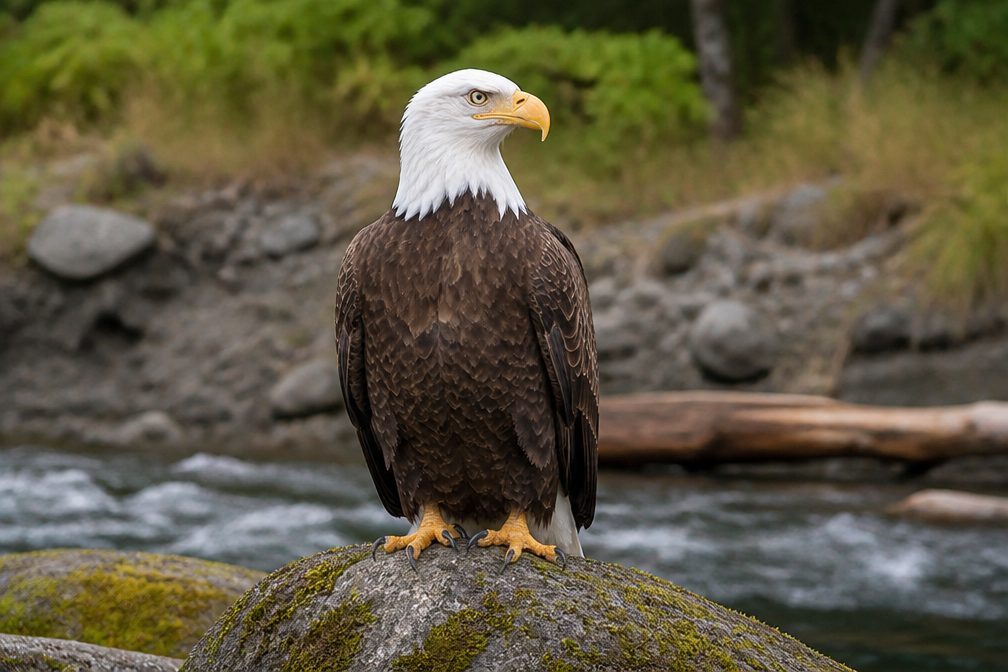 105 sightingsBald EagleMost seen around 5 PMSighting map
Sighting maps show where each species has been reported across Channel Islands. Wildlife moves, so no sighting is guaranteed.
Keep exploring
 EasyAnacapa Island Loop Trail2.3 mi · 1.5 hr · 1.4 mi awayFull figure-eight walk across East Anacapa to Inspiration Point, Cathedral Cove, Pinniped Point, and the historic lighthouse
 EasyLighthouse Overlook Trail0.5 mi · 30 min · 1.4 mi awayShort, easy walk to classic lighthouse views over sea cliffs
 EasyInspiration Point Trail1.5 mi · 1.3 hr · 1.4 mi awayEasy 1.5-mile loop from the Anacapa visitor center to the park's signature ocean overlook.
 Sight · 0.8 mi awayInspiration PointAnacapa’s classic cliff-edge panorama of islands and Pacific
 Sight · 0.8 mi awayAnacapa IslandCliff-top island of arches, gulls, and sweeping ocean views
 Campground · 1.2 mi awayAnacapa Island CampgroundRemote bluff‑top camping with big ocean views and nesting seabirds
 Sight · 1.2 mi awayCathedral CoveClifftop window onto kelp forests, sea caves, and marine life
 Sight · 1.2 mi awayEast Anacapa IslandClifftop lighthouse views, seabirds, and spring wildflowers above the Pacific
 Beach · 1.4 mi awayFrenchy’s CoveRemote boat-in tidepools on West Anacapa's cobble beach
 Ranger station · 1.4 mi awayAnacapa Island Ranger StationCliff‑top ranger hub with exhibits, views, and gull drama
 Sight · 1.5 mi awayLanding CoveCliffside dock and ladder to Anacapa’s kelp-filled playground
Parkwolf’s Channel Islands ranking
The audio tour guide for the drive, plus offline maps, trails, and wildlife heatmaps for when the signal drops.


