Overview
About Lake Marian
Why stop
- The short falls approach is worthwhile even if you skip the steep lake climb.
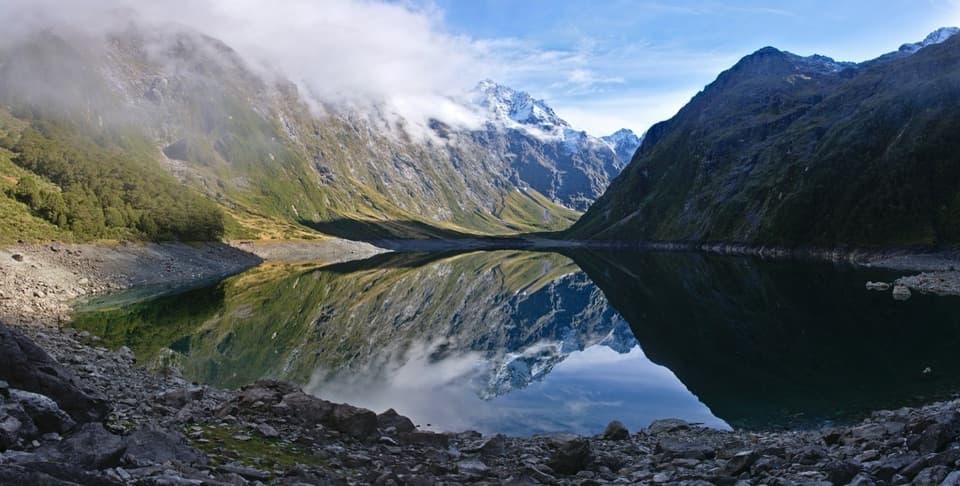
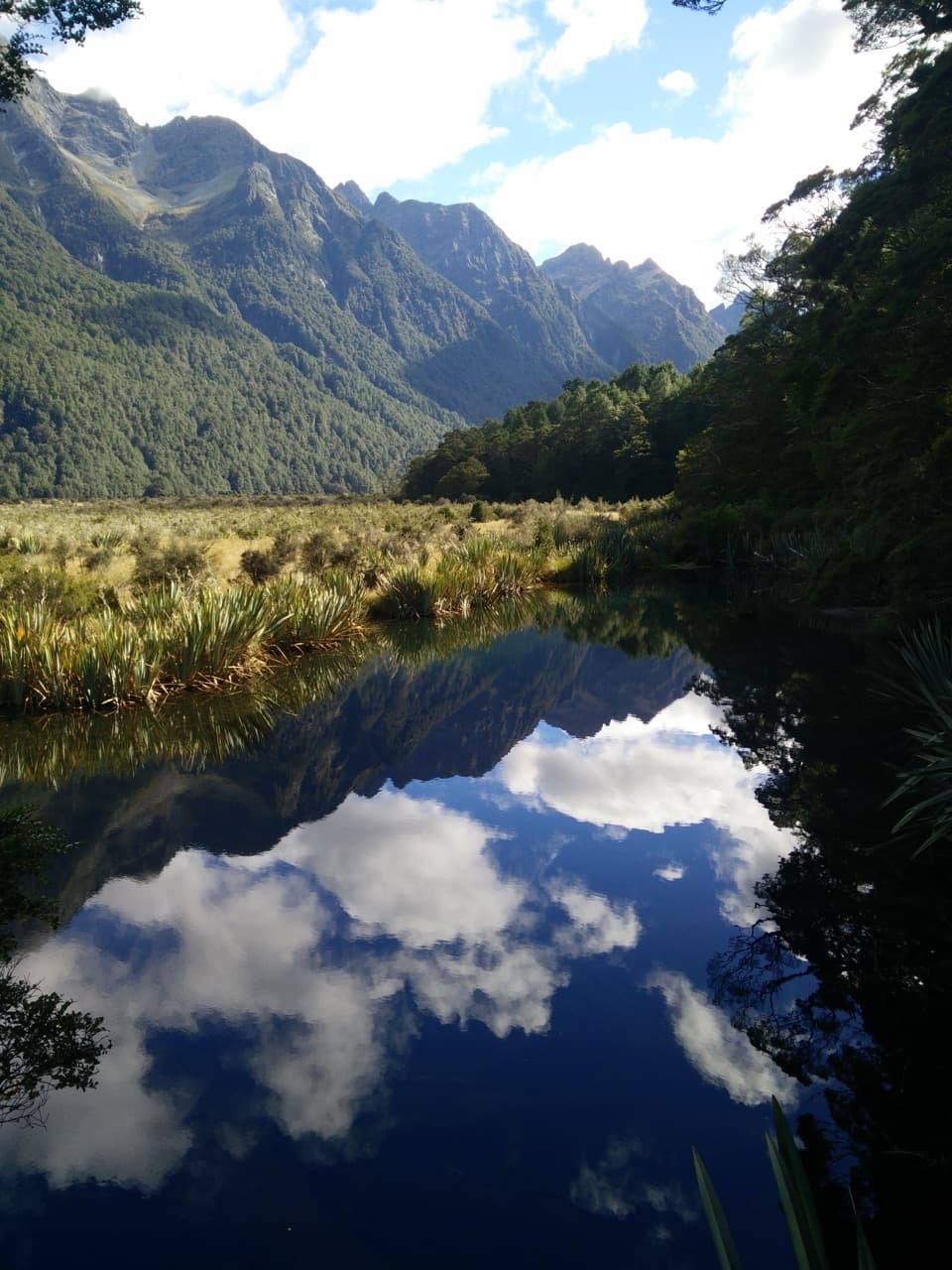
- Calm water can mirror the surrounding peaks.
Heads up
- The rough, steep climb to the lake is a demanding step up from the falls walk.
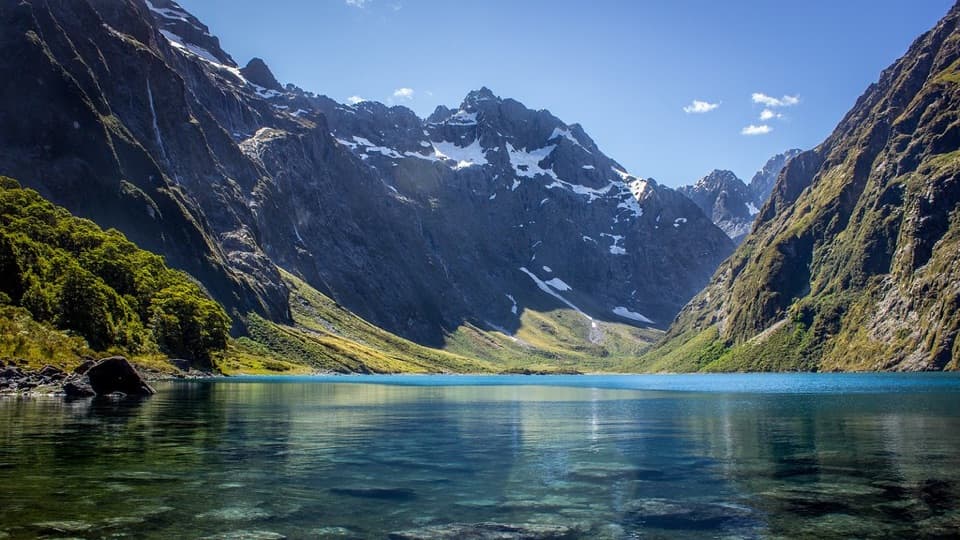
Lake Marian is an alpine lake in a glacial hanging valley beneath the Darran Mountains. Reaching it means a 3.1 km one-way walk from Hollyford Road on a track DOC grades advanced. Set aside at least three hours; many visitors allow three to four for the return walk and time at the lake. This is a rewarding half-day if you want the mountain setting, but it is not a casual leg-stretcher.
 Parkwolf’s verdictIs the lake walk for you?
Map
Where it is
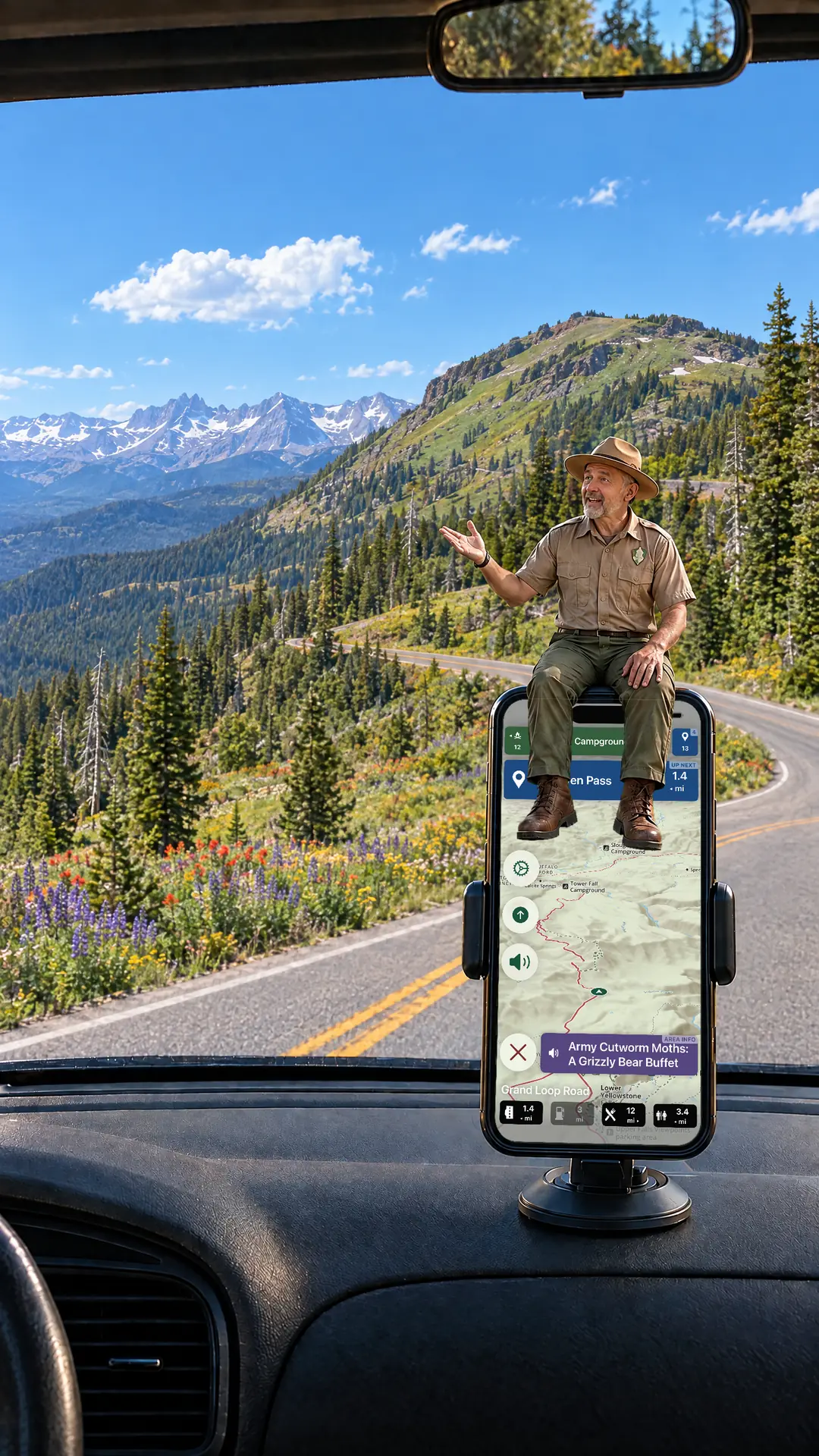
The highest, rockiest slopes around here are a summer buffet for grizzly bears.
Fiordland Tour Guide
Your drive to Lake Marian, narrated.
Parkwolf is a GPS audio tour guide for Fiordland National Park. As you drive, it chimes in with what’s ahead: hidden gems, upcoming stops, history, geology, and wildlife, right through your car’s speakers.
See the Fiordland audio tourRecorded for this place
Lake Marian and the Falls Walk“You're nearing the Lake Marian trailhead, where you can choose a short waterfall walk or a demanding climb to an alpine lake.”
Plays as you drive up to Lake Marian in the Parkwolf Fiordland Tour Guide.
More stories near here in the app
- Pop's View Lookout
- Christie Falls
- The Stone That Lets Light Through
- A Bat That Walks
- 112 audio storiesacross Fiordland’s roads, triggered by GPS as you drive
- Wildlife heatmapsfor Kea, Fiordland Penguin, Blue Duck, and 13 more
- Works offlinemaps, 77 trails, 102 places, and audio download before you lose signal
- CarPlay readysimple controls built for the drive
“Fantastic app with many points of information… It’s great to just turn on while you’re driving and it gives you an audio tour of the national Park. We love it!!!!”


Guide
More about Lake Marian
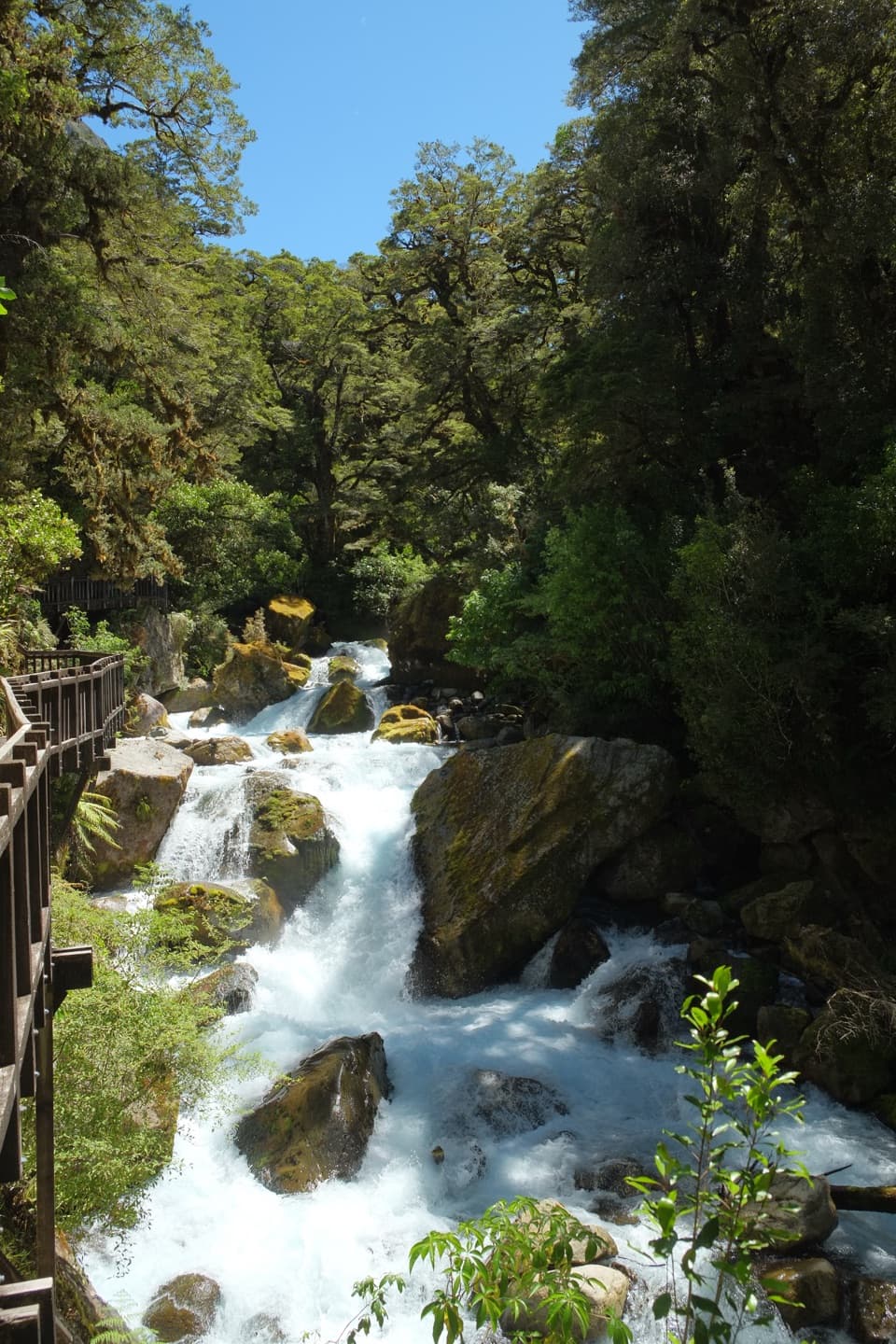
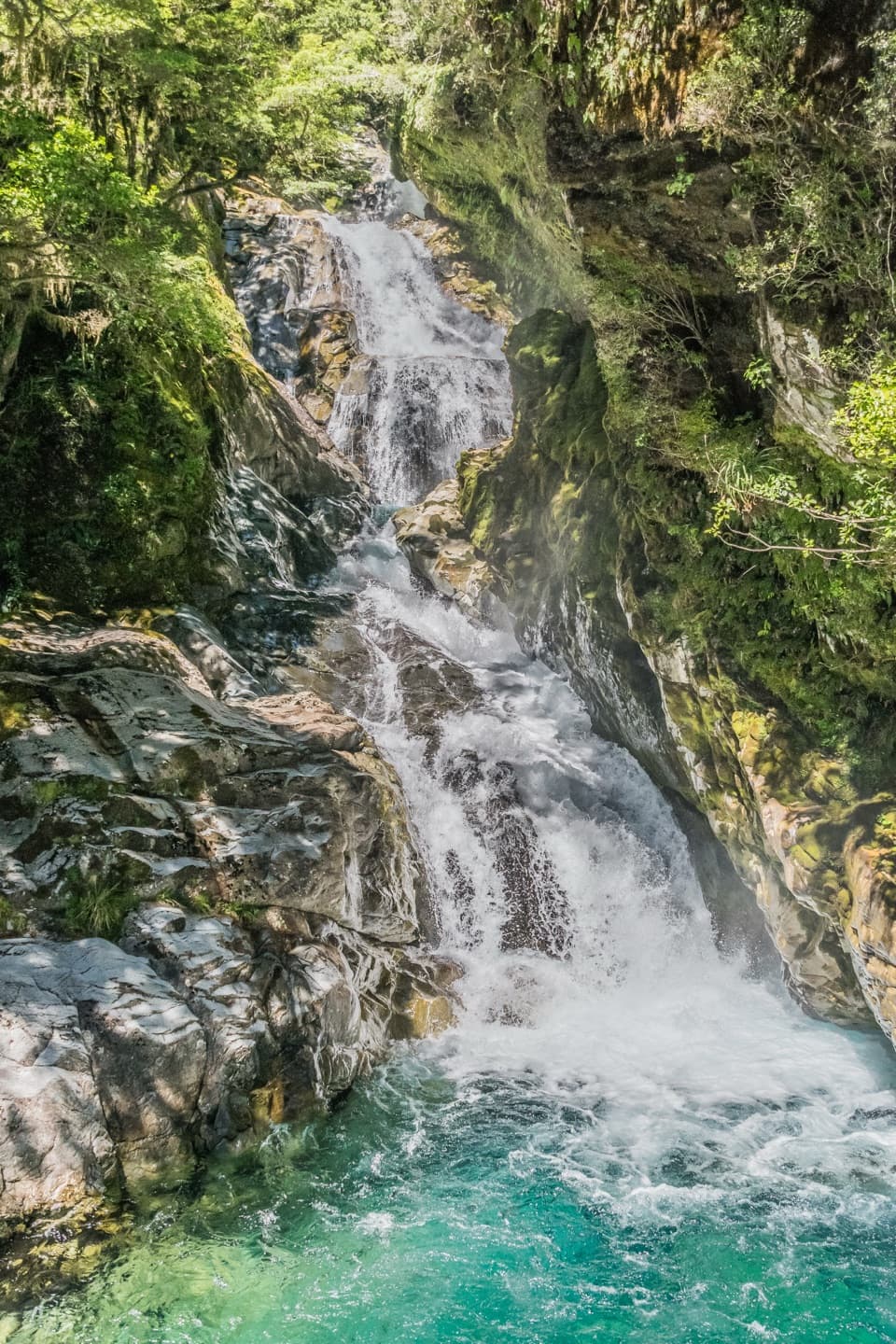
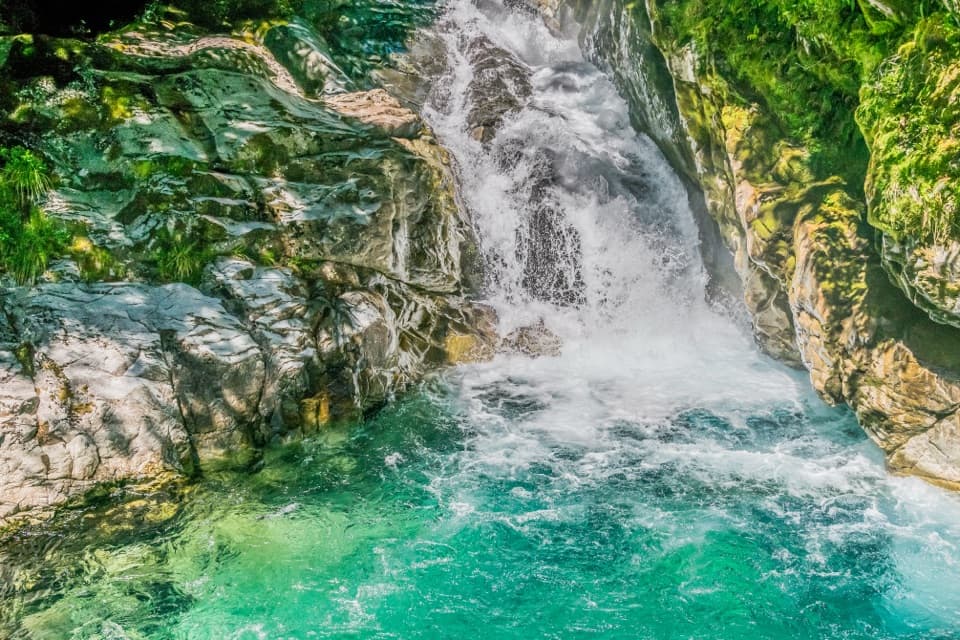
Pick the falls or the full climbThe first 10 minutes cross a swingbridge to Marian Falls and a viewing platform, an easy short…
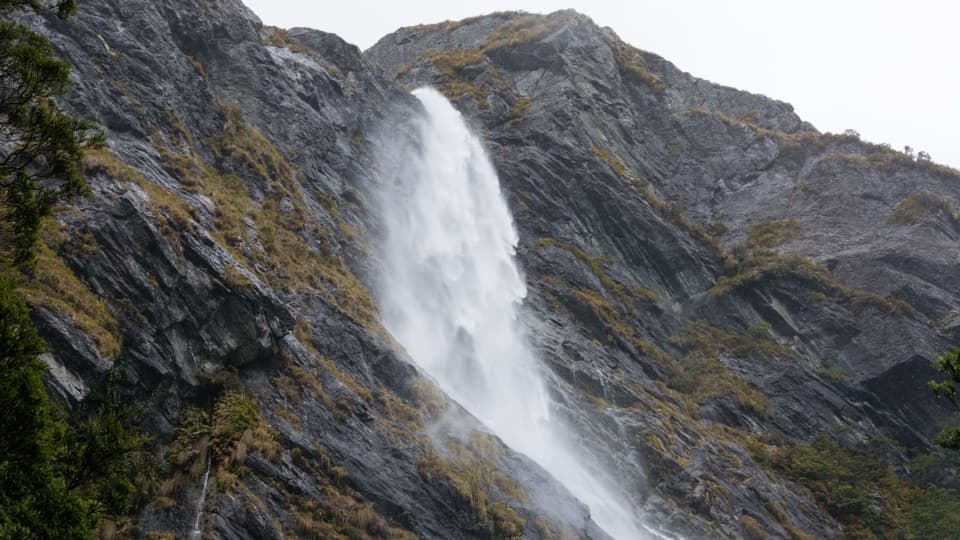
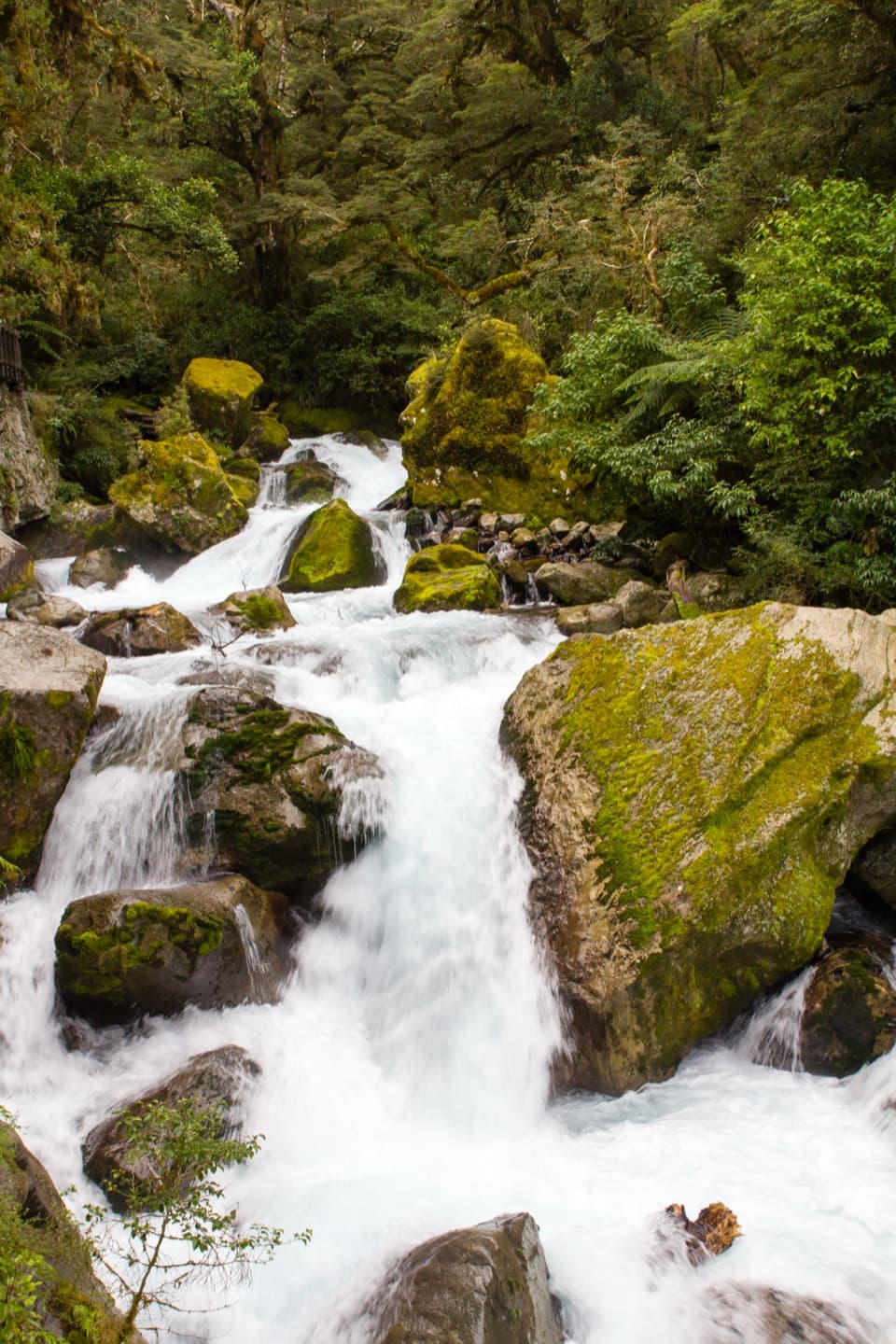
The first 10 minutes cross a swingbridge to Marian Falls and a viewing platform, an easy short outing on its own. Beyond the falls the track climbs steeply over rough, rooty ground and can be muddy. DOC recommends good fitness and backcountry skills, including navigation and survival skills. Long trousers help protect against ongaonga, New Zealand stinging nettle, along the route. Dogs are not allowed.
Getting to the trailheadTurn off Milford Road (SH94) at Marian Corner, near The Divide, onto Hollyford Road.
Turn off Milford Road (SH94) at Marian Corner, near The Divide, onto Hollyford Road. The car park is 1 km down the unsealed road; public toilets are available there. Bring your own food and drinking water for the walk. The lake is remote, so plan your supplies before leaving the Milford Road.
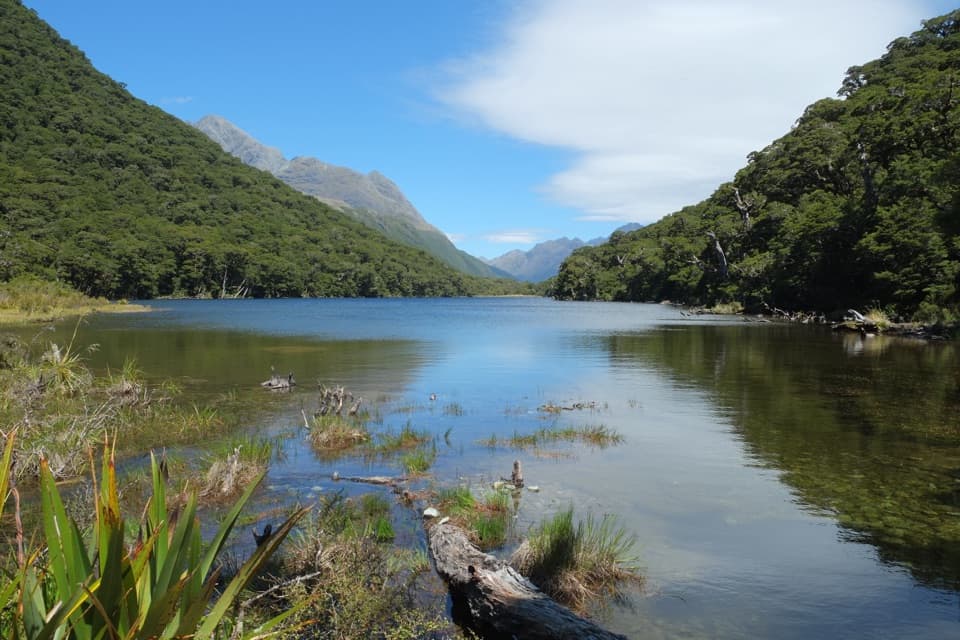
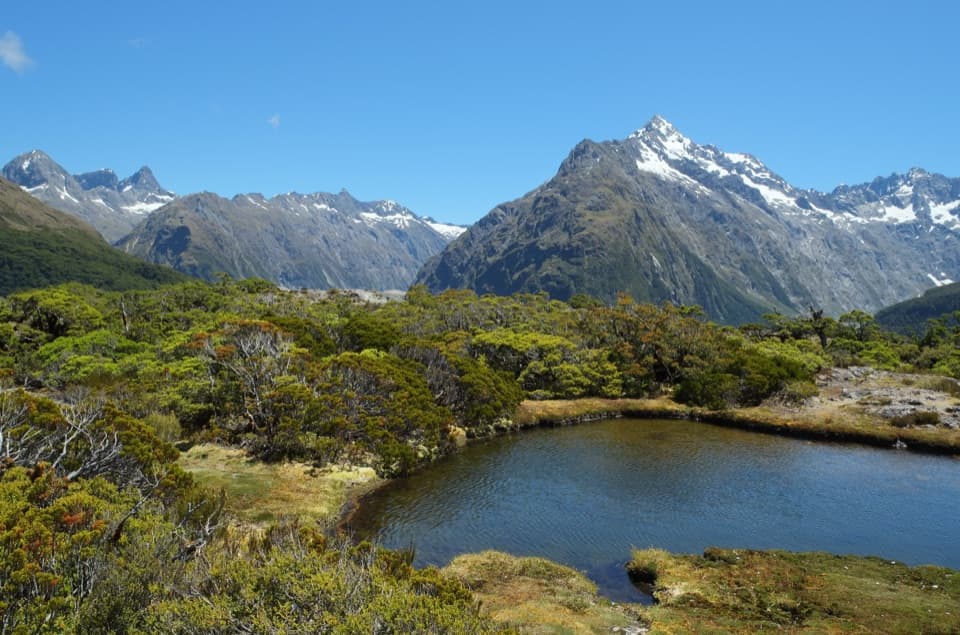
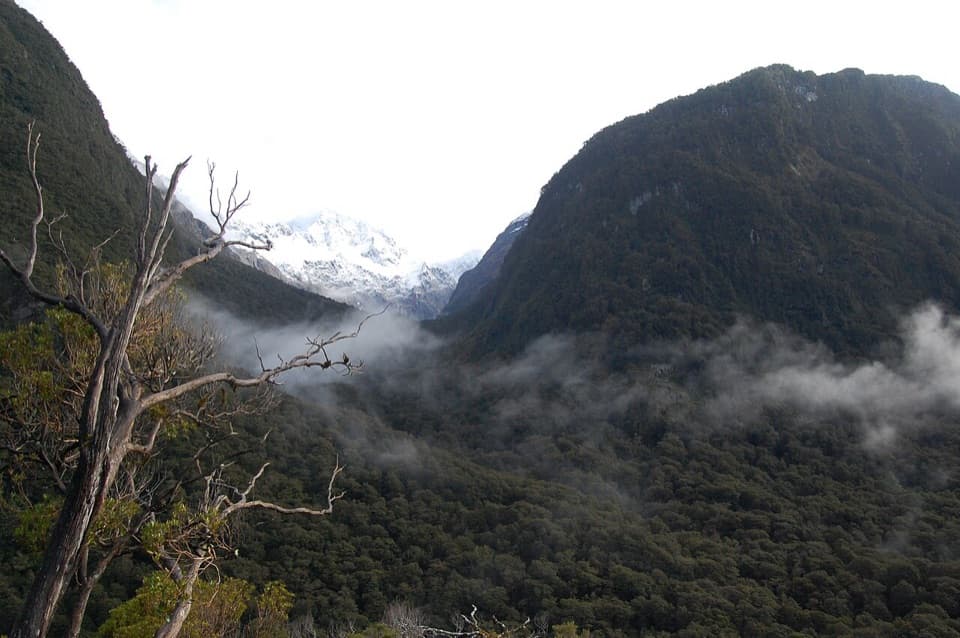
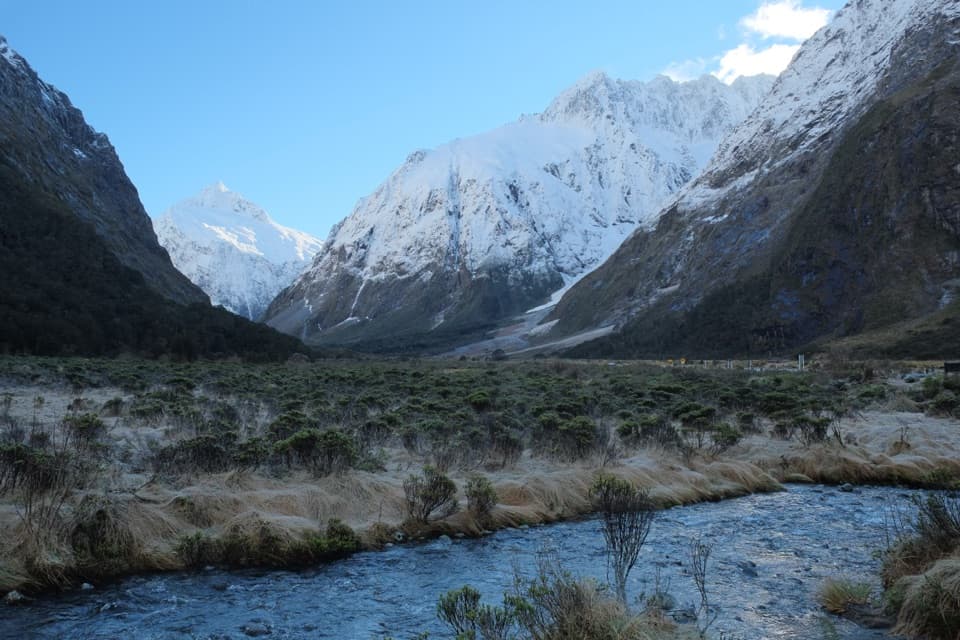
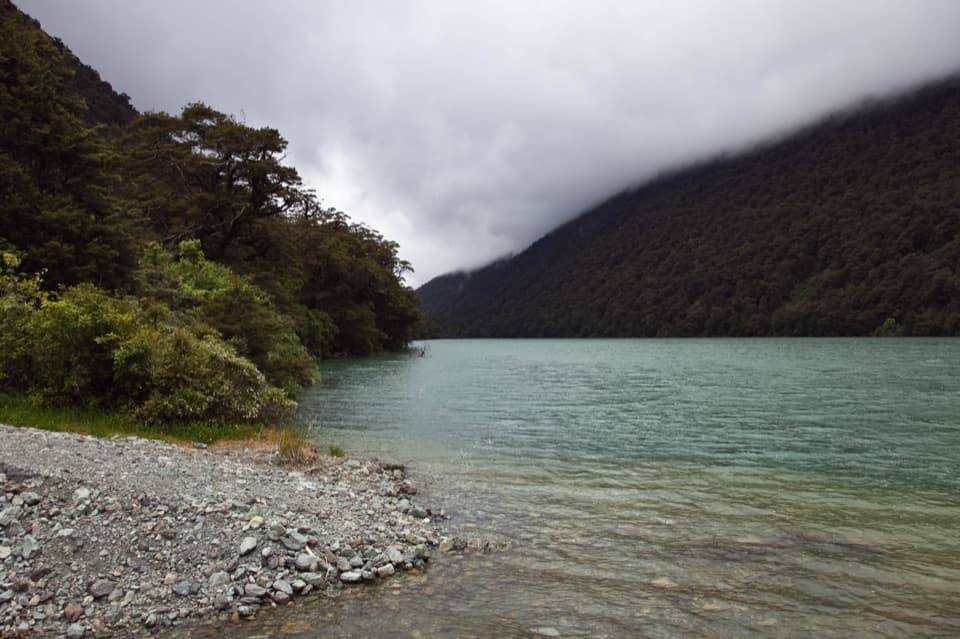
The lake and its valleyThe lake sits above the bush line in a steep-sided hanging valley.
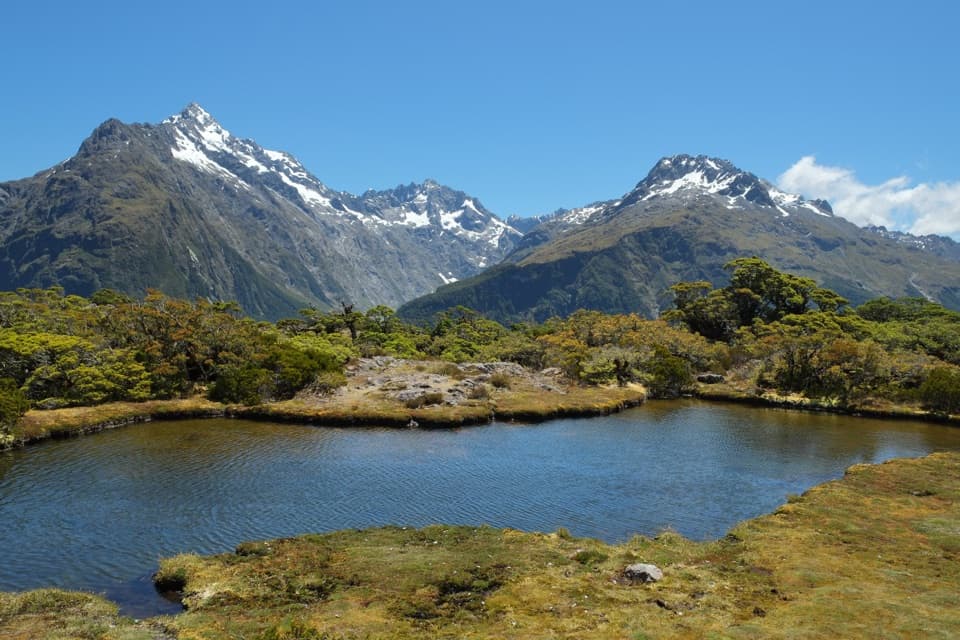
The lake sits above the bush line in a steep-sided hanging valley. Glaciers carved the valley, and the surrounding peaks make the lake feel tucked into the mountains. The shoreline can be harder to reach when the water is high; some visitors swim, but the water is cold.
Finding the reflectionOn a calm day the mountains reflect in the lake.
On a calm day the mountains reflect in the lake. Give the water time to settle, then frame the near shore with the peaks beyond it; that shows both the lake and the height of the valley. Rain can make the climb muddy, and fog can hide the view, so clear, still conditions make the better visit.
Who Marian wasThe English name dates to 1889. Surveyor-general E. H.
The English name dates to 1889. Surveyor-general E. H. Wilmot named the lake for his cousin Marian Little, whose surname is also recorded as Lyttle.
Wildlife
Wildlife in Fiordland
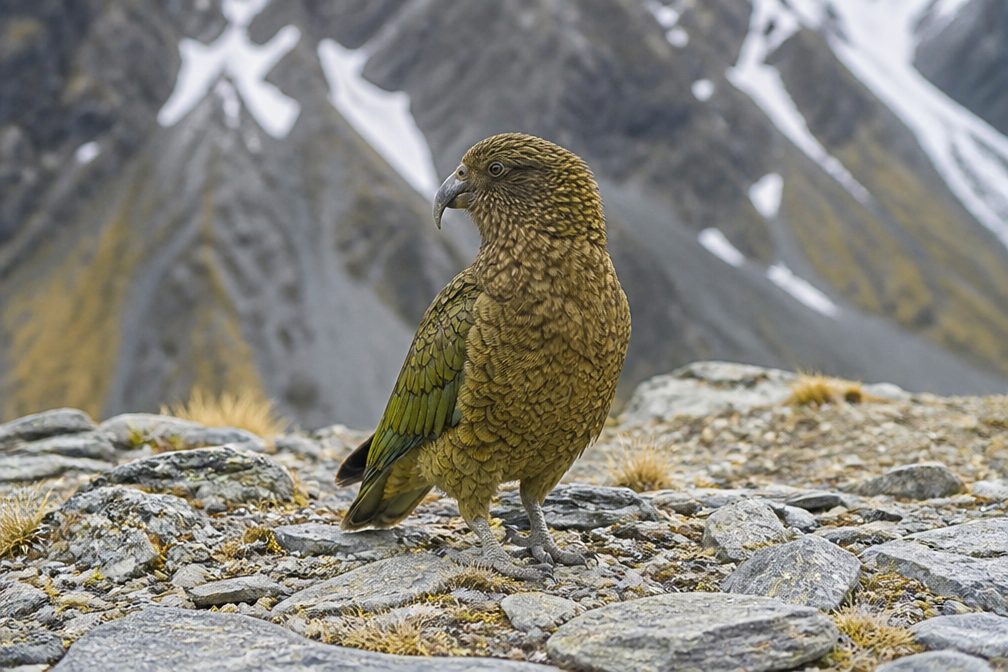 1,233 sightingsKeaMost seen around 10 AMSighting map
 214 sightingsFiordland PenguinMost seen around 7 PMSighting map
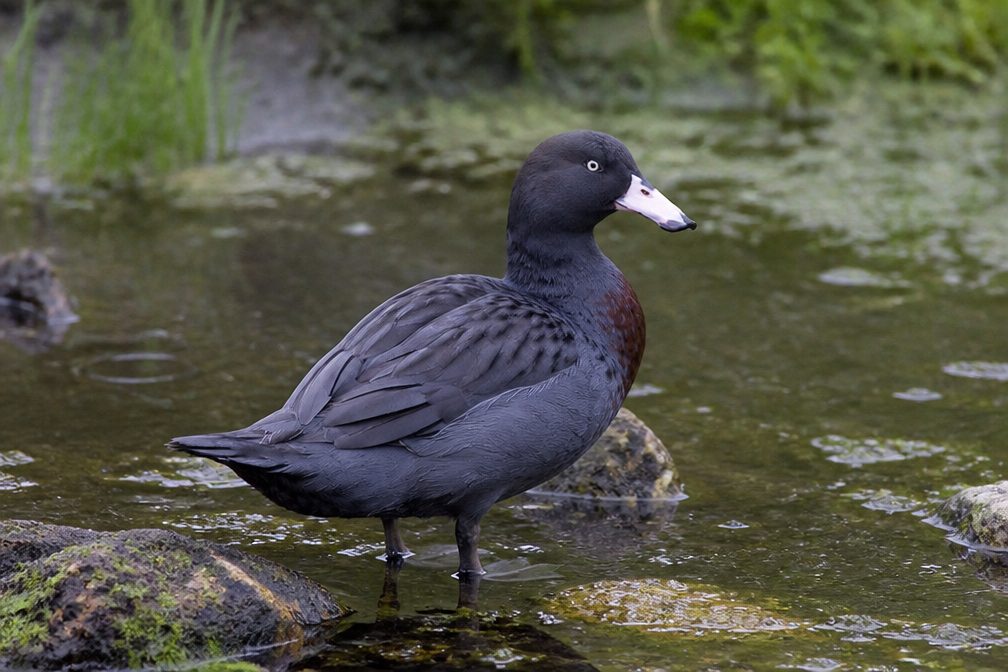 233 sightingsBlue DuckMost seen around 5 PMSighting map
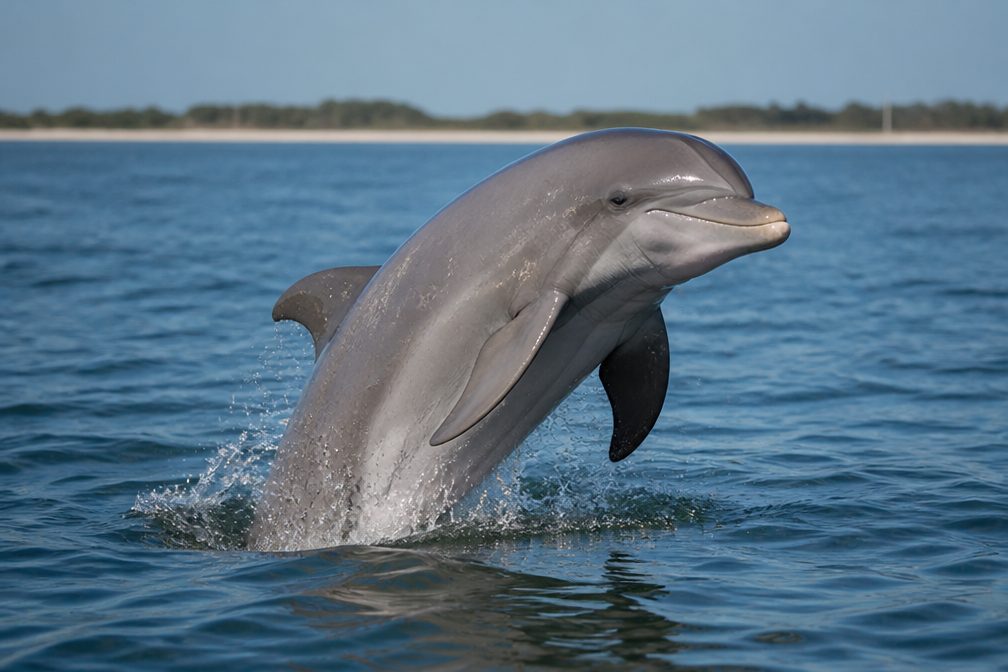 32 sightingsBottlenose DolphinMost seen around 5 PMSighting map
 252 sightingsNew Zealand Fur SealMost seen around 6 PMSighting map
 69 sightingsKākāMost seen around 6 PMSighting map
Sighting maps show where each species has been reported across Fiordland. Wildlife moves, so no sighting is guaranteed.