Place · 0.9 mi away

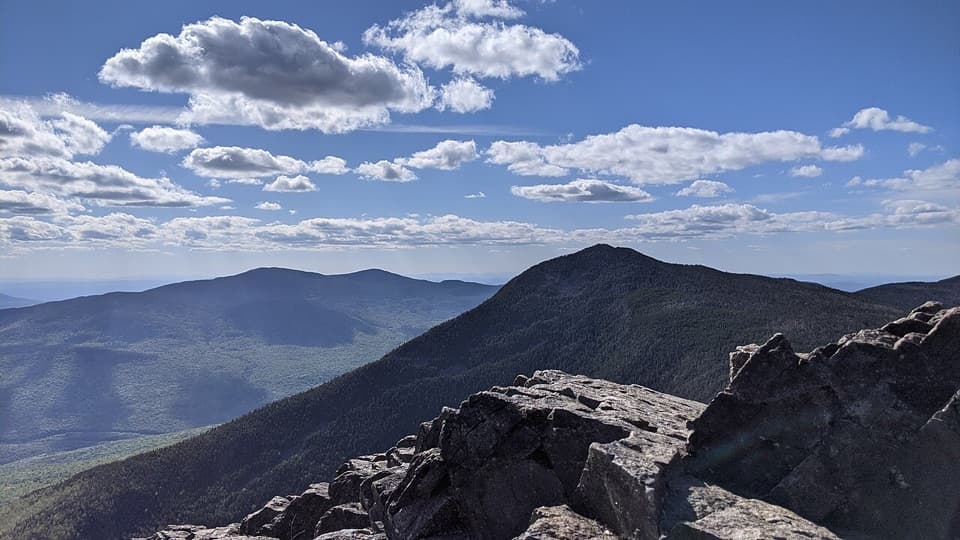
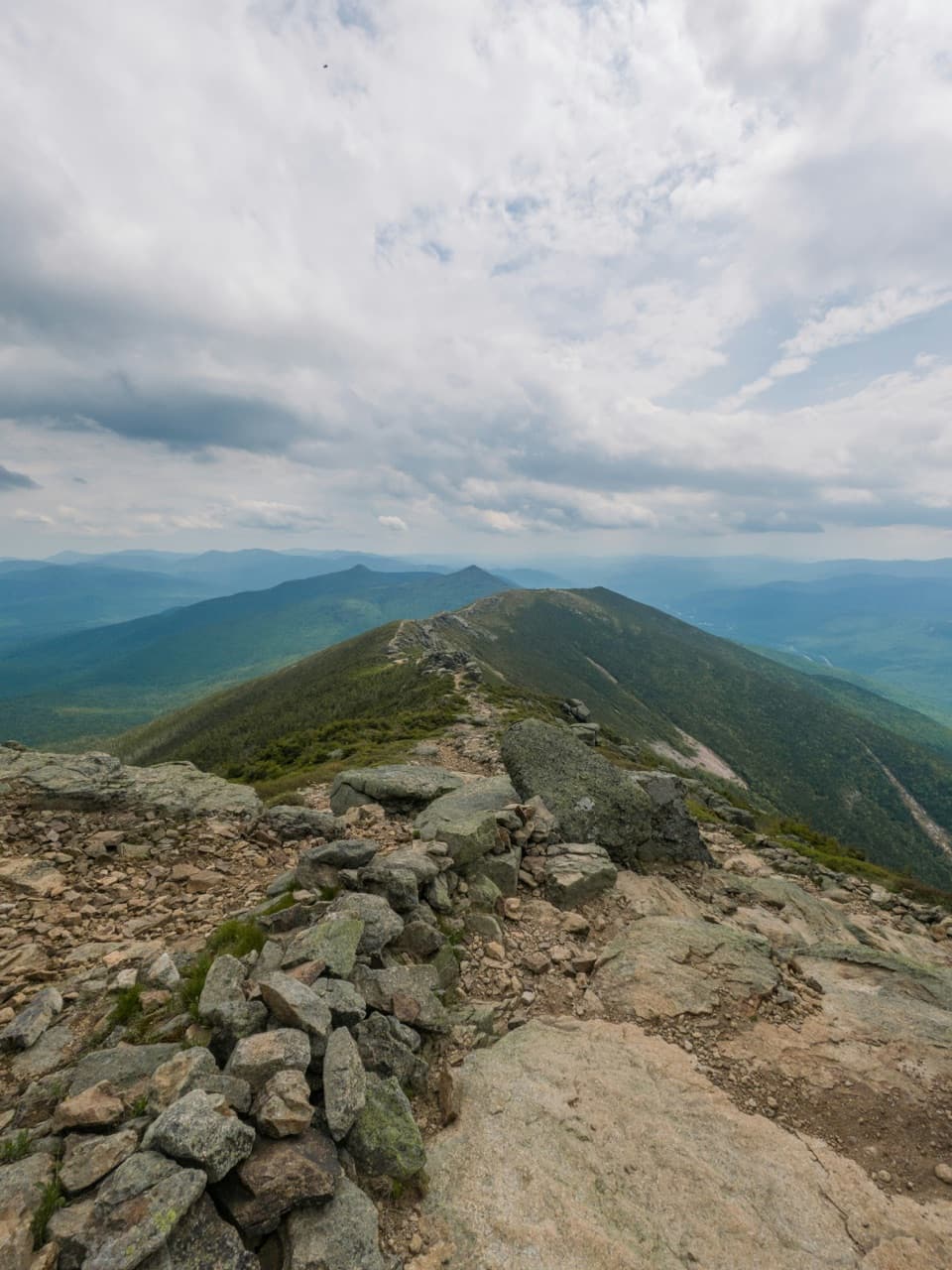
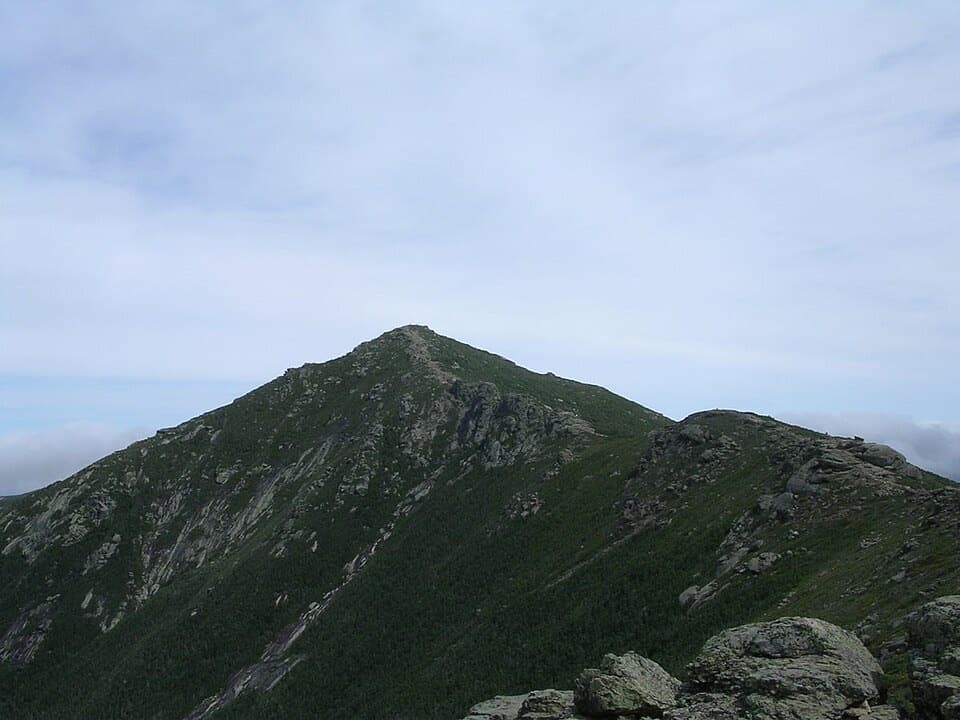
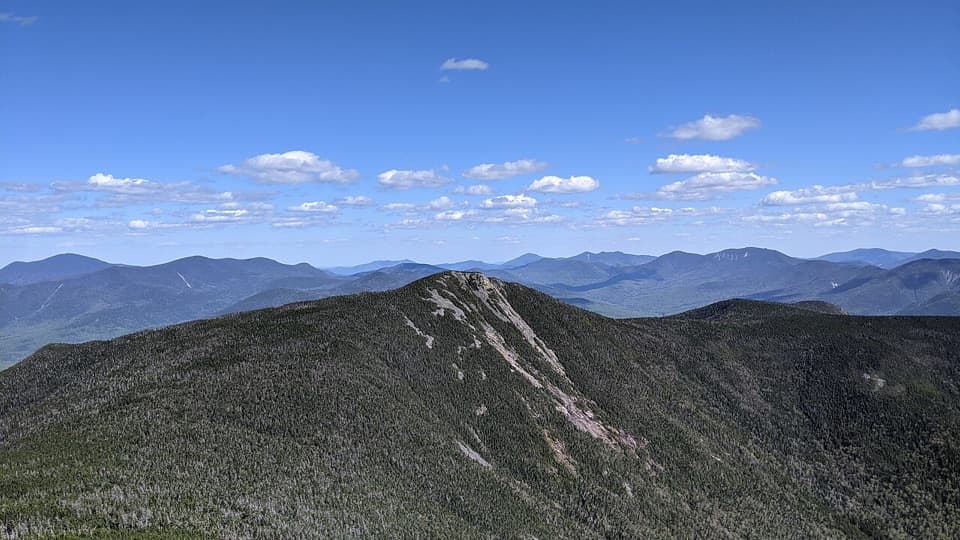
A 4,328‑foot peak anchoring the south end of Franconia Ridge, Mount Flume dishes out big, windy views and a satisfying, high‑effort payoff. Expect an honest climb, exposed ledges near the top, and vistas that sweep over the Pemigewasset Wilderness. It’s a standout objective if you want something spicier than a mellow woodland hike.
Multiple rocky perches make it easy to soak in the panorama; several hikers report 360‑degree scenery. It’s often windy, so bring layers and expect to hunker behind rocks if you’re lingering for lunch.
This is a strenuous outing. The Slide’s ledges are the crux—trekking poles help on the approach and descent, and sticky‑rubber footwear is recommended. Avoid the Slide in poor conditions. Plan on 6–8 hours round‑trip depending on route, fitness, and stops.
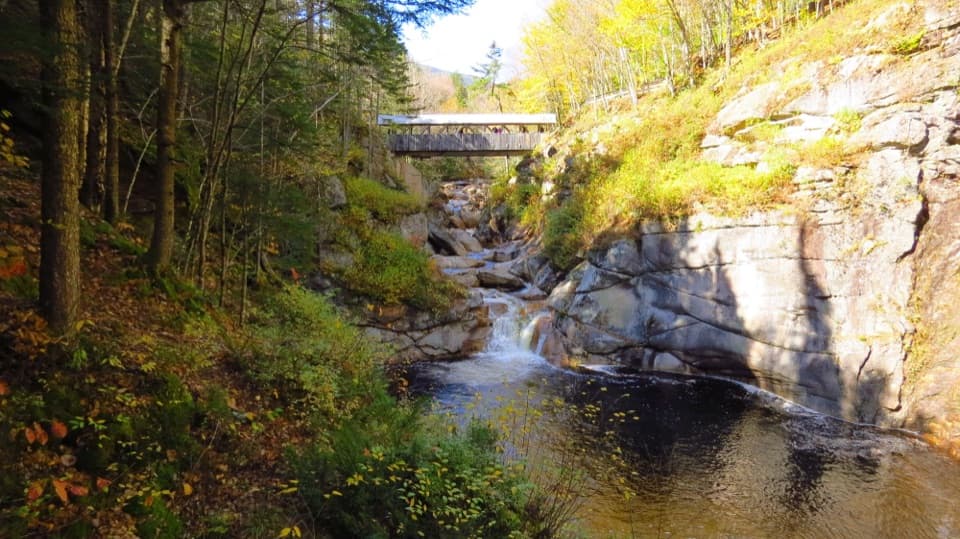
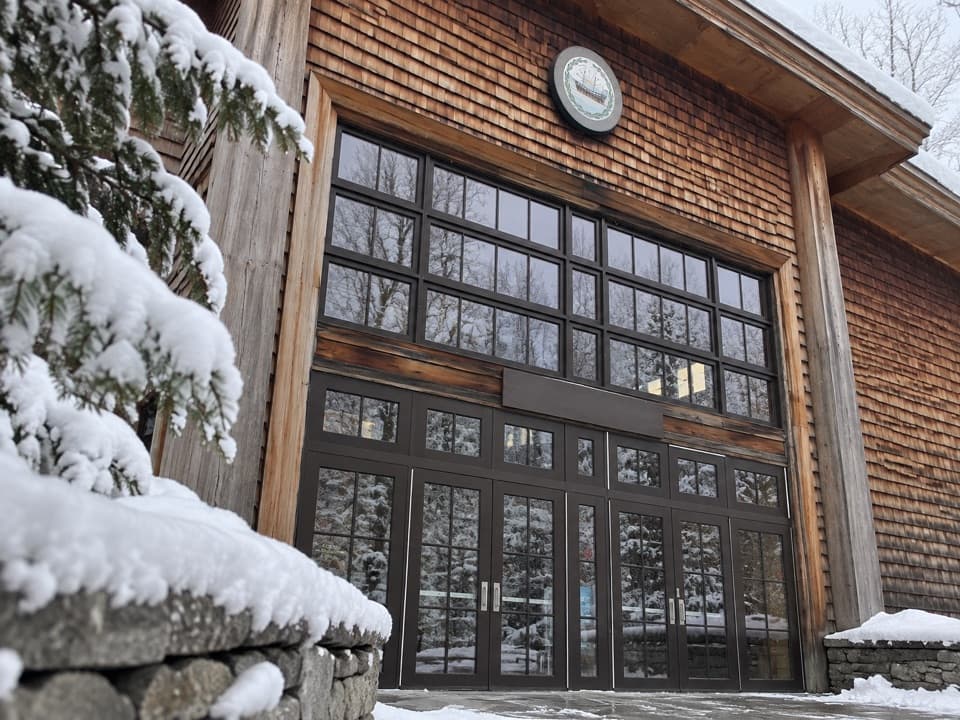
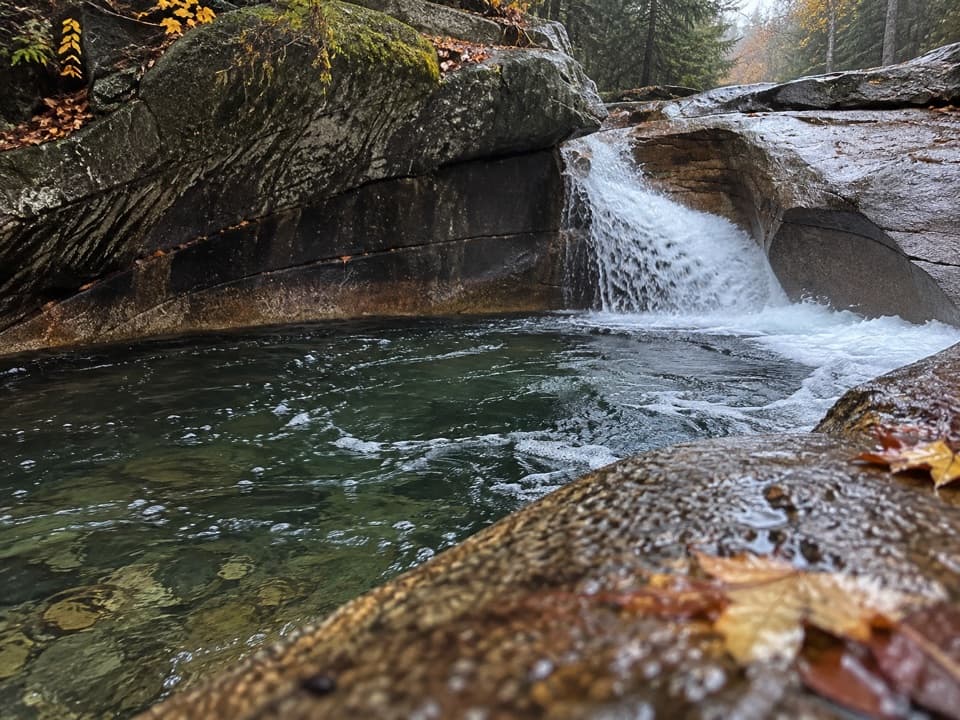
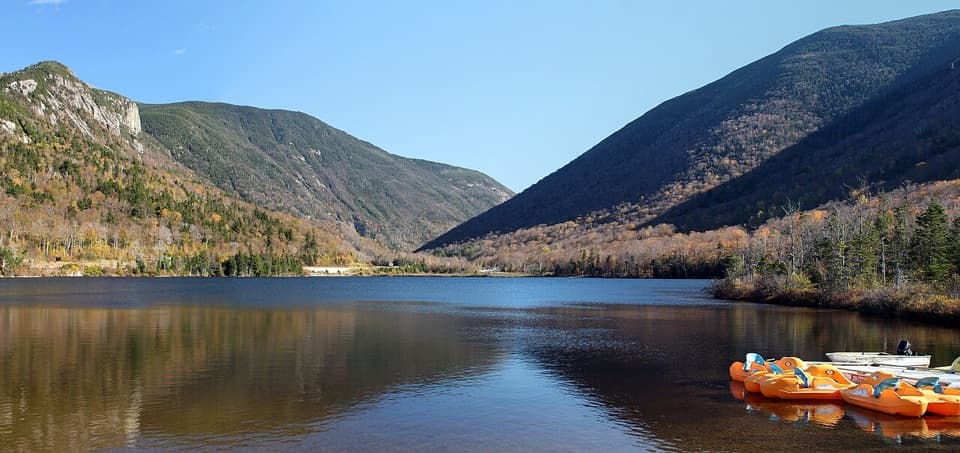
Don’t count on restrooms at the Mount Flume trailheads. Use facilities at developed areas in the notch when they’re open (e.g., Flume Gorge’s Gilman Visitor Center typically operates May 9–Oct 26 with daytime hours). In the off‑season the notch is typically unstaffed and comfort stations aren’t available. For parking, day hikers commonly use the large Flume Gorge or Lafayette Place lots and the Franconia Notch bike path to reach the Liberty Spring/Flume Slide approaches; lots can fill early on weekends and peak foliage days. A shuttle service has been launched in the notch to help with hiker parking.
Drone use is restricted in all New Hampshire State Parks. Pets aren’t allowed in the Flume Gorge attraction itself but are permitted on White Mountain National Forest hiking trails; follow posted rules.
Target dry summer and fall days for the Slide’s ledges, start early to beat parking and crowds, and choose weekdays if you can. Shoulder‑season trips can mean icy ledges and closed facilities—plan accordingly.