Challenging

Kinsman Ridge Trail

Short, steep grunt to Cannon with all-time Franconia Notch views
Kinsman Ridge Trail, Franconia Notch State Park
Distance3.8 mi
Typical time3.5 hr
DifficultyChallenging
PetsAllowed

Overview

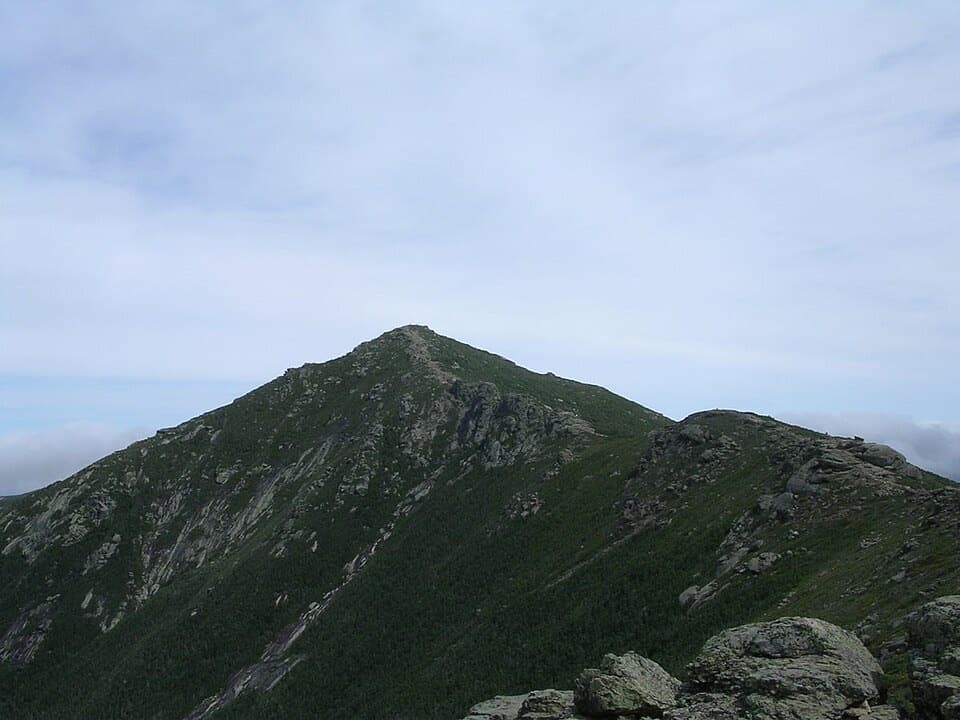
This is a classic White Mountains workout: a steep, rocky climb on the Kinsman Ridge Trail to Cannon Mountain with huge payoffs. The most popular outing here is the Cannon route at about 3.8 miles total (out and back) with roughly 2,200–2,300 feet of gain. Expect rough, eroded footing, short scrambles, and ledges that open to sweeping views across the Notch. Near the summit you’ll find facilities at the tram building, and an observation area with 360° vistas.

Route options

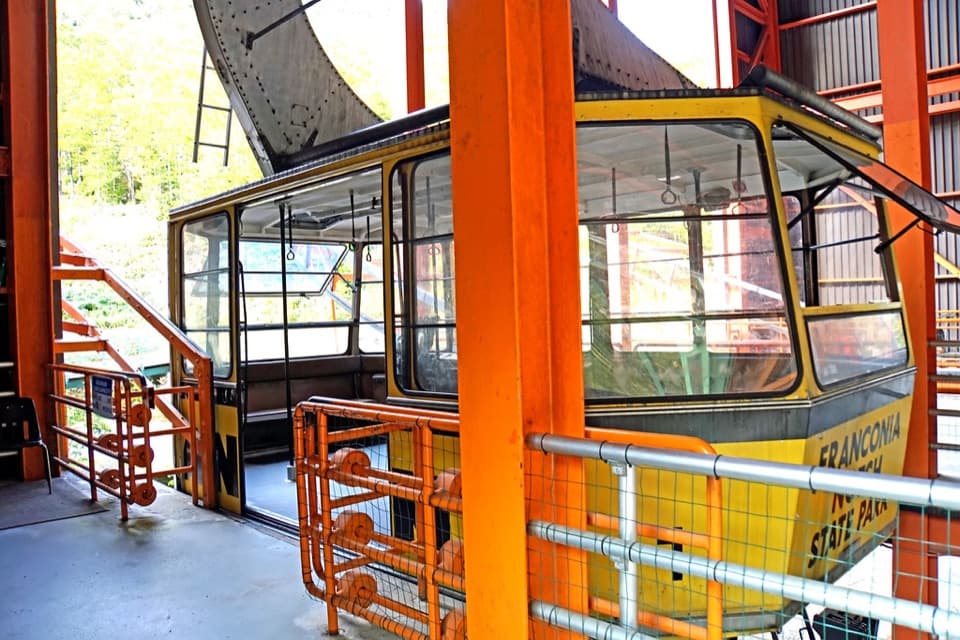
  • Cannon out-and-back (most popular): ~3.8 miles total, ~2,200–2,300 feet gain. The first 0.5 mile is very steep and slow. Tram cars pass overhead as you climb to cliff-top ledges and the summit area.
  • North & South Kinsman day: Approach Kinsman Ridge via the Mt. Kinsman Trail from the west, then follow the ridge to tag both peaks; roughly 10 miles round trip and ~3,900 feet of gain.
  • Point-to-point “over the ridge”: Basin → Lonesome Lake → Fishin’ Jimmy → Kinsman Ridge → down Mt. Kinsman Trail to NH‑116. About 8.4 miles with ~2,400 feet of gain in that direction (the reverse adds ~900 feet). Plan a car spot, bike, or shuttle.

Terrain and conditions

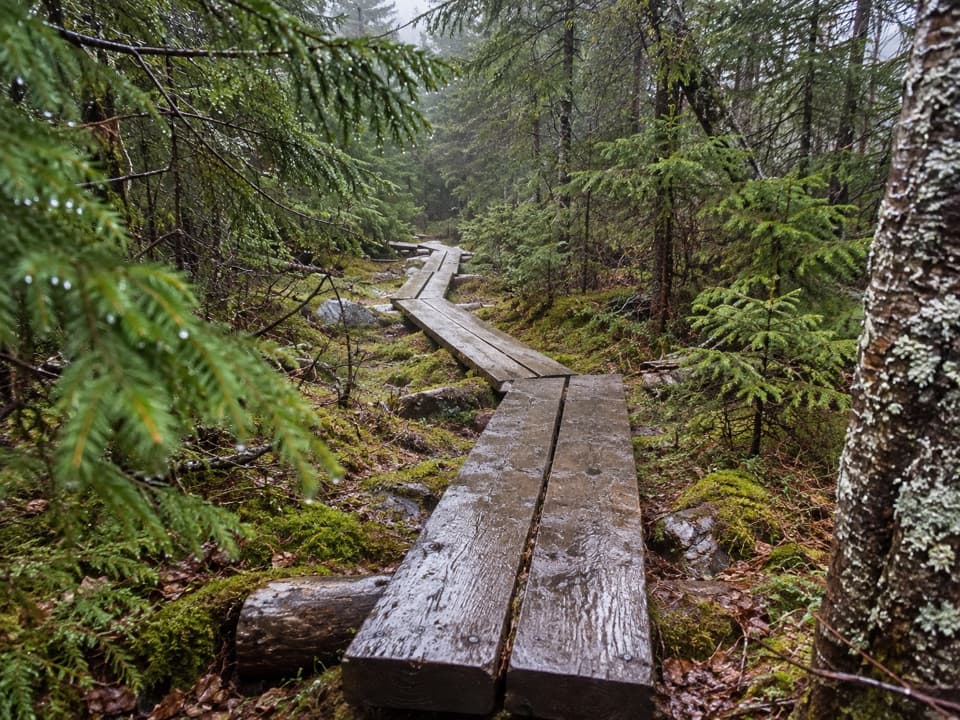
This trail is “White Mountains steep and rocky.” Low on the Cannon segment you’ll encounter loose, fine gravel and damp ledge that turn slick when wet; higher up, short scrambles and exposed ledges demand three points of contact. In winter and shoulder seasons, expect frozen snow, blue ice, and drifting on the ridge—sharp traction is often the difference between fun and sketchy. Knee‑high gaiters can be helpful. Route-finding can be harder in winter due to fewer blazes and occasional downed trees.

Hazards to know

Water crossings can surprise you on longer point-to-point days: Cascade Brook (where a bridge washed out years ago) can swell after upslope showers and has dunked unprepared hikers. Wet clothing and boots in cold weather can escalate to hypothermia fast—carry dry socks, extra layers, and waterproofs. Always check a higher summits forecast before committing; conditions change quickly on this ridge.

Scenery and feel

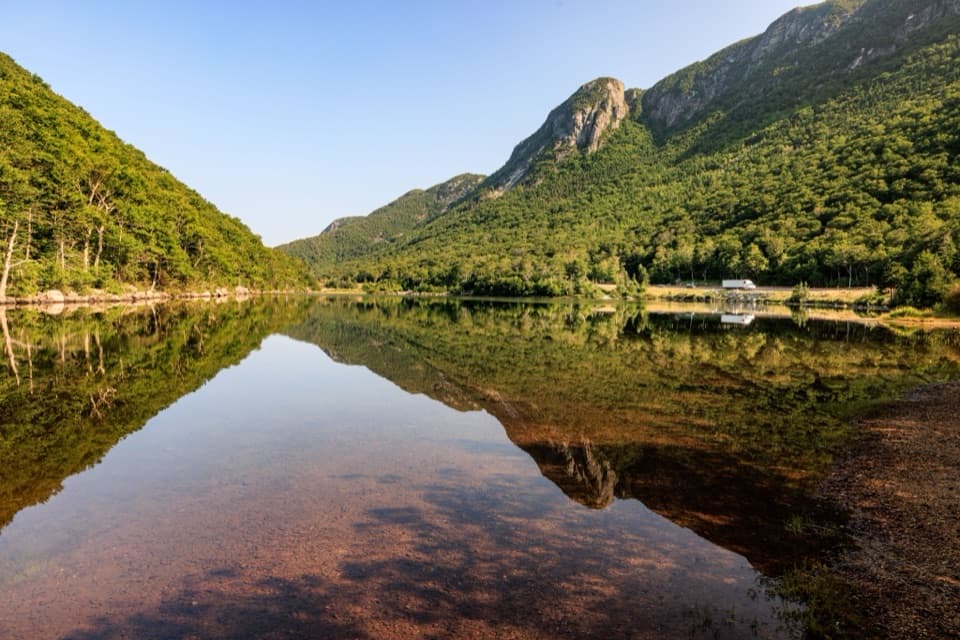
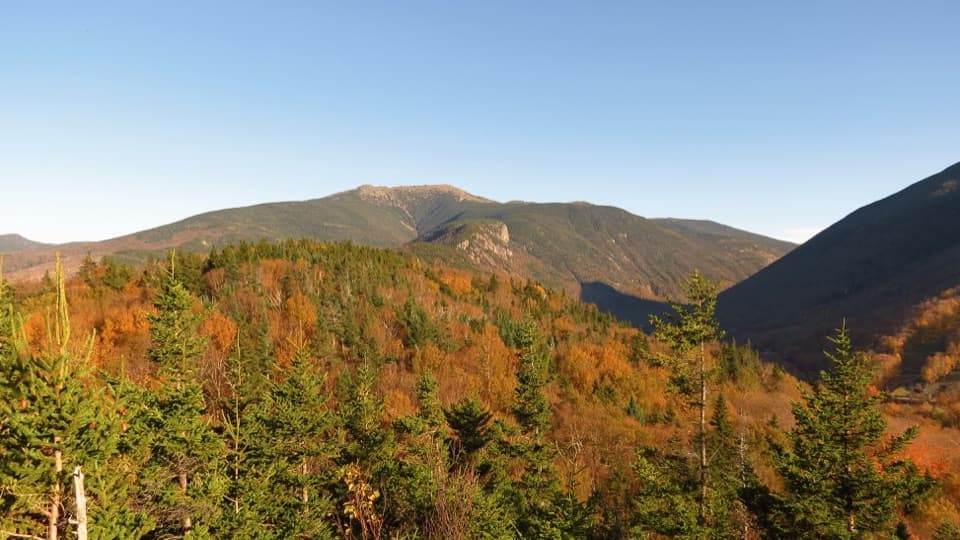
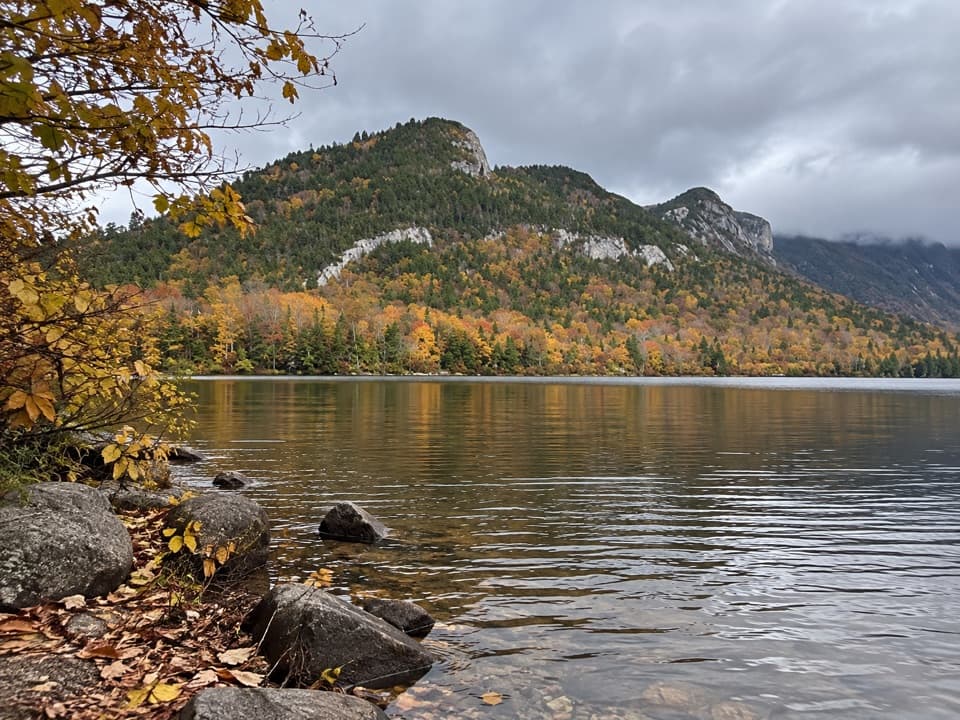
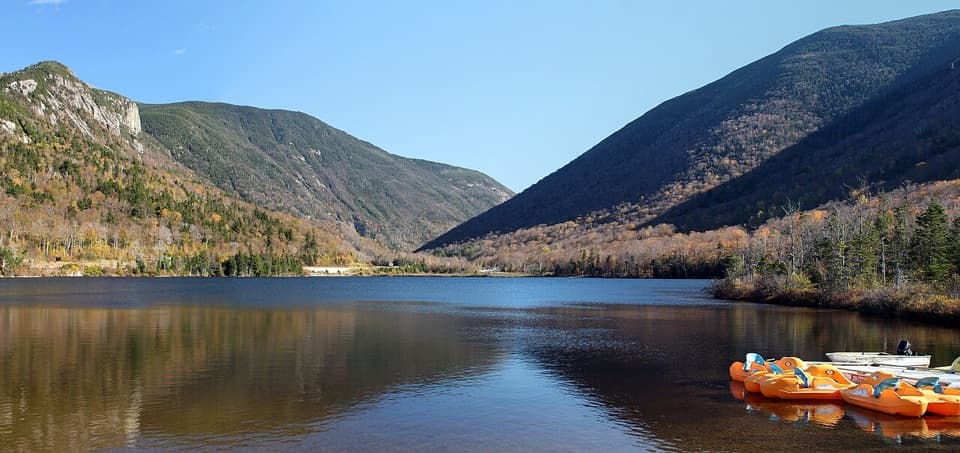
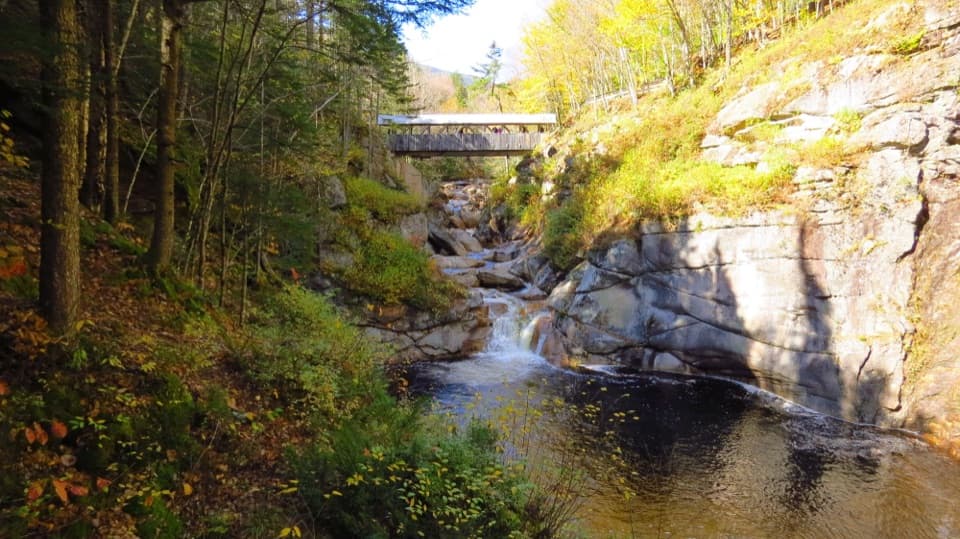
From mixed hardwoods down low to spruce–fir and alpine‑like pockets near the crest, this hike packs plenty of variety. The views from Cannon’s cliff-top ledges and the summit area take in Franconia Ridge and far‑flung peaks—on a clear day it’s a stunner. Fall foliage here is prime and the ridge regularly earns “worth the effort” status.

Best times and crowd tips

Year‑round viable, but the experience hinges on conditions. Start early to beat the rush and move safer on steep slabs; October is especially busy. In cold or marginal weather, bring traction and layer like it’s winter even if the valley feels warm. Off‑season, the park may be unstaffed and services limited, so be self‑sufficient.

Pets and logistics

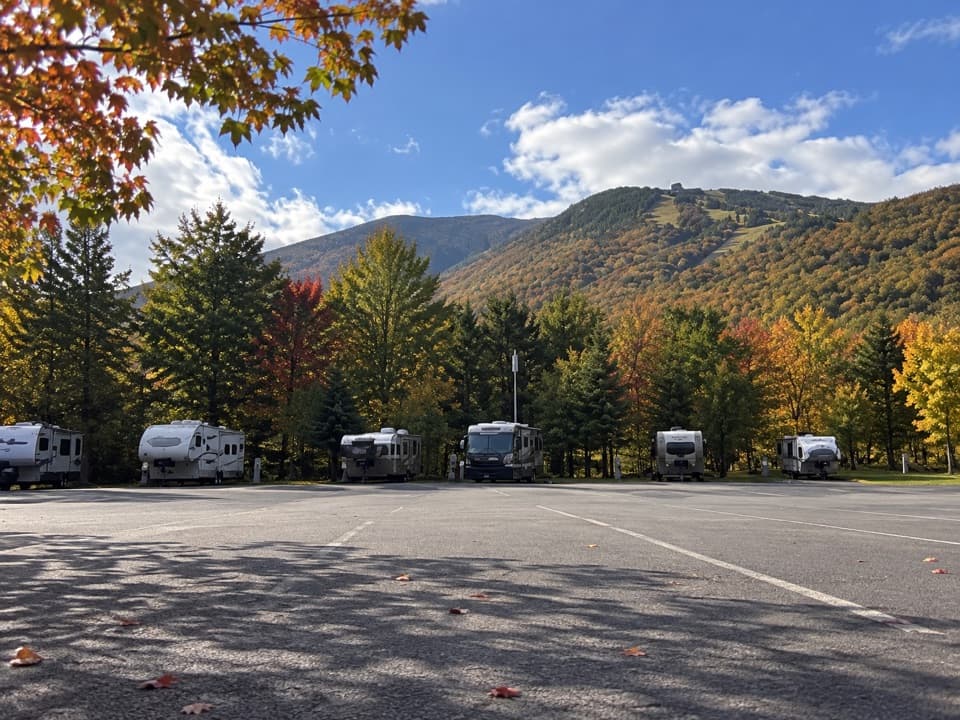
Pets are allowed on hiking trails when leashed (6 feet max). They are prohibited in certain areas, including beaches and designated swim areas (May 1–September 30), picnic areas (May 1–September 30), and within Lafayette Place Campground. There are designated dog‑walk areas near the Tramway and Flume parking lots. For the Cannon outing, park at the Cannon Mountain Tramway hiker lot and follow signs for the Kinsman Ridge Trail.

Pros

  • Cliff‑top ledges deliver immediate, dramatic views into the Notch
  • Facilities at the tram building near the summit add comfort to a rugged hike
  • Tram cars gliding overhead add a uniquely alpine vibe on the ascent

Cons

  • First half‑mile is brutally steep with loose gravel that’s slick when damp
  • Cascade Brook crossing on point‑to‑point variants lacks a bridge and can be hazardous after rain
  • Winter route‑finding can be tricky due to sparse blazes and downed trees

Parking

Use the Cannon Mountain Tramway hiker lot (eastern/southeastern end) and follow signs for Kinsman Ridge Trail.

Caution

Steep, slabby ledges become very slick when wet or icy; carry and use traction in cold seasons. Expect potential high water at Cascade Brook on longer ridge traverses. Winter brings blue ice, drifting, and tougher navigation—check higher summits forecasts, carry extra layers and dry socks to avoid hypothermia.

The Parkwolf tour guide sitting on a phone mounted in a car

Parkwolf Tour Guide

Like a tour guide in your car.

Bring Franconia Notch trail research into the car, with offline maps and stories that play as you drive.Download Parkwolf on the App Store