Overview
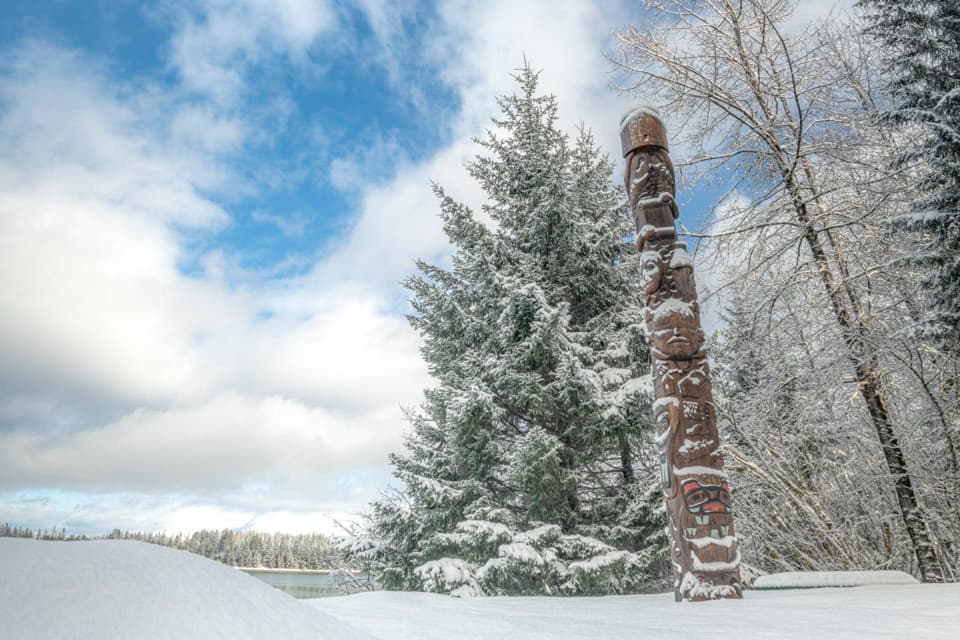
About Healing Totem Pole
Why stop
- The carvings bring a complex local history into view.
Map
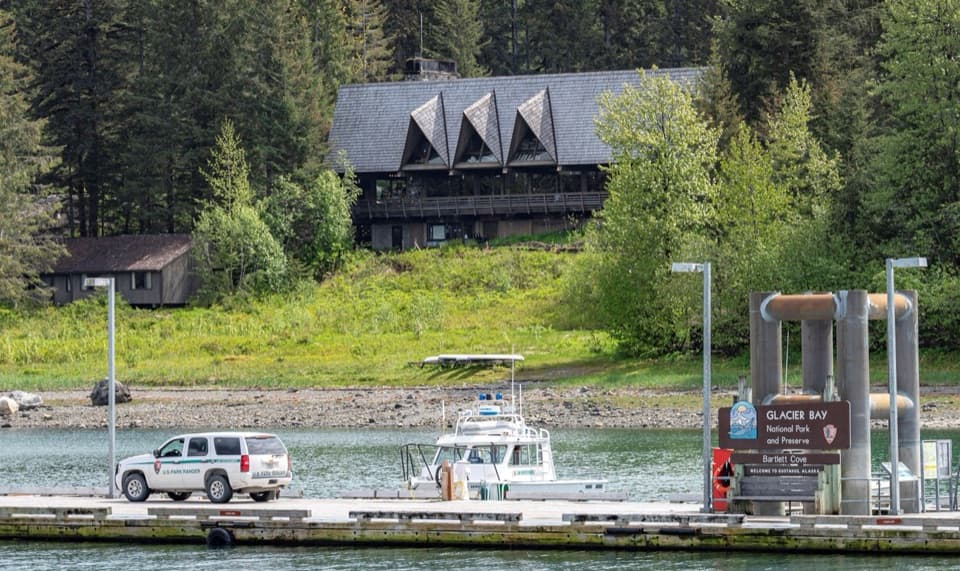
Where it is
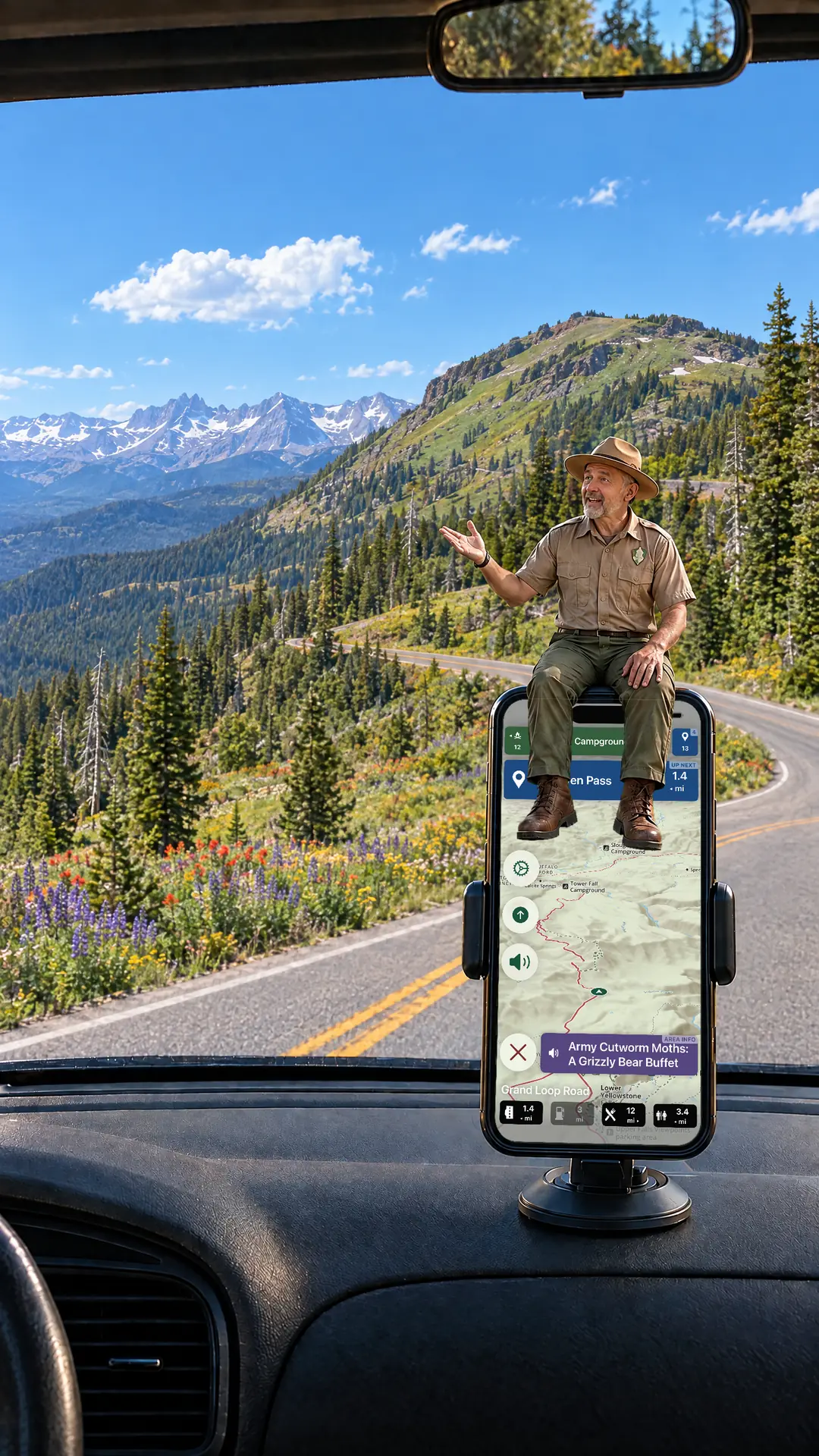
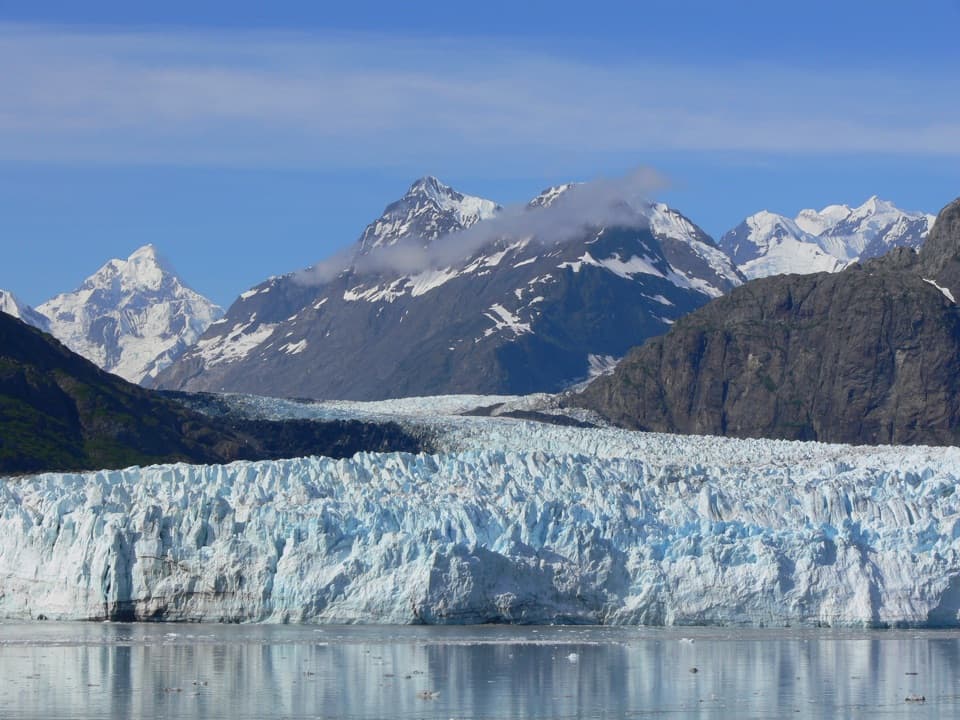
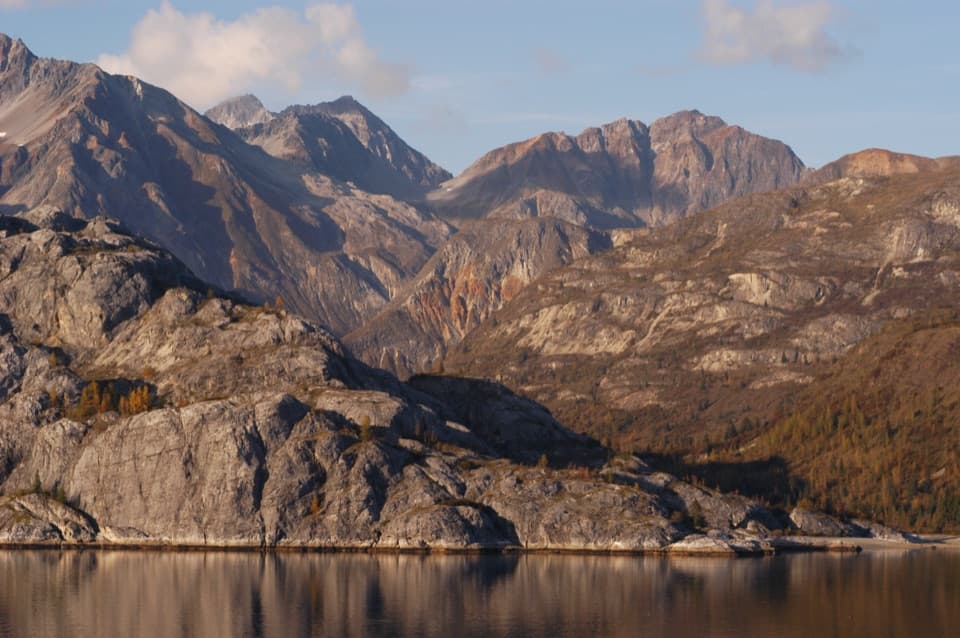
The highest, rockiest slopes around here are a summer buffet for grizzly bears.
Glacier Bay Tour Guide
Your drive to Healing Totem Pole, narrated.
Parkwolf is a GPS audio tour guide for Glacier Bay National Park. As you drive, it chimes in with what’s ahead: hidden gems, upcoming stops, history, geology, and wildlife, right through your car’s speakers.
Recorded for this place
Huna Tribal House and Tlingit Trail“You're approaching the Huna Tribal House area at Bartlett Cove. I'd make time for the flat shoreline walk from the public dock: the house is about half a mile away, with cultural displays along the path.”
Plays as you drive up to Healing Totem Pole in the Parkwolf Glacier Bay Tour Guide.
More stories near here in the app
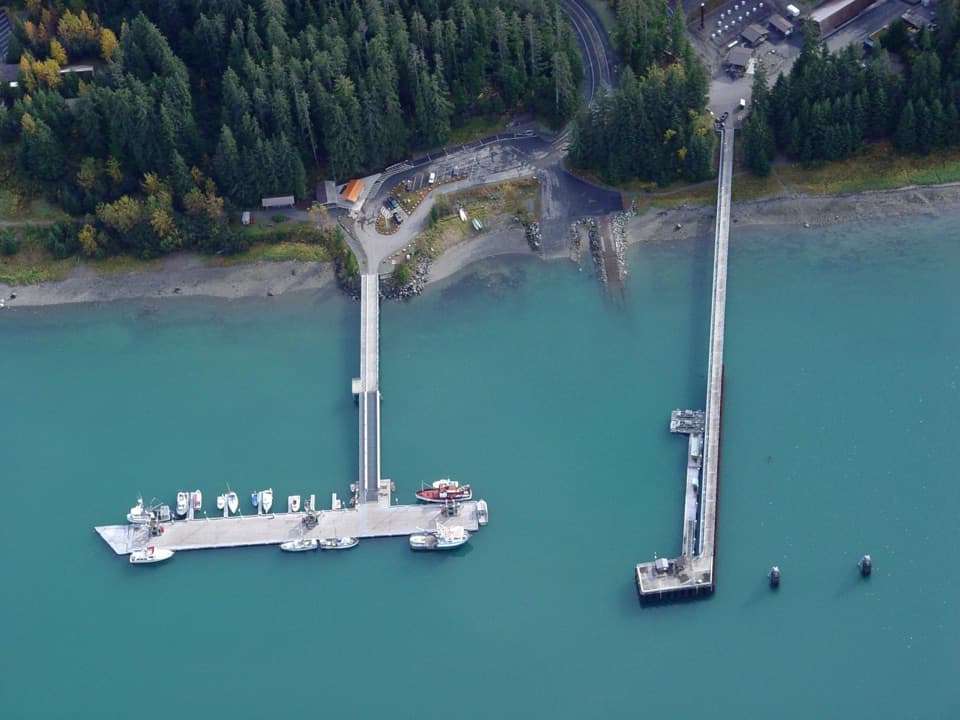
- Bartlett Cove Dock and Shoreline
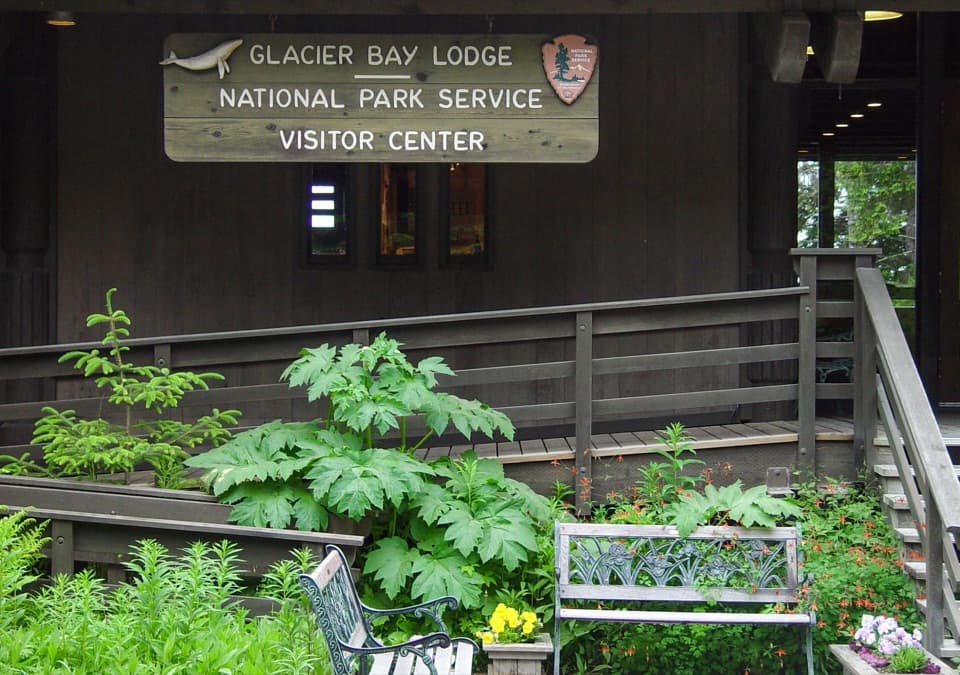
- Glacier Bay Lodge and Visitor Center
- Bartlett River and Lake Trailhead
- Bringing Back the Gull-Egg Harvest
- 19 audio storiesacross Glacier Bay’s roads, triggered by GPS as you drive
- Wildlife heatmapsfor Humpback Whale, Orca, Brown Bear, and 13 more
- Works offlinemaps, 7 trails, 33 places, and audio download before you lose signal
- CarPlay readysimple controls built for the drive
“Fantastic app with many points of information… It’s great to just turn on while you’re driving and it gives you an audio tour of the national Park. We love it!!!!”


Guide
More about Healing Totem Pole
On the walk toward the Tribal HouseThe Healing Totem Pole is a 20-foot yellow cedar artwork at the head of Bartlett Cove’s public…
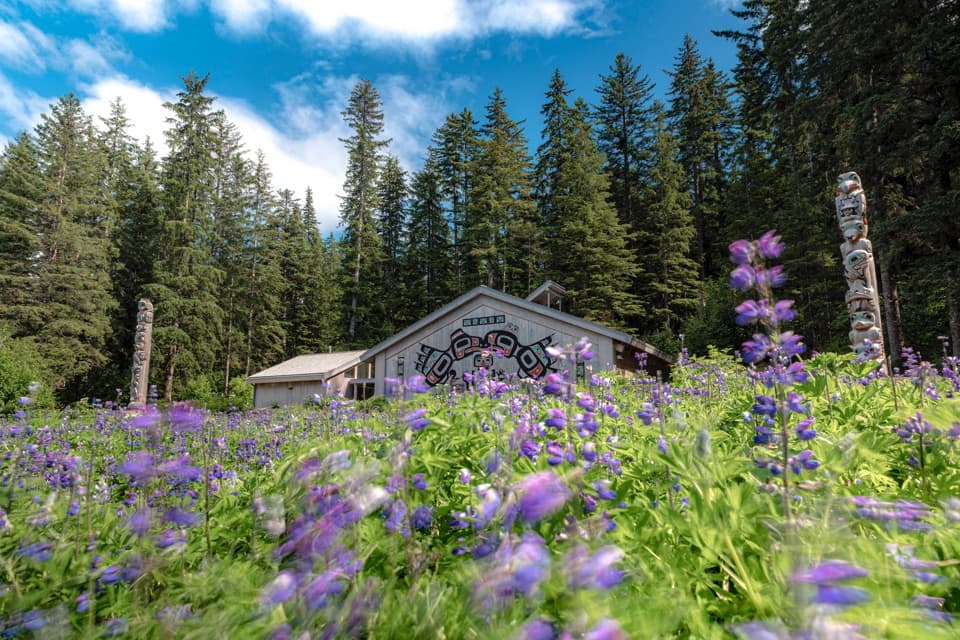
The Healing Totem Pole is a 20-foot yellow cedar artwork at the head of Bartlett Cove’s public dock. Huna Tlingit elders, culture bearers and artists designed it with National Park Service staff. You’ll see it along the walk from the Visitor Information Station toward Xunaa Shuká Hít (Huna Tribal House), so pause and look closely before continuing. The station at the walk’s start has public flush restrooms and drinking water.
A glacier and a return to homelandThe lower formline design represents the spirit of the glacier that overran the main Huna…
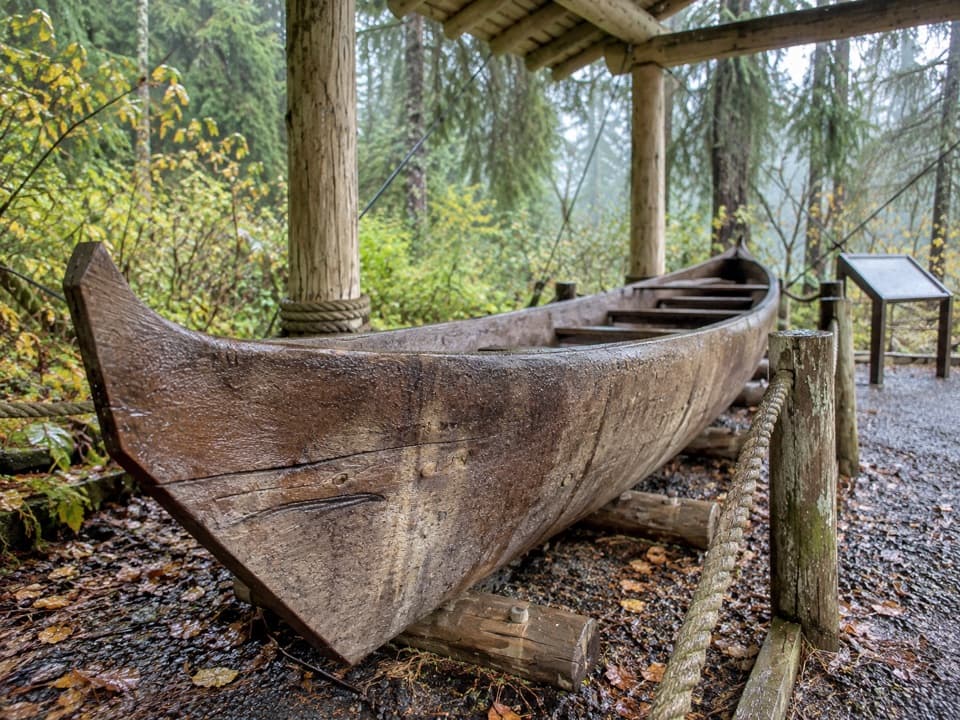
The lower formline design represents the spirit of the glacier that overran the main Huna Łingít villages during the Little Ice Age, around 1750. Huna elders remember the ice crushing clan houses and forcing people to leave for safer ground. Other figures recall the later return to Glacier Bay: canoes and fish racks tell of Huna families traveling between Hoonah and their seasonal village, Gáathéeni, or Sockeye River, at Bartlett Cove.
The hard part of the storyGlacier Bay became a national monument in 1925.
Glacier Bay became a national monument in 1925. Huna Łingít continued visiting their Homeland and harvesting traditional foods for a time, but later park rules made practices such as seal hunting and gathering gull eggs illegal. The chains on the pole represent feeling barred from Homeland and traditional foods; its tears stand for homes and other losses.
A shared effort to healAt the top, two figures in a woven cedar hat and an NPS ranger hat hold Xunaa Shuká Hít…
At the top, two figures in a woven cedar hat and an NPS ranger hat hold Xunaa Shuká Hít together. That image reflects the collaboration that followed years of difficult relations: the National Park Service and Hoonah Indian Association agreed to work together in 1995, and cooperatively built the Tribal House, dedicated in 2016. For a photo, step back to fit the full 20-foot pole, then get closer to notice how the carved scenes change along its length.
Wildlife
Wildlife in Glacier Bay
 98 sightingsHumpback WhaleMost seen around 6 AMSighting map
 48 sightingsOrcaMost seen around 5 PMSighting map
 111 sightingsBrown BearMost seen around 7 PMSighting map
 313 sightingsSea OtterMost seen around 4 PMSighting map
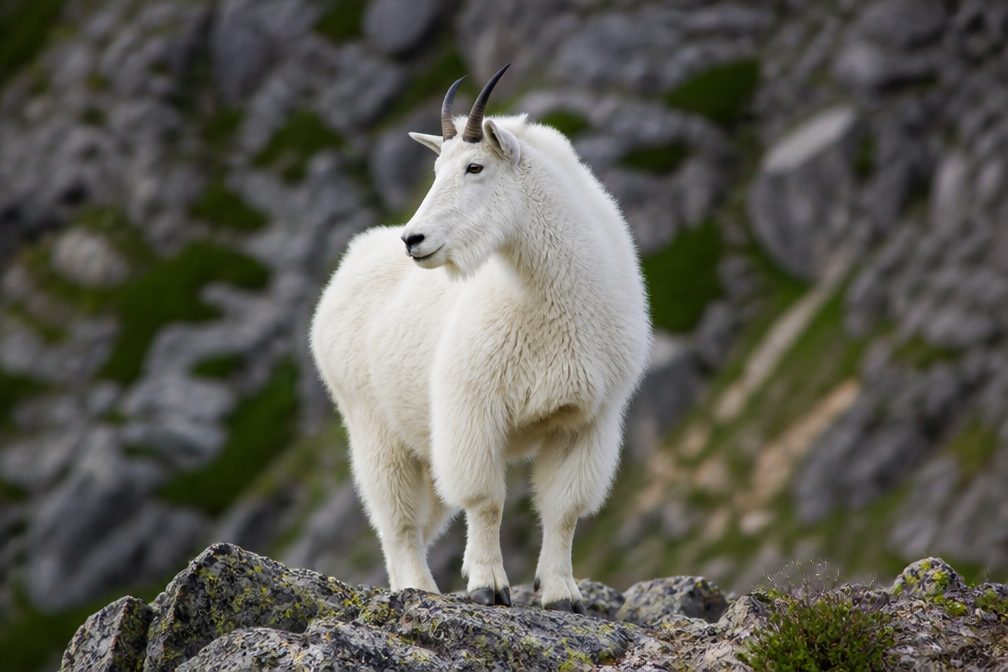 106 sightingsMountain GoatMost seen around 6 PMSighting map
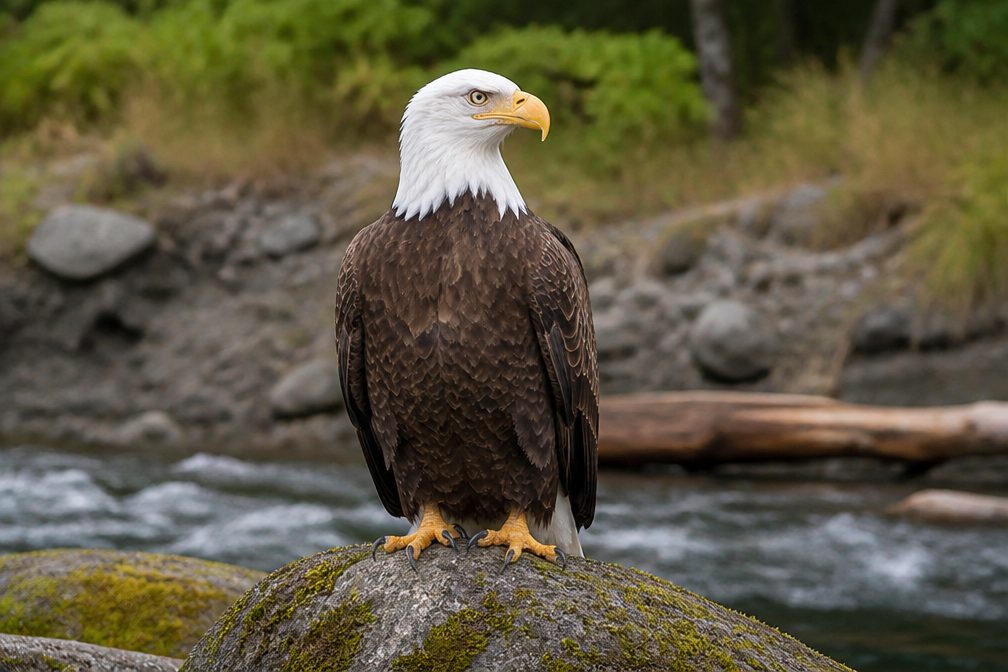 93 sightingsBald EagleMost seen around 5 PMSighting map
Sighting maps show where each species has been reported across Glacier Bay. Wildlife moves, so no sighting is guaranteed.