Parking
Use the Granite Canyon Trailhead parking area off Moose-Wilson Road; start here for the 13.4-mile round trip.
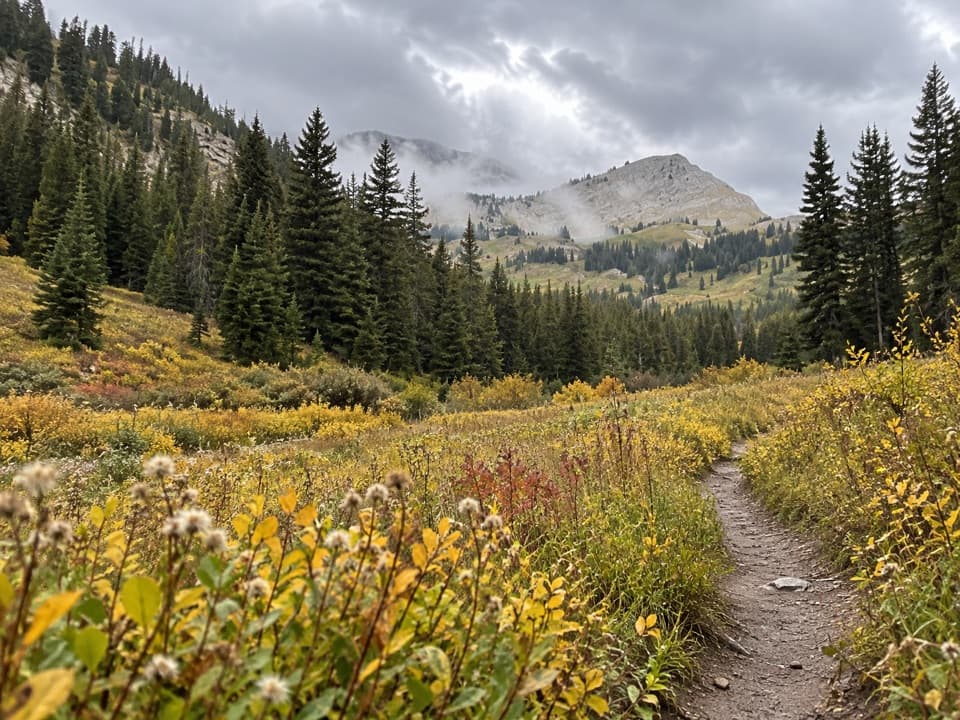
Grand Teton National Park, WY
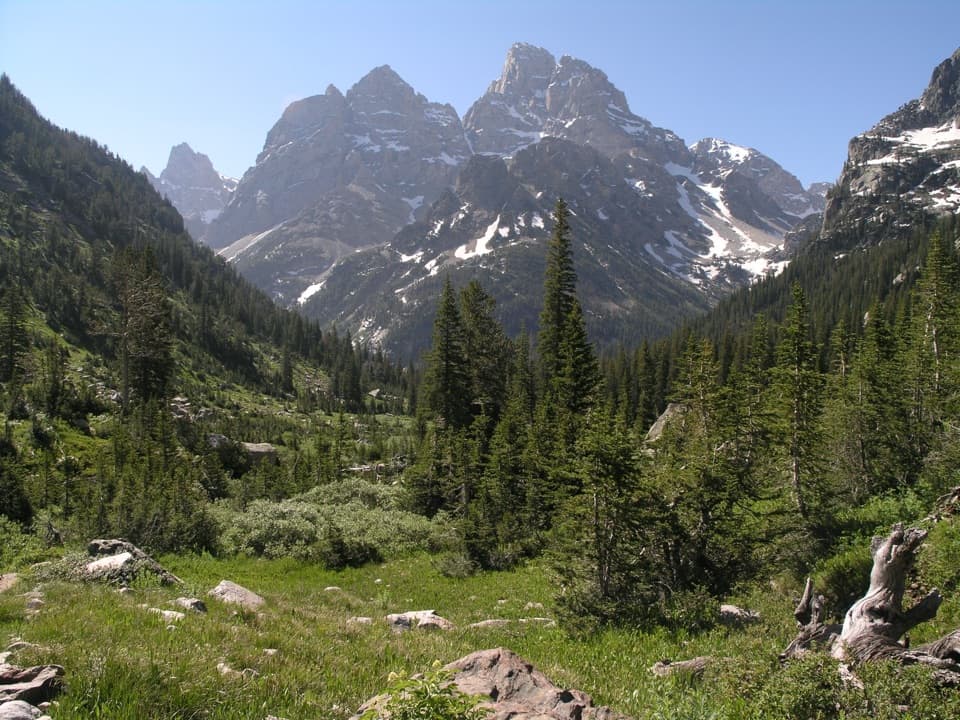
A whole day beside Granite Creek, climbing through wildflower meadows.
Overview
Map & elevation
Plan your hike

The highest, rockiest slopes around here are a summer buffet for grizzly bears.
Grand Teton Tour Guide
Parkwolf is a GPS audio tour guide for Grand Teton National Park. As you drive, it chimes in with what’s ahead: hidden gems, upcoming stops, history, geology, and wildlife, right through your car’s speakers.
See the Grand Teton audio tourRecorded for this trailhead
Granite Canyon: A Full Day to Marion Lake“You're coming up on Granite Canyon Trailhead, the start of a long hike beside Granite Creek to Marion Lake.”
Plays as you drive up to this trailhead in the Parkwolf Grand Teton Tour Guide.
More stories near here in the app
“…We have been driving around with the audio tour and it has been informational and spot on. The whole family has been impressed. We used it for Yellowstone and Grand Teton.”


Trail guide
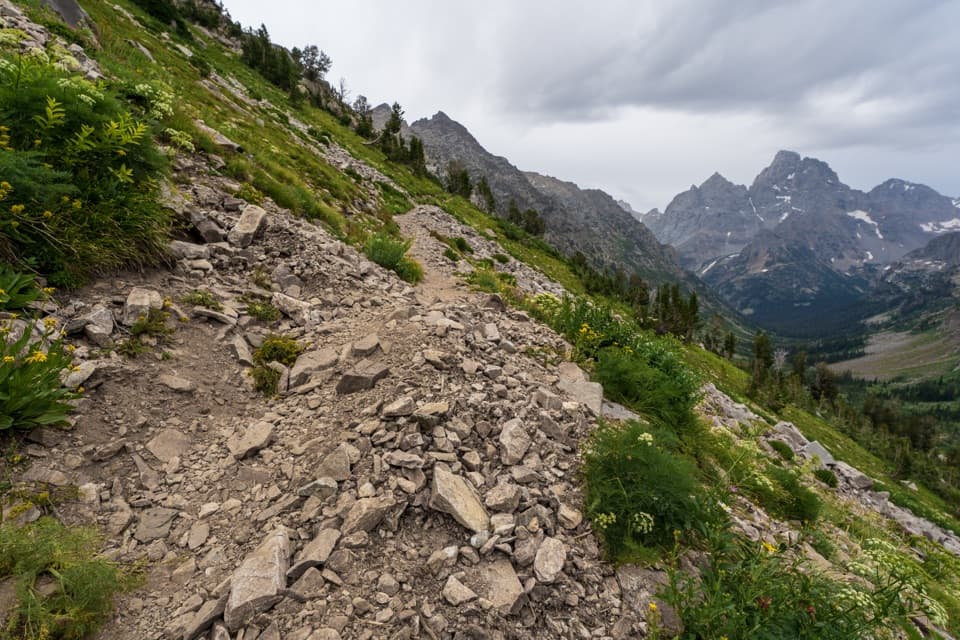
Granite Canyon Trail is a strenuous out-and-back from Granite Canyon Trailhead to the South Fork Granite Canyon junction. Follow Granite Creek through forest and wildflower meadows, then return the same way. Plan 13.4 miles round trip and 7–11 hours; the mapped line follows the corridor one way for about 6.5 miles to the junction.
The full route gains 2,190 feet over a long mountain walk. The tread is narrow and steep in places, with steps and switchbacks. This is a full-day effort, not a casual canyon stroll.
This mileage starts at Granite Canyon Trailhead off Moose-Wilson Road. The Teton Village and Valley Trail access, and the Rendezvous Mountain tram descent, are different itineraries with different mileage. Pets are not allowed. Overnight backcountry travel requires a permit.
Wildlife
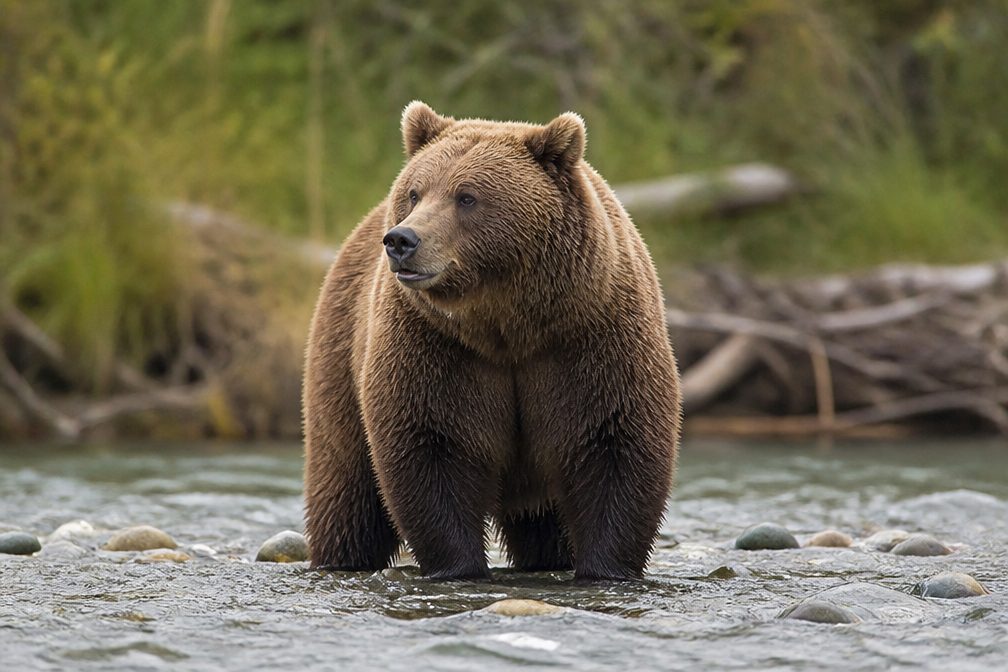 172 sightingsGrizzly BearMost seen around 7 PMSighting map
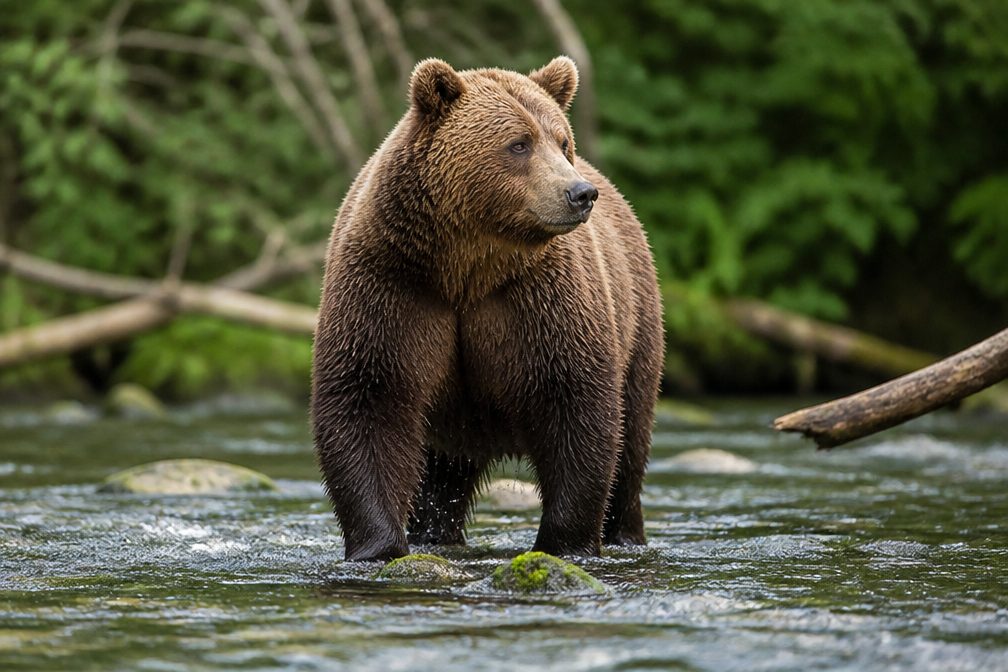 195 sightingsBrown BearMost seen around 6 AMSighting map
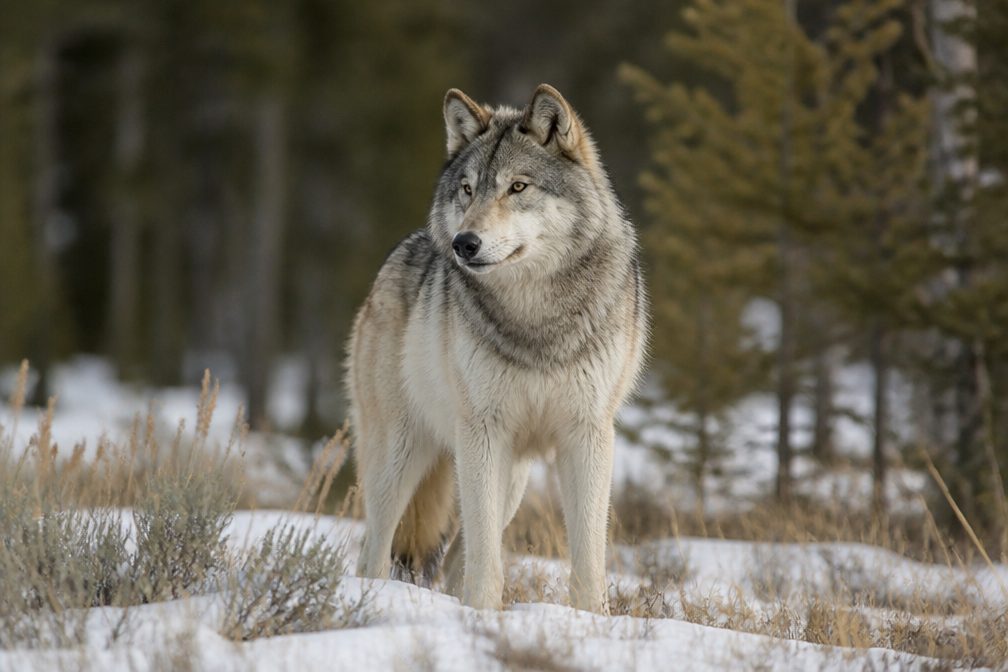 32 sightingsGray WolfMost seen around 7 PMSighting map
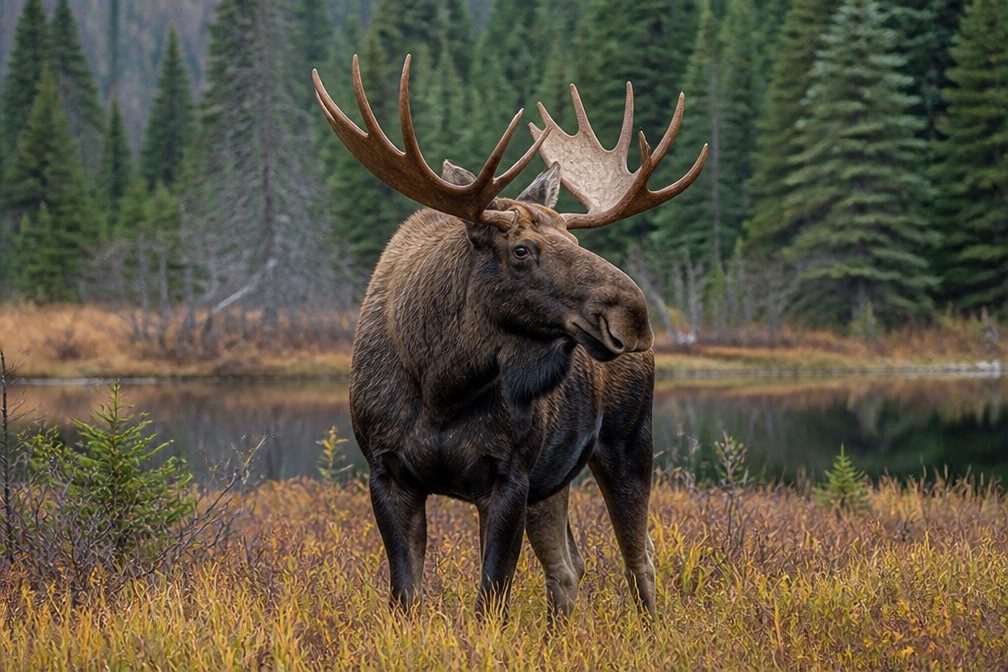 1,816 sightingsMooseMost seen around 7 AMSighting map
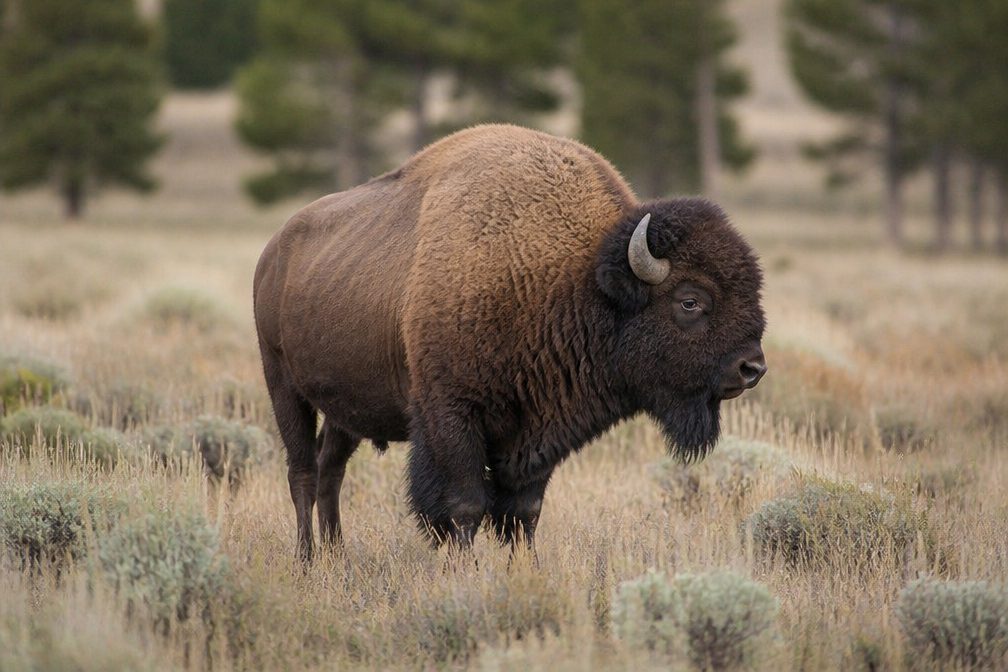 614 sightingsBisonMost seen around 6 AMSighting map
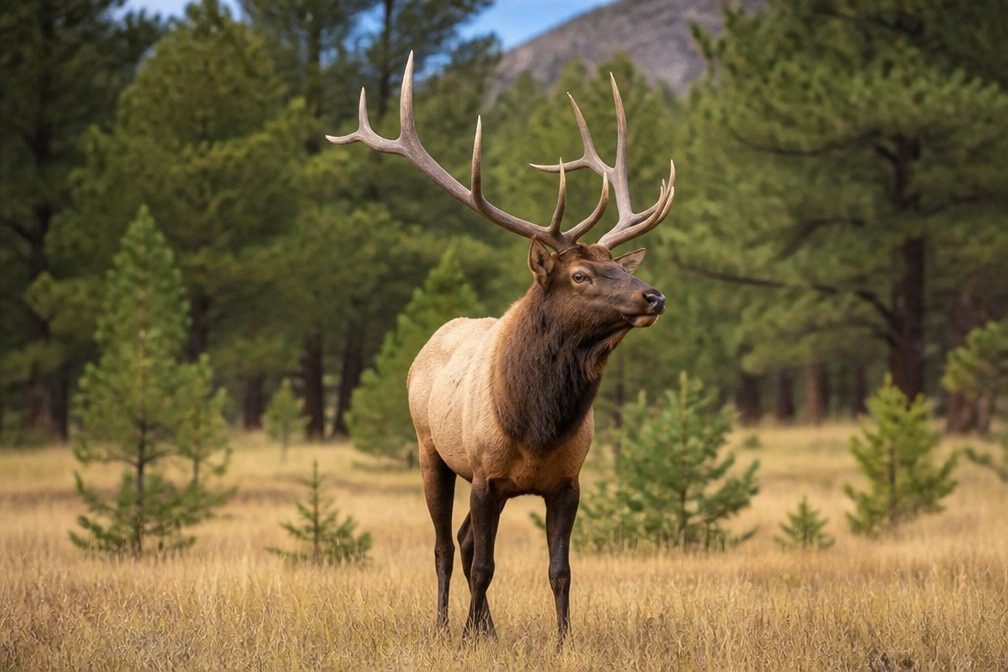 738 sightingsElkMost seen around 7 PMSighting map
Sighting maps show where each species has been reported across Grand Teton. Wildlife moves, so no sighting is guaranteed.
Keep exploring
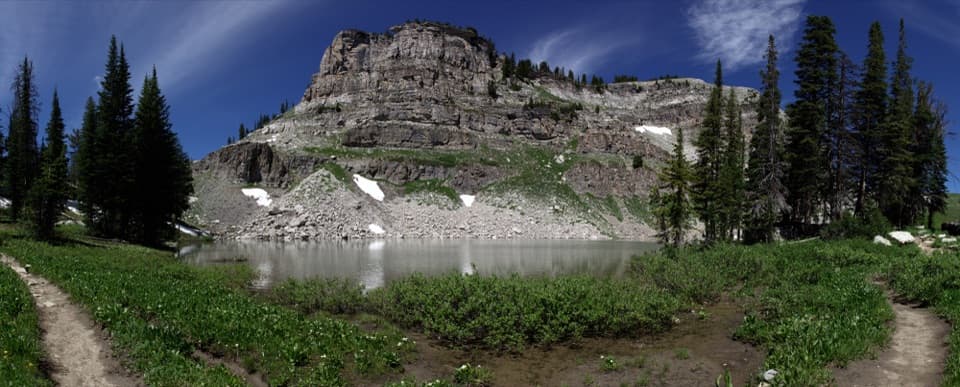 ChallengingMarion Lake via Granite Canyon18.8 mi · 12 hr · At the trailheadA full day up Granite Canyon to a high alpine lake.
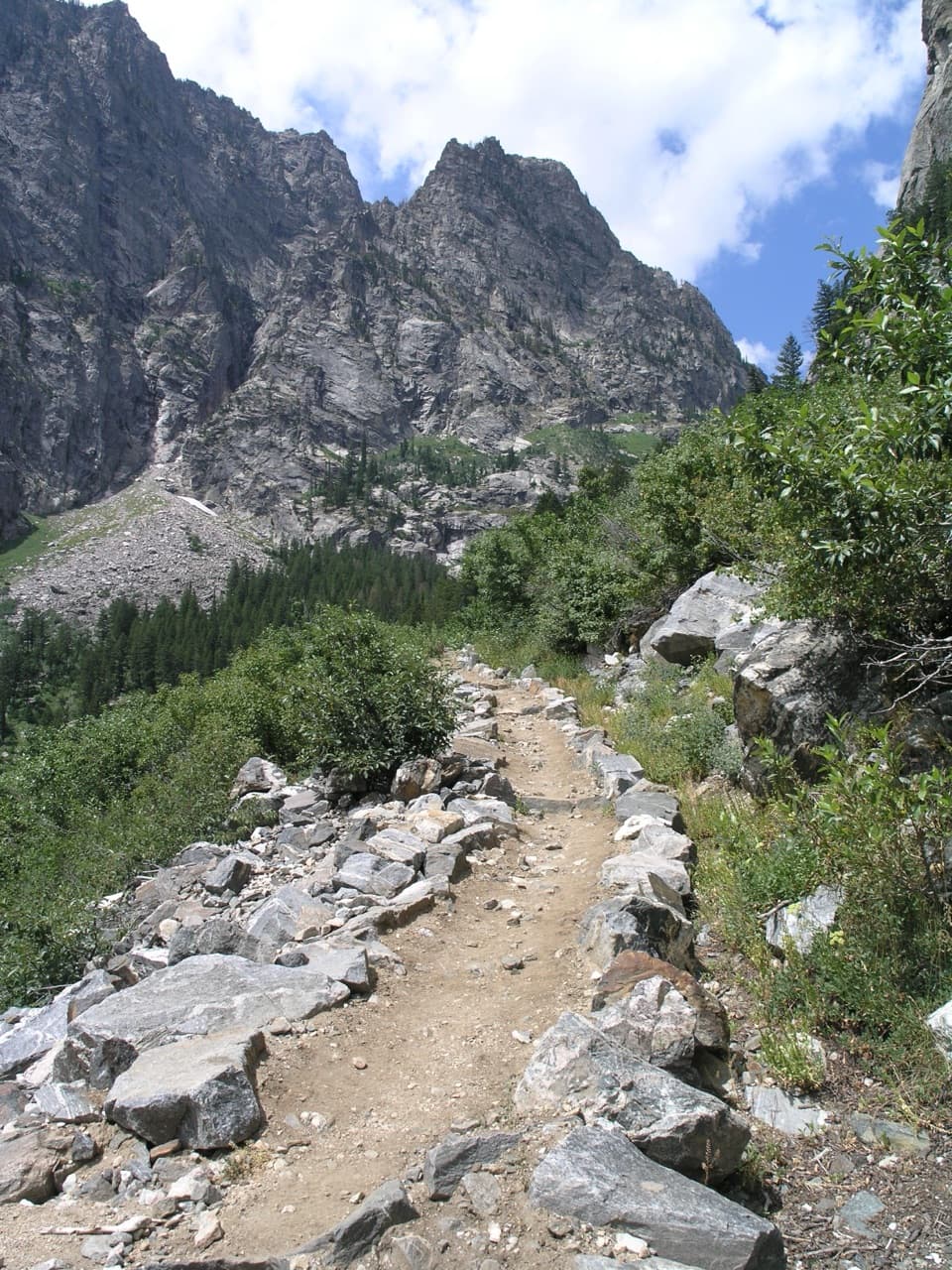 ChallengingGranite Canyon - Fox Creek Pass - Death Canyon Loop24.2 mi · 16 hr · At the trailheadTwo nights link Granite Canyon, Fox Creek Pass, and Death Canyon.
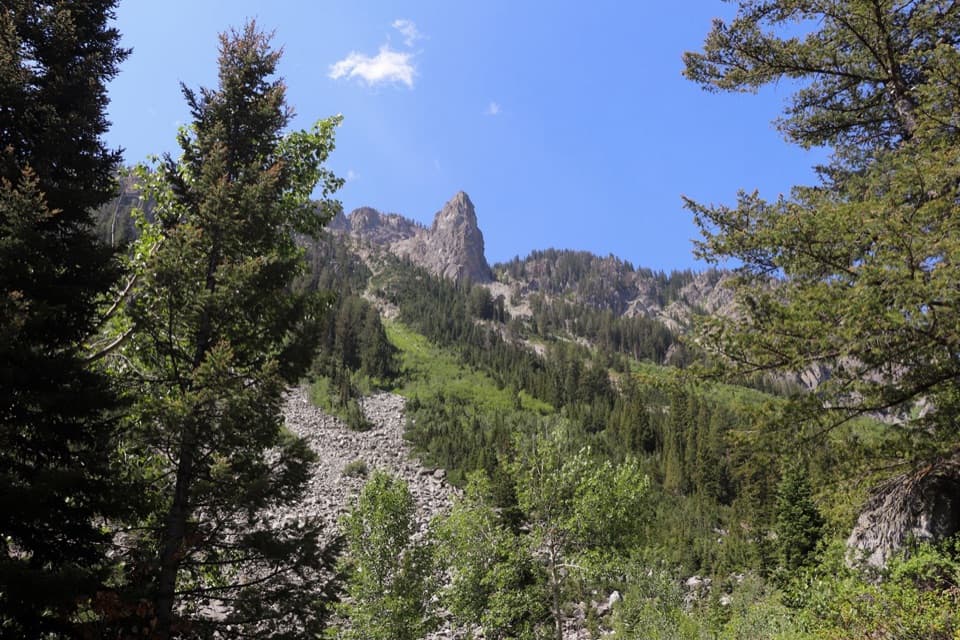 ChallengingGranite Canyon/Open Canyon Loop via Valley Trail20.2 mi · 11 hr · At the trailheadA 20 mile loop over Mount Hunt Divide and down Open Canyon.
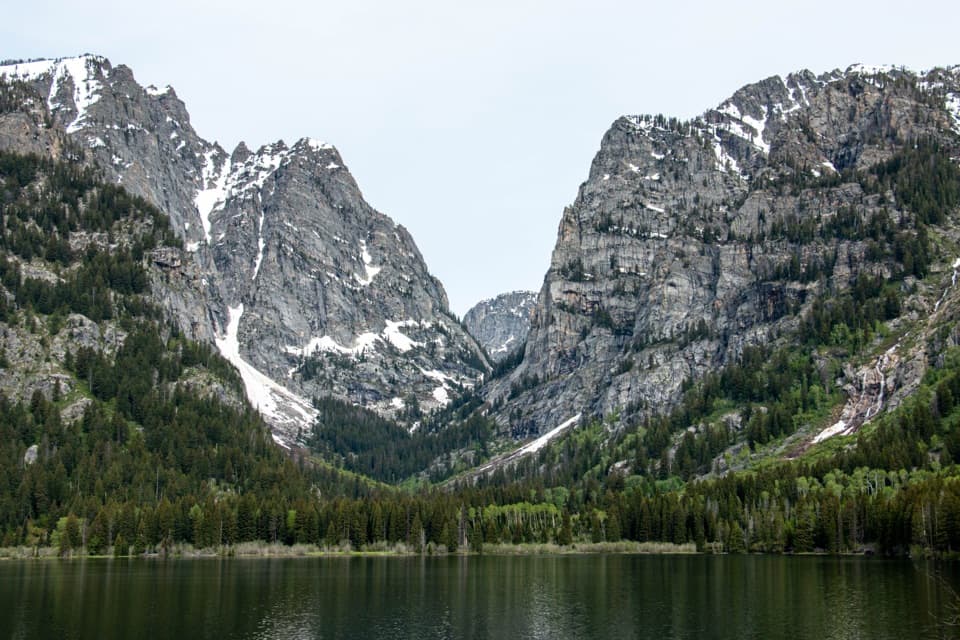 ModerateAspen Ridge-Boulder Ridge Loop6.2 mi · 4 hr · 1.6 mi awayAspen groves, glacial boulders, and a south-shore look into Death Canyon.
 ModeratePhelps Lake Loop Trail6.4 mi · 4 hr · 1.6 mi awayA lake circuit with rocky shores, mountain views and a beach break.EasyLake Creek-Woodland Trail Loop3 mi · 2 hr · 1.7 mi awayWooded loop to Phelps Lake with Death Canyon views.
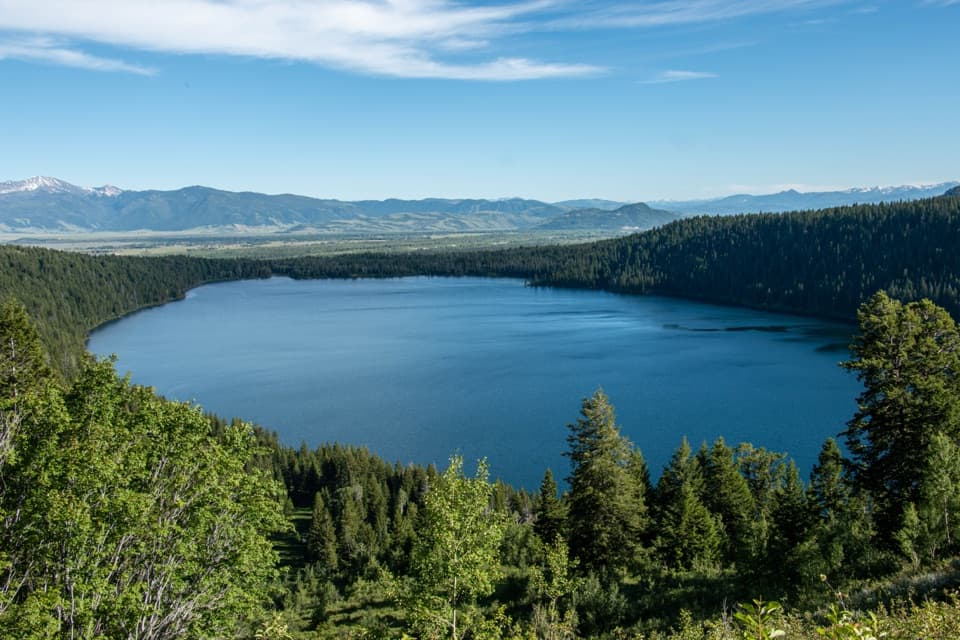 ChallengingValley Trail to Phelps Lake Overlook13.2 mi · 8 hr · 1.8 mi awayA long Teton Village climb to the Phelps Lake overlook.
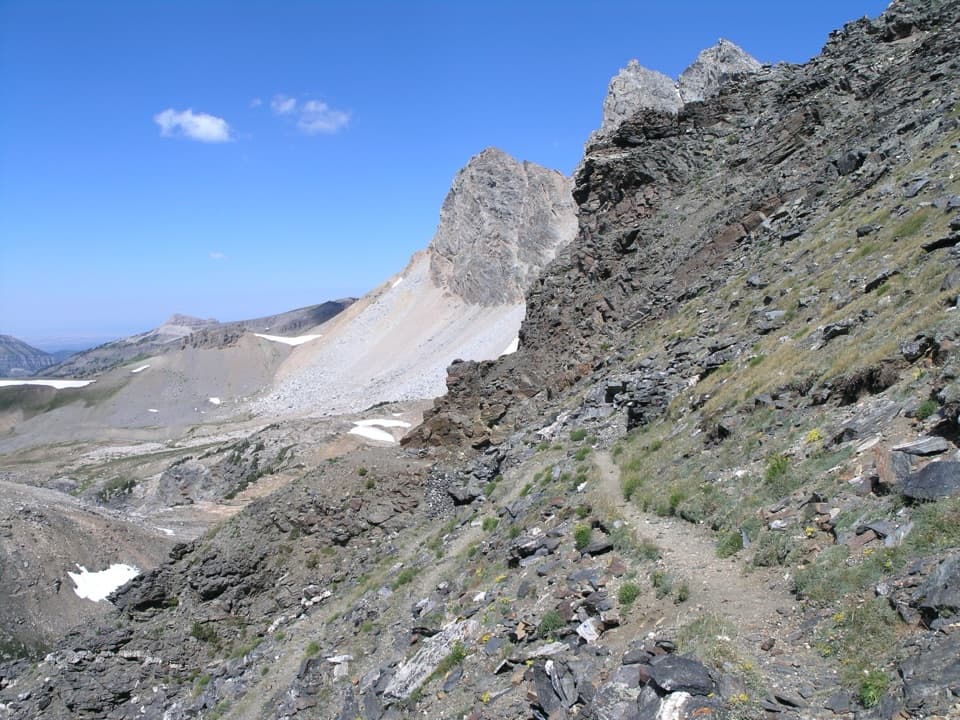 ChallengingStatic Peak Divide Trail16 mi · 10 hr · 3.4 mi awayA full-day climb to a high pass above Alaska Basin.
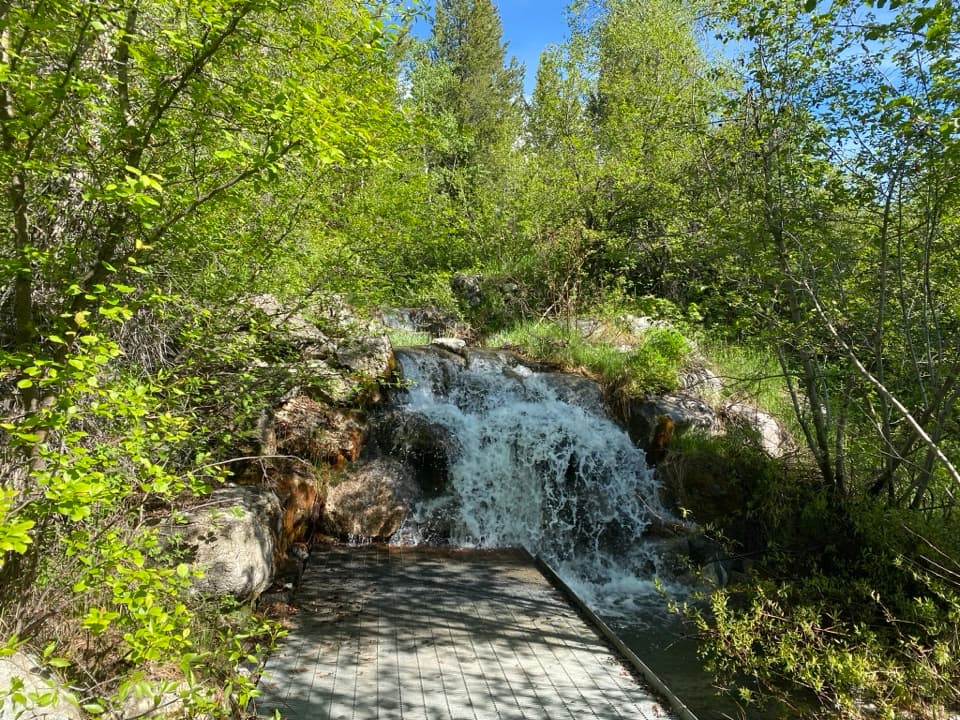 Sight · 1.5 mi awayLake Creek OverlookA quick, accessible stop beside Lake Creek's small cascade.
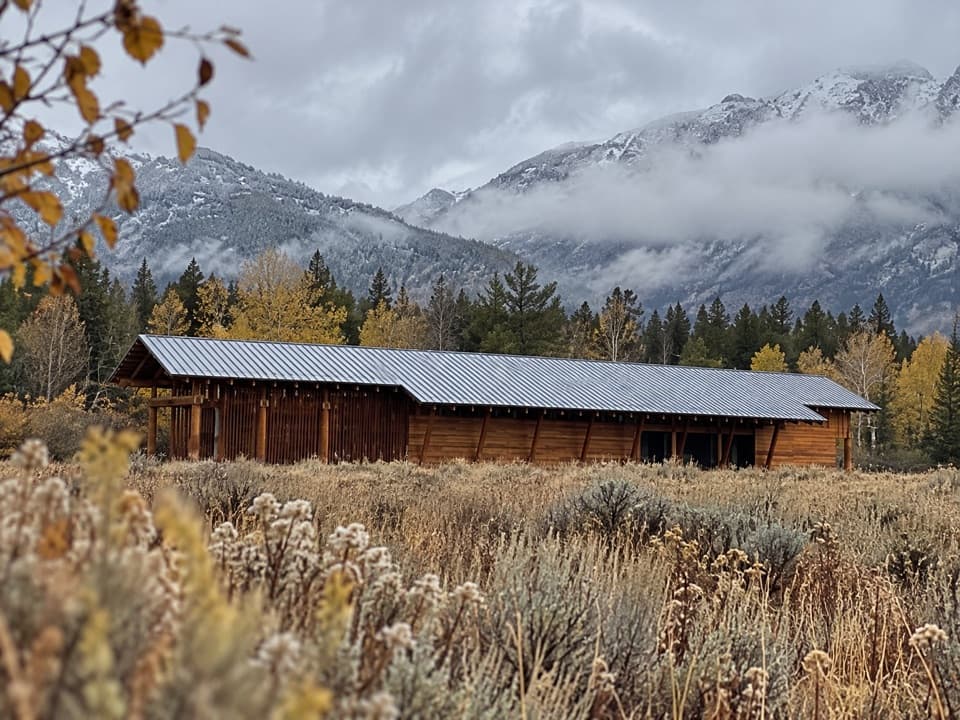 Visitor center · 1.6 mi awayLaurance S. Rockefeller Preserve CenterA sensory introduction to the preserve before the Phelps Lake walk.Sight · 2.5 mi awayPhelps LakeA mountain lake with a sandy beach and a distinctive boulder.Sight · 3.5 mi awayPhelps Lake OverlookA forest hike opens onto a wide view of Phelps Lake.
 Sight · 3.5 mi awayWhite Grass Dude RanchA 1919 dude ranch became a center for preserving western park buildings.
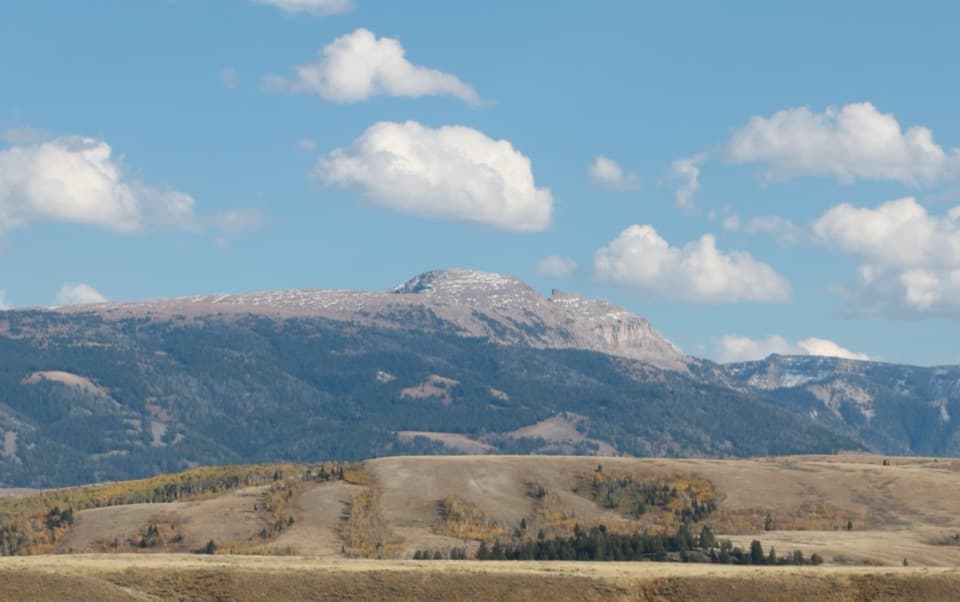 Scenic pullout · 3.6 mi awaySleeping Indian TurnoutA quick pause to find Sheep Mountain’s reclining profile.
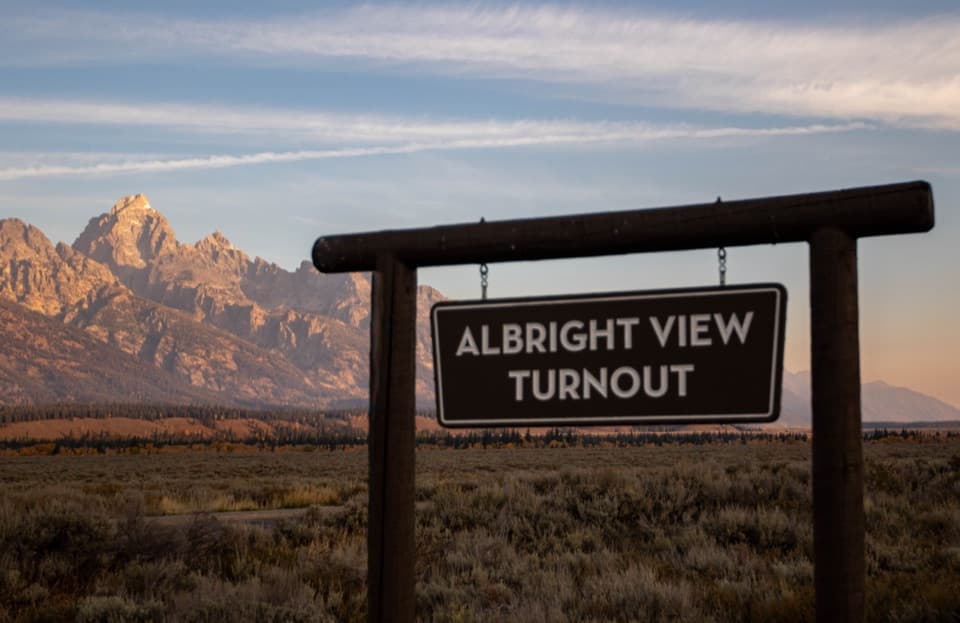 Scenic pullout · 4.2 mi awayAlbright View TurnoutA Teton pullout with a worthwhile Horace Albright story.
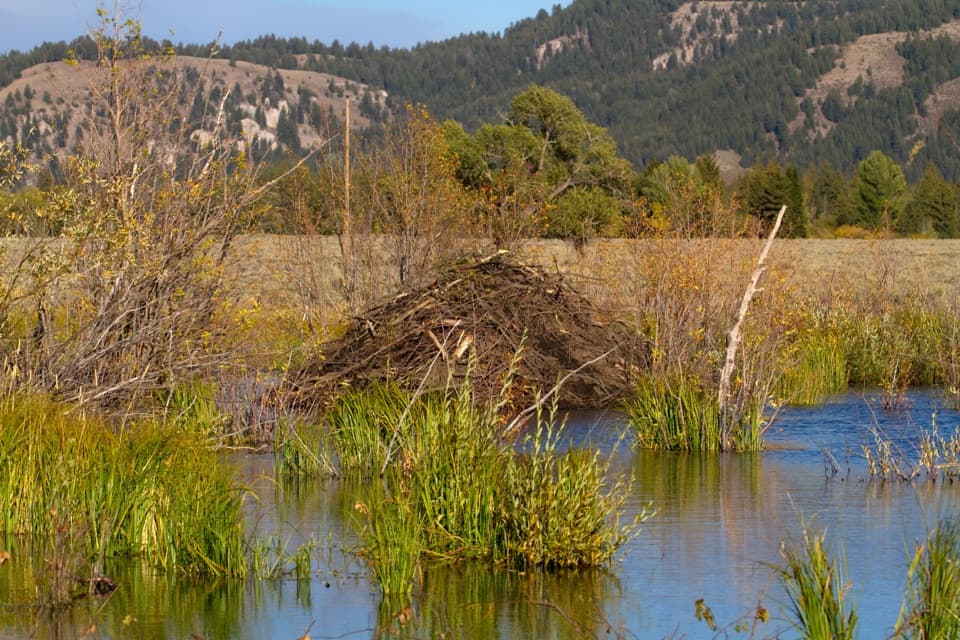 Sight · 4.2 mi awaySawmill Ponds OverlookA spring-fed beaver pond with a 1920s sawmill story.
Parkwolf’s Grand Teton ranking

The audio tour guide for the drive, plus offline maps, trails, and wildlife heatmaps for when the signal drops.