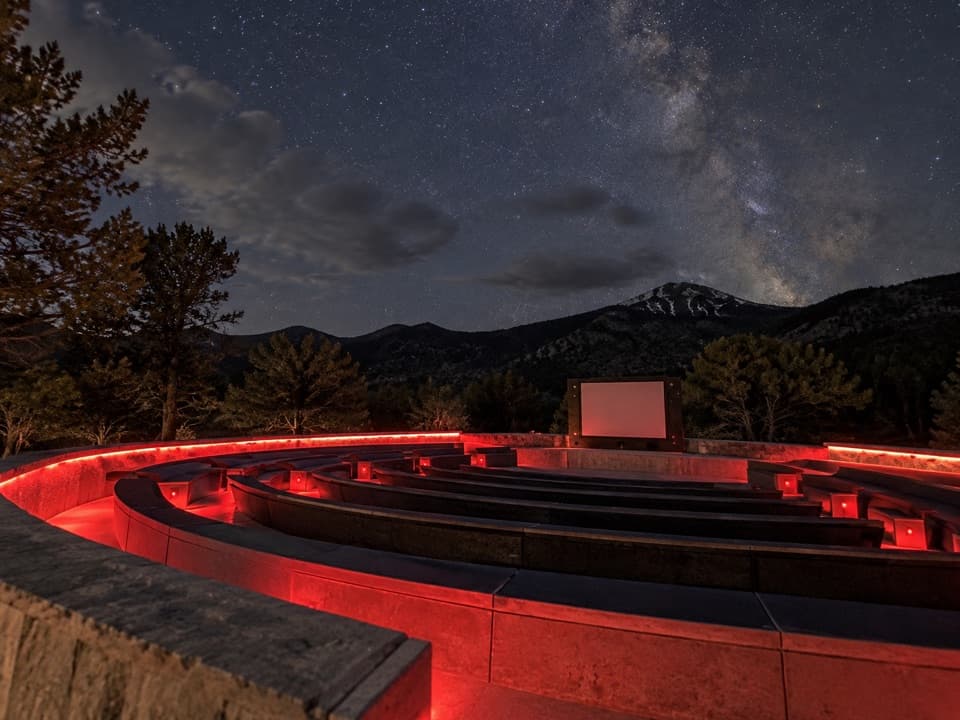
Wheeler Peak Bristlecone Grove

Ancient bristlecones in a stark, wind-sculpted alpine grove
Wheeler Peak Bristlecone Grove, Great Basin National Park
InsideGreat Basin National Park

Overview

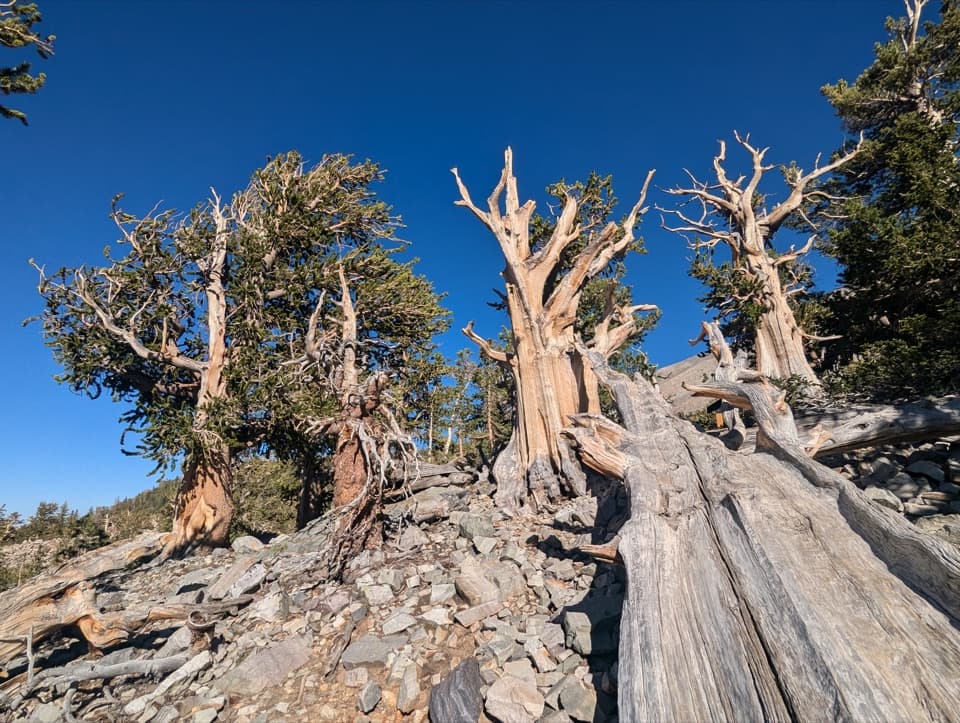
This grove is where Great Basin’s timekeepers live—bristlecone pines sculpted by wind and ice, some dating back millennia. You’ll walk among living trees and beautifully twisted deadwood while learning how they survive in harsh, dolomite-rich soils. It’s a signature stop off the Wheeler Peak Scenic Drive and, honestly, one of the park’s must-do experiences.

The Hike

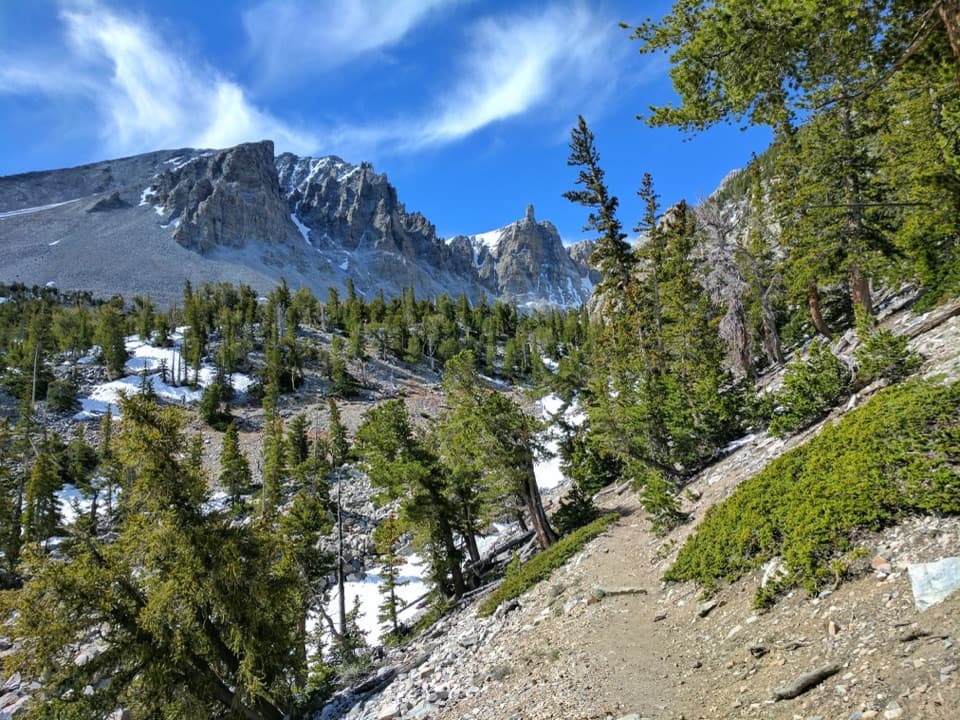
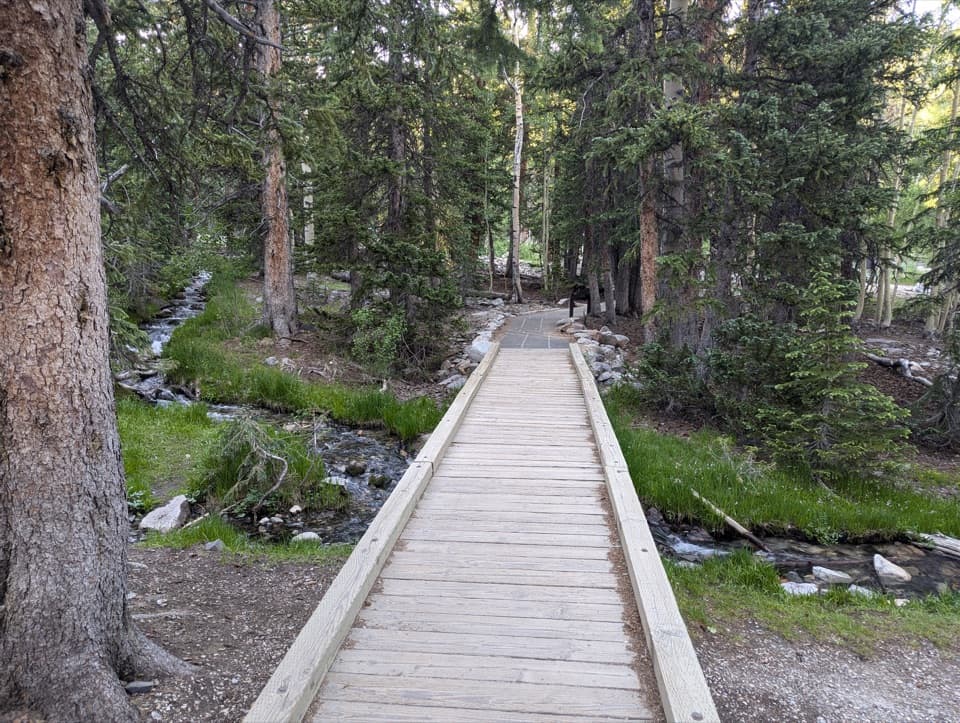
From the end of the scenic drive near Wheeler Peak Campground, the Bristlecone Trail climbs steadily through subalpine forest to a well-signed interpretive loop in the grove. Expect about 2.8–3.0 miles round trip, roughly 500–600 feet of gain, and a top elevation near 10,300 feet. The path is mostly packed dirt with rockier, occasional scree sections—nothing technical, but poles help on the descent. Most hikers find it moderate; the altitude is the real challenge.

Why It’s Special

Great Basin bristlecones are among the longest-lived non‑clonal organisms on Earth. The grove’s signage explains their slow growth, tight rings, and resinous wood that shrugs off decay—why the deadwood looks like sculpture. This area also tells the story of the famed Prometheus tree, cut in 1964 and dated to more than 4,800–5,000 years.

Add-Ons and Variations

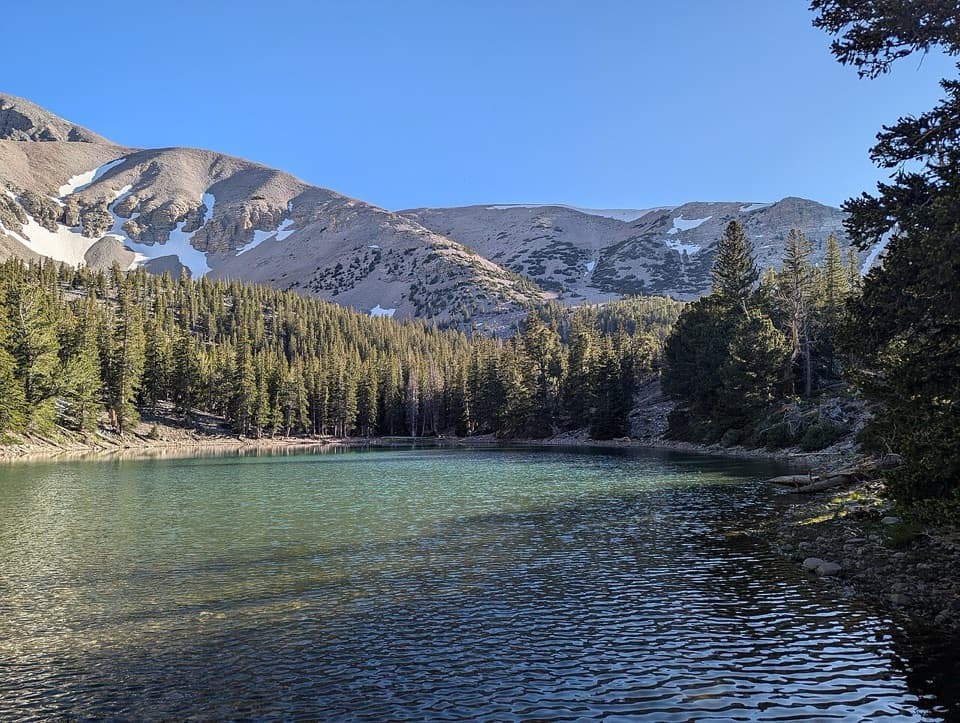
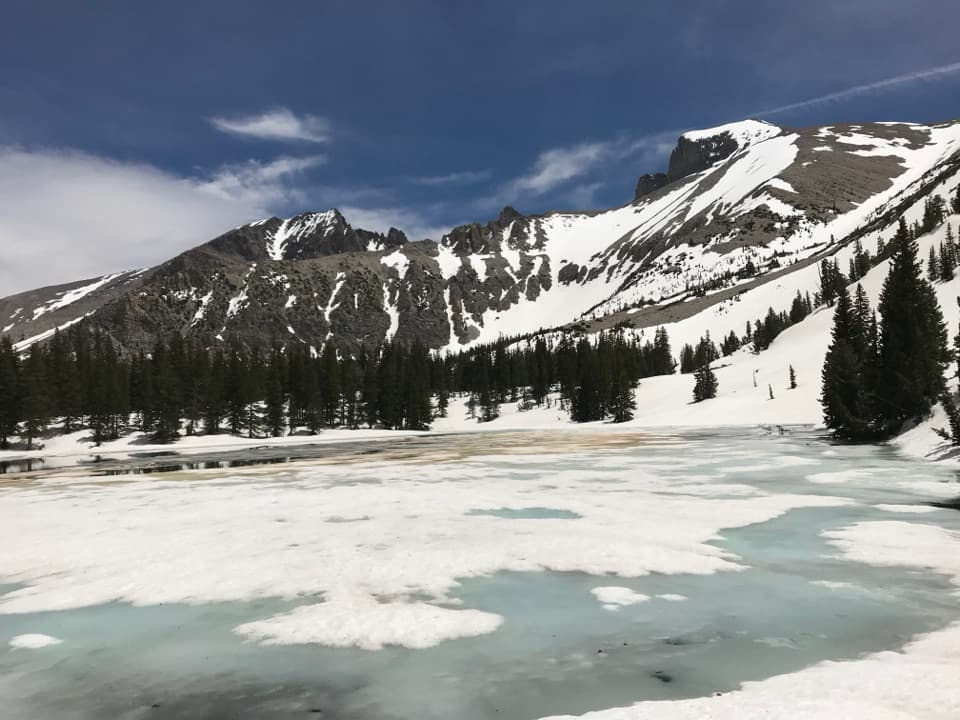
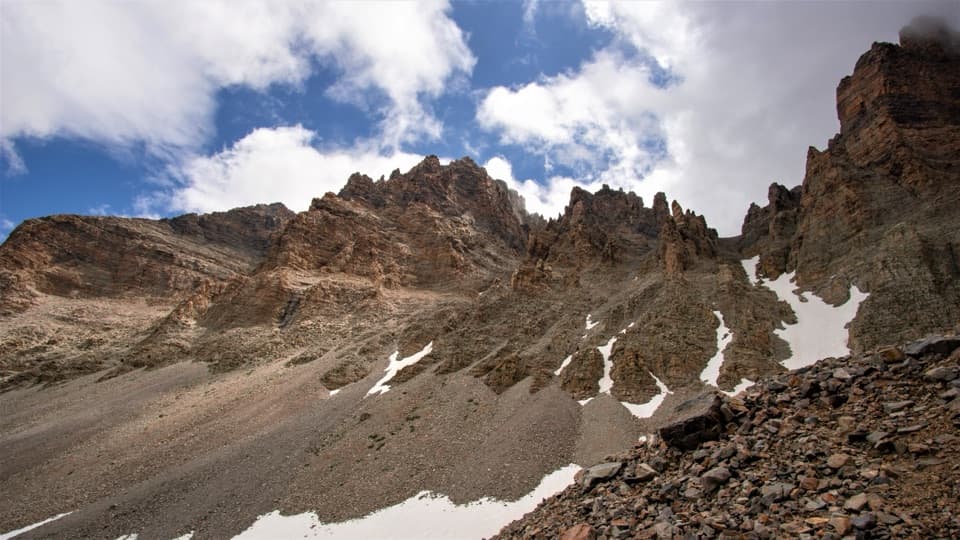
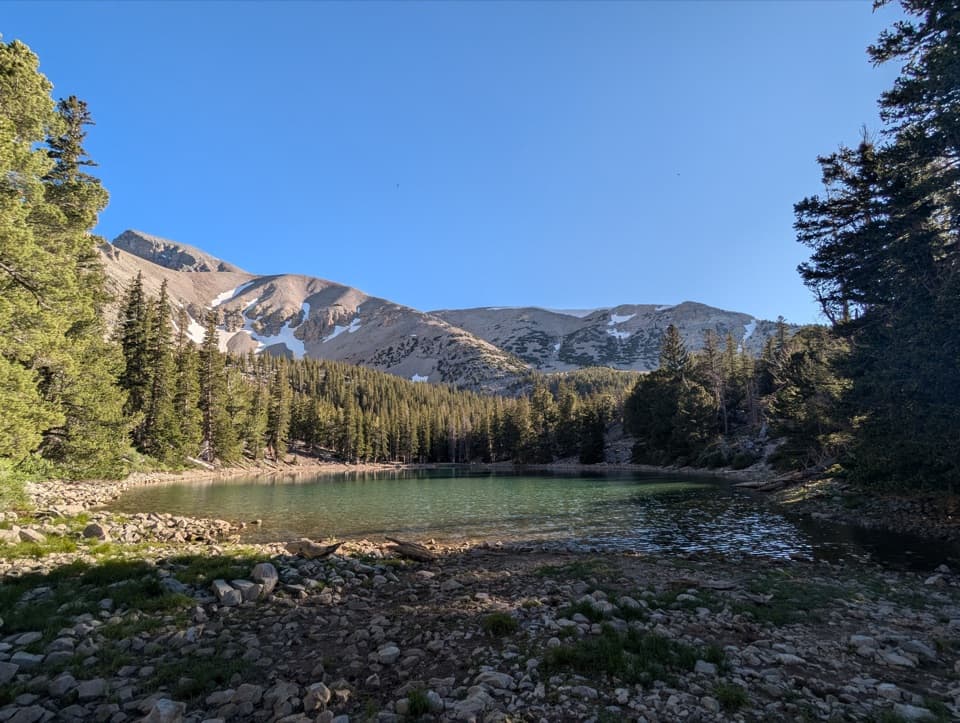
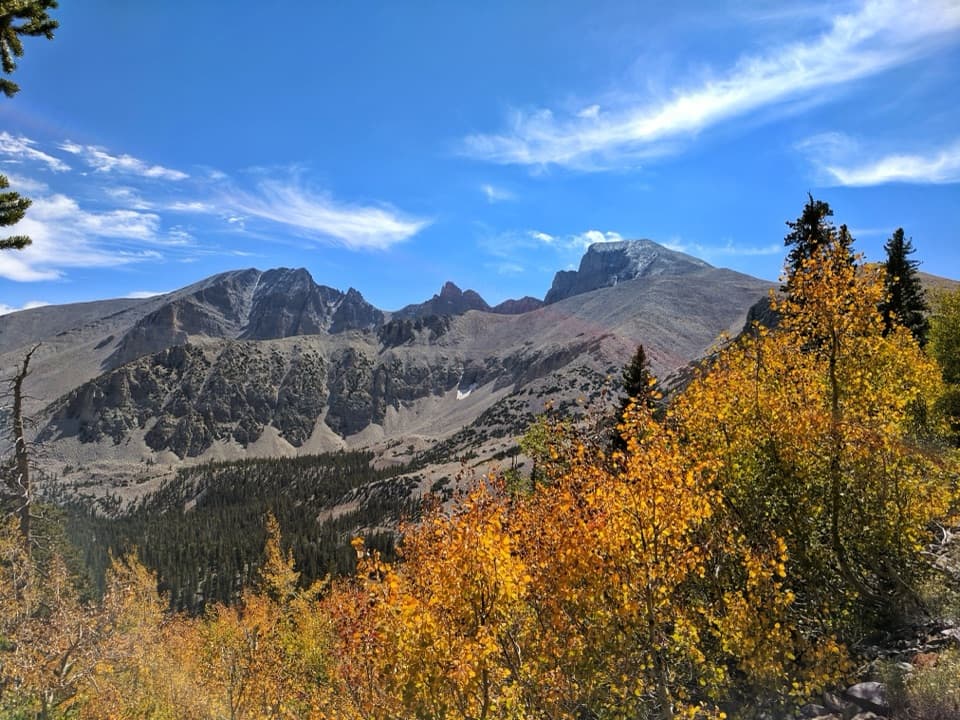
Feeling good at altitude? Continue beyond the grove on the Glacier Trail to the Wheeler Peak rock glacier nestled in a classic alpine cirque. If you’d rather mix scenery, pair the bristlecones with the nearby Alpine Lakes Loop for views of Teresa and Stella Lakes.

Wildlife

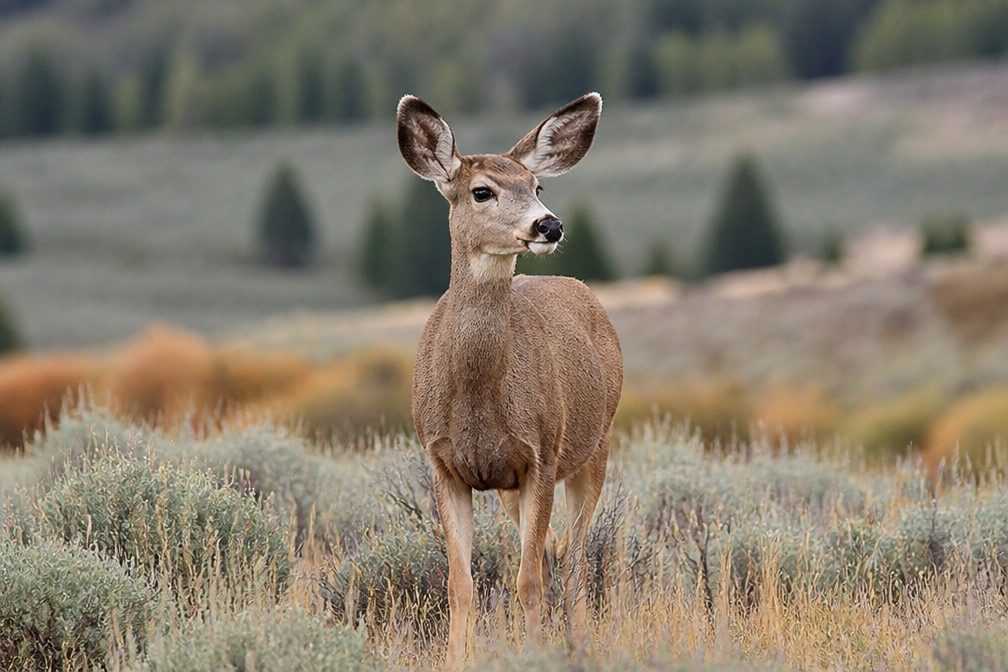
Keep an eye out for mule deer and small mammals like chipmunks along the forest edge. Snakes occur in the region (including Great Basin rattlesnake at lower/mid elevations), so watch your step and give all wildlife space. Around the lakes, casual birding can be surprisingly good.

Season and Conditions

Snow can linger into June—and even patchily in July—so early season may mean navigating snow patches or turning around. Afternoon winds and thunderstorms are common in summer; start early and bring layers. Trails can be rocky in spots, and the altitude hits harder than the stats suggest. Pets aren’t permitted on park trails.
Amenities and Logistics

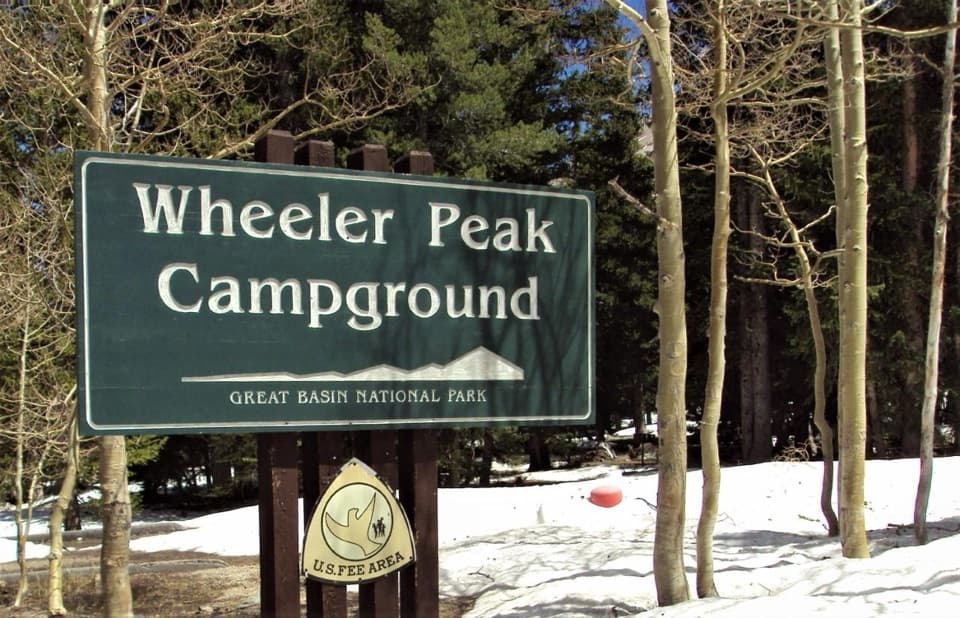
At the end-of-road trailhead you’ll find vault toilets, signed parking, and the start of multiple hikes. There’s no potable water along the Wheeler Peak Scenic Drive or at the campground—bring what you need. The road is paved and steep with scenic pullouts; vehicles or towed units over 24 feet aren’t allowed past Upper Lehman Creek.

Best Time to Visit

Weekday mornings are your sweet spot for easier parking, calmer winds, and gentler light on the trees. Late summer through early fall is the most reliable window for snow-free travel, but even midsummer can run cool at 10,000 feet. Golden hours (early and late) are best for photography thanks to the grove’s textures and contours.

Pros

  • Ancient bristlecone pines with an interpretive loop of signs
  • Moderate, rewarding hike with options to continue to a rock glacier

Cons

  • High elevation makes the short distance feel tougher
  • Parking at the end-of-road trailhead is limited on busy days

Tips

  • Start before mid-morning to snag parking and beat afternoon wind and storms.
  • Bring all the water you need; there’s no potable water on the scenic drive.
  • Trekking poles help on the rockier, scree sections near the grove.
  • If you’re acclimating, take it slow—altitude is the main challenge here.
  • Consider extending to the rock glacier for bigger alpine views if weather holds.
The Parkwolf tour guide sitting on a phone mounted in a car

Parkwolf Tour Guide

Like a tour guide in your car.

Save the places you found around Great Basin, then let Parkwolf guide the drive between them.Download Parkwolf on the App Store