Place · 1.3 mi away

A spring-fed cascade pours over a dark, algae-streaked cliff and onto the shore platforms right beside the Southern Ocean. When sunlight hits the mist after rain, you’ll see why it’s called Rainbow Falls.
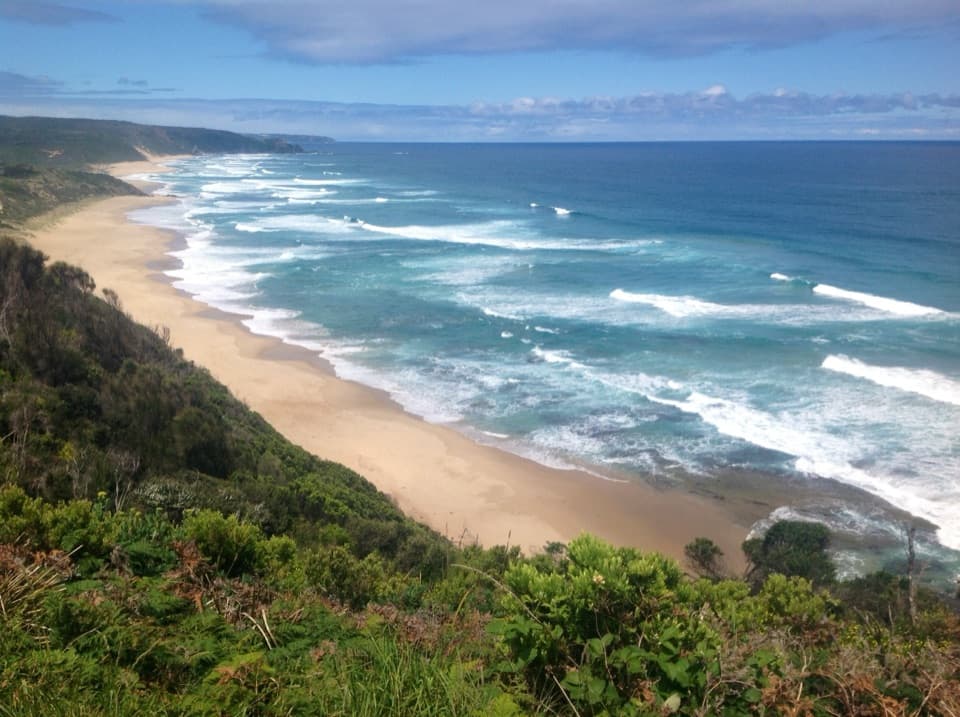
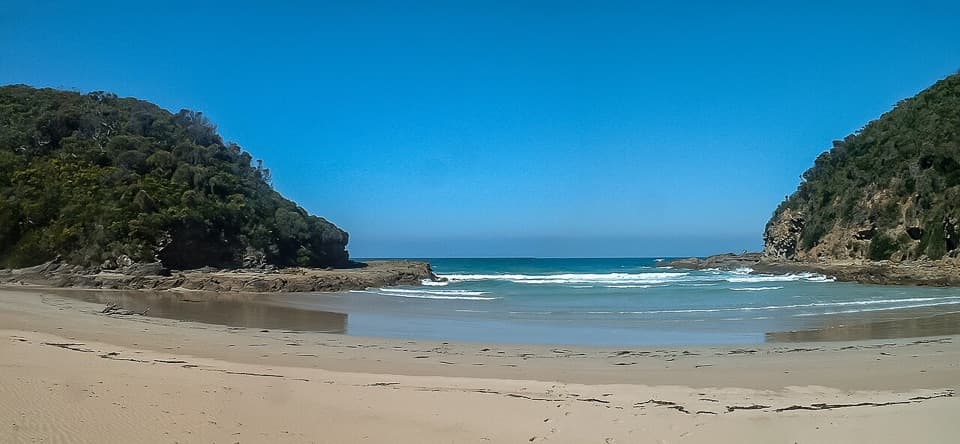
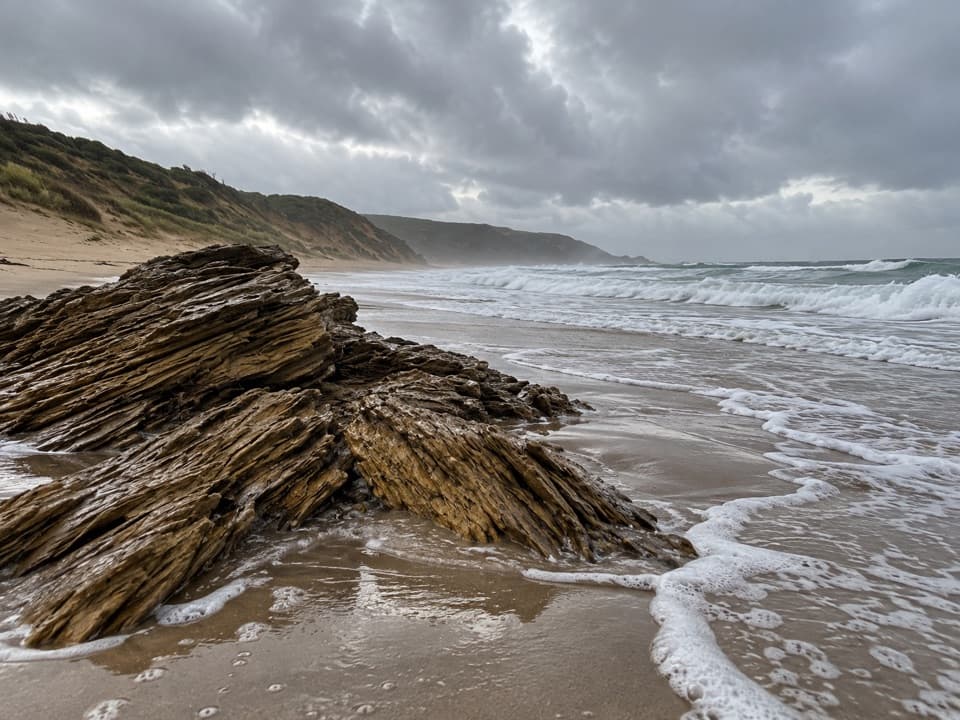
Start from the Cape Otway Lighthouse carpark and follow the Great Ocean Walk toward the Cape Otway campsite and Station Beach. At the beach, turn left (east) along the sand to the falls. From the main track it’s roughly 1.6 km along soft sand—plan on about 30–45 minutes each way, plus time to explore.
Timing is everything: go at or near low tide when the rock platforms are exposed. If the swell looks rough, skip it—don’t trust the tide chart alone. Expect very slippery algae-covered rocks, and resist the urge to climb the wet cliff face. Station Beach is unpatrolled and often rough; swimming isn’t recommended.
Trickling spring water threads through orange and yellow mineral staining and mats of moss and algae before fanning out across the rock shelves. The coastal setting adds big Bass Strait views and wave drama you won’t get at the Otways’ inland waterfalls.
Flow is most reliable after steady rain from autumn through early spring (March–November). For the namesake colors, aim for a sunny low‑tide window after rain.
Between roughly June and September, scan offshore for southern right whales while you’re on the beach and platforms.
The freshwater spring above the cliffs once supplied nearby farms via a windmill still visible near the track. After storm damage, the system now runs on a generator and serves a few local properties—proof that this little stream has long been put to work.
There are no toilets, bins, or camping here, and dogs aren’t permitted—it’s inside the national park. Carry the Great Ocean Walk map, wear grippy footwear, pack out everything you bring, and allow extra time for the soft‑sand slog back.