Overview
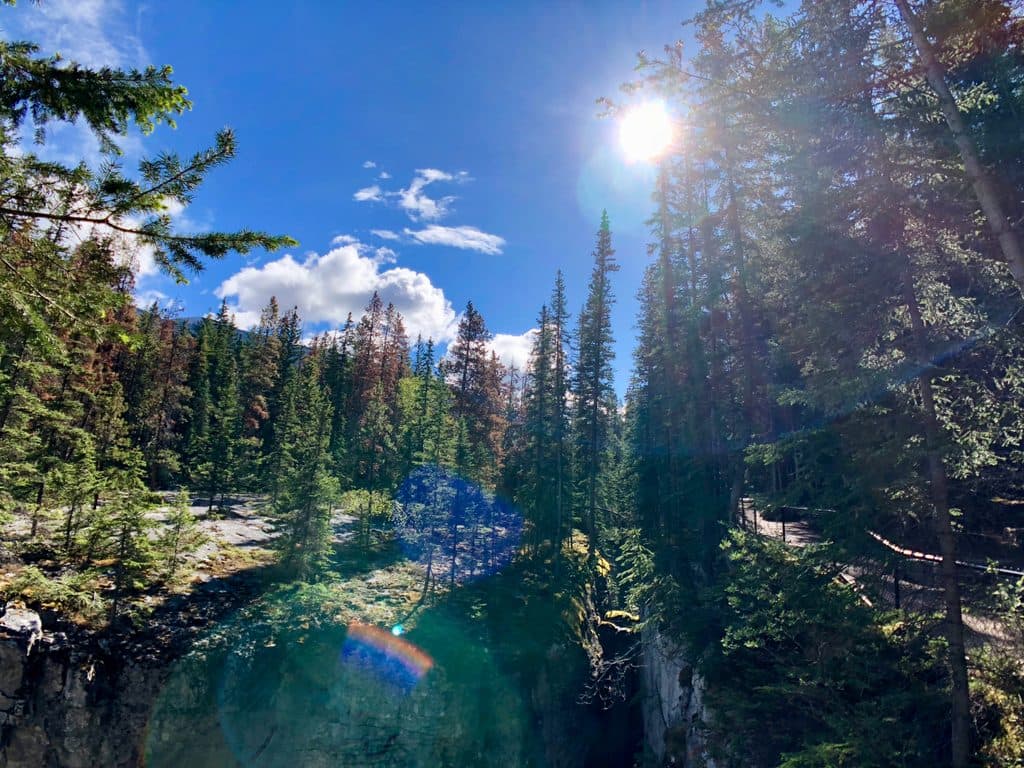
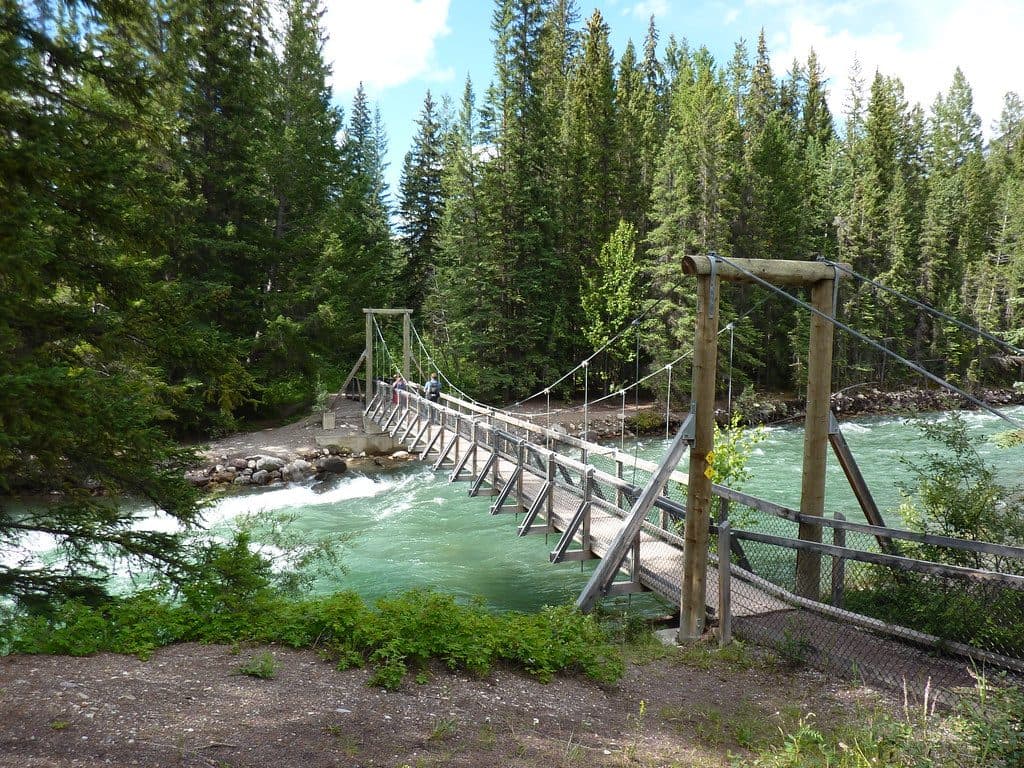
Maligne Canyon is Jasper’s head‑turner: a limestone slot canyon that pinches to about 2 m wide and drops more than 50 m. A rim trail threads across a series of numbered bridges (First through Sixth), each with a different angle on churning water, waterfalls, and sheer, sculpted walls.
Why it’s special
Cut into Devonian‑age Palliser Formation limestone, the canyon showcases classic karst—underground streams vanish and reappear as springs, especially between the Fifth and Sixth bridges. Some of the gorge may have begun as deep caves later unroofed by ice and erosion, which explains its startling narrowness and depth.
What you’ll see
- Waterfalls and potholes scoured into the rock, plus mossy, sheltered microclimates along the walls.
- Springs gushing into the Maligne River below the trail—don’t miss the stretch between Bridges 5 and 6.
- In winter, a different world: blue ice walls and frozen falls seen on guided ice walks when conditions allow.
Routes and how to do it
- Quick-hit drama: Start at the upper trailhead near the main parking/restaurant—First and Second bridges deliver instant wow.
- Full bridge tour: Hike between First and Sixth bridges. Going downhill (First to Sixth) feels far easier; many visitors arrange a two‑car shuttle.
- Expect crowds around Bridges 1–4; Bridges 5–6 are usually quieter. Trails can be slick when wet or icy—use care.
Wildlife
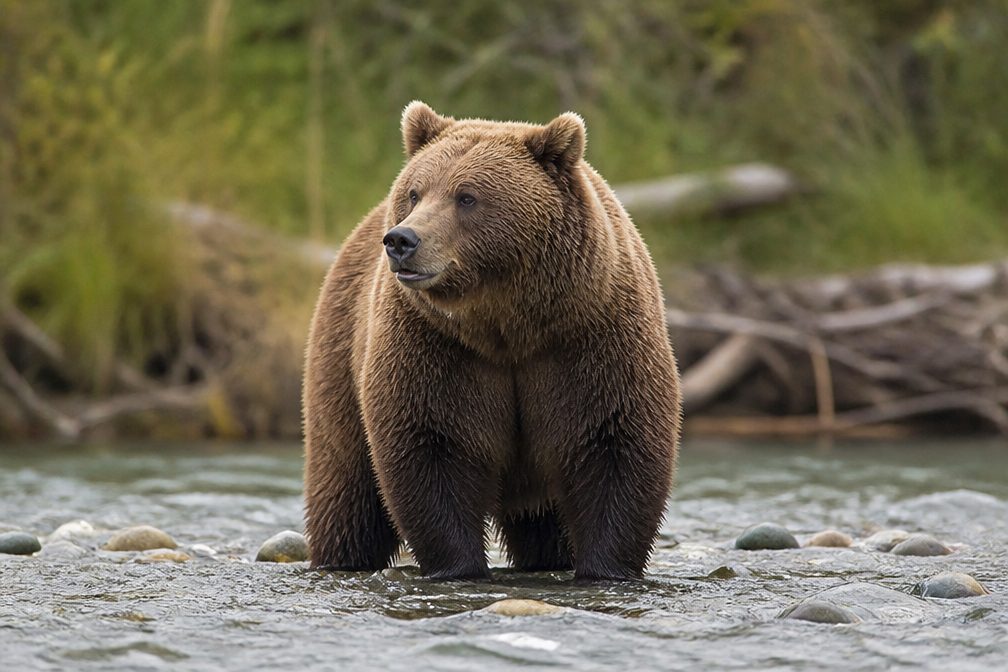
Ravens are regulars, and black swifts sometimes nest on the cliffs. Squirrels, chipmunks, and deer are common in the woods. Bears are occasionally reported near the Sixth Bridge—stay bear‑aware.
Winter ice walk
Guided tours outfit traction and lead you onto the frozen canyon floor to see ice formations up close when conditions and regulations permit. It’s a highlight of the cold season and a totally different experience than summer.
Practicalities
- Amenities cluster at the upper trailhead, including restrooms, parking, and an on‑site restaurant.
- There is no public transport to the canyon—plan to drive.
- Wildfire impacts have caused area closures; always check current conditions before you go.
Best time to visit
- Summer: Arrive early (before 9 am) or late afternoon for parking and thinner crowds; midday light can be harsh inside the canyon.
- Shoulder seasons: Quieter, with lively flows after rains and spring melt.
- Winter: Midday sun helps illuminate the ice; join a guided ice walk when conditions allow.
- Weekdays are calmer than weekends year‑round.
Safety and gear
Wear sturdy shoes with good grip; bring layers and water. Carry bear spray if you’re venturing toward the lower bridges. In winter, use traction devices and stick to guided options where required.