Place · 2.9 mi away

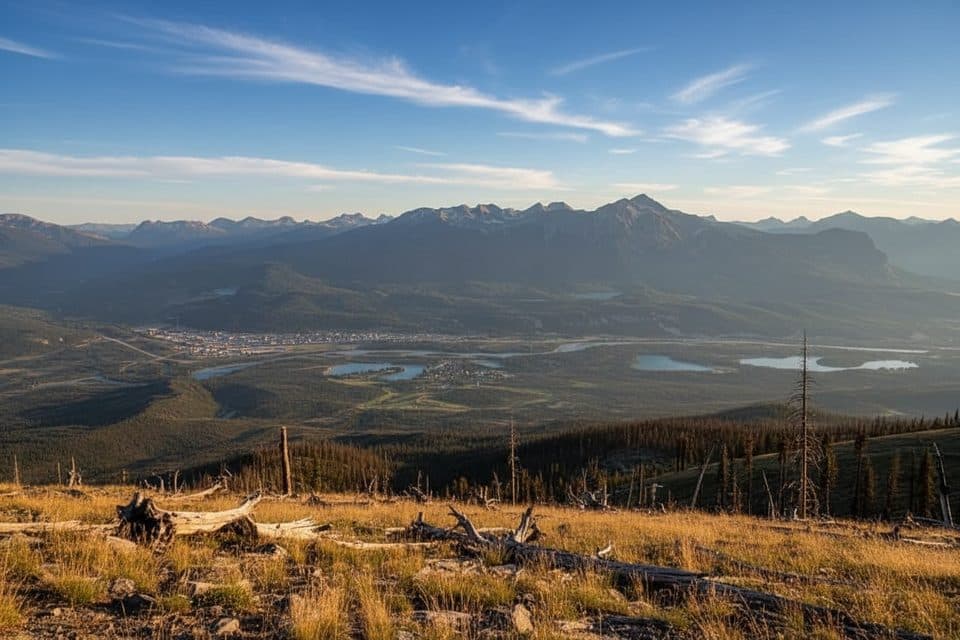
Roche Bonhomme (aka Old Man Mountain) is the craggy, face-shaped peak staring back at Jasper from the Colin Range. It’s a steep, no-nonsense climb that rewards quickly with sweeping Athabasca Valley views and a characterful summit ridge that looks like a profile—forehead, nose, chin and all.
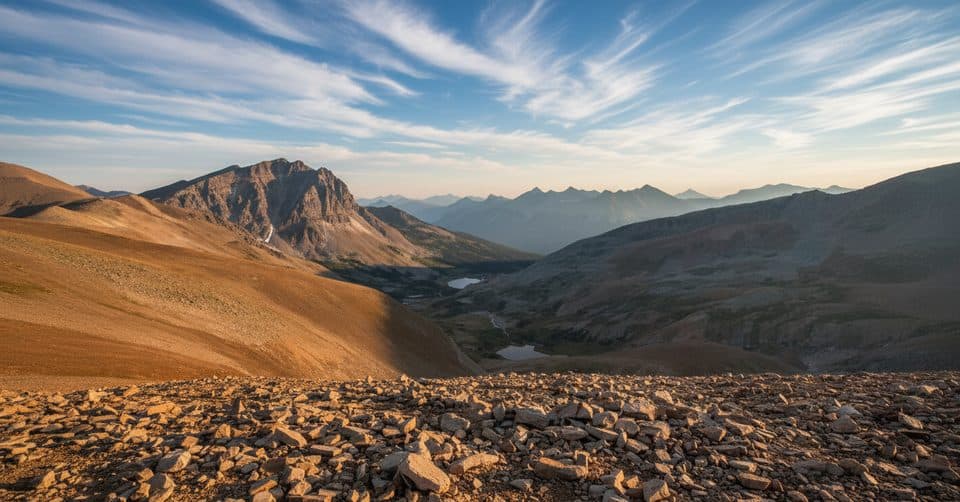
This one climbs fast and direct, which fit hikers love. You’ll break treeline quickly, step onto a ridge with big-mountain feel, and soak up views toward Jasper, Grisette Mountain, Mount Dromore, Excelsior Mountain, Mount Tekarra, and even Mount Edith Cavell. It’s less trafficked than the park’s headline hikes but just as scenic.
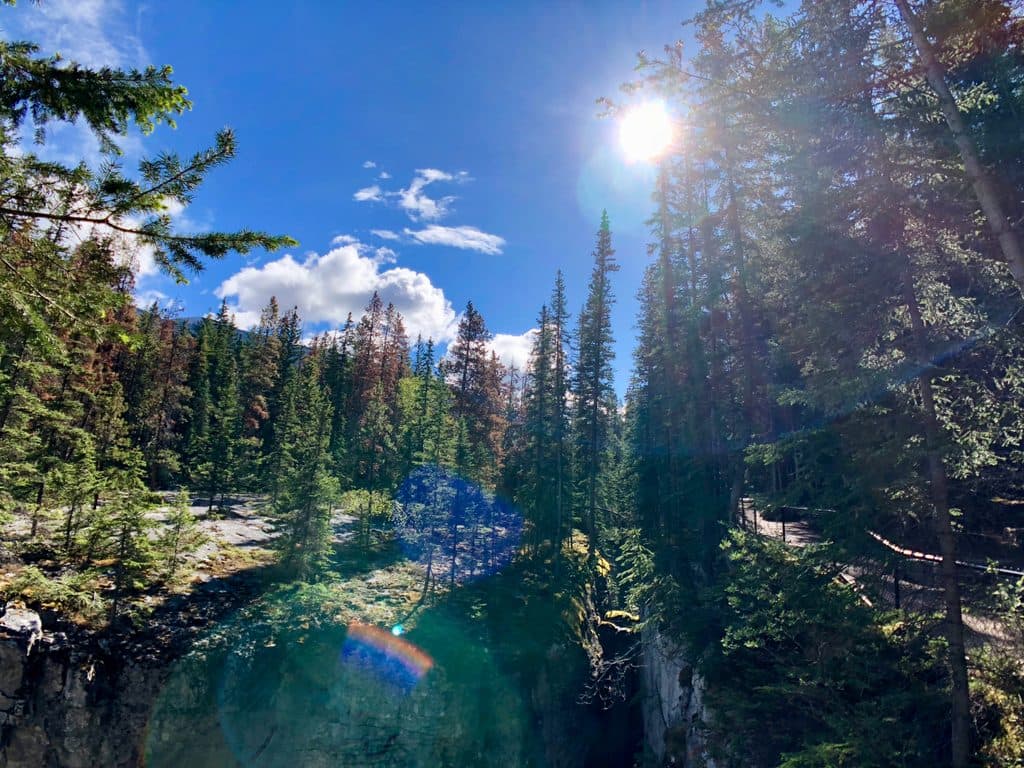
Expect a sustained grind: nearly 1,000 m in the first few kilometers with scarce respite or switchbacks. The approach passes forest, two small canyons, and some quirky rock formations (with a trickling stream) around 2 km in. The final ridge walk is the highlight—and the hazard—thanks to exposure and seasonal cornices. There’s even a small cave tucked along the ridge between the “nose” and “chin,” handy for a wind or rain break (but not a storm shelter).
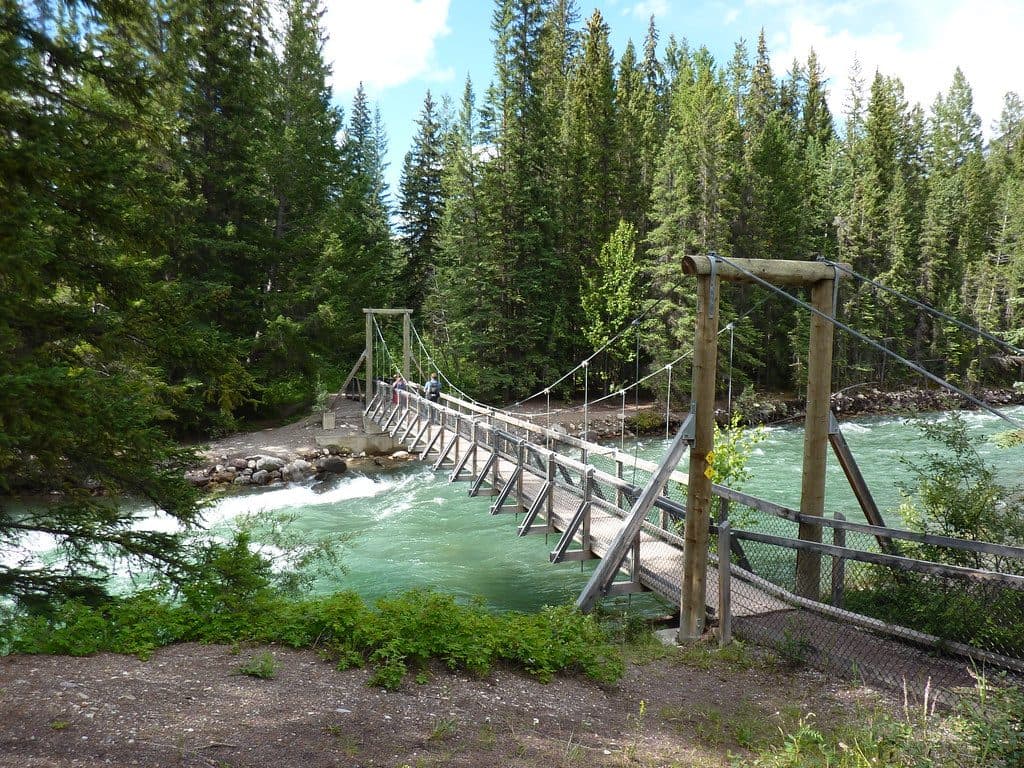
Park at the main Maligne Canyon lot (by the restaurant building). From the lot, walk back to Maligne Road and head about 350 m south. Look for a large “lake tour schedule” sign on the west side of the road—this subtle landmark marks where the user-favored path begins. From there, the route is straightforward but steep.
The ridge can be exposed, and snow cornices build along the crest—treat them with caution. The descent is punishingly steep on tired legs. There’s no reliable water on route, and weather shifts quickly above treeline. Navigation is simple once you’re on-route, but that first 350 m of detective work matters.
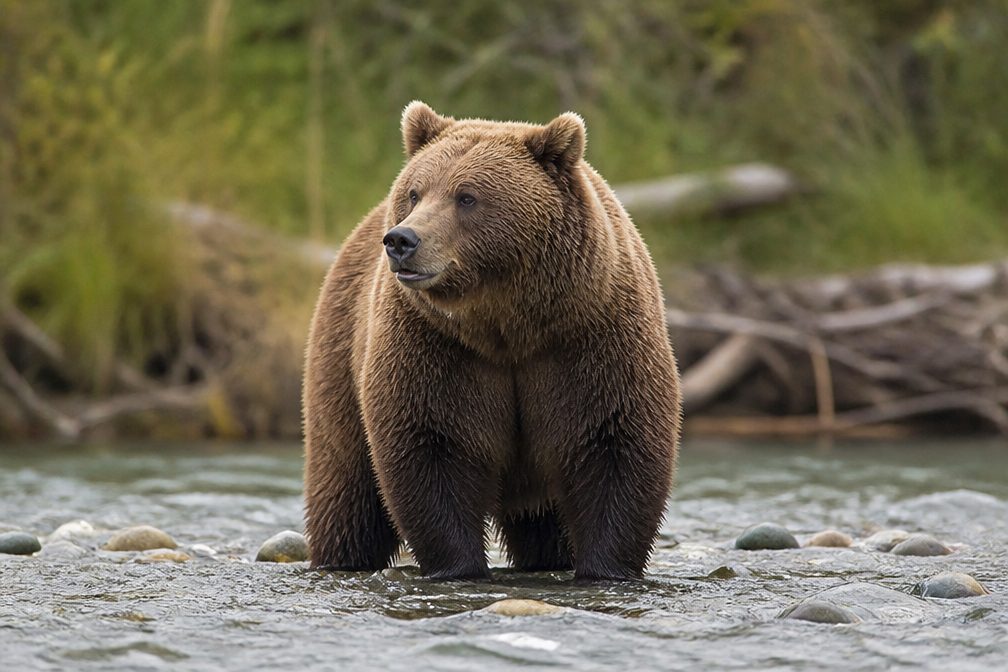
Trip reports don’t call out regular sightings here, but you’re in classic Jasper habitat—elk, bears, bighorn sheep, and mountain goats are all possible encounters on the approach. Carry bear spray and make noise in the trees.
Named in 1878 (officially adopted in 1947), “Roche Bonhomme” nods to the mountain’s human profile. Geologically, you’re climbing older Permian and Carboniferous layers capped by darker Triassic siltstone of the Sulphur Mountain Formation—one reason the summit ridge looks so distinct.
Start early for cooler temps, steadier weather, and the best chance at clear ridge views. Aim for snow-free conditions to avoid cornices; if snow lingers, reassess. Weekends see some traffic but it’s still quieter than the park’s marquee trails. Morning light is best for photographing the valley from the ridge.