Parking
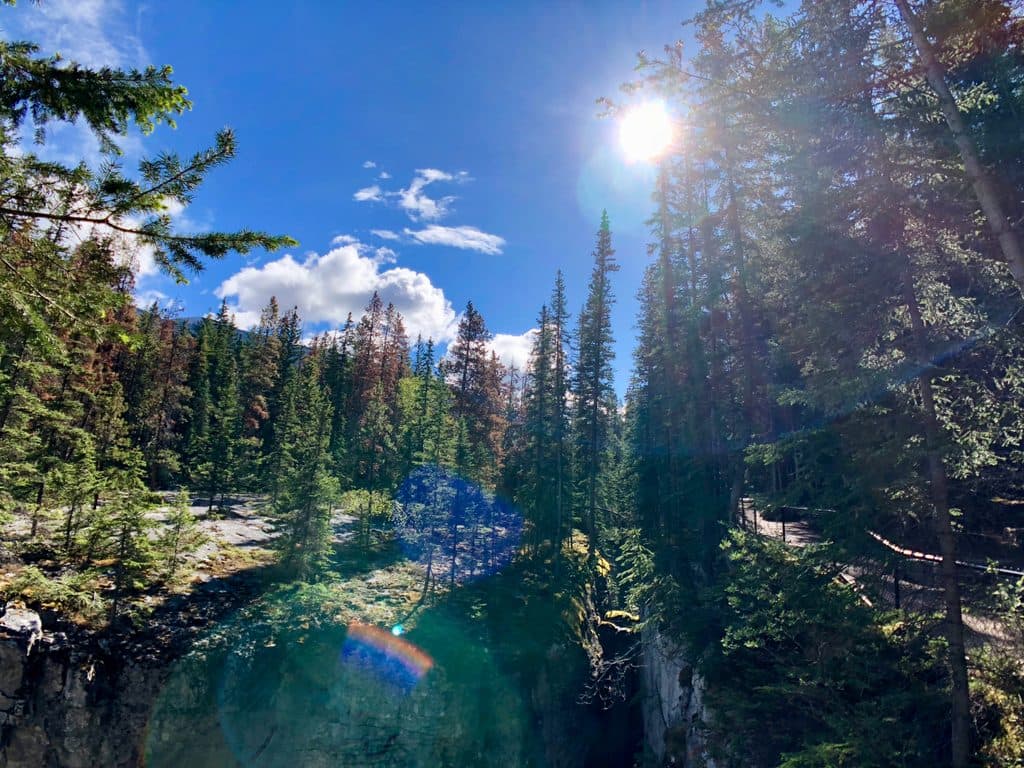
Portal Creek parking lot on Marmot Road; from the lot, hike ~300 m and cross the bridge to join the main trail.
Jasper National Park, AB
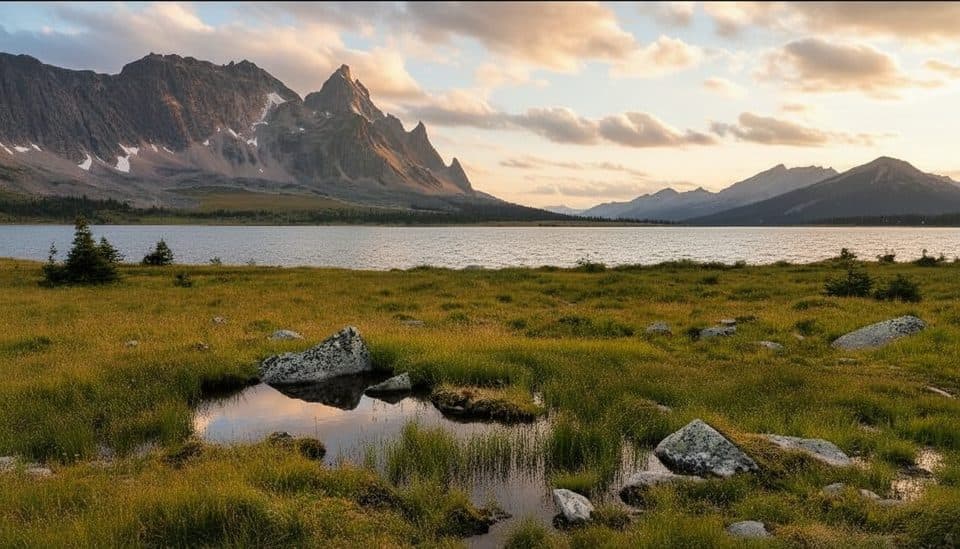
Big Ramparts views after a long, often muddy approach
Overview
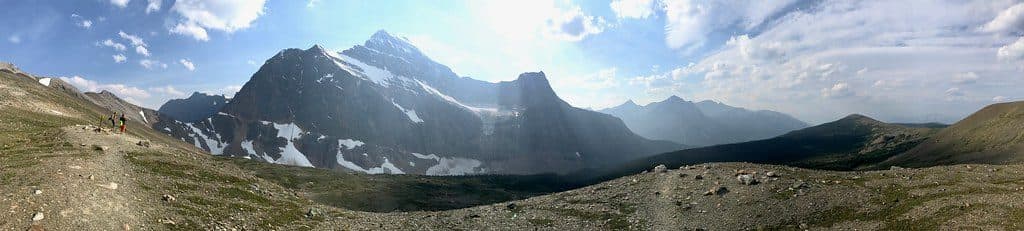
Maccarib Pass is the quieter, wilder gateway into Jasper’s Tonquin Valley. You’ll follow Portal Creek through deep forest to broad subalpine meadows and an alpine pass with sightlines toward the Ramparts. Expect fewer day-hikers than the park’s headliners, and a lot more wilderness vibes.
 Parkwolf’s verdictWhy go
Map & elevation
Plan your hike

The highest, rockiest slopes around here are a summer buffet for grizzly bears.
Jasper Tour Guide
Parkwolf is a GPS audio tour guide for Jasper National Park. As you drive, it chimes in with what’s ahead: hidden gems, upcoming stops, history, geology, and wildlife, right through your car’s speakers.
See the Jasper audio tourRecorded for this trailhead
Tonquin Valley's Portal Creek Trailhead“Just ahead is the access for the Portal Creek trailhead, the classic eastern starting point for trips into the Tonquin Valley.”
Plays as you drive up to this trailhead in the Parkwolf Jasper Tour Guide.
More stories near here in the app
“Fantastic app with many points of information… It’s great to just turn on while you’re driving and it gives you an audio tour of the national Park. We love it!!!!”


Trail guide
Start from the Portal Creek trailhead on Marmot Road; about 300 m in, cross the bridge to join the main trail. As a day hike, most strong hikers aim for the pass and return the same way—about 24 km total (roughly 15 miles out-and-back). Elevation gain to the pass is substantial—roughly 630–800 m—and the best views don’t arrive until late in the day, so pace yourself.
The first half is mostly in forest along Portal Creek, then the terrain opens to meadows and stony alpine tread near the pass. This route is used by horses, so sections are braided and churned; mud is common, and reports call out the Maccarib/Portal Creek stretch as among the muddiest in the Tonquin system. Creek crossings and pooled water are typical—treat any water you drink.
In July, the meadows can be loaded with wildflowers. Wildlife is a real draw here: this landscape supports grizzly and black bears, moose, and sensitive caribou. You may also spot marmots and pikas among the rocks. Give all wildlife space and keep dogs leashed.
If you want big alpine scenery with real backcountry feel and can handle a long day, this is an underrated gem. If you crave instant views on a shorter day, consider Cavell Meadows or Opal Hills instead. On balance: incredible scenery earned by a gritty approach—worth it if you’re prepared.
Wildlife
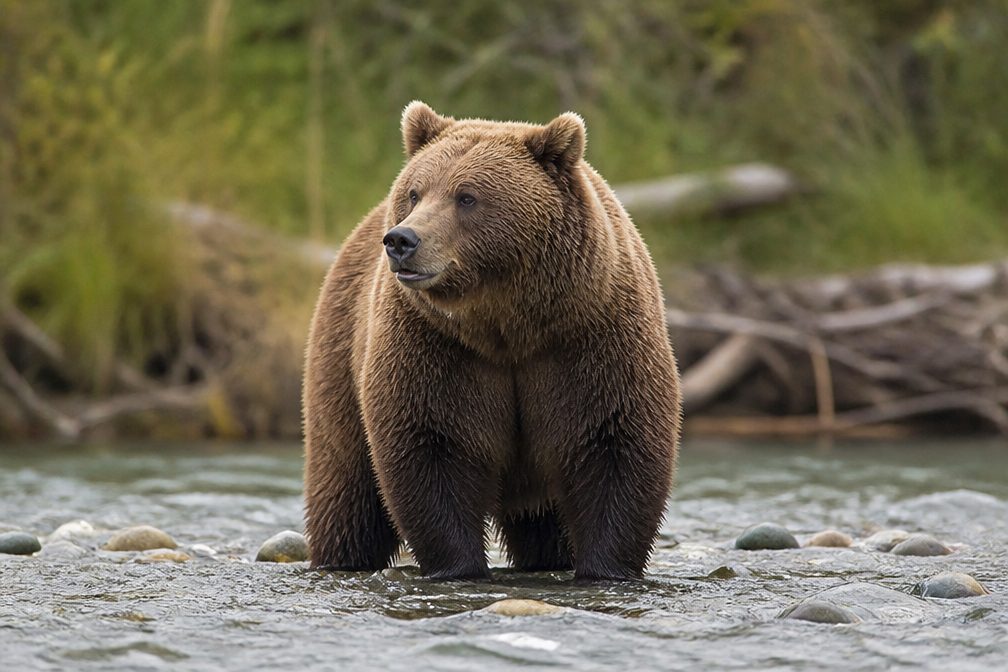 174 sightingsGrizzly BearMost seen around 8 PMSighting map
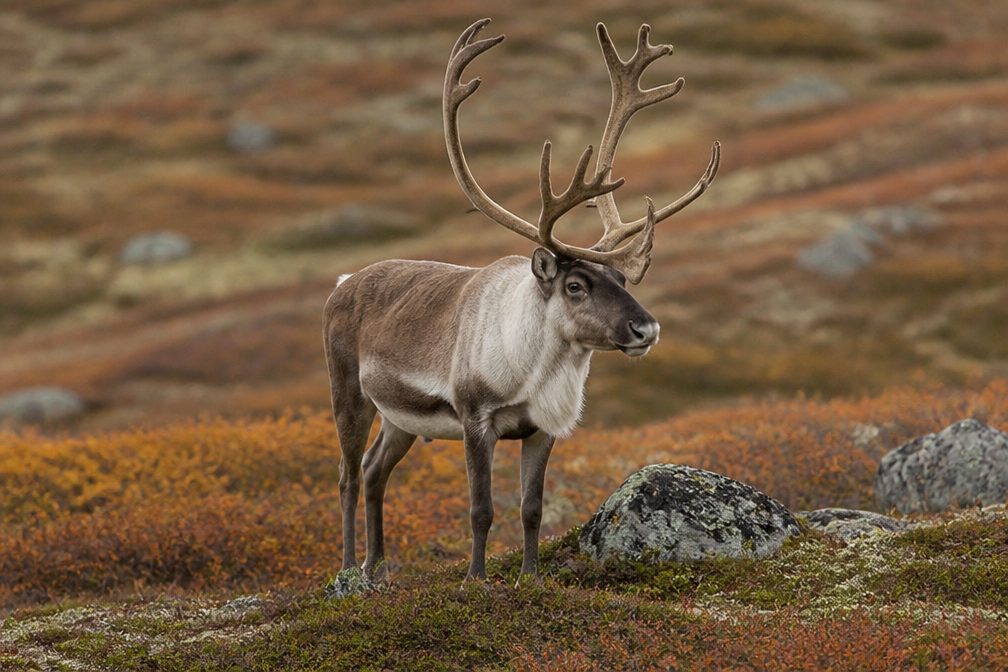 43 sightingsCaribouMost seen around 7 AMSighting map
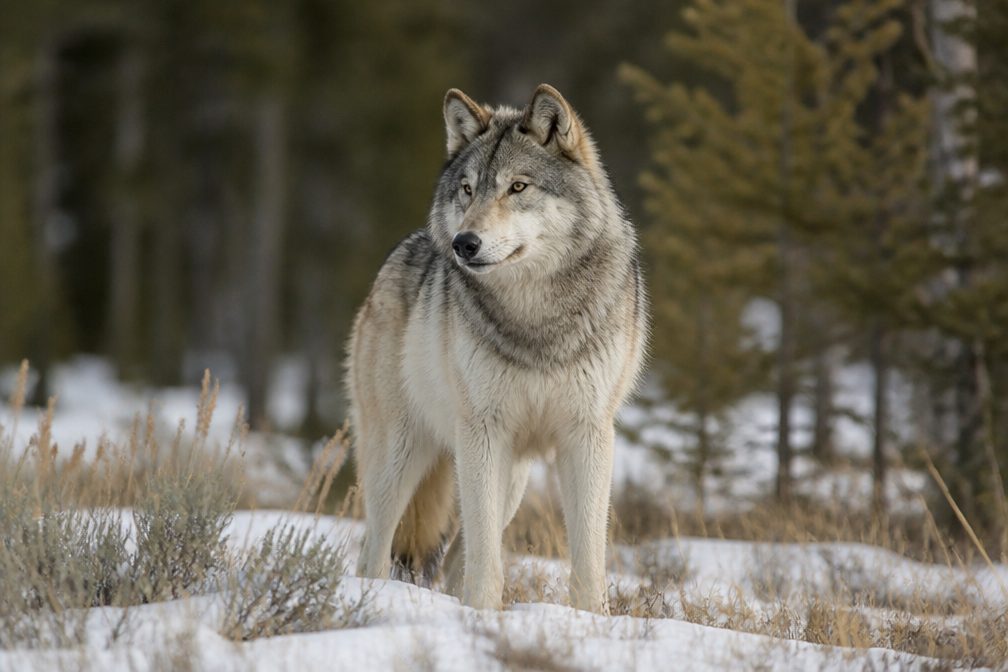 40 sightingsGray WolfMost seen around 6 AMSighting map
 12 sightingsCanada LynxMost seen around 8 PMSighting map
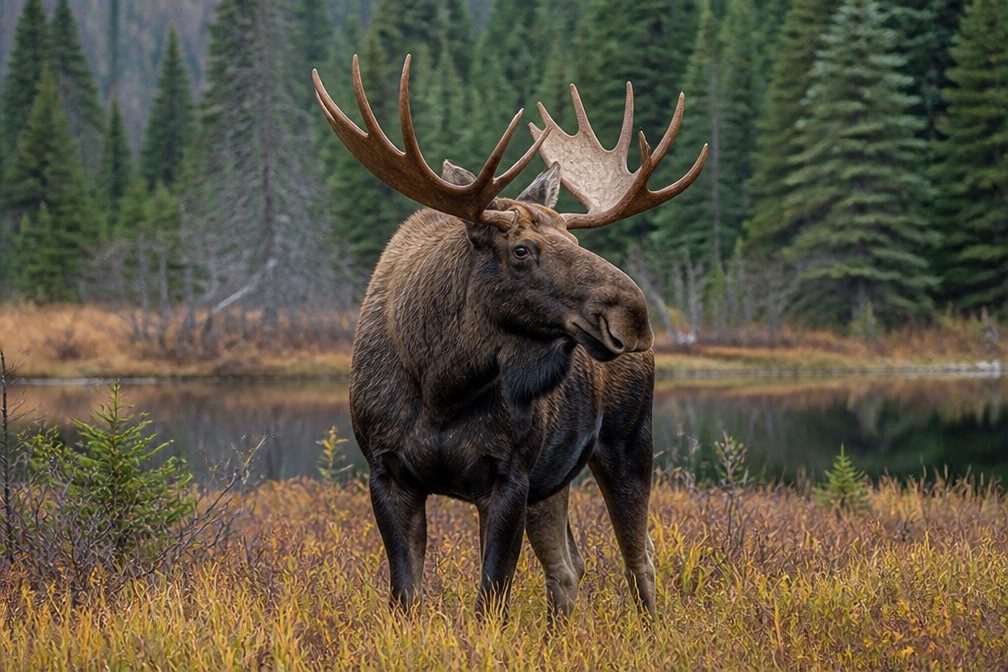 315 sightingsMooseMost seen around 6 AMSighting map
 1,028 sightingsElkMost seen around 7 AMSighting map
Sighting maps show where each species has been reported across Jasper. Wildlife moves, so no sighting is guaranteed.
Keep exploring
 ChallengingPortal Creek Trail20.1 km · 8 hr · At the trailheadForest slog to alpine meadows and Maccarib Pass—the Tonquin gateway.
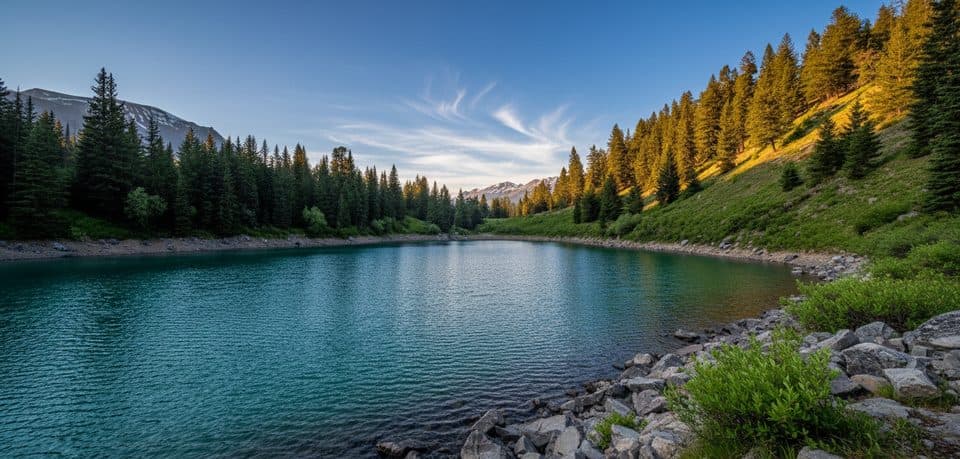 ModerateValley of the Five Lakes Loop7.7 km · 2.5 hr · 4.6 km awayFive bright lakes, with a quieter outer loop for extra space.
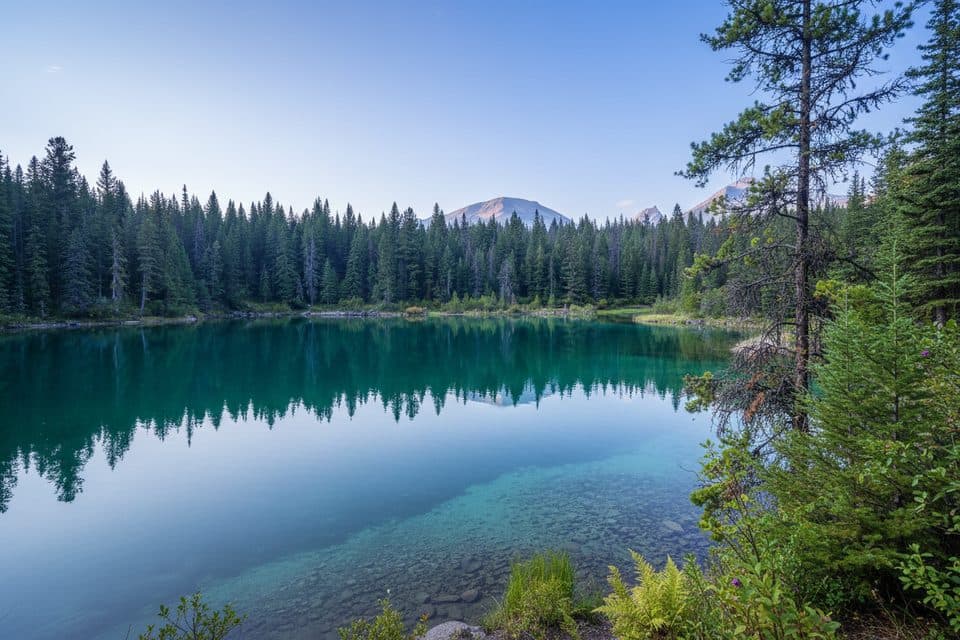 EasyTrail 9b1.1 km · 24 min · 6 km awayScenic shortcut between First and Second Lakes on the Five Lakes loop
 EasyWabasso Lake6.8 km · 2.5 hr · 6.6 km awayGentle forest walk on Trail 9 to a quiet, marsh-edged lake.
 ChallengingIndian Ridge8.9 km · 5 hr · 6.9 km awayHigh-alpine Indian Ridge views from the Jasper SkyTram with a rugged out-and-back scramble
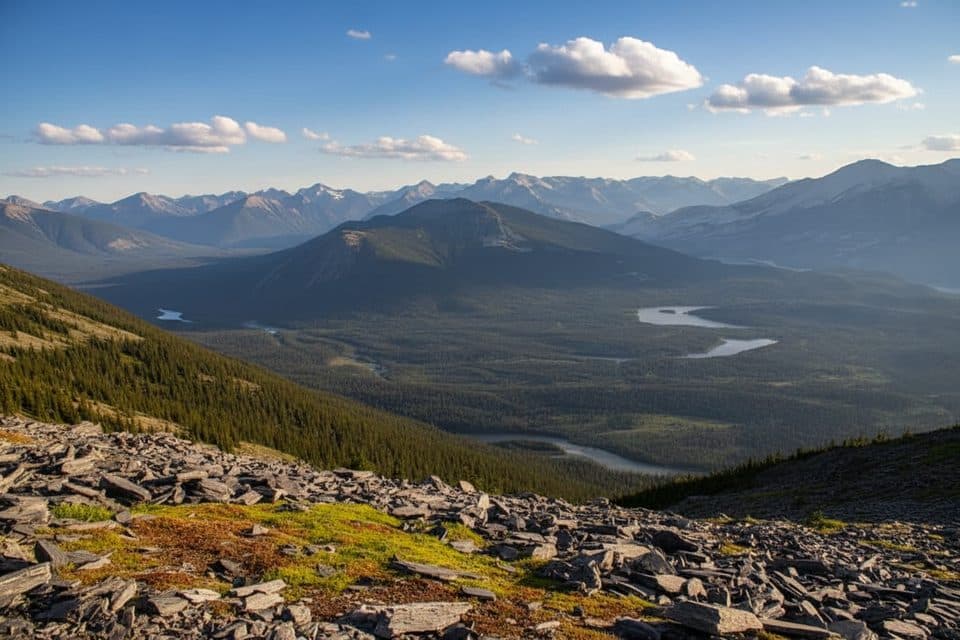 ModerateWhistlers Summit Trail2.7 km · 1.5 hr · 6.9 km awayQuick alpine climb from the SkyTram to Jasper’s big-views summit
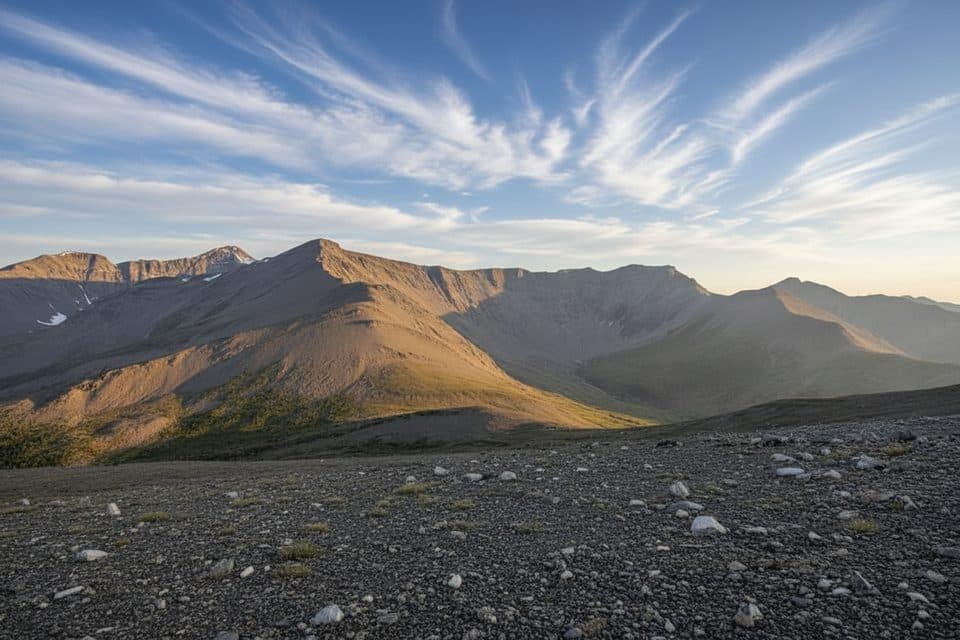 ChallengingWhistlers Trail13.7 km · 6.5 hr · 8 km awayForest-to-alpine grind with huge summit views and a tram bailout
 ChallengingTonquin Valley Trail42.6 km · 16 hr · 8.9 km awayA 42.6 km backcountry traverse from Astoria to Portal beneath the Ramparts
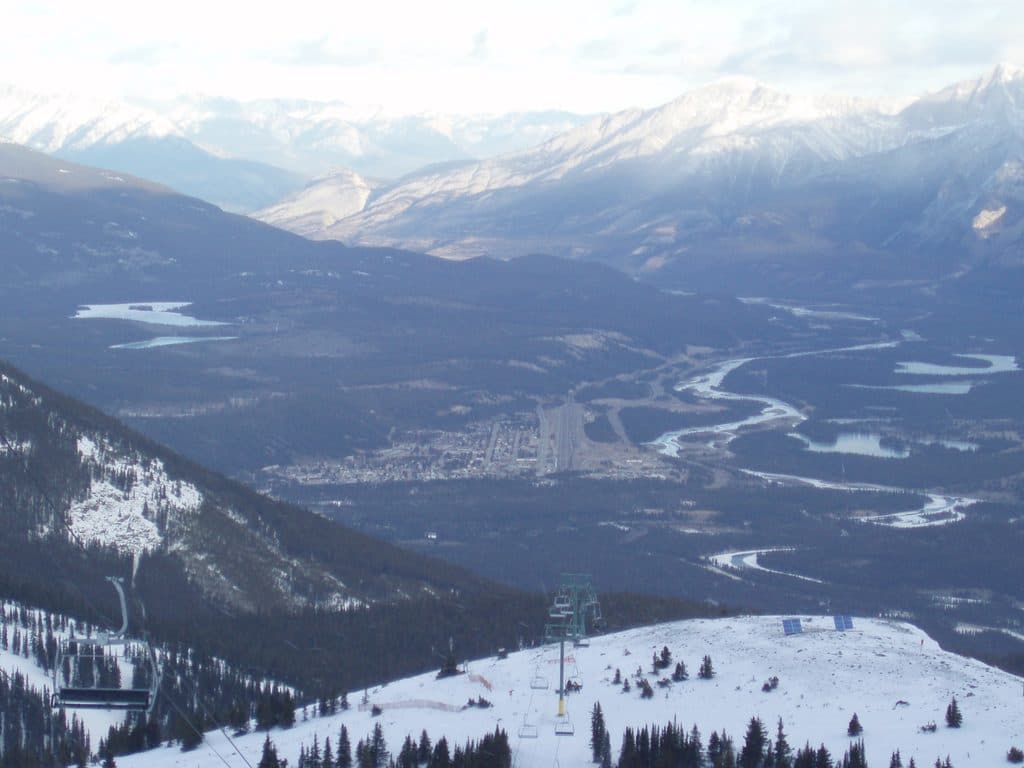 Sight · 2.3 km awayMarmot BasinScenic, laid-back Rockies ski hill with terrain for every level
 Restaurant · 5.4 km awayBecker's Gourmet RestaurantFine dining with front-row Athabasca River and mountain views
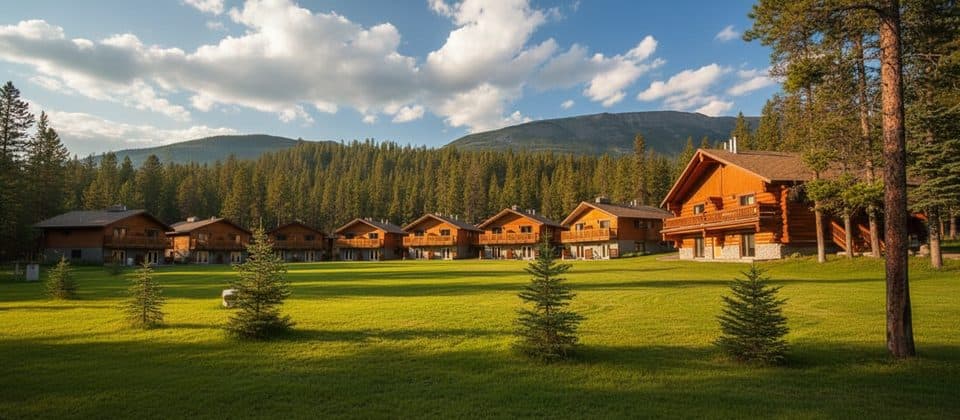 Lodging · 5.5 km awayBecker's ChaletsRiverside cabins with kitchens, fireplaces, and a standout restaurant
 Sight · 5.6 km awayWabasso LakeSecluded beaver-made lake with an easy forest approach
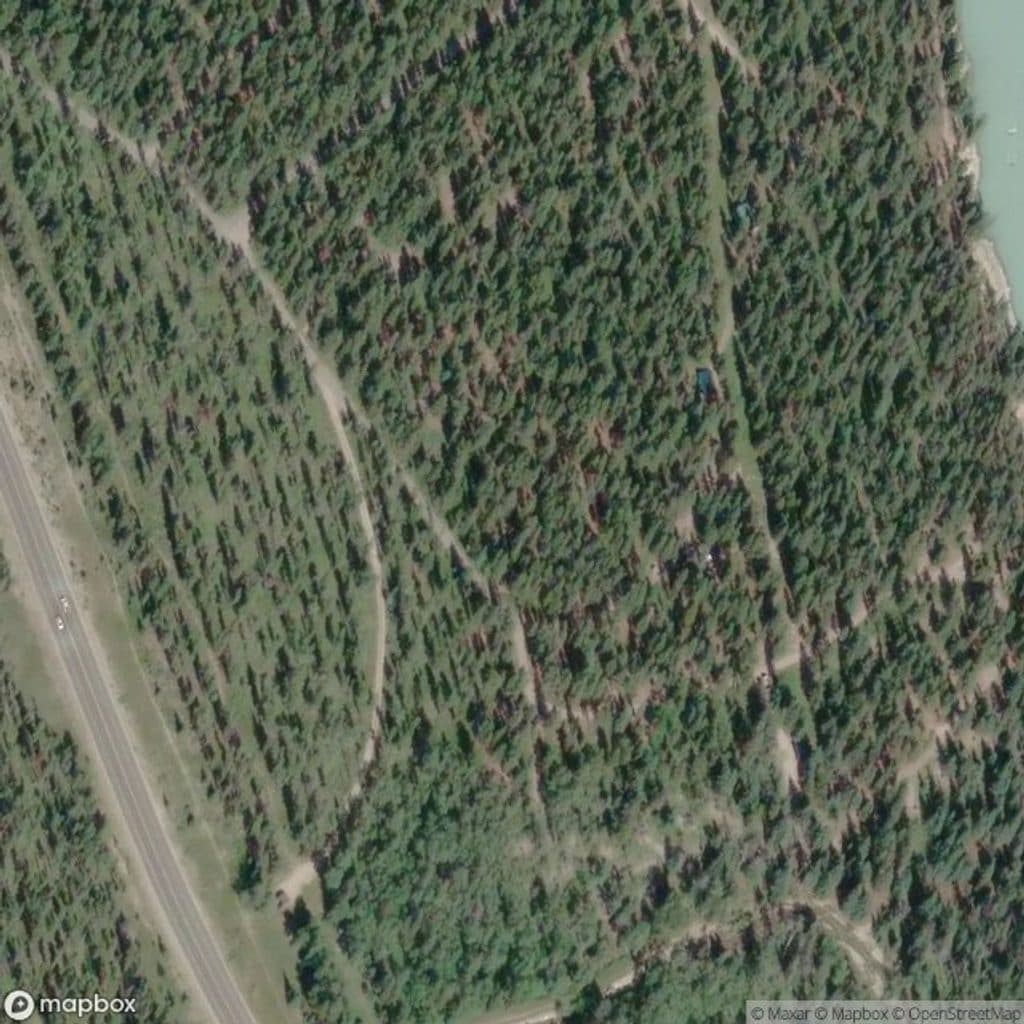 Campground · 5.9 km awayWapiti CampgroundYear‑round riverside camping with hot showers near town
 Sight · 6.1 km awayValley of the Five Lakes OverlookRed Chairs perch over gem-toned lakes on a short hike
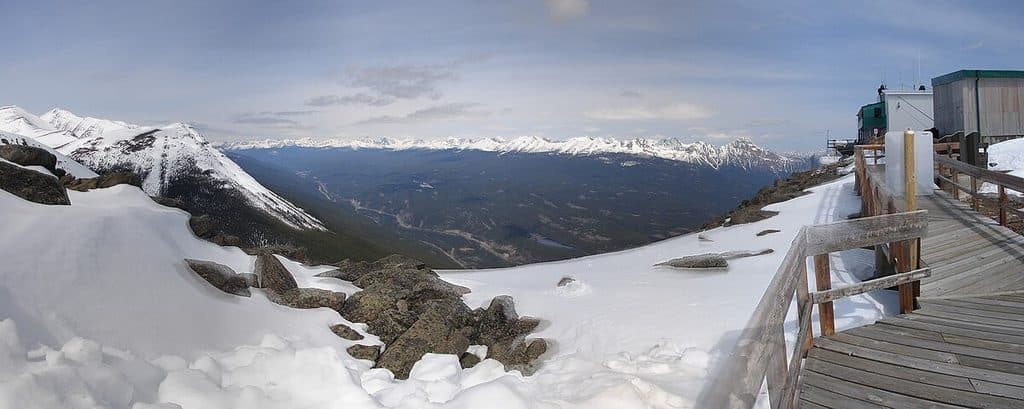 Sight · 6.3 km awayWhistlers MountainSkyTram-served alpine summit with sweeping views and whistling marmots
 Campground · 6.3 km awayWabasso CampgroundRiverside basecamp with spacious sites and modern bathrooms, no showers
Parkwolf’s Jasper ranking
The audio tour guide for the drive, plus offline maps, trails, and wildlife heatmaps for when the signal drops.