Hidden Valley Campground

Iconic climbers’ campground tucked into granite and Joshua trees
Hidden Valley Campground, Joshua Tree National Park
InsideJoshua Tree National Park

Overview

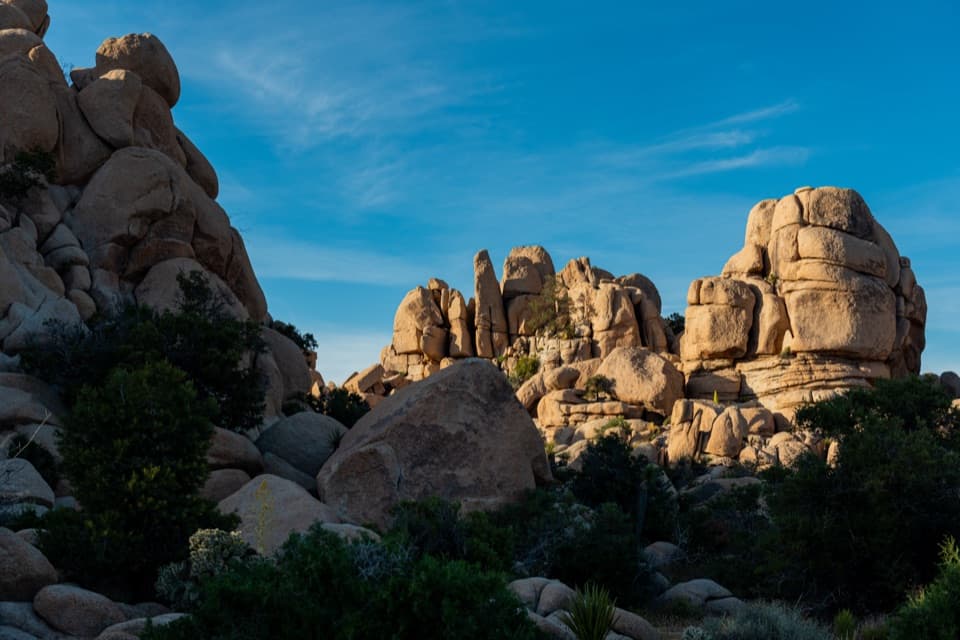
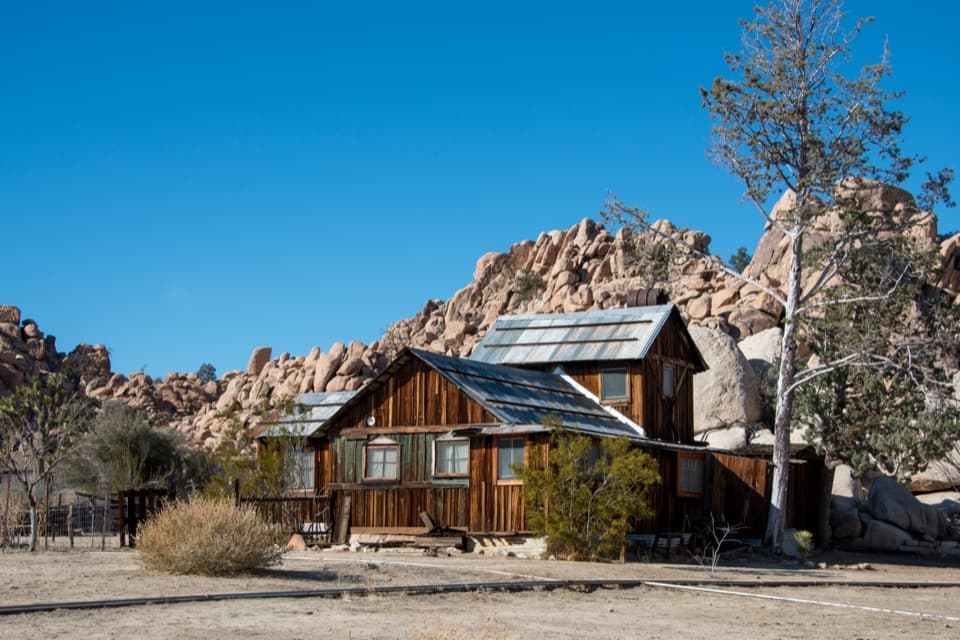
Hidden Valley Campground is Joshua Tree’s classic desert basecamp: 44 first‑come, first‑served sites tucked into granite monoliths and Joshua trees at roughly 4,200 feet. It’s central, wildly scenic, and the heartbeat of the park’s climbing scene—expect ropes, pads, and stories around the fire rings.

What You'll See

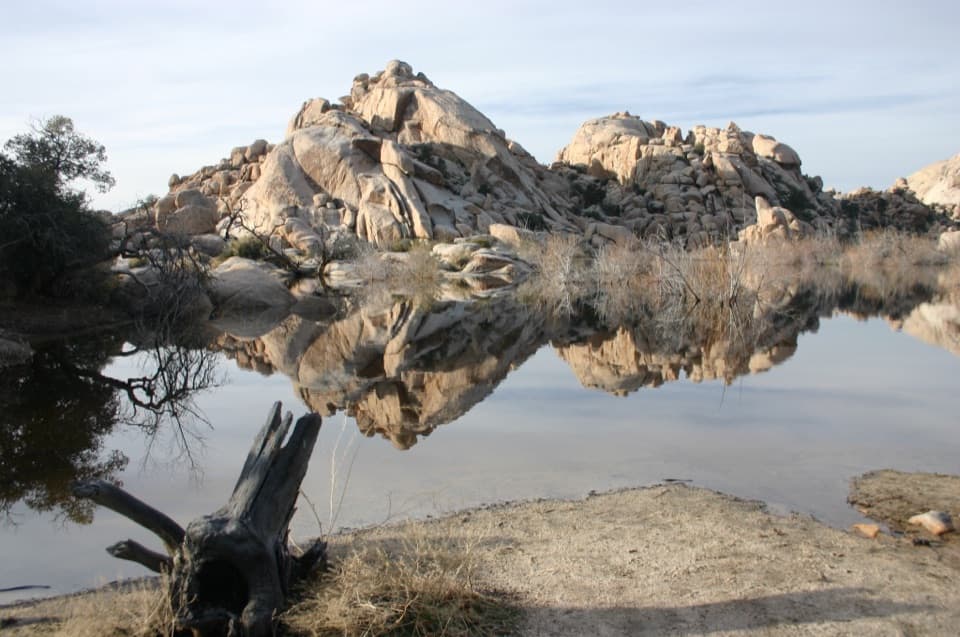
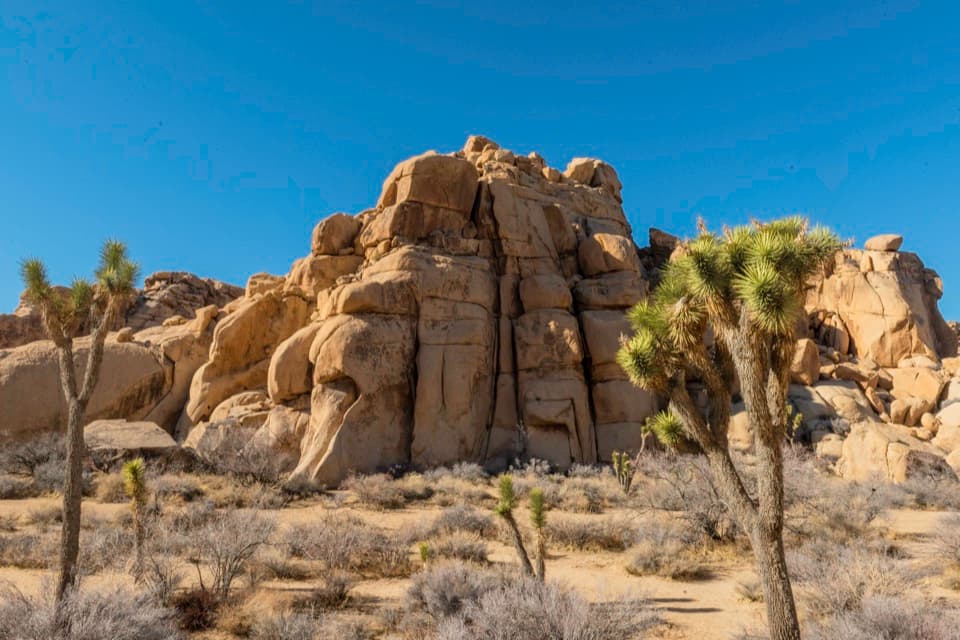
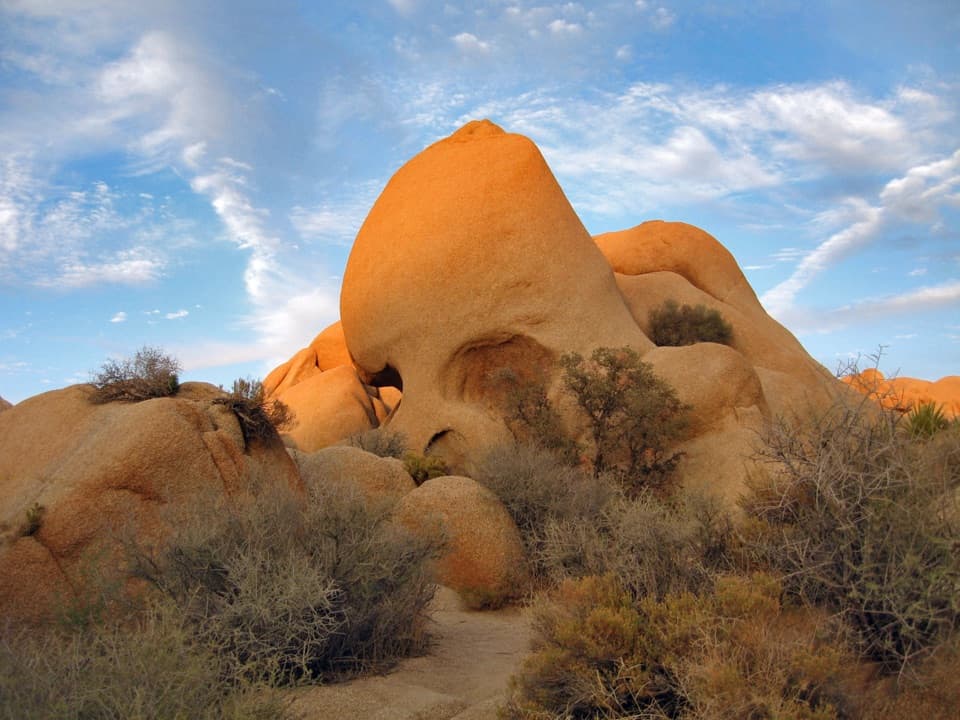
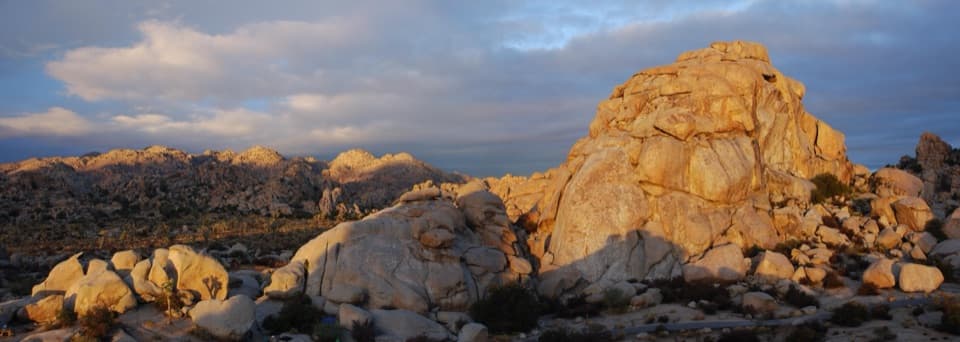
Think sculpted boulders, wind‑polished domes, and a grove of Joshua trees framing nearly every site. Sunset paints the rock layers warm orange; after dark, the sky goes deep and star‑packed—prime stargazing if you step away from campfires for a few minutes.

Why It’s Special

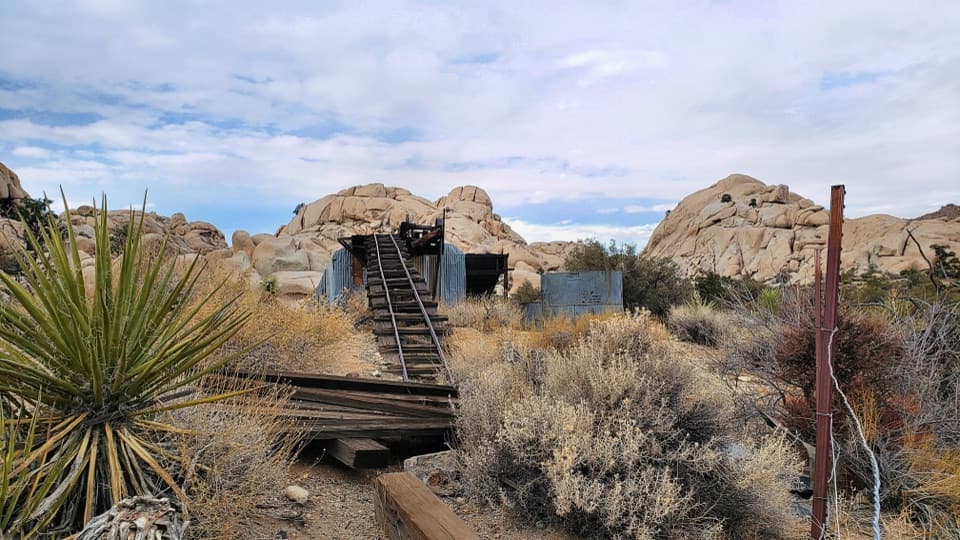
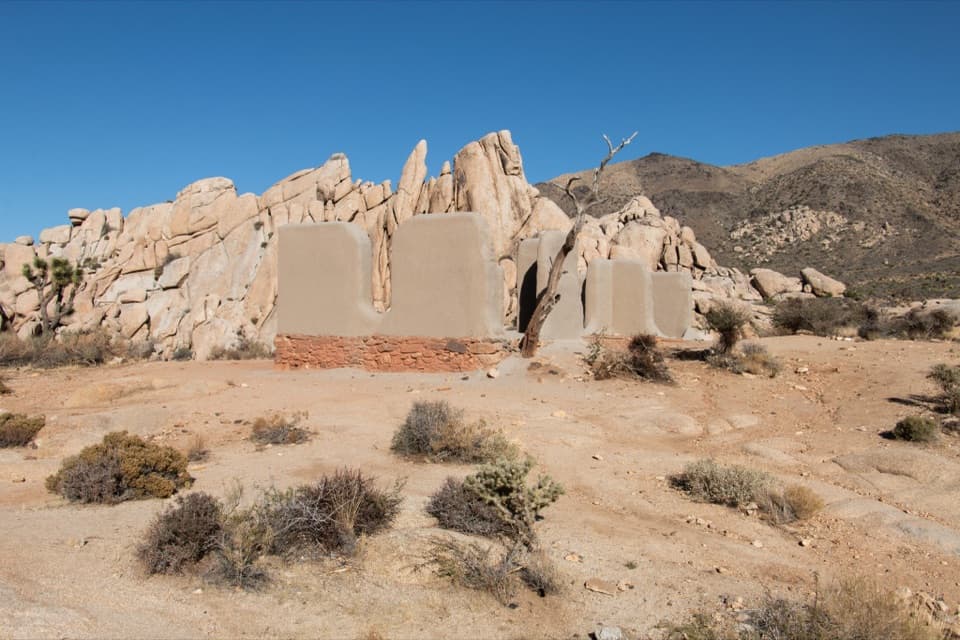
You’re camped on the edge of the Wonderland of Rocks, with famed formations like Intersection Rock and nearby outcrops within an easy stroll. Short ambles from camp lead to viewpoints, bouldering nooks, and even some rock art/pictographs. On peak‑season weekends, the climbing community gathers for casual “Climber Coffee” meetups right here.

Amenities & Logistics

  • 44 sites; first‑come, first‑served only.
  • Pit (vault) toilets; no showers, no hookups, no lights.
  • Each site has a picnic table and fire ring.
  • No water anywhere in the campground—bring ample drinking and cooking water.
  • Tents and small rigs fit; RVs are limited in length and there are no hookups.

Who It’s For

Climbers and boulderers love the walk‑out access. Photographers and night‑sky chasers get killer rock textures and low light pollution. If you want convenience and full amenities, this is not that—think simple, beautiful, and self‑reliant.

Best Time to Visit

  • Seasons: Spring and fall are peak—cooler temps, biggest crowds. Winter can be crisp but rewarding; summer is brutally hot and best for early/late activity only.
  • Weekdays: Your best odds for a site. Weekends often fill by late morning.
  • Light: Golden hour lights up the granite; night is for Milky Way hunting when skies are clear.

Wildlife

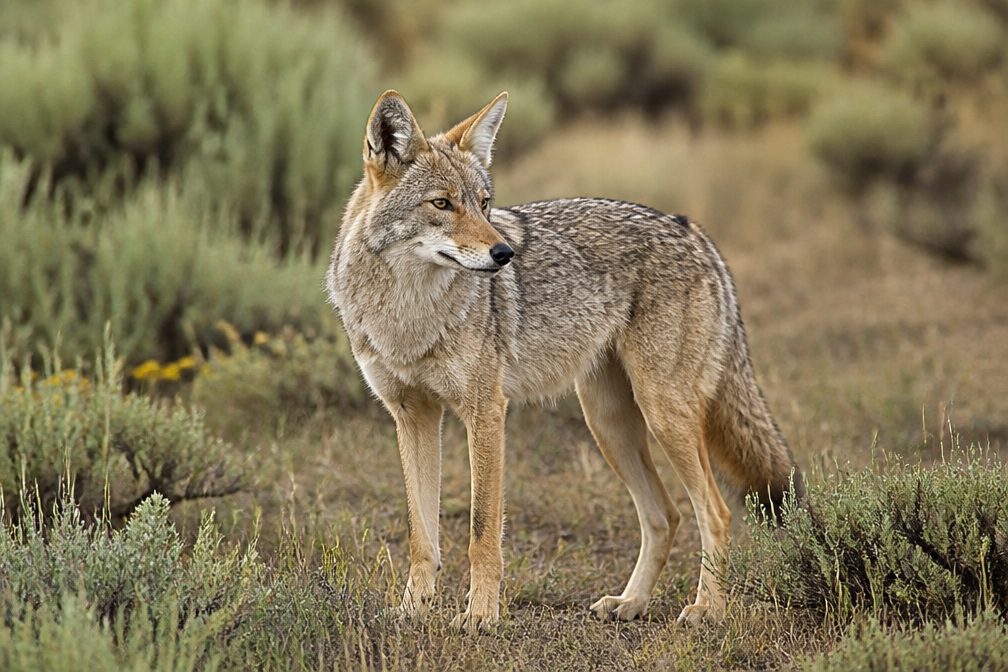
Expect desert regulars: coyotes (often heard at night), small mammals like kangaroo rats and cottontails, plus hummingbirds and horned lizards. Desert tortoises occur in the region—watch your step and give every creature space.

Smart Moves

  • Arrive early, claim a site by setting up, then handle payment as posted.
  • Bring far more water than you think you need (a gallon per person per day is a good floor).
  • Have a backup plan—this is the hardest campsite in the park to snag when it’s busy.
  • Pack layers: even after warm days, desert nights can turn sharply cold.

Pros

  • Walk-to world‑class climbing and bouldering among iconic formations
  • Jaw‑dropping scenery and dark skies for stargazing
  • Central location makes exploring nearby highlights easy

Cons

  • No water on site; you must bring everything you need
  • First‑come, first‑served and often fills early

Tips

  • Arrive early morning—sites often fill by late morning on busy days.
  • Bring at least a gallon of water per person per day; there’s none on site.
  • Physically occupy your site (set up gear) to claim it per posted procedure.
  • Have a backup campground in mind in case this one is full.
  • Pack warm layers—the elevation makes nights colder than you’d expect.
The Parkwolf tour guide sitting on a phone mounted in a car

Parkwolf Tour Guide

Like a tour guide in your car.

Save the places you found around Joshua Tree, then let Parkwolf guide the drive between them.Download Parkwolf on the App Store