Cottonwood Campground

Dark-sky, no-frills base near the south entrance and spring hikes
Cottonwood Campground, Joshua Tree National Park
InsideJoshua Tree National Park

Overview

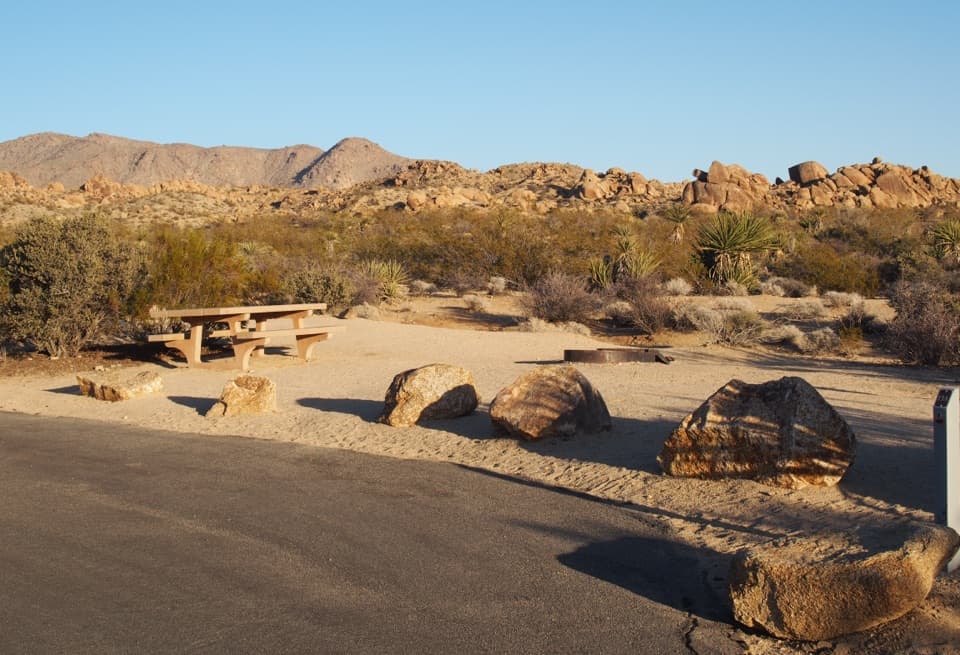
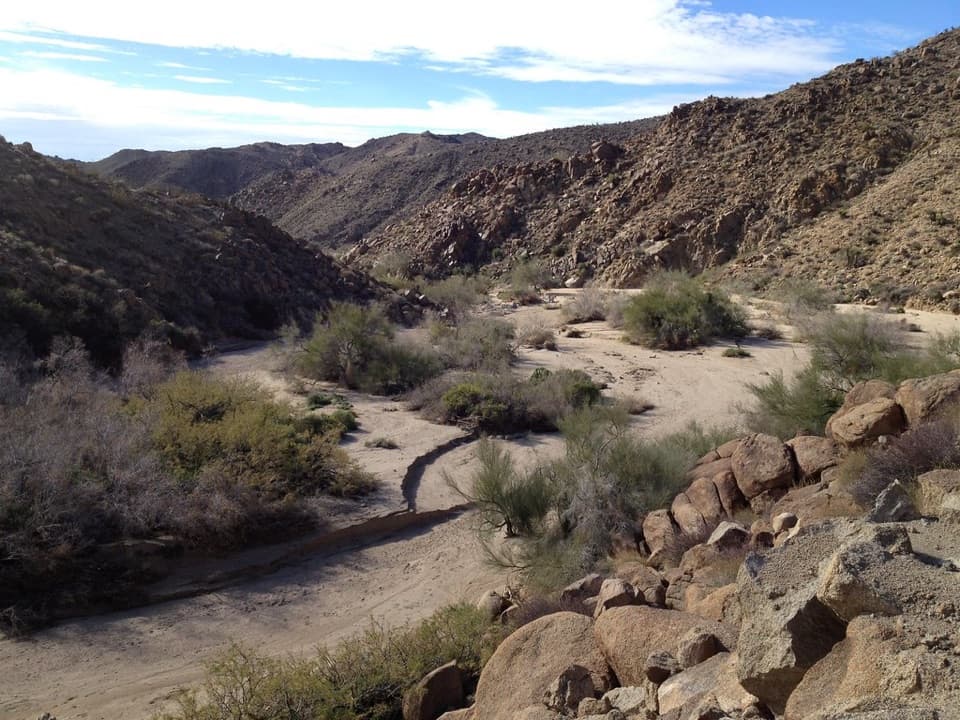
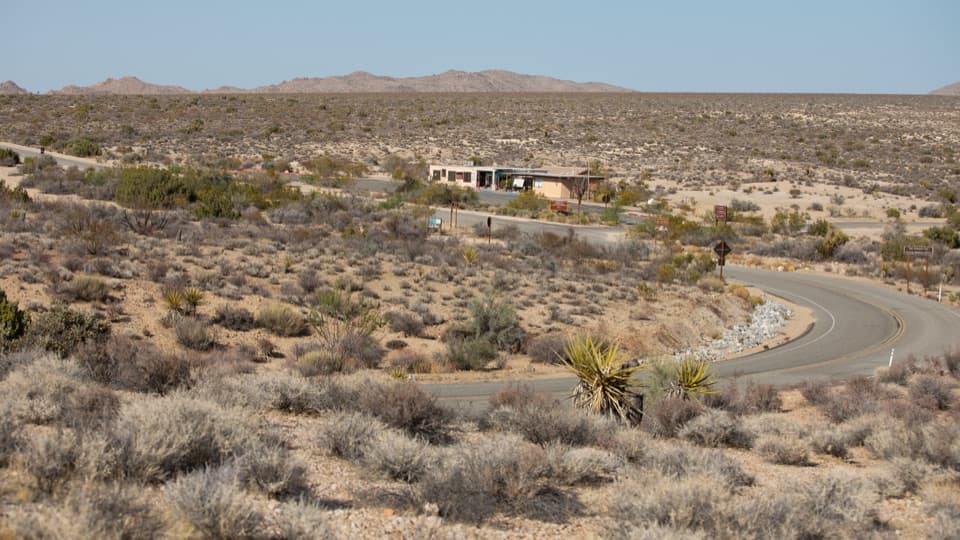
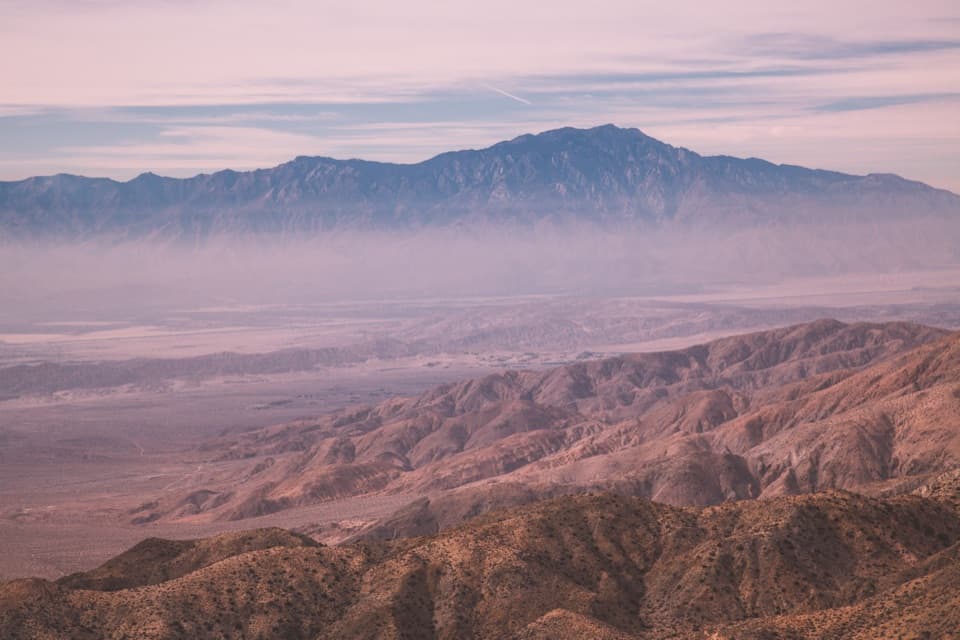
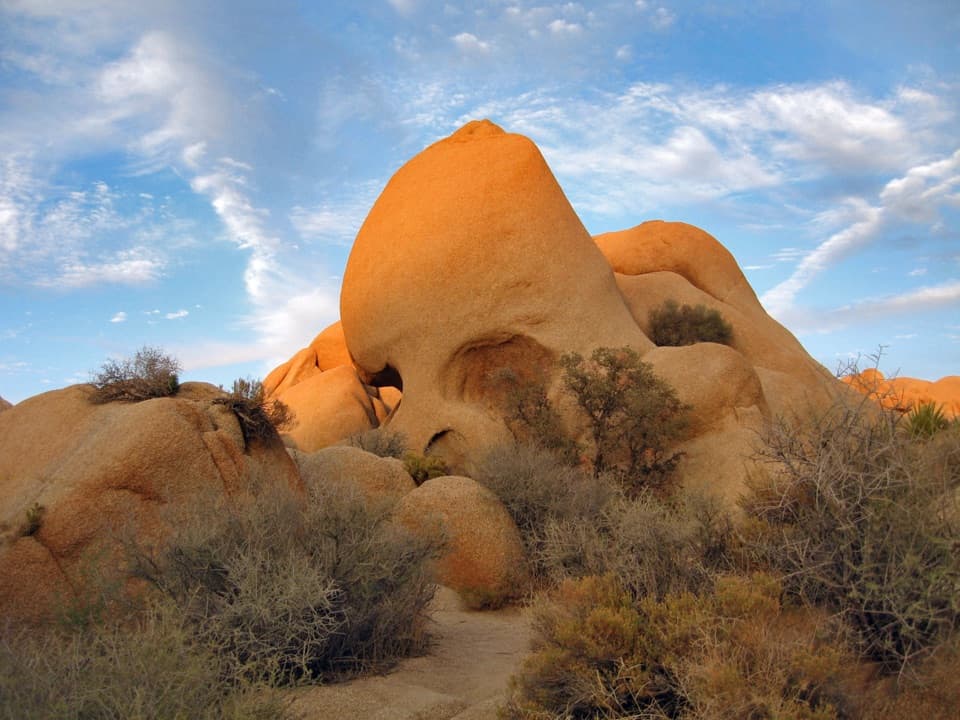
In the park’s far south near the I‑10 entrance, Cottonwood Campground is the quiet, laid‑back base camp many people are looking for. It sits around 3,000 feet in the Sonoran (Colorado) Desert—so don’t expect Joshua trees here. What you do get: big horizons, striking rock hills, easy access to the Cottonwood Spring area, and some of the best night skies in the park. The campground is arranged in two loops with standard sites plus a few reservable group sites.

What Makes It Different

If you want stars and spring color, this is your spot. Cottonwood is known for minimal light pollution and seasonal wildflower displays. It’s also an easy in/out from the freeway, which makes it a convenient stop without the crowds of the northern campgrounds.

Facilities and Setup

Sites are basic and practical: picnic table and fire ring at each site, flush toilets, and drinking water available around the loops. There are no showers and no electric/water/sewer hookups. Natural shade is scarce, and wind can kick up—plan your campsite accordingly. Group sites include shade shelters; some individual sites may have built shade structures, but don’t count on it across the board. There’s no overflow parking.

Trails and Nearby Highlights

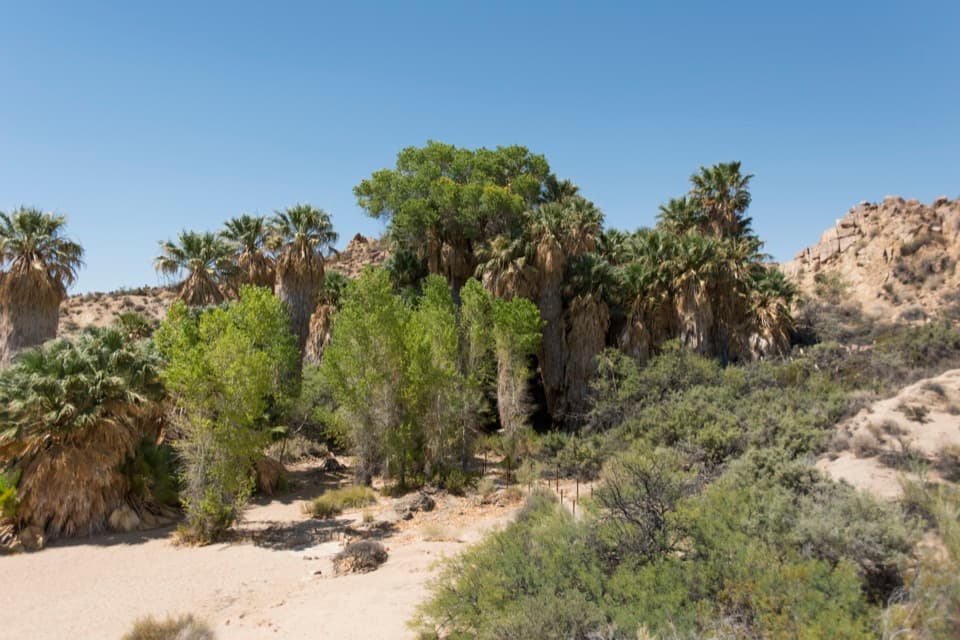
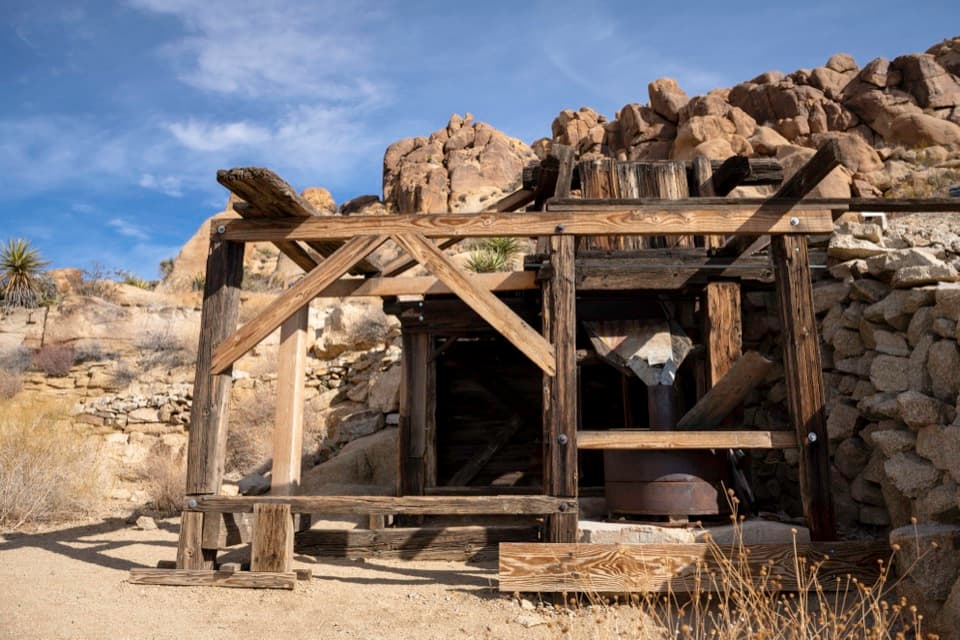
From the Cottonwood Spring area next door, you can head to Lost Palms Oasis and the Mastodon Peak Loop—two of the south end’s signature hikes. Cottonwood Spring itself has a long history as a desert water source and makes a worthy short walk from camp.

Wildlife

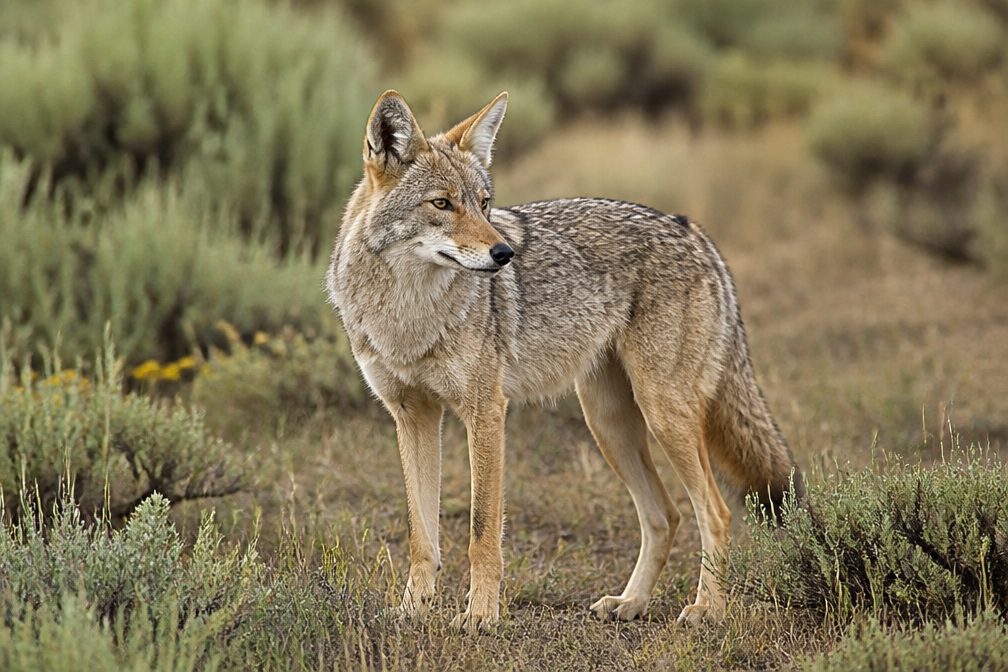
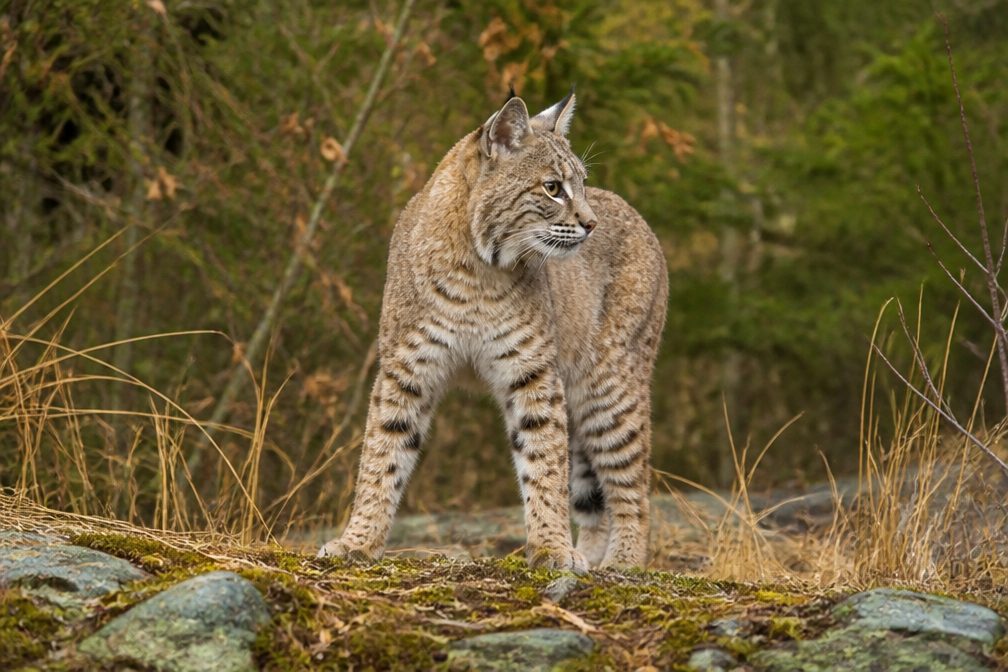
Typical Sonoran Desert residents roam and flit through here: coyotes, jackrabbits, quail, roadrunners, and plenty of lizards. Warmer months increase the odds of encountering snakes; watch your step at dawn and dusk.

Season and Conditions

October through May is prime time, with comfortable days and cool nights. Summer is brutally hot and far less popular. Reservations are required year‑round, and fire restrictions are common—gas/propane stoves may be the only option during summer windows.

Best Time to Visit

  • For camping comfort: weekdays in late fall, winter, or early spring.
  • For flowers: aim for early spring after decent winter rains.
  • For stars: plan around a new moon and clear skies; sunsets and dawn bring soft light on the surrounding hills.

What to Expect (and Pack)

Expect peace and big sky more than boulder playgrounds. Bring robust sun protection and your own shade, extra water for hikes, and warm layers for clear, chilly nights. Generators and close‑set sites can affect the vibe in a few areas, but the overall feel is serene compared to the busier north side.

Pros

  • Excellent dark-sky stargazing
  • Flush toilets and potable water

Cons

  • Little natural shade; sites feel exposed
  • No showers or hookups

Tips

  • Reserve early—sites are by reservation only year‑round.
  • Pack a pop‑up or tarp for shade; natural shade is limited.
  • Check current fire restrictions; summer often allows gas stoves only.
  • Bring a headlamp for nighttime bathroom trips and expect little to no cell service.
  • Time your stay for a new moon to maximize stargazing; visit in early spring for wildflowers.
The Parkwolf tour guide sitting on a phone mounted in a car

Parkwolf Tour Guide

Like a tour guide in your car.

Save the places you found around Joshua Tree, then let Parkwolf guide the drive between them.Download Parkwolf on the App Store