Place · 1 mi away

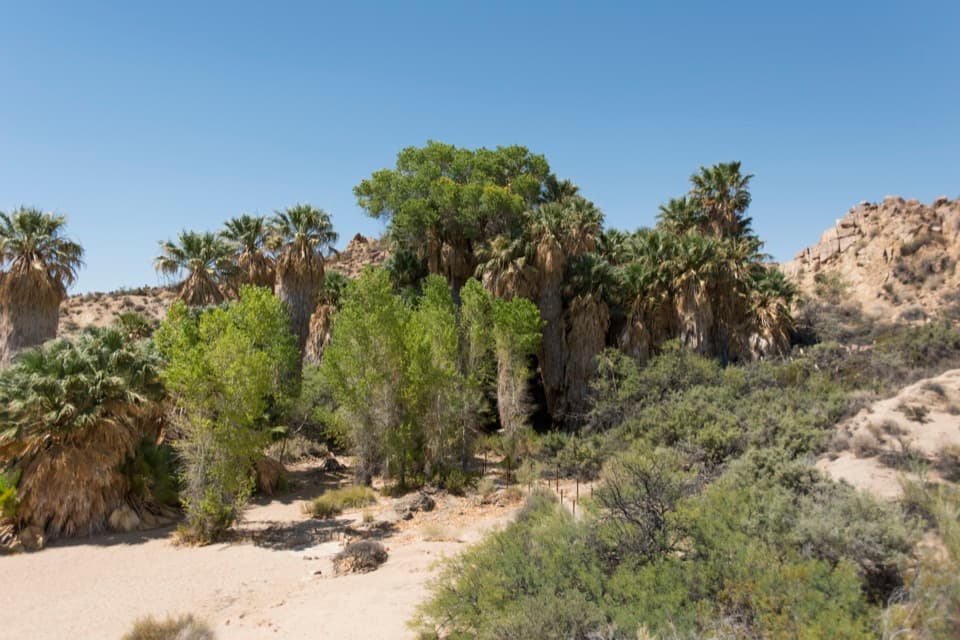
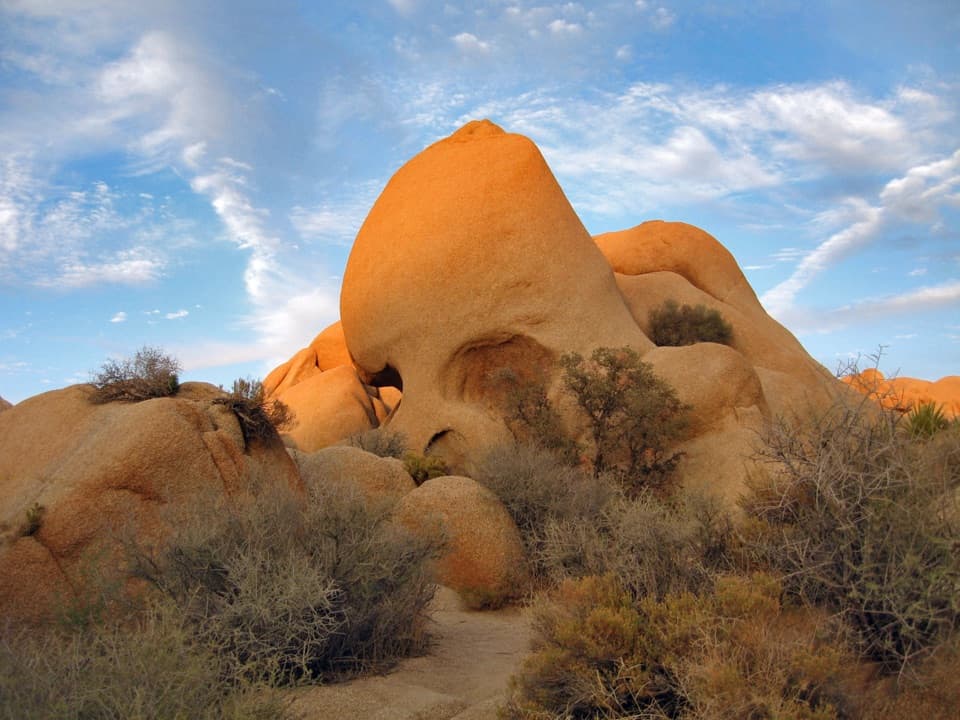
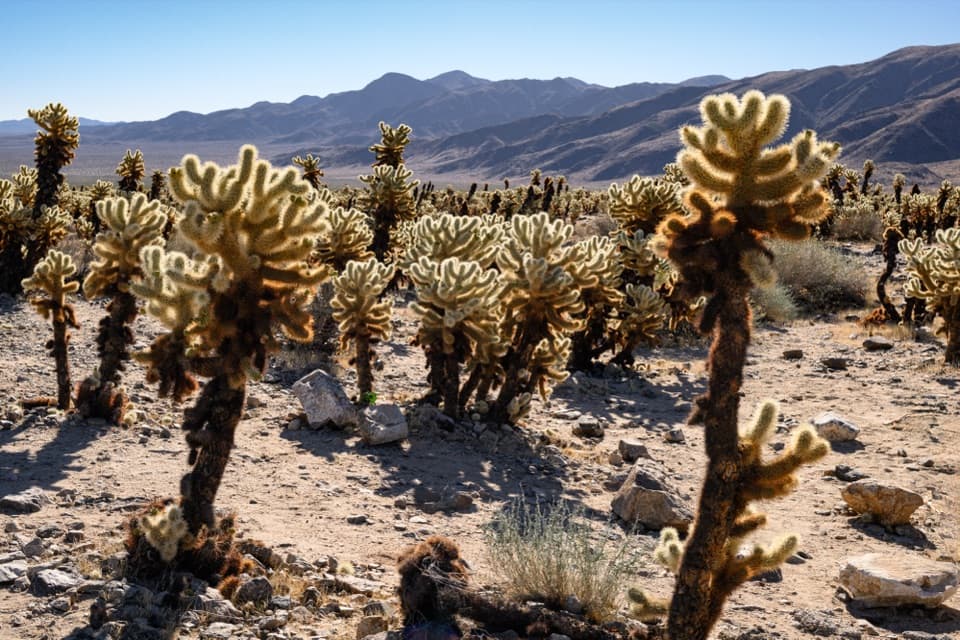
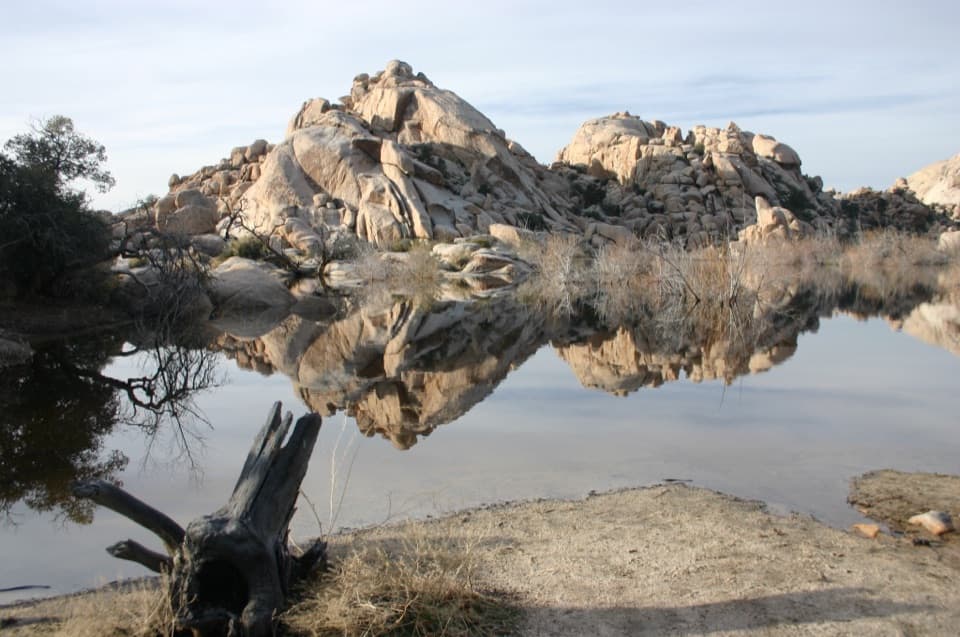
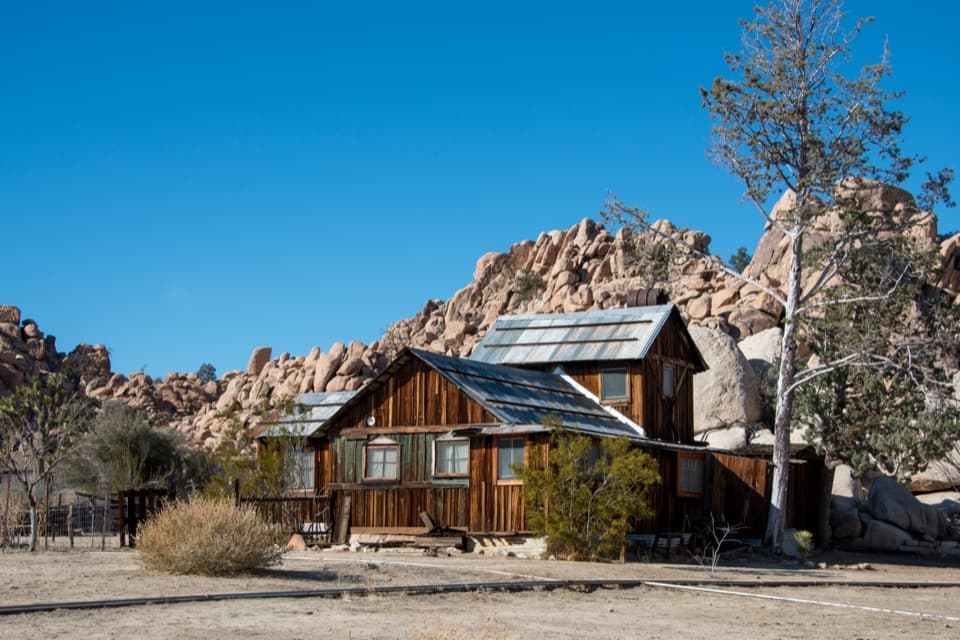
Lost Palms Oasis sits in a rugged canyon at the park’s southern end, where groundwater sustains a dense grove of native California fan palms. The contrast is striking: a lush, wildlife-rich enclave tucked into stark, sunbaked desert. It’s a rewarding destination for hikers who want a longer, quieter outing than the park’s short roadside stops.
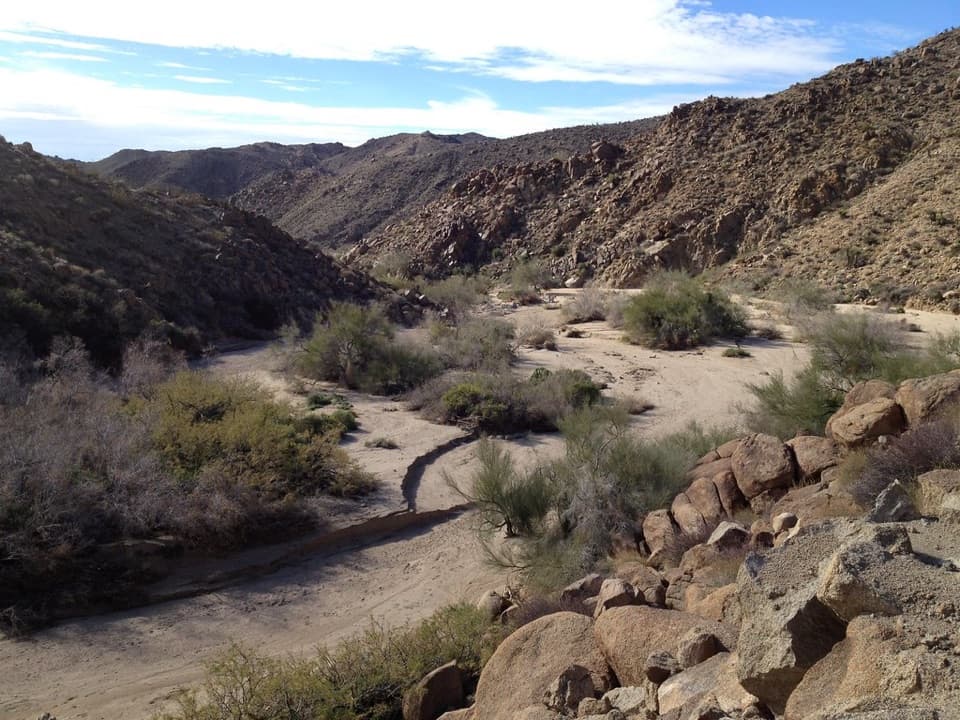
Plan on roughly 7–7.5 miles round trip with about 500 feet of total gain. The route rolls over ridges and dips through sandy washes, ending at an overlook above the palms. Many call it moderately challenging—more for the distance, soft sand, and exposure than the elevation. Descending into the oasis is optional and involves a steep, strenuous scramble; budget time and energy if you choose to go down.
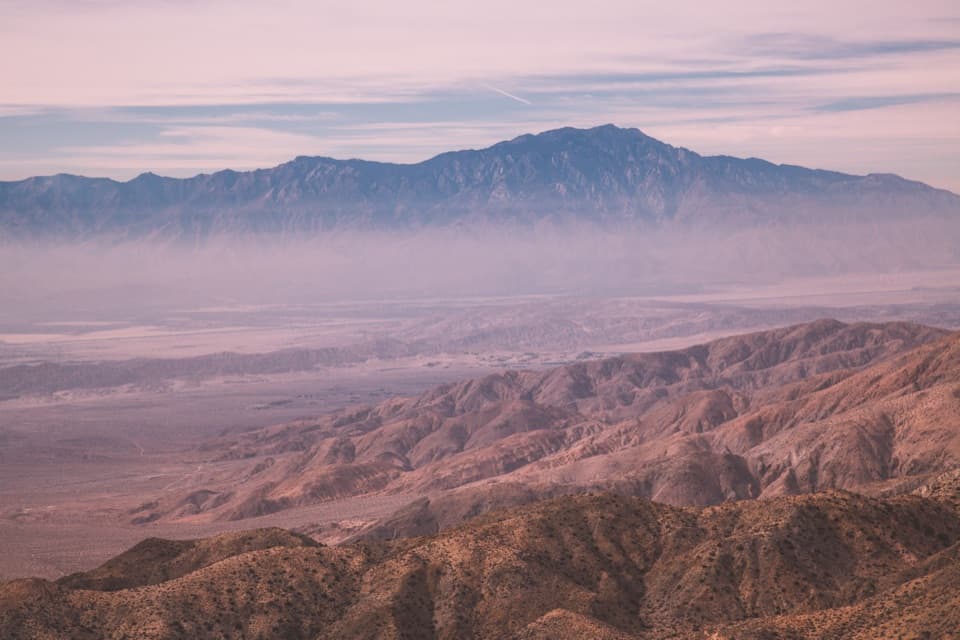
The payoff is a dramatic palm-studded canyon—home to the park’s highest concentration of native fan palms—ringed by rocky desert. From the overlook, you’ll get big, layered views, and on clear days you can spot the Salton Sea to the south. In good years, spring wildflowers at these lower elevations add color along the way.
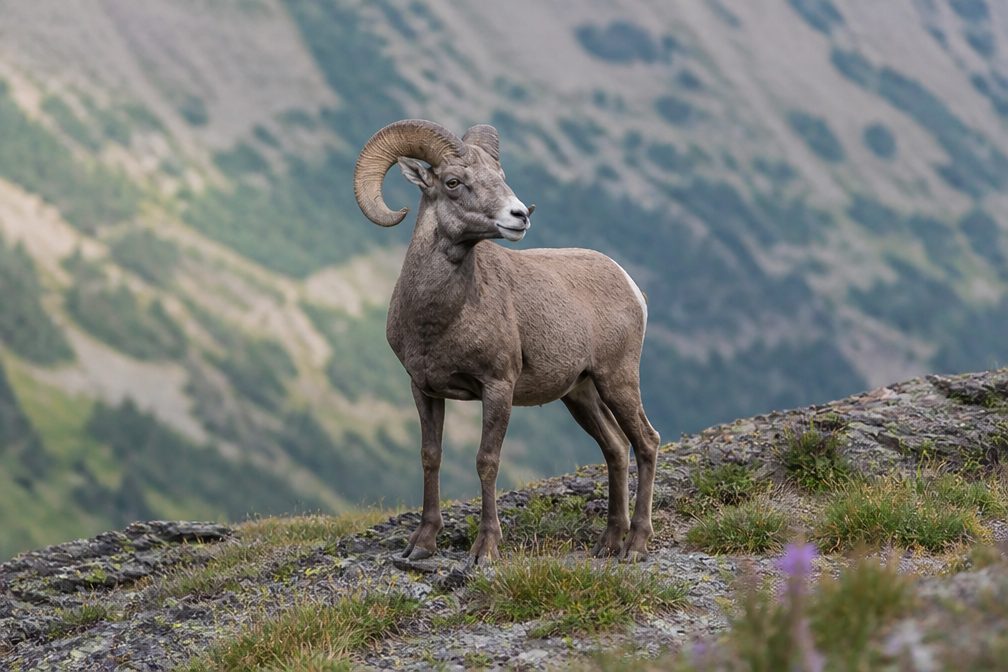
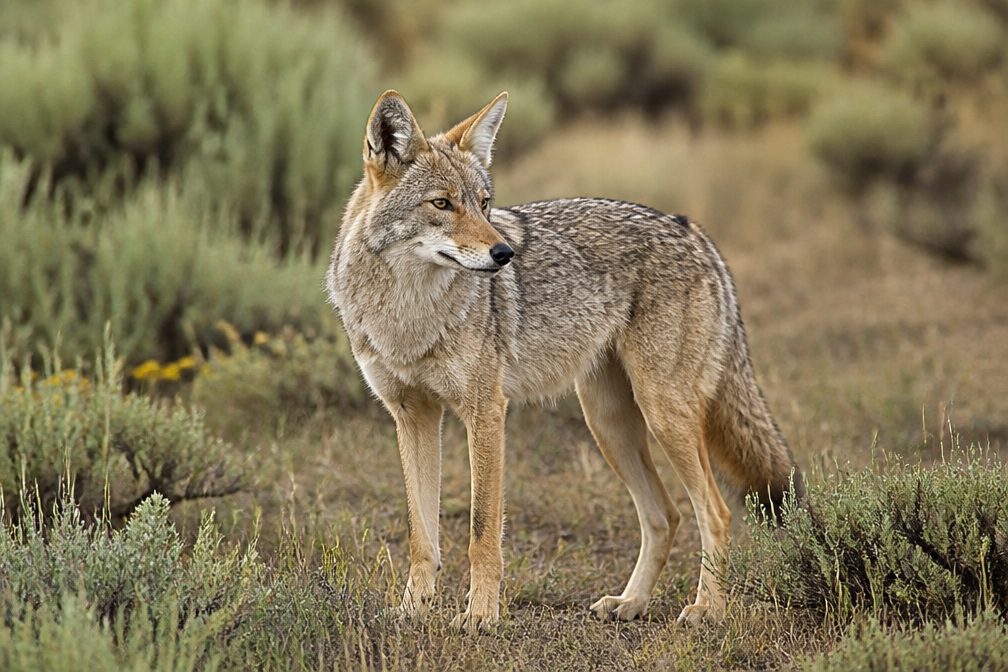
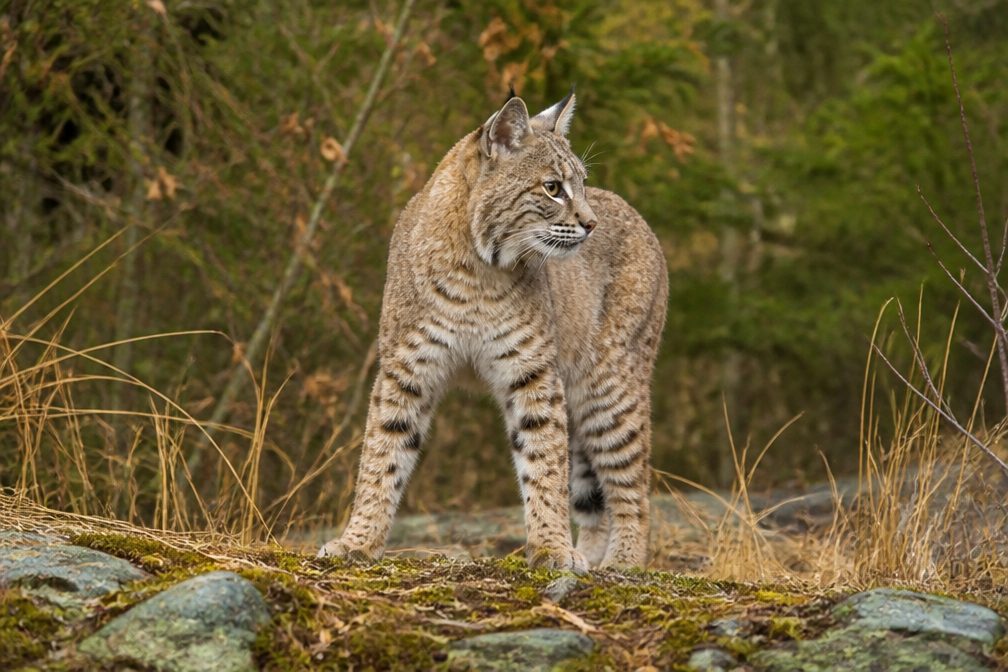
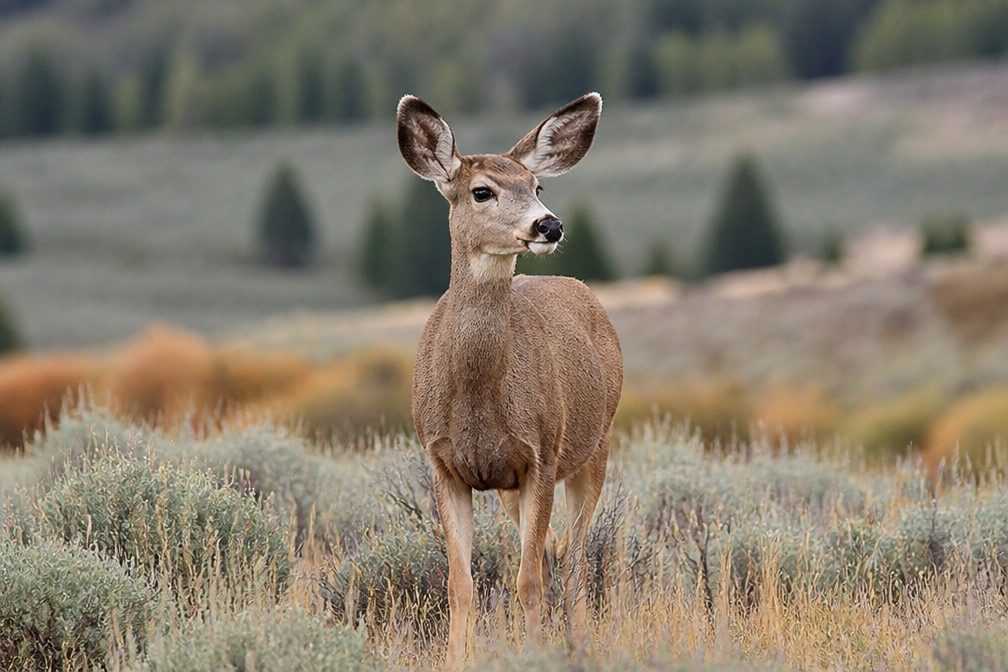
Permanent water makes this a magnet for wildlife. Expect birds and small mammals, and with luck, you might spot desert bighorn sheep moving across the slopes. Early morning tends to be best for both sightings and comfort.
This is an exposed desert hike with almost no shade until the oasis. Heat is the main hazard—avoid the hottest months, carry ample water (think desert-level quantities), and protect yourself from the sun. The trail can be sandy and indistinct in places; pay attention to route-finding, especially near washes. The descent into the oasis is at-your-own-risk and significantly steeper than the main trail.
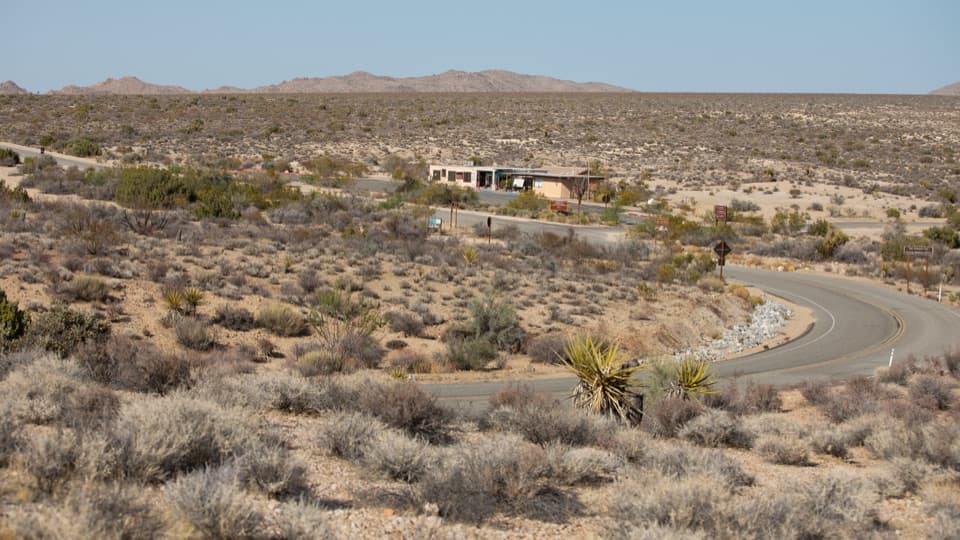
Start from the Cottonwood Spring area near Cottonwood Campground. Facilities are at the trailhead—not at the oasis itself—and the area can get busy on weekends. There is no potable water on the trail, and the oasis water is not for drinking. Camping is not allowed in the oasis; if you’re staying nearby, use Cottonwood Campground.
Cooler seasons are prime. Aim for fall through early spring, with spring adding potential wildflowers. Start early to beat crowds at the trailhead and to hike the exposed sections in cooler light. Morning and late afternoon also bring softer photography light and better chances for wildlife activity.