Eureka Peak

Quiet summit with big views via 4x4 road or long hike
Eureka Peak, Joshua Tree National Park
InsideJoshua Tree National Park

Overview

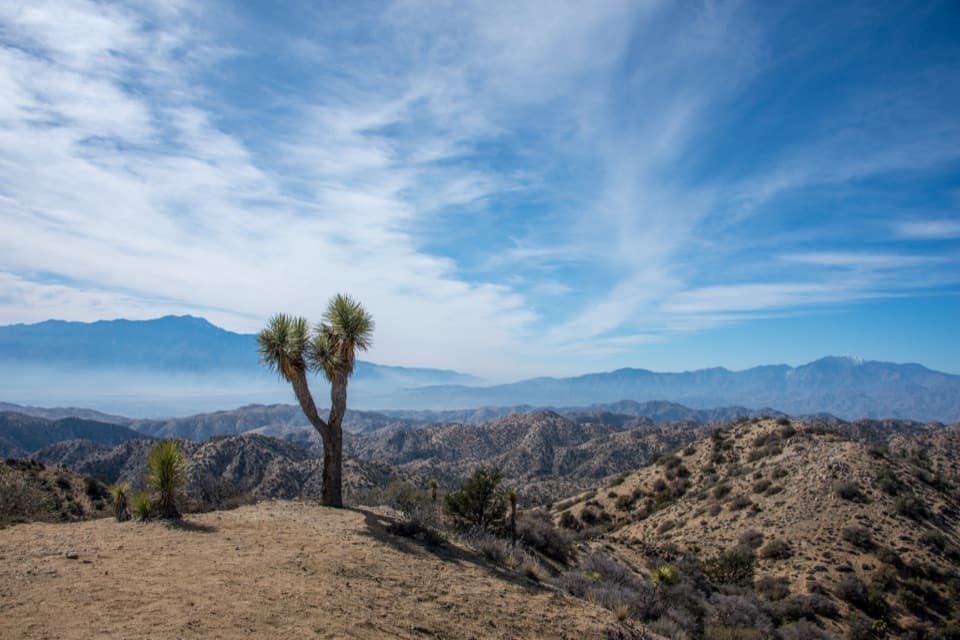
At 5,521 feet, Eureka Peak sits above the Black Rock/Covington Flats side of the park and delivers wraparound views without the crowds. It’s a true high-desert summit experience—quiet, windy at times, and wide open.

What Makes It Special

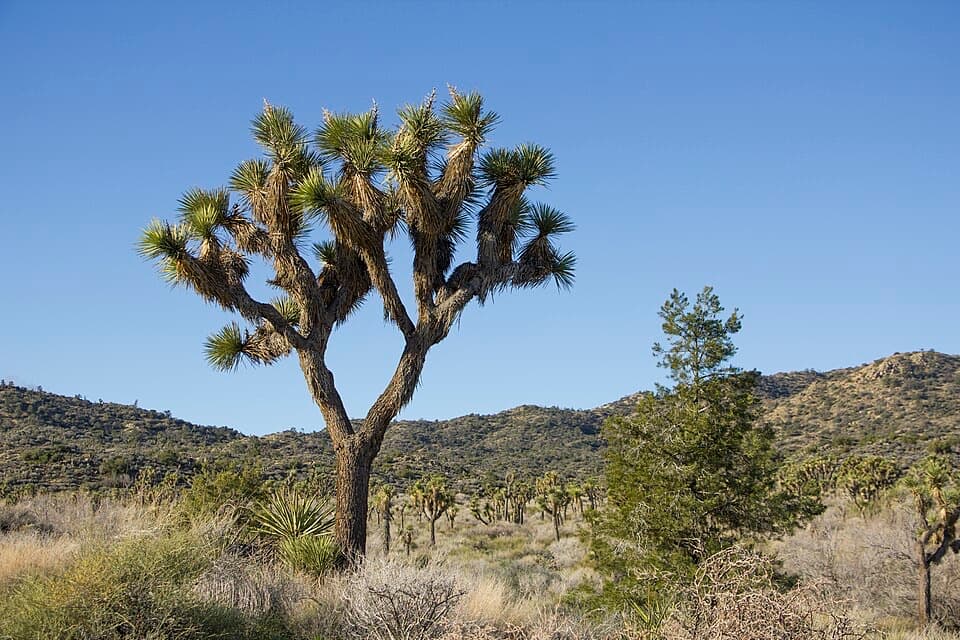
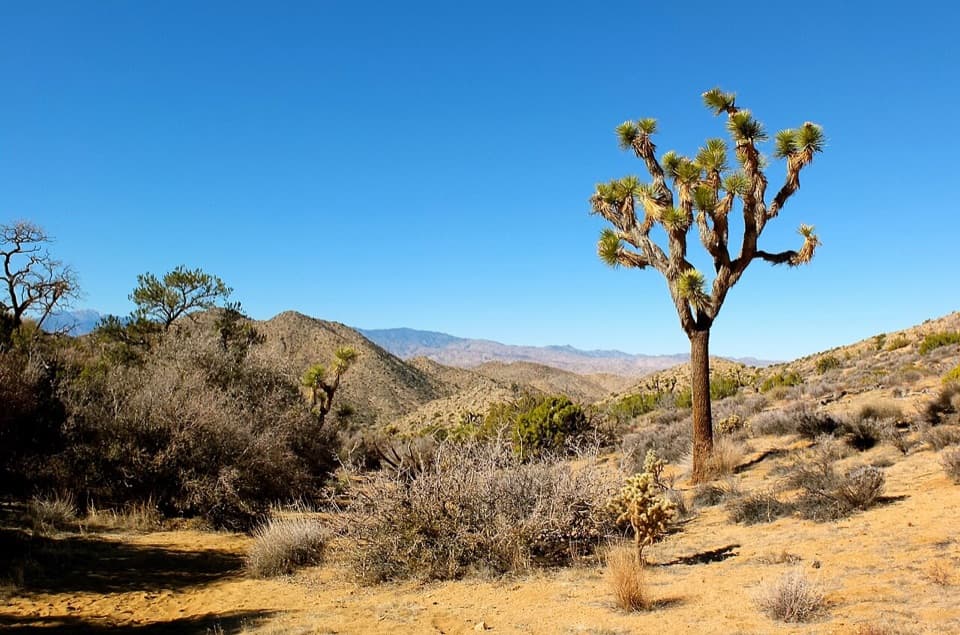
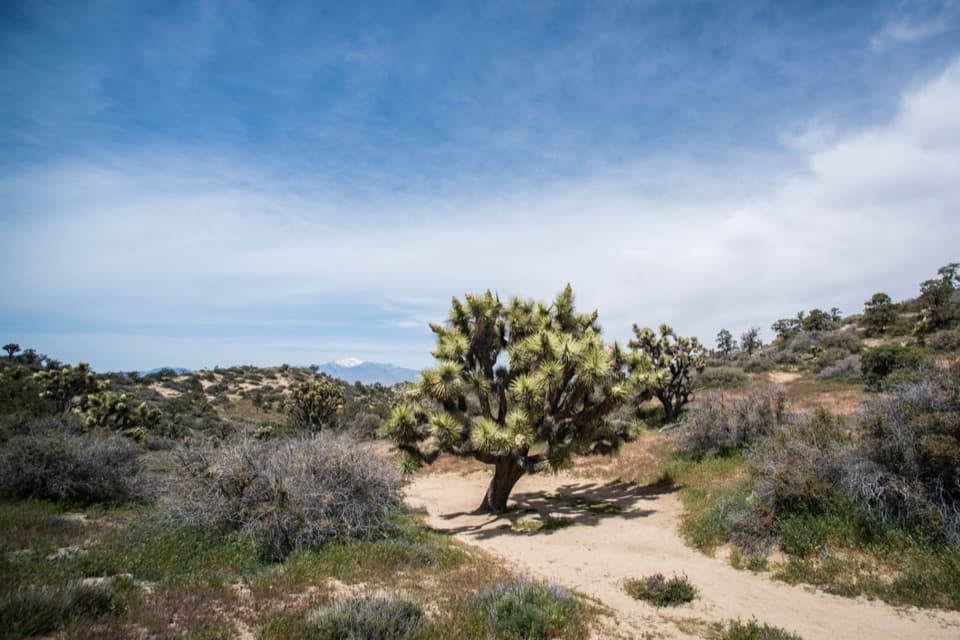
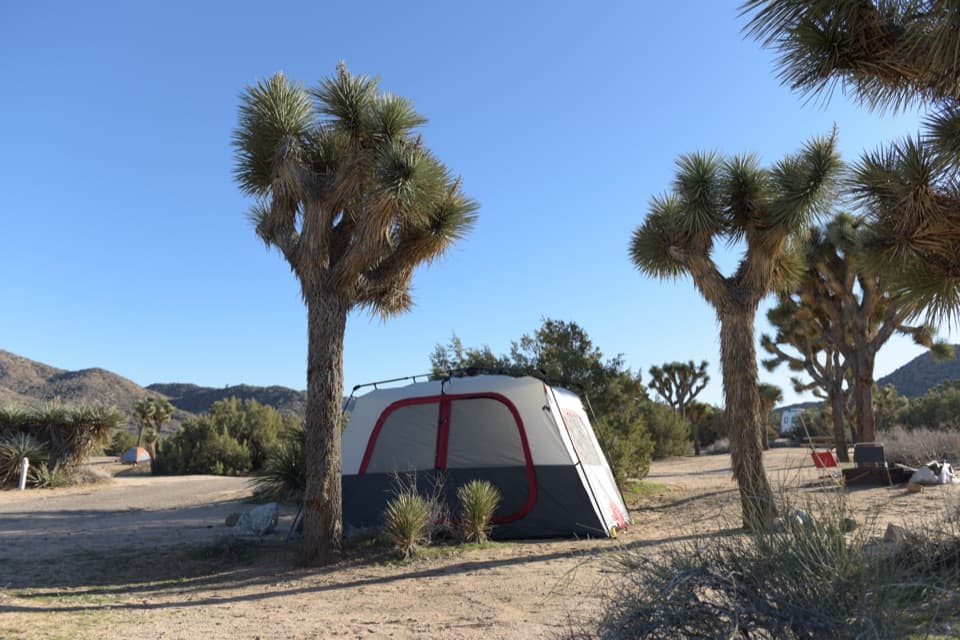
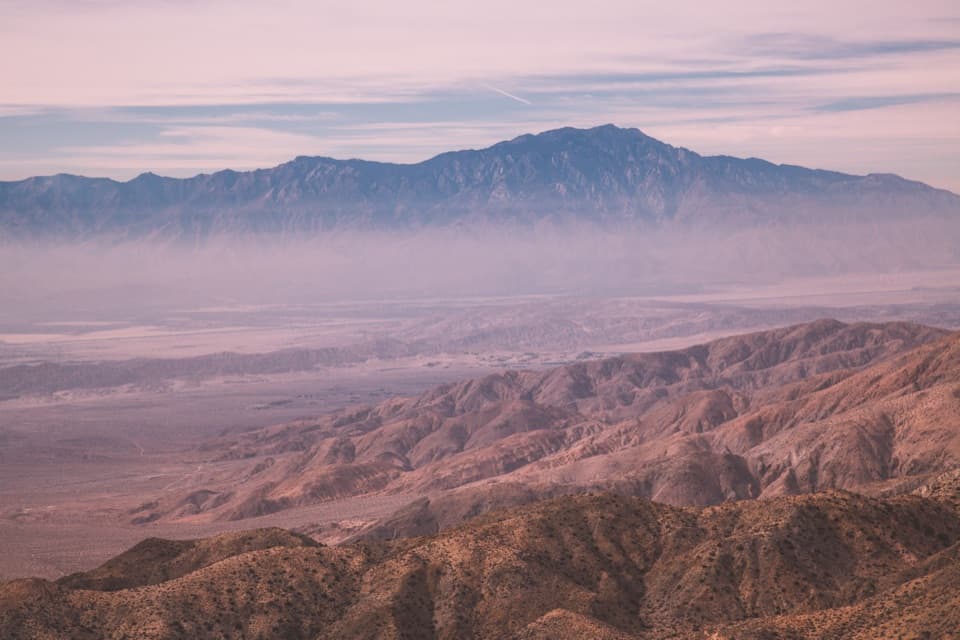
From the top you can scan the Mojave Desert, Coachella Valley, and distant high peaks like San Jacinto and San Gorgonio. The approach areas are dotted with some of the park’s most impressive Joshua trees. It’s also a multi-use zone—hikers, mountain bikers, and high-clearance drivers all find their way here.

Ways to Get There

  • Hike: The Eureka Peak Trail runs about 11 miles round trip with roughly 1,748 feet of gain. Expect sandy washes, a gradual approach, and a steeper push near the summit. Starts from the Black Rock Backcountry Trailhead/Nature Center area.
  • Drive: A rough dirt/gravel road leads close to the top, followed by a short walk to the summit. High-clearance or 4WD is strongly recommended; the road can be washboarded, narrow, and rutted with few places to pass and little room to turn around until the end. Allow unhurried time once you turn onto Covington Flats roads, especially after rain or snow.

Scenery & Wildlife

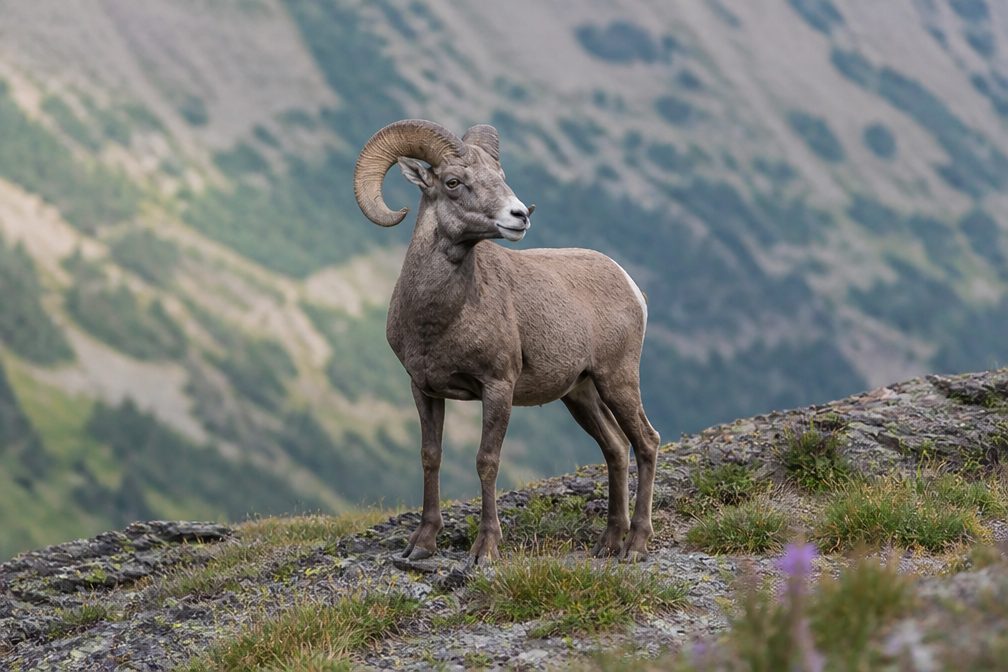
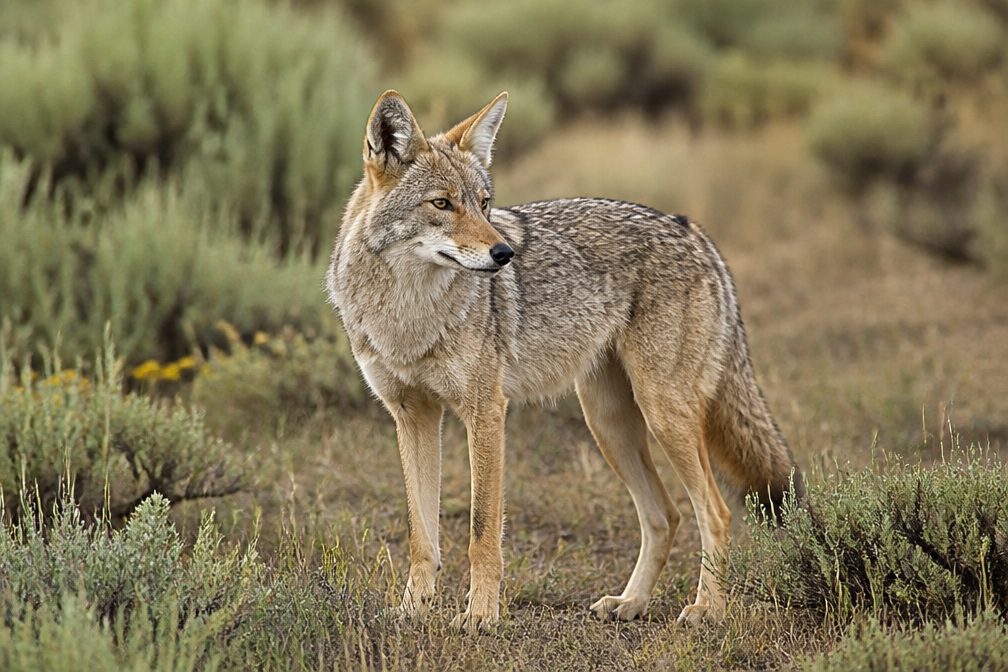
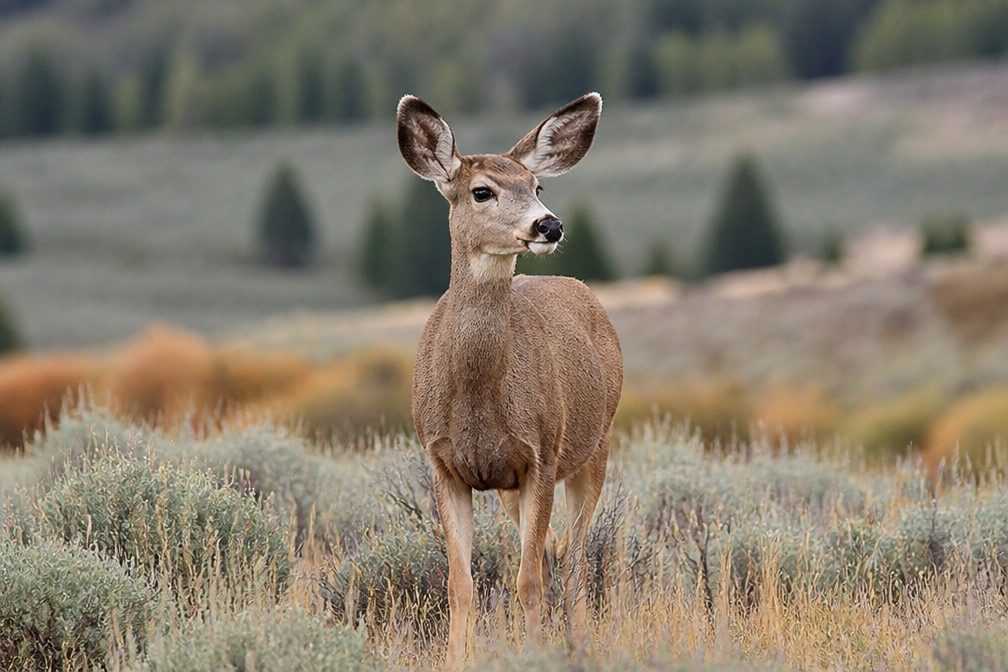
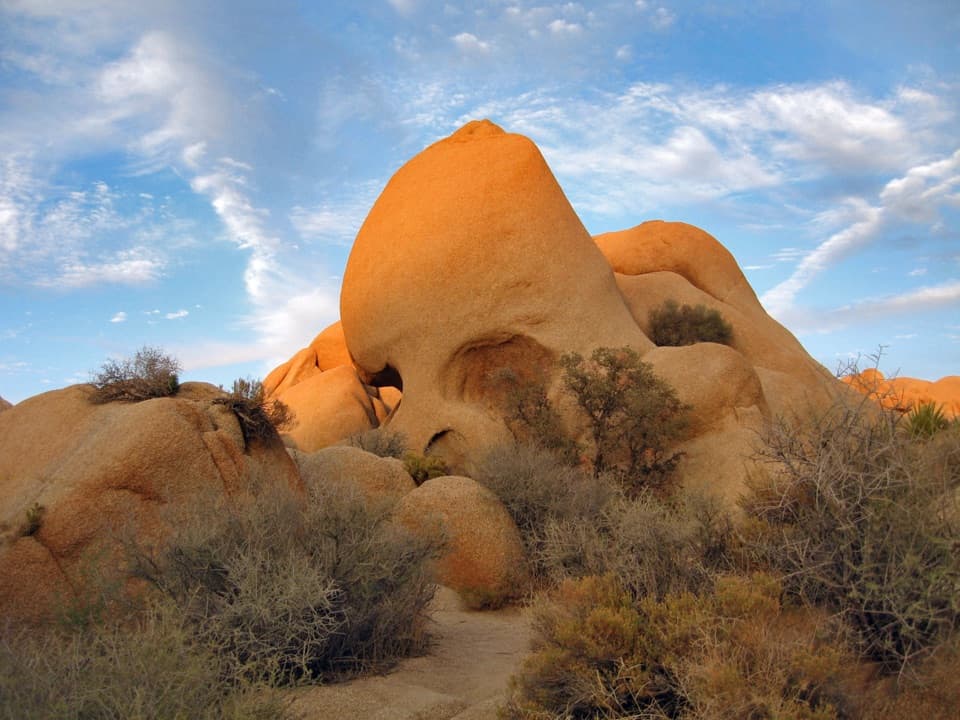
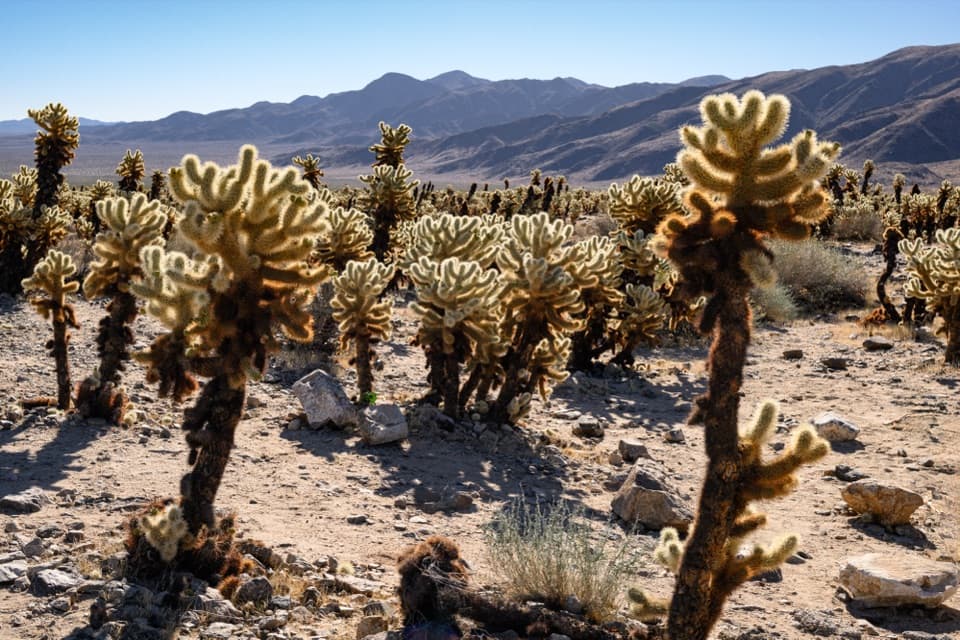
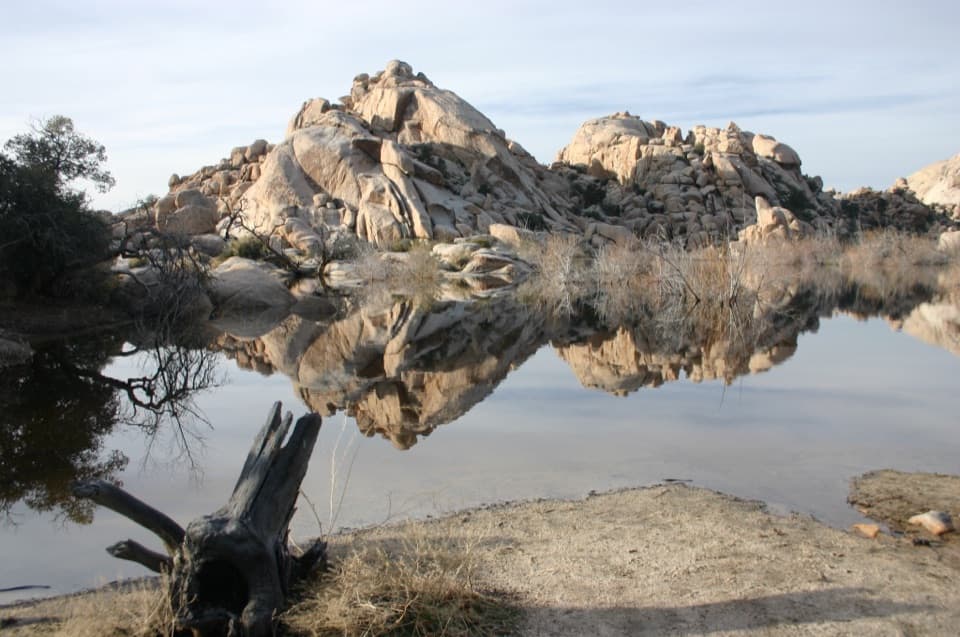
It’s all about expansive panoramas and classic high-desert textures—Joshua tree forests, granite outcrops, and sweeping alluvial fans. Wildlife sightings can include deer and coyotes in the lower stretches, with chances for desert tortoise, bighorn sheep, birds of prey, and small mammals. In late April, wildflowers can paint the mountain slopes.

Conditions to Expect

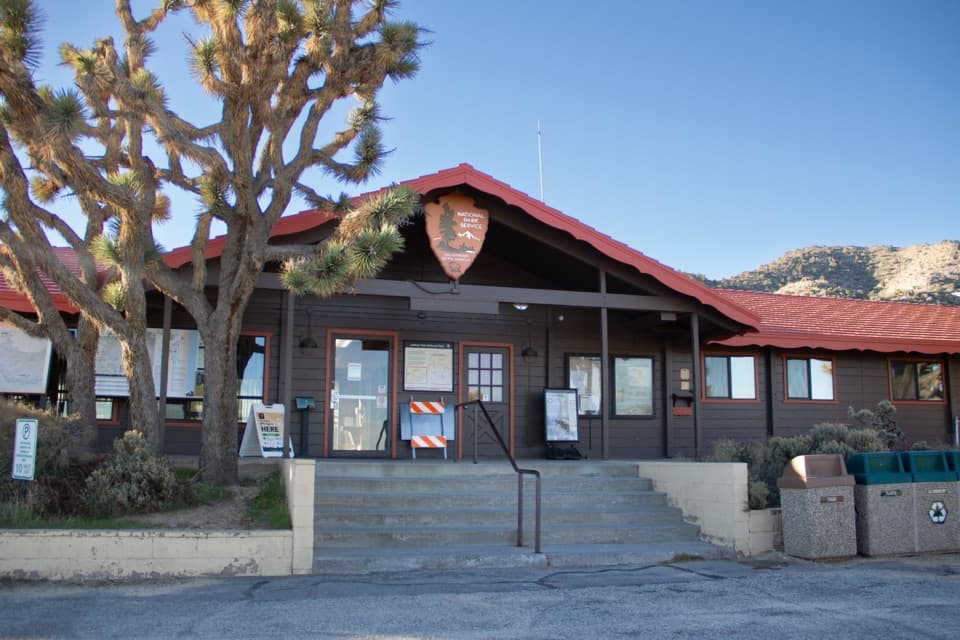
Eureka Peak can be windy and several degrees cooler than the basins below. In winter, the upper slopes may see occasional snow. Cell service is spotty and signage is limited. There are no services at or near the summit—no water, restrooms, or shade—so come fully self-sufficient.

Photography & Night Sky

Sunrise and sunset are stellar from the summit thanks to unobstructed horizons. Night photography works well too; you may notice some light pollution, but the sky is still rewarding.

Best Time to Visit

  • Season: Late fall through spring offers cooler temps; spring can bring wildflowers.
  • Time of day: Early morning or late afternoon for cooler air and the best light; sunrise/sunset are the sweet spots.
  • Crowds: This peak is lightly traveled most days, especially compared with marquee viewpoints.

Quick Logistics & Safety

  • Footwear with good traction is a must for sandy/rocky sections.
  • High-clearance/AWD or 4WD is recommended if driving the summit road; check conditions after rain.
  • Pack ample water, sun protection, snacks, layers for wind, and navigation (map/GPS).

Pros

  • Big, 360-degree desert-and-mountain views with real solitude
  • Reachable by long hike or a rough high-clearance/4WD road

Cons

  • No facilities and very remote
  • Rough dirt road with ruts, washboard, and limited places to pass

Tips

  • If driving, use a high-clearance or 4WD vehicle and expect washboard and ruts.
  • There are no facilities—bring extra water, sun protection, food, and a map/GPS.
  • Start at first light for cooler temps and better photography.
  • It’s often windy on top; pack a warm layer even on mild days.
  • Plan extra time on Covington Flats roads and avoid after heavy rain or snow.
The Parkwolf tour guide sitting on a phone mounted in a car

Parkwolf Tour Guide

Like a tour guide in your car.

Save the places you found around Joshua Tree, then let Parkwolf guide the drive between them.Download Parkwolf on the App Store