Djarradjin Billabong

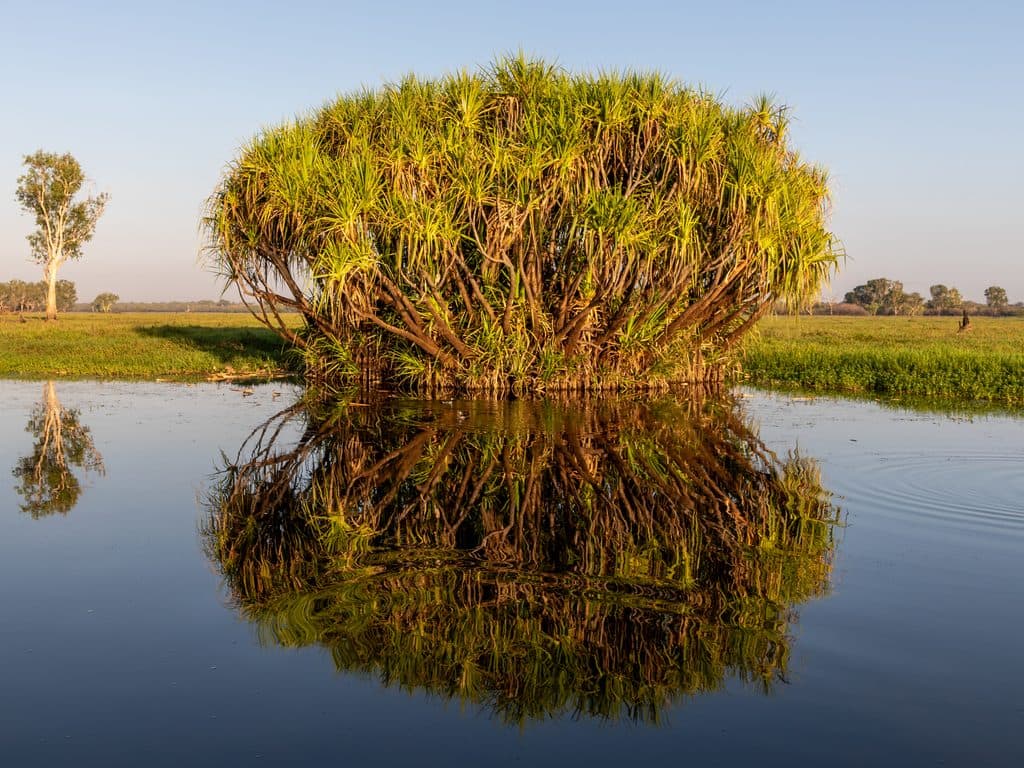
Quiet billabong loop for birdlife, lilies, and sunset reflections
Djarradjin Billabong, Kakadu National Park
InsideKakadu National Park

Overview

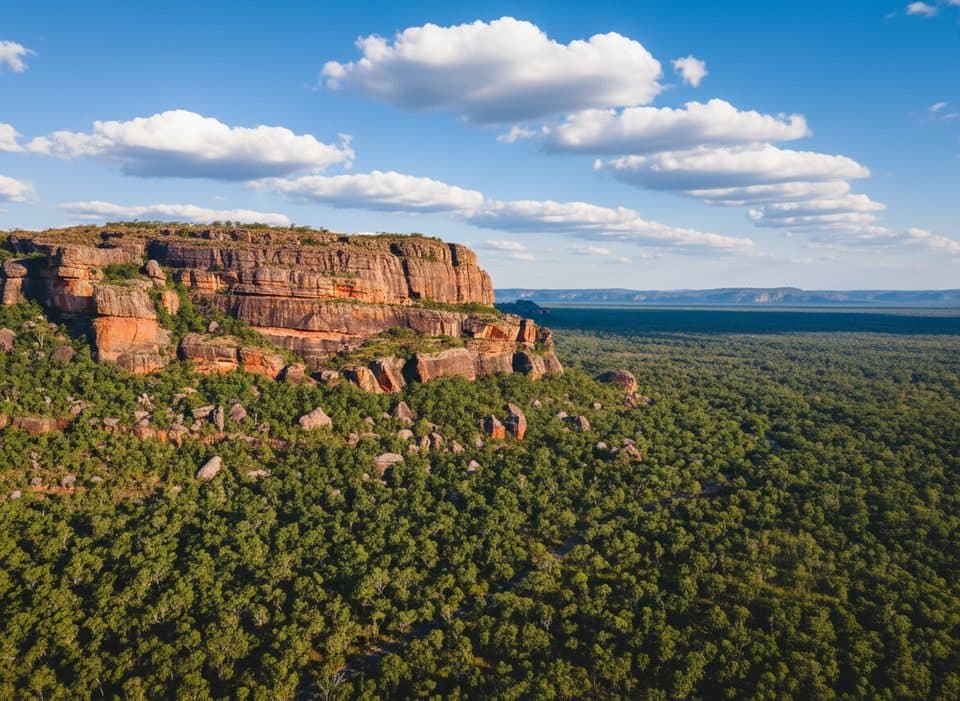
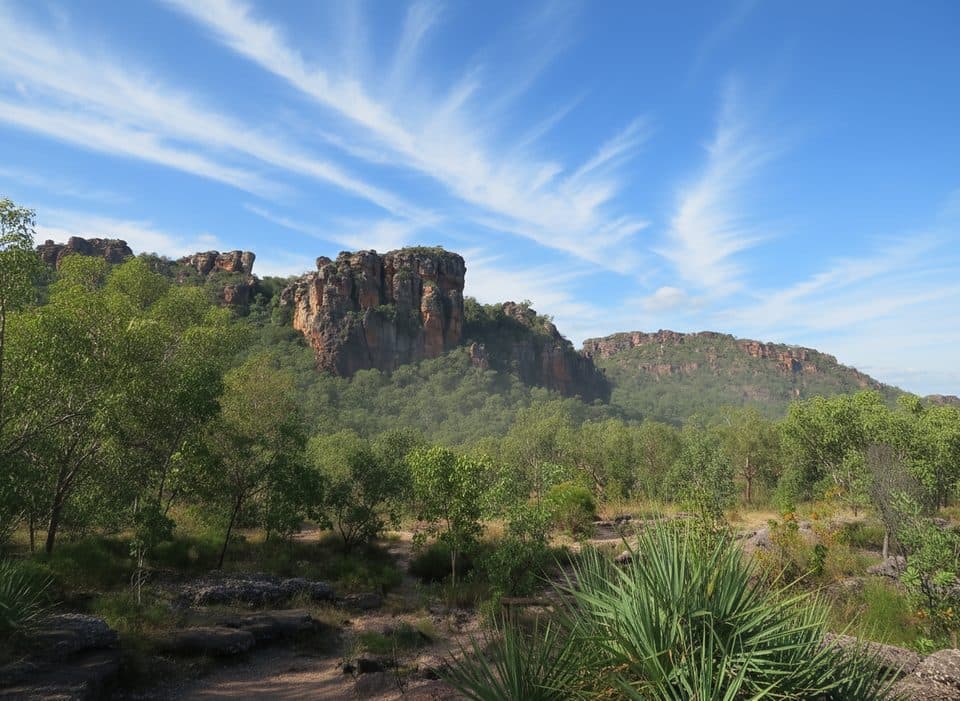
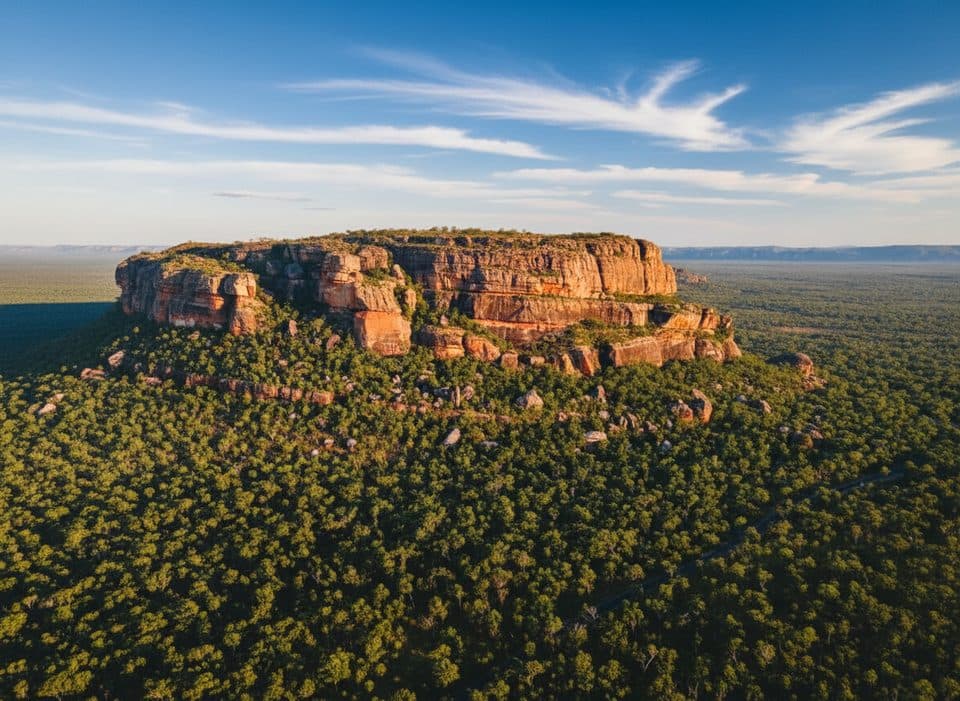
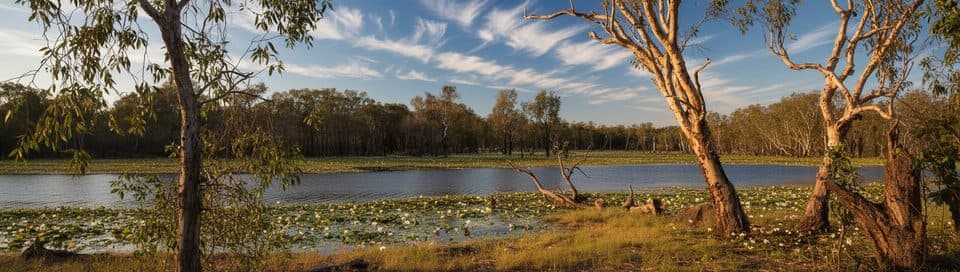
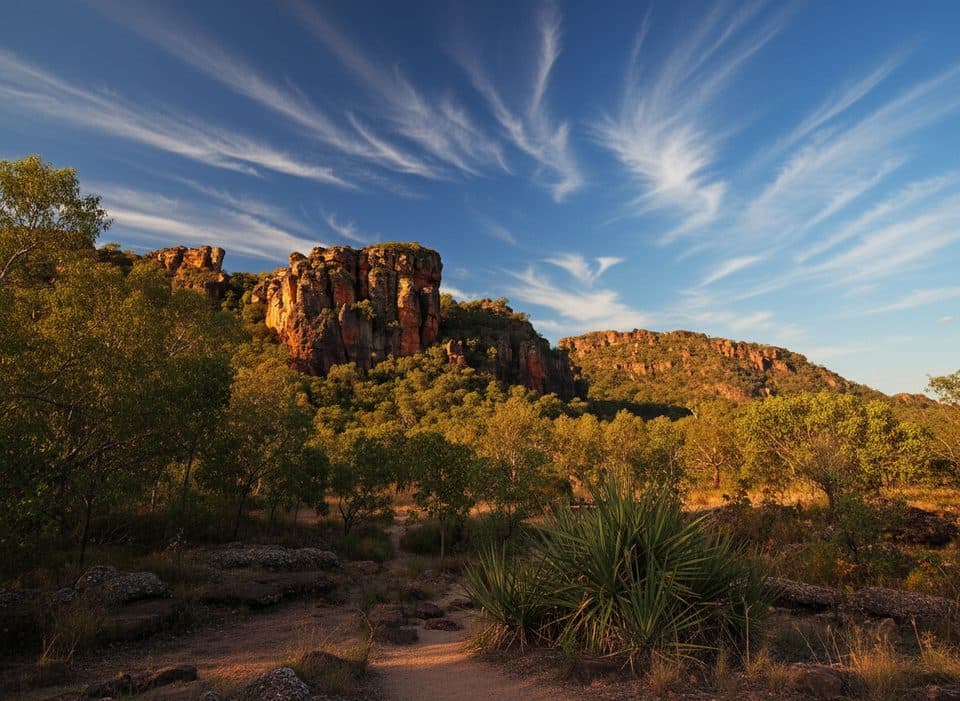
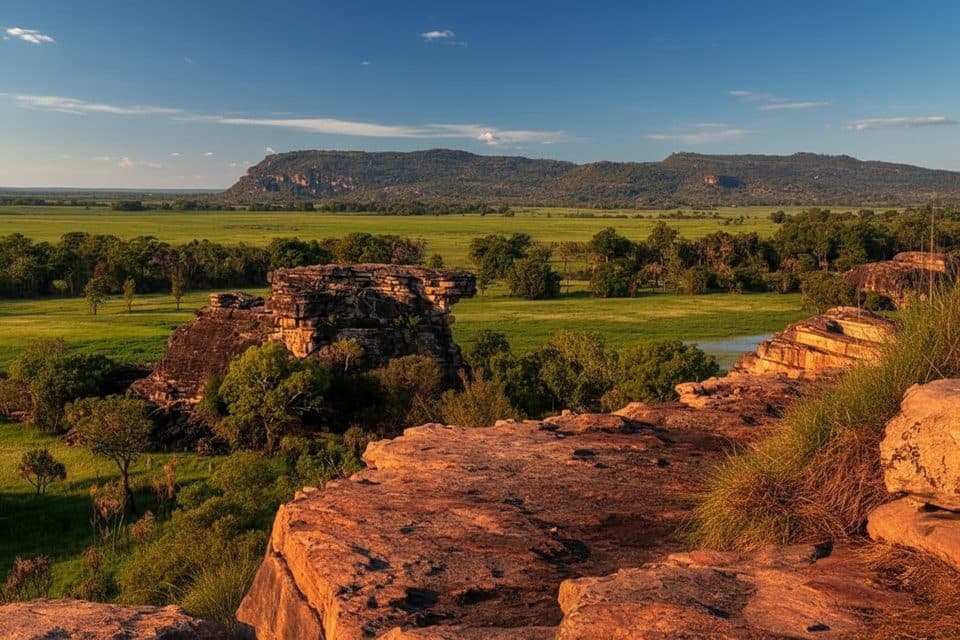
Djarradjin Billabong is a serene wetland tucked beside Muirella Park, just off Kakadu Highway. It’s the quieter cousin to Yellow Water—same lily-dotted water and paperbark edges, a fraction of the crowds. If you’re here for birds, reflections, and a peaceful loop walk, this spot delivers.

What You'll See

Expect broad water views flecked with lilies, reed beds, and open savanna woodlands. Boardwalks and small viewing platforms put you right at the water’s edge (from a safe distance) for photos and long looks across the billabong.

Wildlife Highlights

This is prime bird country in the dry season. Regulars include magpie geese, radjah shelducks, whistling ducks, egrets, herons, azure kingfishers, comb‑crested jacanas, and rainbow bee‑eaters; brolgas show occasionally. Freshwater crocodiles live here (salties sometimes turn up too), plus agile wallabies and turtles—so keep a respectful distance from the water.

The Walk

A flat, easy loop of about 3 km traces the billabong’s edge. It’s well signposted and great for families or anyone looking for a gentle stretch with lots to look at. The boardwalk sections and platforms are the best perches for photos and scanning for birds.

Practicalities & Safety

Facilities are basic: a small day-use area with parking, drop toilets, and a few picnic tables. There’s no food, fuel, or potable water here—bring everything you need. Croc safety is non-negotiable: heed signs, don’t approach the water, and never swim.

Nearby Camping

Camping is next door at Muirella Park (Djarradjin/Muirella). It’s first‑come, first‑served with fees collected on site; expect a simple, scenic base and (reported) toilets and cold showers. If you want to linger for dawn and dusk bird action, basing here makes it easy.

Best Time to Visit

  • Season: Dry season (May–October) is ideal—tracks are dry and wildlife concentrates around remaining water.
  • Time of day: Sunrise and late afternoon offer the best light, calm reflections, and peak bird activity.
  • Crowds: Generally light compared to Kakadu’s headline wetlands, especially on weekdays.

Tips

  • Bring binoculars and a long lens if you’re serious about birds.
  • Pack strong insect repellent; mozzies ramp up at dawn and dusk.
  • Check the park’s Access Report in the wet; closures happen.
  • Carry your own water and snacks—no services on site.
  • If camping, use Muirella Park next door (first‑come; pay on site).

Pros

  • Easy 3 km loop with boardwalks and viewing platforms
  • Excellent, low-crowd birdwatching in the dry season

Cons

  • Mosquitoes can be fierce, especially around dawn and dusk
  • Wet-season access and tracks may close or be muddy

Tips

  • Aim for sunrise or late afternoon to catch reflections and active birds.
  • Bring insect repellent—mozzies can be intense near the water.
  • Stay well back from the edge and follow croc warning signs.
  • Carry all your own water and snacks; there are no supplies here.
  • Camping is at nearby Muirella Park and is first‑come, pay on site.
The Parkwolf tour guide sitting on a phone mounted in a car

Parkwolf Tour Guide

Like a tour guide in your car.

Save the places you found around Kakadu, then let Parkwolf guide the drive between them.Download Parkwolf on the App Store