Place · 0 mi away

This is the famous stump of the Mark Twain Tree, a giant sequoia cut in 1891 so slices could be shipped to New York and London to convince skeptics these trees were real. Today, a small staircase lets you climb onto the top. It’s not the grandest view in the park—this stop is about history and perspective.
The Big Stump area is a meadow-and-forest landscape dotted with enormous sequoia stumps and shattered logs from 19th‑century logging. The Mark Twain Stump is the photogenic centerpiece: broad, flat, and climbable via a short set of steps. Decades of footsteps have softened the rings, but the sheer size still hits you.
Loggers spent nearly two weeks felling the Mark Twain Tree, funded to create “exhibition” slices for big-city museums. The nearby basin was worked by the Smith Comstock Lumber Mill in the 1880s; you’ll pass remnants of that era and other scarred giants on the loop. This place tells a blunt story: sequoia wood often shattered when felled, and the waste helped spark early conservation thinking.
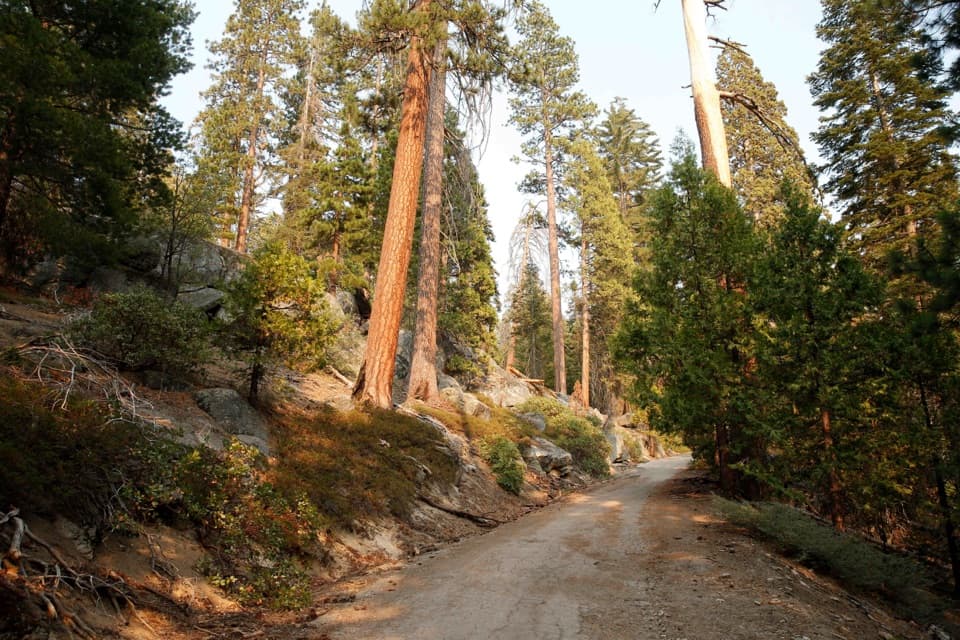
Park at the Big Stump Picnic Area just inside the Highway 180 entrance. The loop trail leaves from here and reaches the stump quickly. Expect a modest descent at the start and a short, breathy climb back at roughly 7,000 feet.
Figure on about a 2‑mile loop through meadow edges and forest, with a couple of short, steeper bits. Wayfinding can be spotty—signs may say “Big Stump” or “Mark Twain”—so snap a photo of the trail map at the start.
The Big Stump Picnic Area has restrooms, covered picnic tables, and water at the trailhead—handy for pre‑ or post‑walk breaks.
If you love the stories behind the park, yes—this is a quick, memorable stop that pairs well with the living giants in nearby Grant Grove. If you’re only chasing sweeping vistas, you might find it brief, but it’s an eye‑opening chapter of sequoia history.