Place · 0.2 mi away

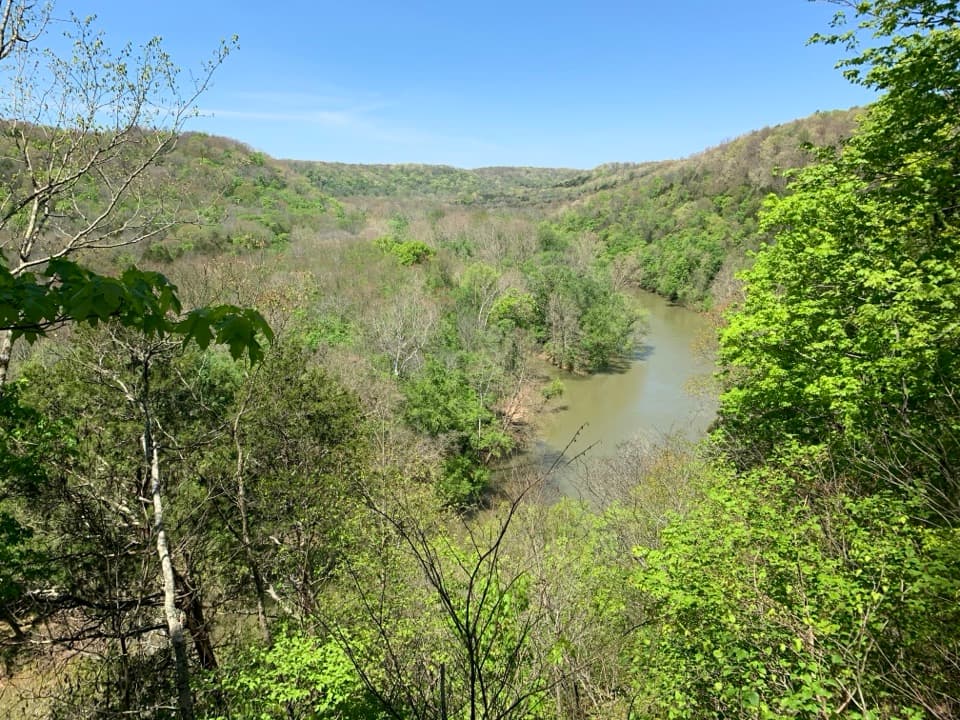
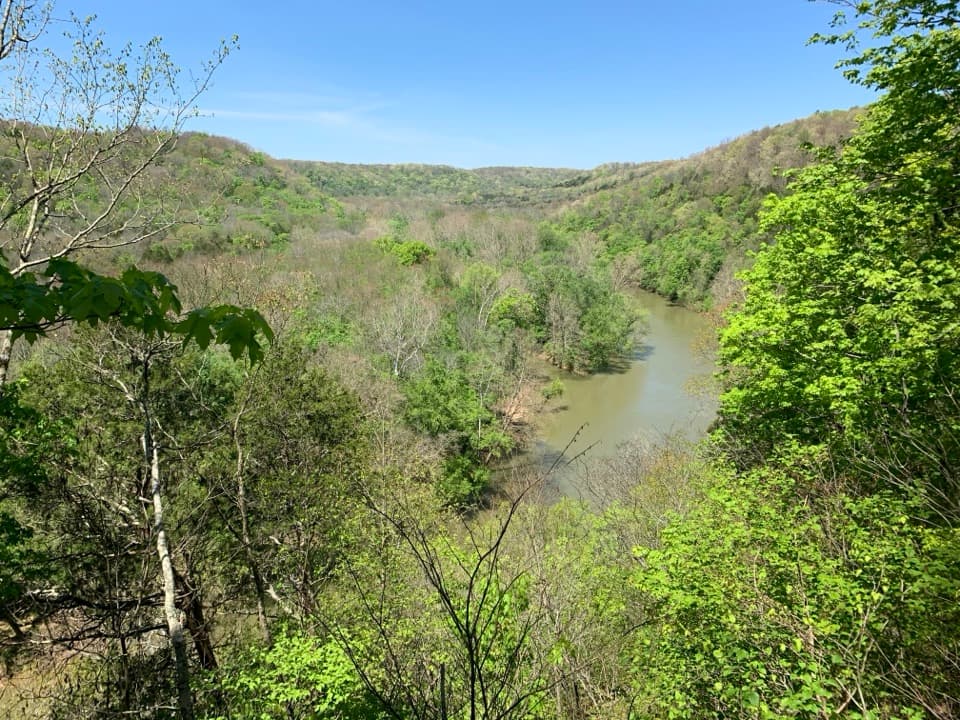
A short hike rewards you with a quiet perch above the Green River, the surface thread that helped carve Mammoth Cave below. The overlook itself is simple—benches, a small interpretive panel, and an air‑quality webcam—but the setting does the heavy lifting. It’s a peaceful, shady spot to pause and take in the river valley.
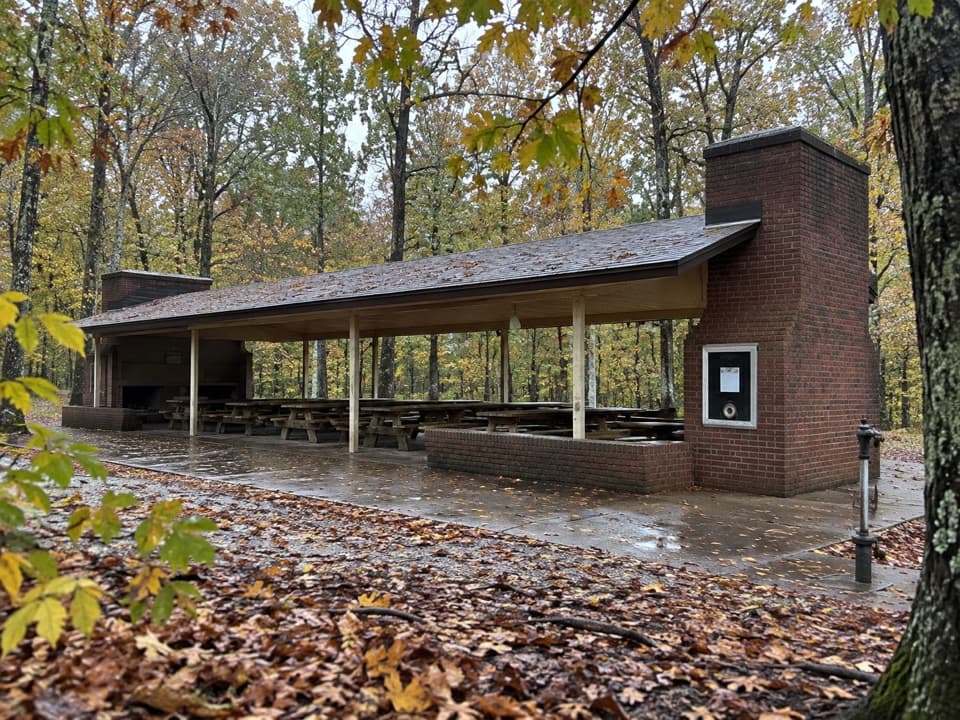
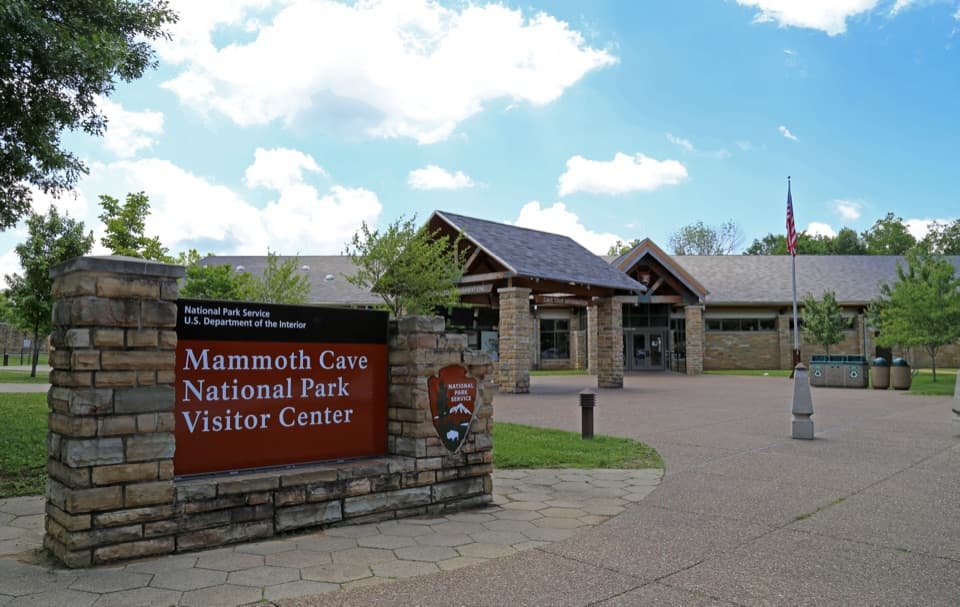
You reach the viewpoint via the Green River Bluffs Trail from the visitor center/lodge/picnic area—there’s no drive‑up access. Popular options include a roughly 2.4‑mile loop (about 390 ft of gain) that’s mostly easy‑to‑moderate, with some steeper, rockier stretches near the river. A common strategy is to start near the Mammoth Cave Picnic Area and link the Green River Bluffs Trail with the River Styx Spring Trail to avoid backtracking; you can also add Dixon Cave when open. Expect signed intersections, but some junctions can be confusing, so bring a good map or a GPS track.
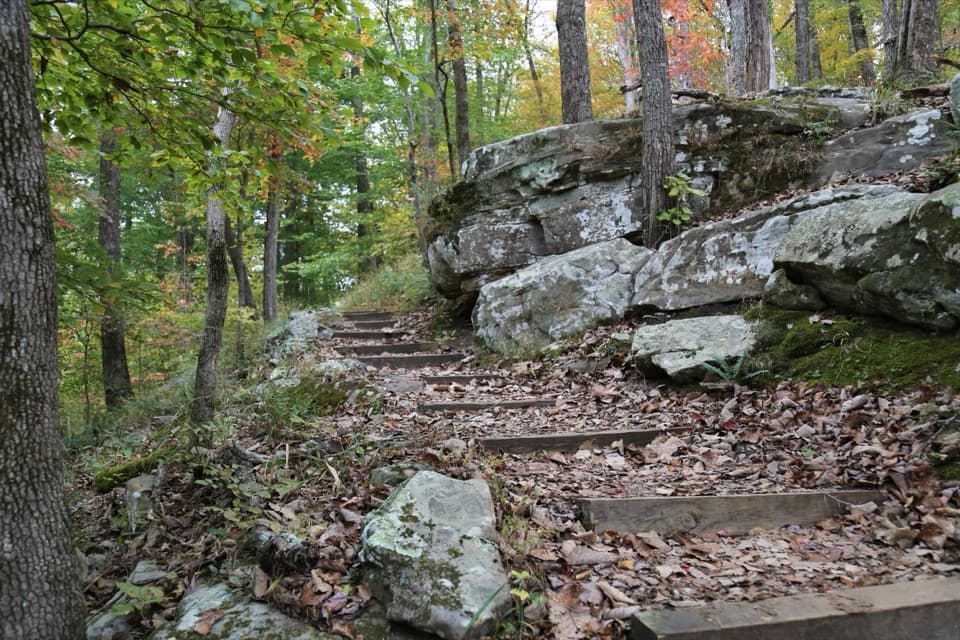
The overlook faces over the Green River Valley, with best sightlines when leaves are down. If you continue toward the river, the trail reaches a T‑junction with a short spur to a former riverboat landing. From there, you can connect to River Styx Spring and, when open, Echo River Spring. Shaded forest walking dominates much of the loop, with a stair‑step of switchbacks down to river level.
Underfoot, the bluffs can be rocky and slick when wet, and the grade steepens on the switchbacks—trekking poles are handy. Summer brings bugs, and you’ll earn your views on the climb back from the river. There are no restrooms or parking at the overlook itself; use facilities in the visitor center/lodge/campground area that serves these trails.
For views, late fall through early spring is the winner—dense summer foliage can screen the river. Midday tends to be busier; go early or later in the day for a quieter experience. Always check for any temporary closures along the Heritage, Echo River, or connecting trails before you set out.
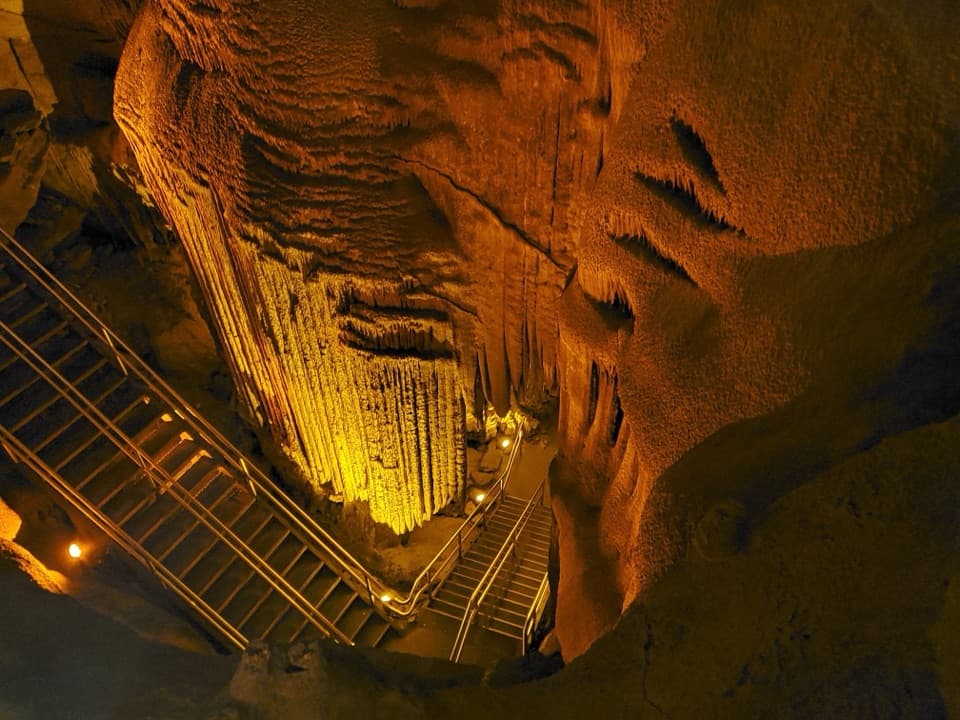
You’re looking over the river that made the cave possible. This landscape is classic karst: ancient limestones (St. Louis, Ste. Genevieve, Girkin) dissolved by slightly acidic groundwater over millions of years, with a protective cap of Big Clifty sandstone and shale on top. The Green River’s erosional power lowered the water table and helped carve passage levels, some of which were largely in place by about 3.2 million years ago.
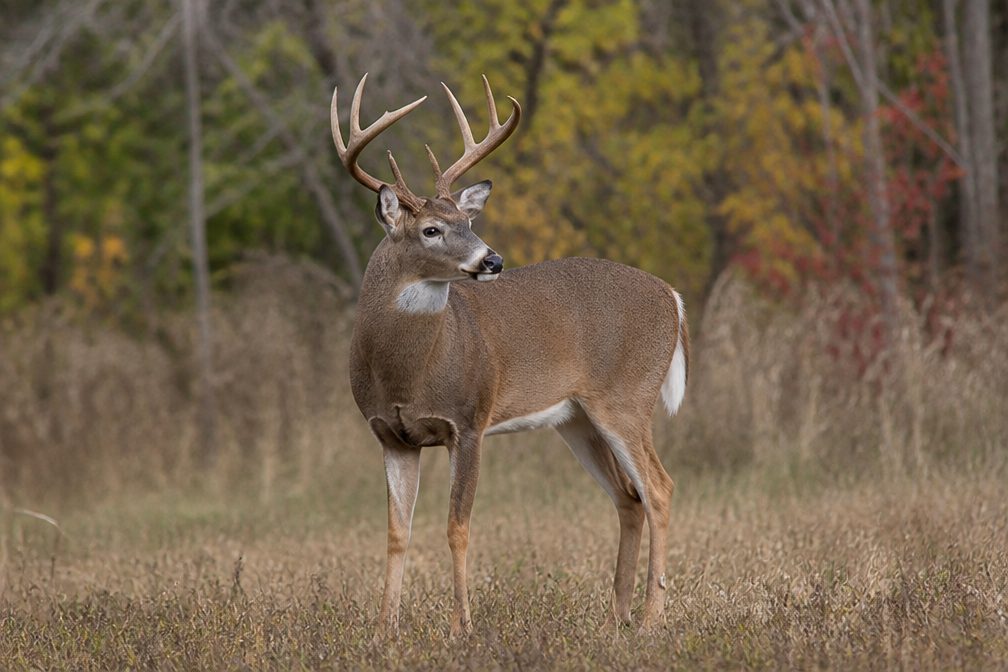
Mammoth Cave’s varied light and temperature niches support rich biodiversity, and the Green River corridor is especially lively. Expect a mostly shaded walk; after rains the river can run muddy, but on calmer days it often shows its namesake green tint.