Place · 0.9 mi away

This is the park’s most accessible window into ancestral Puebloan life—a compact archaeological site with petroglyphs you can spot from a short, paved loop. It’s not grand like Chaco, but it’s authentic, evocative, and easy to fit into any itinerary.
Puerco Pueblo was occupied in two main pulses (roughly 1100–1200 and 1300–1400 CE). Residents farmed corn, beans, and squash on nearby floodplains and terraces and participated in regional trade networks. The village was abandoned by about 1380, likely tied to climatic shifts and drought. Today it’s recognized for its cultural ties to Hopi and Zuni and is listed on the National Register of Historic Places.
The loop is about 1/3 mile, paved, and straightforward—most visitors spend 20–40 minutes if they read the signs and take time with the rock art. Facilities are basic: parking for cars and RVs and vault toilets. There’s no water and very little shade, so plan accordingly and stay on the signed path to protect the site.
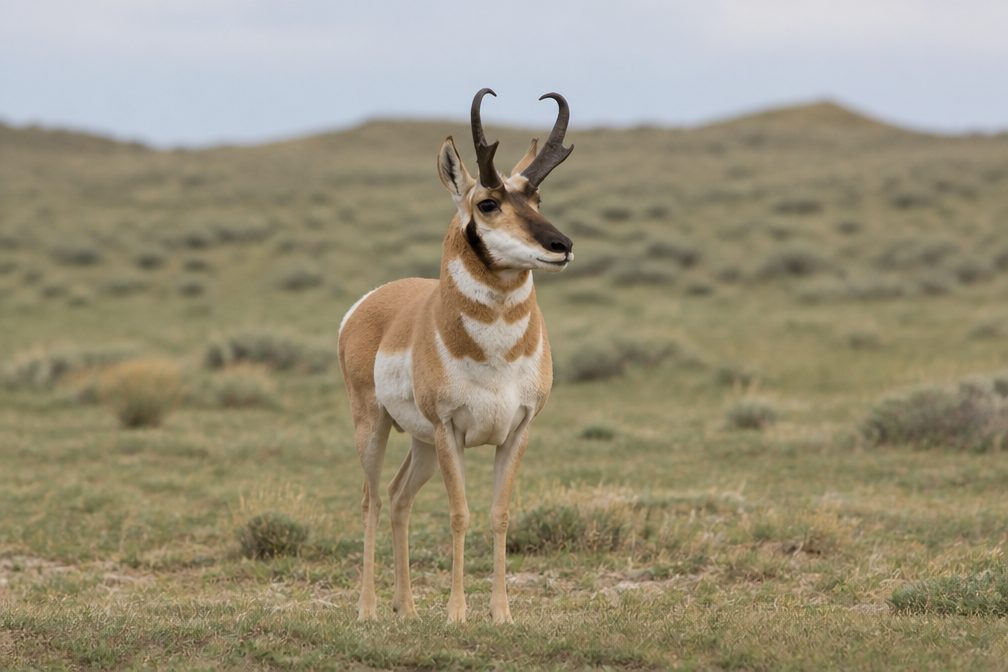
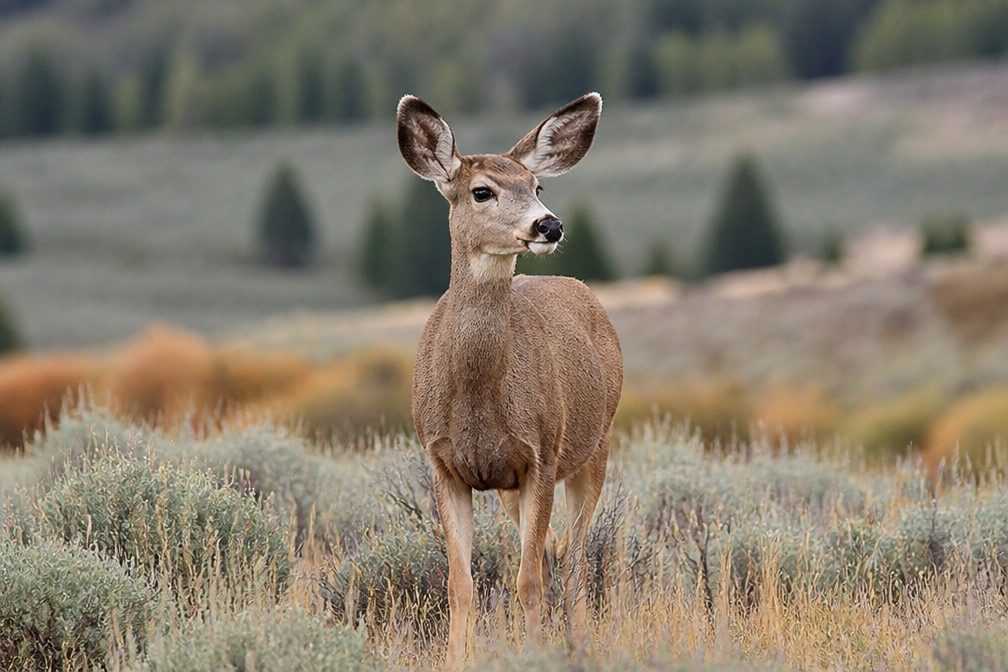
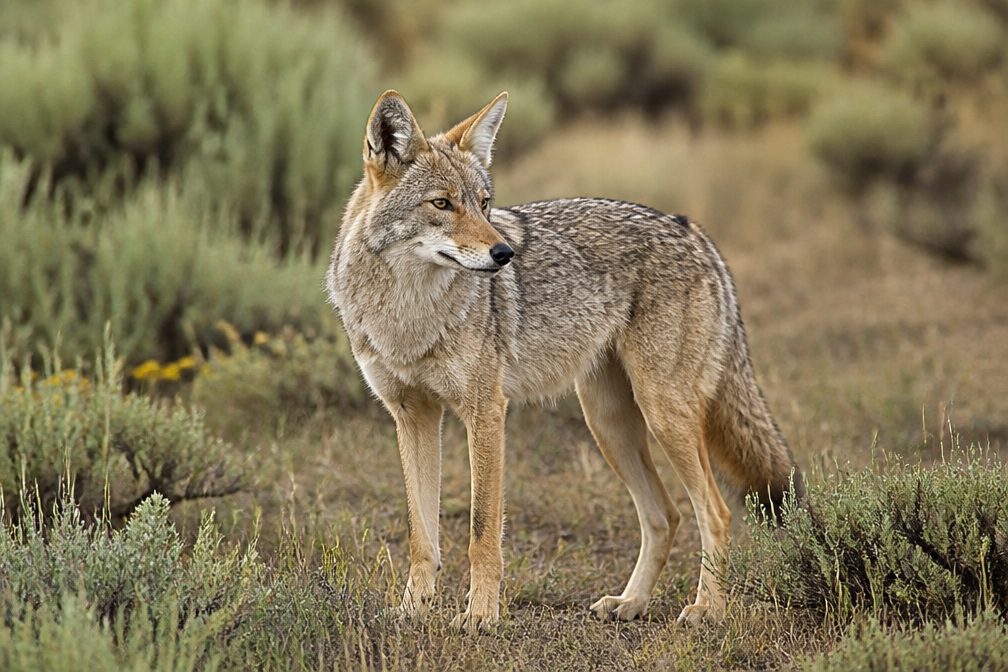
This is classic high desert—keep an eye out for lizards, ravens, and the occasional hawk working the thermals over the river corridor.
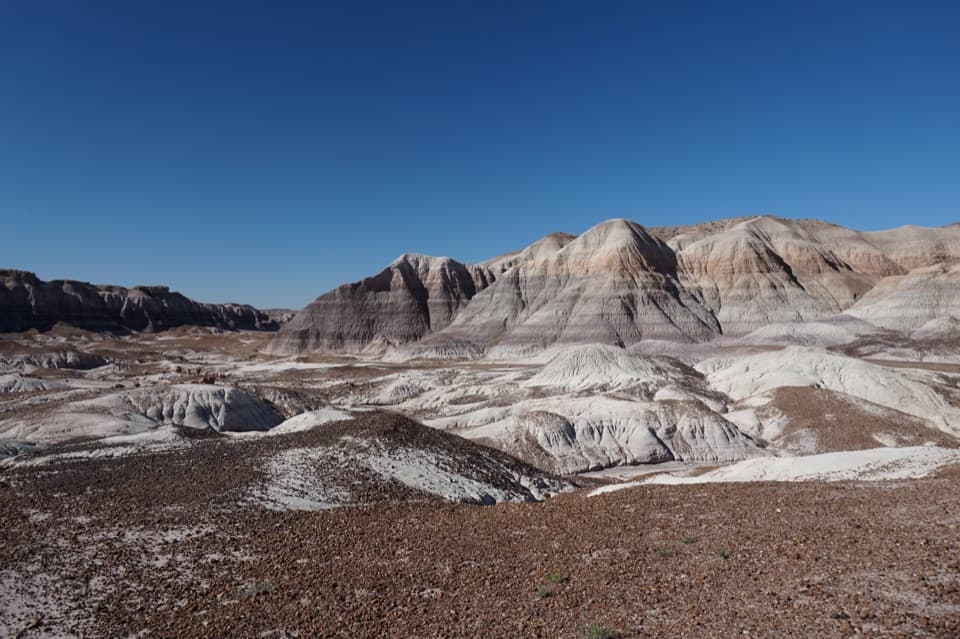
If you like archaeology or rock art, absolutely—this is an easy, high‑value stop that adds cultural context to all the colorful geology you’ll see elsewhere in the park.