Granite Falls

A quiet, 50‑foot cascade reached by a wildlife‑rich Big Meadows hike
Granite Falls, Rocky Mountain National Park
InsideRocky Mountain National Park

Overview

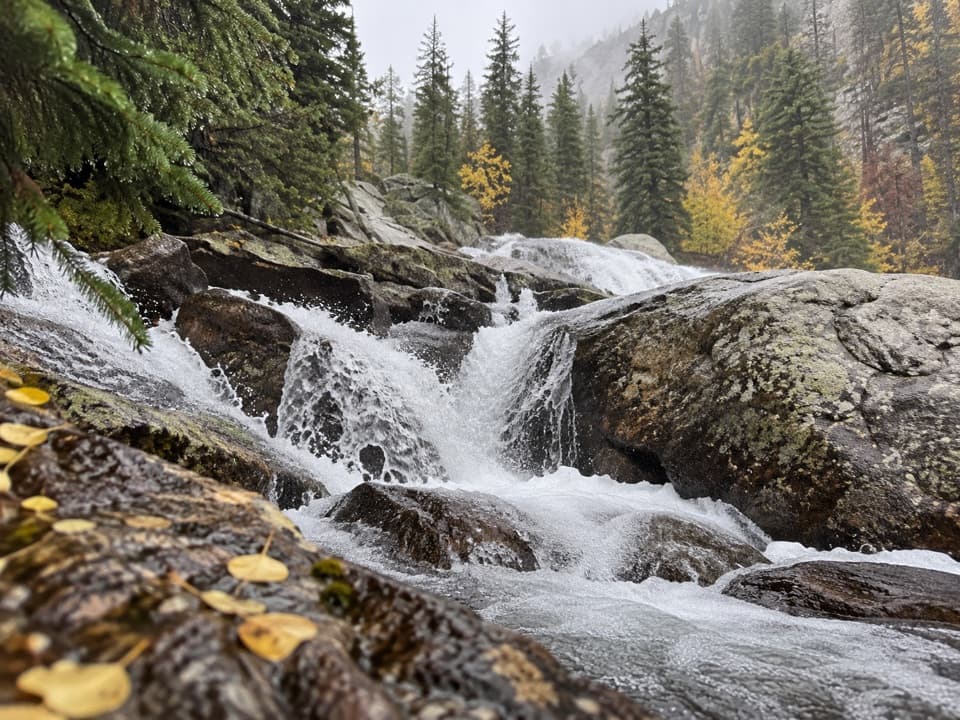
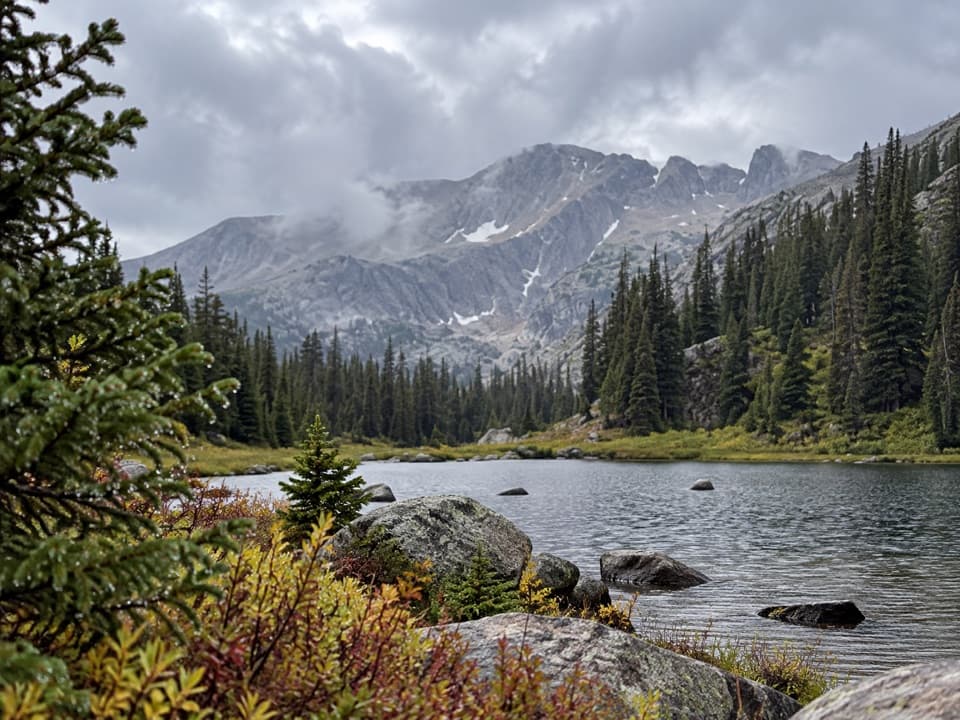
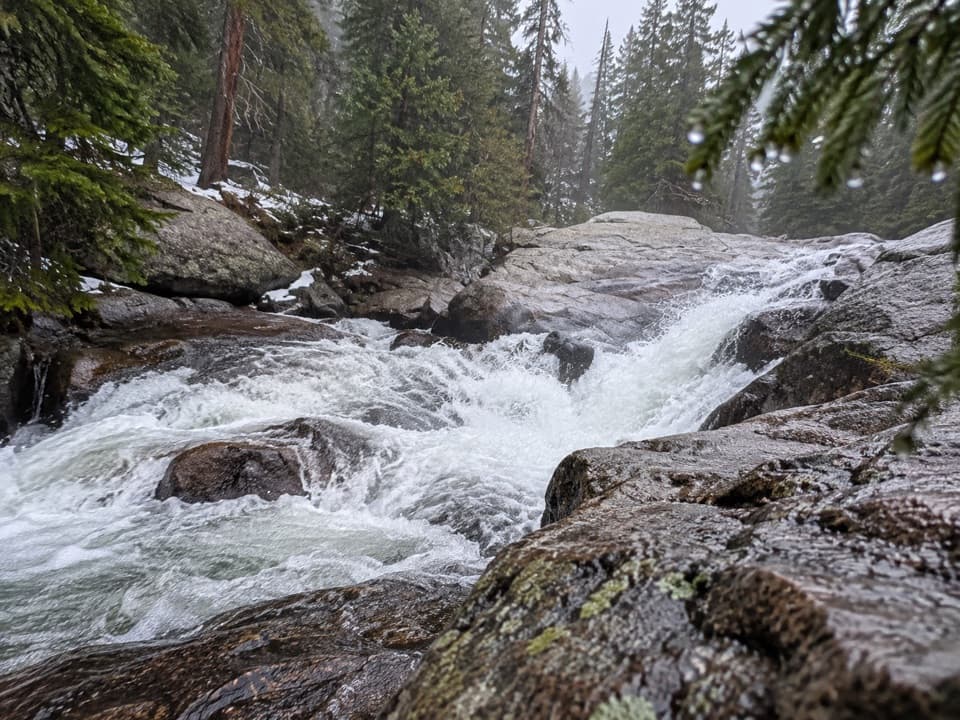
Granite Falls is about the journey as much as the destination: a tiered, roughly 50‑foot cascade on Tonahutu Creek reached by a mellow‑to‑steady climb through forest and the wide‑open expanse of Big Meadows. It’s a classic west‑side outing—wildlife, wildflowers, and creek sounds the whole way—without the shoulder‑to‑shoulder crowds you find on the east side.

Route at a Glance

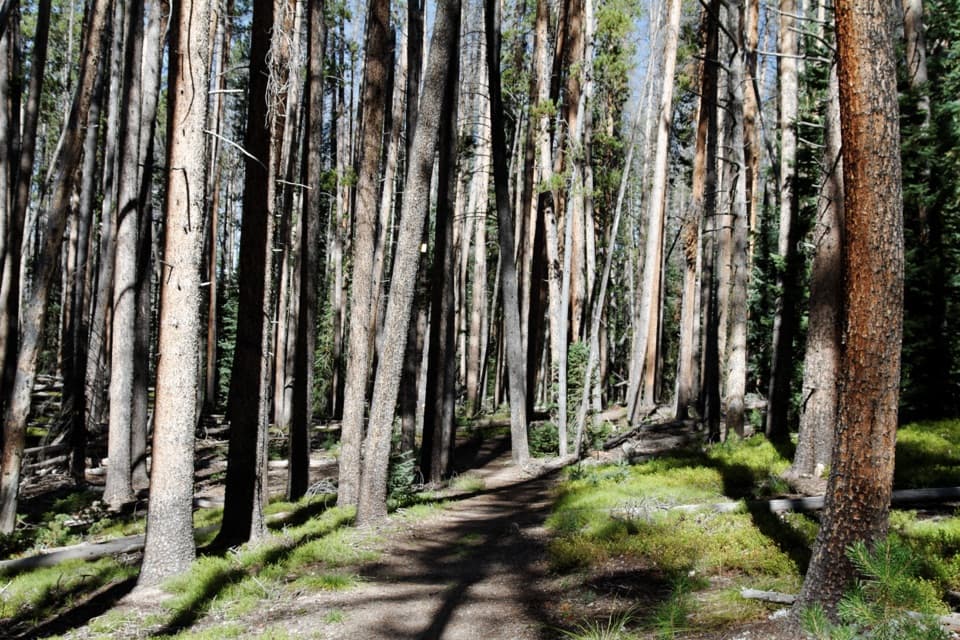
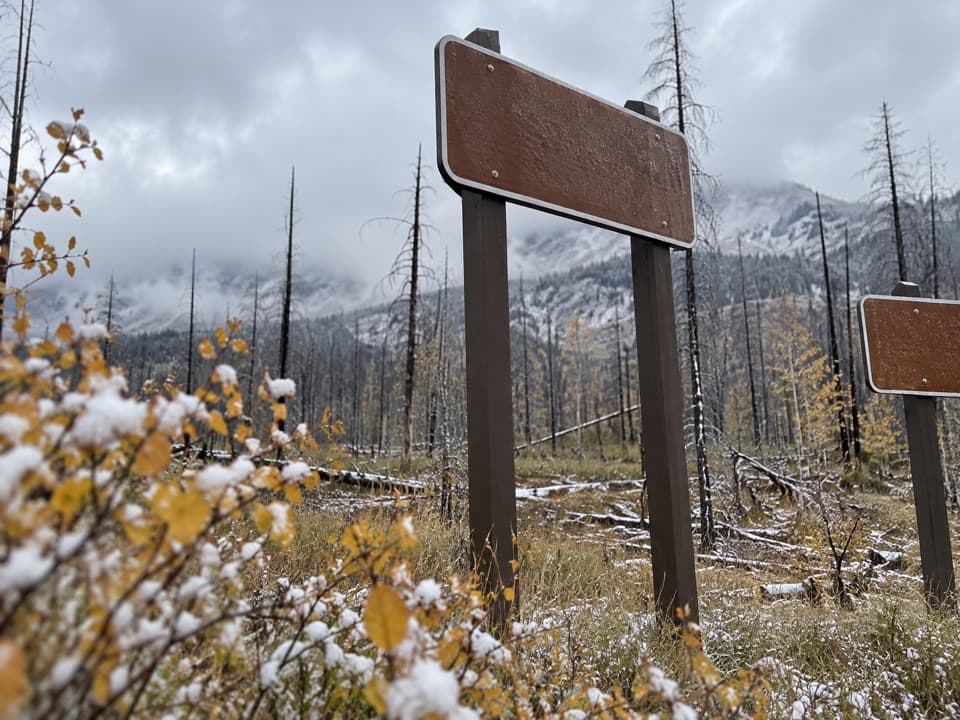
Expect roughly 10 miles round trip via the Green Mountain Trailhead, with about 1,100–1,450 feet of gain and a 4.5–6 hour day depending on pace and stops. You’ll climb through conifers to the Tonahutu Creek Trail, skirt Big Meadows, then follow the creek upstream. You’ll pass Sunrise and Sunset backcountry sites, then the Lower Granite Falls campsite just before the spur to the falls (you may hear the cascade before you see it). Parts of the approach traverse the 2013 Big Meadows Fire burn—beautiful in its own way, but watch for standing dead trees on windy days.

What You’ll See

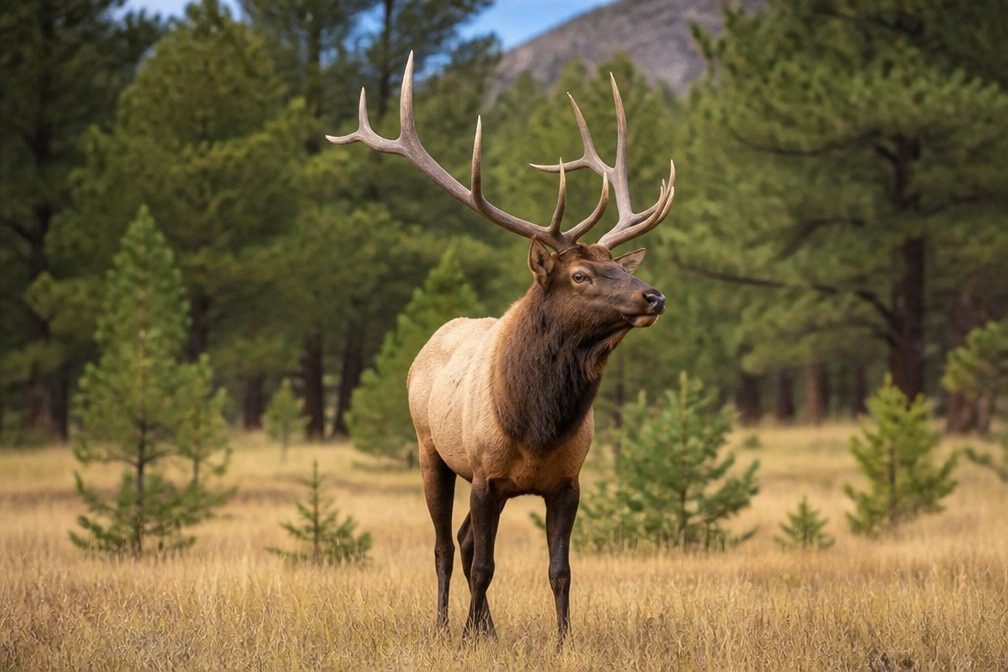
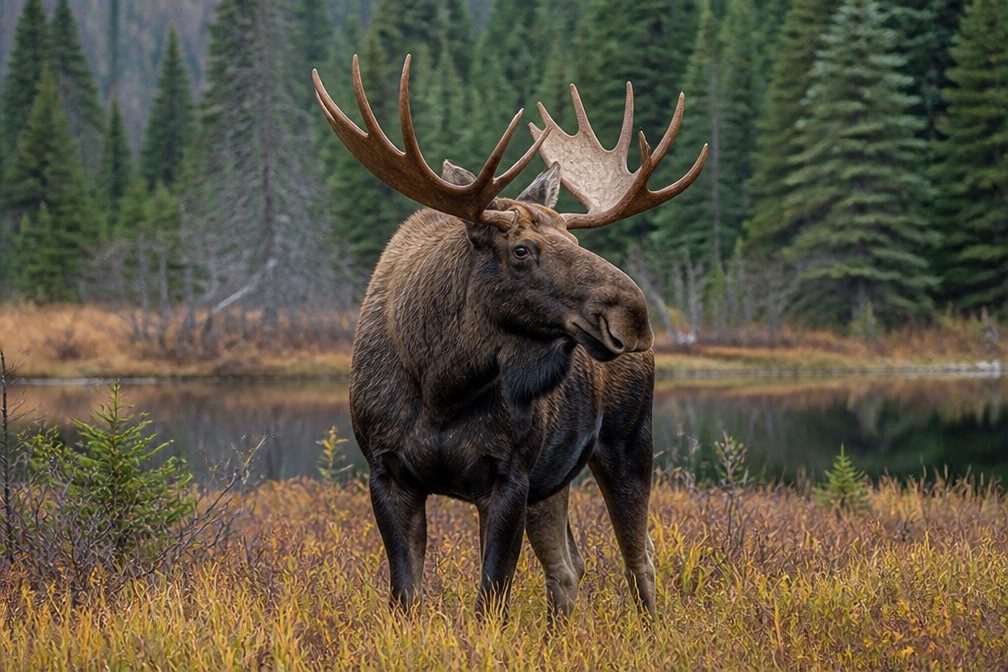
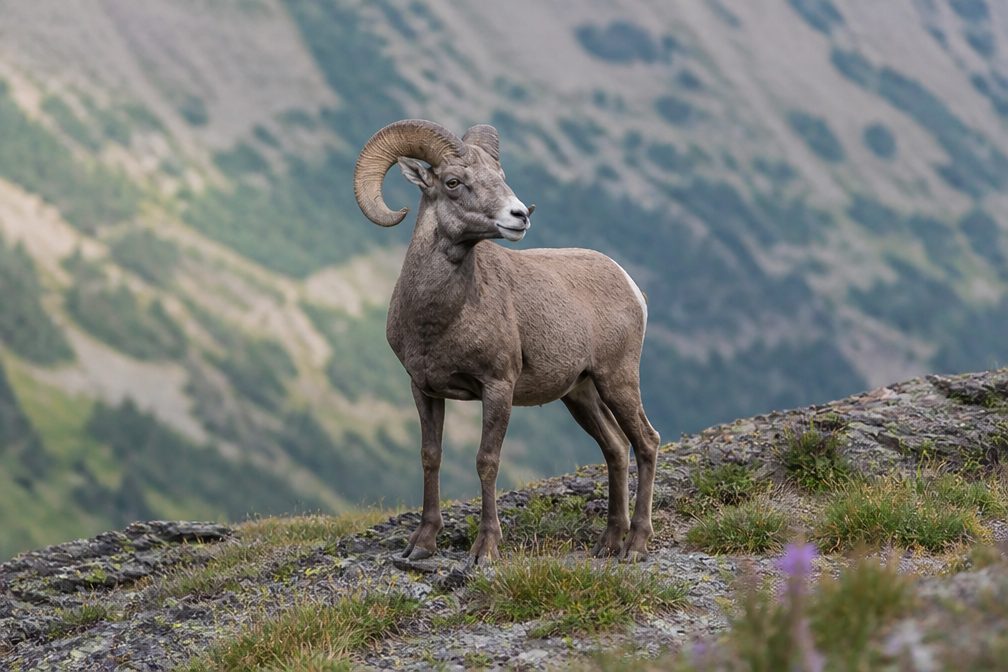
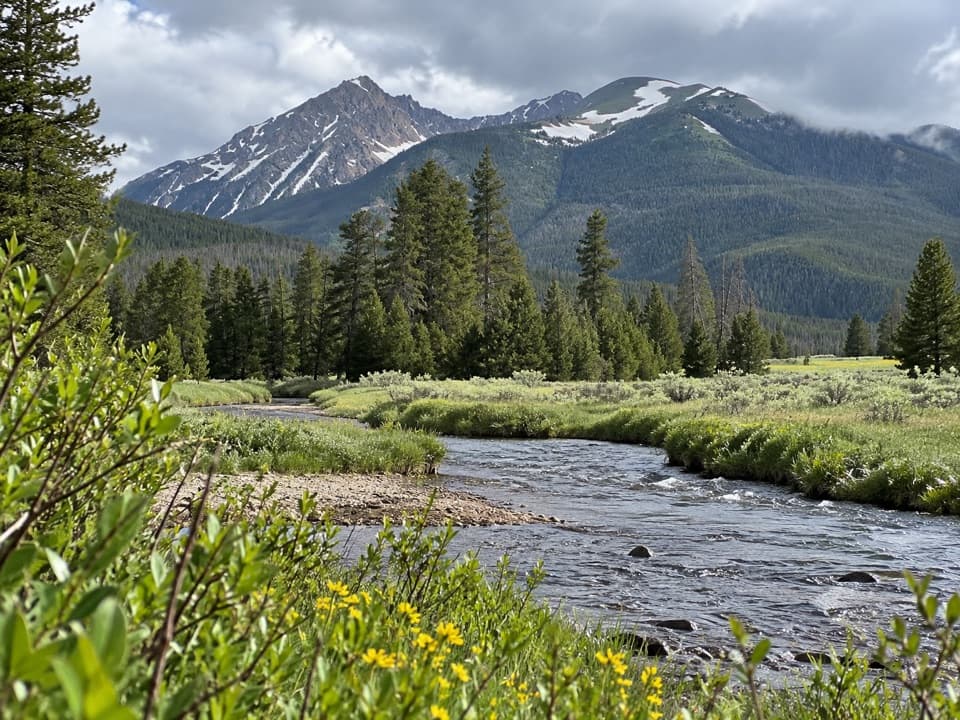
  • Big Meadows is prime moose and elk habitat; sightings are common, especially at the edges of the day. In late June, wildflowers pop across the corridor.
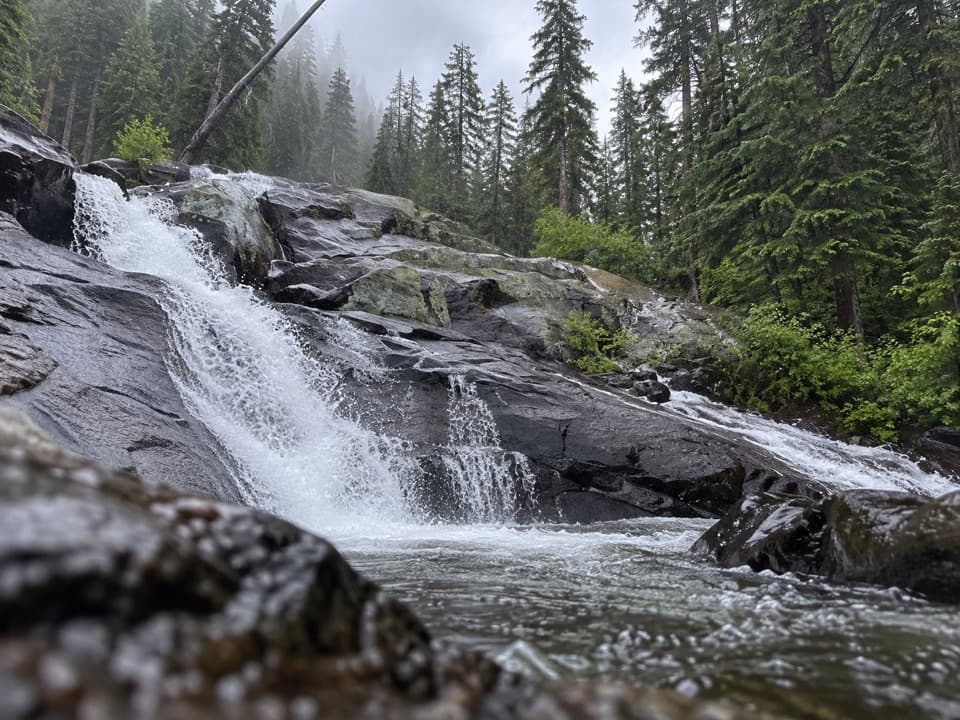
  • The falls themselves are more slide‑cascade than sheer plunge—powerful and photogenic, just not a skyscraper. Rocks near the water are slick; step carefully.
  • Much of this route coincides with the Continental Divide Trail, so you get bonus bragging rights with your waterfall.

Backpacking & Campsites

There are two designated Granite Falls backcountry campsites near the falls area, making this an easy overnight. Lower Granite Falls is about 0.1 mile downstream from the cascade. There’s no privy—plan to pack out human waste—and treat water from the creek.

Seasonality, Conditions, and Safety

Best hiking is generally May through October. Shoulder seasons and winter bring snow and ice; traction (microspikes/snowshoes) may be necessary, and the longer winter approaches are not recommended without proper gear and experience. Weather turns fast; carry layers and rain protection. Be altitude‑smart—if symptoms hit, the remedy is to descend. In the burn area, avoid windy conditions due to falling‑snag risk.

Best Time to Visit

Start early for easier parking and to thread the needle between morning wildlife activity and typical afternoon storms. For photography, late morning light often works best at the falls. Late June is a sweet spot for wildflowers; mid‑summer through early fall is prime for dry trails. During peak season, timed‑entry permits may be required.

Pros

  • Frequent moose and elk sightings around Big Meadows
  • Two designated backcountry campsites near the falls

Cons

  • Long approach (about 10 miles round trip) with steady elevation gain
  • Trail passes 2013 burn area with standing snags that are hazardous in wind
  • Falls aren’t especially tall or dramatic

Tips

  • Start early to secure parking and dodge typical afternoon thunderstorms.
  • Rocks at the falls are slick; keep a safe distance from the water.
  • In shoulder seasons, carry traction; winter travel here isn’t advisable without proper gear.
  • No facilities at the falls; restrooms are at Green Mountain Trailhead only.
  • Dogs aren’t permitted on park trails, and peak season may require timed‑entry permits.
The Parkwolf tour guide sitting on a phone mounted in a car

Parkwolf Tour Guide

Like a tour guide in your car.

Save the places you found around Rocky Mountain, then let Parkwolf guide the drive between them.Download Parkwolf on the App Store