Moraine Park

Wide glacial meadow for elk watching and classic valley hikes
Moraine Park, Rocky Mountain National Park
InsideRocky Mountain National Park

Overview

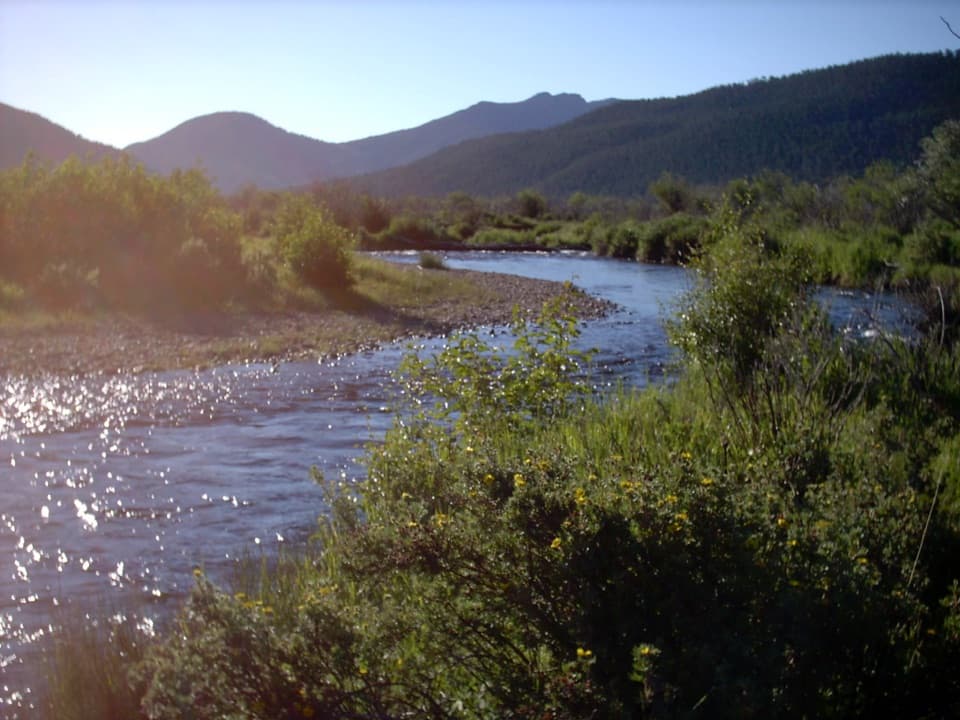
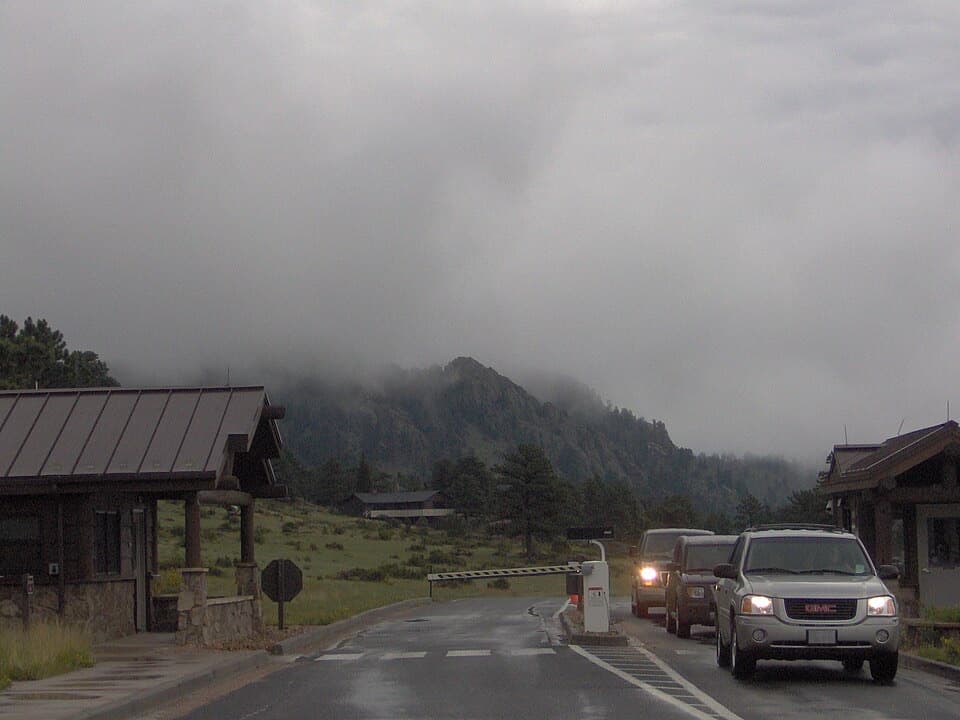
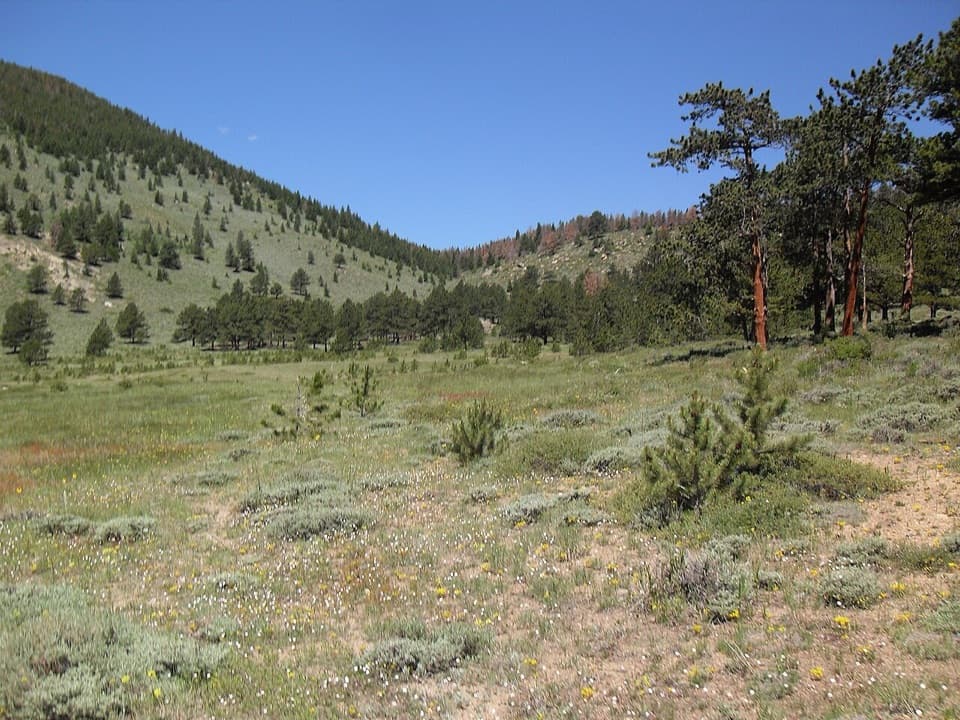
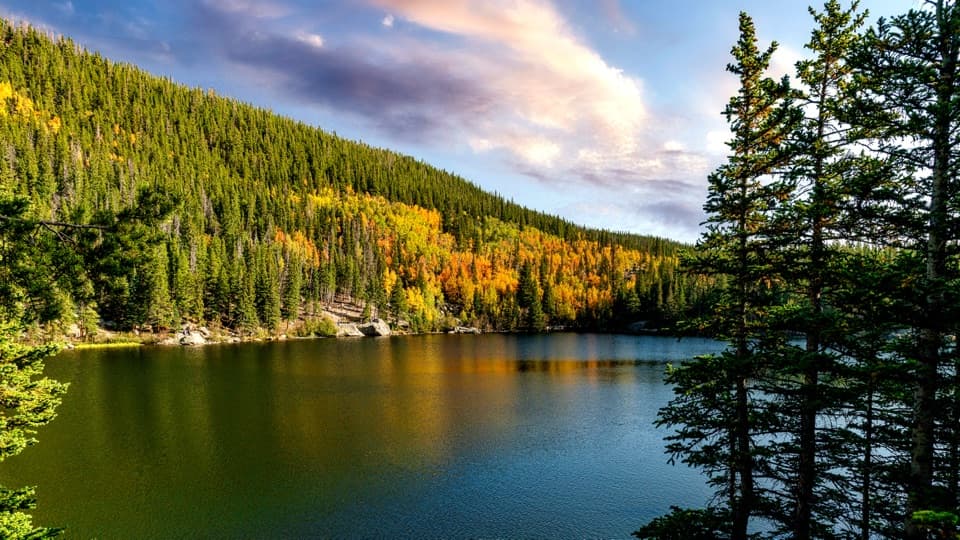
Moraine Park is the park’s broad, meadow-filled valley—a natural amphitheater for glacial geology and big wildlife moments. The Thompson Glacier once spilled into this basin, leveling the floor with ground moraine and building the ridges that frame the meadows. Today it’s a crowd-pleaser at dawn and dusk when the light is soft and the elk are moving.

What You’re Looking At

This is a textbook glacial landscape. Inside the moraines you’ll spot smoothed, striated rock; outside, the rock looks rougher and more weathered. The valley squeezes westward into a U‑shaped gorge toward Fern Lake and Odessa Lake, with rounded, polished walls and giant ice‑transported boulders perched in improbable places.

Wildlife

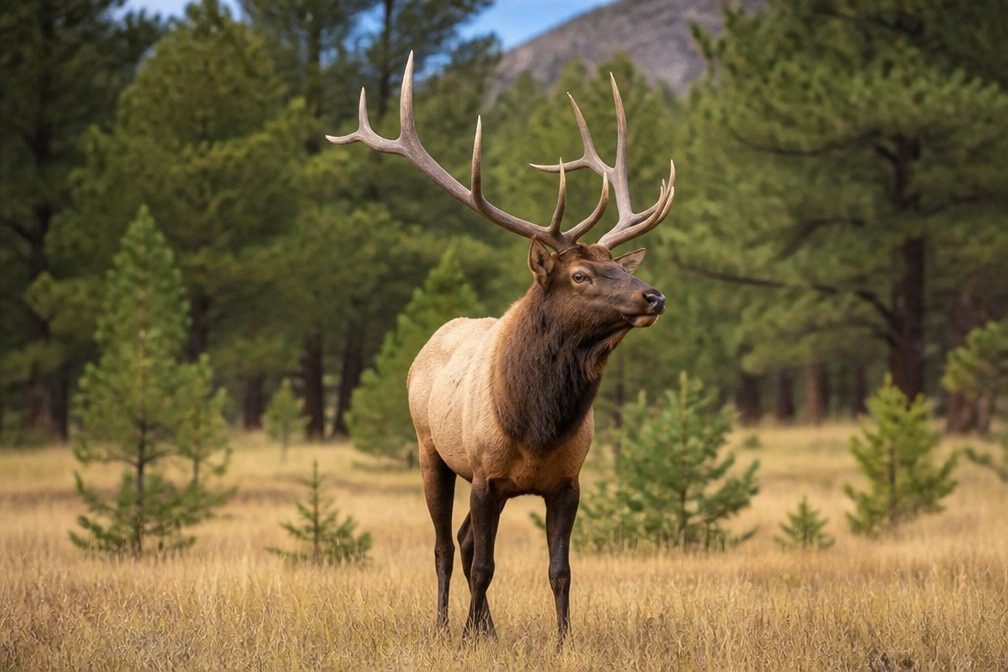
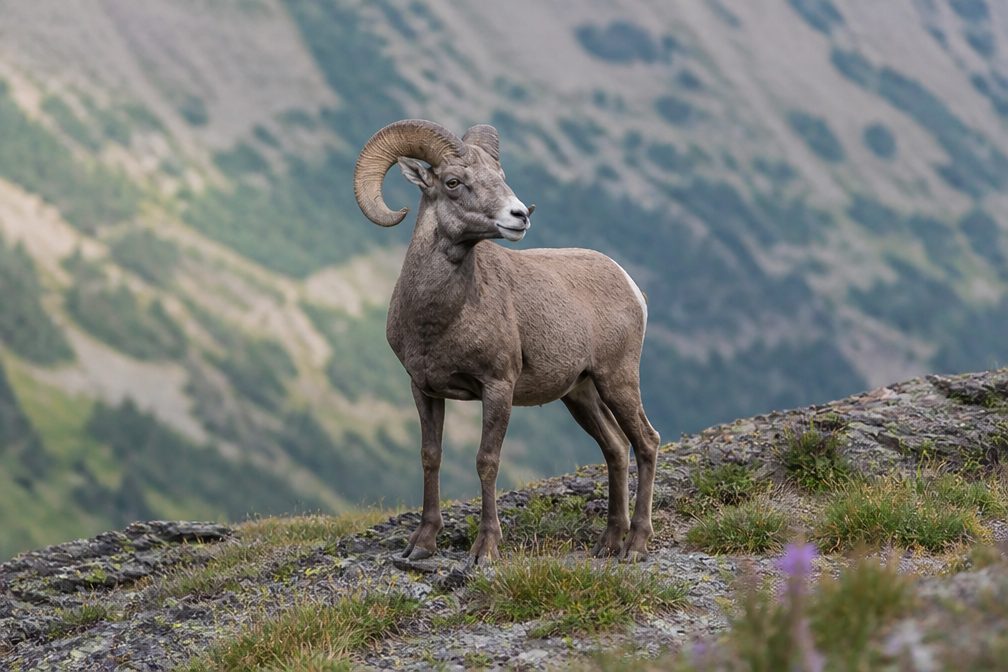
Elk love these meadows—fall brings the rut with bugling bulls and lots of action, viewed from a respectful distance. Beavers have long worked the slow waters around the valley; keep an eye out for lodges and fresh chew. Raptors ride the thermals overhead, and you may see mule deer or hear coyotes at first light.

Classic Hikes From Here

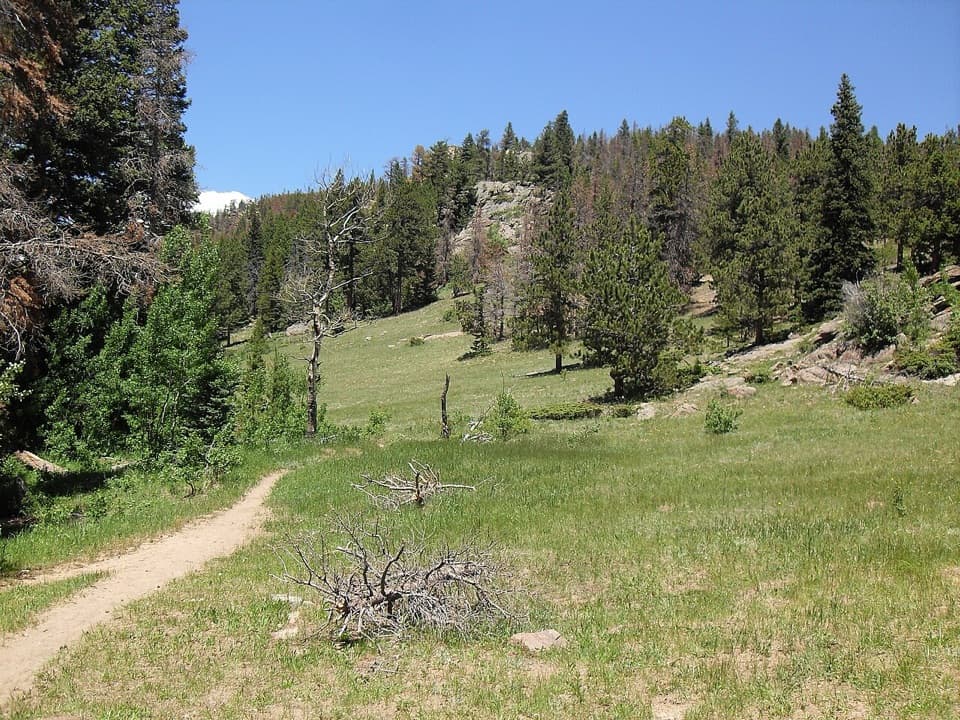
  • The Pool → Fern Falls → Fern Lake → Odessa Lake: Start easy along the river, then step into true glacial country as you climb past cascades to lakes tucked beneath steep walls.
  • Cub Lake: A moderate hop through a short glacial gorge to a lily-dotted lake; pair it with the Fern Lake Trail for a rewarding loop.
  • Bierstadt Lake: Perched atop a moraine with sweeping views back over Moraine Park to Longs and Hallett.
  • Toward Flattop: Trails climb toward the high, undulating Flattop plateau; above treeline, posts help with navigation when weather turns.

A Little History

Long before roads, Ute travelers used the Windy Gulch approach from the west end of Moraine Park to cross the Divide. Later, artists like Albert Bierstadt put these views on the map, and the valley became one of the area’s earliest tourist draws.

Winter Feel

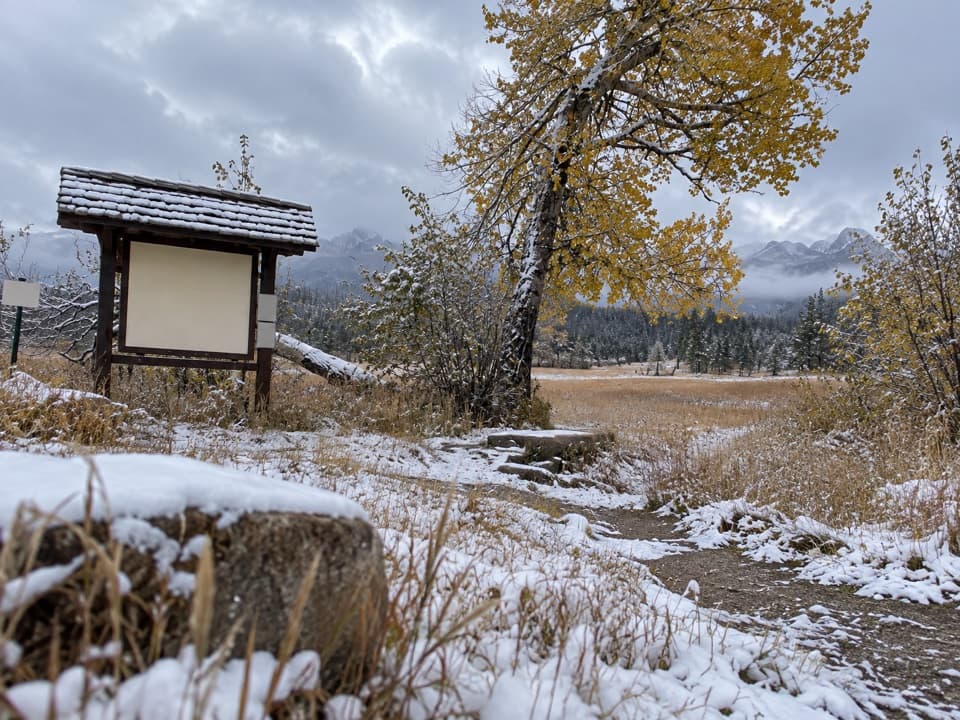
When snow settles in, the corridor toward Fern Lake becomes a favorite for snowshoeing and skiing. Lakes freeze, boulders bury, and the valley goes quiet—just check conditions and avalanche risk if you venture onto steeper slopes.

Tips for Visiting

  • Arrive at sunrise for wildlife and easier parking.
  • Use a long lens for elk; give all animals serious space.
  • Weather shifts fast—carry layers, rain gear, sun protection, and turn back if visibility fades above treeline.
  • Stick to durable surfaces; the meadows are fragile.

Best Time to Visit

Dawn and dusk year‑round are best for wildlife and photography. September–October bring peak elk activity and golden aspens at lower elevations. In summer, plan early or late to dodge both crowds and typical afternoon storms; in winter, aim for clear, calm days for snow travel.

Pros

  • Prime elk viewing, especially during the fall rut
  • Gateway to classic hikes like Cub Lake, The Pool, Fern and Odessa Lakes
  • Textbook glacial valley with visible moraines and polished bedrock

Cons

  • Parking fills early in peak season
  • Afternoon storms and wind can roll in fast, especially if you hike higher

Tips

  • Arrive at first light for elk activity and easier parking.
  • Loop Cub Lake with the Fern Lake Trail for varied terrain and views.
  • Carry layers and rain gear—storms often build after lunch.
  • Bring a zoom lens and stay in your car if elk are close.
  • Consider the park shuttle during peak season to reduce parking stress.
The Parkwolf tour guide sitting on a phone mounted in a car

Parkwolf Tour Guide

Like a tour guide in your car.

Save the places you found around Rocky Mountain, then let Parkwolf guide the drive between them.Download Parkwolf on the App Store