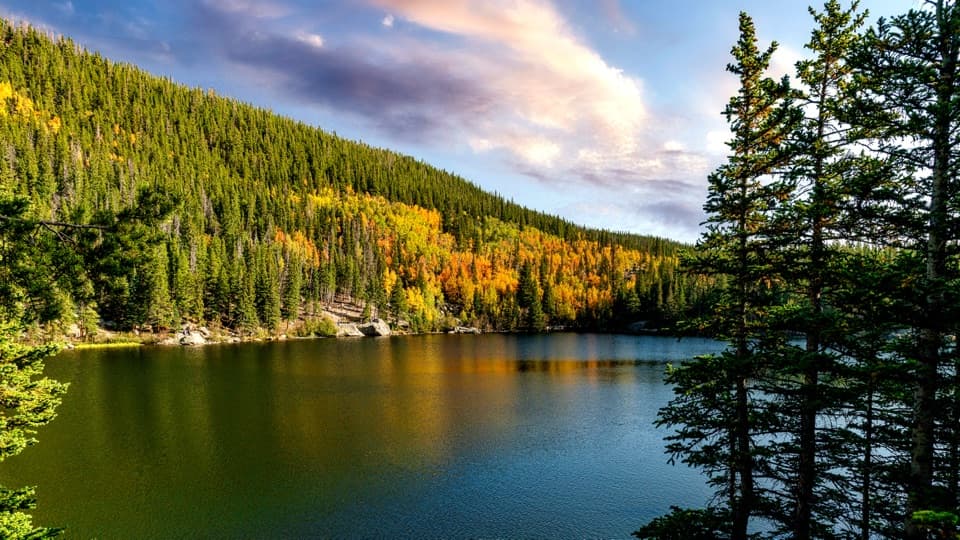
Deer Mountain

Moderate climb to sweeping views of Longs Peak and Moraine Park
Deer Mountain, Rocky Mountain National Park
InsideRocky Mountain National Park

Overview

Deer Mountain tops out at 10,006 feet and delivers one of the most satisfying moderate hikes around. The classic out‑and‑back is roughly 6–6.5 miles with about 1,350–1,410 feet of gain, usually taking 3–4 hours. It’s a steady, well‑marked climb that rewards you with big, sweeping views without the commitment of a full alpine epic.

Route & Terrain

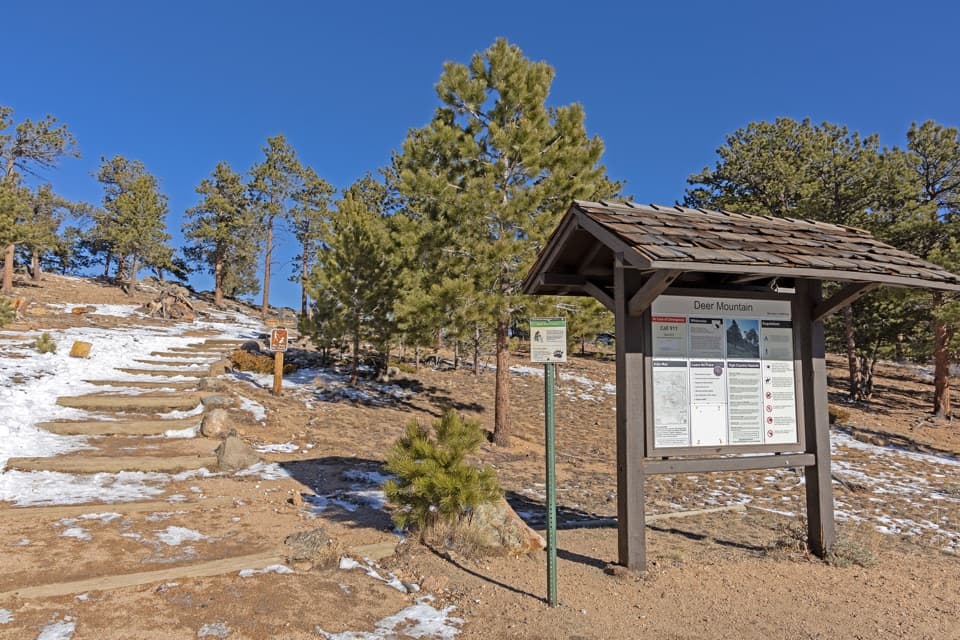
Start from Deer Mountain Trailhead near Deer Ridge Junction (US 34/US 36). The trail eases through open meadow, then settles into a steady grade beneath ponderosa pines. A series of friendly switchbacks makes the climb manageable. Near the top, expect a brief flatter reprieve before a steeper final push with stone steps to the summit area. The tread is rugged and natural—rocks, roots, and uneven sections—so sturdy footwear (and optional poles) pay off.

What You’ll See

From the summit, soak up panoramic looks at Longs Peak, Upper Beaver Meadows, Moraine Park, and Estes Park. You’ll catch intermittent viewpoints along the way, but the true payoff is up top, where there’s room to sit for a snack and linger over the scenery.

Wildlife

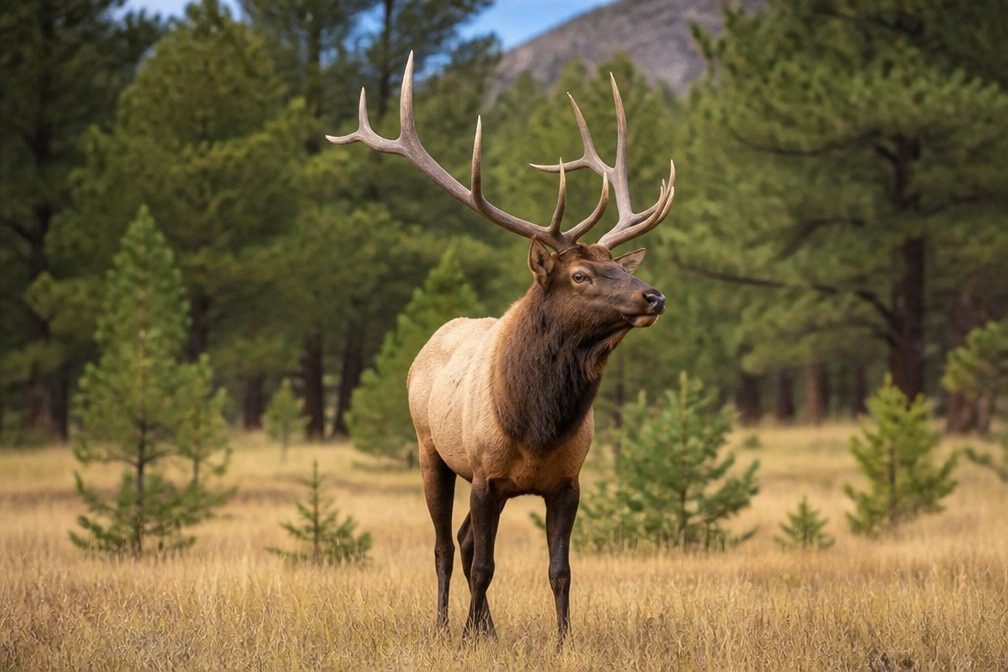
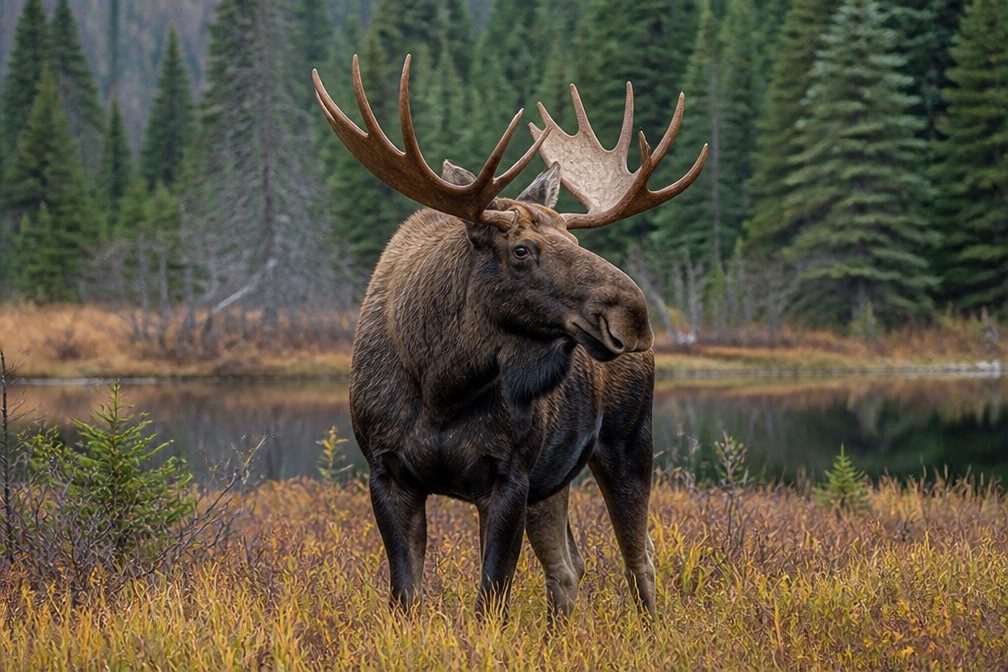
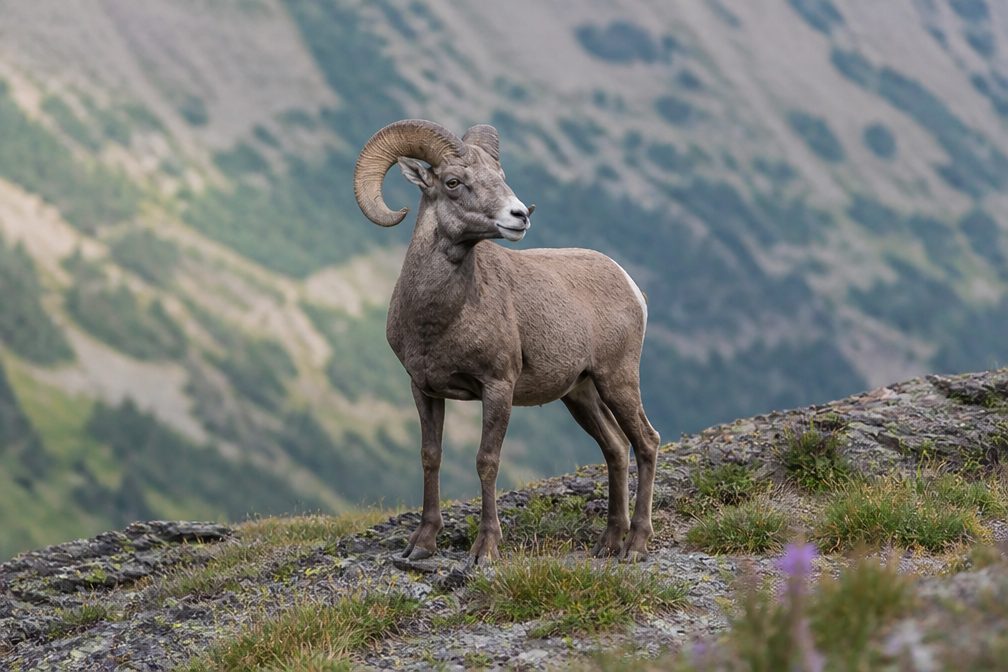
Keep an eye on the meadows for elk and deer, listen for birds in the forest, and expect chipmunks near the summit. Occasional wild turkey sightings have been reported. It’s also the kind of trail where casual, quiet hiking often leads to surprise wildlife moments.

Logistics & Safety

  • Parking is limited along Trail Ridge Road by the trailhead—arrive early (think pre‑7 AM in summer). There are no facilities on site, so use a restroom beforehand and bring all the water you need.
  • Typical summer pattern: build‑up of afternoon thunderstorms. Plan to be off the summit by noon to minimize lightning risk; avoid exposed high points if storms develop.
  • Altitude is real here. If you’re coming from lower elevations, this is a smart “first summit,” but pace yourself and expect thinner air on the inclines.
  • Ticks have been noted on this mountain—use repellent and do a quick check after the hike.
  • Cell service in the park is generally unreliable—don’t count on it for navigation or coordination.

Winter & Shoulder Seasons

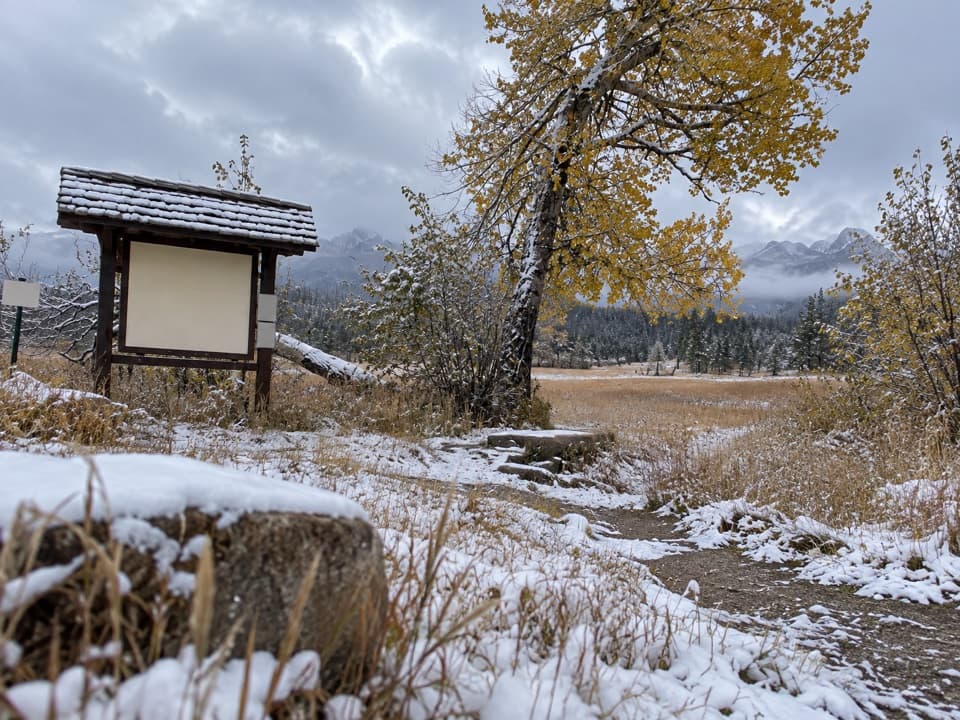
Deer Mountain is popular year‑round. In winter or shoulder seasons, expect snow and ice; traction (microspikes/snowshoes or even crampons in icy spells) plus extra layers are essential. Many hikers find the steady grade very manageable with proper gear.

Longer Option

Want more miles and solitude? A 12‑mile loop variation links the North Deer Mountain Trailhead to the south side, stacking up around 2,500 feet of gain. It’s a bigger, more committing day with varied scenery.

Best Time to Visit

  • Time of day: Early morning wins—easier parking, cooler temps on the lower, more exposed sections, and a safer weather window before typical afternoon storms. Visibility matters; fog can mute the summit views.
  • Season: Late spring through fall offers dry trail and golden aspen pockets; winter can be lovely with the right traction.
  • Crowds: This is a popular hike, but an early start keeps it pleasant.

Entry Notes

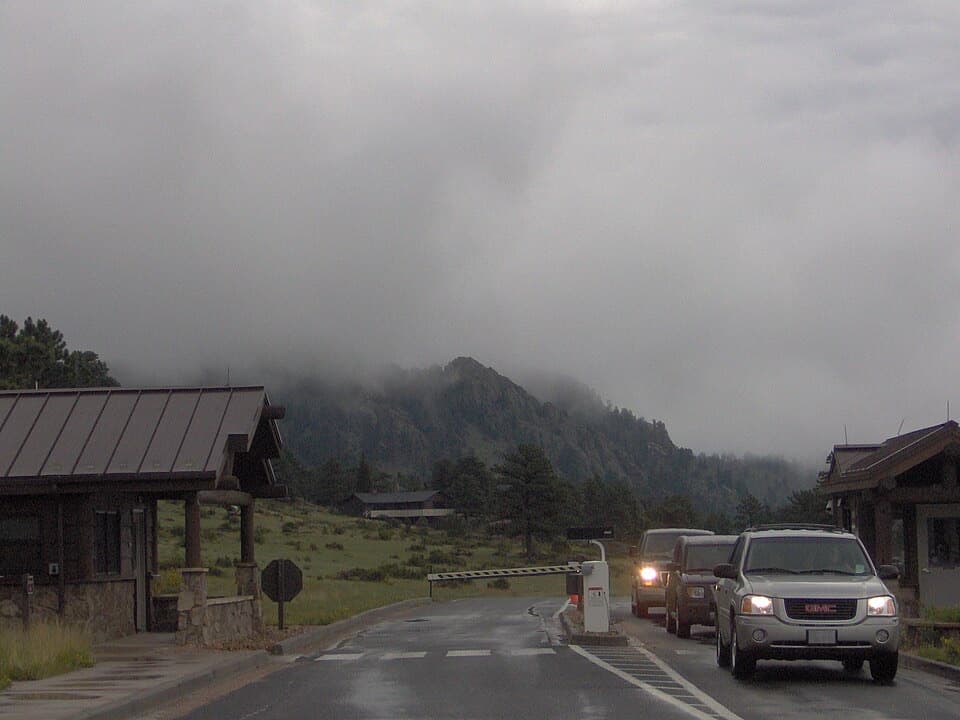
Timed‑entry reservations are required during certain hours in peak season. Deer Mountain is not on the Bear Lake Road corridor, so the standard timed‑entry (non‑Bear Lake) reservation is the one to target. Enter during your assigned window; there’s no set departure time.

Pros

  • Panoramic summit with views of Longs Peak, Moraine Park, and Estes Park
  • Moderate, well‑graded switchbacks—great first summit at altitude

Cons

  • Limited trailhead parking—fills early
  • No restrooms or water at the trailhead

Tips

  • Arrive before 7 AM to snag parking and beat afternoon storms.
  • Carry plenty of water and snacks; there’s no water or restroom at the trailhead.
  • Plan to be off the summit by noon to avoid lightning risk.
  • Bring traction (microspikes or snowshoes) in winter and shoulder seasons.
  • Trekking poles help on the switchbacks and stone steps near the top.
The Parkwolf tour guide sitting on a phone mounted in a car

Parkwolf Tour Guide

Like a tour guide in your car.

Save the places you found around Rocky Mountain, then let Parkwolf guide the drive between them.Download Parkwolf on the App Store