Port Oneida Farms Heritage Center in Sleeping Bear Dunes National Lakeshore

Visitor center · Sleeping Bear Dunes National Lakeshore

Port Oneida Farms Heritage Center

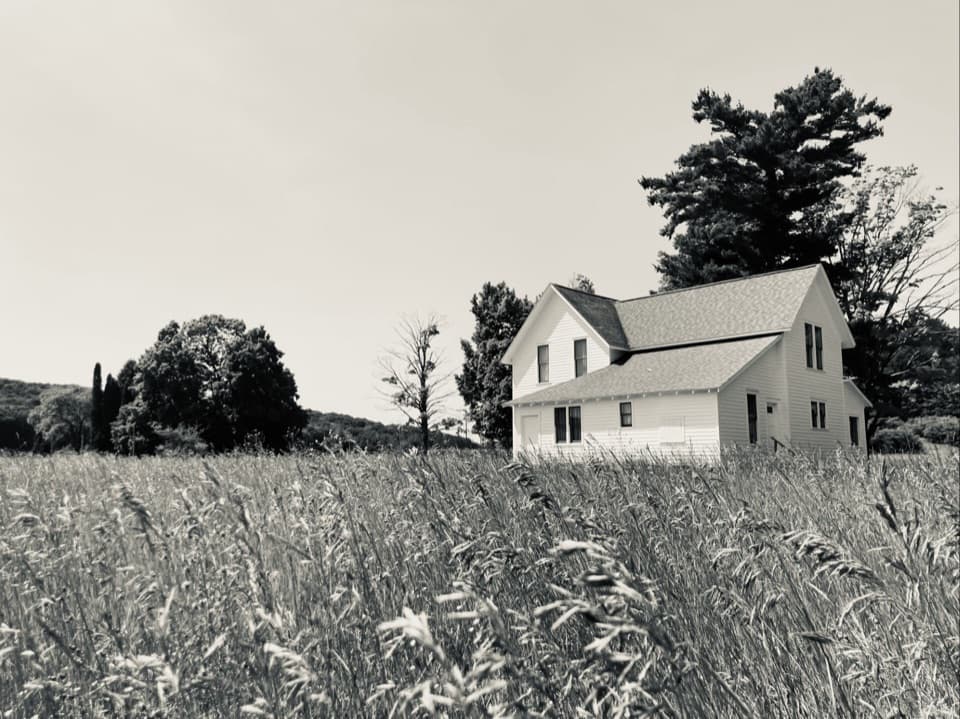
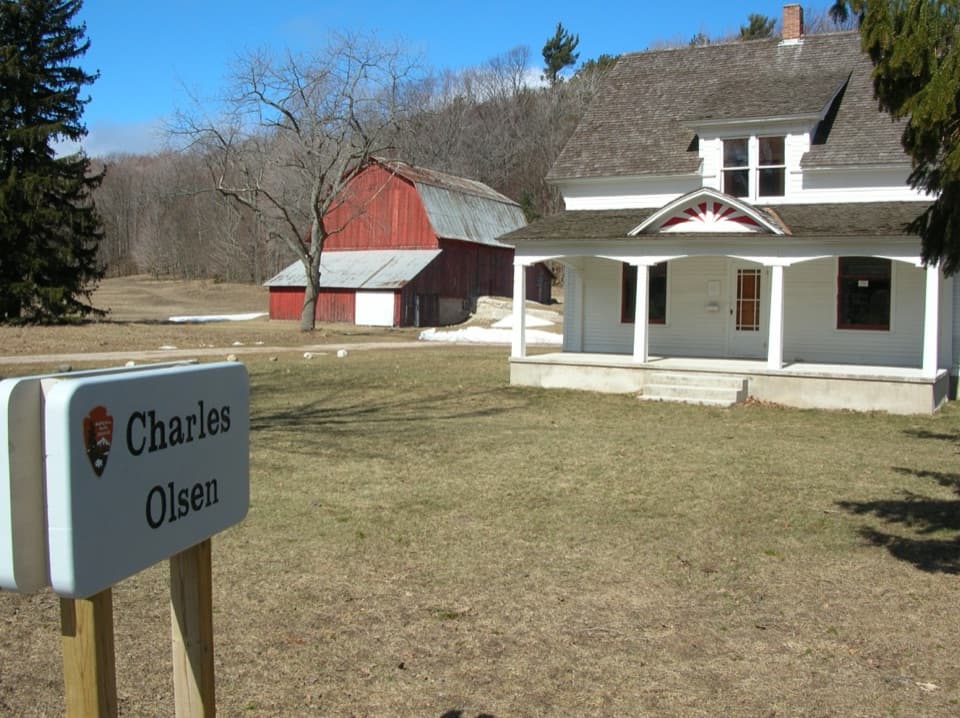
A 1918 farmhouse with Port Oneida's first indoor plumbing.

Photo: National Park Service
Type
Visitor center
Nearest trail
0.5 mi
Audio stories
15 nearby
  • Exhibit
  • Parking
  • Restrooms
  • Picnic tables

Hear the audio tour

Port Oneida Farms Heritage Center: A Modern Farmhouse

Overview

About Port Oneida Farms Heritage Center

Why stop

  • Original pantry, hardwood floors and woodwork in the farmhouse
  • A useful starting point for exploring the wider Port Oneida farm district

Heads up

  • Interior access is seasonal, and fall openings can depend on staffing

Map

Where it is

Loading the Sleeping Bear Dunes map
Full map
Visitor centerPort Oneida Farms Heritage Center44.93618, -85.94082
Keep this map with you offline in the Parkwolf app

Plan your stop

Before you go

1 active Sleeping Bear Dunes alert

  • ClosureManitou Islands access closures during 2026 constructionMentions Manitou Islands, referenced in this guideNorth and South Manitou Islands have limited visitor access throughout the 2026 season: all facilities, docks, and utilities on both islands remain closed during major construction.Official details
Sleeping Bear Dunes alerts
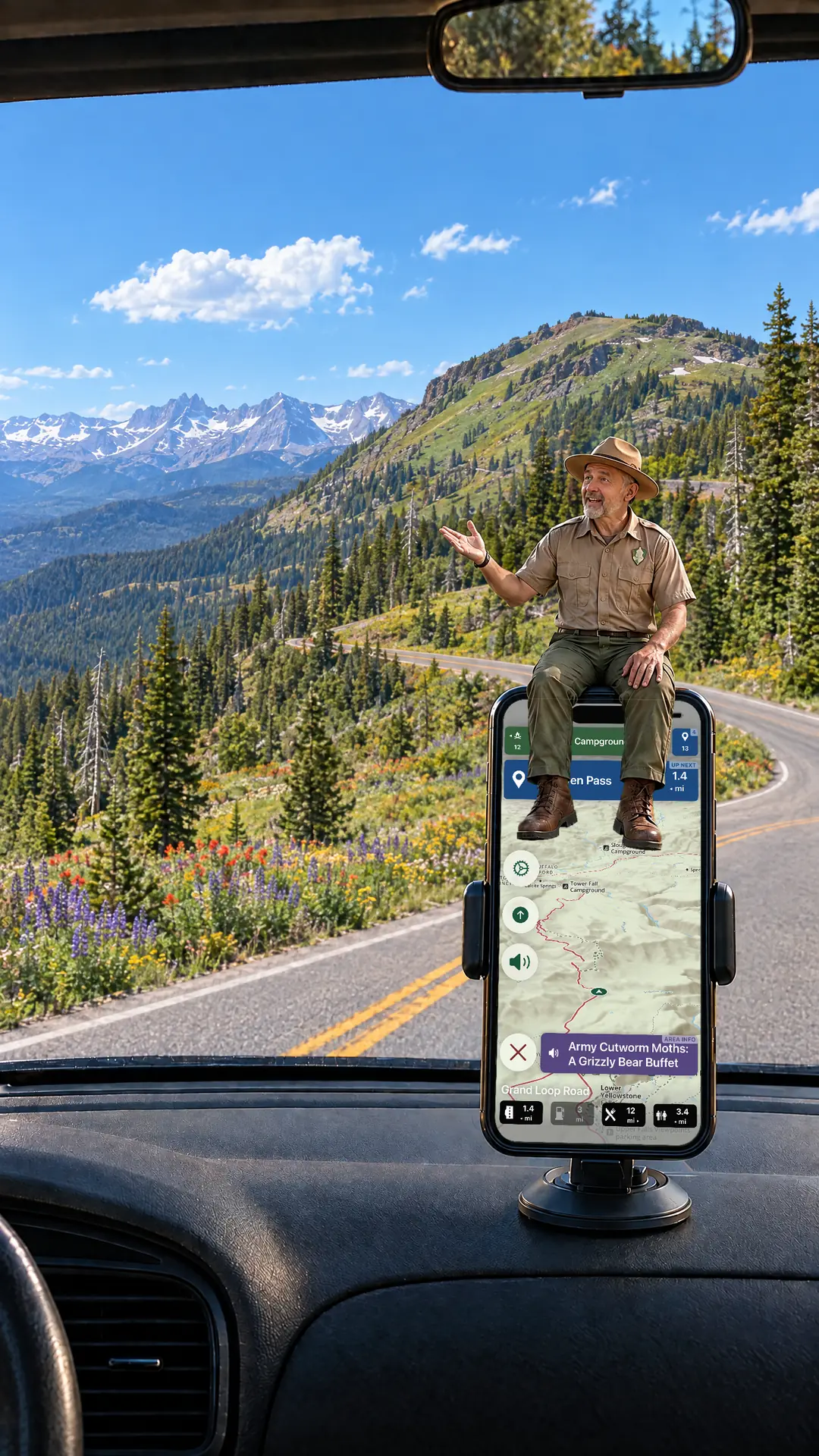
A park ranger sits on a dash-mounted phone, talking, as Parkwolf’s Tour Guide plays “Army Cutworm Moths: A Grizzly Bear Buffet” on Grand Loop Road below Dunraven Pass in Yellowstone
Parkwolf Tour GuideThe highest, rockiest slopes around here are a summer buffet for grizzly bears.

Sleeping Bear Dunes Tour Guide

Your drive to Port Oneida Farms Heritage Center, narrated.

Parkwolf is a GPS audio tour guide for Sleeping Bear Dunes National Lakeshore. As you drive, it chimes in with what’s ahead: hidden gems, upcoming stops, history, geology, and wildlife, right through your car’s speakers.

Recorded for this place

Port Oneida Farms Heritage Center: A Modern Farmhouse
0:00 / 0:31
“You're approaching Port Oneida Farms Heritage Center, a small museum in the Charles and Hattie Olsen farmstead. Stop if you'd like a closer look at how people lived and farmed here.”

Plays as you drive up to Port Oneida Farms Heritage Center in the Parkwolf Sleeping Bear Dunes Tour Guide.

More stories near here in the app

  • Dechow Farm: Maple Syrup during Rationing
  • Kelderhouse Farm and Port Oneida School: Community Life
  • Miller Road: The Werner Farm's Forced Move
  • Bay View Trails: Farms or the Longer Ridge Loop
  • 73 audio storiesacross Sleeping Bear Dunes’s roads, triggered by GPS as you drive
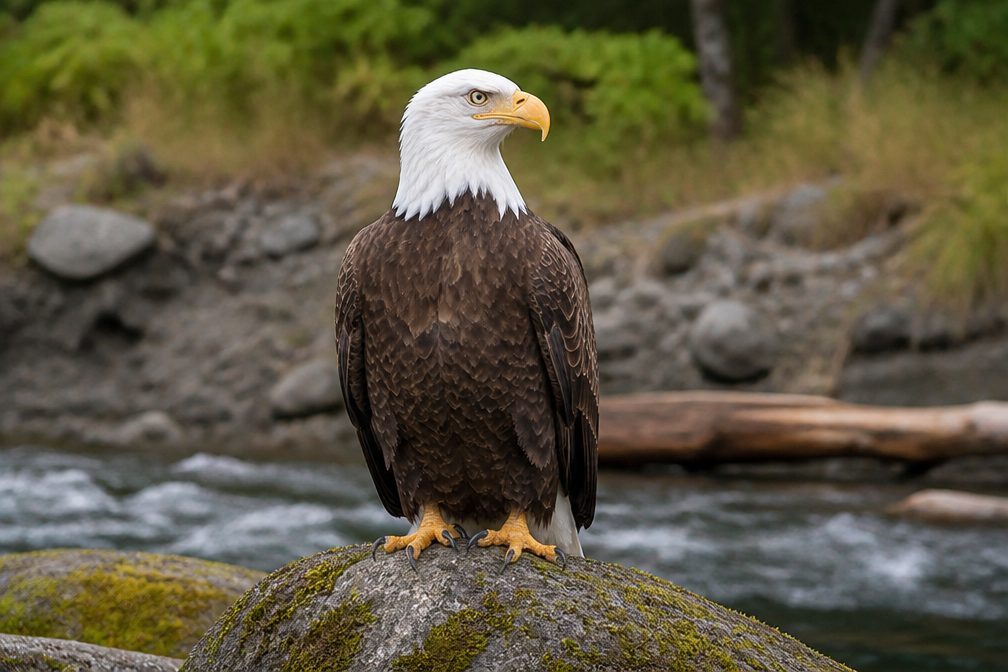
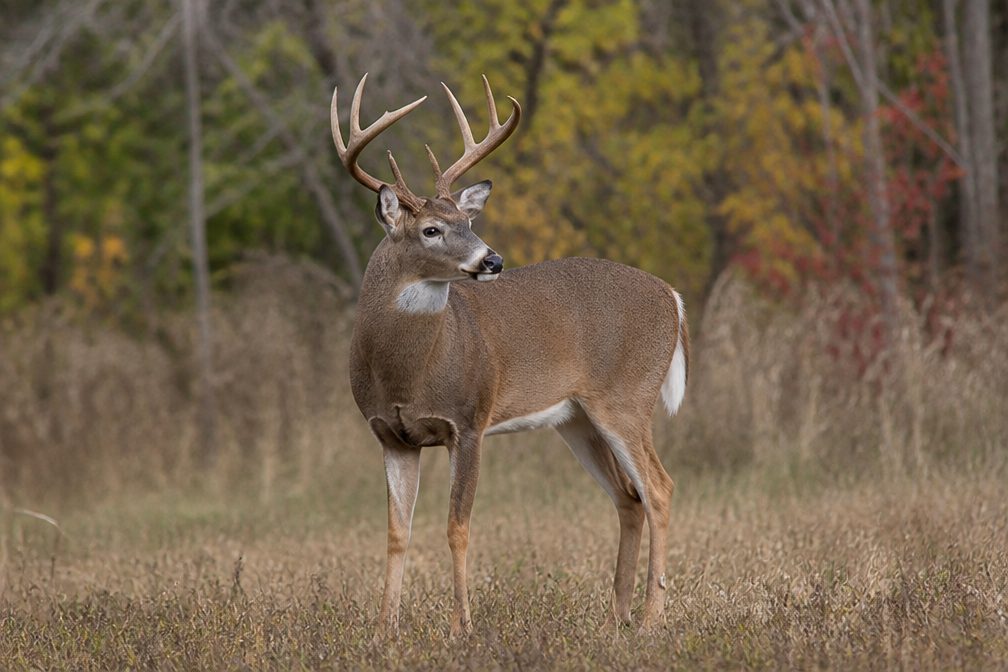
  • Wildlife heatmapsfor Piping Plover, Bald Eagle, White-tailed Deer, and 13 more
  • Works offlinemaps, 34 trails, 89 places, and audio download before you lose signal
  • CarPlay readysimple controls built for the drive
★★★★★
“Fantastic app with many points of information… It’s great to just turn on while you’re driving and it gives you an audio tour of the national Park. We love it!!!!”
JMJamesApp Store review
Download Parkwolf on the App StoreGet Parkwolf on Google Play

4.7 from 8,600+ ratings

Guide

More about Port Oneida Farms Heritage Center

A compact start to Port OneidaPort Oneida Farms Heritage Center is a compact museum in the Charles and Hattie Olsen…

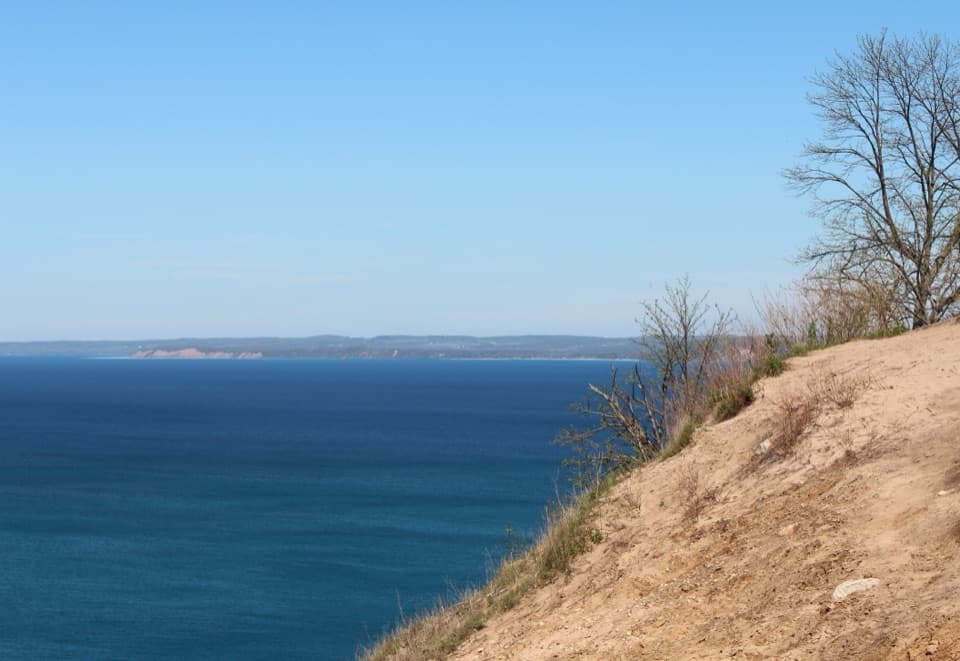
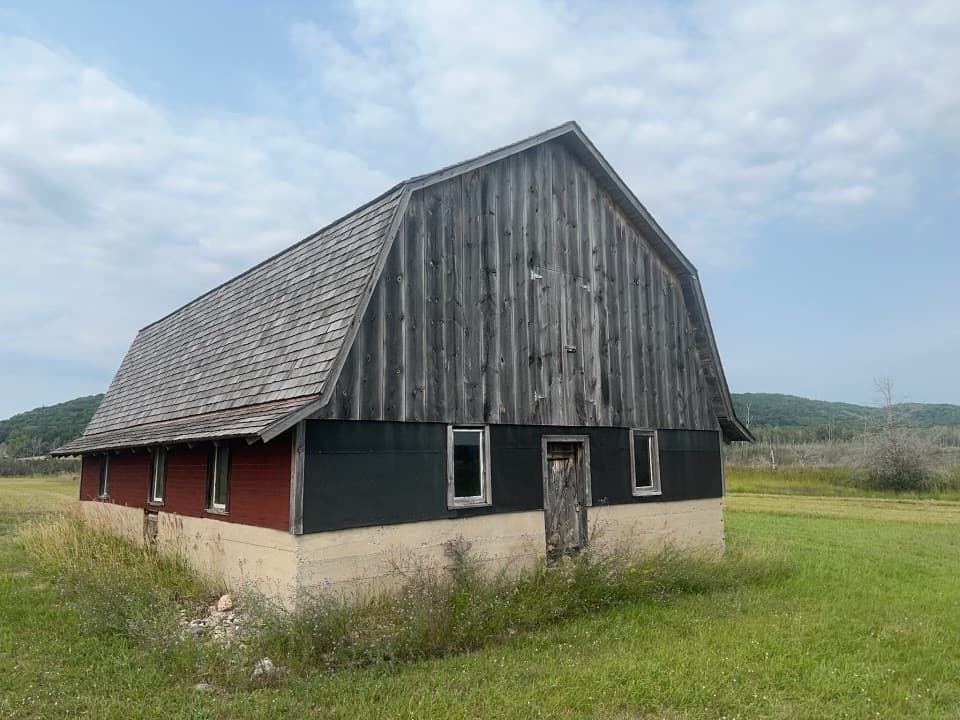
Port Oneida Farms Heritage Center is a compact museum in the Charles and Hattie Olsen farmstead: a farmhouse and barn set in the rural historic district north of Glen Arbor. Its exhibits trace Native American and pioneer settlement around Port Oneida and the Manitou Islands through the 1800s and early 1900s. Come for a close look at one unusually well-preserved farm; if you have more time, the scattered farmsteads and Lake Michigan overlooks make the wider district the longer outing.

Check the opening and plan the stopFind the farm entrance at 3164 W Harbor Hwy on M-22, about four miles north of Glen Arbor.

Find the farm entrance at 3164 W Harbor Hwy on M-22, about four miles north of Glen Arbor. Interior access is seasonal, and fall openings can depend on staffing, so confirm before planning a special trip or guided visit. The farmhouse and barn have ramps; the farmhouse ramp has no handrails. The grounds have parking, restrooms and picnic tables. A small shop sells books, gifts and apparel, but prepared food is not listed here.

Walk the farmyard, then take the district roadA short dirt driveway separates the bungalow-style farmhouse and the large two-story barn, both…

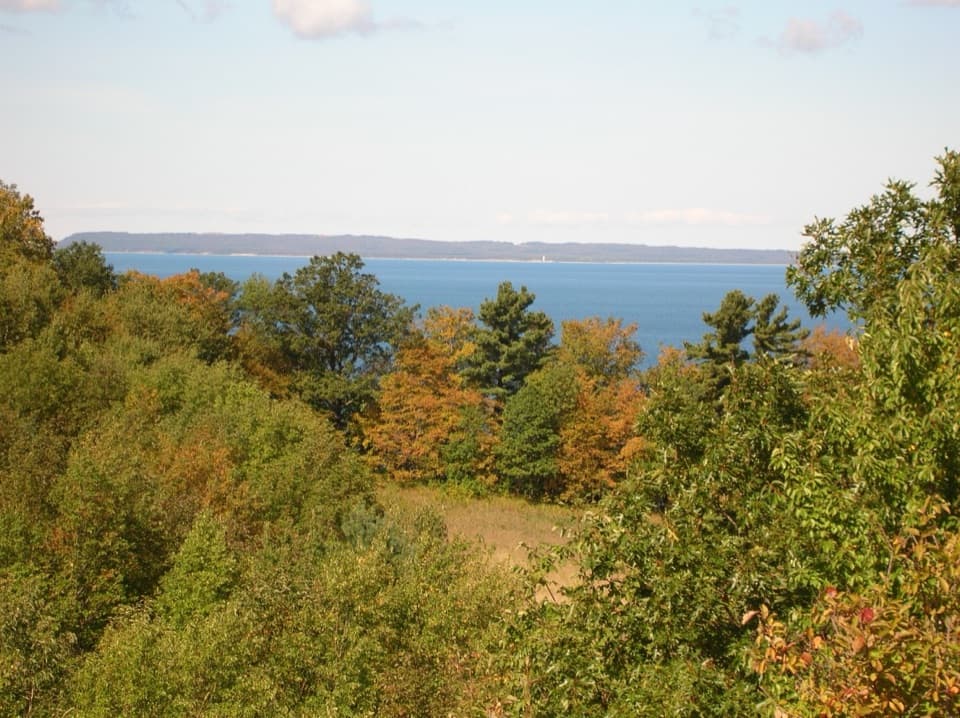
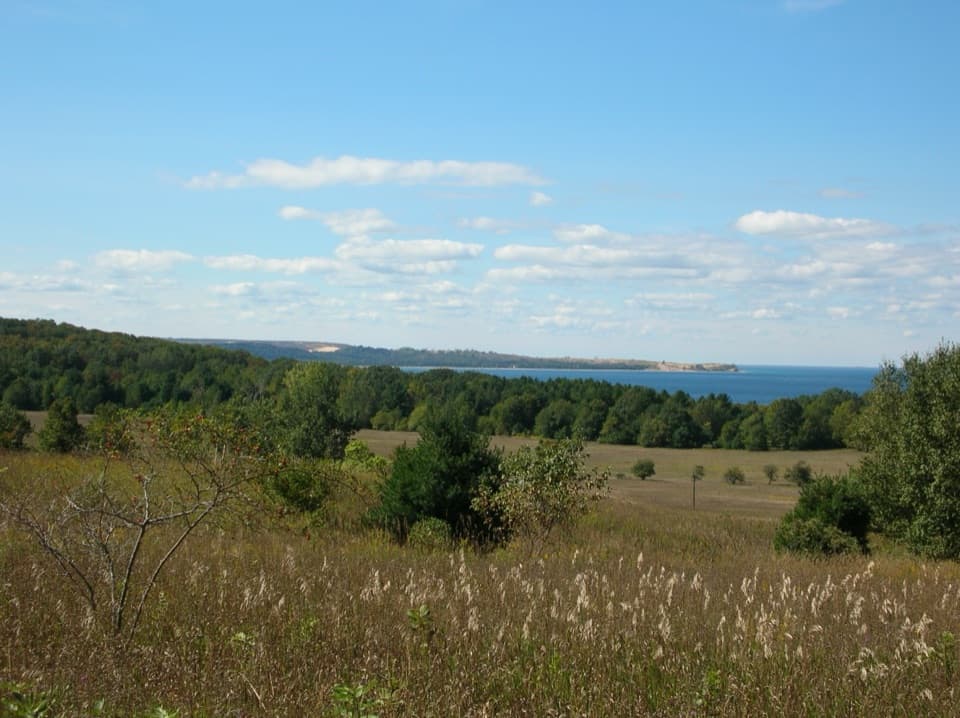
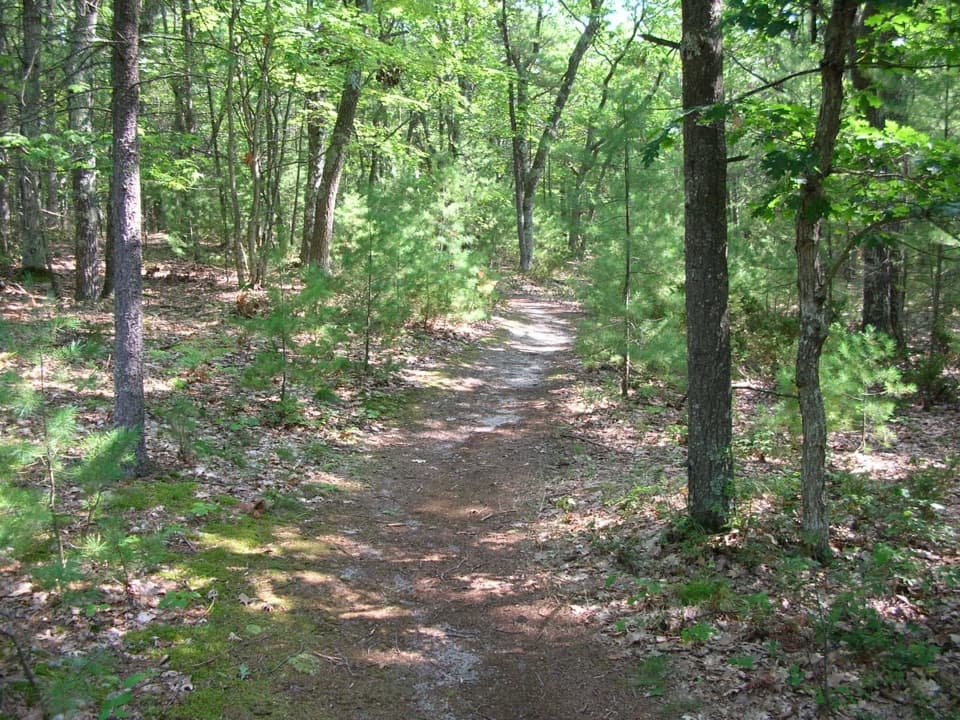
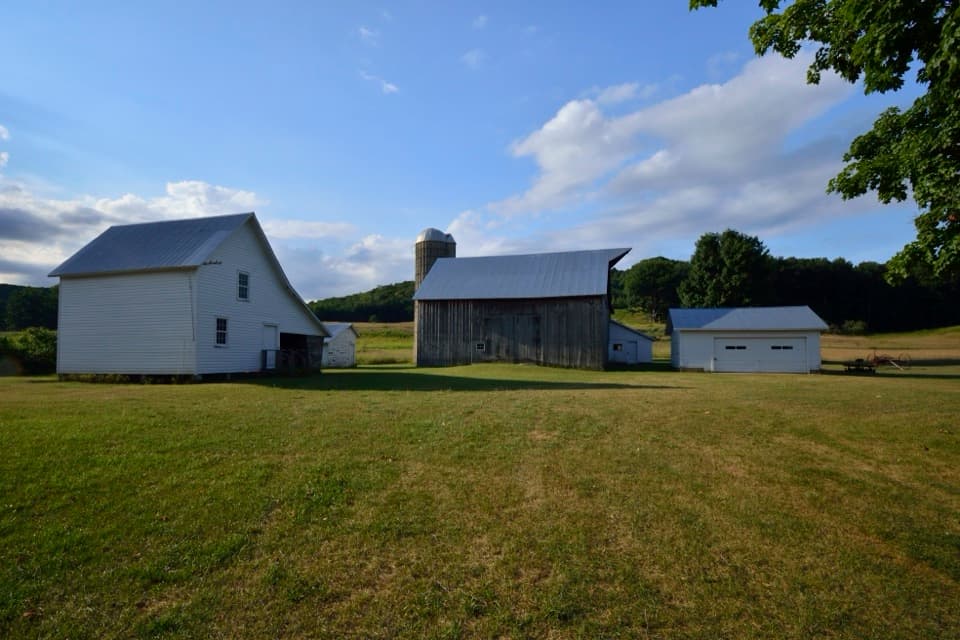
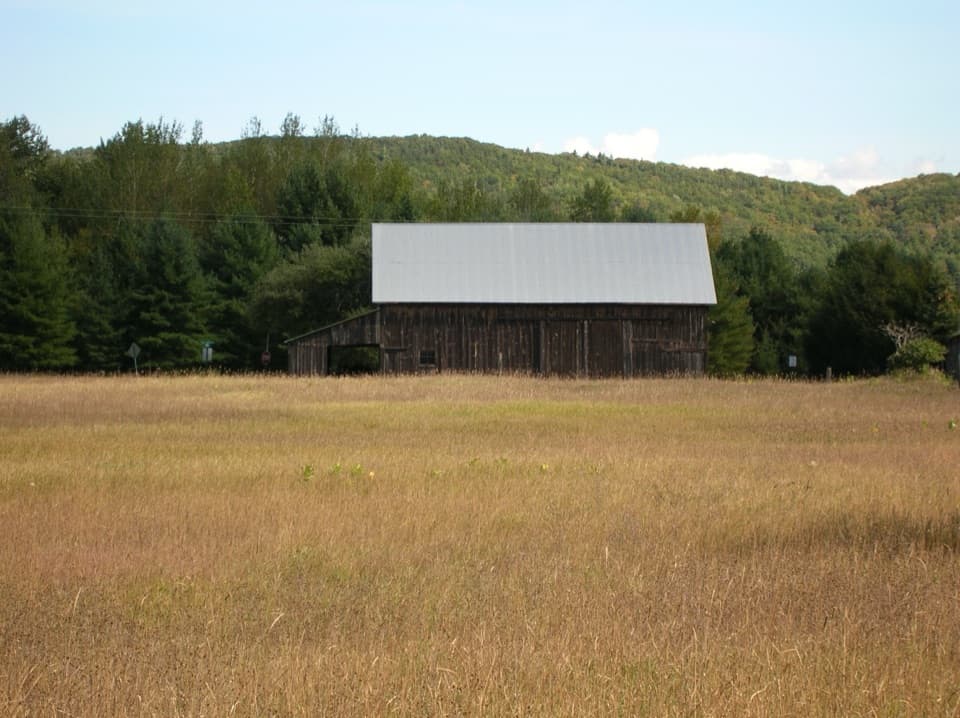
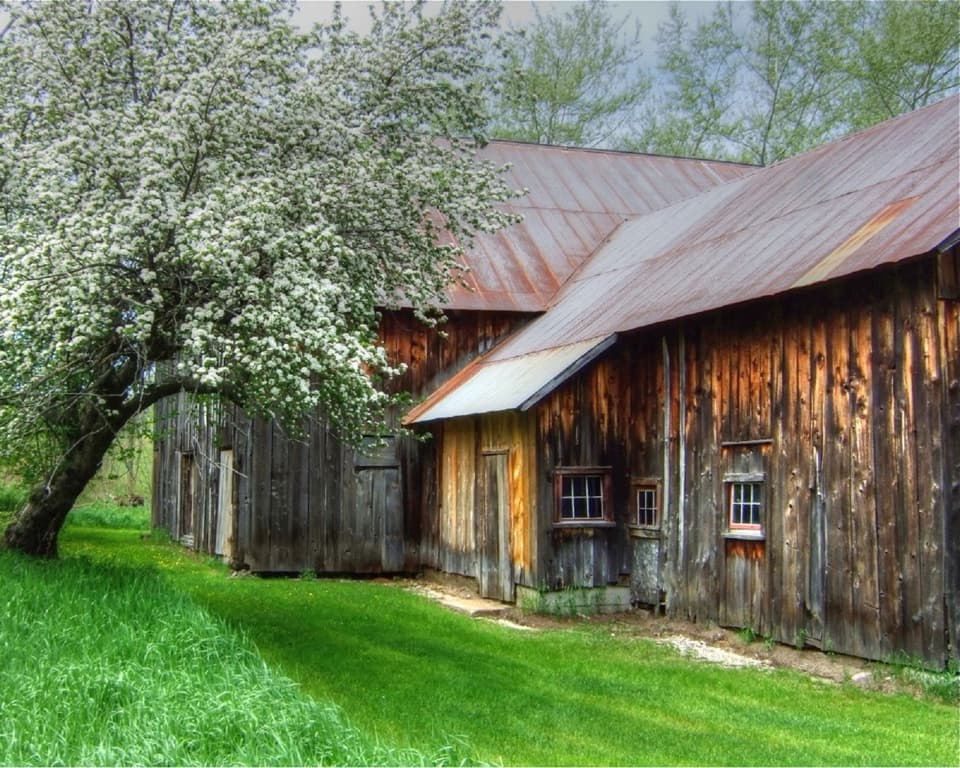
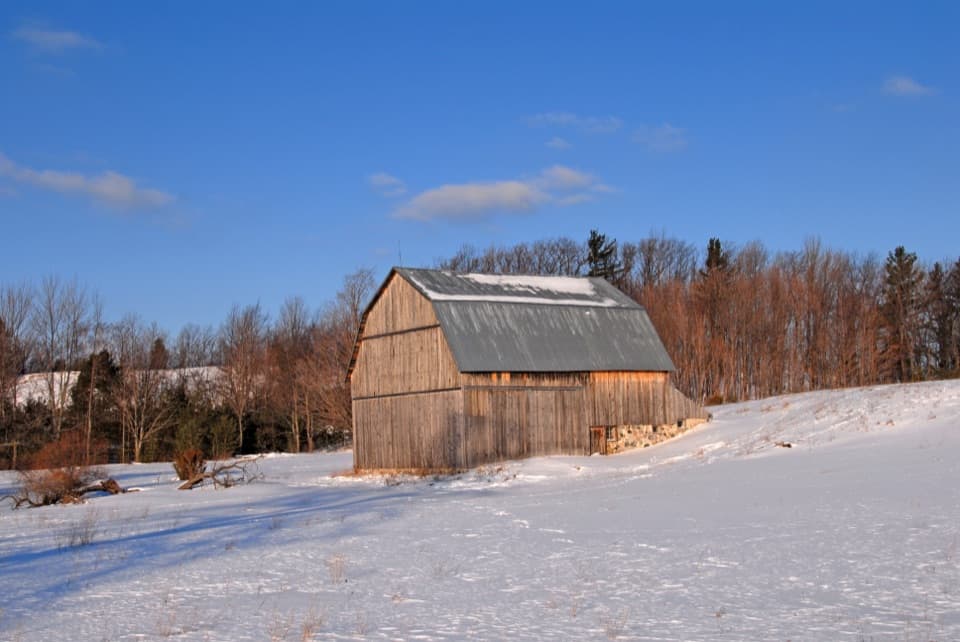
A short dirt driveway separates the bungalow-style farmhouse and the large two-story barn, both built in 1918. Walk the grounds to see the kitchen and perennial gardens and the wood-stave silo. When the center is open, its field guide and map can help you continue on the district's walking and biking routes toward other historic farm buildings and Lake Michigan overlooks. Those are separate stops beyond the farmyard.

A farmhouse ahead of its timeCharles and Hattie Olsen bought the land in 1915 from Frederick Dechow, who had acquired it in…

Charles and Hattie Olsen bought the land in 1915 from Frederick Dechow, who had acquired it in 1857. Builder Paul Popa put up the farmhouse around 1918, making it one of the last and most modern homes in the district. The house had Port Oneida's first indoor plumbing: water was pumped by hand to a tank in the attic. The Olsens also ran the area's first Grade A dairy. Inside, the original pantry, hardwood floors and woodwork help make that story feel lived-in.

Farming on sandy groundPort Oneida's sandy glacial soils and unreliable water made farming hard.

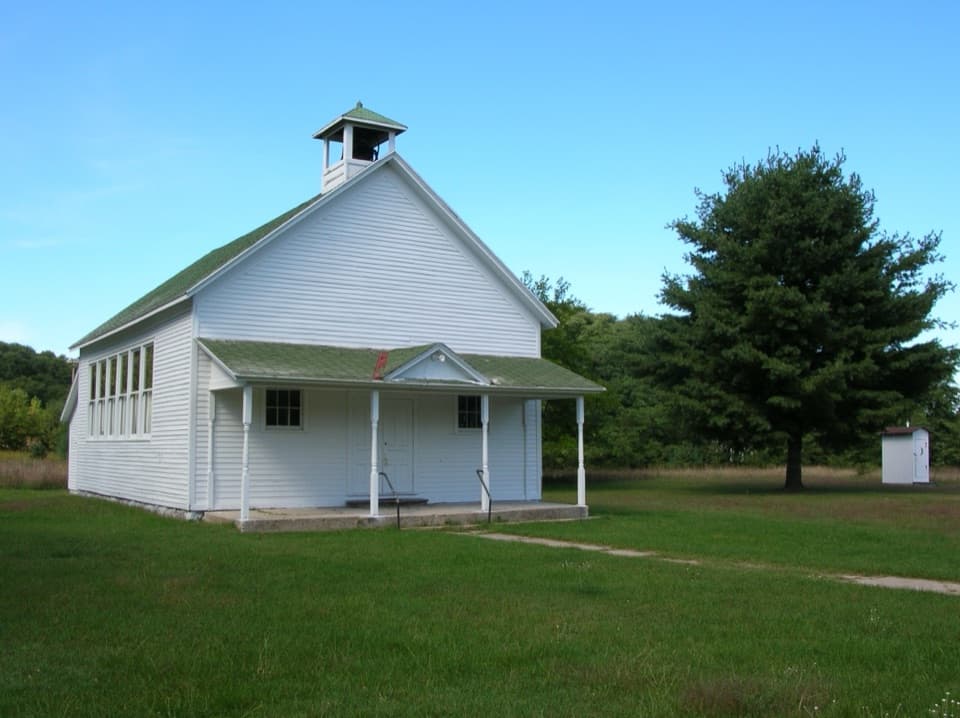
Port Oneida's sandy glacial soils and unreliable water made farming hard. Potatoes were the main cash crop, while grain fed small dairy herds. Residents also fished, logged and made maple syrup, so a farm visit sits within a wider story of work along the lakeshore. The historic district now includes more than 20 farmsteads, along with schoolhouses, cemeteries and the small outbuildings that supported them.

The silo took neighbors to fillThe silo is made of wooden staves, held together with steel rods on a concrete base.

The silo is made of wooden staves, held together with steel rods on a concrete base. Filling it was a shared harvest job: neighbors worked together while farm women prepared the meal. Look for the silo and the mature plantings as evidence of how much work and planning went into making a small farm function.

Oneida came from a shipThe community took its name from the SS Oneida, one of the first ships to call at the local…

The community took its name from the SS Oneida, one of the first ships to call at the local dock. The dock was built by 1862 through a partnership between Carsten Burfiend and Thomas Kelderhouse. Logging supplied cordwood to Great Lakes vessels, but the dock and mill declined as steamships changed to coal.

The annual fair brings the farms togetherThe Port Oneida Fair adds demonstrations and crafts at several historic sites on a weekend each…

The Port Oneida Fair adds demonstrations and crafts at several historic sites on a weekend each August. It is a good chance to see the farm buildings with activity around them; check that year's date and program before planning around the event.

Wildlife

Wildlife in Sleeping Bear Dunes

All Sleeping Bear Dunes wildlife maps

Sighting maps show where each species has been reported across Sleeping Bear Dunes. Wildlife moves, so no sighting is guaranteed.

Parkwolf’s Sleeping Bear Dunes ranking

Top sights in Sleeping Bear Dunes

All 89 places
  1. 1Dune ClimbSight
  2. 2Lake Michigan OverlookSight
  3. 3Pyramid Point OverlookSight
  4. 4Empire Bluff OverlookSight
  5. 5South Manitou Lighthouse ComplexSight
  6. 6North Bar BeachBeach

Take Parkwolf to Sleeping Bear Dunes.

The audio tour guide for the drive, plus offline maps, trails, and wildlife heatmaps for when the signal drops.

4.7 from 8,600+ ratings

Download Parkwolf on the App StoreGet Parkwolf on Google Play