Place · 0 mi away

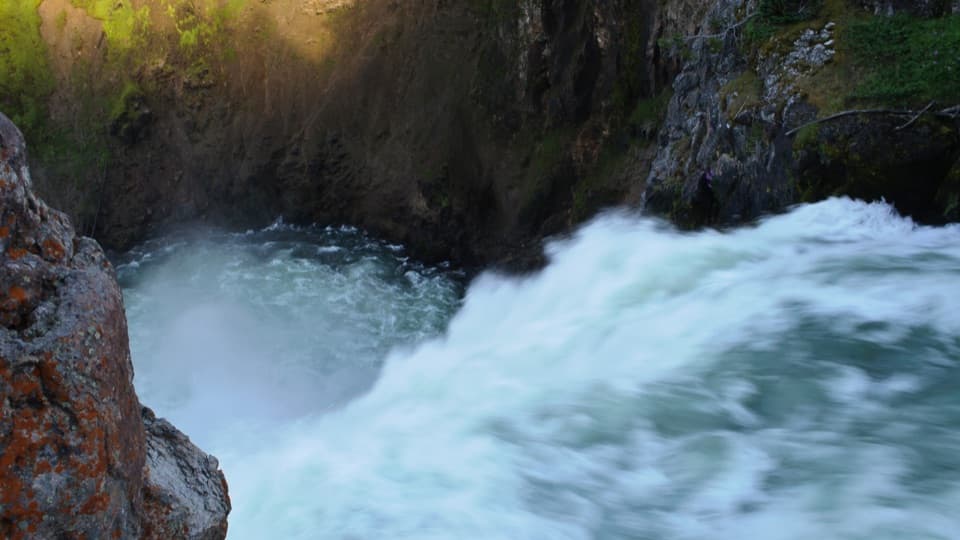
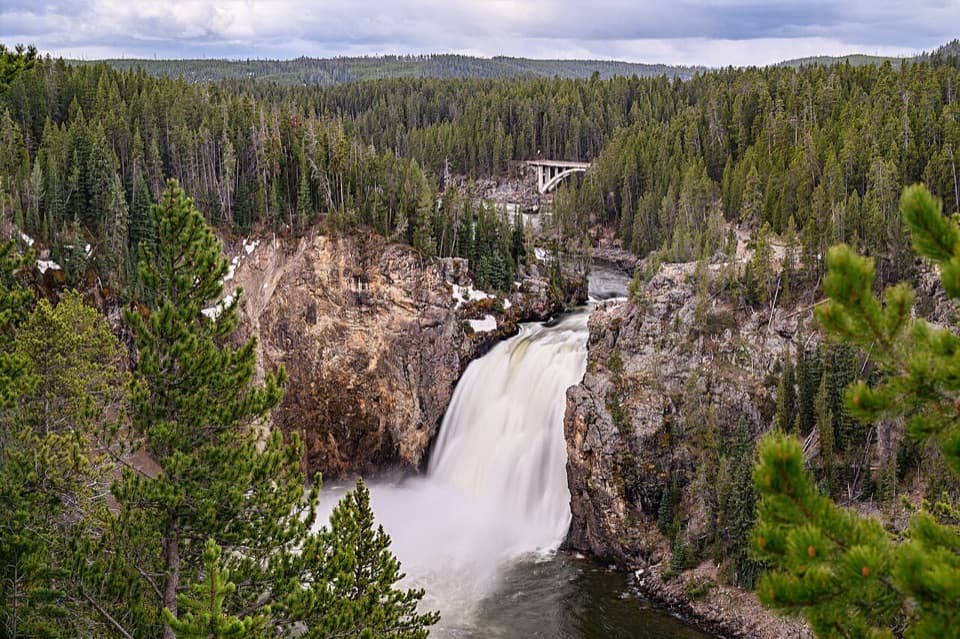
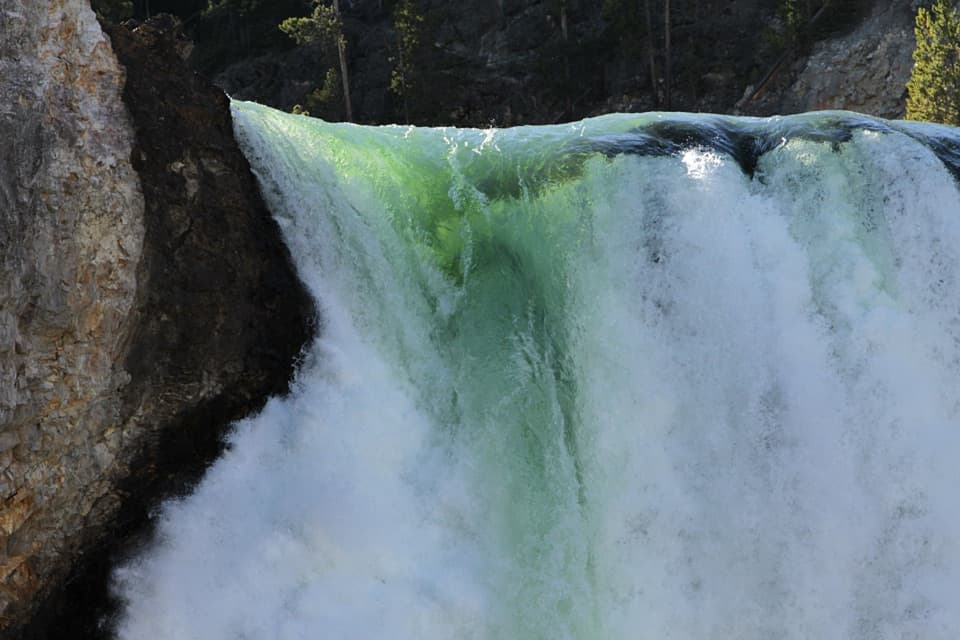
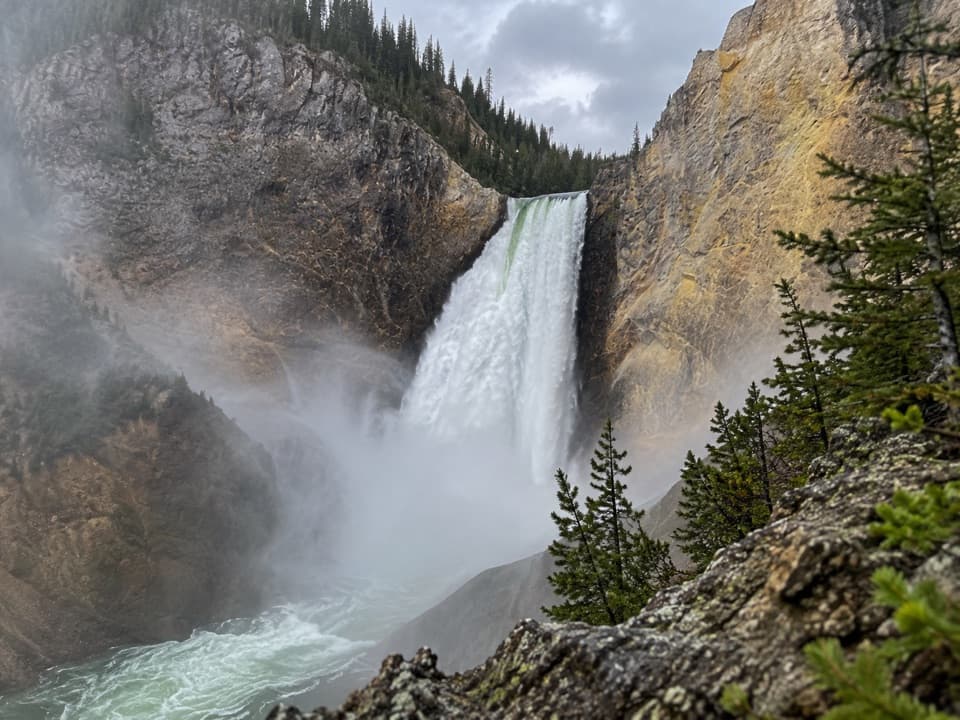
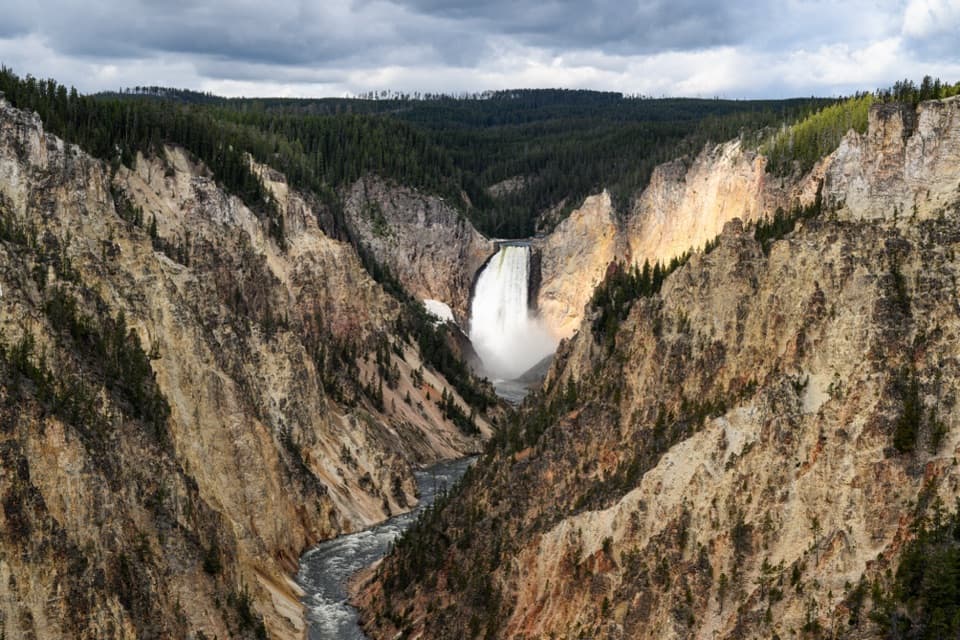
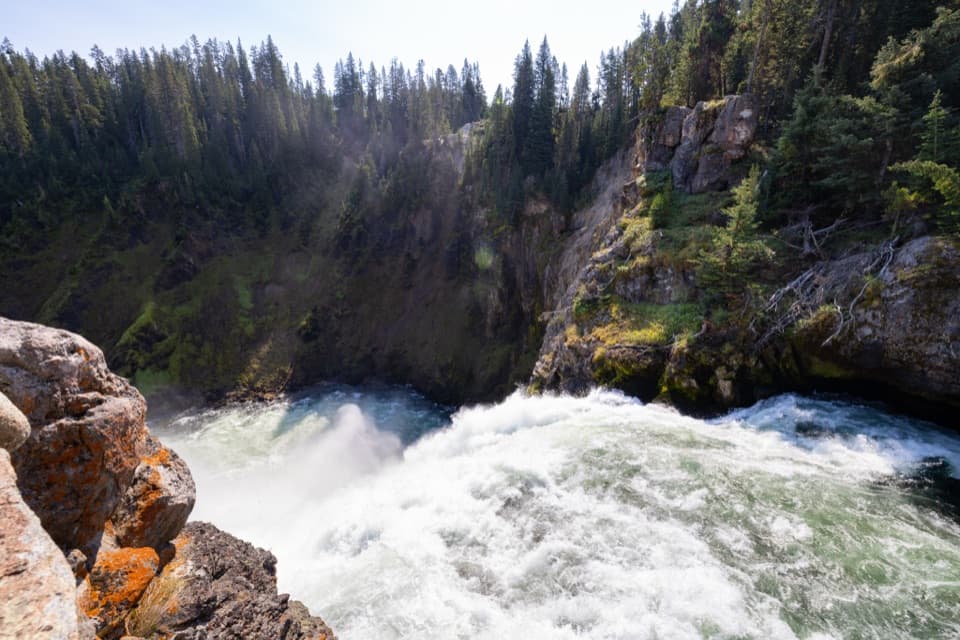
This is the place to feel the power of the Yellowstone River up close. The Brink of the Upper Falls puts you right beside the lip of a 109‑foot drop—thunder, spray, and all. It’s a short, popular stop in the Grand Canyon of the Yellowstone area, and most visitors consider it a must-see for the sheer proximity to the water.
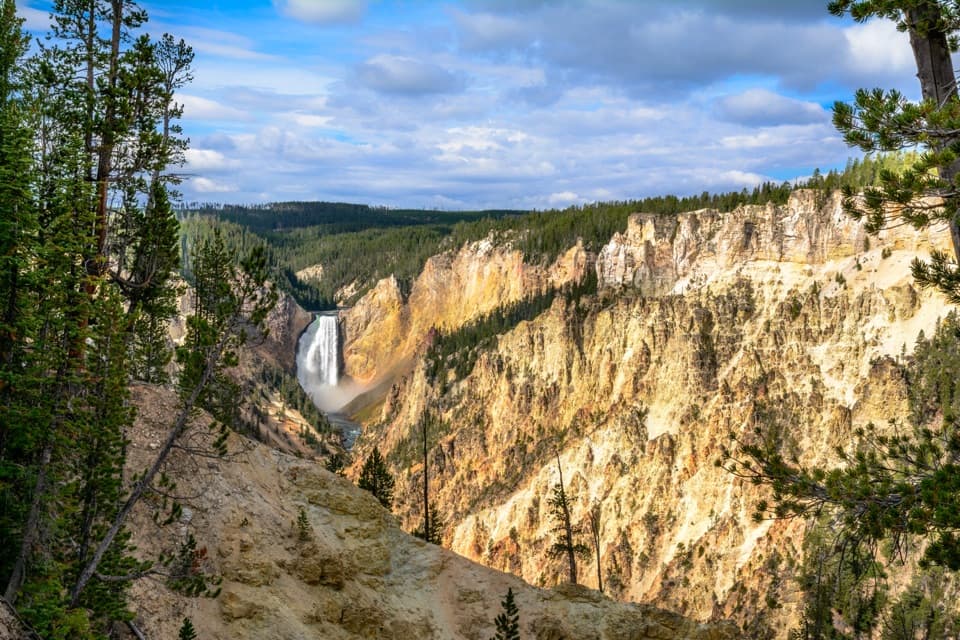
Expect roaring water funneled over the brink, frequent wind gusts, and, on sunny days, shimmering rainbows in the spray. From the left-side overlook you can also spot Crystal Falls, and upstream views include the old canyon bridge along the rim trail. Note that the Lower Falls (the taller one downstream) isn’t visible from here due to a bend in the river—this stop is all about the up-close drama of the Upper Falls itself.
From Canyon Junction, it’s a short drive south on Grand Loop Road to a signed spur for the Brink. There are two paved lots; the lower lot offers the shortest approach. The walk to the brink is roughly 0.25–0.3 miles round-trip with modest elevation change and a couple of short stair sections. The path is paved and generally wide, but expect crowds.
Spray often wets surfaces near the overlook—tread carefully, hold onto kids, and keep a firm grip on phones and hats when gusts kick up. In cooler months, shaded steps can get slick. Stay behind railings at all times.
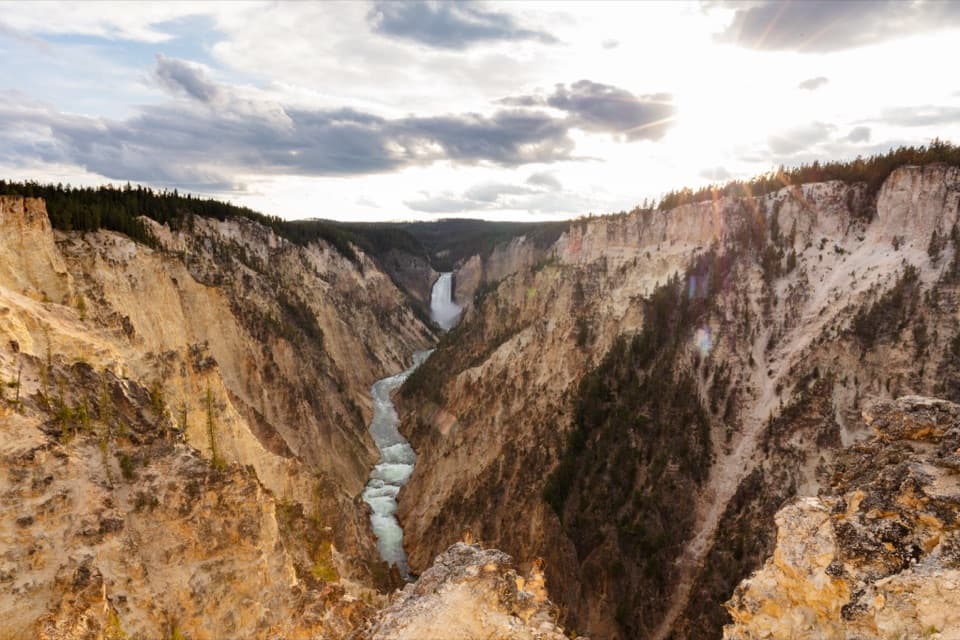
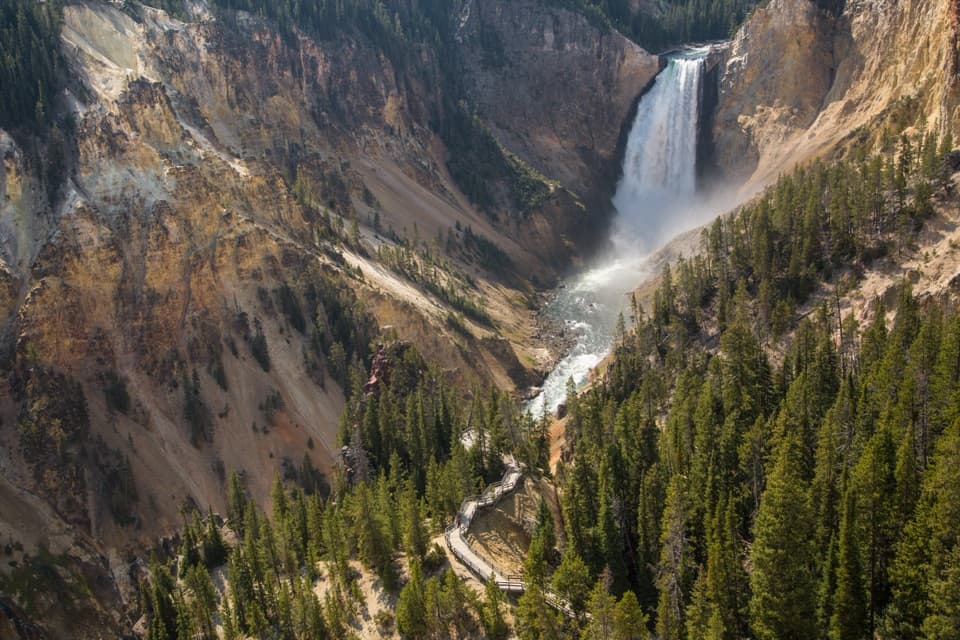
Pair the brink with other rim viewpoints for a great half-day: Lookout Point and Inspiration Point on the North Rim for classic canyon and Lower Falls views, or swing to the South Rim for side-on perspectives and Artist Point. It’s easy to connect short walks with quick drives between stops.
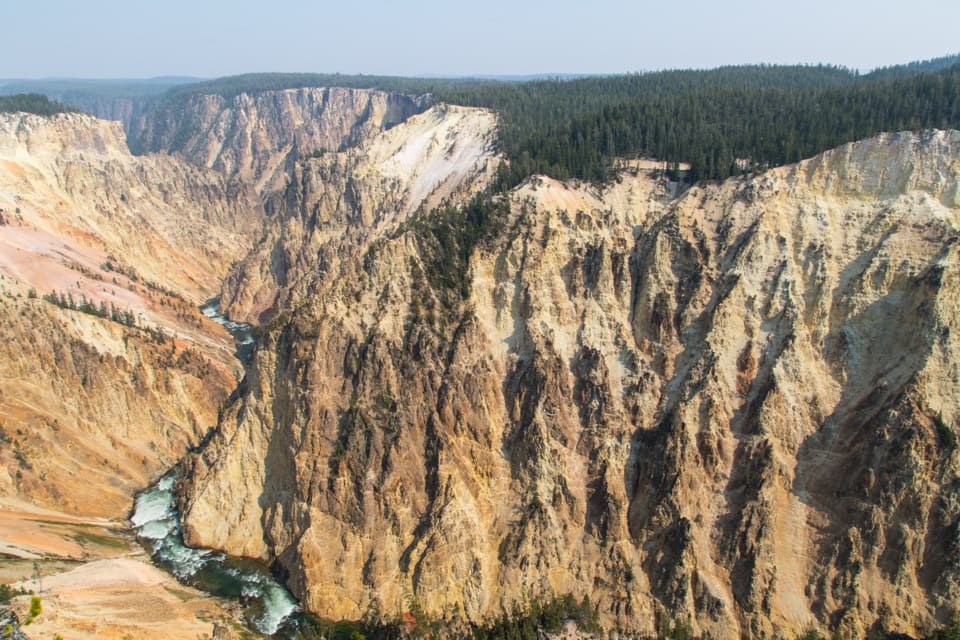
The Grand Canyon of the Yellowstone effectively begins at the Upper Falls and slices roughly 20 miles through the plateau, with depths around a thousand feet. The vivid canyon walls are the result of hydrothermally altered volcanic rocks and ongoing weathering, while the river continues to carve the chasm today.
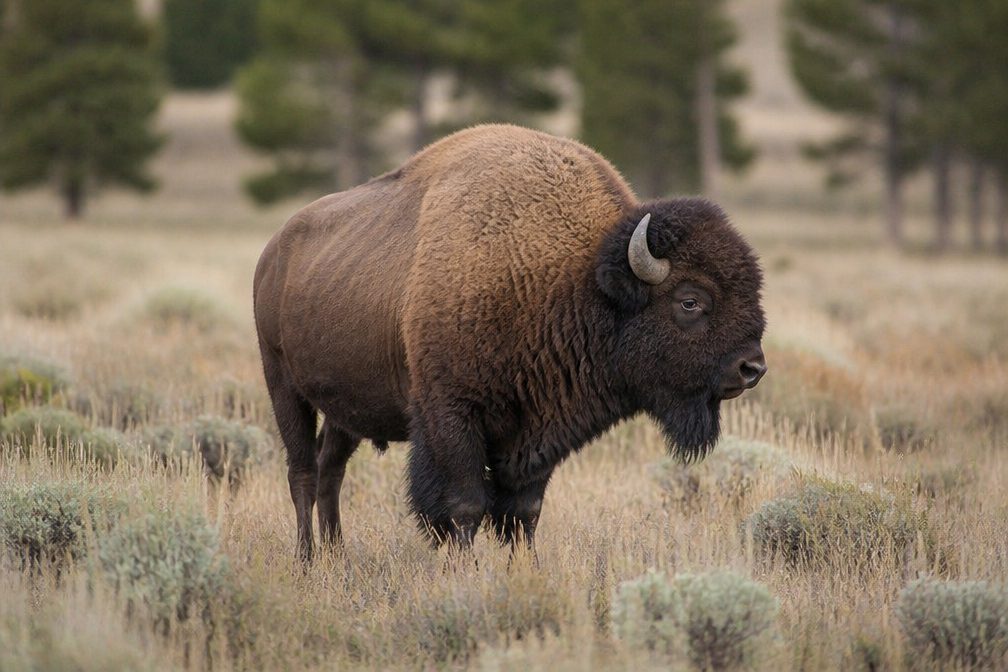
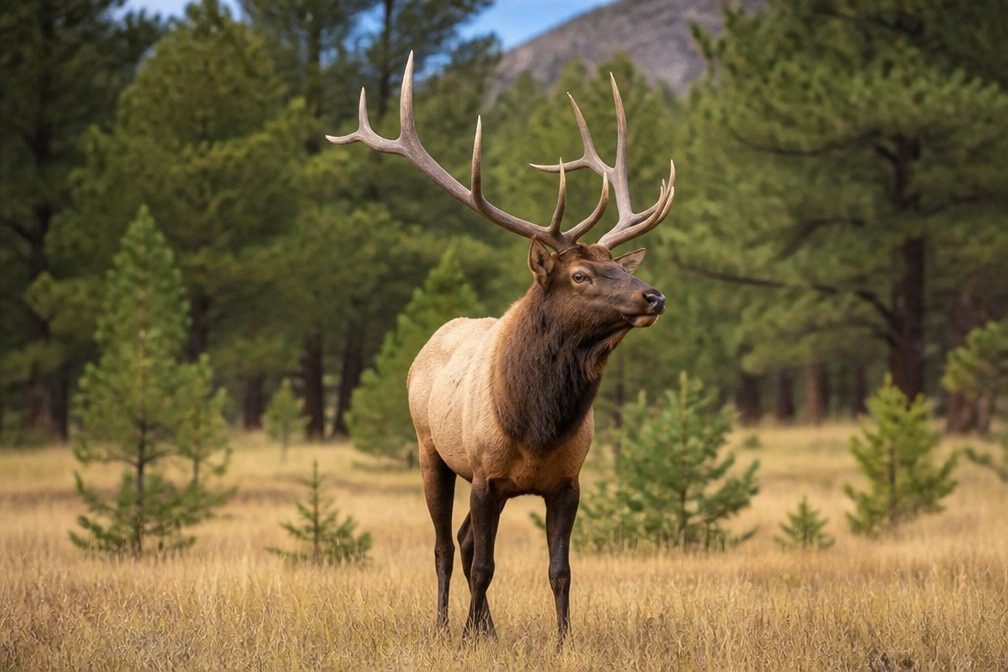
Canyon country is good for spotting birds of prey and corvids riding thermals over the gorge. Large mammals like bison and elk are common elsewhere in the broader area—give them plenty of space and enjoy them with a zoom lens.