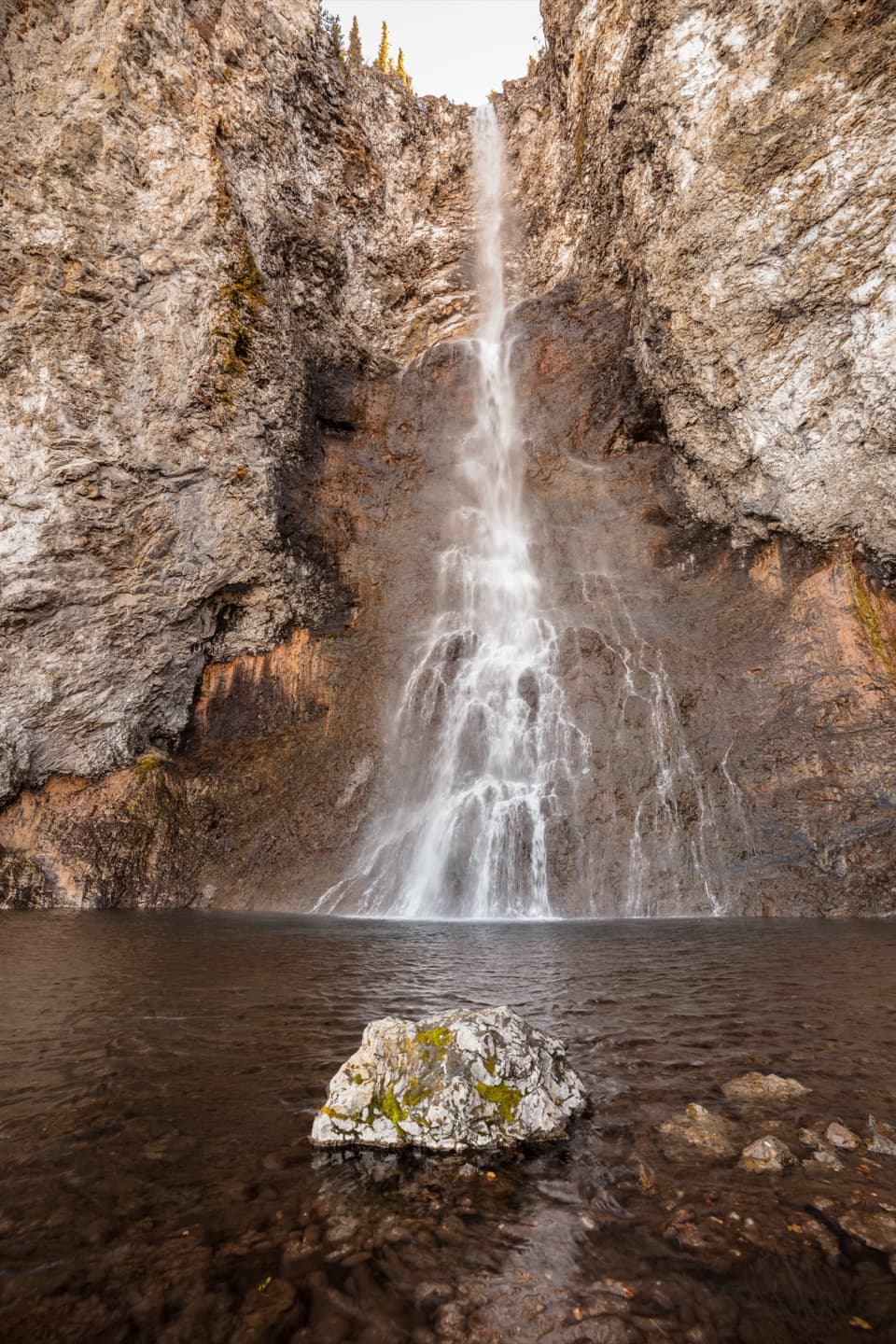
Parking
Start at Chittenden Bridge Picnic Area, the Wapiti Lake Trailhead (4K7). The park lists a vault toilet and information kiosk; parking capacity, fees and drinking water were not confirmed.
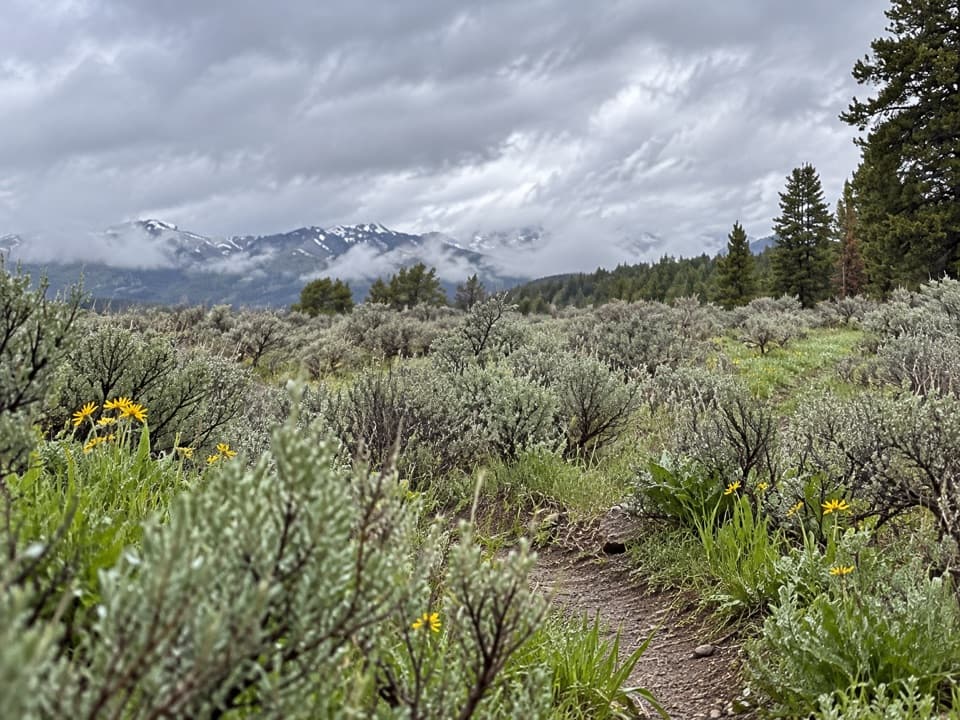
Yellowstone National Park, WY · MT · ID
A 30.6-mile backcountry round trip to camps near Wapiti Lake.
Overview
Map & elevation
Plan your hike

The highest, rockiest slopes around here are a summer buffet for grizzly bears.
Yellowstone Tour Guide
Parkwolf is a GPS audio tour guide for Yellowstone National Park. As you drive, it chimes in with what’s ahead: hidden gems, upcoming stops, history, geology, and wildlife, right through your car’s speakers.
See the Yellowstone audio tourRecorded for this trailhead
Chittenden Bridge and South Rim Trail“You’re approaching Chittenden Bridge Picnic Area, a useful lunch stop beside Wapiti Lake Trailhead.”
Plays as you drive up to this trailhead in the Parkwolf Yellowstone Tour Guide.
More stories near here in the app
“First time driving through a national park. We used the Yellowstone tour on grand loop Road and it’s just like having a tour guide in your car with you.”


Trail guide
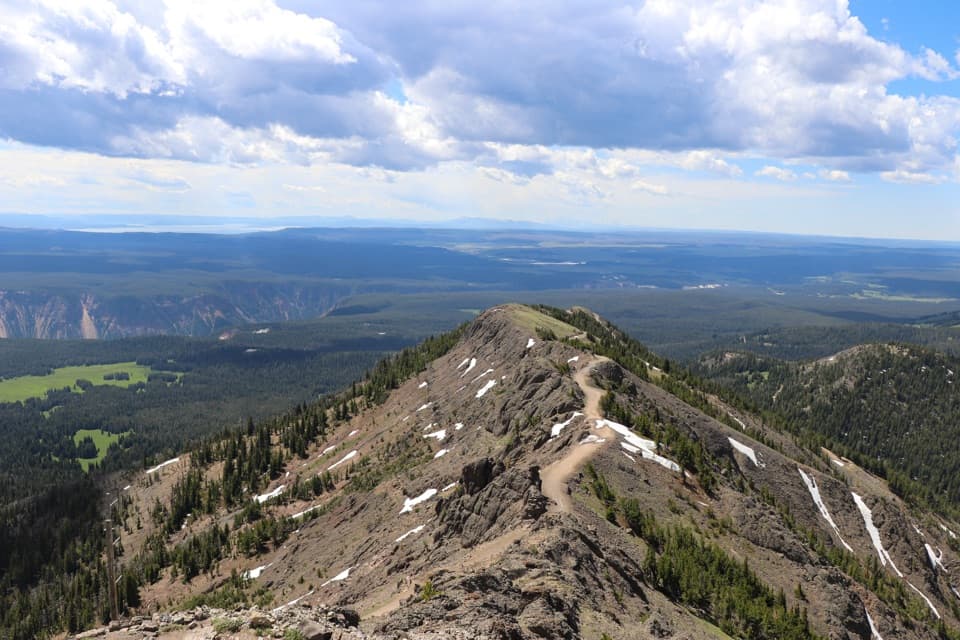
Wapiti Lake Trail is a 30.6-mile out-and-back from Chittenden Bridge Picnic Area to backcountry camps near Wapiti Lake. The map shows the one-way corridor; the walk returns by the same route. A route estimate puts the full walk at about 12.5 to 13.5 hours, with roughly 3,100 feet of gain, so this is a hard, high-elevation outing. The named endpoint is a camp area near the lake, not necessarily the shore. Published distances vary slightly, and the mapped line measures about 16.4 miles one way; check the park's backcountry map against the exact campsite you plan to use.
The park's description names forests, meadows, lakes and backcountry thermal basins, but does not break the walk into mile-by-mile sections. At Wapiti Lake Trailhead (4K7), several routes branch out toward Howard Eaton, Clear Lake–Ribbon Lake, Sour Creek and Wrangle Lake. Follow the Wapiti Lake line at junctions, and stay on established tread around thermal ground. The separate Clear Lake–Ribbon Lake route is listed as a four-mile return from its junction with Wapiti Lake Trail; that is a different outing, not the distance for this hike.
Begin at Chittenden Bridge Picnic Area. The trailhead has a vault toilet and information kiosk. Food, drinking water and parking capacity were not confirmed, so plan those details before leaving developed areas. Pets are not allowed on the trail; ask the park about service-animal rules.
Wildlife
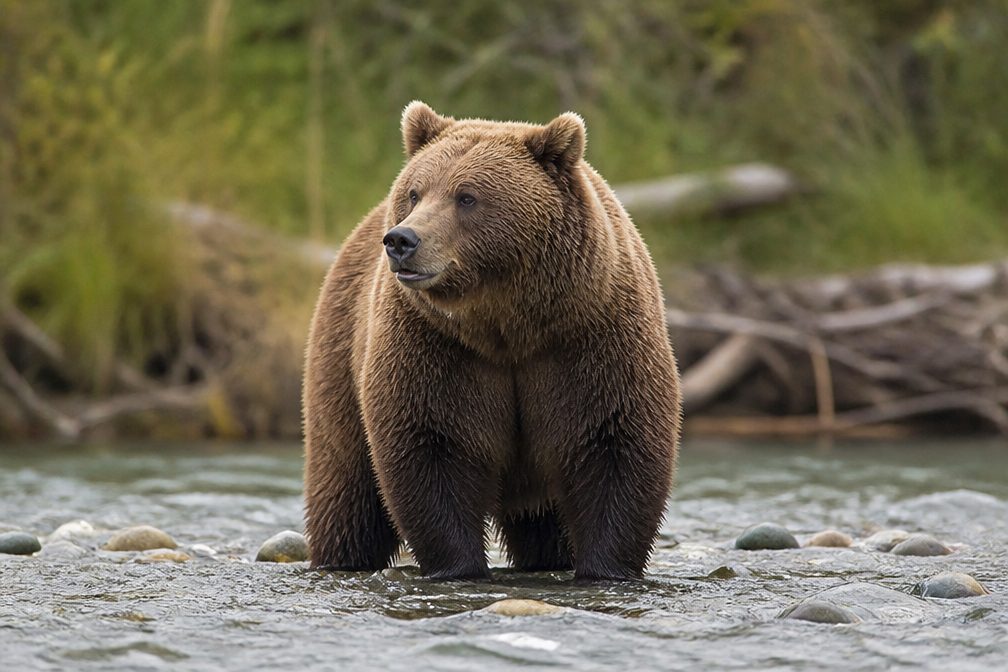 713 sightingsGrizzly BearMost seen around 6 AMSighting map
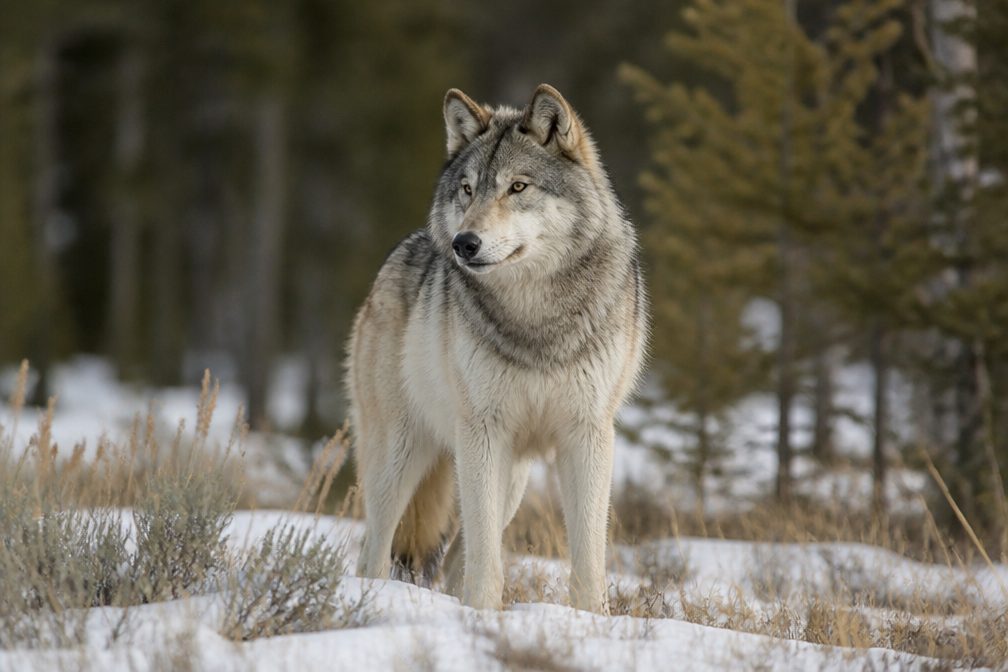 743 sightingsWolfMost seen around 6 AMSighting map
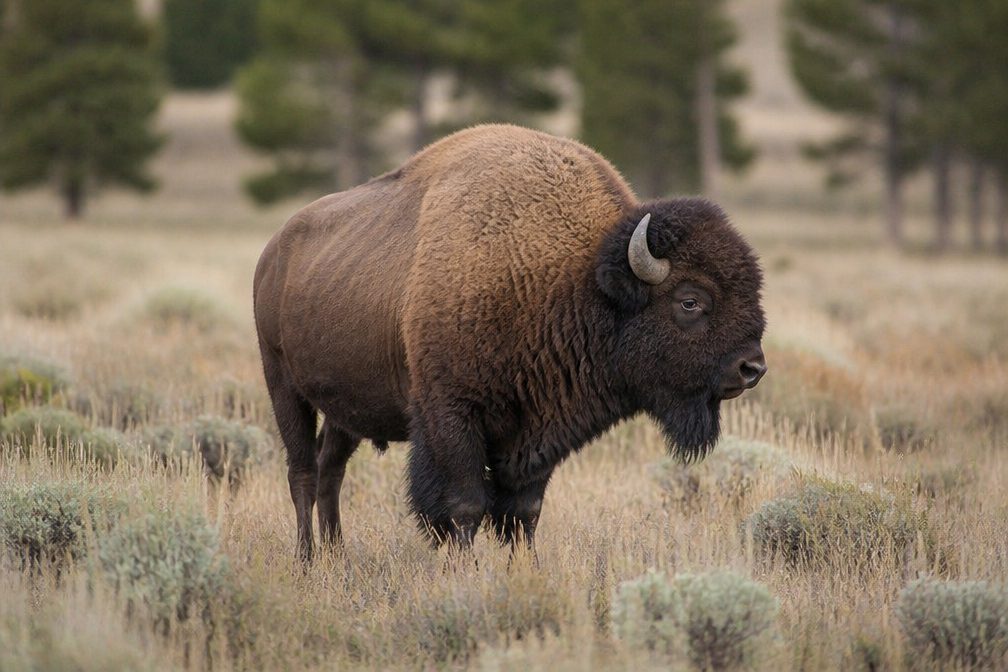 5,273 sightingsBisonMost seen around 7 AMSighting map
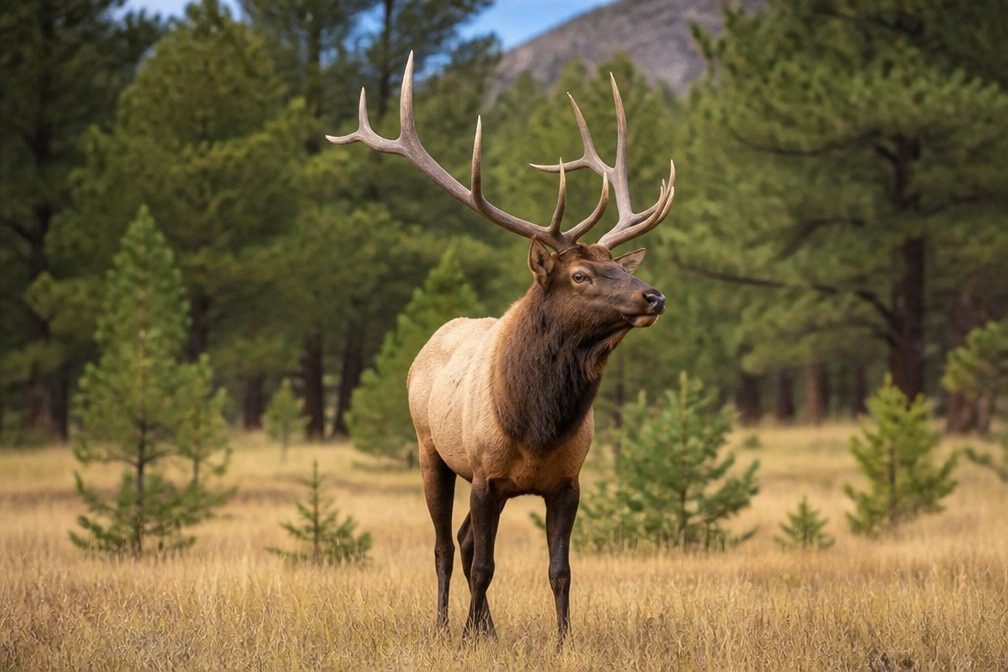 3,258 sightingsElkMost seen around 7 PMSighting map
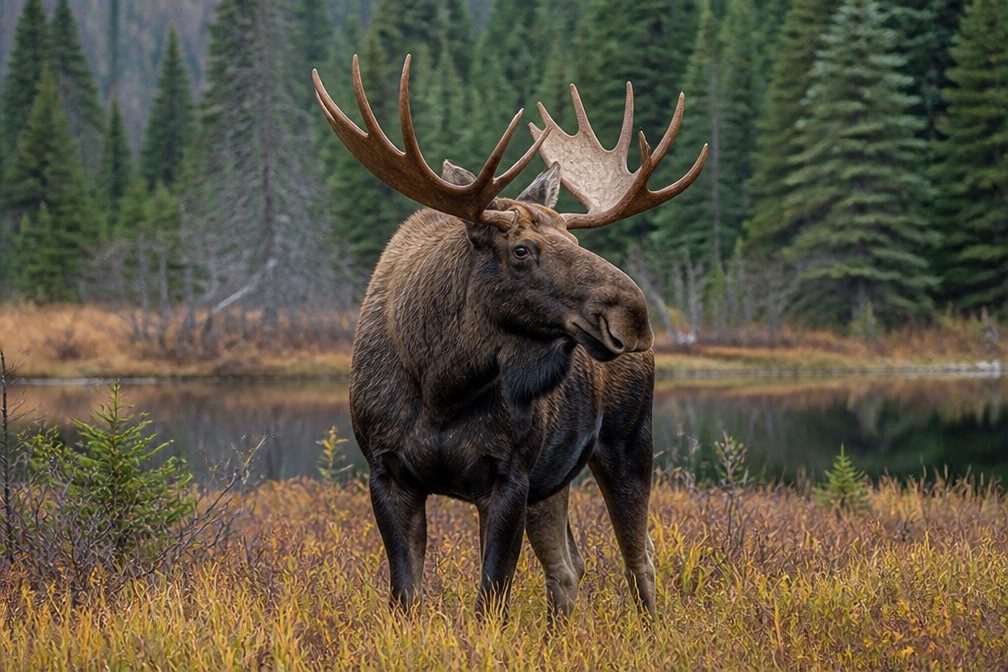 397 sightingsMooseMost seen around 7 PMSighting map
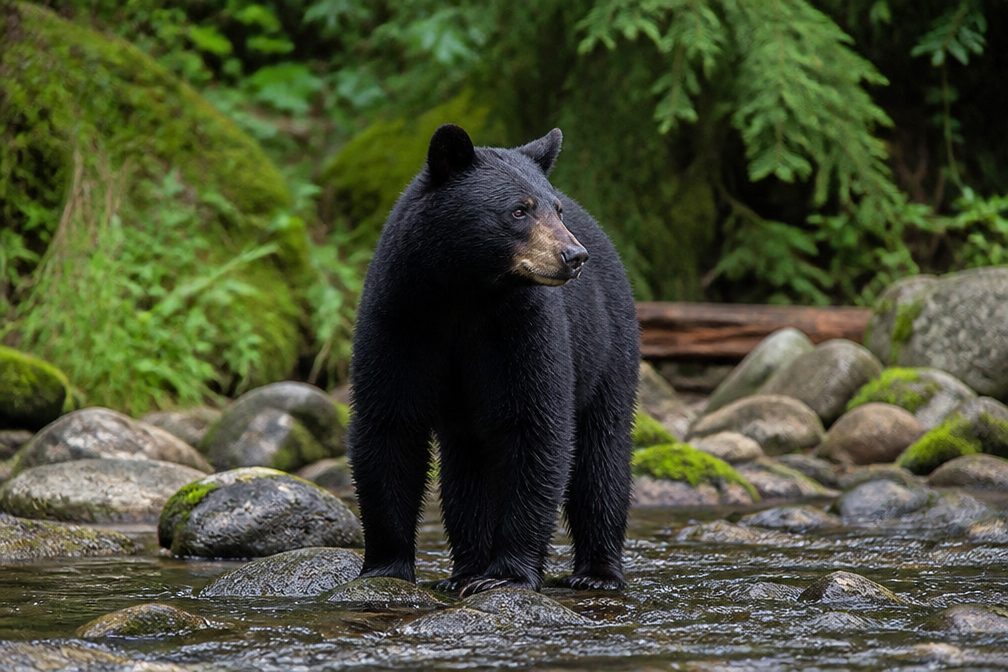 1,494 sightingsBlack BearMost seen around 7 PMSighting map
Sighting maps show where each species has been reported across Yellowstone. Wildlife moves, so no sighting is guaranteed.
Keep exploring
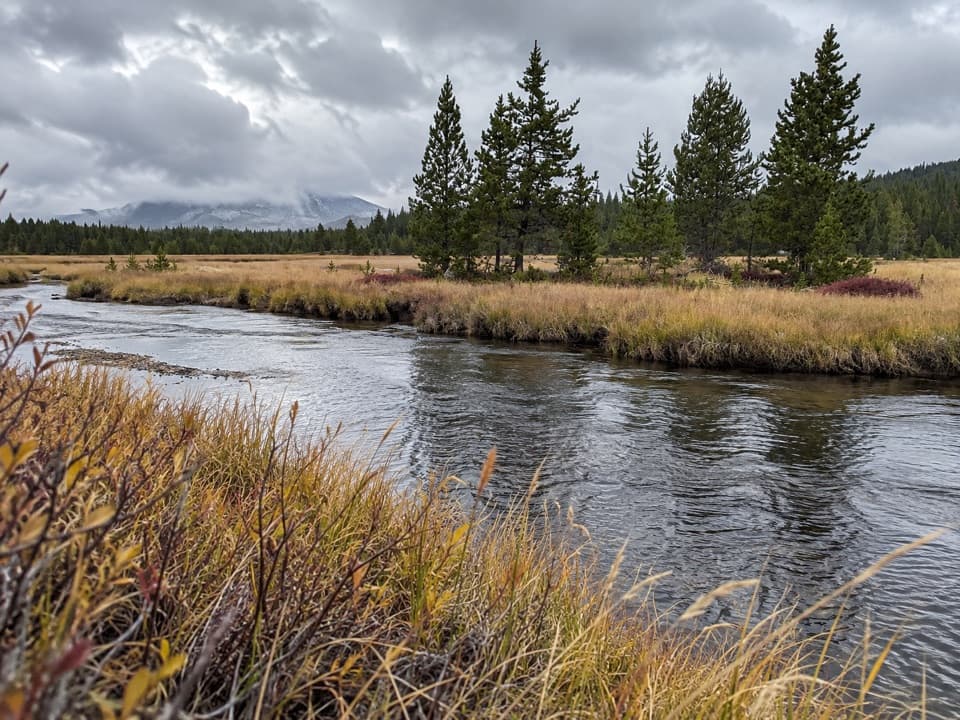 ModerateWrangler Lake Trail8 mi · 4 hr · At the trailheadCreek crossings lead through Hayden Valley to a backcountry lake.
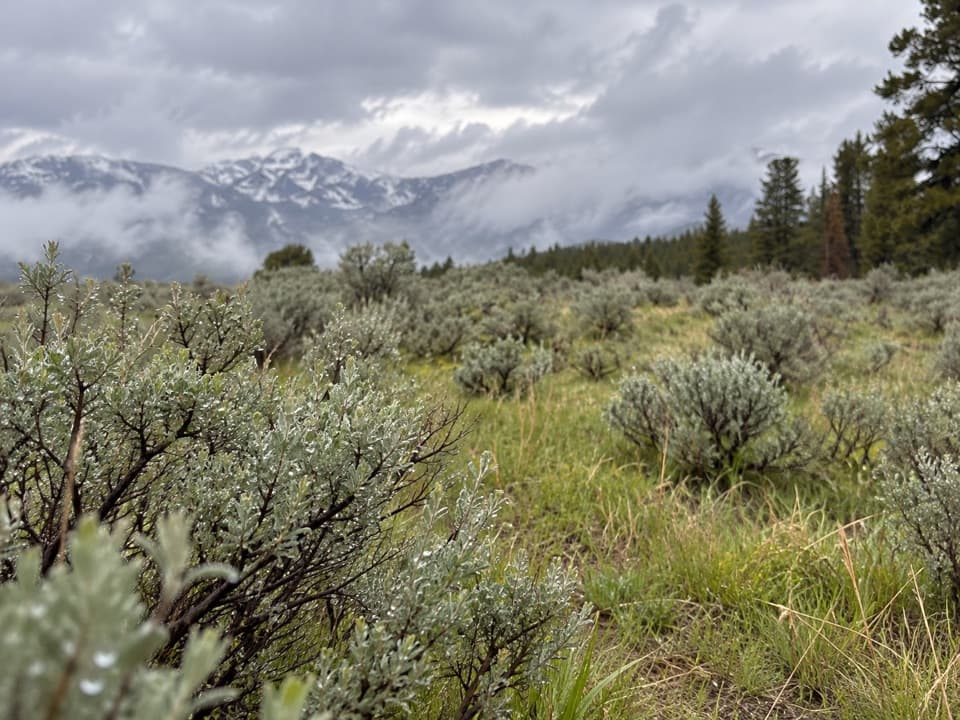 ModerateSour Creek Trail5.2 mi · 2.5 hr · At the trailheadMeadows, steam vents and creek crossings in Sour Creek country
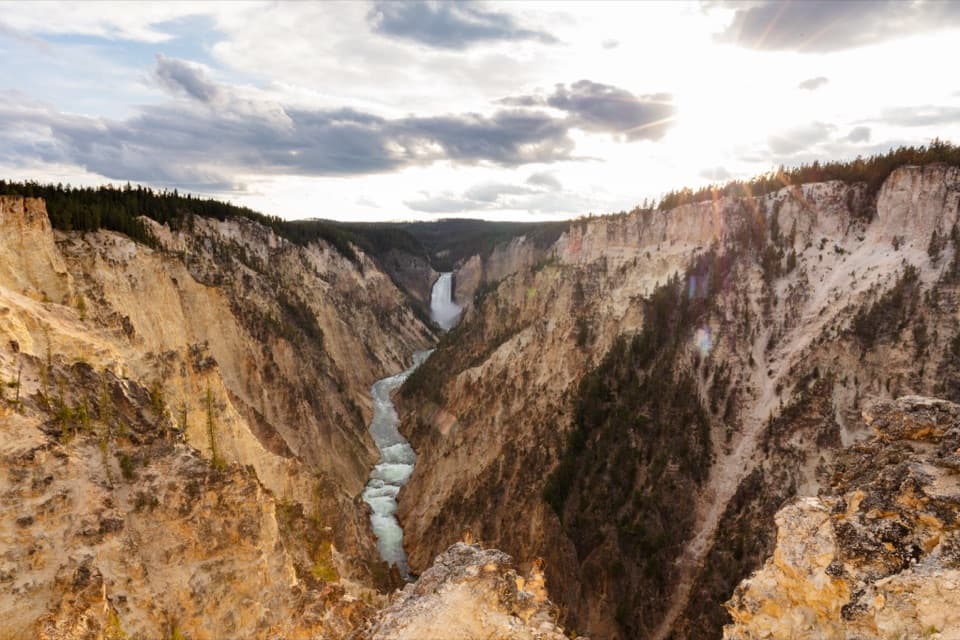 ModerateSouth Rim Trail3.6 mi · 2 hr · 0.1 mi awayUpper and Lower Falls, with canyon views between them
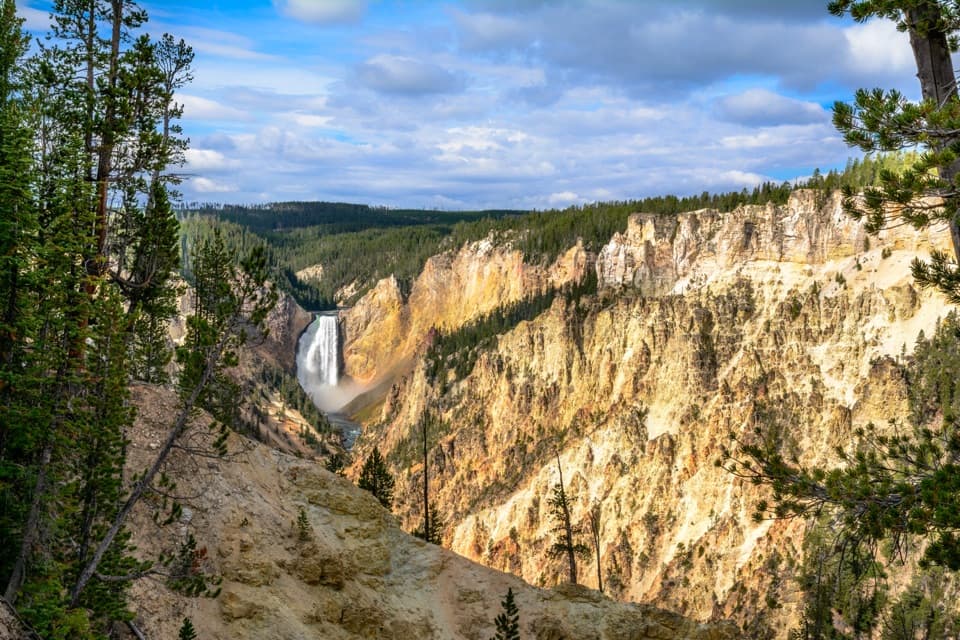 ModerateNorth Rim Trail7 mi · 4 hr · 0.1 mi awayConnect the North Rim's waterfalls and canyon overlooks on foot.
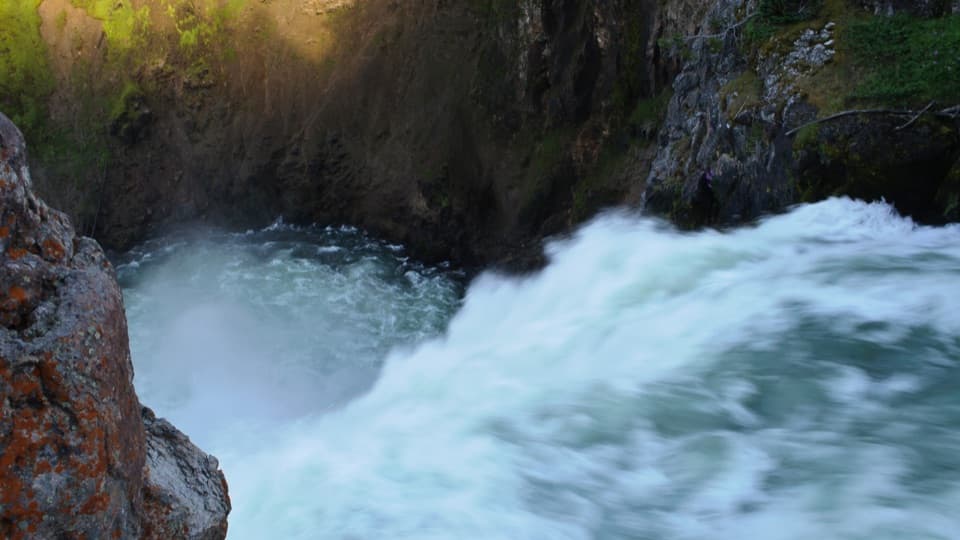 EasyBrink of the Upper Falls Trail0.3 mi · 24 min · 0.5 mi awayA short, stair-stepped walk to Yellowstone's 109-foot Upper Falls.
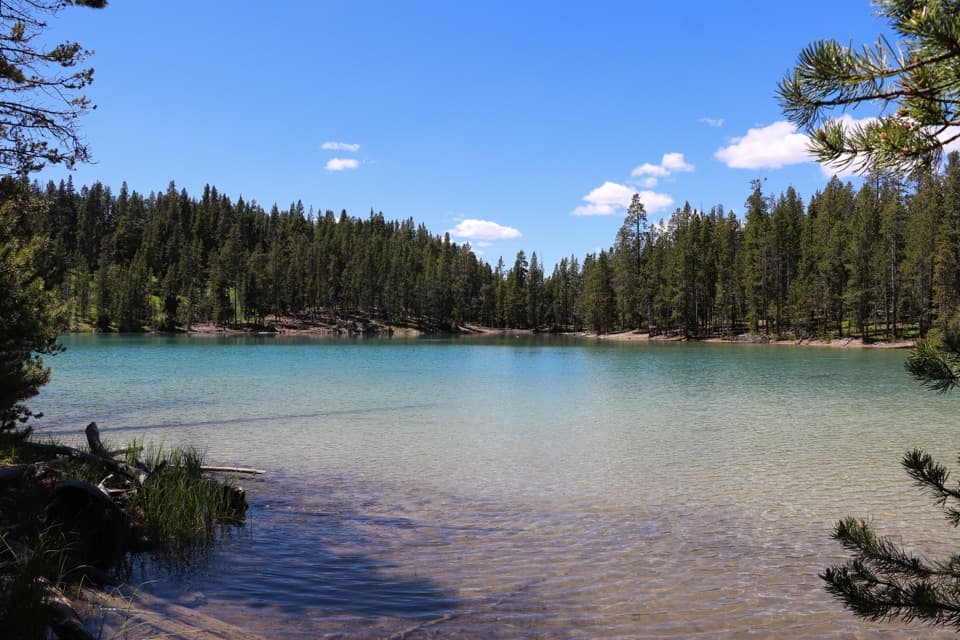 EasyClear Lake Trail1.4 mi · 1 hr · 0.5 mi awayA gentle short walk to a bubbling, spring-fed lake.ModerateClear Lake–Ribbon Lake Loop Trail6.1 mi · 3.5 hr · 0.6 mi awayThermal ground, two lakes, and a canyon rim return.
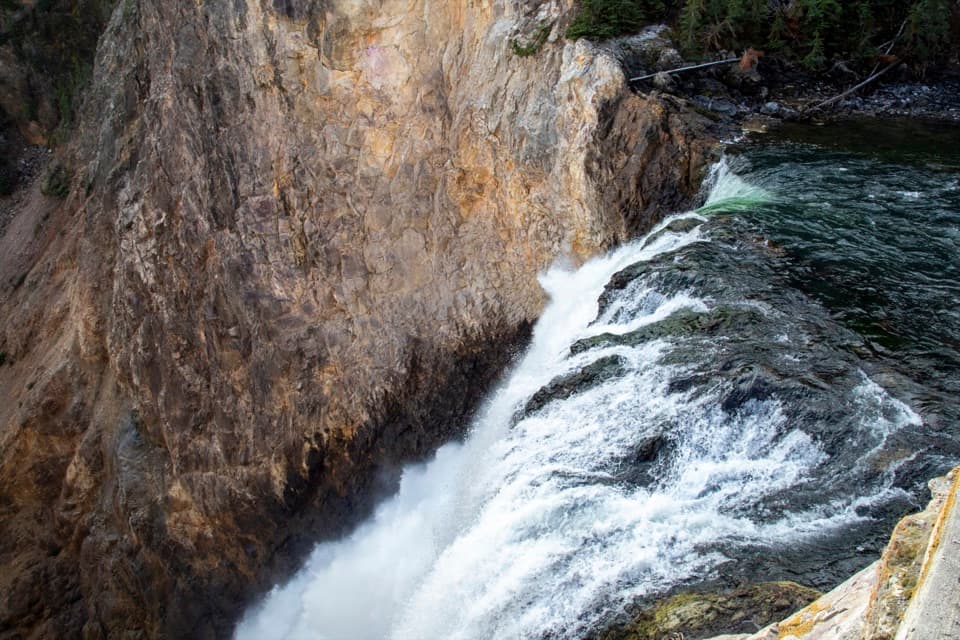 ChallengingBrink of the Lower Falls Trail0.7 mi · 1 hr · 0.8 mi awayA close Lower Falls view after a steep, stepped descent.
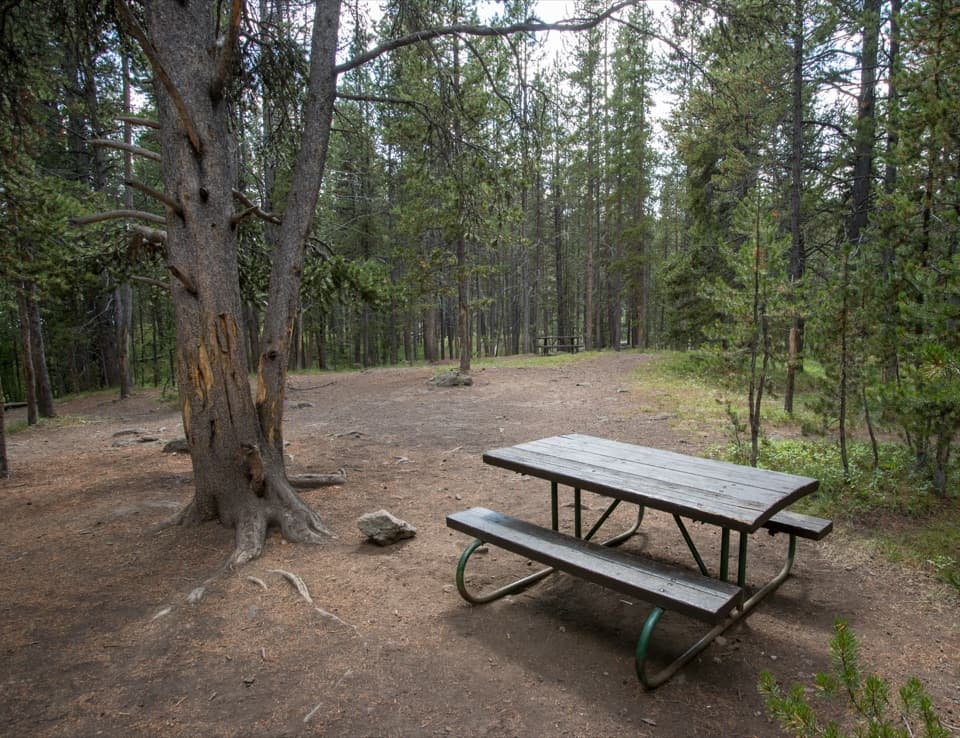 Picnic area · At the trailheadChittenden Bridge Picnic AreaA handy picnic break beside the Wapiti Lake Trailhead.
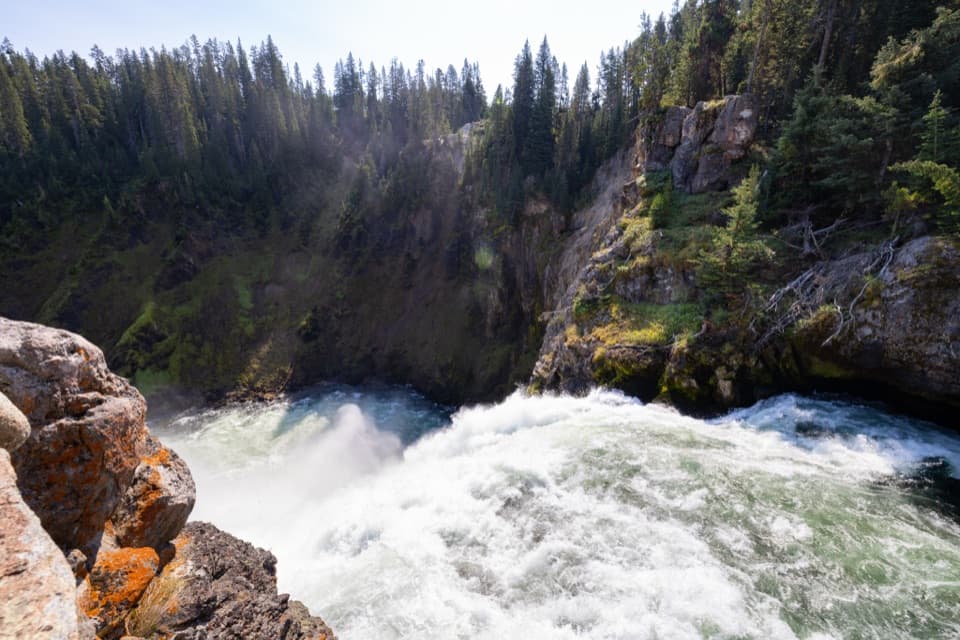 Sight · 0.4 mi awayBrink of the Upper FallsSee the river spill over a 109-foot fall up close.
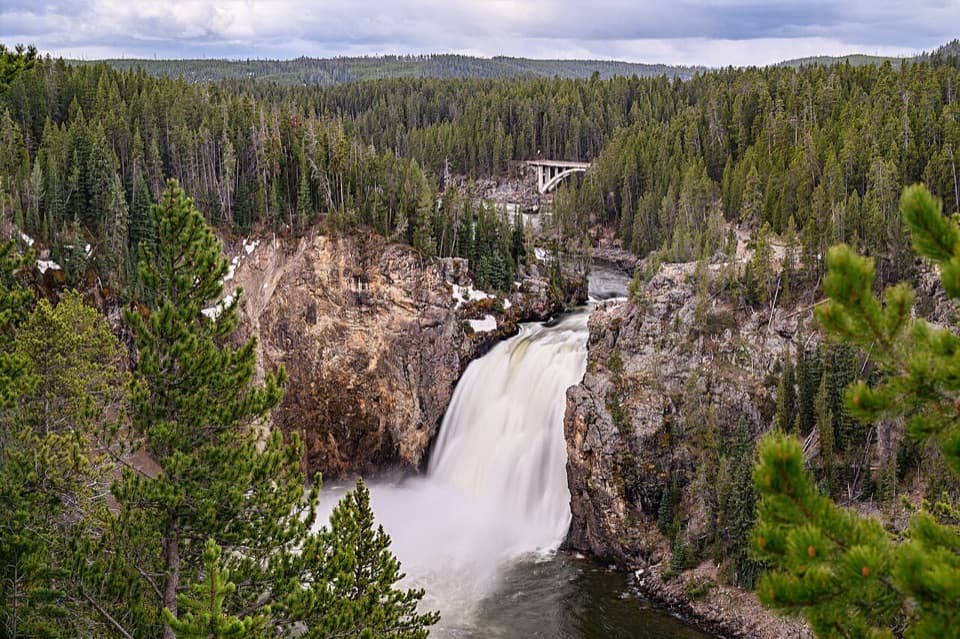 Sight · 0.5 mi awayUpper Falls ViewpointsSouth Rim stop for a close look at 109-foot Upper Falls.
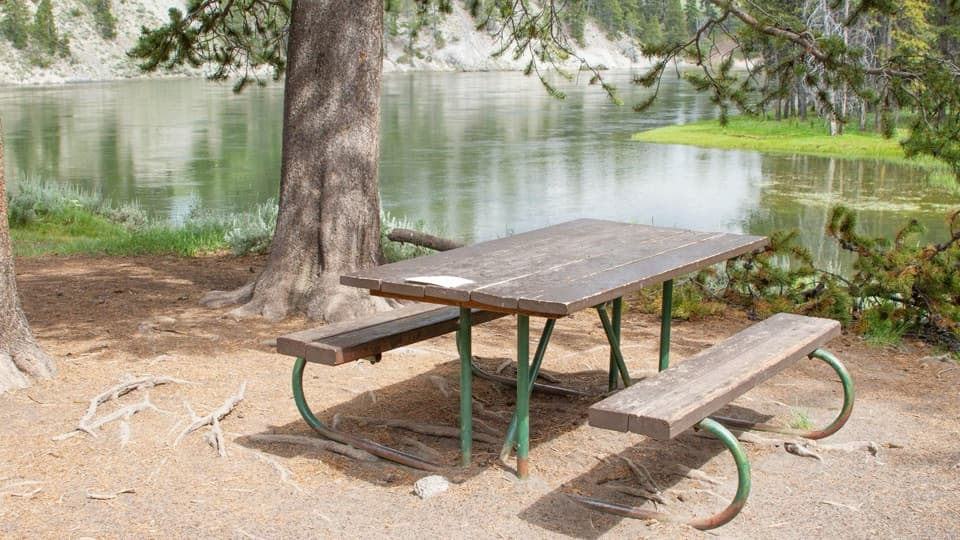 Picnic area · 0.7 mi awayOtter Creek Picnic AreaA riverside meal stop; bring your own food and water.
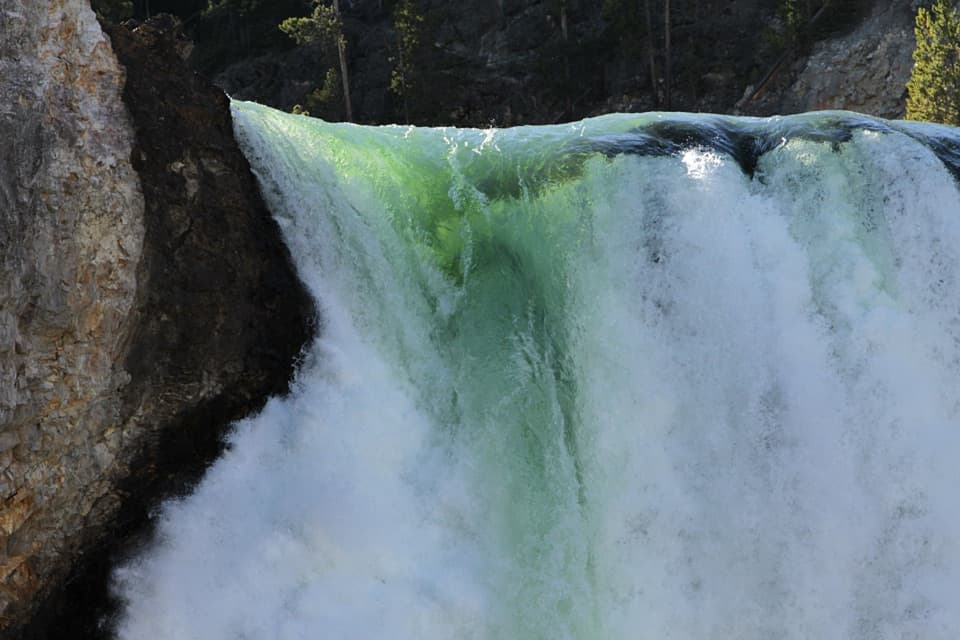 Sight · 0.8 mi awayBrink of the Lower FallsGet close enough to feel the Lower Falls' roar.
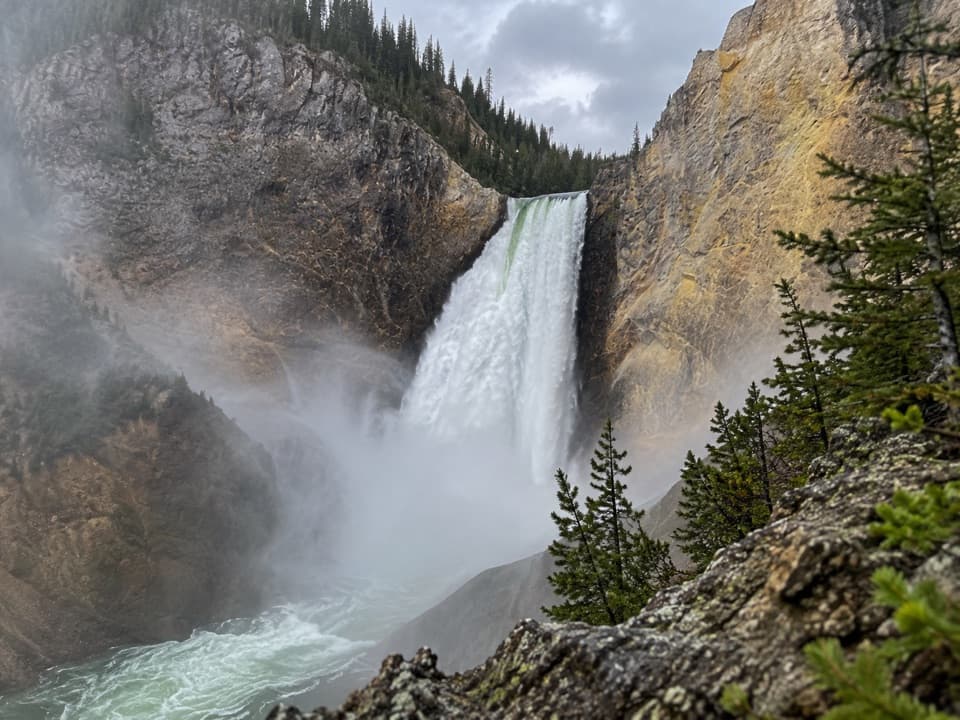 Sight · 1 mi awayRed Rock PointA close Lower Falls view after a steep climb back out.
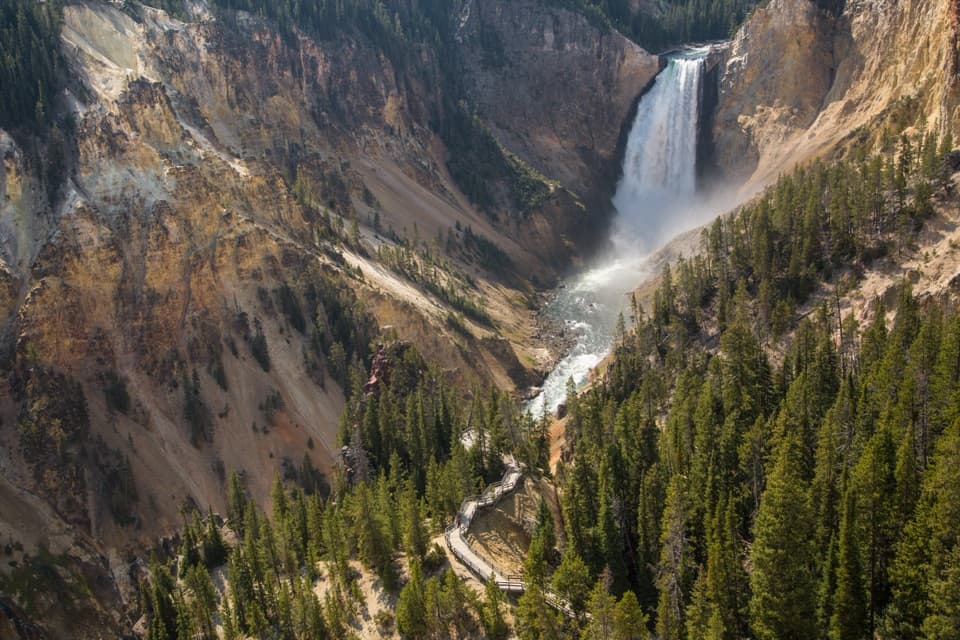 Sight · 1.1 mi awayLookout PointThe Lower Falls fills the canyon from this north-rim perch.
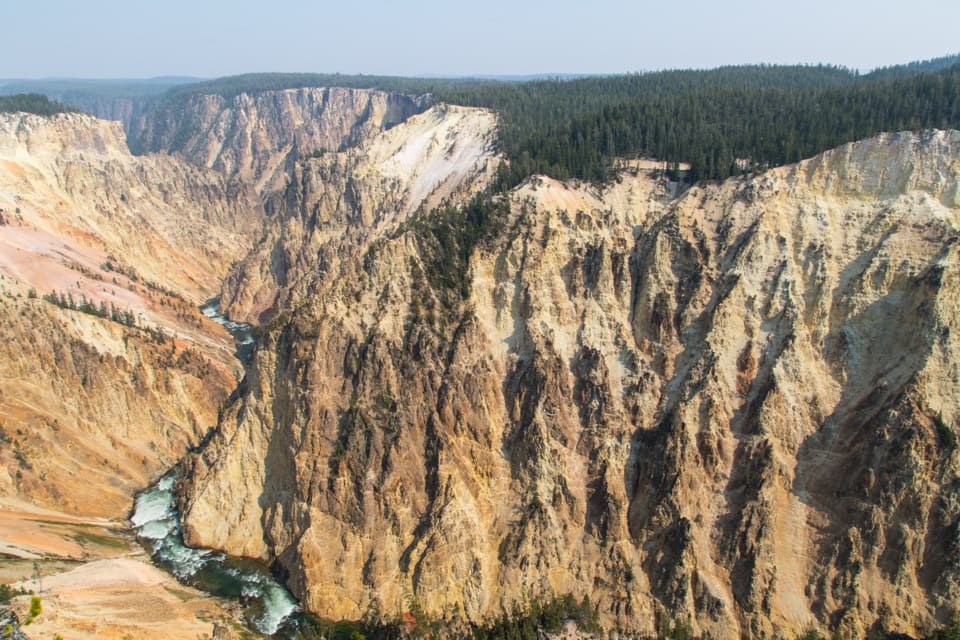 Sight · 1.3 mi awayGrand ViewA broad canyon view, with the river and Lower Falls far below.
Parkwolf’s Yellowstone ranking

The audio tour guide for the drive, plus offline maps, trails, and wildlife heatmaps for when the signal drops.