Place · 0.1 mi away

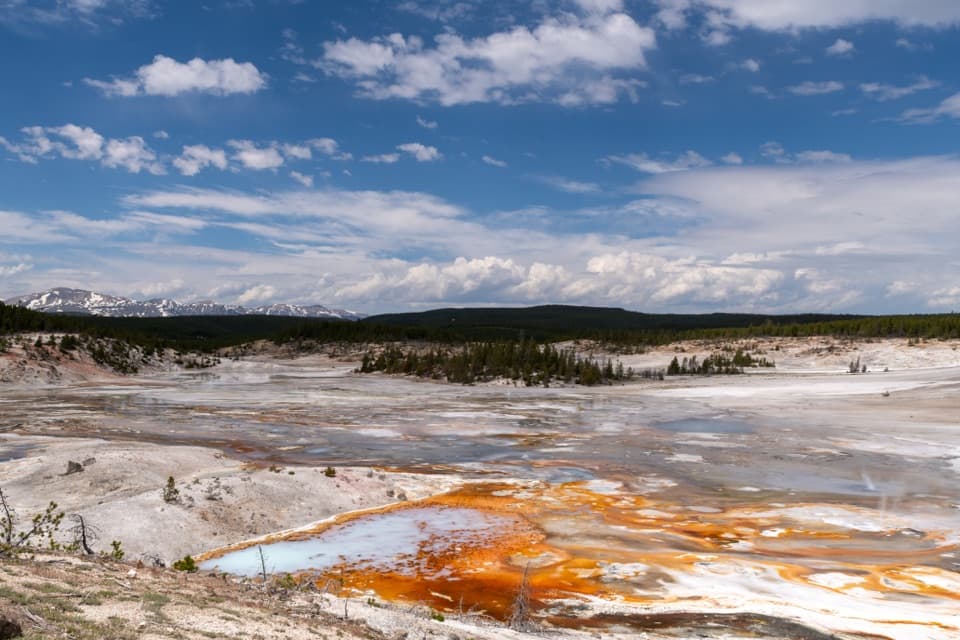
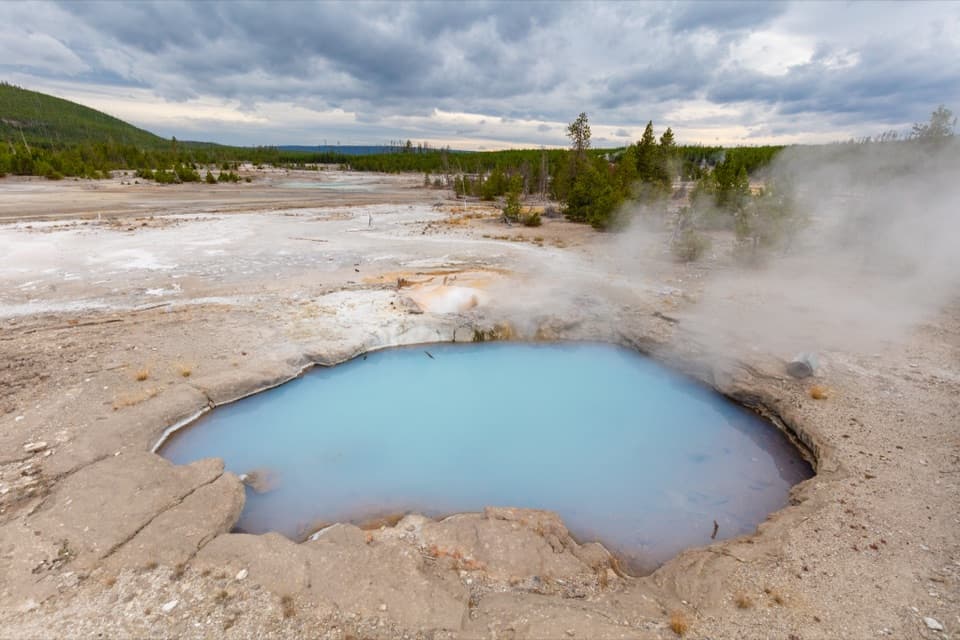
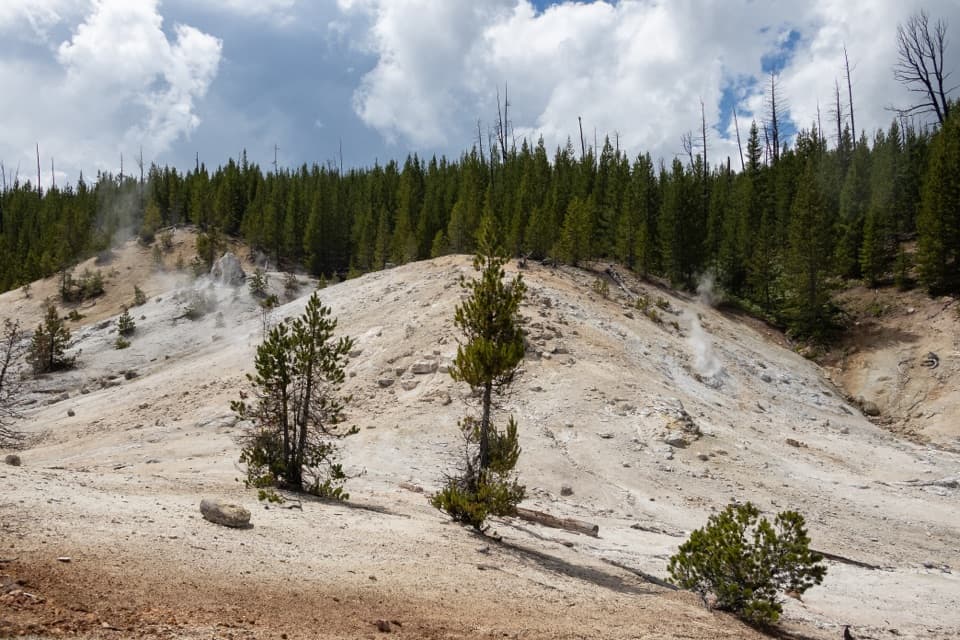
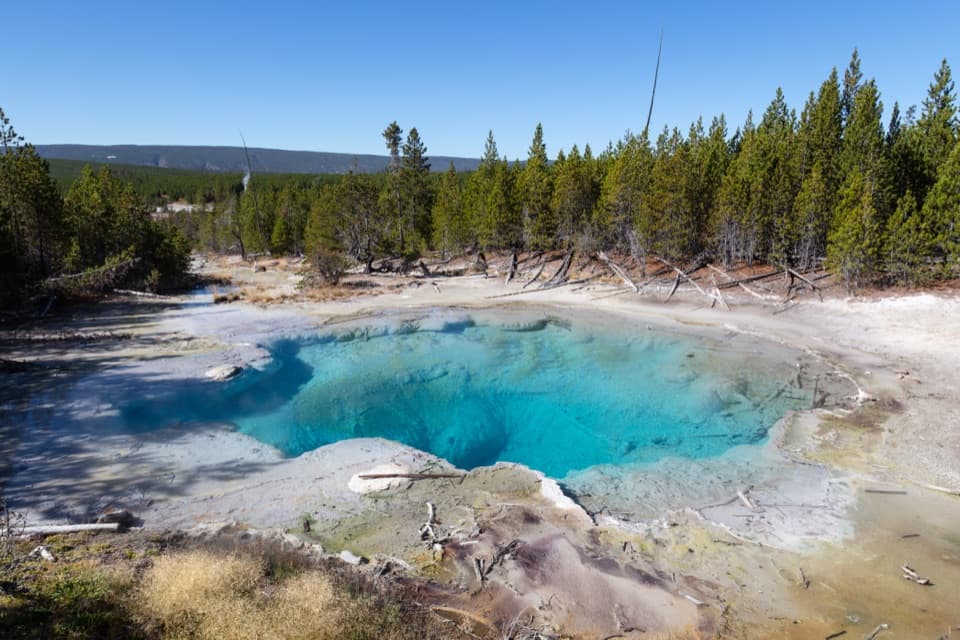
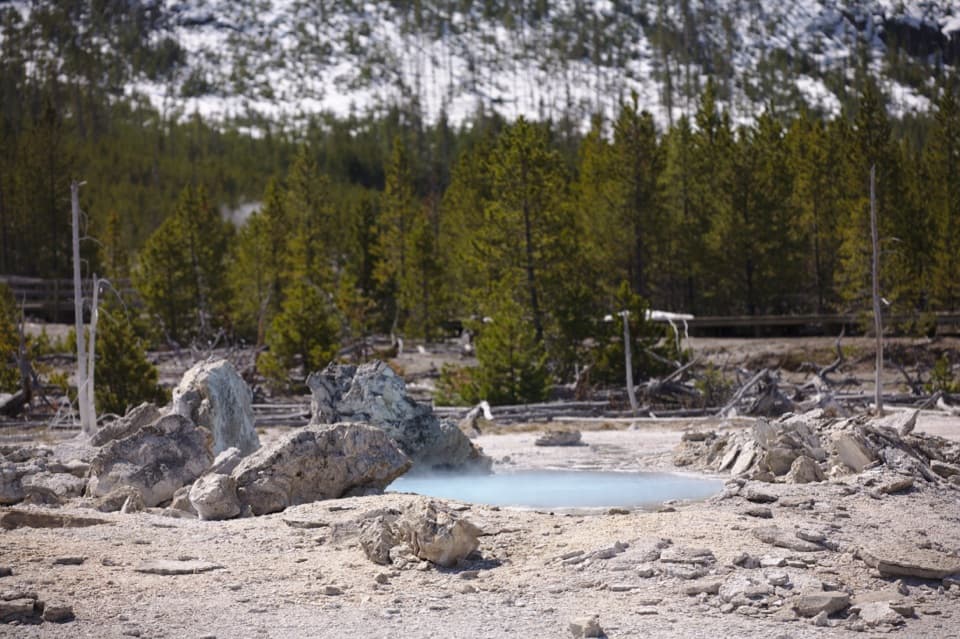
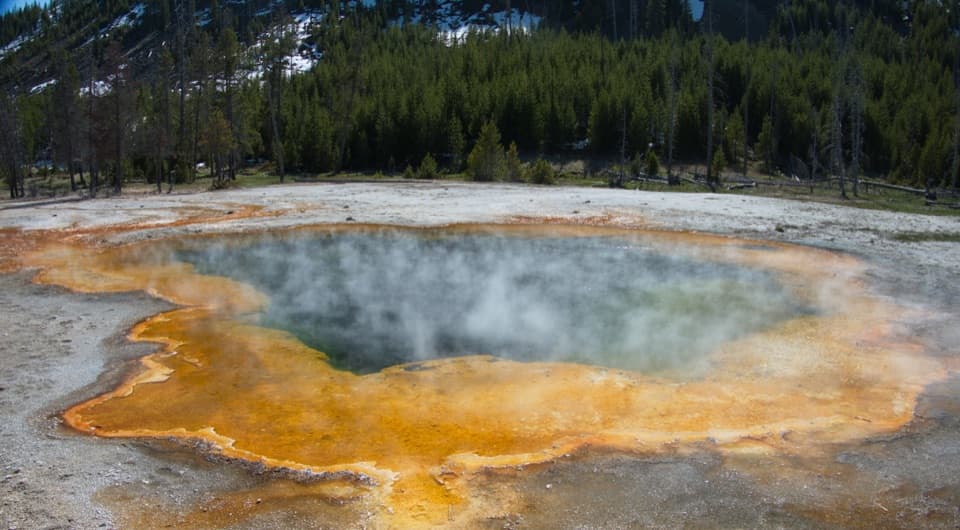
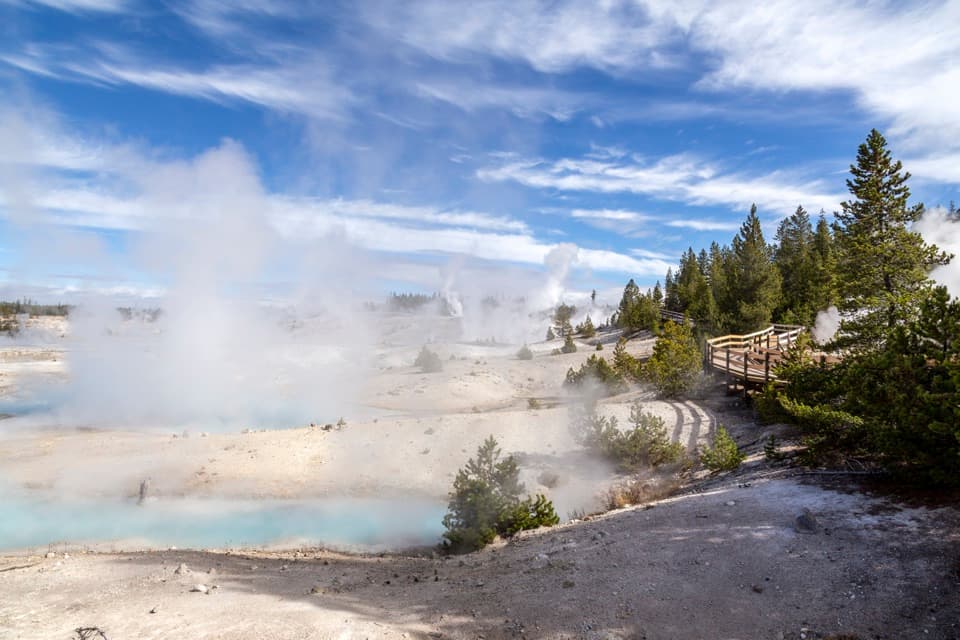
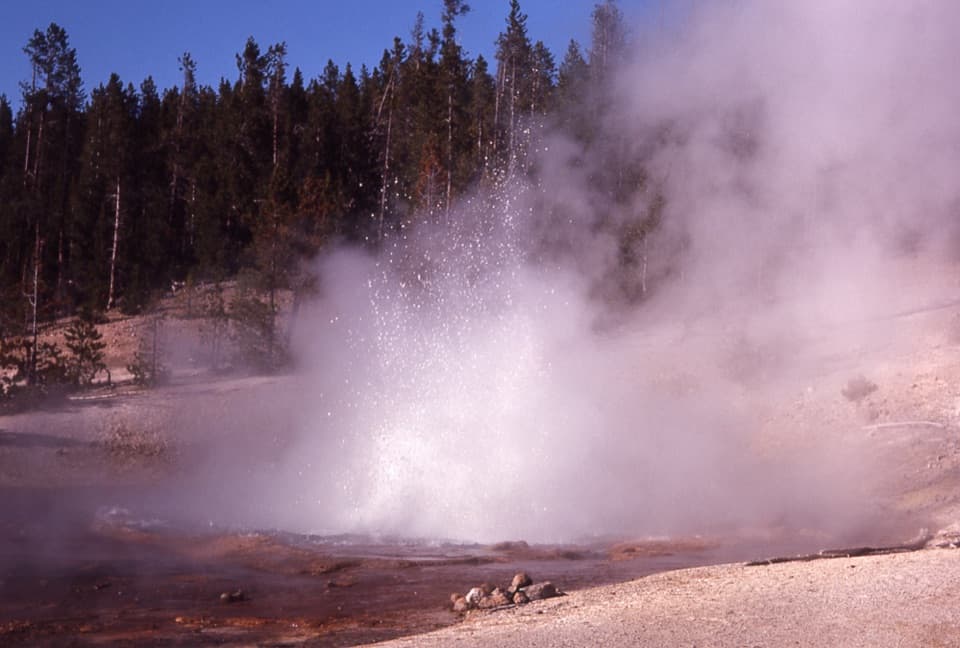
Pronounced “e-KI-nus,” this Norris Geyser Basin standout is famed for its rare acidic water (pH roughly 3.3–3.6) and rust-tinted runoff. It’s the largest known acid-water geyser, set amid one of Yellowstone’s hottest, most changeable basins. You’ll view it from sturdy boardwalks and decks built for its crowd-pleaser years.
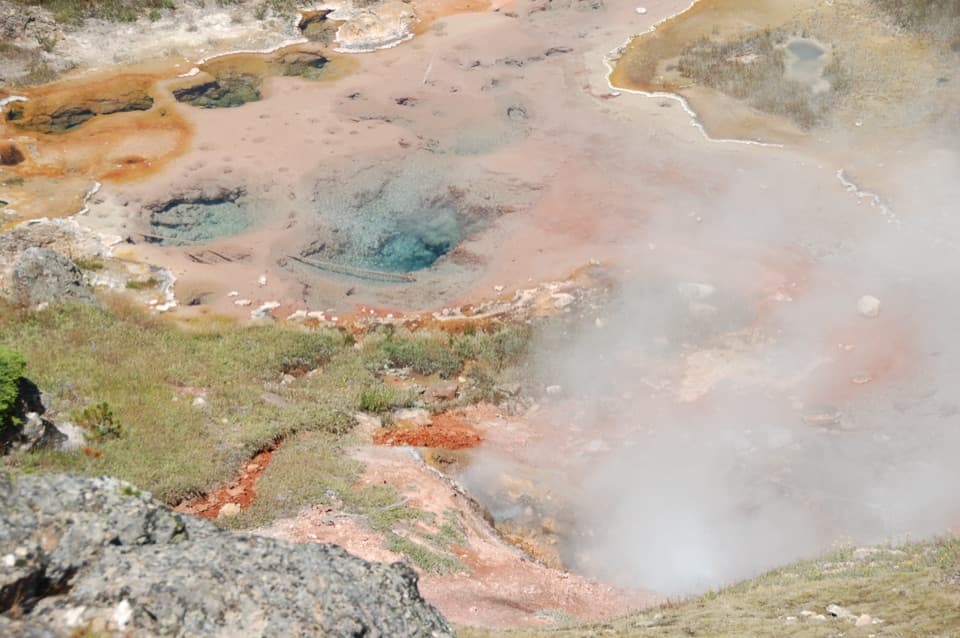
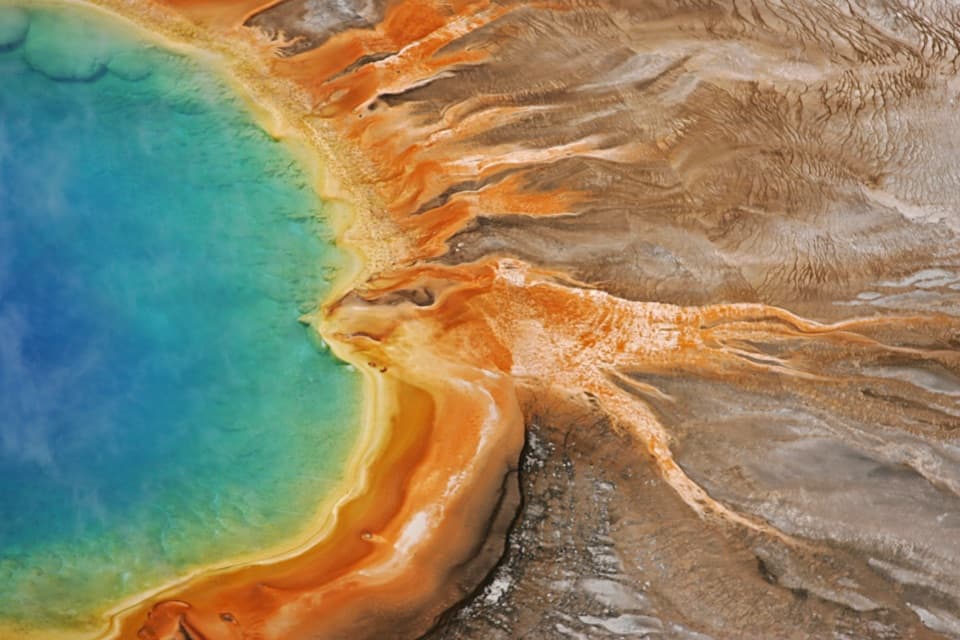
Don’t count on a show. Since a major behavior shift in late 1998, eruptions have been infrequent and unpredictable. The pool often simmers and steams, its iron-rich colors popping against pale sinter. If it does erupt while you’re there, consider it a lucky bonus.
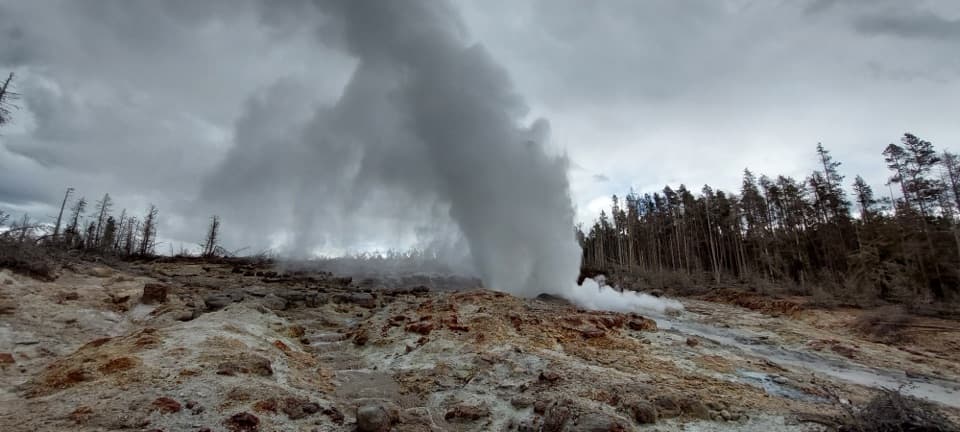
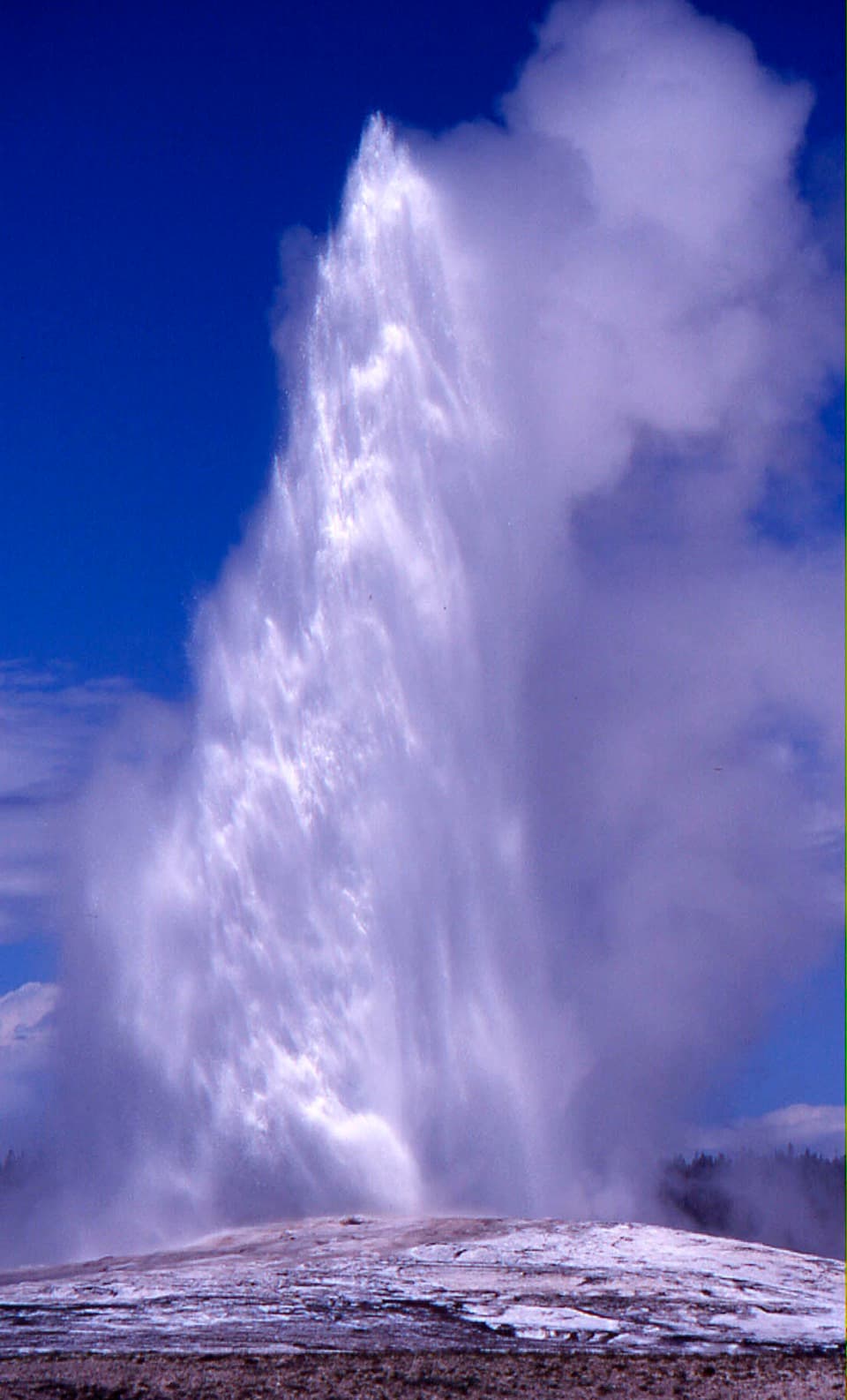
For decades, Echinus typically erupted every 35–75 minutes, launching water 40–60 feet high, sometimes lasting up to nearly two hours. The best evidence points to a lost secondary water source that once powered those long, dramatic events. In recent years it has only had short active spurts and isolated eruptions.
Norris is among the park’s hottest and most acidic hydrothermal areas, and behavior can change without warning. Echinus’s acidity is the headline here—unusual for geysers—and researchers track conditions closely. The U.S. Geological Survey even posts water-temperature data for Echinus, useful for understanding its mood swings over time.
There’s no “show time” anymore, so fold Echinus into a broader Norris boardwalk visit. Aim for earlier in the day to dodge the mid-morning parking crunch at Norris. Midday is busier; late afternoon can be calmer.